2027 Best Online Medical Records Technology Associate Degree Programs for Adults Returning to School

Co-Founder and Chief Data Scientist
Returning to school for Medical Records Technology can be a practical way to enter healthcare without direct patient-care duties. The U. S. Bureau of Labor Statistics reports that medical records specialists had a median wage of $50,250 in 2024, with demand supported by electronic health records, coding, compliance, and revenue-cycle needs.
This guide is for working adults, career changers, and students restarting college. You will learn how online associate programs differ by schedule, cost, accreditation, transfer value, and career fit so you can choose a program with fewer surprises.
Key Things You Should Know
- The strongest online Medical Records Technology associate programs for returning adults combine institutional accreditation, CAHIIM-aligned or CAHIIM-accredited health information coursework when relevant, asynchronous access, transfer-credit review, and career support for coding, records, and health information roles.
- Most associate degrees take about 60 credits; full-time students often finish in about two years, while part-time adults may need three or more years depending on transfer credits, course load, and required coding, anatomy, statistics, or practicum courses.
- Cost matters: the College Board reported average public two-year in-district tuition and fees of $4,050 for 2024-25, while the maximum Federal Pell Grant was $7,395, meaning aid can significantly change the net price for eligible adult learners.
What Flexible Online Medical Records Technology Associate Degree Formats Are Available?
Flexible online Medical Records Technology associate degree programs usually fall into a few scheduling models. The right format depends on whether you need maximum independence, live interaction, faster completion, or occasional in-person support.
Medical Records Technology is often offered under names such as Health Information Technology, Health Information Management Technology, Medical Coding and Records, or Health Information Systems. Before comparing schools, confirm that the curriculum supports your target outcome: entry-level medical records work, coding, revenue-cycle support, RHIT preparation, transfer to a bachelor's program, or a healthcare administration pathway.
The table below compares common formats and how they typically fit adults returning to school.
| Program format | How it usually works | Best fit for returning adults | Main trade-off |
| Fully online asynchronous | Students complete weekly modules, assignments, discussions, and exams without required live class meetings. | Adults with changing work shifts, caregiving duties, or limited commute time. | Requires strong self-management and regular login habits. |
| Online synchronous | Courses meet online at scheduled times through video sessions. | Students who want live teaching, real-time questions, and a more structured weekly routine. | Less flexible if your work schedule changes often. |
| Part-time online | Students take fewer courses per term, often one or two at a time. | Working adults who need a sustainable pace. | Completion takes longer, and some courses may not be offered every term. |
| Accelerated online | Courses run in shorter sessions, such as seven or eight weeks, with heavier weekly workloads. | Adults with transfer credits, recent study experience, or a predictable schedule. | Can be difficult during busy work or family periods. |
| Hybrid | Most coursework is online, but some labs, exams, orientations, or professional practice requirements may be in person. | Students who live near campus or want occasional face-to-face support. | Campus visits can create travel, childcare, or time-off costs. |
| Competency-based | Students progress by proving mastery of required competencies rather than following only a traditional semester schedule. | Experienced adults with healthcare, administrative, coding, or records-related background. | Not every program is eligible for the same aid structure or transfer treatment. |
For adult learners, "best" rarely means simply fastest or cheapest. A strong program should match your weekly availability, accept eligible prior credits, prepare you for realistic job targets, and provide advising before you commit financially.
When comparing formats, ask schools to clarify these details before applying:
- Whether all required courses can be completed online or whether any campus, testing-center, or practicum visits are required.
- Whether medical coding, anatomy and physiology, healthcare law, data privacy, reimbursement, and electronic health record courses are offered every term.
- Whether the program prepares students for RHIT, CCA, CCS, CPC, or other credentials, and whether credential eligibility depends on programmatic accreditation.
- Whether adult students can pause, reduce course load, or re-enter after a stop-out without losing catalog-year requirements.
- Whether tutoring, library access, technology help, and career services are available outside standard business hours.
How Do Part-Time Online Medical Records Technology Associate Degree Programs Work?
Part-time online Medical Records Technology associate degree programs let you spread the workload across more terms. This can be the most realistic choice if you work full time, care for children or relatives, or are returning after several years away from college.
A part-time schedule commonly means taking one or two courses per term. In a medical records program, that may include general education courses, medical terminology, anatomy and physiology, diagnostic and procedure coding, healthcare reimbursement, privacy law, data management, and professional practice preparation.
Part-time study is often a better fit when your goal is steady progress without sacrificing job income. The trade-off is time: you may take longer to finish, and course sequencing can matter. For example, advanced coding may require medical terminology and anatomy first, so skipping a term can delay later courses.
Before choosing a part-time plan, ask an academic advisor to map your full sequence from the first term to graduation. This step helps you avoid a common adult-learner mistake: enrolling in convenient first courses without checking whether required technical courses are offered often enough to graduate on your timeline.
A good part-time plan usually includes these safeguards:
- A written degree map showing which courses to take each term, including prerequisites and courses offered only once per year.
- A realistic weekly study estimate for coding, anatomy, and reimbursement courses, which can require more practice time than general education classes.
- A financial aid review, because enrollment intensity can affect Pell Grant amounts, loan eligibility, satisfactory academic progress, and employer tuition benefits.
- A transfer-credit evaluation before the first term, not after enrollment, so you do not repeat courses unnecessarily.
- A plan for busy periods, such as tax season, school breaks for children, rotating shifts, or peak work months.
Part-time study may not be ideal if you need to qualify for a credential or new job quickly. In that case, compare a shorter medical coding certificate, an accelerated associate pathway, or a program that awards credit for prior learning. The best choice depends on whether you need a fast employment credential or a broader associate degree that may transfer later.
How Do Self-Paced and Competency-Based Medical Records Technology Associate Degree Programs Work?
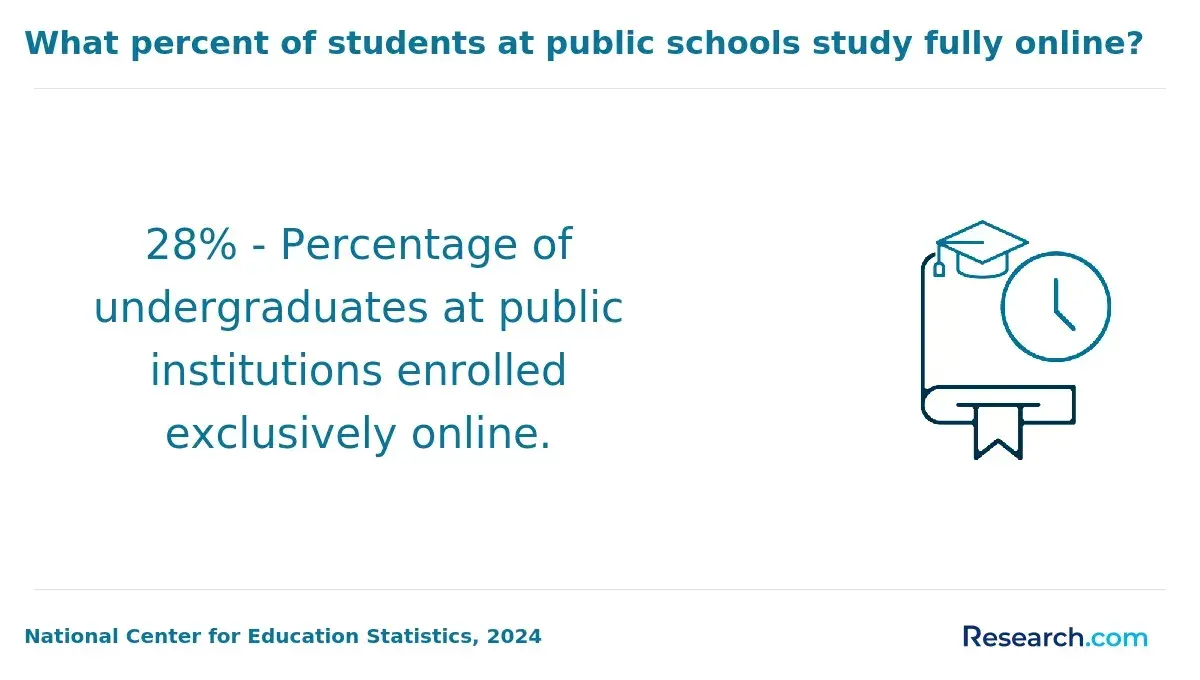
Self-paced and competency-based Medical Records Technology associate programs are designed around progress, mastery, or shorter subscription-style terms rather than only traditional semester pacing. They can be valuable for adults who already know healthcare terminology, office administration, billing, coding basics, or electronic health record workflows.
In a self-paced course, you may complete modules ahead of schedule as long as you meet deadlines and demonstrate required learning outcomes. In a competency-based model, you move forward by showing that you have mastered specific skills, such as assigning codes accurately, explaining HIPAA requirements, interpreting health data, or applying reimbursement rules.
This format can save time, but it is not automatically easier. Medical records coursework involves precision, compliance, and detailed practice. Coding and reimbursement courses are especially difficult to "skim" because small mistakes can affect claims, reporting, audits, and patient data quality.
Self-paced or competency-based programs are most useful when you can meet the following conditions:
- You can study independently without weekly live reminders from an instructor.
- You have a quiet, reliable study block several days per week.
- You are comfortable using online learning platforms, digital textbooks, proctored exams, and health information software simulations.
- You already have some relevant background, such as healthcare office work, billing, coding exposure, or prior college coursework.
- You have confirmed that credits, competencies, or transcripts will be accepted by future schools if you plan to transfer.
Be careful with programs that advertise speed but do not clearly explain accreditation, credit transfer, faculty access, assessment rules, or credential eligibility. A fast program that does not support your target certification or transfer goal may cost more in the long run than a slower, better-aligned option.
Yes, some online Medical Records Technology associate degree programs can be completed largely through evening classes, especially if they use live online sessions after standard work hours. Evening formats work well for adults who prefer scheduled interaction but cannot attend daytime classes.
Evening online courses usually fall into two categories. Some are synchronous, meaning you attend live lectures, demonstrations, or discussions at set evening times. Others are asynchronous but have evening instructor office hours, tutoring, or review sessions. The second option offers more flexibility if your job schedule changes.
Evening classes make the most sense when you learn better with structure. For example, live coding demonstrations can help students understand how to use ICD-10-CM, CPT, and reimbursement references. Real-time sessions can also reduce isolation for students returning to college after a long break.
However, evening study has practical limits. A class that meets at 7 p.m. may still require daytime advising, proctored exams, technology troubleshooting, or group projects. Before enrolling, ask whether essential services are available outside normal business hours.
Adults considering evening programs should confirm these details:
- The exact days and times of required live sessions for every technical course.
- Whether attendance is mandatory or whether recordings are available when work conflicts arise.
- How exams are scheduled and whether online proctoring is available during evenings or weekends.
- Whether tutoring for coding, anatomy, and health information systems is offered after work hours.
- Whether group projects require meetings outside the posted class schedule.
If you are planning a long-term healthcare leadership path, an associate degree can be an early step rather than the final credential. Some students later move from health information or medical records roles into administration, graduate study, or even a doctorate in healthcare administration, but that path typically requires a bachelor's degree and relevant professional experience first.
Synchronous and asynchronous learning are two of the most important format differences for adults comparing online Medical Records Technology associate degree programs. Both can be high quality, but they solve different scheduling problems.
Synchronous programs provide live structure. Asynchronous programs provide time flexibility. The table below shows how each format affects a returning adult's weekly routine.
| Feature | Synchronous online program | Asynchronous online program |
| Class attendance | Requires live online attendance at scheduled times. | Allows students to complete work within weekly or module deadlines. |
| Best for | Students who want instructor interaction, accountability, and live explanations. | Students with variable shifts, caregiving schedules, or limited predictable study time. |
| Potential challenge | Work conflicts can cause missed sessions. | Students must create their own structure and avoid falling behind. |
| Coding coursework | Live demonstrations may help with code lookup, case examples, and reimbursement logic. | Recorded demonstrations can be replayed during practice sessions. |
| Adult-learner fit | Good for students who need a class routine to rebuild study habits. | Good for students who are disciplined but need maximum control over timing. |
A common mistake is assuming asynchronous means "work whenever you want." Most online courses still have weekly deadlines, discussion windows, quizzes, and final exam dates. In coding-heavy courses, falling behind by even one week can make later assignments harder because concepts build on one another.
When deciding between the two, look at your real calendar rather than your ideal calendar. If your schedule changes weekly, asynchronous courses may reduce stress. If you have predictable evenings and benefit from live interaction, synchronous courses may help you stay engaged.
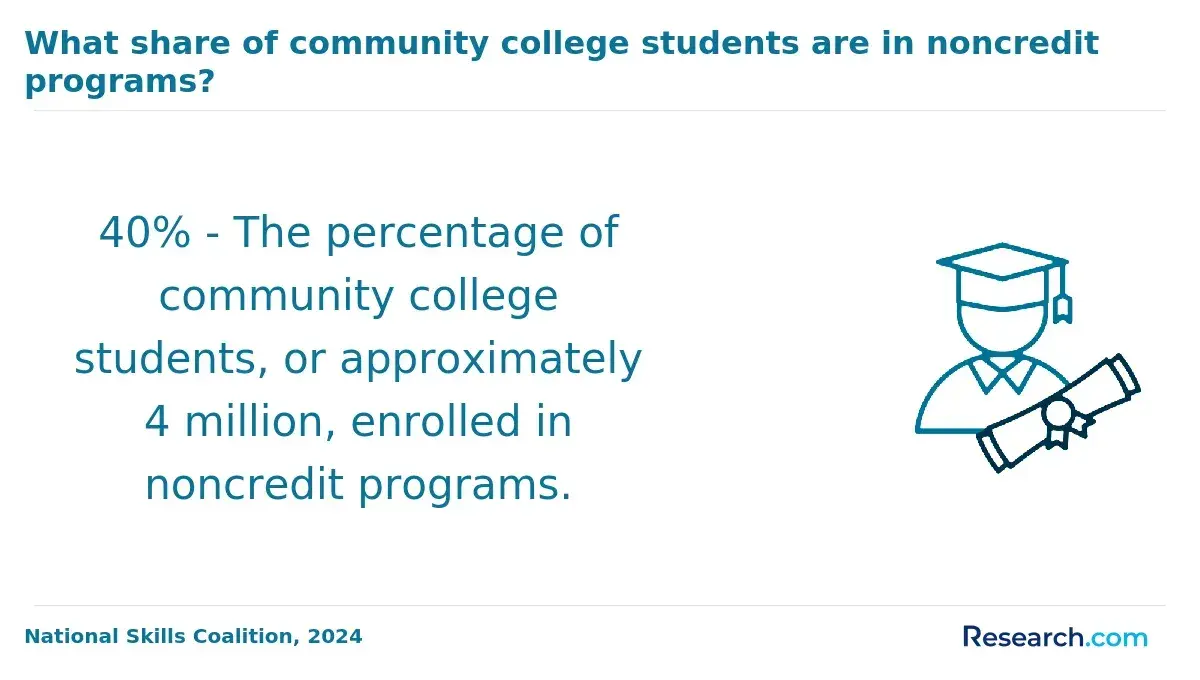
Hybrid Medical Records Technology associate degree programs combine online coursework with limited in-person requirements. In many programs, general education and health information courses can be online, while campus visits may be required for orientation, exams, technology training, professional practice experiences, or specific lab-style activities.
Hybrid programs can be a smart choice if you live near the school, want access to campus tutoring, or prefer some face-to-face support while keeping most coursework online. They can also help students build local employer connections if the program has relationships with hospitals, clinics, physician practices, insurers, or health information departments.
Before choosing a hybrid program, clarify what "hybrid" means at that specific school. The term can describe anything from one optional campus visit to weekly attendance. For adults with work and family obligations, the difference is significant.
Ask these questions before enrolling in a hybrid Medical Records Technology program:
- How many campus visits are required each term, and are they scheduled on weekdays, evenings, or weekends?
- Are professional practice experiences arranged near the student's home, or must students use approved sites near campus?
- Are in-person requirements disclosed before enrollment and included in the degree plan?
- Can required exams be completed through approved online proctoring?
- What happens if a student misses a required on-campus session because of work, illness, or caregiving responsibilities?
Hybrid study may be less convenient than fully online study, but it can be worthwhile if it improves advising, accountability, and local career connections. The key is to calculate the hidden costs of travel, parking, childcare, unpaid time off, and schedule disruption before comparing the program with fully online options.
A flexible online Medical Records Technology associate degree commonly requires about 60 semester credits. Full-time students often complete that amount in about two years, while part-time students may take three years or longer. Transfer credits, prior learning, course availability, and placement into college-level math or English can change the timeline substantially.
The table below summarizes typical completion scenarios. Use it as a planning tool, not a promise, because each school controls its calendar, prerequisites, and course rotation.
| Student situation | Typical pace | Likely timeline | What to watch |
| No prior college credits | Full time | About two years | Heavy workload, especially when anatomy, coding, and reimbursement courses overlap. |
| No prior college credits | Part time | About three or more years | Course sequencing and financial aid enrollment requirements. |
| Some transferable general education credits | Part time or full time | Potentially shorter than the standard plan | Whether credits apply to degree requirements, not just elective credit. |
| Prior healthcare or records experience | Standard or competency-based | Varies by assessment and school policy | Prior learning credit rules, documentation, fees, and transfer acceptance. |
| Certificate-to-associate pathway | Stacked credential | Depends on how many credits apply | Whether coding certificate credits count toward the associate degree. |
Adults returning to school should ask for a personalized graduation plan before they enroll. A plan should show transferred credits, remaining requirements, course prerequisites, expected term-by-term load, and the earliest realistic graduation date.
If you want to continue beyond the associate level, verify whether the degree is designed for transfer. Some students use Medical Records Technology as a first step toward a bachelor's-level health information management degree online, especially if they want broader roles in compliance, data governance, revenue cycle, or health information leadership.
Accreditation and transfer friendliness are two of the most important quality checks for adults returning to college. Accreditation affects financial aid eligibility, employer recognition, certification pathways, and whether other schools are likely to accept your credits.
Start with institutional accreditation. The college should be accredited by an agency recognized by the U.S. Department of Education or the Council for Higher Education Accreditation. This is the baseline for federal financial aid and for most transfer decisions.
Next, check programmatic accreditation or alignment. In health information education, CAHIIM accreditation is especially important for students who want eligibility for the Registered Health Information Technician credential through AHIMA. Not every medical records or coding program is CAHIIM-accredited, and not every student needs RHIT, but you should know the difference before enrolling.
Use this practical verification process before committing to a program:
- Search the school's accreditation page and confirm the institutional accreditor directly with a recognized accreditation database.
- Ask whether the Medical Records Technology, Health Information Technology, or related associate program has CAHIIM accreditation if RHIT eligibility matters to you.
- Request a written transfer-credit evaluation for prior college courses before your first term begins.
- Ask whether the school has articulation agreements with bachelor's programs in health information management, healthcare administration, public health, or business.
- Confirm whether credits are regionally transferable as general education, major requirements, or electives.
- Ask how prior learning, military training, professional certifications, or employer training are evaluated.
Red flags include vague accreditation language, pressure to enroll before credit evaluation, refusal to identify required campus visits, unclear credential eligibility, and promises that "all credits will transfer." Transfer decisions are made by the receiving institution, so no school can guarantee universal acceptance.
For returning adults, transfer friendliness can be worth more than a small tuition discount. If a program saves you from repeating courses or supports a future bachelor's pathway, it may lower both total cost and time to degree.
Costs vary widely by school type, residency status, online fees, books, coding manuals, exam fees, technology charges, and whether you have transfer credits. Public community colleges are often the lowest-cost option for in-district students, but online private colleges may offer more frequent start dates or stronger adult-learner services.
The College Board reported average public two-year in-district tuition and fees of $4,050 for 2024-25. That figure is useful as a benchmark, but it does not include every online fee, textbook, coding reference, exam, background check, or lost-work-time cost that can affect adult learners.
The table below shows cost categories to compare when reviewing online Medical Records Technology associate programs. Looking beyond tuition helps you estimate the real cost of finishing, not just starting.
| Cost factor | Why it matters | Question to ask |
| Tuition per credit | Associate programs are often priced by credit hour, and total cost depends on remaining credits after transfer. | What is the total tuition for my personalized remaining degree plan? |
| Online and technology fees | Some online programs charge per-course or per-credit fees that change the advertised price. | Are online fees included in the published tuition estimate? |
| Books and coding manuals | Coding courses may require current manuals, software, or access codes. | What are estimated course material costs for the technical sequence? |
| Certification exam costs | Credentials may improve job competitiveness, but exam fees may not be included in tuition. | Does tuition include preparation or vouchers for certification exams? |
| Practicum or professional practice costs | Some programs require site placement, background checks, immunizations, or travel. | Are there required in-person experiences or site-related costs? |
| Transfer-credit loss | Repeating courses increases total cost and delays completion. | Which of my prior credits apply directly to degree requirements? |
Financial aid may be available if the school and program are eligible. Adult students should complete the FAFSA, ask about Pell Grants, state grants, institutional scholarships, workforce development funding, employer tuition assistance, veterans benefits, and payment plans. The maximum Federal Pell Grant was $7,395 for 2024-25, but individual eligibility depends on financial circumstances, enrollment intensity, and program eligibility.
Be cautious about borrowing for a program before you know your likely completion cost and career target. Medical records roles can be stable entry points, but salary depends on location, employer, credential, experience, and specialization. If you later plan to move into management after completing a bachelor's degree, compare the cost of the full pathway, including options such as an affordable online MBA healthcare management program, rather than judging the associate degree in isolation.
How Should You Choose the Best Flexible Online Medical Records Technology Associate Degree Program for Your Schedule?
The best flexible online Medical Records Technology associate degree program is the one that fits your schedule, protects your credits, supports your career goal, and keeps your total cost manageable. For adults returning to school, program fit matters more than marketing claims about speed or convenience.
Start by defining your main goal. If you want the quickest route into coding, a certificate may be enough. If you want a broader credential, transfer options, or RHIT eligibility, an associate degree may be more valuable. If you already work in healthcare and want advancement, make sure the program connects to bachelor's or management pathways.
The table below summarizes how different student goals should shape program selection.
| Your goal | Program features to prioritize | Potentially poor fit |
| Start a medical records or coding career | Strong coding sequence, career services, certification preparation, employer connections. | A broad program with limited coding practice or unclear credential preparation. |
| Balance school with full-time work | Asynchronous courses, part-time plans, evening support, predictable deadlines. | A program with frequent live daytime sessions or undisclosed campus visits. |
| Use prior college credits | Early transcript review, generous transfer policy, clear degree audit. | A school that evaluates transfer credits only after enrollment. |
| Prepare for RHIT or HIM transfer | CAHIIM-accredited or clearly aligned curriculum, articulation agreements, bachelor's pathway advising. | A non-accredited program that does not explain credential eligibility. |
| Minimize debt | Public tuition, Pell eligibility, employer aid, low fees, accepted transfer credits. | A higher-cost program with unclear completion cost or limited aid counseling. |
| Move into leadership later | Transferable general education, health data coursework, advising for bachelor's completion. | A terminal program with credits that do not apply to future degrees. |
Use a structured comparison process instead of relying only on rankings or advertisements. The following steps can help you narrow your list efficiently:
- Choose your target outcome first: entry-level records work, coding certification, RHIT eligibility, transfer to a bachelor's degree, or eventual management.
- Verify institutional accreditation and, if relevant, CAHIIM accreditation before reviewing tuition.
- Request a transcript evaluation and written degree plan from each school on your shortlist.
- Compare total program cost after transfer credits, not only tuition per credit.
- Test the weekly schedule against your actual work, commute, caregiving, and sleep patterns.
- Ask whether tutoring, advising, library access, career coaching, and technical support are available when you can use them.
- Review graduate outcomes carefully, including certification pass support, placement assistance, and employer partnerships, while remembering that outcomes vary by student and labor market.
- Speak with admissions, financial aid, and program faculty before enrolling; each office answers different questions.
Common mistakes include choosing a school because it starts soon, ignoring transfer-credit limits, underestimating coding coursework, assuming online means self-paced, and borrowing before calculating total cost. A better approach is to compare three to five accredited options side by side and choose the one that gives you the strongest completion plan.
If your long-term goal is healthcare operations, compliance, or department leadership, the associate degree may be the first credential in a larger plan. After completing a bachelor's degree, some professionals consider an online master's healthcare management program to build management, finance, policy, and leadership skills.
Other Things You Should Know About Medical Records Technology
Yes. Many online associate programs serve adult learners who have been away from school. Start with placement requirements, transcript retrieval, technology readiness, and a manageable first-term course load. Medical terminology or student success courses can help you rebuild academic confidence before taking coding-heavy classes.
Not exactly. Billing and coding focus on codes, claims, reimbursement, and payer rules. Medical Records Technology is usually broader and may include health data management, privacy, compliance, electronic health records, statistics, quality improvement, and healthcare information systems.
Certification is not always legally required, but employers may prefer or require credentials for coding or health information roles. Common options include RHIT, CCA, CCS, and CPC, depending on your program, experience, and career goal. Always confirm eligibility rules with the credentialing organization before enrolling.
You usually need a reliable computer, high-speed internet, webcam, microphone, updated browser, office software, and the ability to use a learning management system. Some courses may require proctoring tools, coding software, electronic health record simulations, or digital coding references.
- Health Information Technology https://www.cambridgehealth.edu/health-information-technology-program/
- Medical Front Office & Electronic Health Records (EHR) - Online Training https://medcerts.com/programs/healthcare/medical-front-office-and-electronic-health-records-online-training
- U.S. Career Institute | Online Career Training | Partners Health Information Management Program - USCI https://www.uscareerinstitute.edu/partners/programs/health-information-management
- The Best Online Associate in Healthcare IT Programs | OC.net https://www.onlinecolleges.net/rankings/best-online-associate-healthcare-information-technology-degree-programs/
- How Student Support Services Create a Stronger Workforce https://skillpointe.com/news-and-advice/how-student-support-services-create-stronger-workforce
- New Graduate Employment Data https://www.aacnnursing.org/news-data/research-data-center/new-graduate-employment-data
- The Best Online Degrees for Working Adults [Complete Guide] https://beal.edu/best-online-degrees-for-working-adults/
- Average Cost of College [2025]: Yearly Tuition + Expenses https://educationdata.org/average-cost-of-college
- Cost of an Online Degree: Calculate the Cost of Your Higher Education https://www.edumed.org/articles/cost-of-an-online-degree/
- Cost of Medical Health Care Courses and Diplomas in Canada https://pharmamedical.ca/cost-of-medical-health-care-courses-and-diplomas-in-canada/