2027 Best Online ESL & TESOL Doctorate Programs for Private Sector and Corporate Careers

Co-Founder and Chief Data Scientist
Corporate language learning is no longer limited to classroom ESL; it now supports global teams, onboarding, customer education, compliance, and AI-enabled learning systems. The U. S. Bureau of Labor Statistics projects training and development manager employment to grow 7% through 2033, faster than average, which makes advanced learning leadership credentials more relevant.
This guide is for ESL, TESOL, L& D, HR, and corporate training professionals comparing online doctoral options. You will learn which programs fit private-sector goals, what skills and roles they support, and how to choose without overpaying for the wrong credential.
Key Things to Know About Online ESL & TESOL Doctorate Programs for Corporate Careers
- The strongest corporate fit is usually an applied Ed.D. or professionally oriented TESOL doctorate with coursework in instructional design, program evaluation, adult learning, assessment, multilingual workforce training, and leadership.
- BLS data published in its current outlook projects 7% growth for training and development managers through 2033, so doctoral-level ESL/TESOL expertise is most valuable when paired with measurable business and learning outcomes.
- A doctorate can strengthen candidacy for senior L&D, language program strategy, assessment, research, and consulting roles, but it does not guarantee promotion; accreditation, dissertation topic, portfolio evidence, and employer relevance matter more than the word "online."
Will ESL & TESOL doctorate programs benefit corporate professionals?
An ESL & TESOL doctorate can benefit corporate professionals when their work goes beyond teaching individual language learners. In a private-sector setting, ESL refers to English language learning for people who use English as an additional language, while TESOL is the broader field of teaching English to speakers of other languages. At the doctoral level, the value usually comes from leadership, research, assessment, program design, and evidence-based improvement rather than from the credential alone.
The degree makes the most sense for professionals who already work near language training, global talent development, instructional design, corporate universities, workforce education, international onboarding, or executive communication coaching. It is less likely to pay off quickly for someone who wants only a frontline teaching role, a short-term pay raise, or a credential that does not connect to their employer's business priorities.
The practical benefit depends on whether the doctorate helps you solve problems companies already care about. These are the professionals most likely to see value:
- Corporate ESL or business English instructors who want to move into curriculum leadership, assessment design, or training operations.
- Learning and development professionals who support multilingual employees, global teams, call centers, healthcare workforces, hospitality teams, manufacturing teams, or customer-facing staff.
- HR, DEI, and talent leaders who need stronger expertise in language access, workplace communication, onboarding, and inclusive training design.
- Instructional designers who want to build research-backed language learning products, AI-assisted tutoring systems, simulations, or scalable corporate academies.
- Consultants who want a stronger evidence base for advising companies on language assessment, program evaluation, and cross-cultural communication.
A common mistake is assuming that any doctoral program in education will produce the same corporate value. A corporate-focused candidate should look for a program that allows dissertations, capstones, internships, or projects tied to workplace language learning, not only K-12 or higher education teaching.
What makes online ESL & TESOL doctorate programs ideal for private sector or corporate careers?
The ideal online ESL & TESOL doctorate for corporate careers is flexible, applied, accredited, and intentionally connected to adult learning and organizational outcomes. Online delivery matters because many candidates are already mid-career professionals who cannot pause employment to study full time, but format alone is not enough; the curriculum must translate into private-sector work.
Use the following comparison to separate programs that are merely online from programs that are genuinely useful for corporate ESL/TESOL goals.
| Program quality signal | Why it matters for corporate careers | What to verify before enrolling |
| Institutional accreditation | Employers, tuition assistance programs, and future academic partners are more likely to recognize the credential. | Confirm accreditation through the school's accreditor and current catalog. |
| TESOL, ESL, applied linguistics, or English language learning specialization | Direct subject alignment helps if your target role involves language program strategy, assessment, or curriculum. | Check whether TESOL is a full specialization, concentration, or only an elective option. |
| Adult learning and instructional design coursework | Corporate learners are adults with job-performance goals, not traditional school-age students. | Look for courses in adult education, learning analytics, digital learning, and program evaluation. |
| Applied dissertation or capstone flexibility | A workplace-based study can become a portfolio asset for promotion, consulting, or product leadership. | Ask whether you can study a corporate language program, workforce training issue, or employer-sponsored project. |
| Research methods depth | Senior roles often require interpreting data, proving ROI, and evaluating training effectiveness. | Review quantitative, qualitative, mixed-methods, and assessment coursework. |
| Online support for working adults | Doctoral attrition risk rises when advising, writing support, and cohort structure are weak. | Ask about dissertation advising load, time-to-completion, residency requirements, and online library access. |
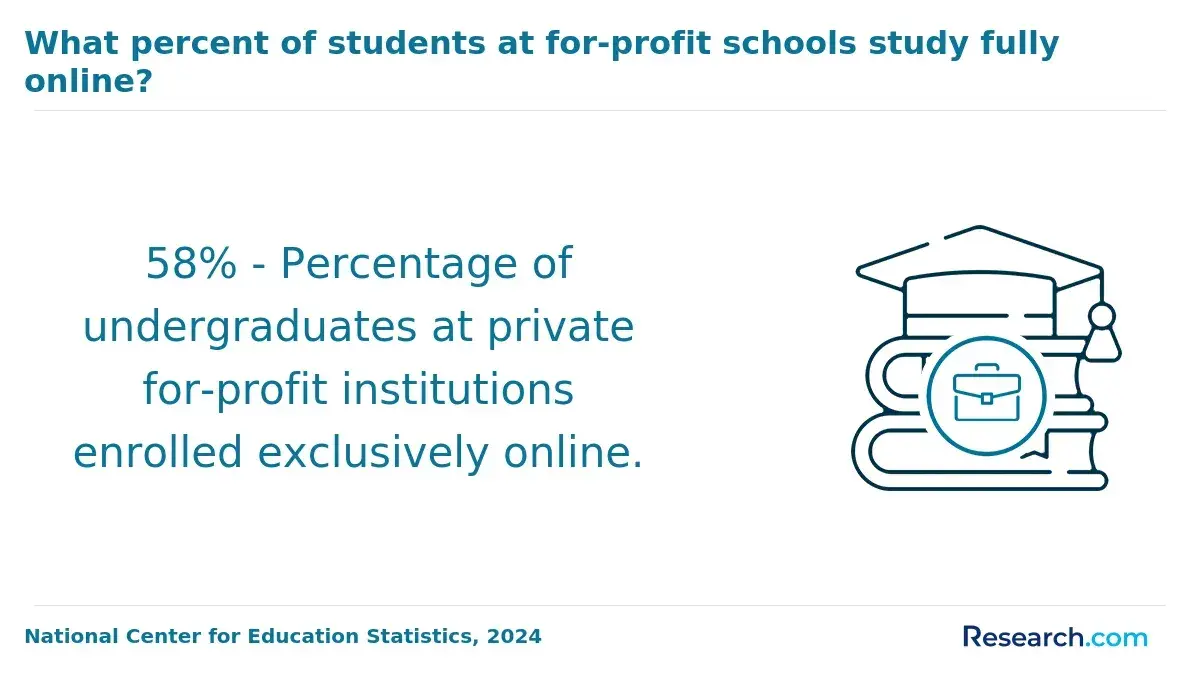
Current workplace trends make these qualities more important. AI tools can generate language practice, feedback, and translations, but companies still need experts who can validate learning quality, protect assessment integrity, support diverse learners, and connect training to job performance.
What are the best online ESL & TESOL doctorate programs for private sector careers?
Fully online doctorates that are explicitly branded as ESL, TESOL, or English language learning are relatively limited, so "best" should mean best fit for a specific corporate outcome rather than a universal ranking. The strongest choices tend to be direct TESOL doctorates or education doctorates with a clear TESOL/ELL specialization and enough flexibility to build a corporate dissertation or capstone.
The table below highlights program types and examples that corporate-focused applicants commonly compare. Program names, formats, tuition, and specialization availability can change, so verify every detail in the current graduate catalog before applying.
| Program or program type | Best corporate fit | Credential orientation | Why it may work well | Potential limitation |
| Anaheim University Ed.D. in TESOL | Corporate language program directors, business English specialists, TESOL consultants, and global training leaders | Direct TESOL doctorate with professional orientation | Strong subject alignment for adult language learning, curriculum, assessment, and TESOL leadership | Applicants should compare institutional accreditation type, employer recognition, and dissertation support against their goals. |
| Regent University doctoral education programs with TESOL concentration options | Professionals who want a Christian university context, leadership coursework, and TESOL-aligned research | Education doctorate or Ph.D.-style pathway depending on current offering | Can suit candidates who want to combine language education, leadership, and research | Corporate fit depends on elective choices and whether the dissertation can address workplace learning. |
| Liberty University Ed.D. in Curriculum and Instruction with TESL/ESL-related specialization options | L&D professionals who want curriculum leadership, online flexibility, and a practitioner-focused doctorate | Applied education doctorate | Curriculum and instruction coursework can translate well to corporate training design when paired with ESL/TESOL projects | Applicants should confirm the current specialization title, course sequence, and non-school-based dissertation flexibility. |
| Online Ed.D. in instructional design, learning technologies, or educational leadership with an ESL/TESOL dissertation | Instructional designers, learning technology managers, and corporate academy leaders | Applied professional doctorate | May be stronger for corporate learning systems, AI-enabled learning, analytics, and scalable training operations | It may not carry the same direct TESOL signal unless the dissertation, electives, and portfolio clearly focus on language learning. |
| Online Ph.D. or research doctorate in education, applied linguistics-adjacent study, or language education | Research directors, assessment specialists, university-corporate partnership leaders, and evidence-based consultants | Research-focused doctorate | Useful for professionals who want to publish, lead studies, validate assessments, or build research-intensive products | May be less efficient for candidates who mainly want immediate corporate leadership skills. |
A practical short list should include no more than five programs at first. If a program cannot show how its coursework, dissertation supervision, and graduate outcomes connect to adult language learning or organizational learning, it may still be a good doctorate but not the right corporate investment.
A research-focused doctorate is usually best for professionals who want to produce original scholarship, design studies, validate assessments, publish, or move into research-heavy consulting. An applied doctorate is usually better for corporate professionals who want to improve programs, lead learning teams, build training products, or solve organizational problems.
The distinction matters because the same "doctorate" label can lead to very different weekly work, dissertation expectations, and career signals.
| Decision point | Research-focused ESL/TESOL doctorate | Applied ESL/TESOL doctorate |
| Typical degree fit | Ph.D. or research-intensive doctorate | Ed.D. or professional doctorate |
| Best for | Research, assessment validation, publishing, policy analysis, and academic-corporate research partnerships | Corporate training leadership, curriculum strategy, learning operations, consulting, and program improvement |
| Dissertation style | Original contribution to theory or empirical research | Applied problem of practice, program evaluation, intervention study, or workplace learning improvement |
| Corporate advantage | Stronger credibility for evidence, analytics, and high-stakes assessment work | Stronger practical alignment with business problems and team leadership |
| Possible trade-off | May be slower and less directly tied to workplace implementation | May be less suitable for tenure-track or highly research-intensive positions |
Choose a research-focused route if your target work involves building or evaluating language assessments, publishing research, leading a research department, or advising product teams on evidence standards, or a graduate of a library degree. Choose an applied route if your target work involves improving onboarding, managing multilingual training, proving training effectiveness, or leading L&D strategy.
A common red flag is choosing a Ph.D. because it "sounds more prestigious" when the job target is operational leadership. Prestige matters less than whether the program gives you the methods, portfolio, and dissertation topic that a private-sector employer can understand.
The cheapest accredited online doctoral programs in ESL & TESOL can build corporate-ready skills when the curriculum connects language learning to adult performance, technology, assessment, and organizational decision-making. These skills are especially relevant because companies increasingly expect learning leaders to show measurable impact rather than simply deliver training hours.
The table summarizes major skill areas and how they translate into private-sector work.
| Doctoral skill area | Corporate translation | Example use in a company |
| Needs analysis | Diagnosing language and communication barriers that affect performance | Identifying why multilingual customer service agents struggle with escalation calls |
| Curriculum and instructional design | Building structured training aligned with job tasks and proficiency targets | Creating a business English pathway for supervisors in a manufacturing company |
| Language assessment | Designing fair placement, progress, and proficiency measures | Evaluating whether a speaking assessment predicts workplace communication readiness |
| Program evaluation | Measuring whether training improves business-relevant outcomes | Comparing completion, retention, promotion readiness, and supervisor feedback after training |
| Research methods and analytics | Interpreting learner data and making evidence-based decisions | Testing whether AI speaking practice improves confidence and accuracy for new hires |
| Cross-cultural communication | Supporting global collaboration and inclusive team communication | Designing communication coaching for distributed teams across regions |
| Learning technology strategy | Selecting and improving platforms, simulations, AI tutors, and digital content | Evaluating whether an adaptive language platform fits a company's workforce needs |
To turn these skills into career value, candidates should build evidence while enrolled in an online EdD. Useful portfolio artifacts include a corporate needs assessment, language curriculum map, assessment rubric, program evaluation report, learning analytics dashboard, and dissertation or capstone tied to a real workplace problem.
An ESL & TESOL doctorate can open or strengthen access to roles where language learning intersects with leadership, research, workplace learning, product design, and consulting. The credential is most powerful when paired with experience managing people, budgets, platforms, or measurable training outcomes.
The following roles are realistic private-sector targets for doctoral-level ESL/TESOL professionals, although titles vary widely by employer.
| Corporate role | How the doctorate helps | Typical experience employers also expect | Salary context |
| Director of language learning or global training | Signals expertise in language curriculum, assessment, adult learning, and program evaluation | Training leadership, vendor management, budget ownership, and multilingual workforce experience | Often benchmarked against training and development management roles |
| Senior instructional design or learning experience leader | Adds depth in evidence-based design for multilingual adult learners | Portfolio, learning platforms, stakeholder management, and design tools | Often benchmarked against instructional design, L&D, or learning technology roles |
| Language assessment or evaluation specialist | Supports validity, reliability, fairness, and data interpretation | Assessment design, statistics, research methods, and compliance awareness | May align with research, analyst, or specialized education roles |
| Corporate ESL/TESOL consultant | Builds credibility for advising companies on workforce language strategy | Client-facing experience, measurable case studies, and niche industry knowledge | Varies widely by client base and consulting model |
| Learning research or product strategy lead | Helps evaluate language learning products, AI tools, and learner outcomes | Research operations, product collaboration, analytics, and user research | May align with management analyst, product, or learning science roles |
| Corporate university or academy leader | Supports enterprise-level curriculum governance and faculty/trainer development | Operations, leadership, vendor selection, and executive communication | Often tied to broader L&D leadership compensation bands |
BLS data published in the current Occupational Outlook Handbook projects 7% employment growth for training and development managers through 2033. For doctorate seekers, the takeaway is not that every ESL/TESOL graduate will become an L&D executive, but that companies continue to need leaders who can design, manage, and evaluate workforce learning at scale.
Corporate partnerships can offer an advantage when they create real access to workplace projects, data, mentors, internships, employer-sponsored research, or tuition support. They are less useful when "partnership" only means a marketing relationship or a generic employer discount.
Before giving extra weight to a partnership claim, examine what the arrangement actually provides. A strong partnership should help you produce work samples and relationships that transfer into private-sector opportunities.
- Ask whether doctoral students can complete dissertations, capstones, or evaluations using corporate language-learning problems.
- Confirm whether the program has employer advisory boards, practitioner faculty, or industry-connected dissertation chairs.
- Look for access to workplace learning data, supervised consulting projects, or case studies for SLPs .
- Check whether employer tuition assistance requires a specific accreditation type, minimum grade, continued employment period, or approved program list.
- Be cautious if the school promotes partnerships but cannot name the learning outcomes, project options, or career services tied to those relationships.
Partnerships are especially valuable for candidates moving from teaching into corporate L&D because they reduce the "experience gap." If you already hold a senior corporate role, a traditional academic program without formal partnerships may still work well if it allows you to use your own workplace as the research setting.
Corporate employers generally evaluate an online ESL & TESOL doctorate through the same practical lens they apply to other advanced credentials: accreditation, relevance, performance evidence, and fit with the role. The online format is rarely the main problem when the institution is accredited, the candidate can explain the program clearly, and the work samples show business relevance.
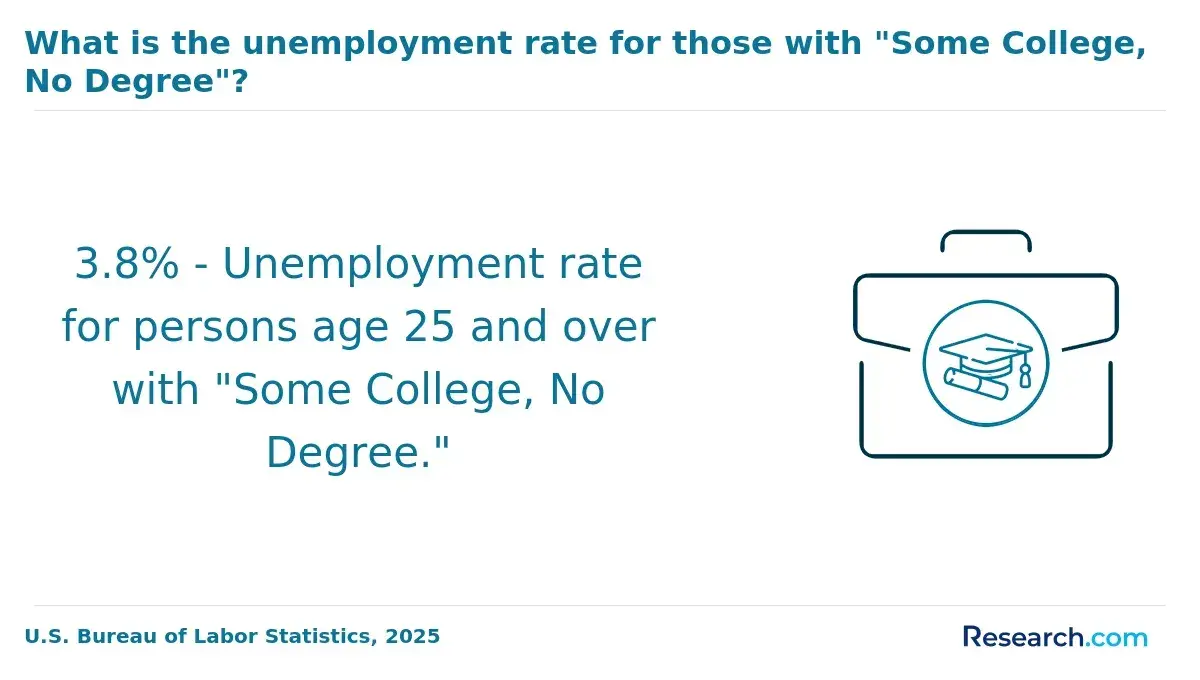
Distance learning is now common enough that many employers focus less on where the candidate sat during class and more on what the candidate can do. NCES distance education reporting released in recent federal tables shows that graduate-level online study is a mainstream delivery mode, which means candidates should not over-explain the format; they should demonstrate rigor and relevance instead.
Employer perception is strongest when your resume and interview connect the doctorate to business outcomes. Useful proof points include:
- A dissertation or capstone addressing a corporate language learning, assessment, onboarding, or training effectiveness problem.
- Evidence of applied research methods, such as mixed-methods evaluation, survey design, learner analytics, or assessment validation.
- Portfolio artifacts that a hiring manager can understand, such as curriculum maps, executive summaries, dashboards, rubrics, and program evaluation reports.
- Leadership examples showing that you can manage stakeholders, budgets, vendors, trainers, or cross-functional teams.
- Clear explanation of why the online format supported continued professional work rather than reducing academic rigor.
The biggest mistake is assuming the credential will speak for itself. A doctorate can help open conversations, but corporate hiring managers still want evidence that the candidate can improve performance, reduce risk, support employees, or create scalable learning solutions.
Salary outcomes for ESL & TESOL doctorate holders in the private sector vary because there is no single BLS occupation called "TESOL doctorate holder." Compensation depends on the role, industry, leadership level, location, employer size, and whether the person works in-house or as a consultant.
The most useful way to estimate earning potential is to map the doctorate to adjacent U.S. corporate roles. The figures below use recent BLS wage benchmarks where available and should be treated as context, not a promise of individual earnings.
| Role family | Relevant corporate pathway | Recent U.S. salary context | How to interpret the figure |
| Training and development manager | Director or manager of corporate language learning, L&D, or workforce education | BLS reports a national median around the mid-$120,000s in its recent wage data for this occupation. | This is the most relevant benchmark for leadership roles that manage training programs and teams. |
| Human resources manager | Talent development, employee communication, onboarding, or workforce inclusion leadership | Recent BLS wage data places the national median for HR managers around the low-$140,000s. | The doctorate helps most when paired with HR strategy and people leadership experience. |
| Management analyst | Learning consultant, workforce communication consultant, or program evaluation consultant | Recent BLS wage data places the national median for management analysts around the low-$100,000s. | Consulting income can vary sharply by specialization, client base, and business model. |
| Instructional coordinator or learning specialist | Senior curriculum, language assessment, or instructional design role | Recent BLS wage data places this occupation below senior management roles but above many entry-level education roles. | This may be a bridge role for candidates moving from teaching into corporate learning. |
ROI depends on the gap between program cost and the career move you realistically expect. If your goal is corporate promotion, choosing among the cheapest online accredited online doctoral programs and completing a highly relevant dissertation may be a wiser move than going with a more expensive program. Meanwhile, a more research-intensive program may be worth the extra time if your target is assessment research, product evidence, or high-level consulting.
How do you narrow down online ESL & TESOL doctorate programs for corporate goals?
The best way to narrow online ESL & TESOL doctorate programs is to start with the corporate role you want, then work backward to the credential, curriculum, dissertation model, and cost structure. This prevents a common mistake: choosing the most familiar education program and hoping it will translate later.
Use this sequence to build a practical shortlist:
- Define the target role in plain business language, such as director of language learning, senior instructional designer, assessment consultant, learning research lead, or corporate training executive.
- Identify the proof that role requires, including leadership experience, portfolio artifacts, analytics, assessment design, consulting projects, or industry specialization.
- Choose the degree orientation that fits the role: applied Ed.D. for workplace implementation and leadership, research-focused doctorate for studies, evidence, assessment, or publishing.
- Screen for accreditation, current specialization availability, faculty expertise, online student support, dissertation flexibility, and employer tuition reimbursement eligibility.
- Compare total cost, fees, residency travel, time-to-completion, transfer credit, leave policies, and dissertation continuation costs.
- Ask whether you can complete a dissertation or capstone on a corporate ESL/TESOL problem rather than a school-only topic.
- Request examples of recent dissertation topics, graduate roles, and career services available to online doctoral students.
- Eliminate programs that cannot explain how their curriculum supports adult workplace learning, assessment, technology, or organizational outcomes.
The following red flags should make you pause before applying:
- The program markets itself as corporate-friendly but lists only K-12 or academic career outcomes.
- The TESOL component is limited to one or two electives, even though the program is presented as a TESOL doctorate.
- Faculty expertise does not match your intended dissertation area, such as corporate language assessment, adult ESL, learning analytics, or AI-supported language learning.
- The school cannot provide clear information on dissertation advising, completion support, total cost, or online residency requirements.
- You are relying only on rankings instead of testing whether the program fits your specific private-sector goal.
Before committing, speak with admissions, a faculty member, and ideally a current student or graduate. Ask direct questions about dissertation flexibility, employer-facing projects, and the kinds of roles graduates pursue outside traditional teaching.
Other Things You Should Know About ESL & TESOL
Yes, but the degree is more valuable if you build corporate exposure during the program. Consider projects with employers, internships, consulting assignments, instructional design work, or a dissertation tied to workplace language learning.
Not always. Some programs accept related master's degrees in education, applied linguistics, English, instructional design, or leadership. However, applicants without TESOL background may need prerequisites or should show relevant teaching, training, or language-learning experience.
Many working adults finish in about three to five years, depending on credit load, dissertation pace, transfer credits, and residency requirements. The dissertation stage is often the biggest factor in total time.
It depends on the goal. A certificate may be enough for teaching or adding a focused skill quickly. A doctorate is more appropriate for leadership, research, assessment, consulting, program evaluation, or roles where advanced credibility and independent inquiry matter.
- Accredited TEFL courses - ESL certification - TEFL Trainers https://internationaltefltesol.com/itt-online-jobs/
- ESL Teaching Opportunities Explained: Global Paths | TEFL Institute https://teflinstitute.com/blog/esl-teaching-opportunities-explained/
- 23 Best Teaching English Online Companies (Comparison) | The TEFL Org https://www.tefl.org/teach-english-online/
- Doctor of Education in TESOL (EdD) | Online TESOL Doctorate | Anaheim University https://anaheim.edu/schools-and-institutes/graduate-school-of-education/doctor-of-education-in-tesol.html
- Teach English as a Second Language Job and Salary Outlook | CUNE https://www.cune.edu/news/teach-english-second-language-salary
- Teaching English as a Second Language https://www.ualberta.ca/en/education/programs/graduate-programs/teaching-english-as-a-second-language.html
- The 12 Best Online TEFL Courses in 2026 | Go Overseas https://www.gooverseas.com/blog/best-online-tefl-courses
- World TESOL Academy - TESOL/TEFL Certificate https://www.worldtesolacademy.com/
- Online EdD Programs in TESOL and English Language Learning https://www.onlineeddprograms.com/faqs/edd-programs-tesol
- Best ESL Master's Programs Online 2025 https://www.onlineu.com/degrees/masters-esl