2027 Best Cybersecurity Degrees for Working Adults

Co-Founder and Chief Data Scientist
Many working adults struggle to find cybersecurity degree programs that offer flexibility without sacrificing quality. This challenge is critical as the cybersecurity workforce faces a projected 35% growth through 2031, reflecting soaring demand for skilled professionals. Balancing full-time employment and education often leads to delaying career advancement or forgoing further qualification. Cybersecurity degrees designed for adults focus on practical skills, flexible scheduling, and industry-relevant knowledge to address these issues. This article explores accredited, flexible cybersecurity degree options that help working professionals gain expertise and advance their careers without disrupting their current employment.
Key Things to Know About Cybersecurity Degrees for Working Adults
- Many cybersecurity degrees offer flexible scheduling, including evening and weekend classes, accommodating full-time working adults without disrupting their job responsibilities.
- Online and hybrid formats are increasingly common, enabling students to balance coursework with professional and personal commitments effectively.
- Curricula often align with employer needs, featuring accelerated pacing and support services such as career counseling and technical tutoring tailored for working professionals.
What Are the Best Cybersecurity Degrees for Working Adults?
The best cybersecurity degrees for working adults vary widely depending on factors such as schedule flexibility, career alignment, and return on investment. Many adult learners now prioritize programs that offer part-time enrollment or online classes to maintain full-time employment while advancing their education. A notable trend is the rise of hybrid and online formats that accommodate diverse learning paces and busy professional lives.
Several degree options stand out for their suitability to working professionals balancing career and study commitments:
- Bachelor's Degree in Cybersecurity: Provides a comprehensive foundation in cybersecurity principles, often available with flexible scheduling and online delivery, making it ideal for professionals seeking foundational knowledge without career disruption.
- Information Security Management: Focuses on leadership and strategic oversight of cybersecurity efforts, appealing to those targeting managerial roles while benefiting from practical coursework aligned with employer demands.
- Network Security: Emphasizes protecting computer networks and infrastructure, fitting well for those with IT backgrounds who aim to specialize in technical security roles with flexible learning options.
- Cybersecurity and Risk Management: Combines hands-on technical skills with compliance and organizational risk strategies, supporting adults interested in both operational and strategic responsibilities.
- Digital Forensics: Offers expertise in investigating cybercrimes, blending practical training valuable in law enforcement or corporate security careers with adaptable study formats.
For professionals interested in affordable cybersecurity degree programs for professionals and exploring various online learning pathways, resources like bcba masters programs online highlight the growing availability of accessible options tailored for working adults.
What Are the Admission Requirements for Working Adults in Cybersecurity Degree Programs?
Admission requirements for working adults in cybersecurity degree programs often differ significantly from those for traditional students. This is due to adult learners balancing education with full-time jobs and family responsibilities. A notable trend indicates that nearly 40% of graduate students enroll part-time, highlighting the increasing demand for flexible admission policies. These changes align with the distinct needs of adult learners seeking cybersecurity degree admission criteria for working adults.
Admission processes commonly emphasize the following considerations:
- Work Experience: Relevant professional experience in technology or related fields is highly valued, sometimes equating or outweighing academic records. Admissions committees often consider this as a practical indicator of readiness for advanced study.
- GPA Expectations: Minimum GPA requirements usually range from 2.5 to 3.0, but many programs offer flexibility for working adults who demonstrate strong professional accomplishments or other strengths.
- Standardized Test Waivers: Tests like the GRE are frequently waived for experienced professionals, helping reduce barriers for those with substantial work backgrounds.
- Professional Recommendations: Letters from supervisors or colleagues that emphasize skills and accomplishments in the workplace play a crucial role in supporting the application.
- Flexible Study Options: Part-time and online study formats are often available, allowing students to manage coursework alongside employment. This flexibility is essential for many adult learners interested in cybersecurity programs.
Adult learners seeking accredited and adaptable options can explore related fields and cross-disciplinary studies, such as counseling degrees online accredited, that accommodate various career goals and schedules.
What Coursework Is Required in Cybersecurity Degree Programs for Working Adults?
Coursework in cybersecurity degree programs for working adults is carefully crafted to balance career relevance, practical skills, and flexible learning schedules. This design allows employed students to enhance their expertise without interrupting their careers. Notably, over 60% of adult learners in these programs manage full-time jobs alongside their studies, underscoring the importance of adaptable and targeted content.
Common coursework areas in cybersecurity degree coursework for working adults often include the following essential subjects:
- Network Security: Focuses on protecting computer networks from unauthorized access and cyber threats, a fundamental skill for professionals managing organizational infrastructure and maintaining secure communication channels.
- Cybersecurity Risk Management: Involves identifying, assessing, and mitigating security risks, equipping students with practical strategies to safeguard assets and support business continuity in real-world environments.
- Ethical Hacking and Penetration Testing: Covers methods for ethically testing system vulnerabilities to identify security weaknesses before malicious attackers exploit them, preparing learners for proactive defense roles.
- Incident Response and Forensics: Teaches how to detect, respond to, and investigate security incidents, a critical ability to minimize damage and recover effectively from cyber attacks.
- Information Security Governance and Compliance: Examines regulations, policies, and ethical standards shaping cybersecurity practices, ensuring professionals can navigate and enforce compliance in diverse organizations.
For adult learners seeking accredited programs with flexible delivery, exploring accredited marriage and family therapy programs online can offer insights on how rigorous online curricula support those balancing career and education.
The time required to earn a cybersecurity degree while maintaining full-time employment varies widely due to multiple personal and academic considerations. On average, working adults often spend three to six years completing their bachelor's degree, reflecting the complexities of juggling work, family, and studies simultaneously.
Key elements can significantly affect how long degree completion takes:
- Program format: Flexible schedules, such as online or evening classes, accommodate work demands but can lengthen the overall time compared to traditional full-time, on-campus programs.
- Course load: Taking fewer courses per term to balance responsibilities typically prolongs the degree timeline.
- Prior credits: Previous college credits or relevant certifications can reduce the number of courses required, accelerating graduation.
- Work schedule: Unpredictable or extended work hours may slow academic progress by limiting study time and availability for exams.
- Accelerated options: Some programs offer summer or intensive courses enabling motivated students to finish their degree faster.
When asked about his experience completing a cybersecurity degree online while working full-time, a professional shared that managing deadlines amid a demanding job was a constant challenge. He noted, "Balancing late-night study sessions after work and family commitments required a lot of discipline."
Despite occasional stress, he found that structured course materials and flexible pacing allowed steady progress. "It wasn't easy, but seeing each completed module motivated me to keep going," he reflected, emphasizing that persistence and time management were essential to success.
For working professionals pursuing a cybersecurity degree, managing costs is essential, especially since nearly 60% of adult learners enroll part-time to balance studies with full-time employment. Tuition rates and related expenses can vary widely, making it important to understand what influences overall affordability.
Several key factors affect the total cost of a cybersecurity program for adult students:
- Tuition Per Credit: Cost per credit hour differs significantly across schools and greatly impacts the total price. Many online programs offer competitive rates to appeal to working adults seeking flexible and affordable options.
- Program Length: The duration of the degree influences expenses; accelerated tracks can shorten the timeline and reduce costs, whereas longer programs may result in sustained payments over time.
- Additional Fees: Beyond tuition, students often face technology fees, mandatory lab charges, and textbook costs. Utilizing digital materials can sometimes help lower these expenses.
- Learning Format: Online courses often eliminate commuting and housing costs, making them a practical choice to keep education affordable while managing work responsibilities.
- Cost-Saving Options: Financial aid through scholarships, employer tuition reimbursement, and federal assistance enables many working adults to mitigate expenses and invest in career growth with less financial burden.
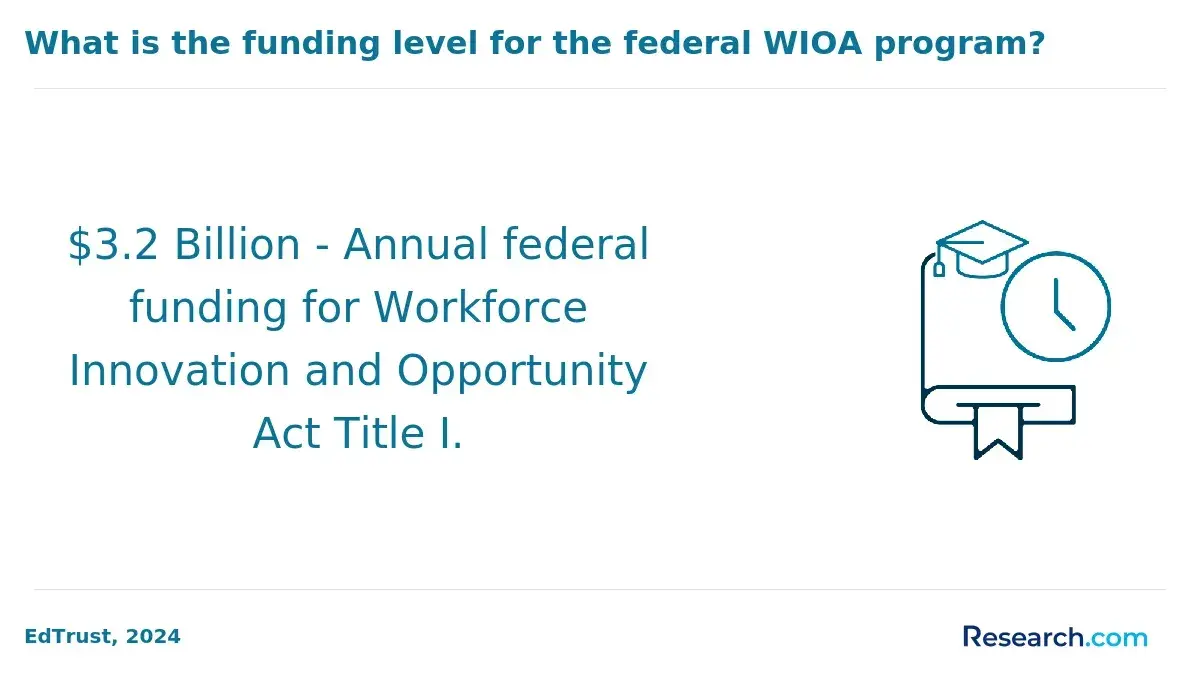
Financial support plays a vital role for adults managing work, study, and home responsibilities while pursuing a cybersecurity degree. Access to aid helps ease financial pressure and makes balancing these commitments more feasible.
Several common financial aid options can assist working adults in these programs:
- Federal Financial Aid: Options like Pell Grants and federal loans offer financial relief based on income and need. Completing the FAFSA is essential for eligibility, and these funds are accessible to most U.S. citizens and qualified non-citizens.
- Employer Tuition Assistance: Many companies provide reimbursement or subsidies to encourage skill growth in cybersecurity. Policies vary, typically requiring ongoing employment and satisfactory grades.
- Scholarships for Adult Learners: Numerous foundations award scholarships tailored to nontraditional students, focusing on work experience, financial hardship, or increasing diversity in the field.
- Grants: In addition to federal programs, students may qualify for state or private grants that target financial need or underrepresented groups in cybersecurity.
- Payment Plans and Tax Benefits: Flexible tuition payment arrangements help distribute expenses, while tax credits like the Lifetime Learning Credit can reduce the overall cost of education.
When I spoke with a professional who completed her cybersecurity degree while working full time, she shared how financial aid made a substantial difference. She described juggling shifts and study hours as daunting, especially when unforeseen expenses arose. "Without the support from my employer and the federal aid I received, I honestly don't think I could have kept up," she remarked.
Applying for scholarships added another layer of hope, though the process required patience and persistence. She highlighted the relief of flexible payment plans that allowed her to focus more on mastering the material than stressing over monthly bills. Ultimately, these resources transformed her experience from overwhelming to achievable, reinforcing how targeted financial assistance can open doors for working adults advancing their careers.
Working adults pursuing a cybersecurity degree must balance coursework alongside jobs and personal commitments, presenting unique challenges. Institutional support services play a vital role in providing the adaptability and guidance these students need to succeed.
- Academic Advising: Advisors help students design course schedules that align with their career aspirations while avoiding overload. This support ensures manageable pacing and helps maintain steady progress toward degree completion.
- Flexible Scheduling: Offering evening, weekend, and online classes enables learners to fit education around work and family life. Flexibility reduces stress and increases the likelihood of staying on track with studies.
- Online Learning Support: Technical assistance and resource availability ensure students can fully engage in remote coursework. This accessibility is essential for those balancing location constraints and job demands.
- Career Services: Services such as job placement guidance and professional networking prepare students for smooth transitions into cybersecurity roles or advancement in their fields.
- Tutoring and Mentoring: Personalized academic support addresses specific gaps in knowledge and fosters motivation. These resources help maintain engagement and build confidence throughout the program.
These focused support services are designed to enhance time management, promote academic persistence, and facilitate timely graduation for working adults in cybersecurity programs.
Accreditation signifies that a cybersecurity program meets established standards of quality in curriculum, faculty expertise, and institutional resources. For working adults, this assurance is vital as it enhances employer confidence in the degree and often qualifies students for federal financial aid, easing the financial burden.
Accredited programs are especially valuable given the growing enrollment of adult learners in graduate studies, reflecting the increasing demand for flexible education that balances career and academics. This recognition helps ensure that the education received aligns with both academic and industry expectations.
Beyond immediate benefits, accreditation directly affects the long-term credibility of a cybersecurity degree for working adults. It facilitates the transfer of credits between institutions, allowing learners to pursue flexible or accelerated degree paths.
Additionally, many cybersecurity certifications and licenses specifically require or strongly prefer candidates with degrees from accredited programs, which supports career growth and professional development. Holding an accredited credential is often favored by employers when considering candidates for advancement or specialized roles in the cybersecurity field.
Salary growth is a major motivator for working professionals pursuing a cybersecurity degree, with graduates often earning between $70,000 and over $120,000 annually depending on their experience and role. This potential for increased income makes cybersecurity an attractive field for adults balancing education with full-time work.
- Industry Demand: The persistent shortage of qualified cybersecurity professionals keeps this field in high demand. This scarcity drives salaries upward, benefiting degree holders who fill critical roles.
- Role Advancement: A cybersecurity degree can open pathways to managerial and specialized positions that offer higher pay. Professionals with advanced credentials are often prioritized for promotions.
- Employer Policies: Some employers have incentives like raises or bonuses for employees who complete degrees. These policies augment salary growth tied directly to educational achievement.
- Experience and Credential Synergy: Years of practical experience combined with a formal cybersecurity credential tend to amplify salary increases, creating a compounded effect on earnings.
- Specialization: Focusing on areas like risk management, ethical hacking, or forensics can lead to higher-paying roles within cybersecurity. Specialized skills are highly valued and often command premium compensation.
Working adults seeking the impact of cybersecurity education on career growth often look for flexible, accredited programs that fit their schedules. Many pursue accelerated online degrees to advance efficiently without compromising full-time employment.
A cybersecurity degree helps working adults qualify for higher-level, specialized, or leadership roles beyond entry-level positions by providing a strong foundation in security principles, risk management, and regulatory compliance. This advanced knowledge supports career advancement in competitive fields requiring both practical skills and strategic insight.
Below are some common upward-mobility job roles often pursued by professionals with a cybersecurity degree:
- Cybersecurity Manager: This role involves leading teams of security analysts, developing security policies, and coordinating projects. The degree equips graduates with leadership skills and strategic planning knowledge essential for managing complex security operations.
- Information Security Analyst: Analysts focus on protecting organizational systems by monitoring for threats and implementing improvements. A cybersecurity degree enables the application of best practices and advanced analytic techniques to safeguard digital assets.
- Security Consultant: Consultants advise on vulnerabilities and compliance challenges. The theoretical and practical education from a cybersecurity degree empowers professionals to deliver tailored strategies that address evolving security risks.
- Penetration Tester (Ethical Hacker): These experts simulate attacks to identify system weaknesses. Degree programs provide the technical depth required for advanced problem-solving and effective vulnerability assessment.
- Chief Information Security Officer (CISO): Serving as senior executives, CISOs oversee overall cybersecurity strategy and risk management. This leadership position demands comprehensive knowledge gained from both formal education and professional experience.
Working adults seeking flexible and accredited programs that accommodate full-time employment can explore options with an easiest associate degree pathway. This supports enhancing skills while managing career responsibilities and preparing for high-paying cybersecurity jobs for working adults.
Cybersecurity career opportunities for professionals continue to expand as organizations prioritize protecting data and infrastructure, making advanced degrees increasingly valuable for long-term growth.
What Graduates Say About Their Cybersecurity Degrees for Working Adults
- Raphael: "Choosing an online cybersecurity degree while working full-time was a game changer for me. Balancing my job and studies wasn't easy, but the flexibility and reasonable cost - averaging around $15,000 for programs tailored to working adults - made it worthwhile. Since graduating, I've moved into a senior analyst role, and the investment in my education has truly paid off."
- Russell: "Pursuing a part-time cybersecurity degree took a lot of discipline, especially managing costs on a budget that averaged near $12,000, but it was absolutely worth it. The program's structure allowed me to apply what I learned immediately in my current job, leading to a promotion within my company. Looking back, it was one of the best professional decisions I ever made."
- Theo: "As someone who wasn't sure about balancing work and studies, opting for an online cybersecurity degree was a reflective step to advance my career. The cost, which hovered around $14,000, seemed steep at first, but the skills and credentials I gained opened doors to new leadership opportunities. Completing the program reaffirmed my commitment to lifelong learning and professional growth."
Other Things You Should Know About Cybersecurity Degrees
Yes, many cybersecurity degree programs offer flexible formats such as evening, weekend, or online classes tailored for working adults. Time management and selecting programs with asynchronous learning options can help students maintain a balance between their job responsibilities and academic work.
Many programs incorporate hands-on labs, virtual simulations, and capstone projects to provide practical skills essential for cybersecurity roles. Internships or cooperative education placements may also be available, often arranged to fit around working adults' schedules.
Many programs require a final capstone, while some include an internship or practicum for degree completion. A common bachelor’s structure is 120 credits, with the capstone completed in the last term. Some online programs allow a workplace-based project instead of an on-site internship.
- How Much Does a Cybersecurity Degree Cost? (New 2025 Data) - Programs.com https://programs.com/resources/cybersecurity-degree-cost/
- NCSC-certified degrees https://www.ncsc.gov.uk/information/ncsc-certified-degrees
- Frequently Asked Questions (FAQs) about Cybersecurity Degrees and Careers https://www.cybersecuritydegree.com/faqs/
- 20 Coolest Cybersecurity Careers and Jobs | SANS Institute https://www.sans.org/cybersecurity-focus-areas/cybersecurity-careers/20-coolest-cyber-security-careers
- 6 Affordable Online Cybersecurity Graduate Programs for Working Pros - Flexibility meets ROI - those who can https://www.thosewhocan.org/6-affordable-online-cybersecurity-graduate-programs-for-working-pros-flexibility-meets-roi/
- SFS https://sfs.opm.gov/
- Post-secondary cyber security related programs guide - Canadian Centre for Cyber Security https://www.cyber.gc.ca/en/education-community/academic-outreach-engagement/post-secondary-cyber-security-related-programs-guide
- 10 Frequently Asked Questions About Getting Started in Cybersecurity https://cyberxcel.com.au/10-frequently-asked-questions-about-getting-started-in-cybersecurity/
- Top 10 Highest-Paid Cybersecurity Jobs (With Salaries) https://destcert.com/resources/highest-paid-cybersecurity-jobs/
- Advancing Cybersecurity Education and Workforce Development | Cyber.org https://cyber.org/