2027 Are Online Applied Psychology Master's Degrees Respected by Employers? Hiring Trends & Career Outcomes

Co-Founder and Chief Data Scientist
Imagine a candidate who earned an online applied psychology master's degree yet faces skepticism from potential employers regarding the degree's legitimacy and rigor. Despite the convenience and flexibility of online learning, doubts about program quality often cloud hiring decisions. Recent studies indicate that 42% of hiring managers remain uncertain about the value of online degrees compared to traditional ones in psychology-related fields. This skepticism can impact salary offers and career trajectories.
This article examines how accreditation, program reputation, employer perceptions, and workforce trends influence the respect given to online applied psychology master's credentials and outcomes for graduates.
Key Benefits of Knowing Whether Online Applied Psychology Master's Degrees Are Respected by Employers
- Employer perception of online applied psychology degrees has shifted, with over 70% of hiring managers now viewing accredited online graduates as equally competent compared to traditional counterparts.
- Graduates from rigorous online programs demonstrate comparable workplace performance, often excelling in remote and hybrid roles, enhancing their attractiveness to employers.
- Online applied psychology degree holders report better access to promotions and salary increases, supported by skills-based hiring trends valuing practical expertise over delivery format.
How have employer perceptions of online applied psychology master's degrees changed over the past decade?
Employer perceptions of online applied psychology master's degrees have evolved significantly since the early 2010s. Back then, skepticism was widespread due to associations with for-profit colleges that raised concerns about academic rigor and credential value. Surveys from that period highlight a bias against online credentials in fields dependent on hands-on skills and interpersonal interaction. These attitudes shaped hiring trends in the United States, often disadvantaging graduates with online degrees.
The COVID-19 pandemic accelerated institutional adoption of remote learning, pushing many universities to offer credible online options out of necessity. This large-scale shift forced employers to reassess their views on online credentials across disciplines, including applied psychology. According to a 2023 Champlain College survey, 84% of employers now express greater acceptance of online education than before the pandemic, reflecting measurable attitudinal change toward these programs.
Today, hiring managers prioritize accreditation and institutional prestige over delivery format when evaluating candidates with online applied psychology degrees. Program rigor and relevant skill development are also critical factors influencing employer trust. Prospective students should focus on these elements when deciding which online program to pursue and consider how graduates of such programs perform in the labor market.
- Early Skepticism: Employer doubt in the early 2010s was fueled by associations with for-profit institutions and concerns over the rigor of online applied psychology programs.
- Pandemic Impact: COVID-19 accelerated the adoption of remote learning, providing hiring managers real-world evidence of the effectiveness of online degrees.
- Increased Acceptance: A 2023 Champlain College survey shows 84% of employers are now more open to online education, signaling a significant shift in hiring trends in the United States.
- Quality Over Format: Accreditation and university reputation are now the primary filters employers use to assess online applied psychology credentials.
For a comprehensive overview of educational trends, explore the top 10 best majors for the future.
What do hiring managers actually think about online applied psychology graduate credentials?
Hiring managers' attitudes toward online applied psychology degrees in the US have evolved over the past decade. Surveys from the National Association of Colleges and Employers (NACE) and the Society for Human Resource Management (SHRM) show a significant reduction in bias against online graduate credentials, especially when these come from accredited institutions known for rigorous curricula. Nonetheless, perceptions vary widely across sectors, company size, and geographic location, influencing how online applied psychology degrees are viewed during hiring.
In sectors like technology, healthcare, and human services-particularly in major metropolitan areas-online applied psychology qualifications are often seen as equivalent to traditional degrees. These industries prioritize continuous learning and skill application, which boosts acceptance of online credentials. Conversely, more conservative industries or employers in rural regions may retain skepticism toward online degrees, sometimes favoring candidates with brick-and-mortar educational backgrounds.
Recruiters in small- and mid-sized companies tend to emphasize hands-on experience and demonstrable competencies over the degree's format. A human resources professional featured in a 2023 SHRM report stated, "We focus less on how the degree was earned and more on what the candidate can do. The portfolio, internships, and relevant applied skills always tip the scales." Networking and alumni outcomes also influence employer trust in online credentials. This reflects the broader employer attitude toward online applied psychology degrees, with skills and experience often outweighing delivery method.
Prospective students should also explore affordable doctoral programs that offer strong online options to support career growth in this evolving job market.
- Sectors With Higher Acceptance: Technology, healthcare, and human services industries in major metropolitan areas show greater openness to online applied psychology qualifications due to skill-driven hiring practices.
- Geographic Variability: Rural areas and conservative markets often prefer traditional degrees, reflecting slower adoption of online education in hiring decisions.
- Company Size Influence: Large organizations tend to be more comfortable with online education, while smaller firms put higher weight on practical experience over the degree format.
- Recruiter Perspectives: HR professionals emphasize applied skills, internship experience, and candidate portfolios as critical, regardless of whether degrees were earned online or on-campus.
- Skills Over Format: Across sectors, demonstrated competencies and applied experience increasingly outweigh concerns about the delivery format, especially in fields emphasizing practical expertise like applied psychology.
Does accreditation determine whether an online applied psychology master's degree is respected?
Employers and credentialing bodies primarily distinguish between regional accreditation and programmatic accreditation when evaluating an online applied psychology master's degree. Regional accreditation confirms that an institution meets broad educational standards, serving as a basic validation of legitimacy.
However, programmatic accreditation examines the specific applied psychology program's curriculum, faculty, and outcomes, often providing a clearer indicator of its professional readiness. For applied psychology, accreditation from organizations like the American Psychological Association (APA) holds significant weight and is sometimes required for licensure or certification.
Prospective students should use tools such as the U.S. Department of Education's Database of Accredited Postsecondary Institutions and Programs (DAPIP) and the Council for Higher Education Accreditation (CHEA) directory to independently verify a program's accreditation status. These reliable databases help avoid unrecognized or fraudulent programs that could hamper career prospects.
Programs lacking any form of accreditation are rarely considered credible by employers, limiting graduates' opportunities. A recent survey found that nearly 90% of hiring managers favor candidates with degrees from accredited institutions, underscoring the necessity of choosing accredited programs-online or traditional.
- Regional vs. Programmatic: Regional accreditation validates the institution overall, while programmatic accreditation specifically focuses on the applied psychology program's quality and professional relevance.
- Verification Resources: Use the DAPIP and CHEA directories to confirm accreditation before enrolling, protecting against diploma mills and unaccredited offerings.
- Professional Weight: Accreditation from specialized bodies like APA signals higher rigor and is often essential for professional licensure in psychology fields.
- Risks of No Accreditation: Degrees without accreditation tend to lack employer recognition, severely impacting job prospects and growth potential.
- Employer Preferences: Data shows nearly 90% of employers prefer degrees from accredited institutions, highlighting accreditation's critical role in job hiring.
A professional who pursued an online applied psychology master's degree to change careers shared that navigating accreditation was initially overwhelming. "I remember questioning whether an online program would hold the same value," he explained. He diligently used official directories to confirm accreditation, which gave him confidence during enrollment.
Despite some skepticism from colleagues, his focus on selecting a program accredited by a recognized body reassured employers during job interviews. "Knowing the program met rigorous standards helped me advocate for myself, especially when negotiating salary," he reflected. The credibility granted by programmatic accreditation ultimately made a tangible difference in his transition.
Institutional reputation carries significant weight in how hiring managers value an online applied psychology master's degree. This "brand premium" means that the prestige of the degree-granting school often transfers to the graduate's credentials, whether earned online or on campus.
Leading universities like the University of Southern California and Rutgers University now offer flagship online applied psychology programs that retain the same faculty, curriculum, and academic standards as their traditional versions, ensuring consistent quality and recognition.
Employer perceptions of online applied psychology master's programs are still heavily influenced by the institution's name, as confirmed by surveys from the National Association of Colleges and Employers (NACE), which show established hiring pipelines favor well-known schools.
However, the landscape is shifting as skills-based hiring gains traction, emphasizing real-world experience and applied learning over brand alone. Applied psychology candidates who combine reputable credentials with internships and networking opportunities often see improved career outcomes.
Rather than focusing solely on prestige, prospective students should consider accreditation, industry connections, and career placement success. Mid-tier programs with these qualities can outperform more prestigious but disconnected schools. For broader insight into affordable quality options across fields, the executive online MBA rankings provide useful context for evaluating value in online degrees.
- Brand Premium Effect: Employer familiarity with a school's reputation enhances the value of online applied psychology degrees, lending credibility across hiring contexts.
- Flagship Online Programs: Top-tier universities offer online degrees matching the rigor and faculty quality of on-campus programs, ensuring parity in academic standards.
- Employer Hiring Trends: NACE data highlights school name influence within hiring pipelines, but evolving trends increasingly prioritize skills and experience.
- Balanced Evaluation: Accreditation, career support, and industry ties frequently outweigh prestige in predicting long-term program success.
- Long-Term Outcomes: Alumni achievements and job placement rates provide clearer indicators of program value than institutional name recognition alone.
Data from the 2024 "Education Pays" report highlights that workers holding master's degrees earn about 22% more in median weekly wages than those with only bachelor's qualifications, alongside enjoying lower unemployment rates nationwide. When zooming in on applied psychology roles, the BLS Occupational Outlook Handbook shows median annual salaries for master's-level professionals like counseling or industrial-organizational psychologists typically range between $75,000 and $90,000. In contrast, those in bachelor's-level positions usually earn closer to $50,000 to $60,000.
Concerns about whether earning a degree online affects salary outcomes have been addressed by institutional research including studies by New York University's School of Professional Studies. These findings indicate that differences in earnings between online and on-campus graduates are minimal when factors like institutional reputation and area of study are comparable. Employers are increasingly focused on candidates' skills and demonstrated competencies over the mode of education delivery.
From a return on investment perspective, an online applied psychology master's degree that costs between $30,000 and $50,000 and requires two to three years to complete can significantly improve earning potential within five to seven years after graduation. Additionally, projections show a 40% growth in psychology-related jobs over the coming decade, marking strong career prospects for graduates.
- Salary Advantage: Master's degree holders in applied psychology generally earn 20-30% more annually than those with only a bachelor's due to enhanced expertise and responsibilities.
- Online Parity: Research confirms salary differences between online and traditional graduates are negligible when controlling for school quality and study field.
- Job Stability: Graduates with master's degrees face lower unemployment risks, supporting more reliable career progression.
- Investment Payoff: The cost and duration of an online master's program balance well against the expected salary increase, offering a measurable ROI.
- Expanding Market: Employment opportunities in applied psychology are forecasted to increase by 40% over the next decade, signaling robust demand.
A professional who successfully built her career following an online applied psychology master's degree shared that initial skepticism about the program's value gave way as she found employers more impressed by her practical skills and portfolio than by where she earned the degree. She described the experience as "challenging but empowering," noting the flexibility to manage coursework alongside work and family commitments was crucial.
Though networking remotely required extra effort, her program emphasized real-world applications and internships that strengthened her resume. Reflecting on salary negotiations, she recalled feeling confident presenting concrete achievements rather than educational format, which she believes was instrumental in securing a competitive compensation package. Her journey illustrates how dedication and outcomes genuinely influence career success in this evolving landscape.
Industries most open to online master's graduates in applied psychology include healthcare and technology at the forefront. Healthcare employers prioritize hands-on experience and certifications alongside degrees, making them highly receptive to online credentials. Technology firms value applied psychology expertise for roles in user experience and organizational behavior, often disregarding whether the degree was earned on campus or remotely.
Following these are nonprofit and government sectors, which emphasize mission-focused work and increasingly accept accredited online programs when graduates show measurable impact. Consulting varies more widely but is progressively open, especially when candidates pair online degrees with strong portfolios and interpersonal skills. Fortune 500 companies have notably reduced rigid degree-format preferences, emphasizing relevant experience and competencies over tradition.
Smaller businesses tend to be more conservative, typically favoring traditional degrees due to limited HR resources to evaluate non-traditional credentials. Acceptance across public sector jobs can vary by agency but is generally trending toward more openness when online degrees meet credential standards.
The shift toward skills-based hiring, identified by NACE's Job Outlook 2026 survey showing 70% of employers emphasize skills over degree formats, benefits online graduates by focusing on proven abilities rather than educational pathways. Prospective students should verify employer acceptance through official statements or reliable data rather than anecdotal accounts. Accreditation, institutional reputation, and alumni outcomes remain crucial for sustaining employer respect toward online applied psychology degrees.
- Industry Acceptance Ranking: Healthcare and technology industries lead in accepting online applied psychology grads, followed by nonprofit, government, and consulting sectors.
- Skills-Based Hiring Shift: With most employers prioritizing skills over degree format, online degree holders face fewer obstacles in competitive markets.
- Employer Types Vary: Large corporations and certain public agencies are dropping format requirements, while smaller firms remain cautious about online credentials.
- Verification Needed: Candidates should seek concrete evidence of employer acceptance through official communications or verified data sources.
- Program Quality Matters: Accreditation and alumni success critically influence employer perception of online applied psychology master's degrees.
Many reputable universities offering online applied psychology master's programs ensure curriculum equivalency by using the same syllabi, faculty, and assessments as their on-campus counterparts. This consistency builds employer trust by maintaining academic rigor regardless of delivery format. Regional accreditation agencies recognized by the U.S.
Department of Education, along with specialized programmatic accreditation, require programs-both online and traditional-to meet the same stringent quality standards. These accreditations verify that online degrees fulfill essential academic benchmarks, reassuring hiring managers of their value.
Peer interaction, often viewed as a challenge in online education, is addressed through synchronous classes, virtual cohort models, and project-based assignments. These methods replicate the collaborative learning environment central to applied psychology training. For specializations with hands-on lab or clinical requirements, many respected online programs coordinate local partnerships or hybrid practicums, ensuring students gain necessary practical experience.
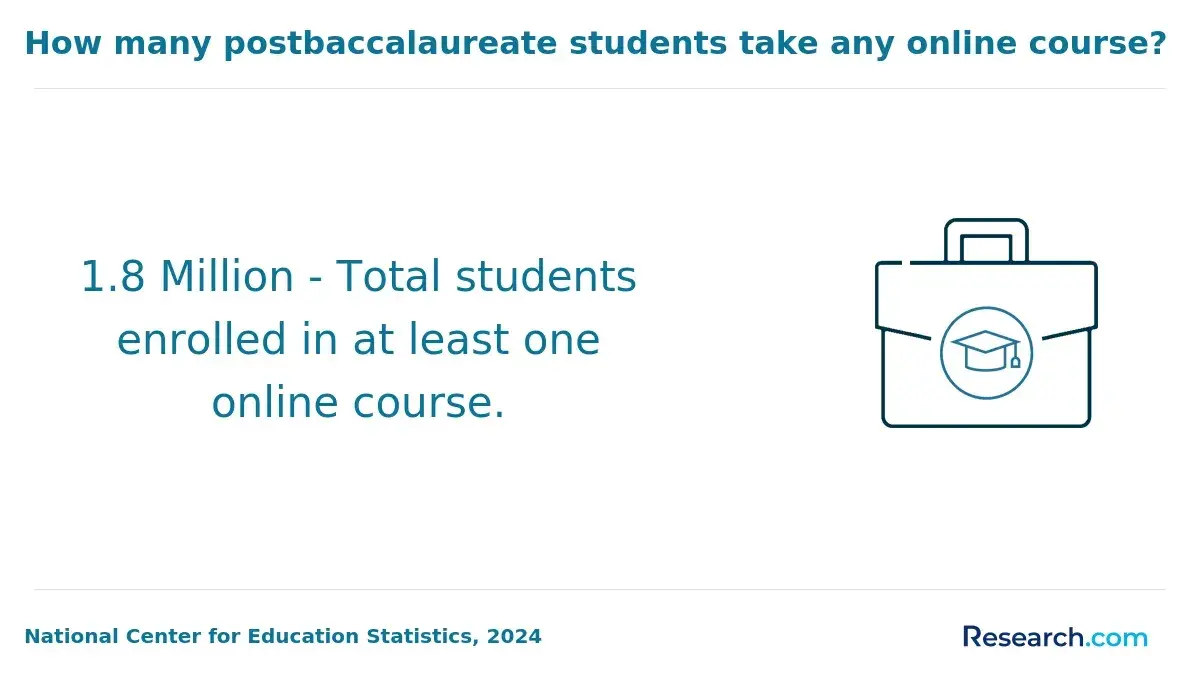
According to the National Center for Education Statistics, over 40% of graduate students participated in at least one online course recently, highlighting increased adoption and employer familiarity with online graduate education.
- Curriculum Equivalency: Established universities deliver the same course materials and assessments online and on-campus, ensuring consistent educational quality and employer confidence.
- Accreditation Standards: Both regional and programmatic accreditations mandate rigorous criteria that online programs must satisfy, providing external validation of academic quality.
- Collaborative Learning: Synchronous sessions and virtual cohorts replicate peer interaction essential to applied psychology professional training.
- Practical Training: Reputable programs arrange local clinical placements or hybrid models to meet hands-on requirements in specialized areas.
- Enrollment Growth: With over 40% of graduate students now engaged in online courses, employer recognition and trust in online degrees continue to rise.
The development of career-ready competencies in applied psychology online programs increasingly overturns early skepticism about online learning impact on applied psychology job skills. Online study promotes self-directed learning, requiring students to manage their time and motivation effectively-skills emphasized by the National Association of Colleges and Employers (NACE) career readiness framework. Digital collaboration tools and asynchronous communication mimic remote work environments, bolstering project management and digital literacy abilities valued by employers today.
Online applied psychology curricula intentionally embed real-world tasks through interactive assignments, group projects, and virtual discussions, ensuring that graduates gain practical experience comparable to or exceeding that of traditional on-campus students.
Employer surveys and alumni outcomes indicate that online graduates often enter the workforce with robust technology-driven skill sets critical for success in applied psychology roles. However, areas like networking, in-person mentorship, and campus recruiting require more proactive engagement from online learners to match on-campus opportunities.
- Self-Directed Learning: Online programs cultivate independence, strengthening time management and self-motivation-key traits hiring managers seek in applied psychology professionals.
- Digital Collaboration: Virtual teamwork and communication platforms enhance interpersonal skills and project management, preparing students for modern workplace challenges.
- Curriculum Design: Programs strategically integrate assessments aligned with NACE's career readiness standards to build essential competencies despite lacking a traditional campus setting.
- Employer Validation: Data reveal online graduates possess practical skills often on par with or superior to those of their campus-based counterparts.
- Networking Challenges: Online students must actively pursue mentorship and professional relationships beyond virtual coursework to achieve parity with peers.
For those considering further advancement, exploring options like a PhD organizational leadership can complement the competencies gained through applied psychology online programs, enhancing long-term career growth.
Graduate employment outcomes and alumni career success following online applied psychology master's degrees provide crucial insights for prospective students evaluating program value. Rather than relying on broad statistics or promotional claims, students should request official placement rates, median salaries, and employer partner lists directly from programs. This direct verification helps clarify the true effectiveness of a program's career support and graduate success.
External frameworks such as the National Center for Education Statistics (NCES) Integrated Postsecondary Education Data System (IPEDS) offer graduation rate benchmarks that enable comparison of a program's completion rates against national averages. Similarly, the National Association of Colleges and Employers (NACE) publishes graduate outcomes benchmarks, including employment rates and salary data, which serve as standards to assess whether a specific online applied psychology program's outcomes exceed, meet, or lag behind sector norms.
Many programs share self-reported employment and salary figures, but these data can lack standardized verification. Programs that undergo third-party audits by external accounting firms or have outcomes validated through comprehensive NACE surveys provide more reliable evidence of alumni success and program quality. Such rigorous verification reduces the risk associated with programs that inflate or selectively report career outcomes.
It is also valuable to consider industry trends in skills-based hiring and employer attitudes, which are increasingly favoring accreditation, institutional reputation, and demonstrable competencies gained through online education. For instance, alumni of well-regarded online programs often report results comparable to traditional peers.
For those researching degrees, exploring broader offerings like data science master online programs alongside applied psychology can provide perspective on online graduate education trends.
- Verified Outcomes: Request official placement and salary data to verify program claims beyond marketing materials, increasing confidence in graduate employment outcomes.
- Benchmarking Tools: Use NCES IPEDS and NACE benchmarks to evaluate where a program's graduation and employment outcomes stand relative to national averages.
- Third-Party Audits: Programs with external auditing or validation by recognized bodies offer stronger evidence of credible alumni career success.
- Skills-Based Hiring: Employers increasingly prioritize demonstrated competencies and accreditation, which influence acceptance of online applied psychology credentials.
- Alumni Comparisons: Alumni career success following online applied psychology master's degrees often parallels traditional programs, especially from reputable schools.
Several enduring misconceptions about online applied psychology master's degrees persist, despite mounting evidence to the contrary. Many still believe these programs lack academic rigor, but top-tier institutions now offer online courses matching the quality and curriculum of traditional programs. Accreditation is another common doubt; however, reputable online degrees hold the same regional or national accreditation as on-campus counterparts, ensuring faculty expertise and curricular standards.
The myth that online studies are easier or quicker is also misleading, as students must commit similar effort, including internships or practicums equal to campus requirements. Concerns about professionalism have diminished, particularly since 83% of executives surveyed by Excelsior College and Zogby perceive online degrees as equally valid, reflecting changing workforce norms shaped by remote work and pandemic impacts.
Employers increasingly prioritize actual skills over the mode of education, with online program graduates demonstrating comparable career progress and salary gains.
- Academic Rigor: Online applied psychology degrees maintain curriculum standards and challenge levels equivalent to traditional programs, especially when offered by accredited institutions.
- Accreditation Validity: Many online programs possess recognized regional or national accreditation, ensuring graduates meet professional expectations like their on-campus peers.
- Effort and Commitment: Earning an online degree requires comparable dedication, including practical experiences, dispelling notions that it's an easier path.
- Employer Acceptance: With 83% of executives viewing online degrees as credible, data reflects a significant shift toward equal respect for online credentials.
- Skill-Based Hiring: Rising focus on demonstrable competencies over degree format bolsters online graduates' employability and career advancement.
Professions linked to an online applied psychology master's degree show promising growth, with BLS data highlighting strong demand through 2032-2034. Industrial-organizational psychologists, for example, are expected to grow by about 9%, outpacing many other fields, with median salaries often above $90,000. Similarly, school and career counselors and social workers with master's credentials typically earn between the mid-$50,000s and mid-$60,000s, with earning potential increasing alongside experience and specialization.
BLS findings reported in the Monthly Labor Review reveal that advancing from a bachelor's to a master's degree in these related areas results in an average salary increase of roughly $24,588 annually, from approximately $69,459 to $94,047. This considerable earnings boost reflects the tangible value of higher education for career and income growth.
Importantly, once professionals establish a proven track record, the online delivery format of their degree becomes less relevant to employers and promotion panels, who focus primarily on demonstrated skills and accomplishments. The widespread acceptance of online graduate education is further supported by NCES data, showing over 2.5 million graduate students enrolled exclusively online in 2023-24, confirming the credibility and mainstream status of these programs.
- Strong Occupational Growth: Key careers related to applied psychology, such as industrial-organizational psychology and counseling, are projected to grow faster than average, enhancing job stability for master's degree holders.
- Notable Earnings Increase: Obtaining a master's typically boosts salaries by about $24,588 annually, offering clear financial advantages over bachelor's-level credentials.
- Credential Endurance: Online degree formats seldom impede long-term employer perceptions once professionals demonstrate proven expertise and results in their field.
- Mainstream Acceptance: With over 2.5 million exclusively online graduate enrollees (2023-24), online learning is widely recognized and respected by employers across industries.
What Graduates Say About Employer Reception to Their Online Applied Psychology Master's Degree
- James: "Pursuing my online applied psychology master's degree was a game-changer for my career. My employer was initially hesitant about the value of an online program, but once I demonstrated the depth of my knowledge and skills, their recognition grew rapidly. Today, I feel confident leveraging my degree every day, knowing it comes from an accredited institution."
- Niall: "Reflecting on my decision to earn my online applied psychology master's degree, I'm grateful I chose an accredited program that balanced flexibility with rigorous coursework. My current employer values the practical insights I bring, which has made transitioning into a new professional role smoother than expected. This degree has truly opened doors I hadn't anticipated."
- Jolene: "From a professional standpoint, the accreditation and reputation of my online applied psychology master's degree were essential for gaining employer trust. I appreciate how the program prepared me for real-world challenges, and my employer's positive reception to my credentials reinforced my decision to pursue this career change. It's been a rewarding experience both personally and professionally."
Other Things You Should Know About Applied Psychology Degrees
For certain roles in applied psychology, especially those involving clinical practice or counseling, professional licensure is required beyond the master's degree. Employers and licensing boards typically require degrees from accredited programs, and many online programs now meet these standards. However, graduates should verify if their chosen online program aligns with state-specific licensure requirements to ensure eligibility for certification and practice.
The trend toward skills-based hiring has benefited graduates of online applied psychology master's programs by emphasizing practical competencies over traditional credentials alone. Employers increasingly value hands-on experience, research skills, data analysis, and applied methodologies, which many online programs incorporate into their curricula. This focus helps online graduates demonstrate job-ready abilities and increases their competitiveness in the job market.
Some hospitals, university counseling centers, and state-funded agencies still prefer campus-based degrees when the role requires supervised practicum training or strong local networking. Employers usually focus on accredited programs, field experience, and licensure eligibility, especially for counseling or clinical-track jobs in 2027.
- Applied Psychology Career Scope, Skills & Salary – 2025 Stats https://www.upes.ac.in/blog/liberal-studies/applied-psychology-scope-and-careers
- Best Master's in Psychology Online: APA-Accredited Programs https://www.onlinemastersdegrees.org/best-programs/psychology/apa-accredited/
- Online Master’s in Psychology: Job Roles and Career Opportunities - SNHU https://in.snhu.edu/blogs/online-master-in-psychology-degree-job-roles-and-career-scope
- Careers with a Master’s in Psychology: Graduate Outlook | Meridian University https://meridianuniversity.edu/content/careers-with-a-masters-in-psychology-graduate-outlook
- The Role of Online Learning in Career Advancement https://www.onrec.com/news/news-archive/the-role-of-online-learning-in-career-advancement
- Applied Psychology Career Opportunities & Paths https://jgu.edu.in/opjgublog/applied-psychology-career-opportunities/
- 7 Highest-Paying Careers You Can Pursue With a Psychology Degree https://www.ndnu.edu/articles/psychology/seven-highest-paying-careers-you-can-pursue-with-a-psychology-degree.html
- 15 Misconceptions About Online College Courses | SNHU https://www.snhu.edu/about-us/newsroom/education/misconceptions-about-online-college-courses
- Using Online Learning to Enhance Your Career https://www.psychologytoday.com/us/blog/career-transitions/201807/using-online-learning-to-enhance-your-career
- Online Master's Degree in Organizational Psychology: Key Takeaways https://careerkarma.com/blog/masters-organizational-psychology-online/