2027 Accredited Online Journalism Degree Programs for Working Adults: Flexible, Part-Time, and Self-Paced Options

Co-Founder and Chief Data Scientist
Choosing an accredited online journalism degree is a scheduling, cost, and career decision, not just an academic one. NCES reported in 2024 that more than half of U.S. undergraduates took at least one distance education course, showing how normal online study has become for adult learners.
This guide is for working adults comparing flexible, part-time, and self-paced journalism programs. You will learn how accreditation, admissions, tuition, transfer credits, workload, and career outcomes differ so you can choose a program that fits your job, family responsibilities, and long-term media goals.
Key Things You Should Know
- For most working adults, the safest choice is a regionally accredited online journalism bachelor's program, often requiring about 120 credits; transfer-friendly programs may accept prior college credit, and some degree-completion options allow up to 60 to 90 transfer credits depending on school policy.
- Part-time online study is usually the most realistic format for full-time workers: taking 6 credits in a term commonly means about 12 to 18 study hours per week, while full-time enrollment can double that workload.
- Cost varies widely by institution type; College Board's 2024-25 figures list average published tuition and fees of $11,610 for in-state public four-year colleges and $43,350 for private nonprofit four-year colleges, so online learners should compare net price, not sticker price.
What Is an Accredited Online Journalism Degree Program and Why Does Accreditation Matter?
An accredited online journalism degree program is a college program delivered mostly or fully online by an institution recognized by an approved accrediting agency. In journalism, this may include bachelor's degrees in journalism, digital journalism, multimedia journalism, mass communication, or strategic communication with journalism coursework. Accreditation matters because it affects federal financial aid eligibility, transfer credit, graduate school admission, and employer confidence in the degree.
For working adults, the most important accreditation check is institutional accreditation, often called regional accreditation. Programmatic accreditation from organizations such as the Accrediting Council on Education in Journalism and Mass Communications can be a quality signal, but it is not required for every legitimate journalism program. A strong program can still be valuable if it is institutionally accredited and offers relevant coursework, faculty experience, portfolio development, and career support.
Use this comparison to understand what each accreditation layer does and how much weight to give it when evaluating online journalism programs.
| Accreditation factor | What it tells you | Why it matters for working adults |
| Institutional accreditation | The college or university meets broad academic and administrative standards | Usually necessary for federal aid, credit transfer, employer recognition, and graduate school eligibility |
| Programmatic journalism accreditation | A journalism or communication unit has met field-specific standards | Can signal strong curriculum, assessment, faculty review, and industry relevance |
| State authorization | The school is approved to enroll online students from your state | Important if you live outside the school's home state or may move while enrolled |
| Employer recognition | The degree comes from a school employers can verify and understand | Helpful when applying for media, communication, government, nonprofit, or corporate content roles |
Before enrolling, confirm accreditation directly through the school, the U.S. Department of Education's accreditation database, or the Council for Higher Education Accreditation. A common mistake is assuming that "licensed," "approved," or "career-focused" means accredited. Those terms are not substitutes for recognized institutional accreditation.
Which Flexible Journalism Degree Formats Are Best for Working Adults: Part-Time, Full-Time, or Self-Paced?
The best format depends on how many hours you can study each week, how predictable your work schedule is, and whether you need structure or maximum flexibility. "Online" does not automatically mean self-paced; many online journalism programs still use weekly deadlines, live discussions, group projects, or fixed start dates.
This table summarizes the trade-offs among the most common formats so working adults can match the program design to their real weekly availability.
| Format | Best for | Main advantage | Main trade-off |
| Part-time asynchronous | Full-time workers, parents, and students with rotating shifts | You can complete weekly coursework outside set class times | Graduation usually takes longer than full-time study |
| Full-time online | Students who can reduce work hours or commit evenings and weekends | Faster completion and stronger momentum | Higher weekly workload and less flexibility during busy work seasons |
| Self-paced or competency-based | Experienced writers, transfer students, and highly self-directed learners | You may move faster through material you already know | Requires discipline and may include term limits, assessment windows, or subscription billing |
| Synchronous online | Students who want live faculty interaction and peer discussion | More structure and real-time feedback | Set meeting times may conflict with work, caregiving, or time zones |
| Hybrid or low-residency | Students who can occasionally travel to campus or newsroom labs | May offer stronger networking and hands-on production experience | Less convenient for adults who cannot travel or take time off |
Choose part-time study if your job schedule is demanding or unpredictable. Choose full-time study only if you can protect enough weekly study time to handle reporting assignments, editing, readings, multimedia production, and group deadlines. Choose self-paced study if you are comfortable setting your own schedule and can verify exactly how the school defines pace, deadlines, grading, and maximum completion time.
Before deciding, ask the school the questions that reveal whether the format is truly workable for an employed adult:
- Are courses asynchronous, live, or a mix of both?
- How many fixed deadlines are required each week?
- Can part-time students take one course at a time?
- Are journalism assignments tied to weekday interviews, live events, or newsroom hours?
- Does the program allow stop-outs, reduced course loads, or leave of absence if work demands change?
- Are accelerated courses shorter but more intensive than standard terms?
The biggest red flag is a program that advertises "flexible" without explaining the weekly workload. Flexibility should mean transparent scheduling options, not vague promises.
What Are the Admission Requirements for Accredited Online Journalism Degree Programs?
Admission requirements vary by degree level and school type, but most online journalism bachelor's programs ask for a high school diploma or equivalent, transcripts, and an application. Degree-completion programs for adults may also require previous college credits, a minimum GPA, or evidence that the applicant has completed general education courses.
Working adults should pay special attention to whether the program is designed for first-time college students, transfer students, or students returning after a long break. Applicants who are still comparing lower-cost entry points may want to review flexible associate degrees before committing to a full bachelor's pathway.
Common admission materials include the following, but each school can set its own policy:
- Official high school, GED, military, or college transcripts
- Minimum GPA, often with separate rules for transfer applicants
- Personal statement or short writing sample
- Resume showing work, volunteer, media, communication, or writing experience
- English composition or general education prerequisites for upper-division admission
- Transfer credit evaluation for prior college coursework
- Proof of state residency if applying for in-state tuition at a public university
Journalism programs usually do not require a professional license, but they may evaluate writing readiness. If you have been away from school for several years, ask whether the program offers placement advising, writing support, or a nontraditional student admissions route. A strong admissions office should explain how your prior credits apply before you enroll, not after you are already paying tuition.
How Much Does an Online Journalism Degree Cost, and What Financial Aid Options Are Available?
The cost of an online journalism degree depends on tuition, fees, transfer credits, enrollment pace, residency status, and whether the school is public, private nonprofit, or for-profit. College Board's 2024-25 national averages show why this comparison matters: average published tuition and fees were $11,610 for in-state students at public four-year colleges and $43,350 at private nonprofit four-year colleges. Online students may pay different rates, but the gap shows why adult learners should calculate total net cost rather than assume all online degrees are cheaper.
When comparing programs, ask for a full cost estimate that includes:
- Per-credit tuition or flat-rate term tuition
- Online learning, technology, graduation, transcript, and portfolio fees
- Books, subscriptions, editing software, recording tools, or camera equipment
- Travel costs if the program has residencies, internships, or campus requirements
- Lost income if you reduce work hours to study full time
- Extra terms if part-time enrollment extends the completion timeline
Financial aid can reduce out-of-pocket cost if the school is eligible for federal aid and you meet enrollment requirements. Many adults combine several funding sources, especially when studying part time.
- Federal Pell Grants for eligible undergraduate students
- Federal student loans, used carefully and only after reviewing repayment obligations
- State grants or public university tuition discounts
- Institutional scholarships for transfer, adult, online, or communication students
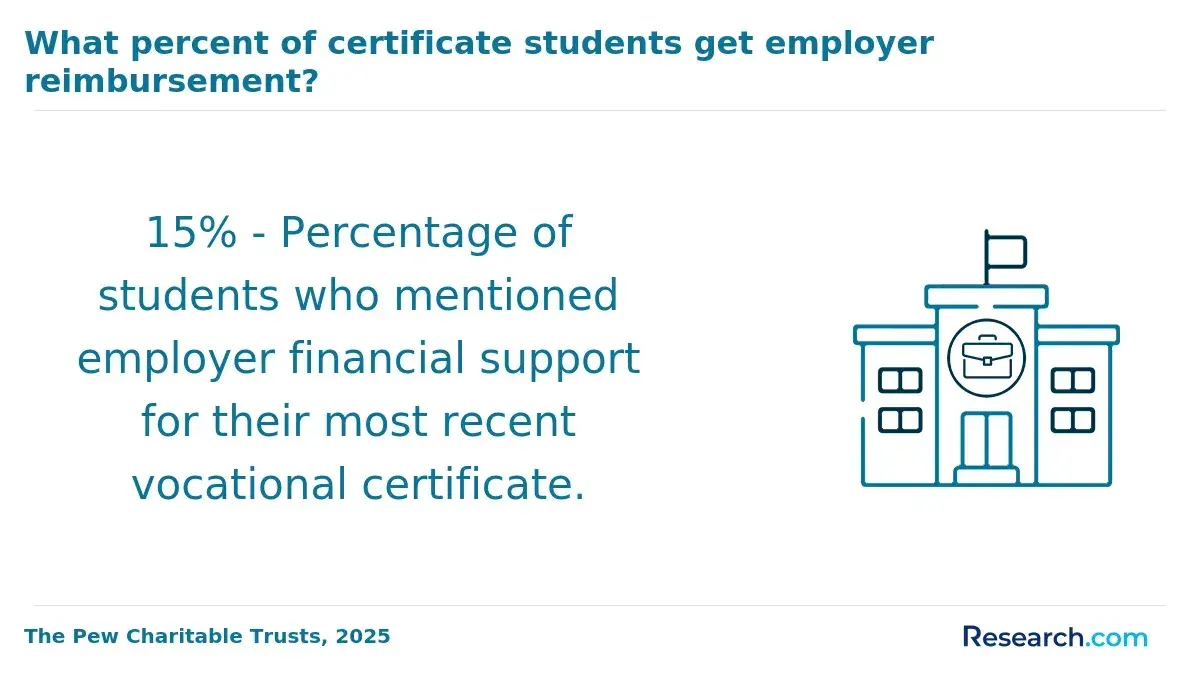
- Employer tuition assistance or reimbursement programs
- Military and veteran education benefits, if applicable
- Payment plans that spread tuition across the term
Avoid choosing a program based only on the lowest advertised tuition. A slightly higher per-credit rate may be more affordable overall if the school accepts more transfer credits, offers stronger advising, or lets you finish faster without repeating courses.
How Long Does It Take to Complete an Online Journalism Degree, and Can Transfer Credits Help You Graduate Faster?
A traditional bachelor's degree usually requires about 120 credits. Full-time students often complete a bachelor's program in about four years, while part-time working adults may need five to six years if they take a lighter course load. Degree-completion students with substantial transfer credit may finish faster, especially if the program accepts community college credits, prior university coursework, military credit, or standardized prior learning assessments.
Transfer credit can be one of the biggest time-saving tools for adults. If you are building a step-by-step pathway, reviewing the best associate degree in 6 months online options can help you understand how accelerated lower-division credit pathways may fit into a longer bachelor's plan, though transfer acceptance is always determined by the receiving university.
The table below shows realistic timeline differences based on enrollment intensity. Use it as a planning tool, not a guarantee, because course availability, prerequisites, and transfer evaluations can change the final timeline.
| Enrollment pattern | Typical course load | Estimated weekly study time | Common completion profile |
| Full-time bachelor's student | 12 to 15 credits per term | About 24 to 45 hours | Fastest traditional pace, but difficult with full-time employment |
| Part-time working adult | 6 credits per term | About 12 to 18 hours | More sustainable, but extends time to graduation |
| One-course-at-a-time student | 3 credits per term or session | About 6 to 9 hours | Best for heavy work or caregiving demands, but slowest pace |
| Transfer degree-completion student | Varies by accepted credits | Depends on remaining courses | Can finish faster if general education and electives transfer cleanly |
| Self-paced student | Progress based on assessments or term limits | Highly variable | Can accelerate with discipline, but delays can increase cost in subscription models |
Before enrolling, request a written degree audit. It should show accepted credits, remaining major courses, prerequisites, elective requirements, and the expected graduation term at your preferred course load. Do not rely on a verbal estimate alone.
What Should You Look for When Comparing Accredited Online Journalism Degree Programs?
When comparing accredited online journalism degree programs, look beyond whether classes are online. The better question is whether the program can help you build marketable reporting, writing, editing, audience, data, ethics, and multimedia skills while fitting your schedule and budget.
Use the following checklist to compare programs consistently. It focuses on the details that most often affect adult learners after enrollment begins.
- Verify institutional accreditation and state authorization before applying.
- Compare asynchronous, synchronous, self-paced, and hybrid requirements in writing.
- Ask how many journalism courses are offered each term and whether part-time students can get the classes they need.
- Review the curriculum for reporting, media law, ethics, editing, data journalism, audio, video, social media, and audience analytics.
- Confirm whether the program includes a portfolio, capstone, student media work, or publishable assignments.
- Ask whether faculty have professional journalism, communication, or media production experience.
- Request transfer credit rules before paying a deposit.
- Compare net price after grants, employer aid, transfer credits, and fees.
- Check career support for remote students, not just campus students.
- Read policies on academic probation, stop-outs, course repeats, and maximum completion time.
This table highlights common selection mistakes and the better decision to make instead.
| Common mistake | Why it creates risk | Better approach |
| Assuming all online programs are flexible | Some require live attendance, group meetings, or weekday interviews | Ask for a sample weekly schedule and deadline pattern |
| Choosing only by tuition | Fees, repeated courses, or rejected credits can raise total cost | Compare total net cost through graduation |
| Ignoring portfolio outcomes | Journalism hiring often depends on published or publishable work samples | Choose a program with clips, projects, internships, or capstones |
| Skipping accreditation checks | Credits may not transfer and aid may be unavailable | Verify accreditation through recognized databases |
| Overestimating weekly availability | Reporting and production work can be time-sensitive | Start part time if your work schedule is unpredictable |
A good program should be transparent before you enroll. If admissions staff cannot explain accreditation, credit transfer, internship rules, technology requirements, or course scheduling, treat that as a serious warning sign.
What Career Opportunities and Salary Potential Can You Expect With a Journalism Degree?
A journalism degree can support careers in reporting, editing, digital content, podcasting, video production, audience engagement, corporate communications, nonprofit storytelling, and public information. The most direct path is newsroom journalism, but many graduates also use the degree in communication roles where strong writing, verification, interviewing, and deadline management are valuable.
The Bureau of Labor Statistics reported a May 2024 median annual wage of $60,280 for news analysts, reporters, and journalists, while projecting limited overall growth for the occupation. That means applicants should treat the degree as a skills-and-portfolio investment, not a guaranteed path into a shrinking number of traditional newsroom jobs.
The table below connects common career paths with the skills employers often evaluate. Salary and hiring conditions vary by location, employer type, experience, and portfolio strength.
| Career path | Typical responsibilities | Skills that matter most |
| Reporter or journalist | Research stories, interview sources, verify facts, write or produce news content | Reporting, ethics, source development, writing, deadlines |
| Editor or content editor | Assign, revise, fact-check, package, and publish written or multimedia content | Editing, judgment, grammar, audience awareness, content strategy |
| Multimedia producer | Create video, audio, photo, social, or interactive news and feature content | Production tools, storytelling, visual judgment, platform fluency |
| Audience engagement specialist | Use analytics, newsletters, social platforms, and community feedback to reach readers | Analytics, social strategy, headline writing, engagement ethics |
| Communications specialist | Write press releases, reports, web content, speeches, or internal communications | Clear writing, research, message development, stakeholder awareness |
Current trends are changing what "journalism-ready" means. Employers increasingly value data literacy, short-form video, newsletter writing, audience analytics, verification skills, and ethical use of AI tools. If you later want to move into media management, product leadership, or business-side roles, some professionals compare communication experience with MBA online programs to build finance, operations, and leadership skills.
This degree is most worth considering if you want structured feedback, a professional portfolio, media law and ethics training, and a credential that supports both journalism and communication roles. It may be less ideal if your only goal is freelance writing and you already have strong clips, industry contacts, and no need for a bachelor's credential.
How Can Working Adults Balance a Journalism Degree With Full-Time Work and Family Responsibilities?
Balancing journalism coursework with full-time work requires more than motivation. Reporting assignments may involve interviews, events, editing cycles, and production deadlines, so adults need a schedule that protects both creative work and recovery time.
A practical plan starts with your real calendar, not the school's ideal timeline. Use these steps before your first term begins:
- Calculate your weekly study capacity after work, commuting, caregiving, sleep, and recurring obligations.
- Start with one or two courses if you have not studied recently or if your job has unpredictable hours.
- Block separate time for reading, reporting, drafting, revision, and technical production.
- Tell family or housemates which hours are protected for schoolwork.
- Use course syllabi to identify interview-heavy weeks and request flexibility from work early when possible.
- Build a source list before assignments are due so interviews are not left until the last minute.
- Keep backup equipment plans for audio, video, internet, and file storage.
- Reassess your course load after the first term instead of assuming the first schedule must be permanent.
The most common mistake is taking a full-time course load because online courses appear convenient. A better approach is to choose a sustainable pace that lets you produce strong work samples. In journalism, a polished portfolio can matter more than finishing one term faster.
Working adults should also ask about leave policies, late-work rules, incomplete grades, and whether courses are offered year-round. A flexible program should make it possible to slow down during a major work project and speed up when your calendar opens, within the school's academic policies.
What Student Support Services and Online Learning Resources Should You Expect From a Journalism Degree Program?
Online journalism students should expect more than recorded lectures. Because journalism is skill-based, support services should help you write clearly, verify information, use media tools, meet deadlines, and build a portfolio that employers can evaluate.
Look for services that are available to remote students during evenings or weekends, not only during campus business hours. Strong online programs commonly provide:
- Academic advising that understands part-time and transfer student pathways
- Writing center support for reporting, structure, grammar, and revision
- Library databases and research help for source discovery and fact-checking
- Career coaching for resumes, clips, portfolios, internships, and interview preparation
- Technology support for the learning platform, video tools, audio tools, and file management
- Disability accommodations for online courses and digital assignments
- Access to student media, digital publications, or faculty-supervised project opportunities
- Faculty office hours that are reachable across time zones
Information access is especially important for journalism students. If you are comparing media-related paths that involve archives, research systems, or information services, reviewing MLIS degree cost can also help you understand how adjacent information-focused graduate programs price online study.
A red flag is a program that offers career services only to on-campus students or requires daytime appointments that full-time workers cannot attend. Ask for specific examples of how online journalism students receive feedback on clips, multimedia projects, and job-search materials.
Do Online Journalism Degree Programs Include Internships, Practicums, or Other Hands-On Learning Requirements?
Many online journalism programs include hands-on learning, but the format varies. Some require internships, practicums, student media participation, capstone projects, service-learning stories, or multimedia portfolios. Others make internships optional because adult learners may already work full time or live far from campus-affiliated media organizations.
Hands-on work matters because journalism employers often evaluate clips, published work, editing samples, audio, video, newsletters, data projects, or social content. For working adults, the key question is whether the school can adapt experiential requirements to your location and schedule without weakening the learning outcome.
Before enrolling, ask these questions about internships and practical requirements:
- Is an internship required, optional, or replaceable with a capstone or portfolio project?
- Can internships be completed remotely, locally, during evenings, or with an approved employer?
- Does the program help online students find placements outside the school's region?
- Are unpaid internships allowed, and are there alternatives for students who cannot afford unpaid work?
- Can current professional work count if it involves writing, editing, media, or communication duties?
- Are there liability insurance, background check, travel, or site approval requirements?
- How are portfolio projects reviewed, revised, and published?
Some adults eventually use journalism or communication experience as a foundation for graduate study, teaching, research, or leadership roles. If that is your long-term plan, it may be useful to understand how advanced flexible study works by comparing online PhD programs for working professionals, even though doctoral programs serve a very different purpose from undergraduate journalism training.
Do not assume an internship requirement is automatically a problem. It can be valuable if the program offers realistic placement support and flexible options. It becomes a red flag only when the school cannot explain how employed online students complete the requirement without jeopardizing their jobs.
Other Things You Should Know About Journalism
Yes. Some journalists enter the field through experience, internships, student media, freelance clips, or degrees in English, political science, communication, or another subject. However, a journalism degree can provide structured training in reporting, media law, ethics, editing, and portfolio development.
It depends on your goal. Journalism programs usually focus more on reporting, verification, news writing, and multimedia storytelling. Communications programs are often broader and may include public relations, corporate communication, marketing, media studies, or organizational communication.
Often, yes. Many programs require a reliable computer, high-speed internet, word processing software, audio recording tools, video editing access, and sometimes a smartphone or camera capable of producing publishable multimedia work. Ask for the technology list before enrolling.
Usually, the diploma does not state the delivery format, but transcript practices vary by school. Employers tend to care most about accreditation, portfolio quality, writing ability, experience, references, and whether you can produce accurate work under deadline.
References
- Online BA in Journalism and Mass Communication Application Deadline | Complete Guide https://www.onlinecu.in/blog/cu/application-deadline-online-ba-journalism-and-mass-communication.php
- Cost of a Journalism Degree: Tuition, Fees & Is it Worth it? | SoFi https://www.sofi.com/cost-of-journalism-degree/
- Journalism MA https://www.studium.uni-mainz.de/en/choosing-your-degree-program/courses-offered/journalism_ma/
- Undergraduate Online Financial Aid | Bushnell University https://www.bushnell.edu/financial-aid/undergraduate-online/
- Online Journalism Schools https://www.affordablecollegesonline.org/degrees/journalism-schools/
- Studying Journalism Online Without Prior Experience https://amityonline.com/blog/can-i-study-journalism-online-without-prior-experience
- Distance learning https://www.nctj.com/qualifications-courses/distance-learning/