2027 2 5 GPA: What Students Need to Know for Admissions

Co-Founder and Chief Data Scientist
A 2.5 GPA can feel limiting, but it does not close the door on college. College Board reported average published tuition and fees of $11,610 for in-state public four-year colleges in 2024-25, so choosing the right path matters financially as well as academically. This guide is for high school students, transfer students, and adult learners wondering where they can be admitted, how to strengthen an application, and which degree routes are realistic. You will learn how to compare options without wasting time or money.
Key Things You Should Know
- A 2.5 GPA is usually around a C+ to B- average on a 4.0 scale, which can meet minimum admission requirements at many open-admission, less-selective, online, and regional institutions.
- Federal student aid is not automatically blocked by a 2.5 GPA; many schools use satisfactory academic progress standards near a 2.0 GPA, but scholarships and competitive programs often expect higher grades.
- The strongest strategy is to target realistic colleges, explain academic context, show recent improvement, and consider transfer pathways from community college or online degree-completion programs.
What does a 2.5 GPA mean for college and university admission chances?
A 2.5 GPA means your average grade is roughly between a C+ and a B-, depending on how your school converts letter grades to the 4.0 scale. Colleges may review either an unweighted GPA, which treats all classes equally, or a weighted GPA, which gives extra value to honors, Advanced Placement, International Baccalaureate, or dual-enrollment courses.
For admissions, a 2.5 GPA usually signals that you are not a strong candidate for highly selective colleges, but you may still be admissible at many institutions that emphasize access, improvement, essays, work experience, or transfer readiness. The table below summarizes how admissions offices commonly interpret a 2.5 GPA across different levels of selectivity.
| Admission context | How a 2.5 GPA is usually viewed | What can strengthen the application |
| Open-admission colleges | Often acceptable if the student has a high school diploma or equivalent | Placement tests, advising, and a clear academic plan |
| Less-selective four-year colleges | May meet the minimum GPA, especially with holistic review | Upward grade trend, essay, recommendation, and relevant activities |
| Moderately selective colleges | Often below the typical admitted-student profile | Strong senior-year grades, test scores if submitted, and a compelling explanation |
| Highly selective colleges | Usually not competitive unless there are exceptional circumstances | Rare accomplishments, unusual hardship context, or transfer improvement later |
The most important point is that GPA is not reviewed in isolation. Admissions teams may look at course rigor, grade trends, class rank, standardized test scores when considered, essays, recommendations, extracurriculars, employment, military service, family responsibilities, and whether your academic record matches the major you want.
A 2.5 GPA is also different from a 2.5 major GPA. Some transfer or upper-division programs care more about grades in prerequisite courses than your overall GPA. For example, a student with a 2.5 overall GPA but B grades in college algebra, biology, or writing may be more competitive for certain majors than the GPA alone suggests.
Is a 2.5 GPA enough to get into four-year colleges and universities?
Yes, a 2.5 GPA can be enough to get into some four-year colleges and universities, especially institutions with broad-access missions, rolling admissions, adult learner pathways, or conditional admission options. It is less likely to be enough for flagship public universities, selective private colleges, direct-entry nursing programs, competitive engineering schools, or honors colleges.
Students should think in terms of match, reach, and safer options rather than asking whether the GPA is "good enough" for college overall. A 2.5 GPA may be a reasonable match for some regional public universities and private colleges, but it should usually be paired with several backup options.
Cost should also shape the decision. College Board's 2024-25 pricing data shows that average published tuition and fees were $11,610 for in-state students at public four-year institutions and $43,350 at private nonprofit four-year institutions. For a student with a 2.5 GPA, the better financial choice may be the school that offers admission, support services, transfer credit, and a clear path to completion rather than the school with the most recognizable name.
When building a college list, use a balanced approach:
- Include colleges where the published minimum GPA is 2.0 to 2.5 and the school has a history of admitting students with varied academic records.
- Add a few schools where your GPA is below the typical range only if your essays, recommendations, test scores, or recent grades show a stronger academic story.
- Keep at least one community college, transfer pathway, or online degree-completion option in the plan so you are not left without an affordable route.
If you are still in high school, senior-year grades matter. A student who moves from C grades to B grades can show academic maturity, even if the cumulative GPA remains near 2.5 because earlier grades are still included in the average.
Which types of schools accept students with a 2.5 GPA?
Students with a 2.5 GPA have several realistic routes, but the best option depends on whether the goal is immediate bachelor's admission, affordability, academic reset, flexibility, or eventual transfer. The table below compares common school types and how they tend to fit a 2.5 GPA applicant.
| School type | Fit for a 2.5 GPA | Best for | Main caution |
| Community colleges | Very strong fit because many have open admission | Students who want lower cost, smaller steps, or a transfer GPA reset | Credits must be planned carefully to transfer into the intended bachelor's program |
| Regional public universities | Often realistic, depending on state and major | Students seeking a traditional bachelor's degree with public tuition rates | Some majors may have higher GPA or prerequisite requirements than general admission |
| Less-selective private colleges | Possible through holistic review | Students with strong essays, recommendations, or personal context | Net price can vary widely after grants and scholarships |
| Online universities | Often realistic for adult learners and degree-completion students | Working students, parents, military students, and transfer students | Accreditation, support services, and transfer rules must be verified |
| Trade, technical, and career colleges | May be accessible if the program is not highly selective | Students seeking faster employment-focused training | Licensure, job placement claims, and total cost require close review |
Community college can be especially useful because it gives students a chance to build a new college GPA. If you complete transferable courses with strong grades, four-year colleges may focus more on your college performance than your high school GPA.
Some state university systems also offer guaranteed transfer agreements. These agreements can be valuable, but they are not automatic for every major. Business, computer science, nursing, engineering, education, and health-related programs may require specific prerequisite grades or a separate departmental application.
How does a 2.5 GPA affect admission to online vs. campus programs?
A 2.5 GPA usually affects online and campus programs in similar ways when the same university offers both formats. The diploma and academic standards may be identical. However, online programs are often designed for working adults, transfer students, and students returning after time away, so admissions may place more weight on completed college credits, work history, and readiness for independent study.
Online learning can be a smart option if you need flexibility, but it is not automatically easier. Students with a 2.5 GPA should be honest about time management, reading load, technology access, and whether they need frequent in-person support. Some accelerated degree programs online move quickly, which can help motivated students finish faster but can also be risky for students who are still rebuilding study habits.
The table below compares the decision factors that matter most when a 2.5 GPA student is choosing between online and campus-based admission.
| Factor | Online programs | Campus programs |
| Admission flexibility | May be more flexible for adult learners and transfer students | May depend more on freshman admission profile and campus capacity |
| Academic support | Can include virtual tutoring, advising, and writing centers | May offer easier access to in-person tutoring, faculty, and peer study groups |
| Schedule fit | Strong for working students and caregivers | Strong for students who need structure and face-to-face accountability |
| Program pace | Can be asynchronous, accelerated, or term-based | Usually follows semester or quarter schedules |
| Risk for a 2.5 GPA student | Falling behind without regular class meetings | Higher housing, commuting, or attendance demands |
A good rule is to choose online if flexibility is the barrier and choose campus if structure is the barrier. If your 2.5 GPA came from inconsistent attendance or weak study routines, a campus or hybrid program with built-in support may be the safer first step.
What admission requirements typically accompany a 2.5 GPA, like tests and essays?
Colleges that consider applicants with a 2.5 GPA often ask for additional materials to understand whether the student is ready to succeed. These requirements vary by school, but they commonly help admissions staff evaluate motivation, academic direction, and the reasons behind earlier grades.
Before applying, gather the materials that can make a borderline academic profile clearer and more persuasive:
- Official high school transcripts, including senior-year grades if they show improvement.
- College transcripts for any dual-enrollment, community college, or previous college coursework.
- A personal essay that explains academic growth without making excuses.
- One or two recommendations from teachers, counselors, supervisors, coaches, or community leaders who can describe reliability and improvement.
- Standardized test scores if the college accepts them and the scores strengthen the application.
- A resume showing work, volunteering, family responsibilities, leadership, military experience, or sustained extracurricular involvement.
- Major-specific materials such as portfolios, auditions, prerequisite documentation, or placement test results.
Test-optional policies mean many colleges do not require SAT or ACT scores, but submitting a strong score can still help if your GPA is below the school's usual range. On the other hand, a weak score may not add value at a test-optional school.
Essays are especially important for students with a 2.5 GPA because they allow you to explain change over time. A strong essay does not simply say, "I will work harder." It gives evidence: a new study routine, a job that taught discipline, better grades in recent courses, recovery from a documented challenge, or a clearer career goal.
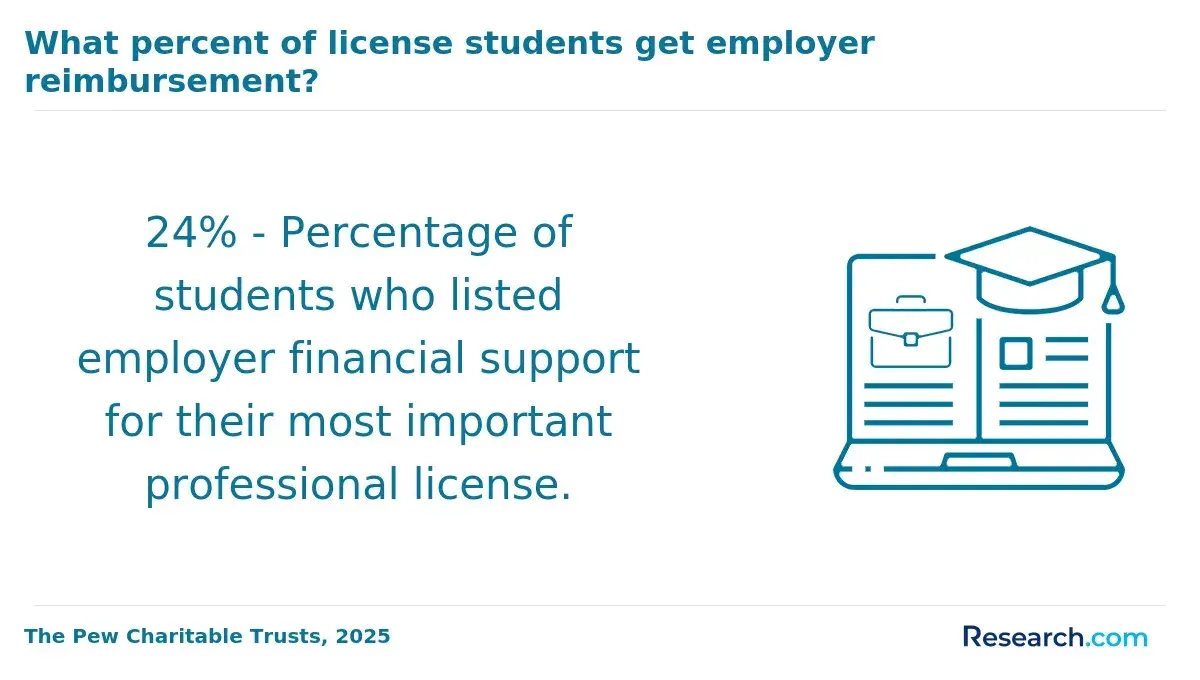
Some colleges may offer conditional, provisional, or probationary admission. This can be a good opportunity if the conditions are reasonable, such as earning a minimum GPA in the first term or completing academic coaching. It is a red flag if the program is expensive, unclear about credit transfer, or vague about what happens if the student does not meet the condition.
How can students improve or supplement a 2.5 GPA before applying?
The best way to improve a 2.5 GPA depends on how much time you have before applying. If you are still in high school, every remaining grade matters. If you have already graduated, the most effective move may be earning strong grades in community college or other accredited college courses.
Use the following steps to improve the academic story that colleges see:
- Calculate the GPA you can realistically reach by the end of the current term, then focus on the courses with the highest credit value.
- Meet with a counselor to identify whether grade replacement, credit recovery, summer school, or retaking failed courses is allowed.
- Prioritize core academic classes such as English, math, science, social science, and foreign language because admissions offices often review them closely.
- Ask teachers early for specific improvement targets, missing assignment policies, and test-preparation strategies.
- Take one or two manageable advanced or dual-enrollment courses only if you can earn strong grades; course rigor helps only when performance is solid.
- Build evidence outside the GPA, such as work experience, leadership, service, a portfolio, certifications, or a clear career plan.
- Consider starting with an accredited community college or a flexible self-paced bachelor's degree option if your main barrier is schedule control.
Students often make the mistake of applying everywhere before fixing the application narrative. If your GPA is low because of one bad year, say that clearly and show what changed. If it is low because of weak math or writing skills, address the skill gap before enrolling in a program where those skills determine whether you persist.
Another mistake is overloading on difficult classes in an attempt to look impressive. For a 2.5 GPA student, a consistent record of B grades in appropriate courses is often more persuasive than a schedule that looks ambitious but leads to more C or D grades.
What majors and degree pathways are most realistic with a 2.5 GPA?
A 2.5 GPA does not determine your entire career path, but it can affect direct admission to competitive majors. General admission to a university may be possible while admission to a specific program, such as nursing, engineering, computer science, architecture, or teacher education, may require higher grades after prerequisites.
Students should compare majors by both admission difficulty and recovery options. If you are unsure which field fits your goals, reviewing the best degree to get can help you think about demand, flexibility, and long-term value before choosing a major only because it seems accessible.
The table below shows common pathways that may be realistic for students starting with a 2.5 GPA, along with the cautions that matter before committing.
| Pathway | Why it may be realistic | Important caution |
| Associate degree to bachelor's transfer | Lets students build a new college GPA before applying to a four-year program | Transfer plans must match the target university's prerequisites |
| Business administration | Often available at many broad-access institutions and online programs | Quantitative courses such as accounting, economics, and statistics still require preparation |
| Psychology or social science | Commonly offered with flexible entry routes | Many higher-paying roles require graduate study or specialized training |
| Information technology | May value certifications, projects, and technical skill development alongside GPA | Computer science tracks may be more selective and math-intensive |
| Communications or digital media | Portfolio and experience can supplement grades | Career outcomes depend heavily on internships, writing samples, and technical tools |
| Health sciences or pre-nursing pathway | Can provide a route toward healthcare if direct nursing admission is not available | Clinical programs often require strong prerequisite grades and separate admission |
A practical pathway for a 2.5 GPA student is to separate "college admission" from "major admission." You might enroll as an undeclared student, general studies student, pre-business student, or health sciences student, then apply to the major after proving yourself in college-level coursework.
Before choosing a major, ask three questions:
- Does the major have a separate GPA requirement after general university admission?
- Which first-year courses are used to screen students for the major?
- If I am not admitted to the major, what related backup major still supports my career goal?
This approach protects you from spending time and aid eligibility on a path that has hidden academic gates you did not know about.
How does a 2.5 GPA influence financial aid, scholarships, and total program cost?
A 2.5 GPA usually does not prevent a student from filing the FAFSA or receiving federal aid if the student otherwise qualifies. The bigger issue is maintaining satisfactory academic progress after enrollment. Many colleges require students to keep a minimum GPA, complete a certain share of attempted credits, and finish within a maximum timeframe to remain aid-eligible.
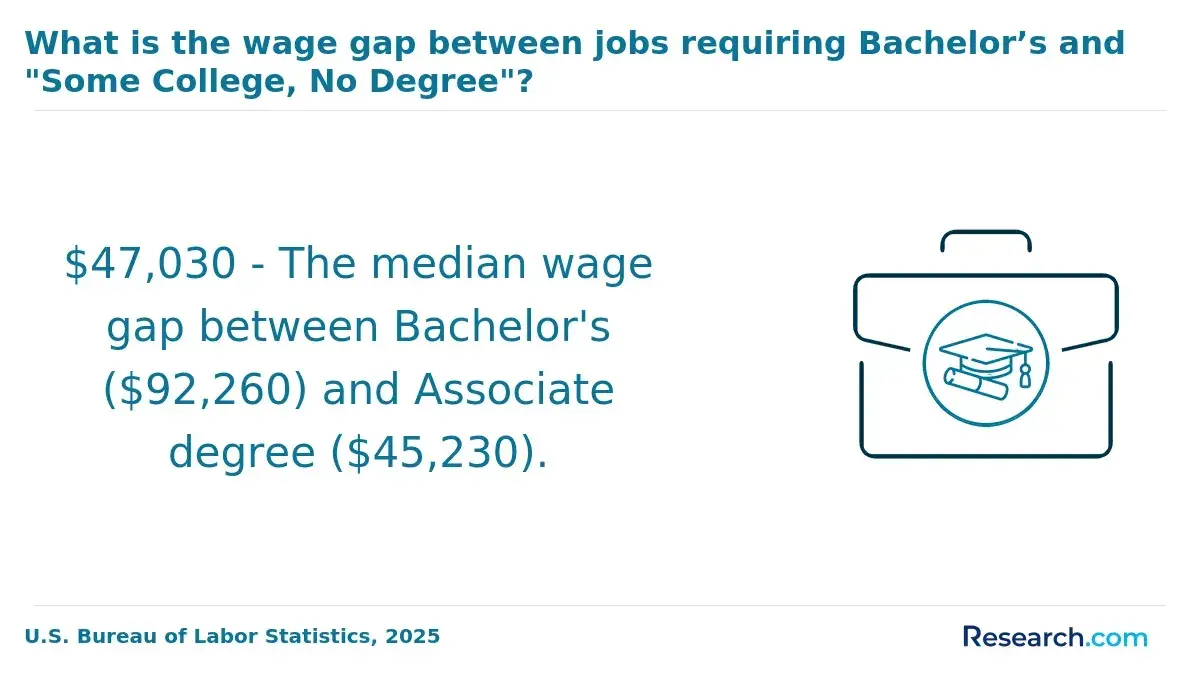
The Pell Grant maximum award is $7,395 for the 2024-25 award year. That amount can make a meaningful difference, but it may not cover the full cost of tuition, fees, books, housing, transportation, and personal expenses. Students with a 2.5 GPA should compare total net price after grants, not just the advertised tuition.
Scholarships are where a 2.5 GPA can be more limiting. Many merit scholarships use GPA cutoffs such as 3.0 or higher, though some awards consider financial need, community service, first-generation status, leadership, talent, major, employer partnerships, or local residency. A student with a 2.5 GPA should not assume scholarship money is unavailable, but should expect to search more strategically.
To control cost, compare schools using the following factors:
- Net price after grants and scholarships, not just tuition.
- Whether credits from dual enrollment, Advanced Placement, military training, or previous college work will transfer.
- Whether the school charges separate online, technology, lab, clinical, or course fees.
- Whether changing majors could add extra semesters and increase total cost.
- Whether academic probation rules could put financial aid at risk if first-term grades are weak.
Students thinking beyond a bachelor's degree should also consider future affordability. If graduate school may be necessary for the intended career, compare lower-cost undergraduate routes now and later research options such as the most affordable masters degrees online before taking on unnecessary debt.
A common mistake is choosing the first college that says yes. Admission is only one part of the decision. The better question is whether the school gives you a realistic chance to graduate without excessive debt, lost credits, or repeated academic probation.
What career outcomes, salaries, and job outlook are possible starting with a 2.5 GPA?
Employers usually care more about completed credentials, skills, experience, portfolios, certifications, internships, and references than a high school GPA. Some employers ask for college GPA for internships or early-career roles, but many do not ask for high school GPA once a student has completed college coursework.
BLS reported a median annual wage of $49,500 for all U.S. occupations in May 2024. That number is useful because it gives students a baseline: the value of college depends less on admission prestige and more on whether the program leads to skills and credentials connected to stronger labor-market opportunities.
The examples below show career areas that may be reachable through accessible college pathways, transfer routes, or skill-building, though actual outcomes vary by location, experience, employer, and additional credentials.
| Career area | Typical preparation | May 2024 median pay | 2023-33 job outlook |
| Computer user support specialist | Associate degree, bachelor's degree, certifications, or experience | $61,550 | Faster than average for computer support specialists overall |
| Market research analyst | Bachelor's degree in business, marketing, statistics, or related field | $76,950 | Faster than average |
| Accountant or auditor | Bachelor's degree in accounting or related field; CPA path requires additional rules | $81,680 | About as fast as average |
| Software developer | Bachelor's degree, portfolio, programming skills, or related experience | $133,080 | Much faster than average |
A 2.5 GPA student should build employability early rather than waiting until graduation. Internships, campus jobs, volunteer roles, freelance projects, industry certifications, and faculty references can help offset a modest academic record.
Shorter credentials can also be useful when they support a larger plan. For example, 6-month certificate programs may help students test a field, qualify for entry-level work, or build confidence before committing to a full degree. They should not replace a degree when the target career clearly requires one, such as licensed teaching, engineering licensure, or many clinical healthcare roles.
The smartest career strategy is to connect the next academic step to a job skill. If you pursue business, learn spreadsheet analysis and communication. If you pursue IT, build labs and earn relevant certifications. If you pursue communications, create a portfolio. If you pursue healthcare, verify clinical admission requirements early.
How can students with a 2.5 GPA choose reputable, accredited programs and avoid risks?
Accreditation matters because it affects credit transfer, financial aid eligibility, graduate school options, licensure, and employer recognition. Students with a 2.5 GPA may feel pressure to accept any offer, but that is exactly when careful program review matters most.
Start by confirming that the institution is accredited by an accreditor recognized by the U.S. Department of Education or the Council for Higher Education Accreditation. Then check whether your specific program needs programmatic accreditation, such as nursing, education, engineering, social work, counseling, or other licensure-related fields.
Use this checklist before enrolling:
- Confirm institutional accreditation and, when relevant, programmatic accreditation.
- Ask whether the program is eligible for federal financial aid.
- Request a written transfer credit evaluation before committing.
- Ask for the exact GPA required to enter the major, remain in good standing, and graduate.
- Review graduation rates, retention rates, licensure pass rates, and job placement methodology when available.
- Compare total cost, including fees, books, equipment, housing, transportation, and repeated courses.
- Ask what academic support is available for students admitted with lower GPAs.
Watch for red flags. Be cautious if a school guarantees admission to a selective career without explaining licensure requirements, pressures you to enroll immediately, refuses to provide total cost in writing, makes salary promises, lacks transparent accreditation information, or says credits will transfer without naming receiving institutions.
The best program for a student with a 2.5 GPA is not necessarily the easiest one to enter. It is the program that is accredited, affordable, transparent, supportive, and aligned with a realistic academic and career plan.
Other Things You Should Know About
Yes. Many community colleges, online colleges, regional public universities, and less-selective private colleges may consider students with a 2.5 GPA. Selective colleges and competitive majors usually expect stronger grades.
A 2.5 GPA is below what many competitive colleges prefer, but it is not a dead end. It means you should target realistic schools, show improvement, and consider transfer pathways if you want more options later.
Strong test scores can help at schools that consider them, especially if they show readiness beyond your GPA. They usually do not fully erase weak grades at selective colleges, but they can strengthen a borderline application.
Community college can be a smart first step if you want lower cost, smaller classes, or a chance to build a stronger college GPA before transferring. Make sure your courses match the transfer requirements for your intended bachelor's program.
References
- What’s the Job Market Look Like for 2025 Graduates? https://www.keystonecapitalpartnersgroup.com/blog/whats-the-job-market-look-like-for-2025-graduates
- What Does a 2.5 GPA Mean? https://empowerly.com/faq/what-does-a-2-5-gpa-mean/
- Top 2.5 GPA Scholarships to Apply for in December 2025 https://bold.org/scholarships/by-type/merit-based/2.5-gpa-scholarships
- What is a 2.5 GPA? What colleges accept a 2.5 GPA? https://www.prepscholar.com/sat/s/gpa/2.5-GPA-is-this-good-for-colleges
- How GPA Impacts College Admissions - Ivy Scholars https://www.ivyscholars.com/how-gpa-impacts-college-admissions/
- What GPA Do You Need For College? Real Admission Thresholds https://gradecalculatortools.com/blog/gpa-requirements-college-admissions/
- How Much Does GPA Matter When Applying to College? | SoFi https://www.sofi.com/learn/content/does-gpa-matter-for-college-admission/
- Can You Get Into Online College With a Low GPA? 2026 Guide https://www.collegetransitions.com/blog/can-you-get-into-online-college-with-a-low-gpa/
- How To Raise Your High School GPA: 7 Proven Strategies https://www.c2educate.com/how-to-raise-your-gpa/
- After the Award: Why Grades Matter for Financial Aid https://www.iowastudentloan.org/articles/college/why-grades-matter-for-financial-aid.aspx