
Most Affordable Welding Schools & Training - Budget-Friendly Welding Trade Programs in Santa Fe for 2026

Co-Founder and Chief Data Scientist
Choosing the right welder trade school in Santa Fe can feel overwhelming, but finding an affordable and quality program is key to launching a successful career. This article introduces a welder trade school programs ranking created by the Research.com team of data scientists to help you make an informed decision.
By exploring this guide, you'll discover options that balance cost and quality, ensuring your investment leads to valuable skills and credentials. Earning a welding diploma or certification opens doors to steady work and personal growth, making this a rewarding step toward your future.
Key benefits of finishing welder trade school in Santa Fe
- Graduates from welder trade schools in Santa Fe can expect starting salaries around $45,000 per year, with potential to earn over $60,000 as they gain experience and certifications.
- Career paths include manufacturing, construction, and specialized welding roles, offering diverse opportunities for steady growth and skill development.
- Completing a welder trade school online provides flexible learning schedules and quicker entry into the workforce, as shown by graduates who balance work and study effectively while still gaining hands-on skills.
- Most Affordable Welding Schools & Training - Budget-Friendly Welding Trade Programs in Santa Fe for 2026
- What can I expect from welder trade schools in Santa Fe?
- Where can I work after finishing welder trade schools in Santa Fe?
What can I expect from welder trade schools in Santa Fe?
When you enroll in a welder trade school program in Santa Fe, expect a hands-on learning experience that builds your skills step-by-step. Graduates often share how starting with basic metal cutting and moving to advanced pipe welding felt both challenging and rewarding. Schools like Santa Fe College use industry-standard equipment, so you're practicing exactly what employers look for on the job.
Most students earn a Career Certificate after about three semesters, roughly one year, which opens doors to well-paying positions. Being able to take American Welding Society (AWS) certification tests right on campus is a huge advantage. Many grads say this credential gave them confidence and a competitive edge when job hunting.
Programs welcome a diverse group-from recent high school grads to adults switching careers-with flexible scheduling and even dual enrollment options. Some students appreciate the availability of online courses that let them learn at their own pace while still receiving essential materials.
Financial aid often helps ease costs, making this career path accessible. Many find the real-world training and supportive environment empowering as they prepare to enter in-demand industries across New Mexico.
Where can I work after finishing welder trade schools in Santa Fe?
After finishing a welder trade school program in Santa Fe, many graduates find themselves stepping confidently into roles like welders, fabricators, or welding technicians. Local employers-ranging from small fabrication shops to large construction companies-are actively seeking skilled workers to join their teams. For example, some graduates start fabricating custom metal structures for builders, while others repair heavy equipment used in the region's construction and manufacturing sectors.
Many students from well-known Santa Fe trade schools share how they landed jobs as concrete laborers or diesel mechanics, roles closely tied to welding skills. Others have advanced into specialized fields like sub arc welding, which commands higher pay and offers about nine current openings locally. Graduates often appreciate how their hands-on training translates directly to these in-demand positions.
With experience, paths can lead to supervisory roles or quality control inspector positions, giving you room to grow beyond the shop floor. Working for private companies, municipal agencies, or subcontractors, you'll find plenty of opportunities to match your interests-whether that's fieldwork or precision manufacturing.
After finishing a welder trade school program in Santa Fe, you can expect to start earning between $20 and $25 per hour. Many graduates from well-known local schools share how they quickly landed jobs paying around $22 per hour, which translates to about $869 per week. This starting wage fits right within the region's manufacturing and construction sectors, where demand for skilled welders remains strong.
One common experience among new welders is beginning with entry-level roles that pay roughly $21 to $24 per hour, which feels rewarding after completing hands-on training. More seasoned graduates mention that gaining certifications and on-the-job experience can boost their pay up to $29 an hour or even higher in specialized positions.
Imagine working in a local shop in Santa Fe where your skills directly impact building projects, earning enough to support your lifestyle while growing your career. It's encouraging to know that with time, welders statewide can earn between $35,000 and nearly $58,000 annually, reflecting real opportunities for advancement after trade school.
- Applicants must be at least 16 years old, and high school diplomas or GEDs are not always required for admission.
- Welding programs typically last about one year, with around 1,050 contact hours over three semesters.
- Tuition costs range from $5,000 to $10,000, with some programs including tool kits but often charging non-refundable material fees.
- Entry-level welders in New Mexico earn between $38,000 and $45,000 annually, while experienced welders can make over $60,000.
- Programs offering American Welding Society (AWS) certifications improve job prospects and earning potential.
Completing a welder trade school program in Santa Fe typically takes between six months to one year, depending on the depth of training and whether you attend full-time or part-time. Many graduates from well-known Santa Fe trade schools share how immersive and hands-on their experience was, enabling them to gain solid welding skills quickly while balancing other life commitments.
For example, some students start with basic welding techniques and progress to specialized methods like TIG or MIG welding, all within a few months. This accelerated pace keeps motivation high because you see your skills improve week by week, making the learning process exciting and tangible. Graduates often describe the satisfaction of working on real projects in school workshops, which feels a lot like the actual job they'll have after graduation.
Choosing a program in Santa Fe means you're learning in an environment that understands the local industry demand, so the timing and curriculum are designed to get you job-ready efficiently. Whether you're coming from a different career or fresh out of high school, this timeframe helps you plan your next steps confidently and without unnecessary delay.
Online welder trade school programs in Santa Fe offer unmatched flexibility, letting you access lectures and assignments whenever your schedule allows. Graduates often share how this convenience helped them juggle work or family while progressing through the course. However, welding is a hands-on skill, so these programs usually require you to attend local labs or partner workshops for practical training, ensuring you still get valuable in-person experience.
On-campus programs popular in Santa Fe focus heavily on hands-on learning-graduates describe spending around 80% of their time directly welding under expert guidance. This immersive setting builds confidence quickly, with immediate feedback helping you master equipment and safety.
Both paths typically take less than a year and lead to recognized certifications, but your choice depends on whether you prioritize flexible scheduling or intensive, in-person practice. Many students find that Santa Fe's trade schools provide strong support whichever route you choose, making your journey rewarding and tailored to your lifestyle.
The average cost of welder trade school in Santa Fe depends largely on whether you attend as an in-state or out-of-state student and the specific program you choose. At Santa Fe Community College (SFCC), for example, graduates often highlight how the Welding Technologies Certificate program, taking about 1.5 years, costs approximately $2,501 for in-state residents. Those pursuing the Associate of Applied Science (A.A.S.) degree in Welding Technologies, which typically spans around two years, can expect tuition fees for welding programs in Santa Fe to be about $3,200 for in-state students.
Out-of-state students usually face higher tuition. The same certificate program can cost near $4,995, while the A.A.S. degree tuition rises to about $5,820. Many graduates from SFCC recall balancing their budgets carefully, factoring not just tuition but also related expenses like books, supplies, and equipment, which add around $783 annually. This practical insight helps students plan realistically and avoid surprises during their studies.
Financial aid options provide helpful relief for many. SFCC offers a range of scholarships, grants, and loan opportunities that students frequently mention as instrumental in their journey. For those interested in exploring cost-effective training alternatives, Santa Fe students might also benefit from reviewing cheapest maintenance technician online courses, which reflects a commitment to affordable skill-building across trades.
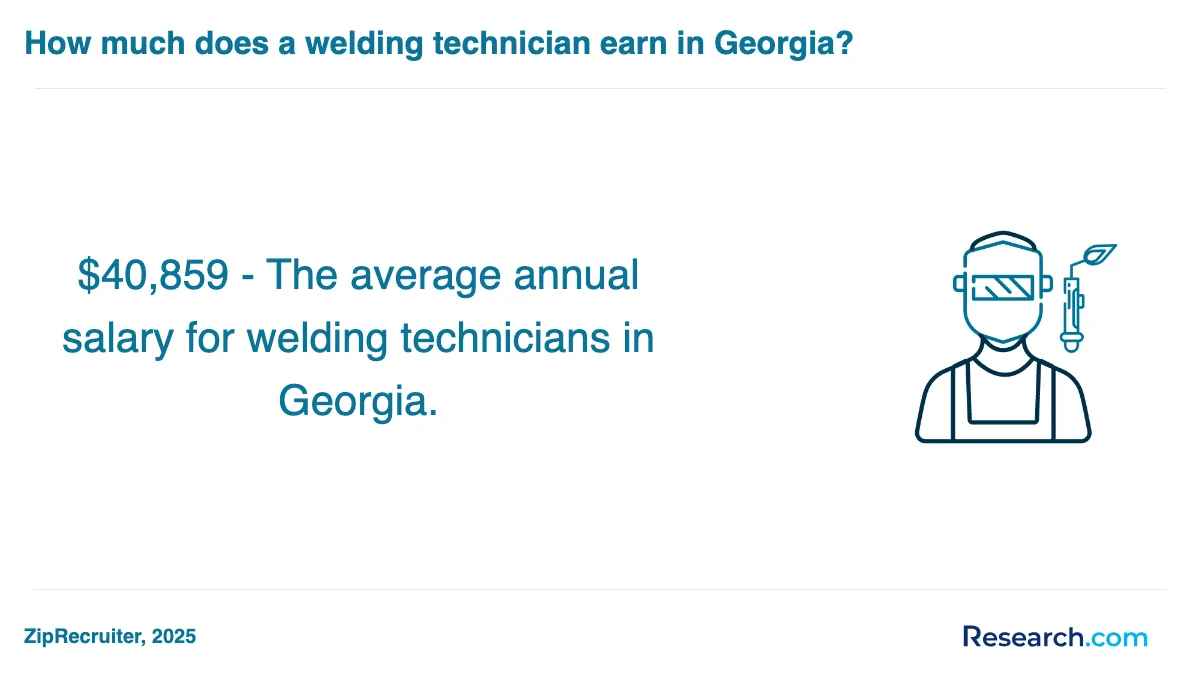
Many students pursuing welder trade school programs in Santa Fe find that financial aid options make their goals more attainable. Graduates from Santa Fe College often share how the Federal Pell Grant, which doesn't require repayment, eased their worries about tuition. Applying through FAFSA opened doors to both Pell Grants and Federal Direct Loans, providing essential funds to cover education costs.
State grants are another valuable resource for New Mexico residents, especially those enrolled full-time in accredited welding programs. One welder recalled how these grants, combined with Santa Fe College's Boone Bussard Welding Scholarship, helped reduce their financial stress and keep them focused on hands-on training.
Work-study programs also play a key role, offering paid campus jobs that let students support themselves without accumulating heavy debt. Veterans studying welding in Santa Fe benefit from specialized military tuition assistance and stipends, which lighten the financial load and honor their service.
For women entering welding fields, scholarships targeting gender diversity provide encouragement and funding, turning ambitions into achievable careers. However, students taking non-credit welding courses often need to explore state vocational rehabilitation or workforce development aid instead.
Enrolling in a welder trade school program in Santa Fe usually requires a few key prerequisites that prepare you for success. Most schools ask for a high school diploma or GED, ensuring you have the basic skills needed to follow technical instructions and safety guidelines. Some graduates recall how brushing up on math, especially geometry and basic algebra, made welding calculations much easier during hands-on training.
Physical readiness is another important factor. Welding involves standing for long periods and working with heavy tools, so schools often recommend good manual dexterity and physical stamina. One graduate shared how practicing simple hand exercises before enrollment helped improve their welding precision and confidence.
Many programs in Santa Fe also appreciate applicants who demonstrate a genuine interest in metalwork and craftsmanship. This can be shown through previous experience or even a strong desire to learn, which instructors find motivates students to excel.
- High school diploma or GED
- Basic math skills
- Physical fitness and manual dexterity
- Interest or experience in metalwork
Trade schools in Santa Fe, known for their supportive environments, often encourage prospective students to visit the campus or attend orientation sessions. This helps you get a feel for the program and meet instructors who can guide you through the prerequisites and beyond.
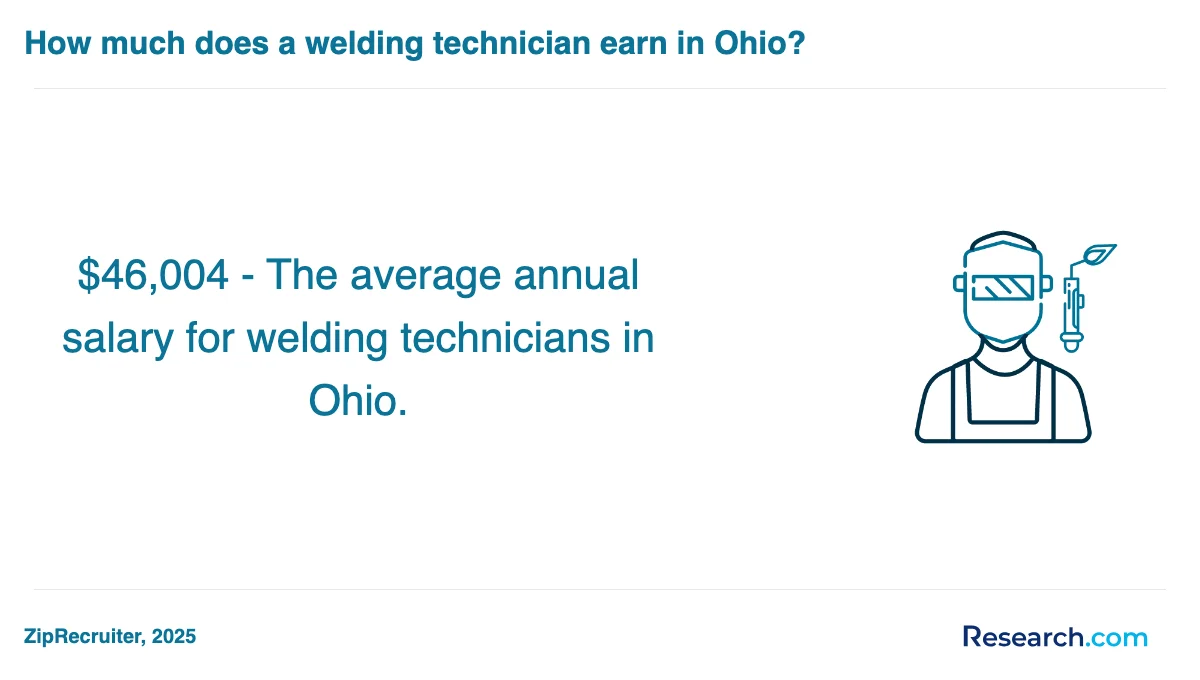
Welder trade school programs in Santa Fe equip students with essential skills through a well-rounded curriculum that builds from basics to advanced techniques. Graduates often share how starting with Introduction to Welding Safety gave them confidence in handling equipment securely, understanding fire precautions, and identifying hazards before even striking a torch.
Core courses typically include:
- Basic Welding Techniques: This covers metal cutting, rigging, and blueprint reading-skills graduates recall as critical when interpreting job plans on real worksites.
- Shielded Metal Arc Welding (SMAW): Known as stick welding, it's the foundation for many hands-on projects during training at schools like Santa Fe College.
- Gas Metal Arc Welding (GMAW/MIG): Students appreciate learning MIG welding since it's widely used in manufacturing, making them job-ready.
- Gas Tungsten Arc Welding (GTAW/TIG): TIG welding comes later, sharpening precision and control, which advanced students find rewarding.
- Flux-Cored Arc Welding (FCAW): This is especially valuable for those aiming at construction or heavy manufacturing roles.
- Pipe Welding: Advanced courses teach pipe welding, preparing students for specialized fields like oil and gas.
Many Santa Fe graduates highlight how the mix of virtual labs and hands-on training helped them transition smoothly to real job sites, feeling well-prepared and confident. Completing sequential classes over three semesters at institutions such as Santa Fe College ensures a balanced mastery of theory and practice, positioning students to excel in welding careers.
Welder trade school specializations in Santa Fe cover a range of essential skills that prepare you for diverse roles. Graduates from popular trade schools often highlight hands-on experience in core areas like Shielded Metal Arc Welding (SMAW), also known as stick welding, where safety and equipment mastery are key. Many find success in Gas Metal Arc Welding (GMAW), or MIG welding, focusing on structural joints that demand precision in all positions.
Welding program specializations Santa Fe include advanced techniques such as Flux Cored Arc Welding (FCAW), teaching how to handle technical drawings and material selection. Another popular track is Gas Tungsten Arc Welding (GTAW or TIG welding), prized for its application in delicate, high-quality metalwork. Students appreciate the inclusion of pipe welding courses that mix theory with practice, crucial for construction and industrial settings.
Some schools even offer welded art classes, blending creativity with technical skill, making welding exciting and personal. For those considering flexible learning options, exploring cheap online welding certification programs can provide valuable alternatives while maintaining quality training.
Choosing the best welder trade school program in Santa Fe means looking beyond just the curriculum. Many graduates from local colleges speak highly of hands-on training opportunities that simulate real work environments, helping them gain confidence before stepping onto actual job sites. When visiting schools, pay close attention to the facilities and equipment; modern, well-maintained tools make a big difference in learning quality.
Another key factor is the program's connection to the local industry. Schools in Santa Fe that partner with area employers often have higher job placement rates for their welders after graduation. Hearing from alumni, many describe how these partnerships opened doors to apprenticeships and full-time roles, which boosted their career start.
Finally, consider how the program fits your career goals and schedule. Some students compare vocational school vs trade certificate program options to decide which will get them into the workforce faster while providing solid skills. For a clearer picture of these pathways, check out resources like vocational school vs trade certificate program.

Graduates of welder trade school programs in Santa Fe often step into a variety of rewarding roles across construction, manufacturing, and equipment repair. Many find themselves working as welders, fabricator/welders, or welder's helpers, using skills like MIG, TIG, and stick welding daily. For example, graduates from popular trade schools in Santa Fe describe gaining confidence by reading blueprints and assembling metal frameworks on local construction sites, helping to keep projects running smoothly and safely. These welding jobs in Santa Fe NM frequently open doors to positions in metal fabrication or even specialized roles like diesel mechanic or concrete laborer, where welding expertise supports equipment and infrastructure maintenance.
More experienced welders often pursue supervisory or inspector roles, overseeing welding operations and quality control, which adds leadership experience. Others with a passion for teaching advance into educator roles at institutions like Santa Fe Community College. For those exploring long-term growth, check out the best trade school jobs that pay well to find inspiration on lucrative career trajectories. Welder career opportunities in Santa Fe offer a stable and promising future to driven graduates eager to build their skills and careers.
The job market for welder trade school graduates in Santa Fe is steady and promising, with about 19 welding jobs actively posted within the city and 27 across Santa Fe County. Many graduates from popular local trade schools find opportunities in roles like fabricator/welder, concrete laborer, and diesel mechanic. These positions often call for skills in MIG, TIG, and stick welding, as well as certifications like AWS, which veterans of these programs consistently highlight as key to their success.
Welding jobs in Santa Fe NM typically require or prefer candidates with vocational degrees or certifications; roughly 30.5% of local welders hold these credentials. Graduates frequently share how the hands-on fabrication and installation training they received gave them a clear edge. Understanding the local job market means knowing welding is valued across multiple sectors, from construction to R&D.
The welder salary and demand in Santa Fe remain competitive, averaging $61,313 annually or about $29 per hour, reflecting the technical skills needed. If you're considering this career path, exploring the best online diploma courses can complement your hands-on learning and boost your readiness for these roles. Check out best online diploma courses to enhance your credentials and job prospects.
Most Affordable Welding Schools & Training - Budget-Friendly Welding Trade Programs in Santa Fe for 2026
# 1 position
Santa Fe Community College - Welding Technology/Welder.
associateSanta Fe Community College offers a Hybrid Welding Technology/Welder program that equips students with technical skills in arc welding, resistance welding, brazing, soldering, and cutting. The curriculum includes welding metallurgy, processes, heat treating, safety, and industry codes. The annual in-state tuition is $2,145. The program is accredited by the Higher Learning Commission, preparing students for careers involving ferrous and non-ferrous materials and structural design.
# 2 position
Santa Fe Community College - Welding Technology/Welder.
certificate or diplomaSanta Fe Community College offers a Welding Technology/Welder program in a hybrid format with some distance-education options. The program covers arc welding, resistance welding, brazing, soldering, cutting, and welding metallurgy, along with safety and applicable codes and standards. Annual in-state tuition costs $2,145. The program is accredited by the Higher Learning Commission and prepares students to apply technical skills for joining or cutting metal surfaces.
Frequently Asked Questions about welder
After completing a welder trade school in Santa Fe, preparing for the job market involves several key steps. First, obtaining industry-recognized certifications such as those from the American Welding Society (AWS) can significantly improve job prospects. Employers in New Mexico often require these credentials as proof of skill and safety knowledge.
Networking is also crucial. Graduates should attend local job fairs and connect with welding employers through the Santa Fe Workforce Connection. According to the New Mexico Department of Workforce Solutions, welding jobs in the region are expected to grow by 5% through 2030, highlighting steady demand.
Additionally, building a strong resume with documented hands-on experience from school projects or internships helps demonstrate practical ability to potential employers.
Employers in Santa Fe seek welder trade school graduates who demonstrate strong technical skills and practical experience. Proficiency in various welding techniques such as MIG, TIG, and stick welding is essential. According to the U.S. Bureau of Labor Statistics, employers also value knowledge of safety protocols and the ability to read blueprints accurately.
Attention to detail and precision are critical, as welding jobs often require exact measurements and clean welds to ensure structural integrity. Communication skills and teamwork are increasingly important due to the collaborative nature of many welding projects. Additionally, familiarity with welding equipment maintenance can enhance job prospects in the Santa Fe market.
Finding internships in Santa Fe relevant to welder trade school programs involves connecting with local employers and educational institutions. Many trade schools in Santa Fe partner with nearby manufacturing companies, construction firms, and metal fabrication shops to offer hands-on internship opportunities.
Students should inquire directly with their school's career services or internship coordinators, as these offices often have established relationships with local businesses. According to the New Mexico Department of Workforce Solutions, industries such as construction and manufacturing in Santa Fe have shown steady demand for skilled welders, increasing internship availability.
Additionally, checking regional job boards and apprenticeship programs registered with the U.S. Department of Labor's Office of Apprenticeship can help identify openings. Networking through local unions or trade organizations also provides valuable internship leads for welding students.
Obtaining a welder trade school diploma in Santa Fe can significantly enhance career mobility and advancement within the local labor market. According to the U.S. Bureau of Labor Statistics, welders in New Mexico earn a median annual wage of around $42,000, with those holding formal diplomas often qualifying for higher-paying positions. Trade schools provide practical skills and certifications recognized by employers, which are essential for advancement to specialized roles such as welding inspectors or supervisors.
Furthermore, Santa Fe's growing construction and manufacturing sectors demand skilled welders, increasing job opportunities for certified graduates. Local workforce development reports highlight that diploma holders experience lower unemployment rates and greater job stability compared to those without formal training.
Completing a welder program also enables access to union apprenticeships and continuing education, which contribute to long-term career growth. These programs often include training on modern welding technologies, keeping graduates competitive in the evolving industry landscape.
Students enrolled in welder trade schools in Santa Fe can find valuable part-time job opportunities that complement their education. Entry-level welding assistant positions or metal fabrication roles in local manufacturing shops offer hands-on experience. These jobs help reinforce skills taught in school, such as blueprint reading and safety compliance. According to the U.S. Bureau of Labor Statistics, New Mexico's welding employment is projected to grow by 3% from 2022 to 2032, signaling steady demand. Additionally, construction companies in Santa Fe often seek part-time laborers to assist on-site, providing practical exposure to welding applications in building projects.
Yes, there are affordable welding degree programs available near Santa Fe, NM. Nearby vocational schools and community colleges often offer these programs, providing practical training that might fit your budget. Research.com can be a helpful resource to find specific welding programs near me that meet these criteria.
- Most Affordable Welding Schools & Training - Budget-Friendly Welding Trade Programs in Phoenix for 2026
- Most Affordable Welding Schools & Training - Budget-Friendly Welding Trade Programs in Denison for 2026
- Most Affordable Welding Schools & Training - Budget-Friendly Welding Trade Programs in Fresno for 2026
- Most Affordable Welding Schools & Training - Budget-Friendly Welding Trade Programs in Elgin for 2026
- Welding Technology, C.T.C. https://www.sfcollege.edu/academics/programs/7623.html
- Online Welder Technician from Santa Fe College https://careertraining.sfcollege.edu/training-programs/welding-technician/
- Welding Trade Schools in Santa Fe, NM - Welder Training https://weldingcareernow.com/welding-schools/santa-fe-nm
- Program: Welding Certificate - Santa Fe Community College - Modern Campus Catalog™ https://catalog.sfcc.edu/preview_program.php
- Welding Technology AS - Guided Pathways https://pathways.riohondo.edu/program/welding-technology-as/
- Welding Jobs in Santa Fe, NM | iHire https://www.ihire.com/t-welding-s-new-mexico-c-santa-fe-jobs.html
- Welder Jobs in Santa Fe, NM | Joblist https://www.joblist.com/j/welder-jobs/santa-fe-nm
- Welding Salary Trends: How Much Do Welders Earn Today? | YesWelder https://yeswelder.com/blogs/yeswelder/welding-salary-trends-how-much-do-welders-earn-today
- Welder | Explore Careers | National Careers Service https://nationalcareers.service.gov.uk/job-profiles/welder
- How Much Do Welders Make? Welding Salary Guide | Goodwin University https://www.goodwin.edu/enews/welder-salary-information/





