Most Affordable Welding Schools & Training - Budget-Friendly Welding Trade Programs in Omaha for 2026

Co-Founder and Chief Data Scientist
Looking to start a rewarding career as a welder in Omaha? Choosing the right trade school is a crucial first step toward success. This article presents a welder trade school programs ranking created by the Research.com team of data scientists to guide you in making an informed decision.
Discover affordable options that offer quality training and certification, helping you build skills employers value. Whether you’re new to welding or seeking to advance, this guide highlights programs worth considering for a brighter future in a hands-on, in-demand field.
Key benefits of finishing welder trade school in Omaha
- Graduates from welder trade schools in Omaha can expect starting wages between $15 and $26 per hour, with potential to earn up to $43.46 per hour as they gain experience and certifications.
- Career paths include roles in manufacturing, construction, and heavy equipment repair, offering diverse opportunities for growth and specialization after graduation.
- Completing a welder trade school online provides flexibility and convenience, allowing students to balance work and study while gaining skills recognized by local employers in Omaha.
- Most Affordable Welding Schools & Training - Budget-Friendly Welding Trade Programs in Omaha for 2026
- What can I expect from welder trade schools in Omaha?
- Where can I work after finishing welder trade schools in Omaha?
What can I expect from welder trade schools in Omaha?
Students enrolling in welder trade school programs in Omaha can expect an intensive blend of hands-on welding practice and classroom instruction. Graduates from programs like Metropolitan Community College describe spending significant time mastering techniques such as MIG, TIG, and stick welding in well-equipped labs, which builds confidence for real-world job sites. Alongside practical skills, coursework includes blueprint reading and metallurgy, ensuring students understand how to interpret welding symbols and metal behaviors-crucial knowledge in fabrication jobs.
Programs vary in length, with some certificates completed in 12 to 18 weeks, while associate degrees take up to two years. Graduates appreciate that the structured semesters and credit hour requirements offer clear milestones and a sense of accomplishment. Safety is emphasized from day one; students must bring their own helmets, gloves, and protective gear to participate in lab work, reinforcing a professional mindset early on.
Many students find value in the inclusion of general education courses like math and communication, which help round out their skills. Overall, Omaha's welder trade schools prepare students to confidently enter the workforce, often supporting certification pursuits and offering financial aid options that ease the transition.
Where can I work after finishing welder trade schools in Omaha?
Graduates of welder trade school programs in Omaha find diverse employment opportunities across multiple industries. Many quickly secure positions with local manufacturers, construction firms, and metal fabrication shops, where they apply skills learned in trade schools to assemble, repair, or custom-build metal structures. For example, graduates often thrive in manufacturing plants performing MIG, TIG, and arc welding, gaining hands-on experience that trade schools emphasize.
Others transition into roles as pipefitting technicians or maintenance welders, working on-site in construction or automotive repair facilities. Some graduates express satisfaction working in field service, repairing heavy machinery and industrial equipment directly at client locations, which adds variety and challenge to their daily work.
Additionally, trade school alumni sometimes pursue specialized paths such as welding instructors at vocational schools or community colleges, sharing their expertise with new students. The transportation sector also offers rewarding roles repairing trucks, trailers, and railcars, often accompanied by benefits like 401(k) plans and health insurance, making these positions appealing for long-term career growth.
Graduates from welder trade school programs in Omaha typically start with an average annual salary around $46,613, according to recent data. Many new welders report beginning closer to $41,418 annually, which aligns with entry-level positions often called "Welder I." This starting point reflects real experiences from Omaha trade school alumni, who find that hands-on training prepares them well for immediate employment.
Hourly wages for these beginners average about $21.29, providing a steady income as they build their skills on the job. Those who continue to develop expertise often see hourly rates rise toward $28.50, a figure reported by more experienced welders in the city.
Graduates from popular Omaha schools frequently share that advancing into specialized roles, such as fabricator/welders, can increase earnings significantly, with salaries averaging $63,789 annually. This progression showcases the potential for positive career growth after completing a welder trade program locally.
Many former students express excitement about the active Omaha job market, which supports strong starting wages and clear paths to higher pay as skills and certifications accumulate.
- Applicants usually need a high school diploma or GED, be at least 18 years old, and pass a basic math test covering arithmetic with decimals and fractions.
- Programs range from short-term certificates to Associate in Applied Science degrees, like the 92.5-credit Welding Technology AAS at Metropolitan Community College.
- Students must attend lab sessions and buy their own safety gear and tools, which can cost several hundred dollars.
- Tuition for an AAS degree typically costs between $8,000 and $12,000, with rates around $100 to $120 per credit hour for in-state students.
- Entry-level welders in Omaha earn between $38,000 and $46,000 annually, while experienced welders can make $55,000 to $65,000 or more.
- Certification from recognized organizations like the American Welding Society is often preferred or required by employers and can improve job prospects.
Completing a welder trade school program in Omaha typically takes between 6 months and 1 year, depending on the intensity and structure of the course chosen. Many graduates from popular Omaha trade schools share that full-time programs, which often last about 9 months, provide an immersive and fast-paced learning environment. This duration allows students to gain hands-on welding experience while mastering key techniques such as MIG, TIG, and stick welding.
Part-time options extend the timeline to around 12 months, accommodating those balancing work or family commitments. Graduates from these programs often express satisfaction with the steady progress and flexibility, highlighting how the scheduling helped them stay motivated and focused.
For example, a typical day at an Omaha welder trade school might involve morning theory classes followed by afternoon practical welding sessions, creating a balanced mix of knowledge and skill-building. Many students describe this approach as both challenging and rewarding, giving them confidence to enter the job market promptly after completion.
The main difference between online and on-campus welder trade school programs in Omaha lies in the mode of instruction and hands-on training intensity. Online programs offer flexibility, allowing students to study welding theory, safety, and industry standards at their own pace, which works well for those balancing work or family. However, graduates often describe the challenge of arranging local lab time to gain essential practical skills, as fully online welding training is rare and generally insufficient for certification.
On-campus programs, such as those popular in Omaha, focus heavily on face-to-face learning. Graduates from these schools highlight the value of spending most of their time, up to 80%, in workshops or labs practicing under expert supervision. This direct mentorship fosters confidence and mastery of physical welding techniques that employers demand.
Cost and scheduling also differ: online courses typically reduce expenses and commuting time, while on-campus programs deliver immersive learning experiences that many hands-on learners find motivating and rewarding.
The average cost of welder trade school in Omaha varies widely but typically falls between $2,000 and $10,000. For example, Metropolitan Community College Area offers welding programs with tuition fees ranging from $2,000 to $9,000, which include study materials, making it a popular choice among local students. Graduates often highlight how this range fits well within their budgets, allowing them to focus on developing hands-on skills without excessive financial strain.
Other schools, like Southeast Community College, report tuition fees between $2,913 and $10,673 depending on program length and residency status. This variability can feel overwhelming, but many graduates express satisfaction knowing that tuition correlates with the depth of training they receive. The tuition fees for welding programs in Omaha reflect not just classroom time but also practical labs essential for competency, which is encouraging for students eager to start welding careers quickly.
Additional expenses such as books, supplies, and welding equipment typically add $500 to $1,500 in costs. Graduates recall budgeting carefully for these extra fees, acknowledging that quality tools significantly enhance learning and job readiness. To ease financial stress, many access federal grants and loans through FAFSA and tap into Nebraska-specific grants.
Welding students in Omaha often seek affordable certification options after training. While Nebraska lacks formal state licensing, certification from entities like the American Welding Society boosts employment prospects. Planning for these certification costs is key. For those seeking easy trades that pay well, welding remains a rewarding option both financially and professionally.

Welder trade school students in Omaha commonly access federal financial aid, including Federal Pell Grants, Federal Direct Loans, and the Federal Supplemental Educational Opportunity Grant (SEOG). These aid programs require completing the FAFSA annually, which many students find straightforward and rewarding when they receive aid that significantly offsets tuition costs. Graduates from top Omaha trade schools often recall how federal aid reduced their financial burden, making their welding education more attainable.
State and local programs also support students, especially veterans and displaced workers, through benefits like the Veterans Educational Assistance, Workforce Investment Act, and Trade Adjustment Assistance. Many students appreciate how these resources provide targeted support, enabling them to focus on mastering welding skills rather than financial stress.
Scholarships from the American Welding Society Nebraska Section, such as the Central Nebraska and Monty Rodgers scholarships, offer vital funding to Nebraska residents maintaining a 2.5 GPA or higher. Recipients frequently describe the application process as a motivating opportunity to reflect on their goals while securing financial aid.
Additionally, Omaha-area schools often offer institutional aid and flexible tuition payment plans, which allow students to spread out expenses. This flexibility is frequently praised by students balancing work and study commitments, helping them stay on track toward certification without overwhelming debt.
Enrolling in a welder trade school program in Omaha typically requires a few clear prerequisites designed to ensure student success. Most programs expect applicants to have a high school diploma or GED, which lays the foundation for understanding technical concepts taught in welding courses.
Prospective students often benefit from demonstrating basic math skills, as welding involves measurements and calculations. For instance, graduates from well-known Omaha trade schools recall how brushing up on algebra helped them grasp blueprint reading and welding symbols quickly, boosting their confidence early on.
Additional common prerequisites include:
- Proof of legal age (usually 18 or older)
- Physical ability to handle welding equipment and stand for extended periods
- Passing a basic skills assessment or placement test
- Completion of a health and safety orientation
These requirements create a supportive learning environment. Graduates often highlight how meeting these standards beforehand made the intense hands-on training feel manageable rather than overwhelming. For example, those attending Omaha's popular trade schools appreciate the clear expectations, which help them focus on mastering welding techniques rather than worrying about eligibility hurdles.

Welder trade school programs in Omaha typically include a comprehensive blend of hands-on and classroom instruction designed to prepare students for immediate employment. Graduates from schools like Metropolitan Community College's South Omaha campus highlight courses that focus on core welding techniques such as Gas Metal Arc Welding (GMAW or MIG), Shielded Metal Arc Welding (SMAW or Stick), Gas Tungsten Arc Welding (GTAW or TIG), and Flux-Cored Arc Welding (FCAW). These practical courses train students to confidently handle welding equipment while mastering metal properties and producing strong, precise welds.
Students also emphasize the importance of blueprint reading and interpretation, a skill taught in classes like "WELD 1000 - Print Reading for Welders." Understanding weld symbols and measurements on engineering drawings ensures that projects meet exact specifications, a confidence booster when transitioning to real job sites.
Safety training based on OSHA guidelines is integrated throughout the curriculum, helping students develop habits that protect themselves and coworkers. General education courses in communication and math further round out the skill set, enabling graduates to solve problems and communicate clearly on the job.
Many students find the required fabrication projects especially rewarding, as these hands-on assignments allow them to apply welding techniques, blueprint reading, and quality inspection in realistic scenarios, boosting their readiness and confidence for the workforce.
In Omaha, welder trade school programs commonly include specializations that equip students with practical, industry-relevant skills. Graduates from the Omaha Welding Institute and Metropolitan Community College frequently highlight training in pipe welding as a key specialization that opens doors to jobs in construction and infrastructure projects. Alongside pipe welding, structural welding is another crucial area of focus, offering in-depth knowledge used in building frameworks and heavy machinery. These specializations not only boost technical expertise but also enhance graduates' confidence in tackling real-world welding challenges.
Students from Central Community College and Northeast Community College often emphasize the importance of blueprint reading integrated into these programs, ensuring they can interpret complex designs with precision. The hands-on training at these campuses cultivates a strong foundation in safety and workmanship that employers seek. For those seeking flexible learning options, reviewing the most affordable online maintenance technician trade programs can also complement in-person welding studies, adding to career versatility.
- Structural Welding in Omaha
- Pipe Welding in Omaha
Choosing the best welding programs in Omaha starts with verifying accreditation and reputation. Graduates from Metropolitan Community College and Southeast Community College often report feeling confident entering the workforce due to recognized credentials that employers trust. This accreditation ensures your training meets industry standards and can ease credit transfers if you pursue further education.
Hands-on training is essential. Students from Omaha Welding Institute praise the balance between classroom theory and practical welding lab work, covering MIG, TIG, stick, and flux-cored arc welding. Such comprehensive curricula prepare you for diverse job roles and certification exams, making it easier to secure entry-level positions.
When deciding how to choose a welding school in Omaha, consider program flexibility and financial factors. Southeast Community College offers both part-time and full-time options, allowing students to balance life commitments while accessing financial aid. Many graduates highlight career placement services at MCC and Tulsa Welding School as key to smooth job transitions.
For a deeper understanding of what trade schools entail, explore what is a trade school, which clarifies vocational paths like welding and aligns expectations with your career goals.
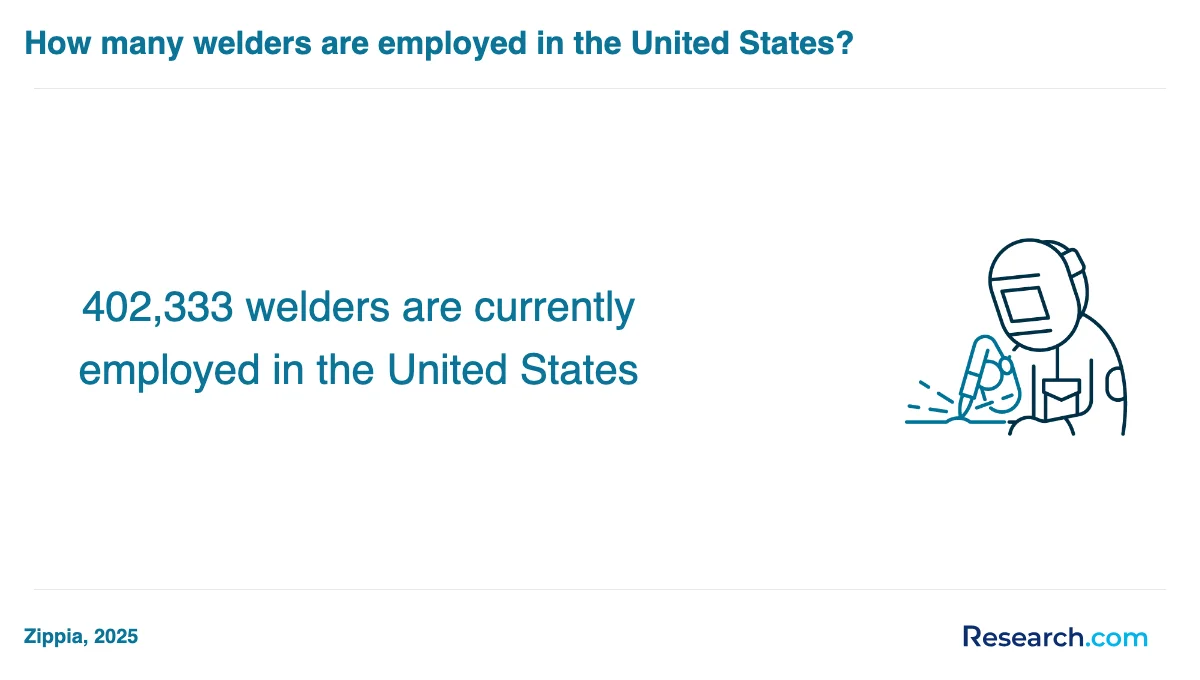
Graduates of welder trade school programs in Omaha find a variety of rewarding career paths aligned with the city's industrial demands. Many pursue welding jobs in Omaha NE by joining manufacturing plants or custom metal shops as welder/fabricators, utilizing skills in MIG, TIG, and stick welding to build or repair mechanical parts. Others specialize as structural welders, contributing to large-scale infrastructure like buildings and bridges, which offers hands-on experience in high-impact construction projects.
Popular career trajectories also include maintenance and repair roles, such as welding pipefitting technicians or tractor and trailer mechanic/welders, where graduates apply advanced diagnostics alongside welding expertise. Field service welder positions are common for those who enjoy dynamic work environments, traveling to job sites to maintain heavy machinery used in agriculture and transportation.
Many graduates from Omaha's leading trade schools emphasize how their training paved the way for supervisory roles such as foreman or bay coordinator, highlighting increased responsibilities and pay. For students interested in teaching, becoming a welding instructor is an appealing option to train others entering these roles.
- Welder/fabricator in manufacturing and custom shops
- Structural welder on construction projects
- Maintenance and repair technician
- Field service welder for on-site equipment repair
- Supervisory roles including foreman and coordinator
- Welding instructor in trade schools
With over 100 local openings, welder career opportunities in Omaha offer energetic graduates starting wages from $20.50 to $31 hourly plus benefits, as described by those completing popular trade programs locally. For prospective students exploring options, the most affordable online classes for welding trade school can provide flexible pathways to join Omaha's workforce and meet employer demand in this thriving sector.
The job market for welder trade school graduates in Omaha is notably strong, driven by the city's thriving manufacturing and construction sectors. Graduates from popular Omaha trade schools often find multiple welder job opportunities in Omaha NE, including roles as fabricators, field service welders, and custom fitters. Many report securing full-time positions with benefits shortly after completing their training. The average hourly wage for welders in Omaha sits around $28.50, exceeding the national median, and entry-level positions start between $15 and $18 per hour.
Recent data indicate robust demand and competitive wages; welding salaries and demand in Omaha project a 15.6% job growth between 2020 and 2030, equating to over 9,700 openings in 2025 alone. This demand is further reinforced by a regional workforce nearing retirement and employers valuing certified trade school credentials.
For many graduates, this translates into exciting career paths with upgrade potential and technical specialization. Those exploring career options often reference the high paying jobs trade school opportunities available locally, emphasizing confidence in a stable, growth-oriented market.
Most Affordable Welding Schools & Training - Budget-Friendly Welding Trade Programs in Omaha for 2026
# 1 position
Metropolitan Community College Area - Welding Technology/Welder.
associateThe Welding Technology/Welder program at Metropolitan Community College Area offers hybrid learning with some distance-education options. It prepares students to work with various welding techniques, including arc welding, brazing, cutting, and welding metallurgy. The program covers safety, structural design, and industry codes and standards. Annual in-state tuition is $3,285. The program is accredited by the Higher Learning Commission.
# 2 position
Metropolitan Community College Area - Welding Technology/Welder.
certificate or diplomaThe Welding Technology/Welder program at Metropolitan Community College Area offers a hybrid learning format, combining in-person and distance education. The curriculum covers arc welding, resistance welding, brazing, cutting, welding metallurgy, structural design, safety, and applicable codes. Annual in-state tuition is $3,285. The program is accredited by the Higher Learning Commission and prepares students to apply technical welding skills across various metalworking processes.
Frequently Asked Questions about welder
After completing a welder trade school in Omaha, preparing for the job market involves several key steps. First, obtaining industry-recognized certifications, such as those from the American Welding Society (AWS), significantly improves job prospects. These credentials demonstrate skill proficiency to employers.
Building a strong resume that highlights practical training and any internships or apprenticeships completed during school is essential. Networking through local trade unions and industry events in Omaha can also open doors to job opportunities.
According to the U.S. Bureau of Labor Statistics, welding jobs in Nebraska are projected to grow 6% from 2022 to 2032, indicating a steady demand.
Staying informed about local employers, such as manufacturing plants and construction firms, helps tailor job applications to the Omaha market.
Employers in Omaha seek specific skills when hiring graduates from welder trade schools. First, technical proficiency in various welding techniques such as MIG, TIG, and stick welding is essential. According to the U.S. Bureau of Labor Statistics, welders with diverse skill sets have better job prospects.
Attention to safety standards is also critical. Omaha employers prioritize candidates knowledgeable about workplace safety, as welding involves hazards like burns and fumes. Certification in OSHA safety is highly valued in the local industry.
Additionally, strong blueprint reading and measurement skills are important. Employers expect welders to interpret technical drawings accurately to ensure quality work. Communication and teamwork abilities also enhance employability in Omaha's collaborative work environments.
Finding internships relevant to welder trade school programs in Omaha involves several practical steps. Start by contacting local welding schools, as many maintain partnerships with area employers offering hands-on training opportunities. The Nebraska Department of Labor reports that Omaha's manufacturing sector employs over 10,000 workers, with welding as a key skill, increasing internship availability.
Check with Omaha-based companies in construction, manufacturing, and fabrication industries, which frequently seek welding interns to support projects. Websites like Nebraska Workforce Development list openings and resources for apprenticeships and internships.
Additionally, trade associations such as the American Welding Society have local chapters that provide networking events and internship listings specific to the Omaha region.
Obtaining a welder trade school diploma in Omaha significantly enhances career mobility and advancement opportunities. According to the U.S. Bureau of Labor Statistics, welders in Nebraska earn a median annual wage of about $44,000, with diploma holders often accessing higher-paying jobs. Trade schools provide hands-on training that meets industry standards, making graduates more competitive for local manufacturing and construction roles.
Employers in Omaha prioritize certified welders, as diplomas often align with recognized credentials like AWS certification. This credentialing can lead to promotions and specialized positions, such as welding inspectors or supervisors. Additionally, Nebraska's growing industrial sector creates ongoing demand for skilled welders, offering diploma holders a clear pathway to career growth.
Part-time job opportunities in Omaha that complement welder trade school education often involve entry-level positions in manufacturing, construction, and metal fabrication. These roles provide practical experience with welding tools and safety procedures, helping students apply their classroom knowledge.
The U.S. Bureau of Labor Statistics reports that Omaha's manufacturing sector employs a significant number of welders, with many companies offering part-time or temporary positions. Roles such as welding assistant, metal shop helper, or maintenance technician are common options.
Additionally, some local construction firms may hire part-time laborers who assist skilled welders, offering exposure to job site environments and teamwork skills. These opportunities help build a resume and networking connections within Omaha's industrial community.
To find the most affordable Welder degree program near me and near Omaha, NE, you can research community colleges and technical schools in the area, which often offer budget-friendly options. Universities and programs available in the vicinity might offer certificate and associate degree programs in welding technology, providing a mix of practical skills and theoretical knowledge. Using resources like Research.com could help in identifying these programs by reviewing tuition costs, curriculum details, and potential financial aid opportunities.
- Most Affordable Welding Schools & Training - Budget-Friendly Welding Trade Programs in Elgin for 2026
- Most Affordable Welding Schools & Training - Budget-Friendly Welding Trade Programs in Denison for 2026
- Most Affordable Welding Schools & Training - Budget-Friendly Welding Trade Programs in Columbus for 2026
- Metropolitan Community College Welding Technology https://www.mccneb.edu/programs/welding-technology
- Pathways / Welding https://www.ops.org/Page/1634
- Top Welding Schools in Omaha, Nebraska | Become a Welder https://toptradeschools.com/near-you/welder/nebraska/omaha/
- Omaha, Nebraska Welding Programs https://www.trade-school.com/programs/Welding/NE/Omaha
- Apprenticeship Programs - Nebraska Center for Workforce Development and Education https://www.nebraskaworkforce.org/apprenticeships
- Welding Technology https://www.southeast.edu/academics/programs/welding-technology/index.php
- Welding Certificate - Iowa Western Community College https://www.iwcc.edu/academic_programs/industrial-technology/welding-certificate/
- Welder certification classes offer employees like Dominique Clark opportunities to learn new skills and advance his career - Lozier https://www.lozier.com/welder-certification-classes-offer-employees-like-dominique-clark-opportunities-to-learn-new-skills-and-advance-his-career/
- Omaha UA Welding Certification Classes - Local Union 464 https://lu464.org/training/omaha-ua-welding-certification-classes/
- Welding Schools in Nebraska - Classes, College Courses and Certified Welder Testing Centers | GoWelding.org https://gowelding.org/welding-schools/nebraska/