Most Affordable Welding Schools & Training - Budget-Friendly Welding Trade Programs in New Hampshire for 2026

Co-Founder and Chief Data Scientist
Choosing the right welder trade school in New Hampshire can shape your future career and open doors to rewarding opportunities. This article introduces a welder trade school programs ranking created by the Research.com team of data scientists to help you make an informed decision.
By exploring these top programs, you’ll discover affordable options that provide valuable skills and certifications. Earning a welding diploma can boost your confidence and job prospects in a growing industry. Let this guide support your journey toward a fulfilling and stable career in welding.
Key benefits of finishing welder trade school in New Hampshire
- Graduates of welder trade schools in New Hampshire can expect starting salaries around $45,835, with experienced welders earning up to $63,829 annually, offering strong financial stability early in their careers.
- Career paths include roles like Welder I to Welder III, with opportunities in construction, manufacturing, and specialized welding sectors, providing diverse and rewarding job options.
- Completing a welder trade school online allows flexible learning schedules and faster program completion, making it ideal for those balancing work or family, while still gaining valuable hands-on skills.
- Most Affordable Welding Schools & Training - Budget-Friendly Welding Trade Programs in New Hampshire for 2026
- What can I expect from welder trade schools in New Hampshire?
- Where can I work after finishing welder trade schools in New Hampshire?
What can I expect from welder trade schools in New Hampshire?
When you enroll in a welder trade school program in New Hampshire, expect a hands-on experience that balances classroom learning with practical training. Graduates from well-known schools like White Mountains Community College often share how they spent over 20 hours a semester in welding labs, mastering techniques such as Shielded Metal Arc Welding (SMAW) and Gas Metal Arc Welding (MIG). This real-world practice builds confidence and skill in handling equipment and materials.
You'll also dive into theoretical lessons that cover blueprint reading, welding math, and metallurgy, which are essential for understanding the trade's technical side. Many students find these lessons directly applicable when estimating project costs or meeting industry quality standards.
Physical stamina and safety are emphasized-expect to develop good manual dexterity and learn how to work safely around high heat and heavy materials. Beyond welding skills, programs in New Hampshire prepare you for the workforce by fostering dependability, teamwork, and punctuality, qualities that employers highly value.
Where can I work after finishing welder trade schools in New Hampshire?
After completing a welder trade school program in New Hampshire, many graduates quickly find rewarding jobs in manufacturing plants or custom metal shops. For example, some start as industrial welders or fabricators, where they spend their days assembling metal parts and ensuring each weld is strong and precise. Others enjoy working outdoors with construction companies, joining crews that build bridges or structural frameworks in cities like West Lebanon or Seabrook.
Many graduates share how their hands-on training at local trade schools gave them confidence to step directly into roles such as field welders or fitter positions. Some combine welding with diesel mechanic skills, repairing heavy equipment and trucks, which opens up even more career paths. The variety of employers-from environmental technology firms to gravel companies-means you can find a job that matches your interests and skills.
Graduates often mention the satisfaction of earning competitive wages and benefits while working on projects that make a visible impact in New Hampshire's communities. These real-world experiences highlight the strong demand and diverse opportunities awaiting skilled welders in the state.
After finishing a welder trade school program in New Hampshire, many graduates find themselves starting with salaries ranging from $39,000 to $57,000 annually. For example, those who completed programs at well-known local schools often share how landing a "Welder I" position brought in about $49,000 in their first year. It feels rewarding to see your hard work and training translate to a paycheck that supports your goals.
Hourly wages also tell a promising story. Licensed welders in the state typically earn around $21.65 per hour, with some making up to $24 or more. This means a recent graduate working full-time can steadily build experience and income. One graduate recalled how their pay increased quickly after earning additional certifications, pushing their hourly rate toward $30 or beyond.
Welding salaries in New Hampshire stack up well against other skilled trades like carpentry and ironwork. With a bit of experience and the right certifications, you could even surpass $66,000 annually. This makes welding a practical and exciting career choice, especially for those who enjoy hands-on work and steady growth.
- Admission usually requires a high school diploma or GED, but some programs accept students based on basic English and math skills.
- Certificate programs can last from a few weeks up to several months, while associate degrees typically take two years of full-time study.
- Tuition costs range from $7,050 to $15,300 at community colleges like White Mountains Community College.
- Certification through the American Welding Society (AWS) is recommended and requires passing written and practical exams.
- Programs cover multiple welding techniques such as MIG, TIG, Stick, and Flux-Cored Arc Welding with both classroom and hands-on training.
Completing a welder trade school program in New Hampshire typically takes about six months to one year, depending on the intensity and structure of the course. Many graduates from well-known New Hampshire trade schools share how their programs balanced hands-on welding practice with essential safety and blueprint reading skills, allowing them to enter the workforce confidently and quickly.
For example, some students who enrolled in accelerated programs finished in just six months, which felt like an intense but rewarding journey. Others chose part-time options stretching closer to a year, giving them flexibility to work or manage family commitments while gaining invaluable experience.
One common thread among graduates is the excitement of welding their first real project early on, which builds a strong sense of accomplishment and motivation to push through the program. These trade schools in New Hampshire emphasize practical learning, making the time invested feel well spent and opening up solid career opportunities shortly after graduation.
Online welder programs in New Hampshire, like the Welding Technician course at NHTI, offer the freedom to learn at your own pace from anywhere. Graduates often appreciate the flexibility, fitting study around work or family life while exploring welding theory and safety through interactive virtual labs. However, many find that these simulations, while useful, can't fully replace hands-on practice, especially when preparing for American Welding Society (AWS) certification.
In contrast, on-campus programs at places like Manchester Community College or White Mountains Community College immerse students in real-world welding environments. Graduates frequently share how working directly with welding equipment under expert supervision builds confidence and skill quickly. These programs often include on-site AWS certification testing, making the path to employment more straightforward.
Choosing between these paths depends on your situation: online offers convenience and theory, while on-campus delivers practical experience and direct certification opportunities in New Hampshire's welding community.
When considering the average tuition fees for welding programs in New Hampshire, most graduates find that costs vary depending on the college and residency status. For example, Manchester Community College charges around $6,450 for in-state students pursuing the Welding Technology Associate degree, while out-of-state students pay significantly more, close to $14,700. Graduates often recall how managing these costs felt challenging initially but manageable with proper financial planning.
Beyond tuition, total expenses for welder training in New Hampshire include materials, safety gear, and textbooks, which can add another $500 to $1,500 annually. At Great Bay Community College, where a Welding Certificate spans three semesters, students remember the additional investment in equipment as crucial to their hands-on success. This perspective helps future welders understand the full financial picture and avoid surprises once they start classes.
Some trade schools offer shorter, more affordable courses. For instance, Advanced Trade School in Brentwood provides an Introduction to Welding course for $699 and a specialized Shielded Metal Arc Welding course for $649, which recent graduates have praised for its focused, practical approach. These programs highlight that there are various paths to a welding career that fit different budgets and timelines.
Many graduates emphasize the value of exploring financial aid options, including federal grants, loans, and state scholarships, which significantly ease the burden. To complement this, it's worth checking out easy online trade programs that leads to high paying jobs, giving you flexible alternatives when budgeting for your education.

If you're pursuing welding at a trade school like Nashua Community College or Manchester Community College in New Hampshire, financial aid can make a big difference. Many graduates share how federal aid through FAFSA opened doors to Pell Grants and low-interest loans, easing their worries about tuition. However, if your program is a shorter certificate course without federal aid eligibility, don't lose hope. State programs like the Workforce Innovation and Opportunity Act (WIOA) offer up to $6,500 for tuition and additional support for transportation or childcare, which has helped many students stay focused and attend regularly.
Scholarships provide another valuable boost. For instance, the American Welding Society's Welder Training Scholarship and Granite Edvance's $1,000 awards have been game-changers for students balancing work and school. Some welders have relied on monthly $1,500 scholarships from Bring Back the Trades to cover unexpected expenses, while the New Hampshire Charitable Foundation supports hundreds of students each year. Plus, local unions and the CCSNH Promise Program offer need-based aid that graduates often praise for filling crucial financial gaps during their studies.
To enroll in a welder trade school program in New Hampshire, you typically need to meet a few straightforward prerequisites that set you up for success. Most trade schools in the state expect students to have a high school diploma or a GED. This ensures you have basic math and reading skills, which are crucial when working with welding formulas and safety guidelines.
Many graduates from well-known New Hampshire trade schools recall how helpful it was to have a solid foundation in subjects like algebra and blueprint reading before starting. These skills make hands-on welding projects smoother and more rewarding.
Aside from academic requirements, schools often look for:
- A strong commitment to safety and willingness to follow strict shop rules.
- Physical fitness and good hand-eye coordination, as welding involves standing for long periods and precise movements.
- Basic familiarity with tools, which some students gain through prior work or hobbies.
For example, a graduate from a popular New Hampshire program shared how their eagerness to learn and respect for safety protocols helped them quickly adapt and thrive in the workshop environment. If you're passionate about building skills and ready to put in the effort, these prerequisites will guide you into a fulfilling welding career.

In New Hampshire welder trade schools, you'll dive right into courses that build your skills from the ground up, just like many graduates from White Mountains Community College recall. They start with Fundamental Welding Skills and Principles, mastering safety, equipment use, and key welding processes like SMAW, MIG, TIG, oxy-fuel, and plasma cutting. Imagine spending hours in the lab, just as students do there, practicing these essential techniques until confidence and precision come naturally.
Blueprint reading is another core course, often taught in two levels, helping you interpret technical drawings that guide real-world welding projects. Graduates often reflect on how this skill made complex fabrication tasks much easier and less stressful on the job.
Math for welders is also crucial. You'll learn measurements and geometry needed for accurate layout and material estimation, skills that every successful welder uses daily. Many students at PHAZE Welding Technology Center appreciate how this practical math feels directly connected to their hands-on work.
Other typical courses include:
- Introduction to Metallurgy, teaching how different metals behave during welding
- Tools and Tool Safety, ensuring safe, efficient use of equipment
- Advanced Welding Skills and Principles, refining techniques for various materials and positions
- Plasma Cutting Technology, developing cutting-edge expertise
These courses blend theory with hands-on training so you graduate ready to meet industry standards and step confidently into your welding career.
Welding trade school programs in New Hampshire offer specialized training to prepare students for varied and rewarding careers. Graduates often highlight how mastering diverse techniques made their skillset versatile and job-ready. Typical specializations include:
- Structural Welding
- Pipe Welding
- Aluminum Welding
- Automotive Welding
- Advanced Welding Techniques
For example, students at Great Bay Community College pursue an Advanced Welding Technology Certificate in New Hampshire, gaining hands-on experience that builds confidence for AWS certification. Meanwhile, those completing a Welding Technology Associate of Applied Science Degree in New Hampshire at Manchester Community College appreciate the comprehensive coverage of processes that opens doors to multiple welding jobs across industries.
Learning these techniques through programs like those at PHAZE Welding Technology Center, which offers accelerated AWS D1.1 training, or Advanced Trade School's focused courses, gives students a tangible edge. If you're aiming to advance your career, exploring welding jobs in New Hampshire after these programs can be very rewarding.
Choosing the best welding programs in New Hampshire means focusing on schools that emphasize hands-on training with modern equipment and small class sizes. Graduates from popular institutions often share how this real-world practice boosted their confidence, making them job-ready faster. In New Hampshire, it's vital to seek programs that prepare you for certifications like those from the American Welding Society, which enhances your employability and skill credibility.
Another key point is finding affordable welder training in New Hampshire that covers not only tuition but also tools, materials, and certification prep. Many students appreciate when schools offer financial aid or payment plans, helping to ease the burden. Programs with strong job placement services make a huge difference, connecting you directly to local employers who value graduates familiar with regional standards.
Remember to explore the school's curriculum carefully-look for a variety of welding techniques such as MIG, TIG, and ARC welding. Several students mention that training in these specialties opened more doors for them. If you want to understand which trades are most in demand locally and nationally, reviewing resources like which trades are most in demand can provide valuable insights for your career path.
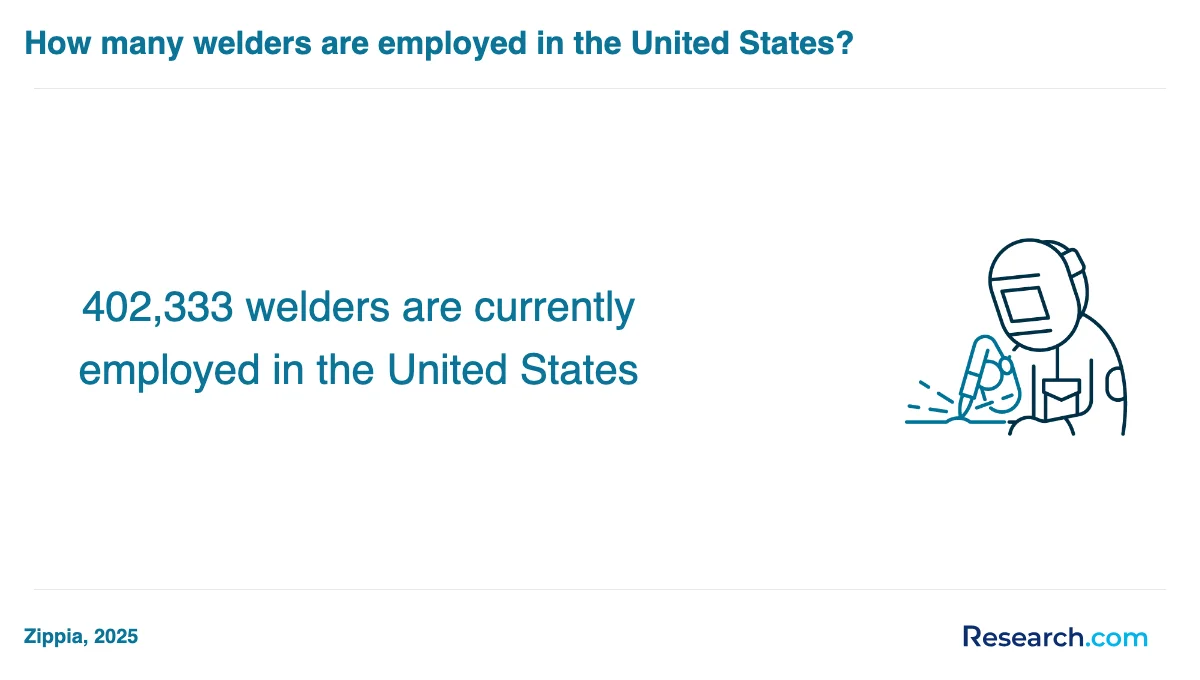
Graduates of welder trade school programs in New Hampshire find a wide variety of rewarding career paths. Many start as welders, fabricators, or cutters in local manufacturing plants, construction sites, or specialized welding shops. For example, students from Manchester Community College often land positions where they apply skills learned in welding processes, blueprint reading, and safety practices. These jobs are part of the growing welding jobs in New Hampshire, with opportunities spanning industries like automotive, aerospace, and shipbuilding.
Some choose paid apprenticeships such as the Welder/Fitter Apprenticeship at American Steel Fabricators, offering hands-on experience paired with classroom learning that leads to recognized certifications. Others specialize in fields like pipe welding or structural steel fabrication, a smart move for those wanting to increase their expertise and income.
With experience, graduates often move into supervisory roles or become certified inspectors, boosting their career mobility. Many also take advantage of cheap maintenance technician online courses as a way to expand their skill set and stay competitive. These diverse options represent some of the top welder career opportunities New Hampshire offers.
The welding job outlook in New Hampshire shows steady growth and consistent opportunities for recent welder trade school graduates. With about 1,220 welders employed in 2022 and projected growth to 1,300 by 2032, this growth reflects a 7% increase driven by retirements and replacement needs rather than rapid expansion. Many graduates from well-known trade schools in the state find favorable hiring conditions despite the welding job market being less active compared to larger states. They often share how their technical skills quickly translate into steady entry-level positions within manufacturing or construction sectors.
Wages remain competitive though slightly below the national average. For example, the welder salary trends New Hampshire reveals an average hourly wage near $29, with licensed welders earning around $22 on average. Graduates appreciate the balance of solid pay and manageable competition in local job searches.
Those unsure about career paths sometimes explore what is the difference between a trade and a vocation to better understand their options as they train. Popular trade schools in New Hampshire equip students with both hands-on experience and industry connections, enhancing employability in this evolving field.
Most Affordable Welding Schools & Training - Budget-Friendly Welding Trade Programs in New Hampshire for 2026
# 1 position
White Mountains Community College - Welding Technology/Welder.
certificate or diplomaThe Welding Technology/Welder program at White Mountains Community College offers a hybrid format with some distance-education options. Annual in-state tuition is $7,050. Graduates learn arc welding, resistance welding, brazing, soldering, high-energy beam welding, and cutting techniques. The curriculum covers welding metallurgy, structural design, safety, and codes. Median earnings one year after completion are $53,066. The program is accredited by the New England Commission on Higher Education.
# 2 position
Manchester Community College - Welding Technology/Welder.
associateManchester Community College offers a Welding Technology/Welder program in a hybrid format with some distance-education options. The program prepares students to apply technical skills in various welding methods including arc welding, brazing, and cutting. Coursework covers welding metallurgy, safety, structural design, and applicable codes. The annual in-state tuition is $7,090. This program is accredited by the New England Commission on Higher Education.
# 3 position
Manchester Community College - Welding Technology/Welder.
certificate or diplomaManchester Community College offers a hybrid Welding Technology/Welder program that prepares students to apply technical knowledge in welding and cutting metal surfaces. Instruction covers arc welding, resistance welding, brazing, soldering, and welding metallurgy. The program also includes safety, structural design, and applicable codes and standards. Annual in-state tuition is $7,090. The program is accredited by the New England Commission on Higher Education.
# 4 position
Great Bay Community College - Welding Technology/Welder.
certificate or diplomaGreat Bay Community College offers a Hybrid Welding Technology/Welder program that prepares students to apply technical skills in welding and cutting metal surfaces. The curriculum covers arc welding, resistance welding, brazing, soldering, high-energy beam welding, and welding metallurgy. Students also study structural design, safety, and relevant codes. The program is accredited by the New England Commission on Higher Education, with an annual in-state tuition of $7,200.
Frequently Asked Questions about welder
After completing a welder trade school in New Hampshire, preparing for the job market involves several key steps. First, graduates should obtain industry-recognized certifications, such as those from the American Welding Society (AWS), which significantly improve hiring prospects. According to the New Hampshire Department of Labor, welders in the state earn a median annual wage of about $48,000, highlighting a solid demand for skilled workers.
Networking through local trade unions and job fairs can open doors to apprenticeship and employment opportunities. Staying updated on welding technology and safety standards is crucial for career advancement. Additionally, creating a portfolio showcasing practical projects can help demonstrate skills to potential employers.
Employers in New Hampshire seek welder trade school graduates who demonstrate strong technical skills alongside safety awareness. Proficiency in various welding techniques, such as MIG, TIG, and stick welding, is essential. According to the U.S. Bureau of Labor Statistics, welders in New Hampshire benefit from certifications like the AWS (American Welding Society), which validate practical skills and increase job prospects.
Attention to detail and the ability to read blueprints accurately are highly valued. Safety compliance is critical due to the risks associated with welding, so knowledge of OSHA standards is often required. Good physical stamina and manual dexterity also remain top attributes employers prioritize in this skilled trade.
Finding internships relevant to a welder trade school program in New Hampshire involves several practical steps. Start by contacting local vocational schools and community colleges, which often have partnerships with regional employers. The New Hampshire Department of Education's Career Development office provides resources and listings for trade internships statewide.
Networking is crucial. Reach out to local welding companies and unions, such as the United Association Local 131, which offers apprenticeship opportunities. According to the National Center for O*NET Development, welding jobs in New Hampshire are projected to grow by 4% through 2030, increasing internship availability.
Additionally, websites like Apprenticeship.gov list registered welding apprenticeship programs in New Hampshire. Checking these platforms regularly can help students find hands-on experience aligned with their training.
Obtaining a welder trade school diploma in New Hampshire significantly enhances career mobility and advancement opportunities. According to the New Hampshire Department of Employment Security, skilled welders earn a median annual wage of around $47,000, which is above the state's average for all occupations. A diploma validates technical skills and knowledge, making graduates more competitive for higher-paying positions and specialized roles, such as pipe welding or structural welding.
Employers in New Hampshire often prioritize candidates with formal training and certifications from accredited trade schools. This credential can lead to faster promotions and access to apprenticeships or union memberships, which further boost earning potential and job security.
Furthermore, the U.S. Bureau of Labor Statistics projects a steady demand for welders in the New England region, supporting long-term career growth for diploma holders.
Part-time jobs in New Hampshire that complement welder trade school education often include roles such as welding assistant, metal fabricator helper, or construction laborer. These positions provide hands-on experience with welding tools and materials, reinforcing skills learned in class. According to the New Hampshire Department of Employment Security, welding-related occupations in the state are expected to grow by 6% through 2030, indicating steady demand.
Many employers in manufacturing and construction sectors seek part-time workers familiar with basic welding practices. This practical experience can improve a student's employability after graduation. Additionally, some local unions and trade shops offer apprenticeships or part-time work, allowing students to earn while they learn.
To choose the most affordable Welder degree program near New Hampshire, start by researching local community colleges or technical institutes that offer welding certifications or associate degrees, as these are typically cost-effective options. Utilize online resources such as Research.com to compare tuition fees, program offerings, and potential financial aid opportunities near me. Additionally, visit or contact the admissions offices of institutions near New Hampshire to inquire about specific program costs, job placement rates, and partnerships with local industries, which can further assist in making an informed decision.
- Most Affordable Welding Schools & Training - Budget-Friendly Welding Trade Programs in Maine for 2026
- Most Affordable Welding Schools & Training - Budget-Friendly Welding Trade Programs in New York for 2026
- Most Affordable Welding Schools & Training - Budget-Friendly Welding Trade Programs in Pennsylvania for 2026
- Most Affordable Welding Schools & Training - Budget-Friendly Welding Trade Programs in West Virginia for 2026
- Most Affordable Welding Schools & Training - Budget-Friendly Welding Trade Programs in Kentucky for 2026
- Most Affordable Welding Schools & Training - Budget-Friendly Welding Trade Programs in South Carolina for 2026
- Most Affordable Welding Schools & Training - Budget-Friendly Welding Trade Programs in Indiana for 2026
- Most Affordable Welding Schools & Training - Budget-Friendly Welding Trade Programs in Georgia for 2026
- Most Affordable Welding Schools & Training - Budget-Friendly Welding Trade Programs in Illinois for 2026
- Most Affordable Welding Schools & Training - Budget-Friendly Welding Trade Programs in Wisconsin for 2026
- Welder salary in New Hampshire ‐ CareerExplorer https://www.careerexplorer.com/careers/welder/salary/new-hampshire/
- How to Become a Welder in New Hampshire | Top Trade Schools https://toptradeschools.com/near-you/welder/new-hampshire/
- 5 Common Challenges in Combination Welding and How to Overcome Them - South Texas Vocational Technical Institute https://www.stvt.edu/5-common-combo-welding-challenges/
- High school students report challenges in accessing skilled trades training https://www.k12dive.com/news/high-school-students-report-challenges-accessing-skilled-trades-training/733627/
- Navigating Welding Careers: Conquering Challenges for Success https://nats.ca/Home/NewsArticle/3-challenges-you-might-face-in-your-welding-career-and-how-to-overcome-them/
- Challenges & Rewards of Welding: Is It a Tough Trade? https://www.redriver.team/is-welding-a-tough-trade-demystifying-the-challenges-and-rewards/
- The Future of the Welding Industry | My Vocational Training https://myvocationaltrainingaz.com/blog/the-future-of-the-welding-industry/
- Online Welder Technician from NHTI https://careertraining.nhti.edu/training-programs/welding-technician/
- Welding Technologies – Great Bay Community College https://www.greatbay.edu/program/welding-technologies/
- Welding | Advanced Trade Scchool https://www.advancedtradeschool.com/welding