
Best Welding Training Programs & Trade Schools - Top Welding Schools in Taft for 2026

Co-Founder and Chief Data Scientist
Choosing the right welder trade school in Taft can shape your future career opportunities. This article introduces a welder trade school programs ranking created by the Research.com team of data scientists to help you make an informed decision.
By exploring these top programs, you’ll discover which schools offer the best training and support to kickstart your welding career. Earning a diploma or certification opens doors to skilled jobs, higher pay, and personal satisfaction. Take this step confidently and find the program that fits your goals and lifestyle.
Key benefits of finishing welder trade school in Taft
- Graduates from welder trade schools in Taft can expect starting wages between $18 and $30 per hour, with experienced welders earning up to $70,000 per year, offering strong financial growth.
- Career paths include roles like shop welders and foreman positions, as seen in graduates from popular local trade schools who quickly advance by gaining hands-on skills and certifications.
- Completing a welder trade school online offers flexibility and convenience, allowing graduates to balance work and study, as many online learners from Taft report faster program completion and job readiness.
- Best Welding Training Programs & Trade Schools - Top Welding Schools in Taft for 2026
- What can I expect from welder trade schools in Taft?
- Where can I work after finishing welder trade schools in Taft?
What can I expect from welder trade schools in Taft?
Students enrolling in welder trade school programs in Taft can expect a hands-on curriculum focused on core welding processes like arc, MIG, and TIG welding, reflecting the needs of local industries such as manufacturing and petroleum. Graduates often share how working directly with modern welding equipment and learning to read blueprints helped them gain confidence and practical skills essential for real-world jobs.
Programs emphasize specialized certifications, including Gas Tungsten Arc and Pipe Code Welding, which are highly valued by employers in the Taft area. Many students appreciate how these certificates serve as flexible credentials-either as standalone qualifications or as steps toward an Associate in Science degree in Welding Technology.
Beyond technical training, students develop critical thinking and applied math skills, allowing them to tackle complex projects with precision. Additionally, workplace readiness is a significant focus, with lessons in teamwork, communication, and reliability preparing students for success in entry-level and mid-level roles.
Financial aid options are often available, making education more accessible, while maintaining academic standards ensures graduates leave ready for the demands of the welding industry in Taft.
Where can I work after finishing welder trade schools in Taft?
After completing a welder trade school program in Taft, graduates find a variety of rewarding employment opportunities across both public and private sectors. Many graduates quickly secure entry-level roles such as Production MIG Welder or Welder Level I with local construction companies, oilfield service providers, and fabrication shops. These positions typically offer hourly wages between $17 and $26, reflecting the skill level gained through hands-on training at Taft's well-regarded trade schools.
Some graduates share stories of starting as equipment mechanics or trailer builders, where their welding skills directly contribute to building durable, high-quality products. Public institutions like Taft College also occasionally hire trade school graduates as shop assistants, providing a supportive environment to grow technical expertise while continuing education or gaining workplace experience.
For those aiming higher, union jobs in California's construction, shipbuilding, and manufacturing industries offer access to specialized training, better wages, and job security. The steady local demand-highlighted by over 30 welding-related job postings in Taft-means graduates can confidently pursue diverse career paths that match their interests and strengths.
After finishing a welder trade school program in Taft, graduates often find themselves qualified for entry-level welding jobs paying between $18 and $30 per hour. This means many new welders start with annual earnings around $37,000 to $62,000, which is a promising launch for those entering the field. Many graduates from popular Taft trade schools share excitement about quickly securing positions that offer steady income and opportunities to build hands-on skills on the job.
The average hourly wage for welders in Taft is about $30.93 as of mid-2025, translating to roughly $64,000 per year for full-time workers. Some graduates who gain experience or take on specialized roles report salaries reaching up to $47.18 per hour or annual salaries near $70,000. These figures align with California's statewide welder salary ranges, providing reassurance that Taft-trained welders are competitive in the broader job market.
Many graduates describe the satisfaction of quickly turning their classroom learning into real income, especially when local employers recognize the quality training from Taft's trade schools. With experience and certifications, welders can expect steady wage growth and the chance to pursue leadership roles, making this a rewarding career path for those starting out in Taft.
- Taft College offers an Associate in Science in Welding Technology and five certificate options, including Gas Tungsten Arc and Pipe Code Welding.
- Certificate programs take 7 months to 1 year, while the associate degree requires about 2 years of full-time study.
- Students need a high school diploma or GED and must maintain at least a "C" grade in all courses; the associate degree requires a minimum GPA of 2.0.
- Tuition for in-state students typically ranges from $1,100 to $2,000 per year, with extra costs for tools and supplies.
- Entry-level welders in Taft earn between $38,000 and $45,000 annually, while experienced welders can make $55,000 or more.
The typical completion time for a welder trade school program in Taft ranges from six months to one year, depending on the curriculum and intensity of the course. Many graduates from well-known Taft trade schools share that this timeframe allows them to gain hands-on experience with various welding techniques while balancing classroom learning.
For example, students often describe their training days as immersive, working directly with instructors on real welding projects that simulate industry standards. This practical approach helps build confidence quickly, turning initial apprehension into excitement as skills improve week by week.
Several graduates mention that the structured schedule of these programs fits well with their personal commitments, making it easier to stay motivated throughout the course. The concise duration also means graduates can enter the workforce sooner, which is a major positive factor for many prospective welders in Taft seeking to start their careers without delay.
Overall, the completion time is designed to balance thorough skill development with efficient progression, setting students up for success in the local welding job market.
Online and on-campus welder trade school programs in Taft differ mainly in how they balance flexibility with hands-on training. Graduates from popular Taft trade schools often emphasize that on-campus programs provide intensive, supervised shop time-up to 80% of their learning-where they developed welding skills directly under expert instructors. This in-person training builds confidence and mastery, making students feel fully prepared for real-world welding jobs.
Conversely, online programs offer unmatched flexibility, allowing students to study theory like welding safety and blueprint reading on their own schedule. This option is especially valued by those juggling work or family commitments in Taft's rural areas, where commuting to campus daily isn't always feasible.
However, many graduates note that purely online courses lack the essential hands-on practice needed to excel. Successful online students often rely on hybrid models or local partnerships to complete practical training, ensuring they meet industry standards and feel assured in their skills before certification.
When evaluating the average cost of welder trade school in Taft, students find that Taft College offers competitive Taft welder trade school tuition fees. In-state students typically pay around $2,760 for tuition based on 60 units at $46 per unit, excluding books and materials. Out-of-state students face higher costs, roughly $20,040 for tuition alone. Graduates often recall budgeting carefully to cover these expenses, including the essential cost of textbooks and supplies, which can add several hundred dollars to their total investment.
Many who complete the welding program at Taft College appreciate the balance of affordability and quality instruction, especially as compared to other California welding programs. For instance, the California Employment Training (CET) Welding Fabrication program costs $15,500, inclusive of books and tools, illustrating how Taft's tuition fees provide an accessible pathway for local students eager to enter the trade.
For those seeking additional cost-saving measures, exploring federal financial aid and scholarships can make a significant difference. Many welders in training have benefited from completing the FAFSA and applying for school-based grants. Additionally, students looking for options beyond traditional schooling can consider cheap online classes for welding trade school, which presents alternative routes to certification with flexibility and lower upfront expenses.

Welder trade school students in Taft have access to a variety of financial aid options that make pursuing their education more attainable. Graduates from Taft College often highlight the importance of starting with the Free Application for Federal Student Aid (FAFSA), which unlocks eligibility for federal grants like the Pell Grant. These grants, awarded based on financial need, do not require repayment and can provide up to $7,395 for the academic year, significantly easing financial burdens.
California residents benefit greatly from the California College Promise Grant (CCPG), which covers full tuition for eligible students at community colleges like Taft College. Many welding students share stories of how this grant allowed them to focus on their studies instead of worrying about the $1,104 tuition cost per year, excluding fees and supplies.
Additional support comes from scholarships tailored to welding students, including those for veterans and foster youth, plus emergency aid programs addressing urgent needs such as food and housing. For those needing extra help, federal student loans are available but are often a last resort.
Local trade schools partnered with weldingcareernow.com reinforce that financial aid is widely accessible, enabling many to confidently pursue welding careers in Taft.
To enroll in a welder trade school program in Taft, applicants typically must meet specific prerequisites designed to ensure readiness for hands-on training. Most popular trade schools in Taft expect students to have a high school diploma or GED equivalent. This foundational education helps students grasp essential math and reading skills necessary for interpreting blueprints and safety protocols.
Graduates from Taft's well-regarded programs often share that having a basic understanding of geometry and algebra made a noticeable difference in their confidence during welding projects, such as measuring angles or calculating material lengths.
Other common requirements include:
- Proof of physical fitness or ability to perform manual labor, as welding involves standing for long periods and handling heavy equipment
- Passing an entrance assessment or placement test evaluating math and reading comprehension
- Completion of a safety orientation or basic first aid course before starting practical sessions
Applicants should also be prepared to demonstrate a strong work ethic and eagerness to learn, qualities frequently praised by instructors in Taft's trade schools. Many students recall how their positive attitude helped them quickly adapt to the rigorous, hands-on environment, turning initial challenges into achievements.

Welder trade school programs in Taft typically include a comprehensive set of courses that prepare students for real-world welding careers. Graduates from local schools like Taft College often highlight the balance between classroom theory and hands-on practice as a key to their success. Core courses emphasize welding safety practices, teaching students how to identify hazards and properly use protective gear in busy industrial settings.
Technical welding skills are central, covering modern equipment operation and multiple welding processes such as:
- Shielded Metal Arc Welding (SMAW)
- Gas Tungsten Arc Welding (GTAW/TIG)
- Gas Metal Arc Welding (GMAW/MIG)
- Flux-Cored Arc Welding (FCAW)
Students also gain proficiency in blueprint reading and layout procedures, essential for accurately interpreting welding projects. Applied mathematics relevant to welding-like measuring materials and calculating tolerances-is integrated to build confidence in problem-solving during fabrication tasks.
Specialized classes such as pipe welding and structural welding prepare students for demanding industry certifications. Many graduates share how these courses, combined with intense lab sessions, gave them the skills and assurance needed to enter competitive manufacturing or petroleum sectors in Taft with readiness and pride.
Welding specializations in Taft are designed to address the diverse needs of the industry through practical and focused training. Taft College welding program specializations include five key certificate areas alongside an Associate in Science degree, enabling students to pursue tailored career paths.
Graduates from popular trade schools in Taft often highlight the value of specializations such as:
- Gas Tungsten Arc Welding (GTAW), which teaches precision welding used in aerospace and automotive manufacturing.
- Gas Metal Arc and Flux Core Arc Welding (GMAW and FCAW), geared toward high-speed production in construction and heavy equipment.
- Pipe Code Welding, essential for oil and gas sector jobs with strict adherence to codes and standards.
- Structural Code Welding, focused on structural applications and compliance with industry standards.
- Welding Assistant/Helper, perfect for those starting out and aiming to build foundational skills.
These specializations empower students with practical skills and confidence, preparing them for real-world demands. For those comparing educational routes, understanding the difference between trade school and vocational programs can further clarify your best fit in welding education in Taft.
To choose the best welder trade school program in Taft, focus on programs that offer both certificates and associate degrees, like those at Taft College. Graduates often highlight how hands-on training with modern equipment and individual booths helped them gain confidence quickly. Programs that align with industry standards and provide preparation for certifications from recognized bodies make job transitions smoother. When researching the best welding programs in Taft CA, prioritize schools with strong career support services; many students appreciate having access to career transition facilitators who guide them toward employment in sectors like manufacturing and petroleum.
Another key factor is financial aid availability and flexible schedules, especially if balancing work or family commitments. Some graduates have found evening classes essential to completing their training successfully. For those seeking affordable options, exploring cheap maintenance technician training online can provide additional pathways. Understanding how to select Taft welding school means choosing a program that combines practical skills, accreditation, and personalized career assistance.
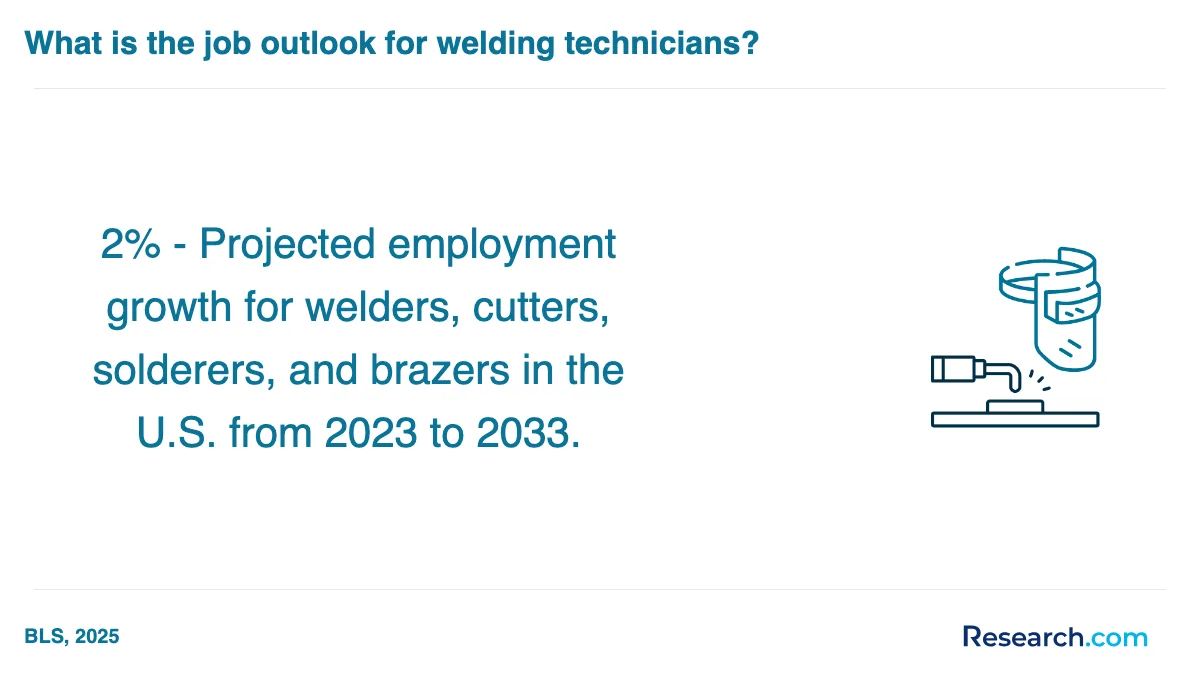
Welder trade school graduates in Taft quickly find numerous welding careers in Taft California due to strong demand across manufacturing, construction, agriculture, and the oil and gas sectors. Graduates start in roles such as Welder's Helper, Welding Intern, Fabricator, or Production MIG Welder, gaining hands-on skills with various welding techniques at local trade schools.
Typical post-graduation experiences include:
- Building and maintaining critical infrastructure in real-world projects
- Advancing to inspector or braze operator positions focusing on quality control and safety
- Leading teams as welding supervisors on complex industrial assignments
- Transitioning into educator roles to train future welders
Many graduates also leverage their technical certificates to pursue further education at nearby institutions, opening pathways to management and technical specialist roles. For those seeking easy trades that pay well, welding remains a reliable option in Taft's job market.
These welder job opportunities Taft CA offer both competitive wages and upward mobility, supported by strong regional industry growth and ongoing infrastructure development.
The welder job opportunities in Taft CA are strong and promising for graduates of local trade schools. With over 30 active listings at any time, welders find roles ranging from entry-level shop positions to specialized field work in oil and gas. Graduates often share experiences of quickly securing jobs due to hands-on training and certifications gained during their programs, which are highly valued by employers in Taft's industrial sectors.
Welding salary potential Taft California is competitive, supporting a rewarding career path. For example:
- Entry-level shop welders earn between $41,600 and $54,080 annually
- Pipe welders can reach $62,400 per year
- Rig welders specializing in mobile fieldwork, especially in oil production, command salaries above $110,000
Graduates appreciate that practical experience combined with industry-recognized certification opens doors to diverse roles, from welding inspection to supervisory positions. Trade schools in Taft provide tailored programs that match local market demand, empowering students to confidently enter the workforce.
The value of this education is supported by research highlighting the vocational training value for skilled trades, making welding programs not only a skill-building opportunity but a pathway to stable employment and growth.
Best Welding Training Programs & Trade Schools - Top Welding Schools in Taft for 2026
# 1 position
Taft College - Welding Technology/Welder.
associateTaft College offers a Welding Technology/Welder program with a hybrid format that includes some distance-education options. The curriculum covers arc welding, resistance welding, brazing, soldering, cutting, and various welding processes, alongside safety and structural design. The program is accredited by the Western Association of Schools and Colleges Accrediting Commission for Community and Junior Colleges. Annual in-state tuition is $1,108.
# 2 position
Taft College - Welding Technology/Welder.
certificate or diplomaTaft College offers a Hybrid Welding Technology/Welder program preparing students to apply technical skills in welding and metal cutting. The curriculum covers arc welding, resistance welding, brazing, soldering, and high-energy beam techniques. Instruction includes welding metallurgy, heat treating, structural design, safety, and industry codes. Annual in-state tuition is $1,108. The program is accredited by the Western Association of Schools and Colleges Accrediting Commission for Community and Junior Colleges.
Frequently Asked Questions about welder
After completing a welder trade school in Taft, preparing for the job market involves several strategic steps. First, obtain relevant welding certifications such as the AWS Certified Welder credential, which enhances employability. The U.S. Bureau of Labor Statistics reports that welding jobs in California, including Taft, are expected to grow by 6% through 2032, indicating steady demand. Networking with local employers and attending job fairs in Kern County can provide valuable contacts. Additionally, gaining hands-on experience through apprenticeships or internships improves practical skills. Crafting a strong resume highlighting technical training and certifications is crucial for standing out in this competitive field.
Employers in Taft highly value welder trade school graduates who demonstrate strong technical skills, including proficiency in various welding techniques such as MIG, TIG, and stick welding. According to data from the U.S. Bureau of Labor Statistics, welders with diverse welding certifications have better employment prospects. Precision and attention to detail are critical, as welders must ensure joints are structurally sound and meet safety standards.
Good physical stamina and hand-eye coordination are also essential, given the physically demanding nature of welding jobs. Employers often look for graduates who understand blueprint reading and can interpret welding symbols accurately. Communication skills, while less emphasized, are important for teamwork and workplace safety.
In summary, technical expertise combined with practical skills and safety awareness form the top qualities sought by Taft employers hiring welders.
Finding internships in Taft relevant to welder trade school programs involves several practical steps. Start by contacting local welding schools, as many maintain relationships with area employers who offer internships or apprenticeships. The California Employment Development Department reports that Kern County, where Taft is located, has a steady demand for skilled welders, making internships a valuable pathway for hands-on experience.
Networking with local businesses in industries like oil, manufacturing, and construction can also uncover opportunities. Websites such as California's Workforce Development Board provide listings of apprenticeship and internship programs specifically for welding students. Additionally, attending job fairs and industry events in Taft can connect students with employers actively seeking welding interns.
Obtaining a welder trade school diploma in Taft significantly enhances career mobility and advancement opportunities. According to the U.S. Bureau of Labor Statistics, welders with formal certifications often earn 10-15% higher wages than those without. In Taft's growing industrial and agricultural sectors, employers increasingly prefer candidates with accredited diplomas, reflecting verified skills and safety knowledge.
Trade schools in Taft also provide practical training aligned with local industry needs, improving graduates' job readiness. This specialized education can lead to faster promotions, supervisory roles, or opportunities in more advanced welding techniques.
Furthermore, Taft's proximity to larger California industrial hubs allows diploma holders to access regional job markets more effectively, facilitating upward social and economic mobility.
Students enrolled in welder trade schools in Taft can benefit from several part-time job opportunities that reinforce their education. Local construction sites often hire assistants or apprentices, providing hands-on experience with welding tools and safety protocols. Additionally, manufacturing plants in Kern County sometimes offer part-time roles focused on metal fabrication and equipment maintenance. According to the U.S. Bureau of Labor Statistics, welders in California earn a median hourly wage of around $22, making these positions financially viable for students. These jobs help build practical skills while allowing students to apply classroom knowledge in real-world settings, enhancing their employability after graduation.
Yes, there are welder degree programs available both near Taft, CA and accessible depending on your specific location. Many community colleges and vocational schools offer welding technology programs that provide hands-on training and certifications beneficial for a welding career. To find the most suitable program near you, consider using resources like Research.com, which help identify quality educational institutions near Taft, CA and beyond.
- What Education Is Needed for a Welding Career? | Tulsa Welding School https://www.tws.edu/blog/welding/what-education-is-needed-for-a-welding-career/
- What to Consider When Choosing a Welding School | Pennco Tech https://www.penncotech.edu/questions-to-ask-when-considering-welding-schools/
- How to Become a Welder | UEI College https://www.uei.edu/guides/vocational-education/how-to-become-welder/
- Welding Trade School | Edvisors https://www.edvisors.com/plan-for-college/careers/welding-trade-school/
- Welding | ontariocolleges.ca https://www.ontariocolleges.ca/en/programs/professions-and-trades/welding
- How to Become a Welder | UTI https://www.uti.edu/blog/welding/how-to-become-a-welder
- Course Expectations https://www.ncavts.org/programs/welding/course-expectations
- Welding training - Warsaw, Kraków, Wrocław, Łódź, Poznań https://kurso.eu/en/training-and-courses/welding-courses/welding/
- Welding Trade Schools: Ignite Your Future With Hands-On Training https://www.trade-schools.net/trades/welding
- Combination Welding Technology Program & Trade School | Apex https://apexschool.com/programs/combination-welding-technology/


