Most Affordable Welding Schools & Training - Budget-Friendly Welding Trade Programs in Kentucky for 2026

Co-Founder and Chief Data Scientist
Choosing the right welder trade school in Kentucky can be overwhelming, but this article is here to guide you. We present a welder trade school programs ranking created by the Research.com team of data scientists to help you make an informed decision.
Exploring these affordable options means you can find a program that fits your goals and budget. Earning a welding diploma or certification opens doors to rewarding careers with strong job prospects.
Whether you’re starting fresh or advancing skills, this guide supports your journey toward a successful future in welding.
Key benefits of finishing welder trade school in Kentucky
- Graduates of welder trade schools in Kentucky can expect an average hourly wage around $19.33, with annual salaries near $40,230, offering a solid start in a skilled trade.
- Career paths include specialized roles like Combination Welder, which can bring salaries above $49,000, showing great potential for growth and advancement.
- Completing a welder trade school online provides flexibility and faster entry into the workforce, as experienced by many Kentucky students who balance training with work or family commitments.
- Most Affordable Welding Schools & Training - Budget-Friendly Welding Trade Programs in Kentucky for 2026
- What can I expect from welder trade schools in Kentucky?
- Where can I work after finishing welder trade schools in Kentucky?
What can I expect from welder trade schools in Kentucky?
Expect a hands-on adventure from day one when you dive into a welder trade school program in Kentucky. Graduates from places like Kentucky Welding Institute rave about spending seven out of eight hours daily actually welding, feeling the heat and sparks firsthand, while only an hour is spent on classroom theory. This intense practice mirrors real job sites and builds confidence quickly.
Programs vary, with some like Campbellsville University offering a focused 12-month certificate, while Bluegrass Community and Technical College provides a two-year associate degree. Many students appreciate flexible schedules too-Enzweiler Building Institute's evening classes make it possible to balance work and study.
You'll master techniques like MIG, TIG, and stick welding, plus safety and blueprint reading. Graduates feel ready to jump into jobs paying $17 to $25 per hour in construction or manufacturing. Small class sizes mean instructors really get to know you, offering personal guidance that turns your curiosity into real skills.
Where can I work after finishing welder trade schools in Kentucky?
After finishing a welder trade school program in Kentucky, graduates often find themselves stepping into dynamic roles across industries like manufacturing, construction, and automotive. Imagine working in a bustling manufacturing plant where your skills help build everything from heavy machinery to sleek vehicles, a common path for those trained at popular Kentucky schools. Many graduates recall the excitement of applying blueprint reading and welding techniques learned in class to real-world projects, like assembling parts for bridges or commercial buildings.
Some adventurous welders dive into aerospace or shipbuilding, crafting precise welds on aircraft or maritime vessels-jobs that demand both skill and pride. Others find rewarding opportunities in Kentucky's energy sector, maintaining pipelines and infrastructure. Employers like Snap-on and Pilot Steel, Inc offer roles ranging from entry-level to senior welder, with steady demand and an average wage of $21.66 per hour. Graduates often feel confident knowing that earning AWS certification can unlock even more specialized and higher-paying positions across the state.
After finishing a welder trade school program in Kentucky, many graduates are thrilled to discover starting wages typically fall between $19 and $22 per hour. Imagine stepping out of a school like Bluegrass or Ashland, ready to earn around $20 an hour, which quickly adds up when overtime kicks in. Some entry-level welders even start as low as $16 hourly, but as skills sharpen, so do paychecks.
Annual earnings often range from $36,000 to $46,000, with some fresh grads landing roles paying close to $46,000 a year. Graduates from well-known Kentucky trade schools often share how landing a "Welder I" position felt like unlocking the door to steady income and growth.
In Louisville, welders report even higher wages, sometimes hitting $24 to $36 per hour, reflecting the city's demand and employer variety. For those adventurous enough to specialize or earn certifications, the sky's the limit beyond Kentucky's typical range.
- Applicants usually need a high school diploma or GED to enter welder trade school programs in Kentucky.
- Training options include community colleges, technical schools, and private trade schools offering courses in MIG, TIG, and stick welding.
- Program lengths vary from four weeks for intensive courses to several months or a year for more comprehensive training.
- Tuition typically ranges from $4,000 to $10,000, with financial aid and scholarships often available.
- Graduates must pass a welding certification exam, and Kentucky offers a Welding TRACK pre-apprenticeship program with industry certification.
- Entry-level welders earn between $17 and $25 per hour, with experienced welders making over $50,000 annually.
Completing a welder trade school program in Kentucky typically takes about 6 months to a year, depending on the intensity and format of the course you choose. Many students from well-known Kentucky trade schools find themselves immersed in hands-on training that feels more like an exciting challenge than a traditional class. Imagine stepping into a workshop where every day brings new sparks and the rewarding satisfaction of mastering welding techniques firsthand.
Graduates often share how their time flew by, fueled by practical projects and real-world applications that made the learning process engaging and dynamic. Some programs offer accelerated tracks, ideal for those eager to jump into the workforce quickly, while others stretch over a year to provide a deeper mastery of welding skills.
For example, a typical day might involve working with various metals, learning to read blueprints, and perfecting safety procedures - all within the supportive environment of Kentucky's top trade schools. This blend of theory and practice helps students build confidence and expertise in a surprisingly short time.
Imagine stepping into a busy welding lab at Kentucky Welding Institute, where graduates recall the thrill of spending full days mastering sparks and metal with hands-on projects. On-campus programs like this, or at Hopkinsville Community College, plunge students into real-world welding environments-eight-hour sessions filled with direct instructor guidance and access to industry tools. This immersive experience builds confidence fast, making every weld feel like a step closer to a career.
Now, picture a different path through Eastern Kentucky University's online welding program, where students explore virtual labs from the comfort of home. Graduates often describe the flexibility as a lifesaver for balancing work or family, while learning essential safety measures and welding theory through interactive simulations. Yet, they note the challenge of finding ways to practice physical welding skills elsewhere, since the online courses can't fully replace hands-on training.
For many in Kentucky, this choice boils down to whether you crave that workshop buzz or need the freedom to learn on your own schedule.
The average tuition fees for welding programs in Kentucky vary widely depending on the type of school and program length. For example, some students at the Kentucky Welding Institute invest around $23,000 for an intensive 24-week Certified Pipe Welder Program, a commitment that immerses them in advanced welding skills geared toward high-pressure applications. Meanwhile, others choose the 18-week Certified Structural Welder Program priced at $19,550, focusing on core structural welding techniques. These students often recall the pride they felt mastering complex welds, knowing they were shaping their futures.
On the other hand, the Knight School of Welding offers a compact and affordable Gas Metal Arc Welding course at $4,100 for just four weeks, ideal for learners eager to get started quickly. While tuition can be moderate, graduates frequently emphasize that accounting for housing and living expenses-roughly an additional $7,000-is crucial for an accurate understanding of the total investment.
Community colleges in Kentucky present another appealing option, especially for those seeking budget-friendly programs with solid outcomes. For instance, Jefferson Community and Technical College charges in-state students about $4,640 for their welding curriculum, while out-of-state students face $15,560. Graduates from such programs often share stories of steady incomes, with median earnings reported near $38,171, illustrating a rewarding return on their effort. This blend of affordable tuition and promising career paths highlights the enticing balance aspiring welders look for when weighing the cost of welding certification courses in Kentucky.
Understanding the full financial picture also means recognizing indirect costs like materials and living expenses, which can significantly impact overall expenses. Many hopefuls find comfort in researching thoroughly and comparing options to choose the perfect fit for both skill growth and budget. For those curious about career success after training, information on the highest-paying trade school jobs provides motivation as they embark on this exciting journey toward welding mastery. Check out high paying trades to see how welding can power your future.

Imagine starting your welding journey at one of Kentucky's top trade schools, like Bluegrass or Gateway, without worrying about tuition costs. Thanks to the Work Ready Kentucky Scholarship, many students train tuition-free, with coverage for up to 60 credit hours. This program's magic lies in its simplicity-no income or GPA hoops to jump through, just a clear path to earning certifications in as little as four months.
Graduates often share stories of how the Kentucky Educational Excellence Scholarship (KEES) helped them cover more than tuition-paying for tools, licenses, and even travel expenses up to $500 annually. This lottery-funded boost feels like a personal victory for those balancing work and school.
Then there's the thrilling chance to snag scholarships from the American Welding Society Louisville Section. Many welders recall the excitement of winning awards between $1,000 and $5,000+, fueling their ambitions and easing financial stress during short-term certification courses.
Exploring these options turns the dream of welding into a real, affordable adventure in Kentucky.
To jump into a welder trade school program in Kentucky, you'll need to meet some straightforward prerequisites that set you up for success. Most schools, like those popular in Louisville or Lexington, expect you to have a high school diploma or GED. This basic foundation ensures you're ready to handle the technical and safety-focused coursework ahead.
Graduates often share how their initial welding classes made more sense because of strong math and reading skills, which are usually part of the high school curriculum. Some programs also ask for a simple physical fitness check since welding involves standing, lifting, and working in various positions.
Here's what you typically need before enrolling:
- A high school diploma or GED
- Basic understanding of math and measuring tools
- Physical ability to handle welding equipment
- Sometimes a placement test to assess readiness
One graduate recalled how being comfortable with hands-on projects in a local Kentucky trade school made the transition smoother, turning curiosity into real skills. The prerequisites are designed not to block you but to prepare you for the rewarding adventure of mastering welding in the Bluegrass State.
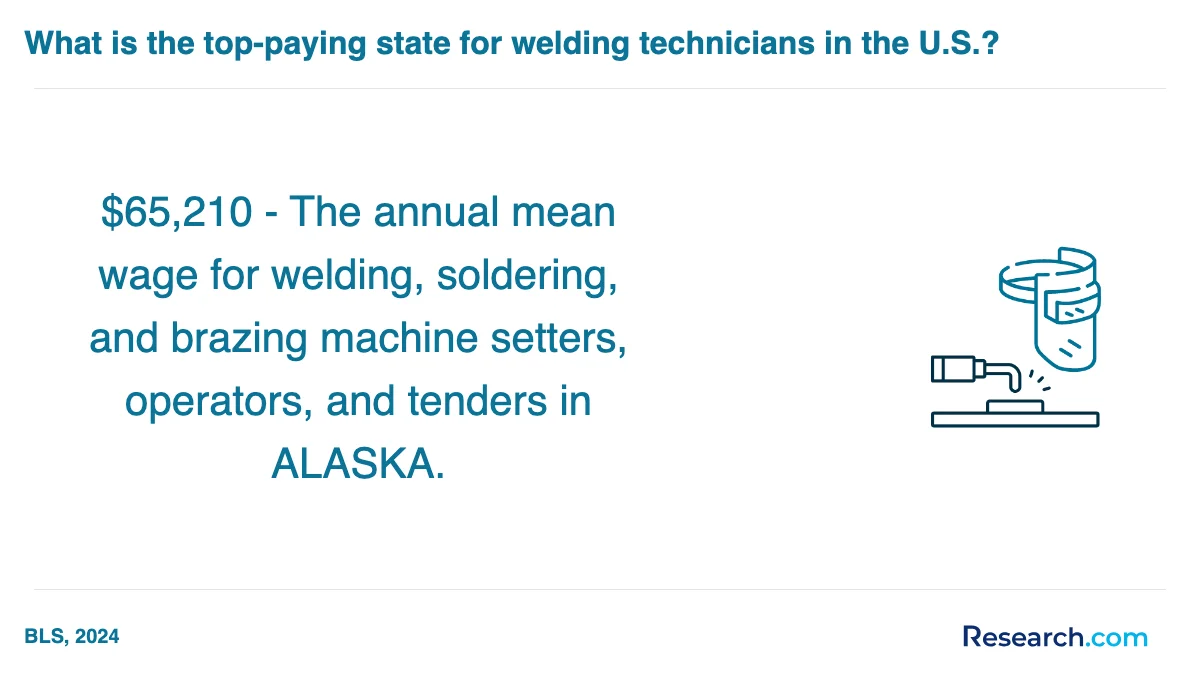
Welder trade school programs in Kentucky pack a thrilling lineup of courses that ignite your passion and sharpen your skills. Graduates from popular schools often recall diving straight into Introduction to Welding, where they mastered basic techniques, cutting-edge equipment setup, and crucial safety protocols like OSHA 10 training. Imagine confidently handling gear while knowing exactly how to stay safe-this foundation sets you up for success.
The heart of these programs beats with hands-on training in major welding processes, such as:
- Shielded Metal Arc Welding (SMAW): Students learn to craft precise groove and fillet welds in every position, mastering electrode care and welding metallurgy.
- Gas Metal Arc Welding (GMAW/MIG): Here, you explore factors that influence weld quality, building strong, reliable skills.
- Gas Tungsten Arc Welding (GTAW/TIG): Training focuses on the art of precision, starting with carbon steel and advancing to stainless steel.
- Flux Cored Arc Welding (FCAW): Some Kentucky programs add this versatile process to your toolkit.
Students relish the hands-on lab experiences at schools like Campbellsville University, where welding labs simulate real-world challenges-like executing SMAW fillet and groove welds under expert supervision. Blueprint reading and welding symbols courses unlock the secret language of technical drawings, equipping you to tackle complex projects confidently. These immersive experiences fuel the excitement and readiness for entry-level roles in Kentucky's vibrant construction and manufacturing industries.
Exploring Kentucky welding program specializations reveals a dynamic range of opportunities for aspiring welders eager to master essential skills. Graduates from Bluegrass Community and Technical College often rave about hands-on experience in Gas Metal Arc Welding (GMAW), a fast-paced technique prized in manufacturing and construction. Meanwhile, West Kentucky Community and Technical College offers specialized training in Gas Tungsten Arc Welding (GTAW), perfect for students fascinated by precision work in aerospace or automotive fields.
Welding trade school options in Kentucky also include Shielded Metal Arc Welding (SMAW), popular among those who enjoy straightforward, reliable methods suited for construction and repair. Pipeline Welder certifications, available at Big Sandy Community and Technical College, attract adventurous learners drawn to the challenging demands of pipeline maintenance.
Other sought-after certifications include Arc Welding, Gas Welder, Production Line Welder, Tack Welder, and Welder Helper, providing foundational expertise. Many students find these programs energizing, especially when paired with opportunities to explore accredited online certificate programs that enhance practical knowledge beyond the classroom.
Choosing the best welding programs in Kentucky means diving into accredited schools that equip you with real-world skills like TIG, MIG, and stick welding. Graduates from Southcentral Kentucky Community & Technical College rave about the hands-on training and strong job placement support that made their transition into welding careers smooth and exciting. Imagine balancing your classes with life's demands-schools like BCTC offer flexible schedules and multiple campuses, perfect for those needing adaptable options.
How to compare welding school costs in Kentucky is another adventure. Many community colleges provide affordable tuition and financial aid tailored for veterans and working students, making it easier to invest in your future. Exploring the credentials offered-certificates, diplomas, or associate degrees-lets you match training with your career goals.
For those eager to find the best value, checking out the cheapest online welding certification programs can open doors to cost-effective learning without sacrificing quality.
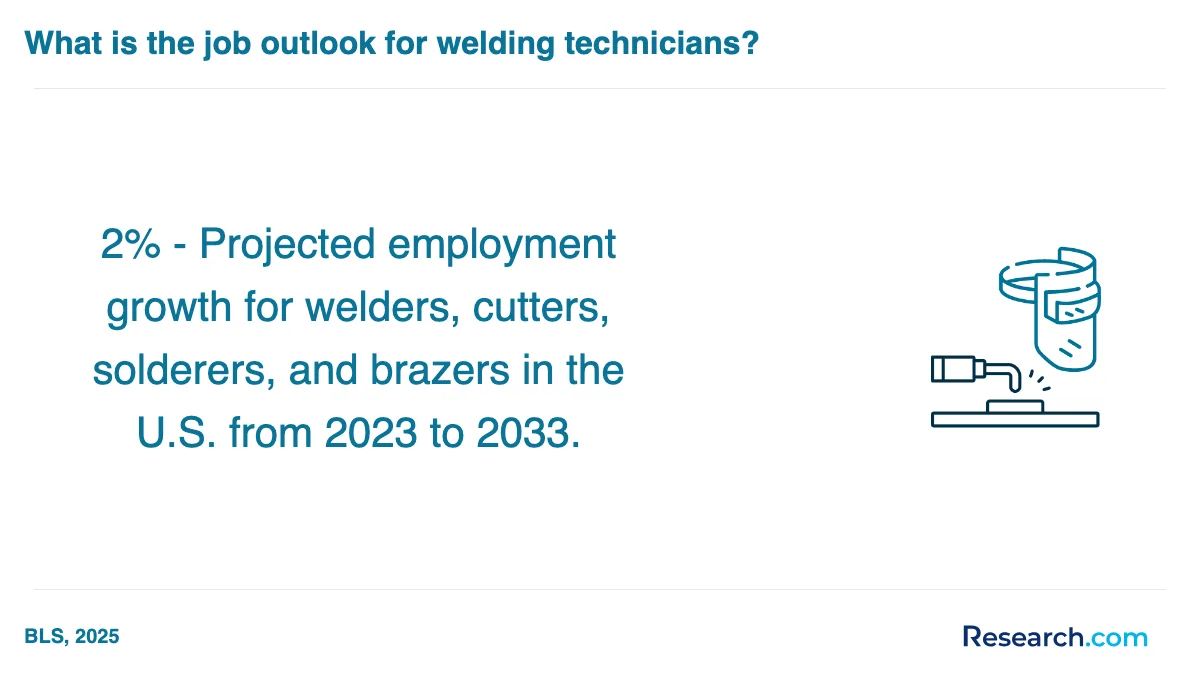
Welder trade school graduates in Kentucky unlock a variety of exciting career paths that stretch across industries hungry for skilled hands. From the bustling manufacturing floor crafting cars and heavy machinery to construction sites building bridges and commercial hubs, the demand is palpable. Graduates from popular Kentucky trade schools often share how their training prepared them for hands-on roles in shipbuilding and offshore rigs, or the intricate work maintaining pipelines in the oil and gas sector.
Many alumni find themselves thriving as:
- Pipe welders specializing in high-pressure systems
- Fabricators crafting custom metal parts
- Welding inspectors ensuring quality and safety on job sites
- Foremen leading teams in fast-paced industrial environments
Exploring advanced roles or union positions often means better pay and benefits - a thrilling prospect recognized by graduates eager to deepen their careers. The welder job outlook in Kentucky paints an encouraging picture, especially with apprenticeship programs like TRACK Welding bridging school and industry.
For those weighing options, understanding vocational vs trade school programs can clarify the best path to fuel a rewarding welding career in the Bluegrass State.
The welding job outlook in Kentucky offers a challenging but intriguing path for recent graduates of local trade schools. Those who completed programs at popular Kentucky institutions report that while the local market is currently slow-with average welder pay at about $19.33 per hour, notably below the national median-the real adventure begins when you consider expanding your search beyond state lines. Graduates often share stories of initially limited job postings but eventual success by networking and pursuing certifications.
Here's what welding job seekers in Kentucky typically face:
- Local companies hiring infrequently, requiring patience and persistence
- A need for certifications or advanced skills to stand out
- Potential to relocate or specialize for higher pay and better offers
Understanding welder salary and employment trends Kentucky reveals a slow but steady growth, with national projections highlighting 320,500 new welding jobs expected by 2029. Graduates looking at cheapest online maintenance technician trade programs often find that combining skills can unlock more opportunities in related fields, creating promising career paths.
Most Affordable Welding Schools & Training - Budget-Friendly Welding Trade Programs in Kentucky for 2026
# 1 position
Owensboro Community and Technical College - Welding Technology/Welder.
associateOwensboro Community and Technical College offers a Welding Technology/Welder program through a hybrid format with some distance education. The program prepares students for applying technical skills in welding processes including arc welding, resistance welding, brazing, and cutting. Tuition for in-state students is $4,656 annually. Graduates earn a median salary of $45,366 one year after completion. The program is accredited by the Southern Association of Colleges and Schools Commission on Colleges.
# 2 position
Owensboro Community and Technical College - Welding Technology/Welder.
certificate or diplomaOwensboro Community and Technical College offers a Welding Technology/Welder program with a hybrid format, including some distance education. The program teaches technical skills like arc welding, brazing, soldering, and cutting, alongside safety, metallurgy, and structural design. Annual in-state tuition is $4,656. Graduates typically earn a median salary of $45,366 one year after completion. The program is accredited by the Southern Association of Colleges and Schools Commission on Colleges.
# 3 position
Southeast Kentucky Community & Technical College - Welding Technology/Welder.
certificate or diplomaThe Welding Technology/Welder program at Southeast Kentucky Community & Technical College offers a hybrid format with some distance education options. It prepares students to apply technical skills in welding and cutting metal surfaces, covering arc welding, resistance welding, brazing, soldering, and more. The program includes training in welding metallurgy, safety, structural design, and industry codes. Annual in-state tuition is $4,656, and median earnings one year after completion are $30,566. It is accredited by the Southern Association of Colleges and Schools Commission on Colleges.
# 4 position
Elizabethtown Community and Technical College - Welding Technology/Welder.
associateElizabethtown Community and Technical College offers a hybrid Welding Technology/Welder program preparing students to join or cut metal surfaces using various welding techniques. The curriculum covers arc welding, resistance welding, brazing, cutting, welding metallurgy, safety, and applicable codes. The annual in-state tuition is $4,656. Graduates earn a median salary of $53,172 one year after completion. The program is accredited by the Southern Association of Colleges and Schools Commission on Colleges.
# 5 position
Elizabethtown Community and Technical College - Welding Technology/Welder.
certificate or diplomaThe Welding Technology/Welder program at Elizabethtown Community and Technical College offers a hybrid format with some distance-education options. It prepares students to join or cut metal surfaces using various welding techniques, including arc welding, brazing, and high-energy beam welding. The program covers welding metallurgy, safety, structural design, and applicable codes. Annual in-state tuition is $4,656, and median earnings one year after completion are $53,172. It is accredited by the Southern Association of Colleges and Schools Commission on Colleges.
# 6 position
West Kentucky Community and Technical College - Welding Technology/Welder.
certificate or diplomaWest Kentucky Community and Technical College offers a Welding Technology/Welder program available in a hybrid format with some distance-education options. The program prepares students to apply technical skills in various welding methods, including arc welding, resistance welding, brazing, soldering, and cutting. It covers welding metallurgy, safety, structural design, and relevant codes. Annual in-state tuition is $4,656. Median earnings one year after completion are $35,603. The program is accredited by the Southern Association of Colleges and Schools Commission on Colleges.
# 7 position
Bluegrass Community and Technical College - Welding Technology/Welder.
associateBluegrass Community and Technical College offers a Welding Technology/Welder program with a hybrid format, combining in-person and distance education. The program prepares students in various welding techniques, including arc welding, brazing, cutting, and welding metallurgy. Tuition for in-state students is $4,706 annually. Graduates earn a median salary of $46,133 one year after completion. The program is accredited by the Southern Association of Colleges and Schools Commission on Colleges.
# 8 position
Bluegrass Community and Technical College - Welding Technology/Welder.
certificate or diplomaBluegrass Community and Technical College offers a Welding Technology/Welder program with a hybrid format that includes some distance education. The program prepares students to apply technical skills in various welding methods such as arc welding, resistance welding, brazing, soldering, and cutting. Tuition for in-state students is $4,706 annually. Graduates earn a median salary of $46,133 one year after completion. The program is accredited by the Southern Association of Colleges and Schools Commission on Colleges.
# 9 position
Southcentral Kentucky Community and Technical College - Welding Technology/Welder.
associateSouthcentral Kentucky Community and Technical College offers a Welding Technology/Welder program with a hybrid format that includes some distance education. The program prepares students to apply technical skills in welding and cutting metal, covering various methods such as arc welding, resistance welding, brazing, soldering, and high-energy beam welding. The annual in-state tuition is $4,656, and median earnings one year after completion reach $58,996. The program is accredited by the Southern Association of Colleges and Schools Commission on Colleges.
# 10 position
Southcentral Kentucky Community and Technical College - Welding Technology/Welder.
certificate or diplomaSouthcentral Kentucky Community and Technical College offers a Welding Technology/Welder program with a hybrid format that includes some distance education. The program trains students in various welding techniques such as arc welding, resistance welding, and brazing, along with welding metallurgy, safety, and applicable codes. Annual in-state tuition is $4,656. Graduates earn a median salary of $58,996 one year after completing the program. It is accredited by the Southern Association of Colleges and Schools Commission on Colleges.
Frequently Asked Questions about welder
After completing a welder trade school in Kentucky, preparing for the job market involves several key steps. First, obtaining industry-recognized certifications, such as those from the American Welding Society (AWS), can significantly improve employment prospects. Kentucky's manufacturing and construction sectors frequently seek certified welders, with the U.S. Bureau of Labor Statistics projecting steady job growth in these areas through 2030.
Networking is also vital; attending local trade shows, joining welding associations, and using Kentucky-based workforce development programs can connect graduates to employers. Additionally, tailoring resumes to highlight hands-on experience gained during training improves chances of interview success.
Employers in Kentucky highly value practical welding skills combined with a solid understanding of safety procedures. According to the Kentucky Labor Market Information, proficiency in MIG, TIG, and stick welding techniques is essential for graduates entering the workforce.
Attention to detail and the ability to read blueprints accurately are also critical. These skills ensure welders can follow project specifications precisely, reducing costly errors. Communication skills, while often overlooked, play a role in team environments common in Kentucky's manufacturing sectors.
Knowledge of welding codes and standards, such as those from the American Welding Society (AWS), is increasingly important. Employers prefer candidates who hold AWS certifications, as these demonstrate verified competency and commitment to quality.
Finding internships in Kentucky relevant to welder trade school programs involves several strategic steps. Start by contacting the career services offices of local trade schools, as they often have partnerships with regional employers. The Kentucky Labor Cabinet and Kentucky Workforce Innovation Board provide resources and job listings that include apprenticeship and internship opportunities for welders.
Additionally, industry organizations like the American Welding Society (AWS) have local chapters in Kentucky that connect students with companies seeking interns. According to the U.S. Bureau of Labor Statistics, Kentucky's manufacturing sector, which employs many welders, is expected to grow steadily, increasing internship availability.
Networking at job fairs and local union halls can also help locate internships. Many welding internships in Kentucky pay between $12 and $18 per hour, providing valuable hands-on experience while studying.
Obtaining a welder trade school diploma in Kentucky significantly enhances career mobility and advancement opportunities. According to the Kentucky Labor Cabinet, welders with formal training earn on average 15-20% more than those without credentials. A diploma validates practical skills and safety knowledge, making graduates more competitive in industries such as manufacturing, construction, and automotive repair.
Employers in Kentucky increasingly prefer certified welders due to strict safety regulations and quality standards. A diploma also facilitates access to advanced certifications like AWS, which can lead to supervisory or specialized welding roles.
Moreover, trade schools often provide networking and job placement support, accelerating entry into well-paying jobs and career growth within the state's industrial sectors.
Part-time job opportunities in Kentucky that complement welder trade school education often include entry-level welding assistant roles, metal fabrication helpers, and maintenance technician positions. These jobs provide hands-on experience with welding equipment and materials, which is essential for skill development. According to the Kentucky Center for Statistics, the state's manufacturing sector employs over 140,000 workers, many requiring welding skills, creating a strong demand for part-time workers in related roles.
Additionally, construction sites frequently hire part-time laborers who assist with welding projects, offering exposure to real-world applications. These jobs help students build practical knowledge while earning income.
There are several affordable welder degree programs offered by community colleges and technical institutions near Kentucky. Exploring welding programs near me can be done through local community or technical colleges, which often provide cost-effective options. Research.com can serve as a helpful resource to identify and compare various welding programs available in the Kentucky area.
- Most Affordable Welding Schools & Training - Budget-Friendly Welding Trade Programs in Indiana for 2026
- Most Affordable Welding Schools & Training - Budget-Friendly Welding Trade Programs in West Virginia for 2026
- Most Affordable Welding Schools & Training - Budget-Friendly Welding Trade Programs in Illinois for 2026
- Most Affordable Welding Schools & Training - Budget-Friendly Welding Trade Programs in Georgia for 2026
- Most Affordable Welding Schools & Training - Budget-Friendly Welding Trade Programs in Arkansas for 2026
- Most Affordable Welding Schools & Training - Budget-Friendly Welding Trade Programs in South Carolina for 2026
- Most Affordable Welding Schools & Training - Budget-Friendly Welding Trade Programs in Pennsylvania for 2026
- Most Affordable Welding Schools & Training - Budget-Friendly Welding Trade Programs in Iowa for 2026
- Most Affordable Welding Schools & Training - Budget-Friendly Welding Trade Programs in Wisconsin for 2026
- Most Affordable Welding Schools & Training - Budget-Friendly Welding Trade Programs in Minnesota for 2026
- What Education Is Needed for a Welding Career? | Tulsa Welding School https://www.tws.edu/blog/welding/what-education-is-needed-for-a-welding-career/
- What to Consider When Choosing a Welding School | Pennco Tech https://www.penncotech.edu/questions-to-ask-when-considering-welding-schools/
- Welding Trade School | Edvisors https://www.edvisors.com/plan-for-college/careers/welding-trade-school/
- How to Become a Welder | UEI College https://www.uei.edu/guides/vocational-education/how-to-become-welder/
- Course Expectations https://www.ncavts.org/programs/welding/course-expectations
- Welding | ontariocolleges.ca https://www.ontariocolleges.ca/en/programs/professions-and-trades/welding
- Welding Trade Schools & Training Programs https://www.best-trade-schools.net/programs/skilled-trades/welding/
- Welding training - Warsaw, Kraków, Wrocław, Łódź, Poznań https://kurso.eu/en/training-and-courses/welding-courses/welding/
- Welding Trade Schools: Ignite Your Future With Hands-On Training https://www.trade-schools.net/trades/welding
- Combination Welding Technology Program & Trade School | Apex https://apexschool.com/programs/combination-welding-technology/