
Best Welding Training Programs & Trade Schools - Top Welding Schools in Asheville for 2026

Co-Founder and Chief Data Scientist
If you’re thinking about starting a career as a welder in Asheville, choosing the right trade school is an important step. This article introduces the best welder trade school programs in Asheville for 2026, featuring a ranking created by the Research.com team of data scientists. Their data-driven approach helps you make an informed choice about which programs truly stand out.
Reading this guide will give you confidence in selecting a school that fits your goals, setting you up for success. Earning a welder diploma or certification can open doors to rewarding job opportunities and personal growth.
Key benefits of finishing welder trade school in Asheville
- Graduates of welder trade schools in Asheville can expect an average hourly wage between $21 and $24, with advanced roles like Welder III earning up to $28 per hour, offering strong earning potential early in their careers.
- Career paths include manufacturing, construction, and specialized welding roles, giving graduates diverse job options and opportunities to grow based on their skills and interests.
- Completing a welder trade school online offers flexibility and convenience, allowing students to balance work or family while gaining practical skills, just like successful online graduates from popular Asheville programs.
- Best Welding Training Programs & Trade Schools - Top Welding Schools in Asheville for 2026
- What can I expect from welder trade schools in Asheville?
- Where can I work after finishing welder trade schools in Asheville?
What can I expect from welder trade schools in Asheville?
Expect to dive headfirst into a world where sparks fly-not just from your welding torch, but from the excitement of hands-on learning at Asheville-Buncombe Technical Community College and similar local schools. Graduates often share how the mix of classroom theory and real-world welding labs makes each day an adventure, whether mastering blueprint reading or testing metal strength under the watchful eye of experienced instructors.
You'll explore everything from the basics-like consumable electrode welding-to cutting-edge techniques such as robotic welding, all tailored to meet Asheville's industry demands. Picture yourself confidently handling modern equipment while absorbing safety protocols that keep you sharp and secure on the job.
Flexible schedules mean you can balance life's other demands while chasing a certificate, diploma, or associate degree. Many grads recall the pride in completing their program, knowing they're ready for local careers in construction, manufacturing, or even launching their own metalworking ventures. The experience is as much about building skill as it is about shaping your future.
Where can I work after finishing welder trade schools in Asheville?
After finishing a welder trade school program in Asheville, many graduates find themselves stepping into a world buzzing with opportunity. Picture a fresh graduate from a popular Asheville trade school confidently reading blueprints on a bustling manufacturing floor or expertly navigating welding techniques at a local steel fabrication company. The variety of roles is impressive: from welder/fitter positions to fabrication technician and even plant maintenance assistant jobs, these careers unfold across manufacturing, construction, and maintenance sectors.
Graduates often share how rewarding it feels to land jobs with companies like Dave Steel Company or even national names such as Republic Services, where their skills quickly turn into steady paychecks and benefits like health insurance and paid time off. Some dive into specialized roles, like deckhand welders on marine projects, making every shift an adventure.
What really stands out is how accessible these jobs are-even entry-level roles welcome those fresh out of trade school, opening doors for anyone eager to weld their way into a solid career right here in Asheville and Western North Carolina.
Right after finishing a welder trade school program in Asheville, you can realistically expect to pull in between $20 and $23 an hour. Imagine stepping onto the job site with your certificate in hand, knowing your skills already translate to an annual salary around $41,000 to $45,000. Graduates from popular Asheville schools often share stories of landing Manufacturing Welder roles earning close to $44,000 a year. That's about $21 an hour-solid for a fresh start.
One recent graduate recalled starting as a Welder I, clocking in around $35,000 annually but quickly moving up to earn between $40,000 and $51,000 with dedication and experience. Others who specialized, like MIG welders, find their hourly rates ranging from $15 to $25 depending on where they land and how sharp their skills are.
Living in Asheville, where the cost of living is moderate, makes these wages stretch further, turning your trade school investment into a practical and rewarding paycheck. The key? Keep honing your craft, and the paychecks will reflect your growing expertise.
- Welding programs in Asheville are offered by accredited trade schools and community colleges as certificates, diplomas, or associate degrees, such as those at Asheville-Buncombe Technical Community College.
- Most programs require only a high school diploma or GED for admission and focus on hands-on training in welding processes like SMAW, GMAW, and GTAW.
- Certificate or diploma programs typically cost between $3,000 and $7,000, while associate degree programs cost more depending on credit hours and residency.
- Entry-level welder salaries in Asheville start around $38,000 to $42,000 per year, with experienced welders earning $50,000 to $60,000 annually.
- Programs prepare students for industry-recognized certifications, such as those from the American Welding Society, which are preferred by employers.
In Asheville, completing a welder trade school program typically takes about 6 to 12 months, depending on the intensity and format of the course. Many graduates from popular Asheville trade schools share how the immersive, hands-on training fast-tracked their skills, turning beginners into confident welders in less than a year.
One common scenario: a student starts with the basics, learning how to handle welding torches and read blueprints. By month three, they're already welding joints with steady hands. The balance between classroom instruction and real-world practice helps students feel that satisfaction of progress after every session.
Even those juggling part-time schedules find Asheville's flexible programs welcoming, often extending to a full year but allowing steady advancement. Graduates often describe their journey as a rewarding, energizing experience that felt both challenging and deeply fulfilling, especially knowing they're building skills that open doors to stable careers right in their community.
Step into Asheville's welding world, and the divide between online and on-campus programs feels like night and day. Graduates from Asheville-Buncombe Technical Community College often recall the electric thrill of sparks flying as they shaped metals under instructors' watchful eyes. The hands-on labs there are more than classes-they're arenas where theory meets the heat of real welding torches. They learned to read blueprints, test welds, and master techniques like GMAW and GTAW, skills that online courses can only simulate.
Meanwhile, online students at Western Carolina University describe a different rhythm: learning welding's math, safety, and inspection principles through digital screens, fitting study around jobs or family life. They appreciate the flexibility but admit the lack of live welding practice leaves a gap. Without the clang of metal and immediate feedback, they rely on virtual demos and must seek separate in-person labs to gain true proficiency.
For Asheville welders, it's a choice between immersive, hands-on craftsmanship or flexible, theory-first learning-both paths shaped by how you want to ignite your welding journey.
Imagine a future welder stepping into Asheville-Buncombe Technical Community College, ready to torch metal and shape a career. The average cost of welder trade school programs in Asheville typically revolves around tuition fees plus the added essentials-books, tools, and supplies. For example, the comprehensive Associate of Applied Science Degree spans five semesters, with tuition for locals about $1,216 per semester, amounting to roughly $6,080 total. On top of that, there are fees for technology, campus access, matriculation, and so forth, plus around $680 for consumables and $1,140 for books-expenses graduates fondly recall as worthwhile investments in their future craft.
Another favorite path is the diploma program. Graduates who chose this find it costs about $1,368 each semester for three semesters, summing to approximately $4,104 tuition. Add a similar bundle of fees and supplies, and you get the full picture of tuition fees for welding programs in Asheville, NC. One-semester certificate seekers enjoy a leaner price tag near $1,292 but the same essential fees apply-making skill-building accessible for many eager apprentices.
Many graduates talk about balancing these costs with scholarships and aid, and some recommend exploring financial options to ease the burden. If you're curious about the cheapest online welding trade school programs, there's a great resource worth checking out cheapest online welding trade school programs that complements your Asheville in-person findings with flexible alternatives just a click away.

Imagine stepping into Asheville-Buncombe Technical Community College (A-B Tech) with the weight of tuition worries lifted, thanks to financial aid programs designed just for welding students like you. Many graduates recall how completing the Free Application for Federal Student Aid (FAFSA) unlocked Pell Grants-need-based funds that don't need paying back-providing up to $7,395 annually. This lifeline can turn the dream of mastering welding into reality without drowning in debt.
State-specific awards like the North Carolina Community College Grant and the Education Lottery Scholarship often surprise students with extra help, especially those enrolled in community colleges around Asheville. Graduates often share how these grants, combined with low-interest federal student loans and Federal Supplemental Educational Opportunity Grants (FSEOG), created a patchwork of support covering their tuition and supplies.
A-B Tech and other local schools also offer institutional scholarships and flexible payment plans, making the path to welding certification feel less daunting. Many students find encouragement and clarity by tapping into their school's financial aid office, where advisors help navigate options tailored to Asheville's welding community.
Ready to spark your welding journey in Asheville? Most trade schools expect you to have a high school diploma or a GED-think of it as your welding helmet: essential gear before you strike your first arc. Graduates often recall that schools look for basic math skills, especially in geometry and algebra, because measuring angles and calculating weld lengths aren't just classroom puzzles; they're real-world tasks that shape your success.
Some schools ask for a physical fitness check-welding demands stamina and steady hands, so being able to lift moderate weights or stand for hours is part of the deal. Imagine yourself in a bustling workshop at one of Asheville's popular trade schools, maneuvering hefty metal pieces with confidence.
Other prerequisites might include:
- Proof of legal residency or age-usually 18 or older
- A readiness to commit to hands-on learning and safety protocols
- Basic English proficiency for understanding technical manuals and instructions
Graduates often share that the most rewarding part was how these entry steps prepared them to tackle welding challenges head-on, making their Asheville trade school experience both empowering and practical.
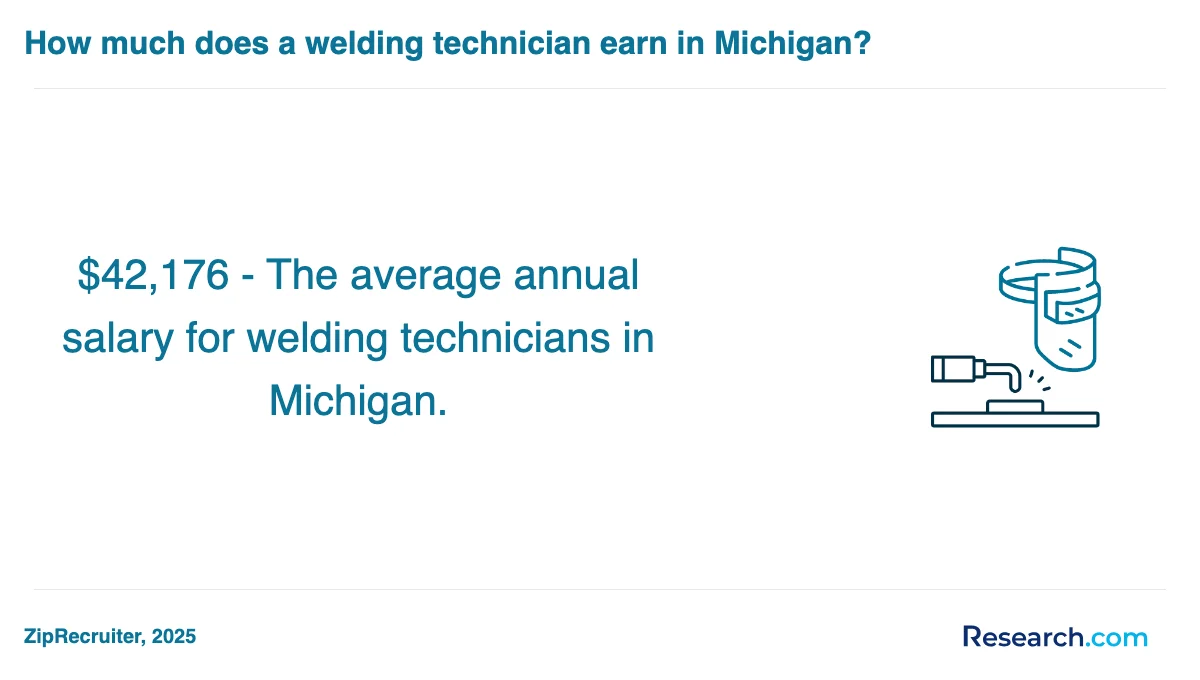
At Asheville's top trade schools like Asheville-Buncombe Technical Community College, the welding curriculum dives straight into the heart of the craft. Graduates often recall the excitement of mastering welding fundamentals-imagine confidently handling a welding torch for the first time, sparks flying as you learn Shielded Metal Arc Welding (SMAW) and Gas Metal Arc Welding (GMAW/MIG). The courses don't just teach welding; they teach you to think like a welder.
Core classes include:
- Blueprint reading and construction math, turning intimidating technical drawings into clear, actionable plans.
- Metallurgy, where you discover how different metals behave under heat-knowledge that makes a huge difference when you're fabricating parts.
- Shop and site safety, ingraining habits that keep you and your coworkers protected every day.
- Welding inspection and testing, ensuring every weld you make stands up to rigorous industry standards.
Hands-on training in equipment maintenance and advanced topics like robotic welding also prepare students for real-world challenges. Graduates describe the blend of theory and practice as empowering-readying them for careers in manufacturing, construction, and beyond.
Welding students in Asheville dive into a vibrant array of Asheville welding program specializations, from traditional stick welding (SMAW) to precision-driven GTAW (TIG) techniques. Graduates often recall the thrill of melting metals during hands-on courses at Asheville-Buncombe Technical Community College, where cutting-edge machines and expert instructors guide their welding journey. The real magic happens when students master GMAW (MIG) and FCAW methods-skills that unlock doors to fabrication and manufacturing jobs that feel tailor-made for creative builders.
For those eyeing the future, A-B Tech's Robotic Welding Certificate offers an exhilarating shift into automated processes, marrying technology and trade in a way that feels both futuristic and tangible. Many grads celebrate how these welder training options in Asheville transformed their confidence, allowing them to envision careers not just in welding, but also in quality control, supervision, and even self-employment.
Typical specializations include:
- Cutting Processes
- SMAW (Stick) Plate Welding
- GMAW (MIG) and FCAW Welding
- GTAW (TIG) Plate Welding
- Robotic and Automated Welding
If upgrading skills or seeking fresh career paths, continuing education courses empower students to stay ahead in this dynamic industry. For those balancing budgets, exploring cheapest online maintenance technician training can also complement welding expertise, rounding out a versatile trade skillset.
Choosing the best welding programs in Asheville isn't just about picking the flashiest brochure. Graduates of top-rated welder training schools Asheville often highlight how accreditation and hands-on training shaped their real-world skills. Imagine stepping into a workshop buzzing with the hum of modern welding machines-this is where theory meets fire and metal, turning students into confident welders.
Successful students rave about instructors who carry years of industry experience, not just textbook knowledge. Authentic connections with mentors at popular local trade schools can catapult your technique and job readiness. When a graduate recalls staying late to master MIG and TIG welding under live supervision, that's the kind of environment you want.
Sharp-eyed learners also weigh job placement rates and networking opportunities-post-grad support in Asheville's welding community can open doors. Don't overlook financial factors; knowing the full cost while exploring aid options makes the journey smoother. If you wonder what distinguishes a quality program, check out what is the difference between trade school and vocational programs for clarity on pathways that fit your goals.

Welding careers in Asheville NC offer more than just the classic welder role-graduates from local trade schools dive into vibrant opportunities like fitters, fabricators, and even millwrights. Imagine stepping from your welding booth directly onto a busy construction site or into a buzzing manufacturing plant where your skills in Gas Metal Arc Welding (GMAW) or the AWS D 1.1 1" thick 1-G welder qualification open doors to high-demand positions. Many grads tell stories of starting as Plant Maintenance Assistants earning $20-$23 an hour and swiftly moving into supervisory spots or quality control, fueled by the hands-on training they received in Asheville's top programs.
Welder job opportunities Asheville also include paths in industrial maintenance, auto body repair, and plumbing, where advanced welding techniques become essential. Some graduates choose to become entrepreneurs, running fabrication businesses or contracting independently in the growing metalworking economy.
Benefits and career growth are common perks, with many employers offering health insurance and retirement plans. For those curious about future trends, check out what trades will be in demand in the future to see how welding fits into the bigger picture.
Graduates of welder trade schools in Asheville step into a job market buzzing with opportunity. Welding jobs in Asheville NC often pop up daily, with openings ranging from entry-level to seasoned pro roles. Many welders recount landing positions within weeks of finishing programs at popular trade schools, where hands-on training with MIG, TIG, and stick welding prepares them to meet local industry demands confidently.
Wages here are another bright spot. Employers commonly offer rates between $20 and $26 per hour, matching well with the competitive welder salary Asheville North Carolina enjoys. One graduate shared landing a first-shift role paying $24, plus health benefits and a 401(k) plan, making trade school feel like a smart investment in a rewarding career.
New welders often find themselves working in diverse sectors such as manufacturing, plant maintenance, or construction. Practical skills and AWS certifications, often encouraged by trade school instructors, open doors and fuel steady career growth. For flexible learning paths, students can also explore the best certificate programs online, complementing local hands-on training with broader knowledge.
Best Welding Training Programs & Trade Schools - Top Welding Schools in Asheville for 2026
# 1 position
Asheville-Buncombe Technical Community College - Welding Technology/Welder.
associateThe Welding Technology/Welder program at Asheville-Buncombe Technical Community College offers a hybrid format with some distance education options. It prepares students to apply technical skills in various welding methods, including arc welding, resistance welding, and brazing. The program also covers welding metallurgy, safety, structural design, and applicable codes. Annual in-state tuition is $2,882. Median earnings one year after completion are $37,078. The college is accredited by the Southern Association of Colleges and Schools Commission on Colleges.
# 2 position
Asheville-Buncombe Technical Community College - Welding Technology/Welder.
certificate or diplomaAsheville-Buncombe Technical Community College offers a Welding Technology/Welder program with a hybrid format, combining in-person and distance education. The program trains students in various welding techniques, including arc welding, resistance welding, and brazing. Tuition for in-state students is $2,882 annually. Graduates earn a median salary of $37,078 one year after completion. The program is accredited by the Southern Association of Colleges and Schools Commission on Colleges.
Frequently Asked Questions about welder
After completing a welder trade school program in Asheville, preparing for the job market involves several key steps. First, obtaining industry-recognized certifications like those from the American Welding Society (AWS) can significantly enhance employability. According to the Bureau of Labor Statistics, welders with certifications typically earn higher wages and have better job prospects.
Networking is also crucial. Joining local trade unions or professional groups in Asheville can provide access to job leads and apprenticeships. Many employers in the region value hands-on experience, so seeking internships or entry-level positions during or after training is beneficial.
Additionally, creating a detailed resume highlighting technical skills, certifications, and any practical experience will help applicants stand out. Understanding local industry demands-for example, construction, manufacturing, or automotive sectors prevalent in Asheville-can guide job searches more effectively.
Employers in Asheville seek welder trade school graduates who demonstrate strong technical skills, including proficiency in various welding techniques such as MIG, TIG, and stick welding. According to the U.S. Bureau of Labor Statistics, practical experience in reading blueprints and understanding welding symbols is essential for local job readiness.
Attention to safety standards is another critical skill, as welding involves working with high temperatures and potentially hazardous materials. The Asheville manufacturing sector values welders who are certified by the American Welding Society (AWS), which significantly improves employment prospects.
Soft skills like teamwork and communication are also important, given the collaborative environments in many Asheville welding jobs. Local employers report that graduates with strong problem-solving abilities and adaptability tend to perform better on the job.
Finding internships in Asheville relevant to a welder trade school program involves several practical steps. Start by contacting local welding companies, fabrication shops, and construction firms, as many offer hands-on training opportunities for students. The Asheville Area Chamber of Commerce provides resources and networking events that can connect you with employers seeking interns. Community colleges and trade schools in Asheville often have partnerships with local businesses to facilitate internships for their students.
Additionally, online job portals such as Indeed and the North Carolina Department of Commerce's job link can list available welding internships. According to the U.S. Bureau of Labor Statistics, welding internships enhance skill development and increase employment prospects, especially in regions like Asheville with growing construction and manufacturing sectors.
Obtaining a welder trade school diploma in Asheville significantly enhances career mobility and advancement opportunities within the local labor market. According to the U.S. Bureau of Labor Statistics, welders in North Carolina earn a median annual wage of around $42,000, with skilled welders often accessing higher-paying positions. A diploma demonstrates foundational skills, improving eligibility for specialized roles in manufacturing, construction, and repair industries prevalent in the Asheville region.
Trade school programs also provide certifications recognized by employers, such as those from the American Welding Society. These credentials can lead to faster promotions and job stability. Additionally, Asheville's growing infrastructure projects increase demand for certified welders, supporting upward career trajectories for diploma holders.
Students enrolled in welder trade schools in Asheville have several part-time job options that can complement their education. Local manufacturing firms and metal fabrication shops often seek assistants or helpers, providing hands-on experience with welding equipment and safety protocols. According to the U.S. Bureau of Labor Statistics, Asheville's manufacturing sector has grown steadily, increasing demand for skilled labor.
Construction sites also offer part-time roles, such as laborers or metalworkers, allowing students to apply welding techniques in real-world scenarios. Additionally, some automotive repair shops hire part-time workers to assist with welding repairs. These opportunities help students refine their skills while earning an income.
Networking through these jobs can improve employment prospects after graduation and build valuable industry connections within Asheville's growing trades community.
To find the best welder degree program near Asheville, NC, you can start by researching local community colleges and technical schools that offer welding technology programs. Programs in welding may be assessed based on factors such as curriculum, faculty expertise, and hands-on training opportunities, with Research.com serving as a helpful resource to compare educational offerings. Additionally, seeking advice from industry professionals and alumni near me can provide practical insights and recommendations tailored to your location and career goals.
- Welding Salary Trends: How Much Do Welders Earn Today? | YesWelder https://yeswelder.com/blogs/yeswelder/welding-salary-trends-how-much-do-welders-earn-today
- Welder | Explore Careers | National Careers Service https://nationalcareers.service.gov.uk/job-profiles/welder
- Welder Salaries in Poland and Abroad – How Do Earnings Compare? - BERRY HR https://berryhr.pl/en/welder-salaries-in-poland-and-abroad-how-do-earnings-compare/
- 10 Best Jobs for Welders & Average Salaries | PrimeWeld https://primeweld.com/blogs/news/10-best-jobs-for-welders-and-how-to-get-them
- How Much Do Welders Make? Welding Salary Guide | Goodwin University https://www.goodwin.edu/enews/welder-salary-information/
- Welding training - Warsaw, Kraków, Wrocław, Łódź, Poznań https://kurso.eu/en/training-and-courses/welding-courses/welding/
- Welding Trade School | Summit College https://summitcollege.edu/programs/trade-technical/welding/
- Welding and Fabrication Technology https://www.sait.ca/programs-and-courses/diplomas/welding-and-fabrication-technology
- Welding | ontariocolleges.ca https://www.ontariocolleges.ca/en/programs/professions-and-trades/welding
- Best Welding Schools - Elite Welding Academy https://eliteweldingacademy.com/


