Most Affordable Welding Schools & Training - Budget-Friendly Welding Trade Programs in Milwaukee for 2026

Co-Founder and Chief Data Scientist
Choosing the right welder trade school in Milwaukee can feel overwhelming, but we’re here to make it easier for you. This article introduces a welder trade school programs ranking created by the Research.com team of data scientists to help you find the best options for 2026.
By exploring these programs, you’ll discover affordable schools that offer quality training and valuable certifications. Earning a welding diploma can open doors to rewarding careers and steady work in a skilled trade.
Take this step with confidence and find the program that fits your goals and budget.
Key benefits of finishing welder trade school in Milwaukee
- Graduates of welder trade schools in Milwaukee can expect to earn between $18 and $27 per hour, with certified welders often making around $23.23 per hour, setting a strong foundation for a rewarding career.
- Career paths include roles like welder/fitters, which offer higher pay and job stability, as seen in successful graduates from Milwaukee's popular trade schools who quickly find diverse opportunities in local industries.
- Completing a welder trade school online offers flexibility and faster completion times, helping graduates balance work and study, as experienced by many online students from well-known Milwaukee programs.
- Most Affordable Welding Schools & Training - Budget-Friendly Welding Trade Programs in Milwaukee for 2026
- What can I expect from welder trade schools in Milwaukee?
- Where can I work after finishing welder trade schools in Milwaukee?
What can I expect from welder trade schools in Milwaukee?
Enrolling in a welder trade school program in Milwaukee means immersing yourself in both hands-on and classroom learning tailored to real-world welding challenges. Graduates from Milwaukee Area Technical College and Waukesha County Technical College often describe early days spent mastering welding techniques like SMAW, GMAW, and GTAW while working with advanced robotic welding tools. Expect to spend many hours in welding labs, where you develop practical skills by completing projects that mirror actual job-site demands.
Classroom sessions are just as important, covering blueprint reading, safety protocols, and equipment upkeep-skills graduates say give them confidence during apprenticeships and on the job. Programs typically last from several months for certificates up to two years for associate degrees, providing flexibility depending on your goals.
Many students find that learning to visualize final products from blueprints and working independently are crucial abilities emphasized throughout the curriculum. This balance of technical training and problem-solving prepares you for certifications like those from the American Welding Society, enhancing your employability in Milwaukee's manufacturing and construction sectors.
Where can I work after finishing welder trade schools in Milwaukee?
After completing a welder trade school program in Milwaukee, graduates find a wealth of job opportunities across various industries. Many report quickly securing positions in manufacturing firms like Metal Forms Corporation, where skills in MIG and stick welding are essential. These roles often come with full-time hours and benefits, providing financial stability early in their careers.
Others have found rewarding work in metal fabrication shops such as R&B Wagner, Inc., where they apply their training to create custom handrails and staircases. This hands-on environment allows graduates to see tangible results from their efforts, which many find deeply satisfying.
Some graduates pursue government roles involving infrastructure maintenance or municipal equipment repair, attracted by higher hourly wages and steady employment. These positions sometimes require extra certifications, but the added effort often pays off in job security and income.
Graduates from popular Milwaukee trade schools consistently emphasize that the city's diverse welding job market, combined with competitive pay and opportunities for advancement, makes their training a valuable investment in a fulfilling career.
After finishing a welder trade school program in Milwaukee, graduates typically start with an hourly wage around $21.93, reflecting the local industry standards. Many students from popular Milwaukee trade schools share how their first jobs paid between $17.50 and $18 per hour, a solid start that quickly increased with experience.
Those who pursue certifications like becoming a Certified Welder often see a noticeable jump, earning about $23.23 hourly, which can translate to nearly $48,000 annually working full-time. This boost not only represents financial growth but also greater job security and satisfaction.
Specializations influence earnings too. For example, graduates working as Production Welders report salaries averaging $59,185 yearly, while Aluminum Welders earn close to $27 per hour. These figures resonate with many who trained at Milwaukee's trade schools and found rewarding careers in these niches.
The balance of hourly pay and overtime opportunities means earnings can rise, making welding a promising path for motivated Milwaukee students.
- Applicants must be at least 18 years old and have a high school diploma or GED to enroll in most Milwaukee welding programs.
- Programs range from one semester for certificates to two years for associate degrees, covering welding processes and safety, often preparing students for AWS certification.
- The average cost for technical diploma programs is between $4,000 and $8,000, with additional costs for protective gear and textbooks.
- Starting salaries for entry-level welders in Milwaukee range from $38,000 to $44,000 per year, with experienced welders earning $50,000 or more.
- The job market is strong in manufacturing, construction, and maintenance, with many programs reporting high graduate placement rates.
Completing a welder trade school program in Milwaukee typically takes between six months to one year, depending on the intensity and structure of the course. Many graduates from popular local schools recall how an immersive, hands-on curriculum helped them quickly build confidence and welding skills, often within just a few months of dedicated study.
For example, students enrolled in accelerated programs found themselves welding confidently on day one in well-equipped shops, which made the learning process feel both exciting and practical. Others who opted for part-time or evening classes appreciated the flexibility, balancing work or family while steadily progressing toward certification over a longer period.
Graduates often describe the experience as rewarding, especially when they see tangible improvements in their abilities week by week. The focused environment of Milwaukee's trade schools, combined with supportive instructors, creates a motivating atmosphere that helps many students complete their programs efficiently without feeling overwhelmed.
The core difference between online and on-campus welder trade school programs in Milwaukee lies in how students engage with the material and practice their skills. Graduates from Milwaukee Area Technical College, a well-known local option, often emphasize the value of hands-on experience gained through daily use of real welding equipment under close instructor supervision. This direct interaction fosters confidence and immediate feedback, which many find crucial for mastering precise welding techniques.
On the other hand, online or hybrid programs like those at Blackhawk Technical College offer flexibility by allowing students to study theory and safety modules remotely. This appeals greatly to those balancing work or family commitments. However, students still travel to campus for essential lab sessions, where they physically weld and apply what they've learned. Graduates appreciate this blend because it lets them progress at their own pace without sacrificing the practical skills employers demand.
Ultimately, Milwaukee students choosing between these paths weigh immersive, hands-on training against the convenience of flexible scheduling, with all reputable programs ensuring critical in-person practice.
Understanding the average cost of welder trade school programs in Milwaukee is crucial for anyone considering this career path. At Milwaukee Area Technical College, a popular choice among local students, Wisconsin residents pay about $175.90 per credit. For a full 60-credit Welding Technology associate degree, this results in tuition fees for welding programs in Milwaukee totaling roughly $10,554. Graduates often mention the value they found in a hands-on curriculum balanced with affordable tuition, which made managing both education and living expenses possible.
Private institutions like Milwaukee Career College provide an alternative, with tuition around $15,000 for welding programs. Students opting for this path frequently highlight the smaller class sizes and personalized attention, which positively influenced their learning experience despite the higher initial cost. Alongside tuition, realistic budgeting must include supplies such as textbooks and welding gear like helmets and gloves, which can add $350 to $1,100 yearly.
Many students find financial relief through aid options such as Federal Pell Grants or state-specific programs like the Wisconsin Grant for Technical Colleges. These supports can significantly offset expenses, making the welding trade school more accessible. For those seeking a deeper understanding of what are the requirements to become a welder, Milwaukee offers cost-effective pathways that combine quality education with practical preparation in this skilled trade.

Welder trade school students in Milwaukee can access a range of financial aid options that significantly ease the burden of tuition and related costs. Many graduates from local institutions like Waukesha County Technical College (WCTC) share how federal aid-such as Pell Grants and Direct Loans-played a crucial role in making their training affordable. For example, one graduate recalls applying through FAFSA and receiving enough aid to cover tuition and fees, which at WCTC is about $4,952 annually, plus books and supplies.
Starting in fall 2026, the new Workforce Pell Grant will expand opportunities by supporting short-term welding programs lasting eight to fourteen weeks. This grant is particularly helpful for those retraining, including graduates who previously earned a bachelor's degree but seek a skilled trade career. Local students appreciate how this broadens access without the long-term financial strain traditional programs sometimes impose.
Additionally, industry-backed grants from organizations like the American Welding Society Foundation indirectly benefit Milwaukee students by enhancing program quality and job placement support, helping them feel confident about their career prospects.
To enroll in a welder trade school program in Milwaukee, applicants typically need to meet several straightforward prerequisites that ensure readiness for hands-on, technical training. Most schools expect students to have a high school diploma or GED, reflecting a basic level of academic achievement necessary for understanding welding theory and safety protocols.
Beyond formal education, schools often require proof of physical fitness since welding involves standing for long periods, lifting heavy materials, and working in various positions. Graduates from popular Milwaukee trade schools often mention how their initial physical assessments helped them prepare mentally and physically for the demanding nature of the program.
Applicants may also need to demonstrate basic math skills, especially in geometry and measurements, which are crucial for precision welding tasks. Milwaukee students recall that brushing up on these skills before starting helped them excel and feel confident during practical exercises.
- High school diploma or GED
- Basic math competency
- Physical fitness assessment
- Proof of legal residency or age requirements
Some programs encourage prospective students to have a brief interview or orientation session to discuss expectations and career goals, making the experience more personal and motivating. Graduates often reflect on how this helped them feel supported and more connected to their future profession early on.
Welder trade school programs in Milwaukee typically include essential courses that equip students with both practical skills and technical knowledge. Graduates from schools like Milwaukee Area Technical College (MATC) often emphasize the value of mastering core welding processes such as Shielded Metal Arc Welding (SMAW), Gas Tungsten Arc Welding (GTAW or TIG), and Gas Metal Arc Welding (GMAW or MIG). These foundational classes provide hands-on experience that builds confidence when working with different metals and welding equipment.
Students also tackle blueprint reading, a critical skill enabling them to interpret welding project plans accurately. This course prepares students for real-world scenarios where they must visualize and execute precise welds according to technical drawings. Another course that former students highlight is equipment maintenance, which teaches how to troubleshoot and keep welding machines in good working order-an invaluable skill for avoiding costly downtime on the job.
- Core welding techniques (SMAW, GTAW/TIG, GMAW/MIG)
- Blueprint reading for technical plans
- Equipment maintenance and troubleshooting
- Workplace communication and safety training
Additionally, programs often include safety training aligned with OSHA standards, fostering a strong safety mindset. Communication skills are integrated to prepare students for team-based work environments. At schools like Waukesha County Technical College, apprenticeship-related instruction offers a blend of classroom learning and on-the-job practice, which many graduates appreciate for its real-world application and networking opportunities.
Welding specializations in Milwaukee trade schools commonly include core processes like Shielded Metal Arc Welding (SMAW), Gas Metal Arc Welding (GMAW/MIG), and Gas Tungsten Arc Welding (GTAW/TIG), which form the foundation for many graduates. For instance, students at Milwaukee Area Technical College often start with a Welding Fundamentals certificate covering these techniques before advancing to more specialized tracks.
Beyond the basics, several programs offer focused paths such as:
- Pipe Welding for industrial and construction roles
- Blueprint Reading critical for fabrication and layout accuracy
- Robotic Welding, which trains students on programming automation in modern manufacturing
Milwaukee welding program certifications and pathways extend to advanced credentials like welding inspection, preparing learners for American Welding Society (AWS) certifications. Graduates reflect on how these credentials opened doors to supervisory and quality control roles.
For those seeking quicker entry, short-term certificates present practical options without sacrificing skill depth, aligning with what many wonder about what is the easiest trade to learn that pays well. These layered choices make Milwaukee's welding trade schools adaptable to diverse career goals.
Choosing the best welder trade schools Milwaukee involves prioritizing programs with strong hands-on training and experienced instructors. Graduates from Milwaukee Area Technical College often share how the Welding Fundamentals certificate strengthened their confidence with Shielded Metal Arc Welding and blueprint reading, directly improving their job readiness. Similarly, students from Gateway Technical College appreciate the exposure to various welding techniques like oxyacetylene and Gas Tungsten Arc Welding, which makes them versatile in real work environments.
Cost and program length also influence the decision, especially at affordable welder trade schools Milwaukee, where balancing tuition with quality education is key. Waukesha County Technical College's approach, combining Gas Metal Arc Welding with robotic welding training, exemplifies practical preparation that graduates find invaluable. Moreover, those looking to maximize their return on investment often explore trade school programs that pay well, ensuring their skills lead to promising careers. Visiting campuses and connecting with current students helps cement a clear view of each program's fit with your career goals.

Graduates of welder trade school programs in Milwaukee find a multitude of career opportunities across manufacturing and construction sectors. Many move directly into welding jobs in Milwaukee WI such as MIG welder, TIG welder, production welder, or automatic welder. These roles often require mastery of multiple welding techniques and the ability to interpret blueprints, skills gained through hands-on training at local popular trade schools. Graduates frequently share positive experiences about how the practical curriculum prepared them to confidently handle real-world tasks, from metal fabrication to assembly and clamping operations.
Beyond traditional welding roles, manufacturing and construction welding careers Milwaukee also include positions in metal fabrication shops, heavy machinery production, and custom parts manufacturing. Some graduates branch into specialized fields like powder coating, machine shop operations, or millwright work, which leverage their welding expertise while expanding technical skill sets.
Career advancement is achievable with experience or additional certifications, opening doors to supervisory roles, welding inspection, training positions, or robotic welding technician jobs. Benefits packages in this region are often competitive, reflecting employer demand for skilled welders. For those curious about the difference between training options, it's worth exploring what is the difference between a trade school program and a vocational program to choose the best path tailored to your goals.
The welder job openings in Milwaukee present a promising landscape for graduates of local trade schools. Milwaukee's strong manufacturing base supports a welder workforce concentration 62% above the national average, creating a continuous demand for skilled welders. Graduates from popular Milwaukee trade schools often share stories of quickly securing positions in manufacturing plants or repair shops, where hands-on experience gained during training sets them apart.
Several factors influence this positive outlook:
- Entry-level welders typically earn between $20 and $22 per hour, providing a solid starting wage for new graduates.
- With one to four years of experience, wages rise slightly above $20, reflecting skill improvement on the job.
- Top welders, those with advanced certifications and several years of experience, can earn up to nearly $29 per hour.
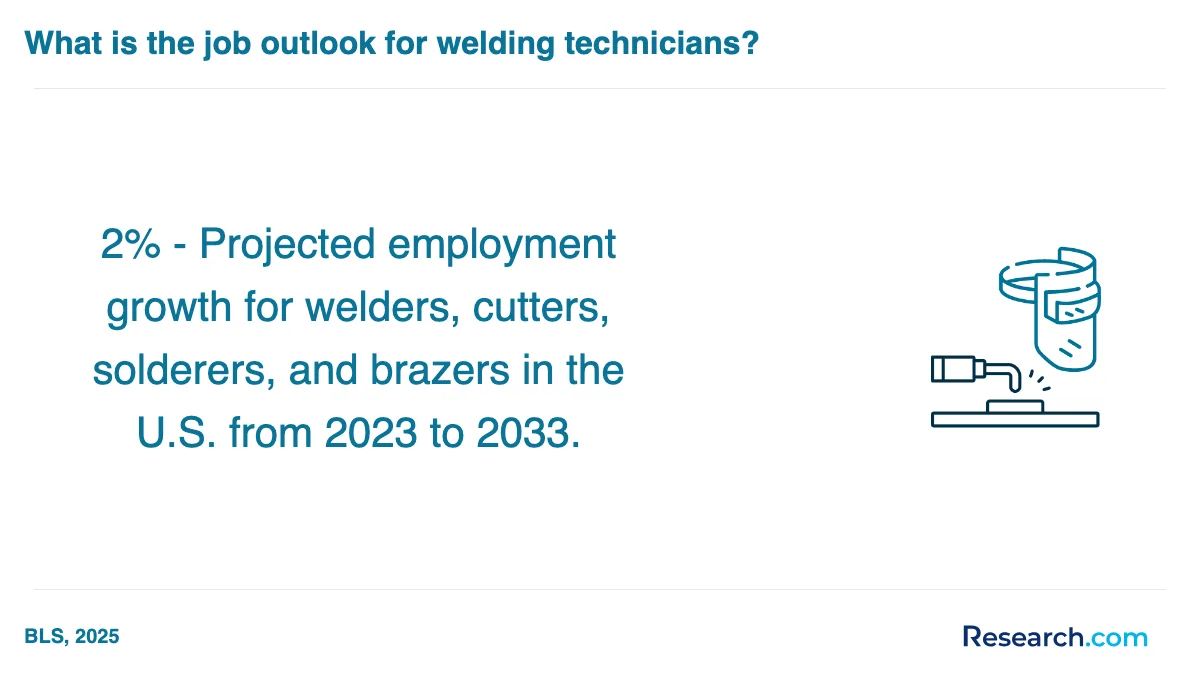
The welding salary outlook Milwaukee 2026 looks optimistic as well, driven by both industry growth and a wave of impending retirements nationwide, which will expand openings for newcomers. Graduates benefit from not only steady income but also opportunities to specialize in higher-paying welding fields.
For those considering alternative paths or additional credentials, exploring cheap maintenance technician online courses may complement welding skills and enhance employability in Milwaukee's competitive job market.
Most Affordable Welding Schools & Training - Budget-Friendly Welding Trade Programs in Milwaukee for 2026
# 1 position
Milwaukee Area Technical College - Welding Technology/Welder.
associateMilwaukee Area Technical College offers a Welding Technology/Welder program with a hybrid format that includes some distance education. The program covers techniques such as arc welding, resistance welding, brazing, soldering, and cutting. Students learn about welding metallurgy, safety, structural design, and applicable codes. Annual in-state tuition is $5,017, and median earnings one year after completion are approximately $32,478. The program is accredited by the Higher Learning Commission.
# 2 position
Milwaukee Area Technical College - Welding Technology/Welder.
certificate or diplomaMilwaukee Area Technical College offers a Hybrid Welding Technology/Welder program that prepares students to join or cut metal surfaces using various welding techniques. Instruction covers arc welding, resistance welding, brazing, soldering, and more. The program includes safety, structural design, and welding metallurgy. Annual in-state tuition is $5,017, and the median earnings one year after completion are $32,477. The program is accredited by the Higher Learning Commission.
Frequently Asked Questions about welder
After completing a welder trade school in Milwaukee, preparing for the job market involves several key steps. First, obtaining industry-recognized certifications, such as those from the American Welding Society (AWS), can significantly improve employment prospects. Milwaukee employers often seek welders with certifications in SMAW, GMAW, or TIG welding methods.
Building a professional resume that highlights hands-on training and any apprenticeship experience is essential. Networking through local trade unions and job fairs can open doors, as Milwaukee's manufacturing and construction sectors actively recruit skilled welders.
According to the U.S. Bureau of Labor Statistics, the Milwaukee area expects steady demand for welders, with a median annual wage around $45,000. Staying current with welding technology and safety standards is also crucial to long-term career success.
Employers in Milwaukee seek welder trade school graduates who demonstrate strong technical skills and practical experience. Proficiency in various welding techniques, such as MIG, TIG, and stick welding, is essential. According to the U.S. Bureau of Labor Statistics, employers value candidates who can read blueprints and understand welding symbols accurately.
Attention to safety protocols is critical in Milwaukee's industrial and manufacturing sectors. Graduates must show a solid understanding of workplace safety standards to reduce accidents and maintain compliance with OSHA regulations.
Effective communication and teamwork skills also rank highly, as welders often collaborate with engineers and other tradespeople on-site. The Milwaukee Area Technical College reports that employers prioritize graduates with hands-on training and certification, such as AWS credentials, which significantly improve job prospects.
Finding internships relevant to a welder trade school program in Milwaukee involves several strategic steps. Start by contacting local trade schools directly, as many maintain partnerships with area employers who offer internship opportunities. The Wisconsin Regional Training Partnership and Milwaukee Area Technical College often list openings for welding internships and apprenticeships on their websites.
Networking with local unions, such as the United Association Local 75, can also be valuable. These unions frequently provide apprenticeships that combine on-the-job training with classroom instruction. According to the Bureau of Labor Statistics, apprenticeships improve employment prospects in skilled trades by 15% nationally.
Additionally, visit job boards like Wisconsin's Job Center, which regularly posts welding internships and entry-level positions in Milwaukee. Engaging with these resources early can increase your chances of securing hands-on experience critical for career advancement in welding.
Obtaining a welder trade school diploma in Milwaukee significantly impacts career mobility and advancement. According to the U.S. Bureau of Labor Statistics, welders in Wisconsin earn a median annual wage of approximately $44,000, with certified welders often commanding higher pay. Completing a diploma program equips students with essential skills recognized by local employers in manufacturing and construction sectors, which are vital industries in Milwaukee's economy.
Graduates with formal training tend to qualify for higher-level positions, such as welding inspectors or supervisors, enhancing opportunities for promotion. The Milwaukee Area Technical College reports that over 70% of their welding program graduates find employment within six months, reflecting strong local demand. Certification from an accredited trade school also facilitates mobility across different companies and regions, further supporting career growth.
Students enrolled in welder trade schools in Milwaukee can benefit from part-time jobs that provide hands-on experience and industry exposure. Common opportunities include working as welding assistants, metal fabricators, or general laborers in manufacturing facilities. These roles help develop practical skills while reinforcing classroom learning.
According to the U.S. Bureau of Labor Statistics, Milwaukee's manufacturing sector employs a significant number of welders, reflecting local demand. Part-time positions in nearby fabrication shops or construction sites can offer flexible hours compatible with class schedules.
Additionally, jobs in equipment maintenance or material handling within industrial settings can complement welding education by familiarizing students with tools and safety protocols. These experiences enhance employability and prepare students for full-time welding careers.
To find the most affordable welder degree program near me, particularly near Milwaukee, WI, you can begin by searching local community colleges and technical schools, as they often have welding programs at a lower cost compared to four-year universities. Research.com may serve as a helpful resource in identifying reputable schools that offer programs in your area. Additionally, visiting campuses or contacting admissions offices directly can provide specific information about tuition rates and potential financial aid options.
- Most Affordable Welding Schools & Training - Budget-Friendly Welding Trade Programs in Elgin for 2026
- Most Affordable Welding Schools & Training - Budget-Friendly Welding Trade Programs in Columbus for 2026
- Most Affordable Welding Schools & Training - Budget-Friendly Welding Trade Programs in Marietta for 2026
- Most Affordable Welding Schools & Training - Budget-Friendly Welding Trade Programs in Johnstown for 2026
- Welder Jobs in Milwaukee, WI | MilwaukeeJobs.com https://www.milwaukeejobs.com/j/f-Welder-l-Milwaukee,-WI-jobs.html
- Welding | MATC https://www.matc.edu/course-catalog/manufacturing-construction-transportation/welding.html
- Best Welding Schools in Milwaukee, Wisconsin | How to Become https://toptradeschools.com/near-you/welder/wisconsin/milwaukee/
- Accelerated Welding Program | Steamfitters Local 601 https://steam601.org/becoming-a-steamfitter/accelerated-welding-program/
- Welding | Gateway Technical College https://www.gtc.edu/programs/technical-diplomas/welding
- Welding Apprenticeship https://www.wctc.edu/WCTC/Academics/Program-List/Welding
- Welding https://county.milwaukee.gov/EN/Community-Reintegration-Center/Programs/Welding
- Welding-Industrial | Lakeshore College https://lakeshore.edu/programs-and-courses/career-areas/manufacturing/welding-industrial
- Welding Salary Trends: How Much Do Welders Earn Today? | YesWelder https://yeswelder.com/blogs/yeswelder/welding-salary-trends-how-much-do-welders-earn-today
- Welder | Explore Careers | National Careers Service https://nationalcareers.service.gov.uk/job-profiles/welder