
Most Affordable Welding Schools & Training - Budget-Friendly Welding Trade Programs in Carthage for 2026

Co-Founder and Chief Data Scientist
Choosing the right welder trade school in Carthage can feel overwhelming, but finding an affordable, quality program is key to your future success. This article introduces a welder trade school programs ranking created by the Research.com team of data scientists to guide you toward the best options available in 2026.
By exploring this ranking, you'll discover programs that balance cost and quality, helping you make an informed decision. Earning a welder diploma or certification opens doors to stable careers and personal growth, making your journey worthwhile.
Key benefits of finishing welder trade school in Carthage
- Graduates of welder trade schools in Carthage can expect starting salaries around $20 per hour, with the potential to earn up to $29 per hour as they gain experience and certifications.
- Career paths include roles in manufacturing, construction, and industrial maintenance, offering diverse opportunities for growth and specialization.
- Completing a welder trade school online offers flexibility and convenience, allowing students to balance learning with personal commitments while still gaining valuable hands-on skills.
- Most Affordable Welding Schools & Training - Budget-Friendly Welding Trade Programs in Carthage for 2026
- What can I expect from welder trade schools in Carthage?
- Where can I work after finishing welder trade schools in Carthage?
What can I expect from welder trade schools in Carthage?
Enrolling in a welder trade school program in Carthage means diving into hands-on training that prepares you for real-world welding jobs. Graduates from popular local programs often share how the focus on practical skills-like pipe and plate welding, blueprint reading, and pipe fitting-helped them feel confident on the job from day one. These schools prioritize industry-defined skills, so you'll learn exactly what employers in Carthage and beyond expect.
The flexible class schedules, including evening options, allow many students to balance work or family commitments while advancing their education. Imagine spending your days in fully equipped labs featuring CNC plasma tables and robotic welders, guided by instructors who are experienced welders themselves and eager to share insider knowledge.
Many students appreciate that these programs prepare them for respected certifications, such as AWS SENSE Level I and II, which boost job prospects locally. Graduates recall feeling a strong sense of accomplishment and readiness as they entered a market with steady demand, as reflected by dozens of local welding job openings.
Where can I work after finishing welder trade schools in Carthage?
After completing a welder trade school program in Carthage, many graduates find themselves quickly employed due to steady local demand. Popular trade schools in the area prepare students for roles in manufacturing plants and metal fabrication shops, where entry-level welders often work on assembling or repairing equipment. One graduate shared how their hands-on training at a Carthage trade school made transitioning into a MIG welder position at a nearby factory feel seamless and rewarding.
Construction companies in Carthage and Jasper County also actively seek welders for projects involving structural steel and infrastructure. Graduates often describe the satisfaction of seeing their work contribute to real-world building projects and pipelines, highlighting the tangible impact of their skills.
Some graduates find fulfilling careers in repair and maintenance, servicing agricultural machinery or municipal equipment. These roles emphasize problem-solving and versatility, qualities nurtured through comprehensive trade school curricula in Carthage. Experienced welders or those who pursue advanced courses can advance to senior roles, reflecting clear career growth paths within the region.
Graduates of welder trade school programs in Carthage typically start with hourly wages between $17.74 and $21, reflecting recent data from local employers and job postings. For example, one graduate from a popular Carthage trade school shared that after completing the program, they secured a position earning around $19.50 per hour, feeling encouraged by the steady income as they gained hands-on experience.
The average hourly pay in Carthage hovers near $18.89, with some welders earning up to $26.52 per hour, especially those who advance their skills or take on specialized roles. Graduates entering full-time Welder I positions in Missouri report annual salaries averaging $43,077, though starting salaries often fall between $36,399 and $41,000. Many students note a positive boost in confidence seeing their paychecks increase as they move from apprenticeships earning about $20 per hour to higher-paying, certified roles.
Welders from Carthage trade schools appreciate that wages depend on factors like local demand, type of welding work, and employer overtime options. This real-world insight helps graduates plan their careers with realistic expectations while feeling optimistic about their financial growth post-graduation.
- Welding programs in Carthage offer certificate and associate degree options focused on employer-defined skills and hands-on training.
- Most schools require a high school diploma or GED, with some asking for placement tests or prior training for advanced credit.
- Tuition for certificate programs ranges from $4,000 to $10,000, while associate degrees cost more and take about two years to complete.
- Entry-level salaries for welders in Carthage start around $38,000 to $45,000 per year, with experienced welders earning over $60,000 annually.
- Flexible class schedules, including day and evening options, help accommodate working students and those with family commitments.
Completing a welder trade school program in Carthage typically takes between six months and one year, depending on the intensity and format of the course. Many local trade schools offer accelerated programs that allow students to finish quicker by focusing on hands-on skills and welding certifications. Graduates often share how this condensed timeline helped them quickly transition from classroom learning to real-world welding jobs.
For example, students at popular Carthage trade schools describe balancing classroom instruction with practical workshops, which builds confidence fast. One common experience is mastering different welding techniques, like MIG or TIG welding, within weeks, making the learning feel immersive and rewarding. This approach suits those eager to enter the workforce without spending years in school.
Longer programs, around one year, often include additional safety training and advanced welding skills, appealing to students who want a deeper understanding before starting their careers. Either path offers a clear timeline, helping students plan their futures effectively.
The main difference between online and on-campus welder trade school programs in Carthage lies in how instruction is delivered and the amount of hands-on practice students receive. Graduates from popular local schools often recall that online or hybrid programs offer the flexibility to study theory-like safety and blueprint reading-at home, which helps those juggling jobs or family. However, they emphasize that welding's true challenge is mastering physical skills, which require time in well-equipped workshops.
On-campus programs in Carthage provide immersive experiences where students spend the majority of their time using industry-grade equipment under direct instructor supervision. Many recall feeling confident after mastering techniques in real time, benefiting from immediate feedback and peer support. This environment fosters a strong sense of community and safety awareness that's hard to replicate online.
While hybrid options are growing, graduates warn that any online portion must be paired with substantial in-person labs to fully prepare for a welding career. The hands-on nature of welding makes on-campus training the preferred choice for those serious about skill development and job readiness.
The average cost of welder trade school programs in Carthage can vary considerably depending on the institution and included expenses. Graduates from nearby programs often cite tuition fees ranging between approximately $8,800 and upwards of $22,000. For example, at the Missouri Welding Institute, which is accessible for Carthage residents, tuition ranges from $13,298 to $22,900 and includes tools, supplies, and certifications. Graduates describe investing not only in tuition but also in monthly housing costs that typically run between $650 and $750, which adds substantially to the overall expense.
Other students who enrolled in programs similar to those in Carthage referenced the Tulsa Welding School's $24,175 total program cost, including fees for materials, insurance, and technology. This illustrates how tuition fees for welding programs in Carthage, Texas, or nearby regions may encompass a wide spectrum of associated expenses beyond just instruction.
Understanding the average monthly costs and length of study is crucial. In Missouri, for instance, the average welding program runs close to 9.7 months, with tuition averaging $8,879. Graduates often emphasize how factoring in material costs and housing helped them realistically plan their budgets. Potential students looking for affordable options can explore documented sources like the cheapest online welding trade school programs, which offer additional insights into cost-effective alternatives relevant to Carthage learners.
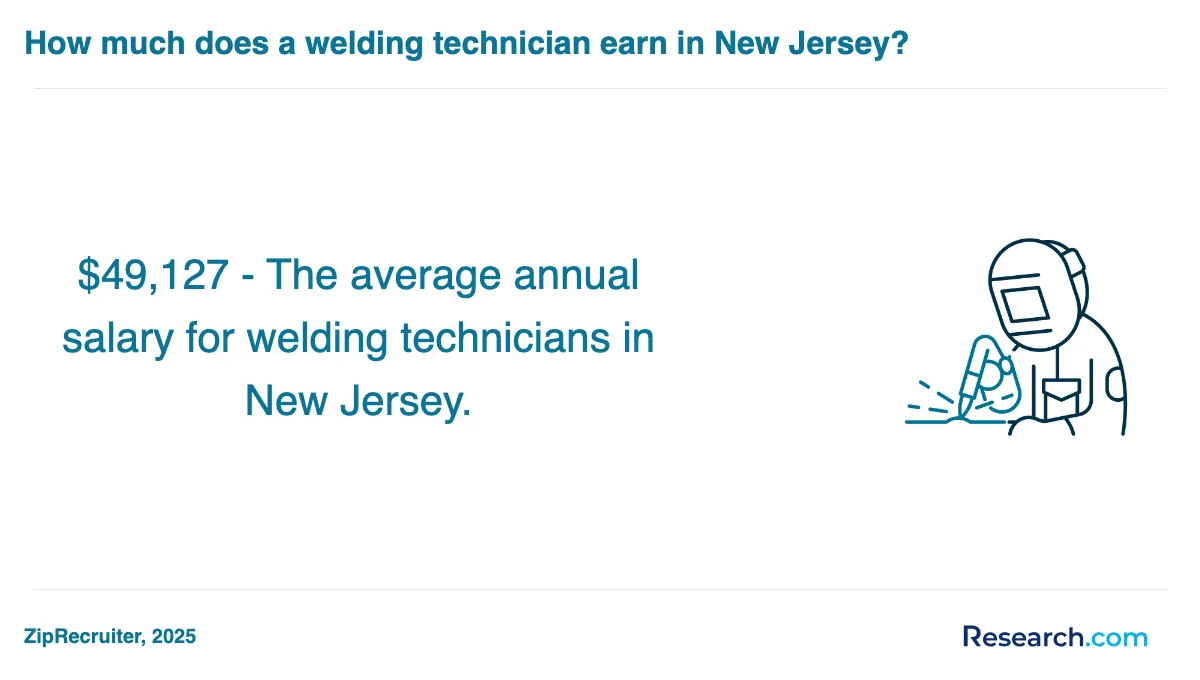
Welder trade school students in Carthage often rely on multiple financial aid options to afford their education. Graduates from popular local programs frequently mention starting with the Free Application for Federal Student Aid (FAFSA), which opens doors to federal grants like the Pell Grant-offering up to $7,395 for full-time students. This grant significantly eases the burden, letting students focus more on hands-on welding skills than financial stress.
Many also benefit from state-funded grants and scholarships, which reward residency or academic effort, enhancing affordability. Institutional aid from Carthage trade schools is substantial; students often receive awards covering nearly two-thirds of their tuition costs, combining need-based and merit scholarships. One graduate described how this support transformed their ability to complete the program without overwhelming debt.
Federal student loans with favorable terms remain a practical option, but several students emphasize the value of the Federal Work-Study program, earning around $2,000 annually by working part-time on campus. This income not only offsets expenses but builds useful work experience in welding-related roles. Additionally, local foundations offer targeted scholarships ranging from $1,000 to $2,000, which many students secure by demonstrating financial need and FAFSA completion.
Enrolling in a welder trade school program in Carthage typically requires a few clear prerequisites that set the foundation for success. Most schools expect applicants to have a high school diploma or a GED, ensuring students possess basic math and reading skills crucial for interpreting blueprints and safety protocols. Graduates from popular Carthage trade schools often recall how this basic academic grounding made hands-on training smoother and more enjoyable.
Additionally, many programs ask for proof of physical fitness since welding demands stamina and manual dexterity. For example, students often share how passing a simple physical assessment helped them feel confident and prepared to handle demanding welding tasks.
Other common prerequisites include:
- Being at least 18 years old due to safety regulations and equipment handling requirements
- Basic computer skills for digital blueprint reading and reporting
- Some schools may recommend or require prior experience in metalwork or a related field
These requirements help students quickly adapt to the immersive learning environment found in Carthage's well-regarded trade schools, turning initial challenges into rewarding achievements.

Welder trade school programs in Carthage typically include a blend of essential courses designed to prepare students for immediate work in the field. Graduates often recall starting with introductory safety training, such as OSHA certification, which is critical before working in welding labs filled with heat, sparks, and heavy equipment. This foundational step builds confidence and ensures a safe learning environment.
Students then master core welding processes like arc welding, MIG, and TIG welding, combining classroom lessons with hands-on practice using industry-standard machines. Popular Carthage schools emphasize practical skills such as:
- Plasma arc cutting and electrode selection
- Blueprint reading to interpret welding symbols and technical drawings
- Pipe welding, plate welding, and metal fitting techniques
Many programs also expose students to advanced tools like CNC machinery and robotic welding, reflecting the modern welding industry's automation trends. Graduates often praise the balance of theory and lab work, which makes them feel ready and enthusiastic about entering fabrication or construction jobs right after graduation.
Welder trade school programs in Carthage commonly offer a range of specializations that cater to practical and industry-relevant skills. Graduates from the Carthage Technical Center often highlight mastering techniques like Shielded Metal Arc Welding (SMAW) and Gas Metal Arc Welding (GMAW), which are essential for many entry-level welding jobs. The hands-on experience with Plasma Arc Cutting (PAC) and Oxyfuel Cutting prepares students for real-world fabrication tasks often found in local manufacturing settings.
At the Missouri Welding Institute, advanced specializations such as Welding Inspection and Testing Principles and Robotic Welding have been praised by students for equipping them with competitive, journeyman-level skills. The emphasis on Blueprint Reading and Welding Symbols throughout Carthage programs enables future welders to confidently interpret technical designs, enhancing job readiness.
Many report that focusing on Fabrication Techniques and Flux Cored Arc Welding (FCAW) opens doors to careers in structural welding and pipefitting. For students questioning if is trade school the same as vocational school, Carthage programs clarify this through specialized, skill-based learning aligned with industry needs.
Choosing the best welder trade school programs in Carthage requires careful evaluation of multiple factors. Graduates from local schools often praise the value of smaller class sizes, which allow for personalized instruction and hands-on practice with industry-standard equipment. In Carthage, affordable welder trade schools in Carthage tend to balance cost with comprehensive curricula that cover both fundamental welding techniques and essential safety protocols, sometimes completing courses in under a year.
Prospective students benefit from visiting campuses to gauge instructor experience firsthand, as graduates frequently highlight how knowledgeable teachers improved their confidence in real-world welding scenarios. Additionally, programs with strong job placement and dedicated career services foster employment connections, smoothing the transition into welding careers. Considering proximity to Carthage not only reduces commuting stress but aligns with schedules that many working students appreciate, including evening and weekend classes. For those wanting to understand what skilled trades are in high demand, reviewing current market trends offers essential context for making an informed choice.
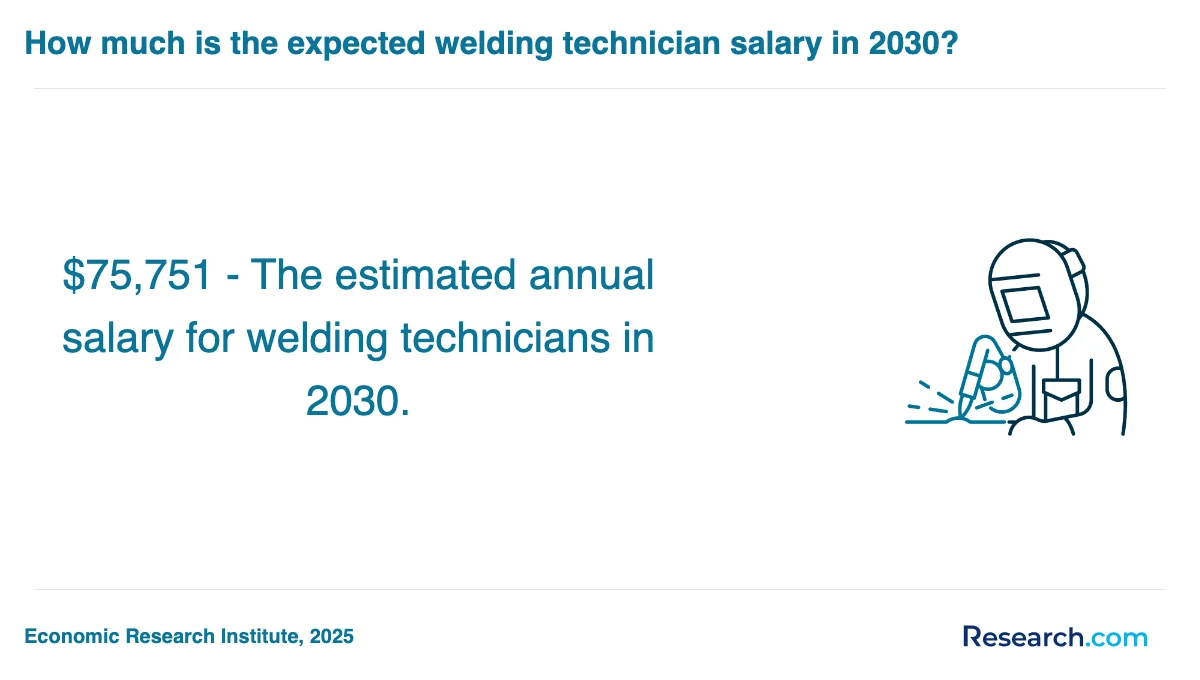
Graduates of welder trade school programs in Carthage find themselves positioned for diverse career paths in a city where the welder job outlook in Carthage Missouri remains strong. Many step directly into roles such as welder, fabricator/welder, or machine operator, supported by employers like MCA Construction and Missouri Metal Recycling. These companies regularly seek skilled workers to handle tasks ranging from pipe and structural welding to operating advanced automated welding machinery.
Students from popular trade schools in Carthage often describe a sense of accomplishment when moving into positions that allow them to work hands-on with metals like steel and aluminum. Practical skills in MIG and TIG welding, commonly taught in these schools, align well with industry demands. Career opportunities extend beyond immediate welding jobs into areas including:
- Millwright and maintenance technician roles
- Independent contracting and specialized residential or commercial construction work
- Positions requiring AWS certification for higher pay and job security
For those looking to enhance their prospects, pursuing additional certifications or familiarizing themselves with fabrication shop machinery is highly beneficial. Many who have completed Carthage programs emphasize the rewarding aspects of this trade, especially the possibility to advance while earning competitive wages.
Students interested in exploring easy online trade programs that leads to high paying careers may find welding a solid pathway, blending practical skills with promising employment outcomes in the local labor market.
The welder job opportunities in Carthage MO remain solid, reflecting steady demand across manufacturing, construction, and metal recycling industries. Graduates from local trade schools often find openings for roles such as welder, fabricator/welder, and skilled pipe welder. These positions generally offer full-time employment with benefits like health insurance and retirement plans, making welding careers demand in Carthage Missouri promising for those completing certified programs.
Many recent graduates share positive experiences about how the hands-on training they received in Carthage's welding schools prepared them effectively for the job market. Their proficiency in MIG and TIG welding, along with fabrication shop tool skills, is frequently cited by employers as highly valuable. Entry-level welders generally earn between $19 and $23 per hour, competitive with national averages.
To enhance career prospects, some welders pursue advanced certifications or specialize in pipe welding or structural welding. Career growth is often supported by local companies and the proximity to industrial hubs like Joplin.
For students interested in expanding their skill sets beyond welding, exploring most affordable online maintenance technician trade programs offers additional pathways to industrial careers.
- Numerous full-time roles with benefits are available locally
- Demand supports specialization and certification efforts
- Proximity to Joplin increases job availability
Most Affordable Welding Schools & Training - Budget-Friendly Welding Trade Programs in Carthage for 2026
# 1 position
Panola College - Welding Technology/Welder.
associatePanola College offers a fully online Welding Technology/Welder program designed to prepare students with technical skills in arc welding, resistance welding, brazing, soldering, and cutting. The curriculum covers welding metallurgy, processes, safety, structural design, and applicable codes. Annual in-state tuition is $2,280. The program is accredited by the Southern Association of Colleges and Schools Commission on Colleges.
# 2 position
Panola College - Welding Technology/Welder.
certificate or diplomaPanola College offers a fully online Welding Technology/Welder program designed to teach technical skills in welding and cutting metal surfaces. The curriculum includes arc welding, resistance welding, brazing, soldering, and high-energy beam welding, along with welding metallurgy, processes, safety, and applicable codes. The program is accredited by the Southern Association of Colleges and Schools Commission on Colleges, and annual in-state tuition is $2,280.
Frequently Asked Questions about welder
After completing a welder trade school in Carthage, preparing for the job market involves several key steps. First, obtaining industry-recognized certifications such as those from the American Welding Society (AWS) can significantly improve employability. According to the Bureau of Labor Statistics, welders with certifications earn 10-15% more on average.
Networking is also crucial; local trade unions and apprenticeship programs in the Carthage area offer valuable connections and job leads. Additionally, building a strong resume that highlights hands-on experience gained during training helps employers assess practical skills.
Job seekers should also explore online job boards targeting the manufacturing and construction sectors, which are prominent employers of welders in Missouri.
Employers in Carthage value welder trade school graduates who demonstrate strong technical skills such as proficiency in various welding techniques, including MIG, TIG, and stick welding. According to the U.S. Bureau of Labor Statistics, welders with certification from recognized programs have better job prospects and higher earning potential.
Attention to detail is critical, as welders must create precise joints to ensure structural integrity. Safety knowledge also ranks highly, with employers expecting graduates to follow OSHA guidelines strictly to minimize workplace accidents.
Practical experience gained during training is essential. Many local employers prefer candidates who completed apprenticeships or hands-on projects, which improve problem-solving skills and adaptability in real work environments.
Finding internships relevant to welder trade school programs in Carthage involves several practical steps. Start by contacting local trade schools and community colleges, as many have partnerships with regional employers who offer hands-on welding internships. The Missouri Department of Economic Development reports that manufacturing jobs in Carthage have grown by 3.5% annually, increasing internship opportunities.
Additionally, use resources like the Missouri Job Center and local workforce agencies, which often list apprenticeship and internship openings in welding and metalworking sectors. Networking with local unions such as the International Brotherhood of Boilermakers can also provide leads on available positions.
Online job boards specific to Carthage, including Indeed and local chamber of commerce websites, frequently post welding internships. Engaging with these channels early in your training increases your chances of securing valuable experience before graduation.
Obtaining a welder trade school diploma in Carthage can significantly impact career mobility and advancement. According to the U.S. Bureau of Labor Statistics, welders with formal training often access higher-paying positions and specialized roles faster than those without credentials. In Carthage, local employers frequently prefer candidates who have completed accredited welding programs, as these diplomas demonstrate verified skills and knowledge.
Trade school diplomas also enable graduates to pursue certifications such as AWS (American Welding Society), which further enhance job prospects. Data from Missouri's Department of Higher Education shows that graduates from welding programs experience a 15% higher employment rate within six months compared to self-taught welders.
Students attending welder trade schools in Carthage can benefit from several part-time job opportunities that enhance their practical skills and industry knowledge. Local manufacturing plants and metal fabrication shops often seek part-time welders or helpers, providing hands-on experience with different welding techniques and equipment. According to the U.S. Bureau of Labor Statistics, welding jobs in Missouri are projected to grow by 4% from 2022 to 2032, signaling steady demand in the region.
Additionally, construction companies in Carthage sometimes hire part-time laborers to assist on-site, allowing students to observe welding applications in real-world projects. Some students find opportunities in automotive repair shops where welding skills are valuable for bodywork and maintenance. These roles not only supplement income but also build a professional network crucial for future employment in the welding industry.
Carthage, TX, is home to Panola College, which offers affordable welder degree programs that might suit your needs. To explore options beyond Carthage, TX, you can search for programs "near me" that provide hands-on training and coursework in welding technology. Research.com may serve as a helpful resource to compare different welding programs and their costs across various universities and technical schools.
- Department of Welding | Panola College https://www.panola.edu/welding
- Welding Trade Schools in Carthage, MO - Welder Training https://weldingcareernow.com/welding-schools/carthage-mo
- Welding Schools In Carthage TX - Best Welding Training In Texas - Welding Schools https://www.weldingu.com/welding-schools-in-carthage-tx-best-welding-training-in-texas/
- Carthage Technical Center - Manufacturing https://ctc.carthagetigers.org/17046_2
- Welding School In South Carthage TN - Welding School https://www.weldingschooledu.com/welding-school-in-south-carthage-tn/
- Professional Welding Education | AR Welding Academy https://www.arkansasweldingacademy.edu/
- How Long Does Welding School Take? A Guide to Welding Program Durations – Missouri Welding Institute https://missouriweldinginstitute.com/how-long-does-welding-school-take-a-guide-to-welding-program-durations/
- Welding - TSTC https://www.tstc.edu/programs/weldingtechnology/
- Welding Technology - Fort Hays Tech | Northwest https://www.fhnw.edu/programs/welding
- Welding https://www.navarrocollege.edu/academics/welding.html


