
Most Affordable Welding Schools & Training - Budget-Friendly Welding Trade Programs in California for 2026

Co-Founder and Chief Data Scientist
Looking to start a rewarding career in welding? This article introduces the most affordable welder trade schools in California for 2026, helping you find the right program without breaking the bank.
The ranking featured here was created by the Research.com team of data scientists to guide students toward the best welder trade school programs worth considering.
By reading this article, you’ll gain valuable insights to make an informed choice and take a confident step toward earning a welder trade school diploma or certification-opening doors to skilled, in-demand jobs.
Key benefits of finishing welder trade school in California
- Graduates from welder trade schools in California can expect starting salaries around $43,388 per year, with opportunities to earn up to $79,352 as they gain experience and certifications.
- A welder graduate from a popular California trade school can pursue diverse career paths, including specialized welding roles, supervisory positions, and jobs in industries like aerospace and shipbuilding.
- Completing a welder trade school online offers flexibility and convenience, allowing students to learn at their own pace while still gaining practical skills needed to succeed in the workforce.
- Most Affordable Welding Schools & Training - Budget-Friendly Welding Trade Programs in California for 2026
- What can I expect from welder trade schools in California?
- Where can I work after finishing welder trade schools in California?
What can I expect from welder trade schools in California?
Step into a welder trade school in California and expect to dive headfirst into hands-on training that sparks excitement and skill alike. Imagine yourself mastering Gas Metal Arc Welding or Shielded Metal Arc Welding right at Cosumnes River College, where graduates rave about the blend of classroom theory and real welding booths that make learning feel like building your future, one weld at a time.
Picture spending 9 to 10 months sharpening your craft across various positions-flat, vertical, overhead-welding steel and aluminum as you decode blueprints and read welding symbols like a pro. At schools like Cal-Trade Welding School, students describe the thrill of fabricating projects while absorbing safety protocols tied to Cal OSHA standards, giving them confidence to tackle any job.
Many grads cherish the supportive vibe: lifetime job placement help, modern gear, and financial aid options keep the pressure low and the motivation high. Whether you're aiming to become a certified welder, fabricator, or inspector, the experience feels like gearing up for a solid career in California's booming welding industry.
Where can I work after finishing welder trade schools in California?
After finishing a welder trade school program in California, graduates often find themselves stepping into a world bursting with opportunity. Imagine starting your day at a bustling aerospace plant, operating high-tech orbital tube welders, or welding components that will soon soar into the sky. Many grads from popular California trade schools report landing entry-level roles as TIG or metal fabricators, where they build everything from car frames to massive infrastructure like bridges and pipelines.
One graduate shared how their first job involved tacking and prepping parts in a manufacturing plant-hands-on skills honed during their time at school. Others dive into maritime shipyards, repairing vessels that navigate the Pacific, or join county public works crews maintaining vital infrastructure. The excitement of moving from classroom to job site, with employers often supporting certification costs, keeps motivation high.
Part-time gigs in automotive repair or teaching welding to new students also offer flexible paths. California's welding scene is alive with options, fueled by hundreds of job postings statewide, ensuring every grad finds a path that sparks pride and purpose.
After finishing a welder trade school program in California, many graduates find themselves stepping into the workforce with an average starting wage of about $21.97 per hour, which can mean roughly $45,700 annually if you're clocking full-time hours. Imagine a recent grad from one of California's popular trade schools landing a job welding structural steel on a buzzing construction site in Los Angeles, earning between $18.51 and $24.42 per hour depending on the employer. Some even snag contracts paying up to $30.84 per hour, especially in specialized roles.
With a couple of years under your belt, your salary can comfortably rise to between $48,750 and $54,063 per year, sometimes hitting as high as $62,000+ if you're working overtime or in a unionized position. Experienced welders in California can push that even further, approaching $69,000 annually or more. Graduates often share stories of how their hands-on training at trade schools helped them quickly adapt and thrive, turning sparks into solid paychecks.
- Most welder trade schools in California require a high school diploma or GED, though some offer alternative admission options.
- Programs focus on hands-on training in TIG, MIG, stick, and structural welding using industry-standard equipment and safety practices.
- The cost of completing a program typically ranges from $15,000 to $16,000, covering tuition, books, supplies, and tools.
- Financial aid, including grants, scholarships, and federal loans, is available, with some schools providing special support for veterans and job placement.
- Entry-level welders can expect to earn between $38,000 and $42,000 per year, while experienced welders may earn $60,000 or more depending on skills and location.
Completing a welder trade school program in California typically takes between six months to one year, depending on the intensity and format of the course. Many students at popular California schools find themselves immersed in hands-on welding labs almost immediately, which accelerates learning and builds confidence fast. Imagine starting your day clanking metal and mastering torch techniques, then by afternoon, welding your first project that feels like real craftsmanship.
Some graduates share how their programs, packed into full-time schedules, had them welding confidently in just under a year. Others, balancing work or family, chose evening or part-time courses that stretched closer to a year but still felt rewarding and manageable. Schools well-known in California offer flexible paths, letting students tailor their pace without sacrificing quality.
For those eager to jump into the field quickly, the shorter programs become a springboard to welding jobs, apprenticeships, or certifications. The blend of classroom theory and practical welding experience makes the journey feel tangible and exciting, not just a line on a resume.
Picture this: a graduate from Summit College in California stepping into a welding lab, sparks flying as they expertly maneuver the torch-this is the essence of on-campus programs. Here, hands-on practice reigns supreme, with instructors guiding every weld, ensuring safety and technique are nailed down. The tactile experience, the smell of metal, the heat from the equipment-these are the moments that turn theory into skill, all happening in real time under watchful eyes.
Now, contrast that with an online student enrolled in California State University, San Marcos' Welder Technician course. They dive deep into welding theory, safety protocols, and blueprint reading from their laptop. The flexibility is a huge plus, especially for career changers juggling life's demands. But when it comes to wielding a torch, they rely on optional boot camps or must hustle to find local apprenticeships. While the knowledge foundation is solid, the fiery hands-on spark comes later, often outside the virtual classroom.
Hybrid options like those at Charter College blend these worlds-online lessons mixed with essential in-person labs-offering the best of both for California welders eager to master their craft.
When it comes to the average cost of welder trade school programs in California, many students find themselves balancing dreams with budgets. Vocational programs typically hover between $2,000 and $5,000 for a few focused months, perfect for those eager to jump straight into hands-on skills without a long wait. Graduates from these quick programs often share stories of affordability combined with confidence in their newfound craft.
For those aiming higher, certificate programs stretching 1 to 2 years can run from $5,000 to $10,000. These programs offer deeper expertise and open doors to specialized welding careers. Community colleges, like the one in Sacramento, make it even easier; their Welding Technology Associate of Science degree costs about $1,100 per semester, blending quality with accessible tuition fees for welding programs in California that keep education within reach.
Beyond tuition, graduates often mention budgeting for gear-PPE and welding tools costing around $200 to $500-and the ongoing need for materials like electrodes and gas, which can add a few hundred dollars more. Living expenses, including rent and food, also weigh in, typically between $500 and $1,000 monthly. Luckily, many students tap into financial aid and scholarships, making the overall journey more manageable.
Exploring options through a trade school and vocational school comparison can help prospective welders find the best fit in cost and program quality, turning ambitious sparks into bright futures.
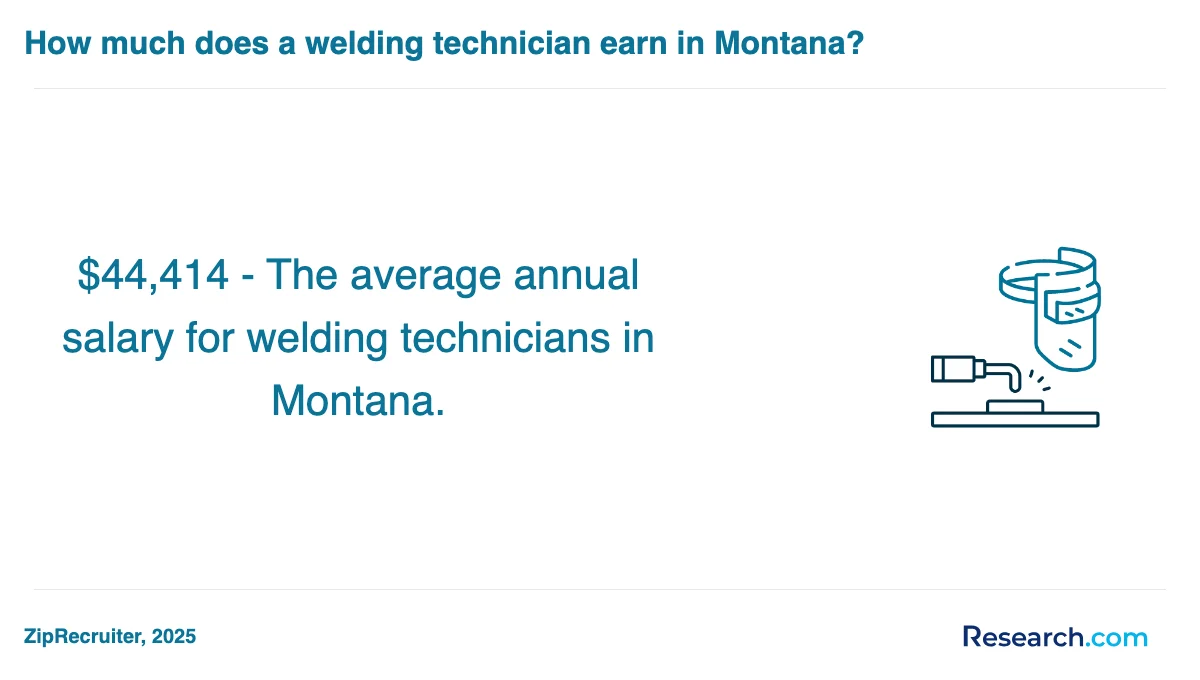
Imagine starting your welding journey at a bustling California trade school, where the spark of opportunity is fueled by financial aid tailored just for you. Many graduates recall the relief of securing the American Welding Society (AWS) Welder Training Scholarship, a $1,000 boost that eased their tuition worries at community colleges or trade schools across the state. This isn't just money-it's a ticket to buying tools, books, or gear without breaking the bank.
Others found hope through Bold.org's curated welding scholarships, snagging awards that ranged from a few hundred to thousands of dollars, perfect for those grinding through certificates or associate degrees. One graduate from a well-known California trade school shared how this aid transformed their ability to focus on learning instead of juggling finances.
Federal and state programs like Pell Grants and the Cal Grant also come through, acting as invisible hands lifting students when FAFSA or the California Dream Act Application opens doors. And while grants from the AWS Foundation go straight to schools, their ripple effect means upgraded labs and more hands-on welding stations for eager learners.
To jump into a welder trade school program in California, you'll need to check off a few key prerequisites that set you up for success. These aren't just bureaucratic hoops-they're the foundation that helps you thrive in hands-on environments like those at popular California trade schools.
Most graduates recall that the basics start with:
- A high school diploma or GED-this is your ticket in, proving you've got the foundational skills to learn complex techniques.
- Passing a basic math and reading assessment-because welding demands precision, and understanding technical manuals is part of the daily grind.
- Being at least 18 years old-safety regulations and equipment handling require a mature mindset.
One graduate shared how meeting these prerequisites felt empowering-they knew they were ready to tackle welding's challenges head-on. Another recounted that having a steady grip on basic math made interpreting blueprints at a well-known California trade school far less intimidating, turning nerves into confidence.
Some programs also encourage physical fitness since welding involves standing for hours and maneuvering heavy gear. This practical readiness helps you keep up with the fast-paced, hands-on training that California trade schools are known for.
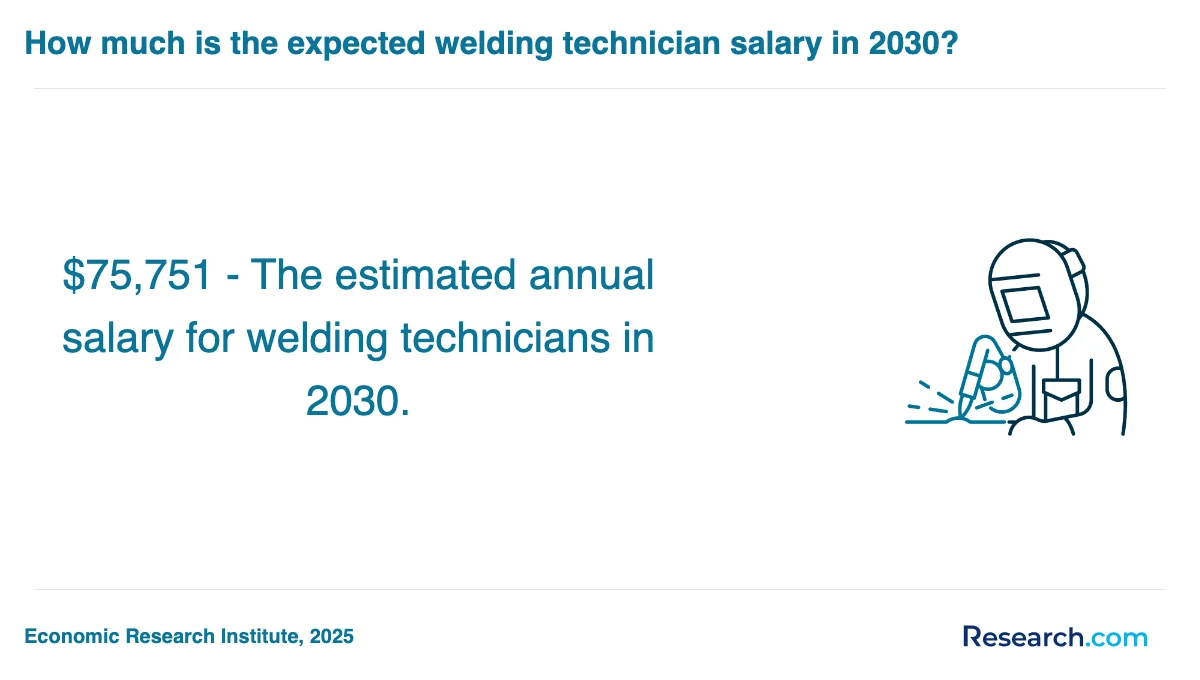
In California's welder trade schools, graduates often rave about diving straight into hands-on training with the core welding processes that fuel the state's booming industries. Imagine spending your days mastering Shielded Metal Arc Welding (SMAW) or the precision of Gas Tungsten Arc Welding (GTAW), skills that graduates say feel like unlocking a superpower in metal. Popular programs mix in Gas Metal Arc Welding (GMAW) and Flux Cored Arc Welding (FCAW), ensuring you're ready for construction sites or manufacturing floors from day one.
Students also find oxy-fuel welding and cutting exciting-think of slicing through steel with a roaring flame, a skill that's both art and science. Specialized courses like pipe and structural welding prepare you for high-demand roles building California's infrastructure.
Blueprint reading is a game-changer, teaching you to decode engineering drawings like a secret language, essential for flawless fabrication. Graduates often say this skill boosted their confidence on the job.
Safety training is drilled in, covering OSHA standards and hazard identification, because no one wants surprises on the shop floor.
Plus, employability skills like resume crafting and interview prep round out the experience, helping grads land jobs smoothly.
- Core welding processes: SMAW, GTAW, GMAW, FCAW
- Oxy-fuel welding and cutting
- Pipe and structural welding
- Blueprint reading and interpretation
- Workplace safety and OSHA compliance
- Employability skills: resume writing, interview prep
California welder trade school specializations open pathways as diverse as the state's landscape itself. Graduates from top schools often describe mastering highly focused welding techniques that fit specific industries perfectly. For instance, underwater welding programs combine the thrill of commercial diving with the precision of welding, equipping students with skills to repair submerged oil rigs or ship hulls. Industrial welding, meanwhile, preps students to tackle massive steel structures on construction sites or factories, blending hands-on grit with evolving technology.
Welding program specializations California schools offer also include:
- Aerospace welding, which hones laser-sharp precision and knowledge of exotic alloys critical in space exploration.
- Structural welding, an area focused on ensuring that buildings and bridges stand tall and safe through strict code compliance.
- Pipeline welding, popular at Modesto's Cal-Trade Welding School, where students train to weld mile-long steel arteries vital to energy infrastructure.
- Welding inspection, emphasizing quality control to guarantee safety and longevity of welded constructions.
Many graduates feel proud knowing their trade skills are in high demand, as reflected by what trades will be in demand in the future. Choosing the right specialization in welder trade school programs in California can turn hands-on work into a rewarding and lasting career.
Choosing the best welding programs in California means diving into real-world details. Graduates from top community colleges rave about the hands-on training that mirrors actual job sites-welding sparks flying, blueprints in hand, and instructors sharing war stories from the industry. It's not just about classroom hours; it's about mastering gas and electric welding with equipment that's current and relevant. Imagine walking into a shop where every arc and bead you lay down counts, building confidence and skill simultaneously.
When you compare welder schools in California, look beyond tuition and flashy brochures. One graduate shared how job placement services connected them directly to local employers, turning a diploma into a paycheck faster than expected. Accreditation from bodies recognized statewide guarantees your certificate won't just gather dust but opens doors to welding careers.
Financial aid can be a game changer-community colleges often offer more affordable options. For a budget-friendly alternative, check out low cost online maintenance technician trade programs that complement hands-on learning with flexible schedules.

Graduates of welder trade school programs in California dive into a world brimming with opportunity, stepping beyond the welding torch to roles that challenge and excite. From bustling construction sites to expansive manufacturing floors, they find their craft in:
- Welding technician and metal fabricator positions shaping California's skyline
- Pipefitting and structural ironwork weaving the backbone of public infrastructure
- Sheet metal work in agriculture and the oil and gas industries demanding precision
Some graduates from top trade schools discover the thrill of climbing into supervisory roles like construction supervisor or welding inspector, sharpening their skills through welding apprenticeship programs in California. Picture a graduate moving from hands-on fabricator to quality inspector at a major infrastructure project, feeling the pride of building the Golden State's future.
Others pursue continuing education tracks, transferring to four-year colleges in fields such as industrial technology, enhancing their earning power and career mobility. For students eager to blend technical skill with flexible learning, options include online diploma courses with certificates that complement their hands-on studies.
Exploring the diversity of welding jobs in California reveals a map of rewarding careers-each with real-world impact and the promise of steady success.
For graduates of welder trade school programs in California, the landscape is a mix of steady opportunity and competitive hustle. Inside popular Californian trade schools, graduates often share stories of quickly landing gigs in manufacturing plants or infrastructure projects thanks to California's ongoing need for skilled workers. The welding job demand in California remains reliable, fueled by a wave of retiring tradespeople and new industrial growth.
While the hourly pay might start around $21.97, with most wages ranging between $18.51 and $24.42, many graduates find that specialized skills can push their earnings well beyond the average. Examples from recent cohorts show:
- Joining local unions or specializing in underwater welding opens doors to high-paying roles.
- Industries like aerospace and energy provide varied avenues beyond traditional factory floors.
Many graduates also choose to enhance their training by exploring affordable welding trade school online options, blending hands-on skills with flexible study to stay ahead. Understanding welder salary in California helps students make informed decisions about their pathway into the workforce.
Most Affordable Welding Schools & Training - Budget-Friendly Welding Trade Programs in California for 2026
# 1 position
Merced College - Welding Technology/Welder.
associateMerced College offers a hybrid Welding Technology/Welder program that prepares students to apply technical skills in various welding and cutting methods, including arc welding, resistance welding, brazing, and high-energy beam welding. The curriculum covers welding metallurgy, structural design, safety, and industry codes. Annual in-state tuition is $1,194. Graduates earn a median salary of $27,541 one year after completion. The program is accredited by the Western Association of Schools and Colleges Accrediting Commission for Community and Junior Colleges.
# 2 position
Merced College - Welding Technology/Welder.
certificate or diplomaThe Welding Technology/Welder program at Merced College offers a hybrid format combining in-person and distance education. The program trains students in various welding techniques, including arc welding, brazing, and high-energy beam welding. It covers materials, safety, design, and industry standards. Annual in-state tuition is $1,194. Graduates have median earnings of $27,541 one year after completion. The program is accredited by the Western Association of Schools and Colleges Accrediting Commission for Community and Junior Colleges.
# 3 position
Santa Ana College - Welding Technology/Welder.
associateSanta Ana College offers a Welding Technology/Welder program with a hybrid format, combining in-person and distance education. The program covers arc welding, resistance welding, brazing, soldering, cutting, welding metallurgy, safety, and applicable codes. Graduates have median earnings of $45,864 one year after completion. Annual in-state tuition is $1,180. The program is accredited by the Western Association of Schools and Colleges Accrediting Commission for Community and Junior Colleges.
# 4 position
Santa Ana College - Welding Technology/Welder.
certificate or diplomaSanta Ana College offers a hybrid Welding Technology/Welder program that prepares students to apply technical skills in welding and cutting metal surfaces. The curriculum covers arc welding, resistance welding, brazing, soldering, high-energy beam welding, metallurgy, safety, and structural design. The program is accredited by the Western Association of Schools and Colleges Accrediting Commission for Community and Junior Colleges. Annual in-state tuition is $1,180, with median earnings of $45,864 one year after completion.
# 5 position
El Camino Community College District - Welding Technology/Welder.
associateEl Camino Community College District offers a Welding Technology/Welder program with a hybrid format that includes some distance education. The curriculum covers arc welding, resistance welding, brazing, soldering, cutting, welding metallurgy, structural design, safety, and relevant codes and standards. The program prepares students to work with ferrous and non-ferrous materials using various welding processes. Annual in-state tuition is $1,144. It is accredited by the Western Association of Schools and Colleges Accrediting Commission for Community and Junior Colleges.
# 6 position
El Camino Community College District - Welding Technology/Welder.
certificate or diplomaThe Welding Technology/Welder program at El Camino Community College District offers a hybrid format with some distance-education options. It prepares students to apply technical skills in various welding methods, including arc welding, resistance welding, brazing, and cutting. The curriculum covers welding metallurgy, heat treating, structural design, safety, and relevant codes. Annual in-state tuition is $1,144. The program is accredited by the Western Association of Schools and Colleges Accrediting Commission for Community and Junior Colleges.
# 7 position
College of the Sequoias - Welding Technology/Welder.
associateThe Welding Technology/Welder program at College of the Sequoias offers hybrid instruction, combining distance education with hands-on training. It prepares students to apply technical skills in various welding methods, including arc welding, resistance welding, brazing, soldering, and high-energy beam welding. The curriculum covers welding metallurgy, structural design, safety, and relevant codes. Annual in-state tuition is $1,394. The program is accredited by the Western Association of Schools and Colleges Accrediting Commission for Community and Junior Colleges.
# 8 position
College of the Sequoias - Welding Technology/Welder.
certificate or diplomaThe Welding Technology/Welder program at College of the Sequoias offers hybrid instruction, combining distance education with hands-on training. The curriculum covers arc welding, resistance welding, brazing, soldering, cutting, and high-energy beam techniques. Students also learn about welding metallurgy, structural design, safety, and relevant codes and standards. The program is accredited by the Western Association of Schools and Colleges Accrediting Commission for Community and Junior Colleges. Annual in-state tuition is $1,394.
# 9 position
Yuba College - Welding Technology/Welder.
associateThe Welding Technology/Welder program at Yuba College offers hybrid learning options to develop skills in various welding techniques including arc welding, resistance welding, and brazing. The curriculum covers welding metallurgy, cutting processes, safety, and industry codes. Annual in-state tuition is $1,128. The program is accredited by the Western Association of Schools and Colleges Accrediting Commission for Community and Junior Colleges.
# 10 position
Yuba College - Welding Technology/Welder.
certificate or diplomaThe Welding Technology/Welder program at Yuba College offers hybrid learning with some distance-education options. It trains students in arc welding, resistance welding, brazing, soldering, cutting, and welding metallurgy. The program covers welding processes, structural design, safety, and codes. Annual in-state tuition is $1,128. It is accredited by the Western Association of Schools and Colleges Accrediting Commission for Community and Junior Colleges.
Frequently Asked Questions about welder
After completing a welder trade program in California, preparing for the job market involves several key steps. First, obtaining industry-recognized certifications, such as those from the American Welding Society (AWS), can significantly enhance employability. According to the U.S. Bureau of Labor Statistics, certified welders often earn higher wages and find jobs more quickly.
Networking is also essential. Attend local trade shows, join welding associations, and connect with employers through school career services. California's construction and manufacturing sectors consistently demand skilled welders, with the state expecting a 5% job growth for welders through 2030 (California Employment Development Department).
Additionally, building a strong portfolio of practical work and maintaining up-to-date knowledge of welding technologies will help graduates stand out in a competitive market.
Employers in California value several key skills when hiring graduates from welder trade schools. Technical proficiency with welding techniques such as MIG, TIG, and arc welding is essential. According to the California Employment Development Department, 85% of welding job postings require hands-on experience with these methods.
Attention to safety standards is also critical, as welders must comply with OSHA regulations to prevent workplace accidents. Employers seek candidates who understand blueprint reading and can interpret technical drawings accurately, ensuring precision in their work.
Strong problem-solving abilities and physical stamina are important, given the demanding nature of welding tasks in construction and manufacturing industries across California.
Finding internships relevant to welder trade school programs in California involves several strategic steps. Start by consulting your school's career services office, which often maintains partnerships with local welding companies seeking interns. According to the California Community Colleges Chancellor's Office, many trade schools have established connections with employers in construction, manufacturing, and shipbuilding sectors, which are prominent in the state.
Additionally, websites like California's Employment Development Department provide resources and job listings tailored to skilled trades, including welding internships. Networking at industry events and trade unions, such as the International Brotherhood of Boilermakers or Ironworkers Local 378, can also lead to internship opportunities.
Students should prepare a resume highlighting hands-on skills learned in their programs to increase their chances. Internships in California's welding field often pay between $15 and $22 per hour, offering valuable experience alongside income.
Obtaining a welder trade school diploma in California significantly enhances career mobility and advancement opportunities. A diploma demonstrates to employers that a candidate has completed formal training and mastered essential welding skills, which is critical in a competitive job market. According to the California Employment Development Department, welders with formal certifications earn approximately 20% more than those without credentials.
Trade schools also provide access to industry-recognized certifications, such as those from the American Welding Society, which further improve job prospects and potential for promotions. Graduates often find employment in diverse sectors, including construction, manufacturing, and aerospace, reflecting California's varied economy.
Moreover, a diploma can facilitate transitions into specialized welding roles or supervisory positions, supporting long-term career growth. This credential is especially valuable in California, where skilled trades remain in high demand due to ongoing infrastructure projects and industrial development.
Part-time job opportunities in California that complement welder trade school education often involve roles in construction sites, manufacturing plants, and automotive repair shops. These positions allow students to apply welding techniques learned in class while gaining practical experience. According to the U.S. Bureau of Labor Statistics, California employs over 31,000 welders, creating steady demand for entry-level workers and apprentices.
Jobs such as welding assistant or metal fabrication helper can provide hands-on skills and insight into industry standards. Additionally, part-time work in maintenance welding or equipment repair supports skill development relevant to diverse welding applications.
These roles typically offer flexible hours compatible with school schedules, making them ideal for students seeking to balance education and work.
Choosing the most affordable Welder degree program near me in California involves researching various community colleges and technical schools in the area, as they often offer lower tuition compared to four-year universities. To make an informed decision, evaluate factors such as tuition costs, program length, and available financial aid, while considering programs that are near California. Utilizing resources like Research.com will help you compare institutions based on these criteria to find a program that meets your financial and educational objectives.
- Most Affordable Welding Schools & Training - Budget-Friendly Welding Trade Programs in Nevada for 2026
- Most Affordable Welding Schools & Training - Budget-Friendly Welding Trade Programs in Arizona for 2026
- Most Affordable Welding Schools & Training - Budget-Friendly Welding Trade Programs in Idaho for 2026
- Most Affordable Welding Schools & Training - Budget-Friendly Welding Trade Programs in Utah for 2026
- Most Affordable Welding Schools & Training - Budget-Friendly Welding Trade Programs in Colorado for 2026
- Most Affordable Welding Schools & Training - Budget-Friendly Welding Trade Programs in Wyoming for 2026
- Most Affordable Welding Schools & Training - Budget-Friendly Welding Trade Programs in Texas for 2026
- Most Affordable Welding Schools & Training - Budget-Friendly Welding Trade Programs in Hawaii for 2026
- Most Affordable Welding Schools & Training - Budget-Friendly Welding Trade Programs in Kansas for 2026
- Most Affordable Welding Schools & Training - Budget-Friendly Welding Trade Programs in Nebraska for 2026
- Welder Cover Letter Examples - Templates & Writing Tips https://www.resume-now.com/cover-letter/examples/metal-work/welder
- Sample Student Cover Letter – Welding – Technical Writing for Technicians https://openoregon.pressbooks.pub/ctetechwriting/chapter/sample-student-cover-letter-for-welding-week-9/
- 5 Professional Welder Cover Letter Examples and Template for 2025 | Enhancv https://enhancv.com/cover-letter-examples/welder/
- 8+ Welder Cover Letter Examples & Templates https://www.jobhero.com/cover-letter/examples/metal-work/welder
- Welder Apprentice Cover Letter Examples - QwikResume https://www.qwikresume.com/cover-letters/welder-apprentice/
- Welder/Fitter Cover Letter: Expert Guide & Customizable Templates https://resume-example.com/cover-letters/welderfitter
- Requirements For Applying To Welding Trade School https://weldingcareernow.com/articles/requirements-for-applying-to-welding-trade-school
- Welding Salary Trends: How Much Do Welders Earn Today? | YesWelder https://yeswelder.com/blogs/yeswelder/welding-salary-trends-how-much-do-welders-earn-today
- Welder | Explore Careers | National Careers Service https://nationalcareers.service.gov.uk/job-profiles/welder
- How Much Do Welders Make? Welding Salary Guide | Goodwin University https://www.goodwin.edu/enews/welder-salary-information/


