
Best Online Medical Assistant Certification Courses - Leading Medical Assistant Programs & Schools for 2026

Co-Founder and Chief Data Scientist
Choosing the right medical assistant trade school can be exciting yet overwhelming, especially when exploring online options. This article introduces the best online medical assistant trade schools for 2026, designed to guide you through your journey.
Our featured ranking, developed by the Research.com team of data scientists, offers a clear, data-driven look at top programs to help you make an informed decision.
Whether you want a diploma or certification, earning it can open doors to a rewarding healthcare career. Discover programs that fit your goals and start building your future with confidence.
Key benefits of finishing Online medical assistant trade school in Online
- Graduates can expect competitive salaries, with most online medical assistants earning between $17 and $22 per hour, reflecting strong job market demand and rewarding skills.
- Career paths include working in outpatient care centers, physicians' offices, or remote health services, offering flexibility and opportunities for growth based on the example of successful trade school alumni in Online.
- Completing a medical assistant program online provides convenience and time savings, allowing students to balance work and life while gaining valuable certification, as shared by many Online graduates who appreciate the flexible learning environment.
What can I expect from Online medical assistant trade schools in Online?
Students enrolling in an online medical assistant trade school program in Online can expect a rigorous yet flexible learning experience tailored to fit busy schedules. Graduates often describe balancing coursework with family and work thanks to self-paced modules accessible 24/7, which allow them to study at their own convenience without sacrificing other responsibilities.
The curriculum typically covers essential clinical skills such as taking vital signs, phlebotomy, and EKG administration, alongside administrative duties like medical billing and HIPAA compliance. Many Online trade schools provide interactive exercises and mobile-friendly materials that help students stay engaged and grasp complex concepts like pharmacology and anatomy with confidence.
Hands-on clinical training requires completing practical hours at local healthcare facilities. Graduates frequently share how receiving tools like stethoscopes for home practice enhanced their readiness for real-world settings. Preparation for certifications such as the CCMA exam is a core focus, with some schools boasting pass rates as high as 95%, offering reassurance of strong support and quality instruction.
Students also appreciate access to study guides, practice tests, and sometimes even job placement assistance, which make transitioning into medical assistant roles smoother and more encouraging.
Where can I work after finishing Online medical assistant trade schools in Online?
Graduates of online medical assistant trade school programs in Online find employment primarily in doctors' offices, outpatient clinics, and community health centers throughout the city and surrounding areas. Many report feeling confident stepping into roles where they combine clinical tasks-like taking vital signs and assisting with patient exams-with administrative duties such as scheduling appointments and managing patient records. Popular trade schools in Online emphasize real-world skills, which helps students transition smoothly into busy medical practices.
Some graduates share that their first jobs often involve working in specialized outpatient clinics, including pediatrics and cardiology, where they can apply their training directly to patient care. Others appreciate the flexibility of roles in hospitals or urgent care centers, which are also common employers in Online's healthcare landscape. For those aiming to diversify, positions as phlebotomy or EKG technicians are accessible without extensive additional certification, especially if covered during their program.
Additionally, graduates often find opportunities as medical office assistants or health unit clerks, supporting healthcare teams with essential clerical work. This variety of roles allows students from Online trade schools to feel empowered by their credentials and optimistic about their career paths.
How much can I make after finishing Online medical assistant trade schools in Online?
Graduates of Online medical assistant trade school programs in Online typically start with salaries around $37,440 per year, which translates to about $18 per hour. Many find this a rewarding launch point, especially since certification-often obtained through these programs-can boost earning potential significantly. Certified medical assistants in Online report feeling confident stepping into roles that pay closer to the national median of $44,200 annually.
Experience gained through popular trade schools in Online helps graduates increase wages steadily. For example, those with over ten years in the field might earn upwards of $20.56 per hour, reflecting a natural career progression. Students often share how their hands-on training and flexible online schedules allowed them to balance work and study, leading to quicker employment and higher pay.
Location within Online also matters. Graduates working in metropolitan areas tend to see higher salaries, similar to trends in major cities like Los Angeles, where earnings reach $50,425 annually. This variation encourages many students to pursue opportunities locally or in neighboring regions, knowing their investment in an Online trade school pays off.
Best Online Medical Assistant Certification Courses - Leading Medical Assistant Programs & Schools for 2026
# 1 position
Sinclair Community College - Allied Health and Medical Assisting Services, Other.
certificate or diplomaSinclair Community College offers a hybrid program in Allied Health and Medical Assisting Services, Other, providing some distance-education options. The program's annual in-state tuition is $3,435. Graduates have median earnings of $43,380 one year after completion. The program is accredited by the Higher Learning Commission. It covers instructional content not listed in other allied health and medical assisting programs.
# 2 position
Clover Park Technical College - Clinical/Medical Laboratory Assistant.
associateClover Park Technical College offers a Clinical/Medical Laboratory Assistant program in a hybrid format, preparing students to perform waived testing procedures, phlebotomy, and support laboratory teams under supervision. The curriculum covers clinical procedures, laboratory tests, mathematics, computer technology, equipment operation, and communication skills. The program’s annual in-state tuition is $6,634. Graduates have a median earning of $43,425 one year after completion. It is accredited by the Northwest Commission on Colleges and Universities.
# 3 position
Southern Crescent Technical College - Allied Health and Medical Assisting Services, Other.
certificate or diplomaSouthern Crescent Technical College offers a hybrid Allied Health and Medical Assisting Services program. The annual in-state tuition is $3,126. Graduates typically earn a median income of $33,676 one year after completing the program. This instructional program covers allied health and medical assisting services not specifically listed elsewhere. It is accredited by the Southern Association of Colleges and Schools Commission on Colleges.
# 4 position
College of DuPage - Allied Health and Medical Assisting Services, Other.
certificate or diplomaThe Allied Health and Medical Assisting Services, Other program at College of DuPage offers a hybrid learning format with some distance education options. Annual in-state tuition is $4,320. Graduates have median earnings of $40,196 one year after completion. The program is accredited by the Higher Learning Commission. It covers instructional content in allied health and medical assisting services not listed in other categories.
# 5 position
Indian River State College - Allied Health and Medical Assisting Services, Other.
certificate or diplomaIndian River State College offers a hybrid program in Allied Health and Medical Assisting Services, Other, accredited by the Southern Association of Colleges and Schools Commission on Colleges. The annual in-state tuition is $2,764. Graduates of this program have median earnings of $31,062 one year after completion. This program provides instruction in allied health and medical assisting services not specified in other categories.
# 6 position
Georgia Northwestern Technical College - Allied Health and Medical Assisting Services, Other.
certificate or diplomaGeorgia Northwestern Technical College offers a hybrid program in Allied Health and Medical Assisting Services, Other, designed for flexible learning. The annual in-state tuition is $3,132. Graduates have a median earning of $27,401 one year after completing the program. This program is accredited by the Southern Association of Colleges and Schools Commission on Colleges. It covers instructional content not listed in other allied health and medical assisting programs.
# 7 position
Savannah Technical College - Allied Health and Medical Assisting Services, Other.
certificate or diplomaSavannah Technical College offers a hybrid program in Allied Health and Medical Assisting Services, Other, with some distance-education options. The annual in-state tuition is $3,072. Graduates have a median earning of $31,665 one year after completing the program. The program is accredited by the Southern Association of Colleges and Schools Commission on Colleges. It covers instructional content not listed under other allied health and medical assisting categories.
# 8 position
West Georgia Technical College - Allied Health and Medical Assisting Services, Other.
certificate or diplomaWest Georgia Technical College offers a hybrid program in Allied Health and Medical Assisting Services, Other, providing some distance-education options. The annual in-state tuition is $3,122. Graduates have a median earning of $28,477 one year after completion. The program is accredited by the Southern Association of Colleges and Schools Commission on Colleges. It covers instructional content not listed in other allied health and medical assisting programs.
# 9 position
North Georgia Technical College - Allied Health and Medical Assisting Services, Other.
certificate or diplomaNorth Georgia Technical College offers a hybrid program in Allied Health and Medical Assisting Services, Other, providing some distance-education options. The annual in-state tuition is $3,162. Graduates earn a median income of $28,906 one year after completing the program. The program is accredited by the Southern Association of Colleges and Schools Commission on Colleges. It covers instructional content not listed in other allied health and medical assisting programs.
# 10 position
Portland Community College - Allied Health and Medical Assisting Services, Other.
certificate or diplomaPortland Community College offers a hybrid program in Allied Health and Medical Assisting Services, Other, providing some distance-education options. The annual in-state tuition is $5,040. Graduates have a median earning of $45,994 one year after program completion. The program is accredited by the Northwest Commission on Colleges and Universities. It covers instructional content not listed in other allied health and medical assisting programs.
Key Findings
- Most online medical assistant programs require a high school diploma or GED, with some also requiring students to be at least 16 years old and show English proficiency.
- Certificate programs usually take 4-12 months to complete, while associate degrees take about two years; all programs include online coursework and a required 160 to 204-hour in-person clinical externship.
- Total tuition for certificate programs ranges from $1,200 to $5,000, which is lower than associate degree programs that can cost $10,000 or more.
- Graduates can sit for national certification exams like the Certified Clinical Medical Assistant (CCMA), which is often included in tuition costs.
- Starting salaries for new medical assistants are about $36,000-$38,000 per year, with experienced workers earning over $45,000, and job growth is projected at 14% through 2032.
How long does it take to complete Online medical assistant trade schools in Online?
Completing an Online medical assistant trade school program in Online typically takes between 9 to 12 months, depending on the specific curriculum and the student's pace. Graduates from popular Online trade schools often share that the flexibility of online coursework allows them to balance studies with personal responsibilities, making the timeline feel manageable and encouraging.
Many find that accelerated programs, which compress coursework into fewer months, help them enter the workforce quickly without sacrificing the quality of education. For instance, students from well-known Online schools report feeling motivated by the clear structure and hands-on virtual simulations, which enhance their confidence and readiness for clinical environments.
Others appreciate programs that offer self-paced options, enabling them to extend their studies beyond a year if needed, which reduces stress and improves retention. This adaptability in program length helps students maintain enthusiasm and a positive outlook as they progress toward certification and employment.
What's the difference between online and on-campus medical assistant trade school programs?
The main difference between online and on-campus medical assistant trade school programs lies in flexibility and the learning environment. Online programs in Online allow students to complete coursework on their own schedule, making it easier for those balancing jobs or family responsibilities. Graduates from popular Online trade schools often share how video lectures and interactive lessons helped them grasp complex topics while studying comfortably from home.
In contrast, on-campus programs in Online offer hands-on training with direct instructor supervision, which many students find invaluable. Practicing clinical skills like taking vital signs or drawing blood in real labs builds confidence and professional readiness. Some graduates recall how immediate feedback and teamwork during in-person sessions enhanced their communication and empathy-skills crucial for patient care.
Despite these differences, all accredited programs require some supervised clinical experience. Online students typically complete this through brief campus visits or local healthcare partnerships, blending convenience with essential hands-on practice. This hybrid approach appeals to many in Online seeking both flexibility and real-world exposure.
What is the average cost of Online medical assistant trade schools in Online?
The average cost of online medical assistant trade school programs in the United States varies widely but generally falls between $2,500 and $20,000. Trade schools based in Online offer flexible options for students balancing work and studies, often allowing completion within a year. Graduates from these programs highlight the value of gaining practical skills through online coursework combined with local externships, which help keep tuition fees comparatively accessible.
Tuition fees for online medical assistant trade schools in the U.S. reflect differences in program comprehensiveness and school reputation. Many students find programs charging around $14,000 to $15,000 offer a balanced approach of affordability and quality training, similar to what popular Online-based trade colleges provide. Those who enroll appreciate how costs translate into well-structured curricula and relevant certification exam preparation, making the financial investment feel worthwhile.
Alongside tuition, it's important to budget for textbooks, supplies, and certification exam fees, which range from $120 to $155 depending on the credential pursued. Graduates often mention the excitement of passing exams like the Certified Clinical Medical Assistant (CCMA) and entering the workforce with confidence in both skills and credentials. Considering the average cost of online medical assistant programs in the United States, students can strategically plan their budgets while aiming for a promising career.
Exploring financial aid and scholarships offered by trade schools in Online can further reduce out-of-pocket expenses. For those focused on career growth and stability, understanding the medical assistant career benefits reinforces the value of investing in these programs despite tuition fees.
What financial aid is available for Online medical assistant trade schools in Online?
Students enrolled in online medical assistant trade school programs in Online often benefit from a range of financial aid options tailored to ease the burden of tuition and related expenses. Accredited programs, especially those recognized by regional bodies or organizations like CAAHEP, typically qualify for federal financial aid such as Pell Grants, Direct Subsidized and Unsubsidized Loans, and Federal Work-Study. Graduates from popular Online trade schools frequently share how completing the FAFSA opened doors to these federal funds, making their education more affordable and manageable.
Many Online schools also offer school-specific scholarships and institutional grants based on merit or financial need, which students find encouraging as they directly support their career goals. Flexible payment plans, available at several well-regarded Online programs, allow students to spread out tuition payments over several months, reducing reliance on loans and lessening financial stress during their studies.
Some students appreciate the personalized guidance from financial aid offices at Online trade schools, which helps clarify eligibility and funding options early in the process. This proactive support often leads to a smoother enrollment experience and greater confidence in managing education costs.
What are the prerequisites for enrolling in Online medical assistant trade schools in Online?
Enrolling in an Online medical assistant trade school program in Online typically requires a high school diploma or GED. Many programs emphasize the importance of foundational skills, so applicants often need to demonstrate basic proficiency in English and math. Graduates from popular trade schools in Online recall how meeting these prerequisites helped them confidently tackle coursework.
Additional common prerequisites include:
- Submission of a completed application form with personal and educational details
- Passing a background check, reflecting the healthcare industry's standards
- Proof of immunizations or a health screening to ensure safety during clinical practice
- Access to a reliable computer and internet connection, essential for successful participation in online classes
Many trade schools in Online offer orientation sessions to help students adjust to the online format, which past students found reassuring and supportive. This setup mirrors real-world healthcare environments where adaptability and proactive communication are key to success.
What are the typical courses in Online medical assistant trade schools in Online?
Online medical assistant trade school programs in Online offer a well-rounded curriculum combining clinical and administrative skills that graduates find immediately applicable in healthcare settings. Students often share how hands-on modules like:
- Taking vital signs including blood pressure and pulse
- Assisting with minor surgical procedures and wound care
- Performing injections and phlebotomy techniques
- Conducting EKGs and basic lab testing
- Mastering infection control and medication administration
prepare them to confidently support medical teams. Anatomy and physiology lessons focus on real-body systems, helping students visualize patient care scenarios vividly. Popular trade schools in Online emphasize clinical internships, where graduates recall gaining invaluable experience by completing 100 to 204 hours in actual healthcare environments.
On the administrative side, courses cover:
- Medical office procedures like patient registration and insurance processing
- Billing and coding basics
- Electronic health record management using real software
- Medical law, ethics, and HIPAA compliance
- Therapeutic communication skills
These programs are designed with flexibility in mind, allowing students in Online to balance their studies with life commitments while acquiring a versatile skill set that graduates consistently appreciate for its relevance and practicality.
What are the available specializations in Online medical assistant trade schools in Online?
Online medical assistant trade school programs in Online commonly offer distinct specializations that align with students' career aspirations and the evolving healthcare landscape. Two primary tracks are administrative and clinical medical assisting, each designed to equip students with targeted skills.
Administrative medical assisting programs focus on front-desk operations such as medical billing, insurance coding, scheduling, and managing electronic health records. Graduates from prominent trade schools in Online often highlight how courses in medical office management and reimbursement methodologies prepare them to confidently handle the business side of healthcare. This track suits those drawn to organizational roles and offers a strong foundation for understanding the job duties of medical assistant in busy outpatient clinics.
In contrast, clinical medical assistant programs emphasize hands-on patient care, including vital signs, injections, phlebotomy, and assisting with minor procedures. Graduates recall how clinical internships coordinated by Online trade schools provided invaluable real-world experience, making them eager and well-prepared to work alongside physicians and nurses. This specialization is a popular choice for students looking for direct patient interaction.
Additional offerings in many Online programs include specialized modules in medical insurance and coding, pharmacology, and behavioral health. These options enable learners to tailor their studies and pursue certificates or associate degrees over flexible timelines, reflecting the growing variety in online medical assistant specializations in the US.
How do you choose the best Online medical assistant trade school program in Online?
When choosing the best online medical assistant programs in the United States, accreditation is paramount. Graduates from programs accredited by bodies like CAAHEP or ABHES often share how this ensured their eligibility for certification and boosted employer confidence. For example, students attending Mercy College of Health Sciences in Online appreciate the Higher Learning Commission's accreditation, which reinforced their trust in the curriculum's quality.
Consider the program structure and delivery as well. Graduates from Herzing University describe how the blended learning model-with both online coursework and local clinical labs-helped them balance work and study effectively, providing real-world experience alongside flexible online classes. Affordable online medical assistant diploma programs such as Penn Foster's, with their self-paced format and comprehensive curriculum, attract many seeking flexibility without sacrificing depth.
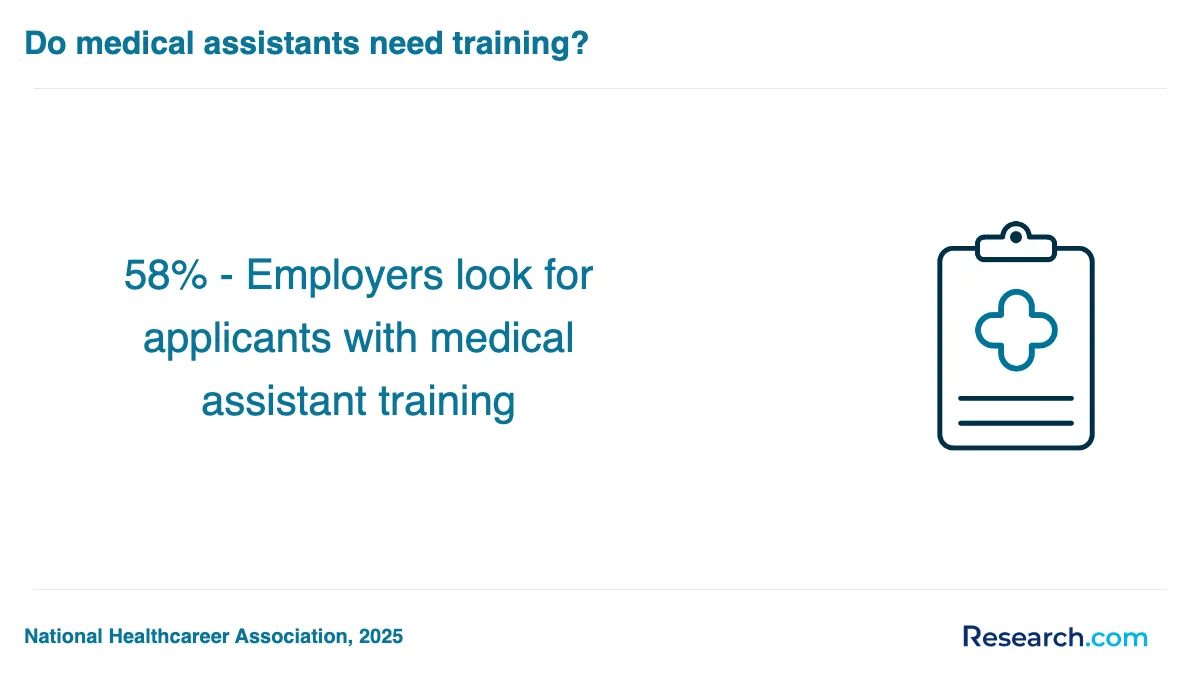
Certification preparation is also critical. It's wise to select a program designed to support the requirements for national certified medical assistant exams, which significantly enhance employability. Reliable student support services and transparent cost structures further enrich the learning experience, as multiple graduates affirm.

What career paths are available for Online medical assistant trade school graduates in Online?
Graduates from medical assistant trade school programs in Online consistently find diverse career paths that leverage both clinical and administrative skills. Popular trade schools in Online prepare students for roles such as Medical Assistant, Clinical Assistant, or Medical Office Assistant, working in busy outpatient clinics, hospitals, and physician offices. Many graduates share how their training helped them smoothly transition into patient care settings, performing tasks like taking vital signs and managing patient schedules.
Career opportunities for online medical assistant graduates often include specialization areas like podiatry, pediatrics, or phlebotomy, allowing graduates to focus on roles matching their interests. Many complete certifications such as CCMA or CPT, increasing their job market appeal.
Experienced graduates frequently advance to positions such as office manager or healthcare administrator. Others pursue further education to become registered nurses or physician assistants, reflecting upward mobility connected to their solid Online medical assistant foundation.
Those seeking programs with financial aid options can explore online certified medical assisting programs that accept financial aid, ensuring accessible pathways to rewarding healthcare careers.
What is the job market for Online medical assistant trade school graduates in Online?
The demand for online medical assistant graduates in the US remains exceptionally strong, especially for those completing programs in Online. Graduates from popular trade schools in Online frequently report smooth transitions into healthcare roles, thanks to programs that combine online learning with hands-on clinical experience. These hybrid formats prepare students to meet growing employer needs across physicians' offices and outpatient clinics.
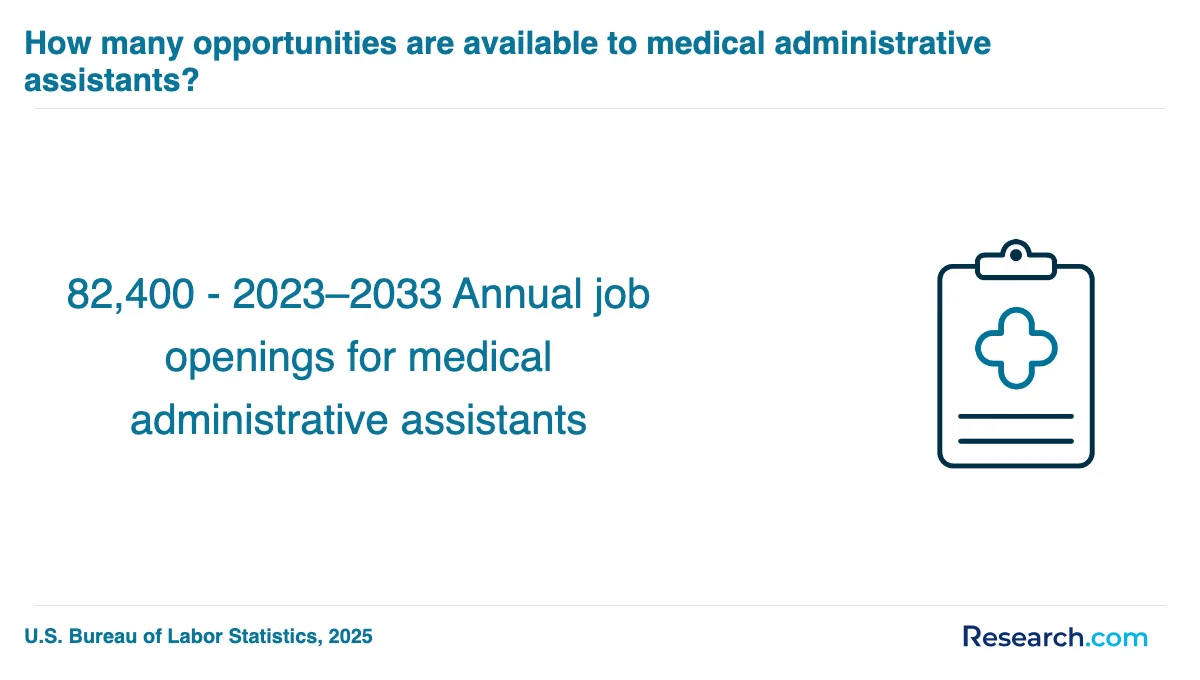
The online medical assistant job outlook 2026 projects a 15% employment increase nationally, reflecting a surge in healthcare services driven by an aging population and expanded preventive care. Graduates often find themselves filling roles involving both clinical and administrative duties, which offers career flexibility and growth opportunities.
Employment success stories from Online trade schools highlight key benefits:
- High employment rates immediately post-graduation, sometimes reaching 100%
- Competitive salaries with regional variations supporting strong earning potential
- Workforce demand fueled by healthcare expansion and worker replacement
To ensure compliance with local requirements, prospective students can consult resources on medical assistant licensure by state.
Frequently Asked Questions about medical assistant
After completing an online medical assistant trade school in Ohio, preparing for the job market involves several key steps. First, obtaining certification such as the Certified Medical Assistant (CMA) credential through the AAMA can increase employability. Employers in Ohio often prefer or require certification, which demonstrates verified skills.
Networking is also important. Joining local professional groups like the Ohio Association of Medical Assistants helps graduates connect with potential employers and stay updated on job openings. Additionally, creating a strong resume highlighting both clinical and administrative skills learned during training is essential.
Ohio's healthcare sector is growing rapidly, with the Bureau of Labor Statistics projecting a 19% increase in medical assistant jobs statewide through 2031. This growth means more opportunities but also competition, making practical experience through internships or externships valuable. Many online programs include these components to support career readiness.
Employers seeking medical assistant graduates in Online prioritize a mix of technical and interpersonal skills. According to the U.S. Bureau of Labor Statistics, proficiency in clinical tasks such as taking vital signs, administering injections, and performing EKGs is essential. Trade schools in Online often focus on these competencies to prepare students effectively.
Strong communication skills are also highly valued, as medical assistants frequently interact with patients and healthcare providers. The ability to maintain patient confidentiality and demonstrate empathy ranks high among employer expectations.
Additionally, knowledge of electronic health records (EHR) systems is critical. Many Online healthcare facilities use digital documentation, so graduates must be comfortable with software like Epic or Cerner.
Time management and multitasking are other key skills, reflecting the fast-paced nature of medical environments. The Medical Assistant Certification Commission emphasizes these competencies as vital for workplace success.
Finding internships relevant to a medical assistant trade school program in Online involves several focused steps. Start by contacting your school's career services; they often have partnerships with local clinics and healthcare providers offering internships. According to the U.S. Bureau of Labor Statistics, internships help improve job prospects for medical assistants by providing hands-on experience.
Next, explore healthcare facilities in Online such as community hospitals, urgent care centers, and physician offices. Many offer internships or externships to students enrolled in accredited programs. Networking through local professional organizations like the American Association of Medical Assistants can also connect you to opportunities.
Online job boards and internship platforms often list openings specifically for medical assistant students. Be sure to verify the internship is accredited and aligns with your program's curriculum requirements.
Obtaining a medical assistant diploma from an online trade school in Ohio can significantly enhance career mobility and advancement opportunities. According to the U.S. Bureau of Labor Statistics, Ohio's healthcare sector is growing steadily, with medical assistant positions expected to increase by 13% through 2032. This growth supports higher demand for qualified professionals.
Graduates with a diploma are often eligible for certification exams, such as the Certified Medical Assistant (CMA), which further improves employability and salary potential. Certified medical assistants in Ohio earn a median wage above the national average, reflecting the value of formal training.
Additionally, an online diploma offers flexibility for working adults, enabling career advancement without disrupting current employment. Trade schools in Ohio often have partnerships with local clinics and hospitals, enhancing job placement rates and professional networking.
Students enrolled in medical assistant trade schools in Online can enhance their education by pursuing part-time jobs in local healthcare settings. Common opportunities include working as medical receptionists, patient service representatives, or pharmacy aides. These roles help develop essential skills such as patient interaction, administrative tasks, and basic medical knowledge.
According to the U.S. Bureau of Labor Statistics, Online's healthcare support occupations are growing steadily, providing a favorable environment for part-time work. Gaining hands-on experience alongside coursework can improve employability and practical understanding of medical office operations.
Positions in urgent care centers, clinics, and doctors' offices are particularly relevant, allowing students to apply theoretical knowledge in real-world scenarios.
Top Trending Rankings
References
- Application for Admission to the Medical Assistant Certificate Training Program – Great Bay Community College https://www.greatbay.edu/business-community/business-training-center/healthcare-program-overview/medical-admin-assistant/application-for-admission-to-the-medical-assistant-certificate-training-program/
- Medical Assisting Training Program | The MetroHealth System https://www.metrohealth.org/education/medical-assisting-training-program
- Metropolitan Community College Medical Assisting Application and Admissions Process https://www.mccneb.edu/programs/medical-assisting-application-admissions-process
- Medical Assistant https://www.ccac.edu/academics/programs/nursing-and-allied-health/medical-assistant.php
- Medical Assistant | Houston Community College (HCC) | We are Houston's Community College http://www.hccs.edu/programs/areas-of-study/health-sciences/medical-assistant/
- Medical Assistant Program - DCTC https://www.dctc.edu/academics/programs-majors/health-education/medical-assistant/
- Your Path to Becoming a Medical Assistant https://ths.edu/your-path-to-becoming-a-medical-assistant/
- Medical Assistant — TCC https://www.tccd.edu/academics/courses-and-programs/programs-a-z/credit/medical-assistant/
- Medical Assistant Programs | Medical Assistant Programs https://www.bpcc.edu/academics/nursing-and-allied-health/medical-assistant-programs/index
- Online Medical Assistant Certificate Program | Self-Paced Course https://www.uscareerinstitute.edu/online-medical-assistant-school


