
Best HVAC Technician Training Programs & Trade Schools - Top HVAC Tech Schools in Detroit for 2026

Co-Founder and Chief Data Scientist
Choosing the right HVAC technician trade school in Detroit can shape your future career in a rewarding and in-demand field. This article introduces a carefully crafted ranking of HVAC technician trade school programs created by the Research.com team of data scientists to help you make an informed decision.
By exploring these top programs, you’ll discover opportunities to gain valuable skills and certifications that open doors to steady employment and career growth. Whether you're starting fresh or advancing your expertise, this guide supports your journey toward success in HVAC.
Key benefits of finishing HVAC technician trade school in Detroit
- Graduates from HVAC technician trade schools in Detroit can expect competitive salaries, typically ranging from $58,000 to $71,200 annually, with opportunities to earn more in specialized or commercial roles.
- Career paths for graduates are diverse, including residential service, commercial HVAC systems, and refrigeration, allowing flexibility and growth as seen in successful alumni from popular Detroit trade schools.
- Completing an HVAC technician program online offers convenience and often lower costs, enabling graduates to quickly enter the workforce while balancing personal commitments, as reported by online program graduates in Detroit.
- Best HVAC Technician Training Programs & Trade Schools - Top HVAC Tech Schools in Detroit for 2026
- What can I expect from HVAC technician trade schools in Detroit?
- Where can I work after finishing HVAC technician trade schools in Detroit?
What can I expect from HVAC technician trade schools in Detroit?
Enrolling in an HVAC technician trade school program in Detroit means diving into a fast-paced curriculum that blends hands-on training with essential theory. Graduates from schools like Northwestern Technological Institute describe mastering crucial skills-such as brazing, soldering, and refrigeration theory-through real-world simulations that make concepts click instantly. Many find satisfaction in learning how to install and service air conditioning and heating systems, gaining confidence from both classroom instruction and lab work.
Expect to tackle courses covering EPA 608 certification, blueprint reading, and industrial safety, all designed to prepare you for entry-level roles in Detroit's HVAC industry. Programs typically last under two years, with certificate options as short as 10 months, offering flexibility for those eager to start working quickly.
Students often share the relief of accessible admission requirements, which usually include a high school diploma and basic math skills. Plus, job placement support from local schools makes transitioning into Detroit's workforce smoother, fueling excitement about future career opportunities in this growing field.
Where can I work after finishing HVAC technician trade schools in Detroit?
After finishing an HVAC technician trade school program in Detroit, graduates quickly discover a vibrant job market with diverse opportunities. Many find themselves working as HVAC Installers or Service Technicians for local companies, responding to service calls at homes and businesses across the city. Others land steady roles maintaining complex systems in large institutions like Wayne State University, where they handle preventive maintenance and upgrade campus heating and cooling infrastructure.
Graduates from popular Detroit trade schools often share how rewarding it feels to troubleshoot real-world problems in hospitals, factories, or retail stores-places where their skills directly impact comfort and safety every day. Entry-level jobs with mechanical contractors or facilities management firms provide hands-on experience, opening doors to career growth.
With hourly wages ranging from $23 to $48, many appreciate the financial stability alongside health benefits and advancement potential. These pathways reflect how Detroit's HVAC training programs prepare students for meaningful, stable careers in a field that's essential to the city's daily life and growth.
After finishing an HVAC technician trade school program in Detroit, graduates often find themselves stepping into jobs that pay between $58,000 and $64,820 annually. Many new technicians start with hourly wages around $27.98 to $28.81, which feels rewarding after months of hands-on training at well-known local trade schools. Imagine clocking out and knowing you've earned roughly $58,000 to $60,000 per year right out of the gate-this is a reality for many Detroit grads.
Some graduates, especially those who specialize or earn extra certifications, quickly move into commercial HVAC roles where salaries average about $64,820. This jump reflects the value of mastering complex systems, a skill many Detroit programs emphasize. Others find encouragement in knowing the job market here is very active, offering overtime and bonuses that boost income.
Hearing from recent grads, the excitement about steady pay and room to grow is palpable. Many share how the trade schools prepared them well, making the transition to paid work smoother and less stressful. This strong foundation turns skill-building into tangible earnings, fueling confidence and motivation every day.
- Admission requires a high school diploma or GED with basic reading and math skills at about an 8th-grade level.
- Program lengths vary from six months to two years, with some online options requiring around 120 hours and campus programs up to 160 hours including hands-on training.
- Costs range from $10 per month for online programs to between $3,263 and $15,000 for campus-based training, depending on the school and program length.
- Many programs prepare students for the EPA Section 608 Universal Certification, necessary for HVAC employment.
- Job placement rates reach about 70% after graduation, with entry-level salaries between $42,000 and $48,000 annually, increasing with experience.
Completing an HVAC technician trade school program in Detroit typically takes between six months and one year, depending on the school's curriculum and whether you attend full-time or part-time. Many graduates from well-known Detroit trade schools share how the intensive, hands-on training accelerated their skills quickly, allowing them to enter the workforce with confidence in less than a year.
One graduate described the experience as "challenging but incredibly rewarding," emphasizing how the focused timeline kept motivation high and made balancing work or family commitments easier. Another highlighted how the practical labs mirrored real Detroit homes and commercial buildings, making the learning process feel directly connected to their future job environment.
With options for evening classes and flexible schedules offered by popular trade schools in Detroit, students can often tailor their pathway to fit their personal lives without sacrificing the quality of education. This adaptability is a major factor why many find the program duration just right to gain essential skills swiftly while staying engaged and optimistic about their new career.
The main difference between online and on-campus HVAC technician trade school programs in Detroit revolves around how you learn and experience the trade. Graduates from online programs, like those offered by SkillCat, often share how the flexibility to study refrigeration and ventilation at their own pace fits their busy lives. They appreciate accessing virtual simulations that make complex concepts feel tangible, even from home. However, some mention missing the hands-on feel of actual equipment.
On the other hand, those who choose on-campus programs at Wayne County Community College or Henry Ford College often describe the energy of being in labs, working directly with tools and machinery. They value the face-to-face time with instructors and the real-world practice gained through supervised labs and internships with local HVAC companies. The connection to peers and mentors in Detroit's trade school environment creates a sense of community and confidence hard to replicate online.
Each path offers a distinct experience shaped by your learning style and life demands, making the choice deeply personal and practical.
The average HVAC technician program cost in Detroit varies widely depending on the type of training pursued. For many students who choose certificate programs, tuition can range from $3,000 to $12,000, making it an accessible entry point into the trade. Graduates from Wayne County Community College often share how the cost of HVAC trade school tuition fees Detroit 2026, which fall between $3,263 and $3,998 annually, felt manageable given the quality of hands-on instruction and equipment access. These programs typically span months to a year, providing essential skills quickly without overwhelming financial burden.
Other aspiring technicians opt for associate degree programs for a deeper education and broader credentials. In the Detroit area, Henry Ford College offers semesters costing between $2,664 and $6,744, which means a full associate degree can range from approximately $6,000 to $20,000. Many graduates who invested in this route describe feeling confident entering the job market, prepared for varied duties and ready to advance their careers with solid foundations and technical theory.
For those seeking practical experience combined with classroom learning, apprenticeship programs are gaining popularity. These can span 3 to 5 years and often cost between $500 and $2,000, with some offering paid training, providing financial relief while acquiring skills. The upfront cost and long-term benefits reflect a balanced approach that Detroit students appreciate, especially when aiming for certifications like the EPA 608.
Beyond tuition, prospective students must also plan for tools, which average $500 to $1,500, and study materials costing $200 to $500 annually. Certification exams add fees of $50 to $150, yet many find this investment worthwhile, considering the boost in job prospects. Understanding these costs alongside available financial aid-such as federal grants, Michigan Works!, and Trade Adjustment Assistance-helps students strategically plan their education.
Considering these elements and tracking the average salary of hvac technician post-graduation, many Detroit-based students identify trade school as a worthwhile stepping stone into a rewarding career in HVAC.
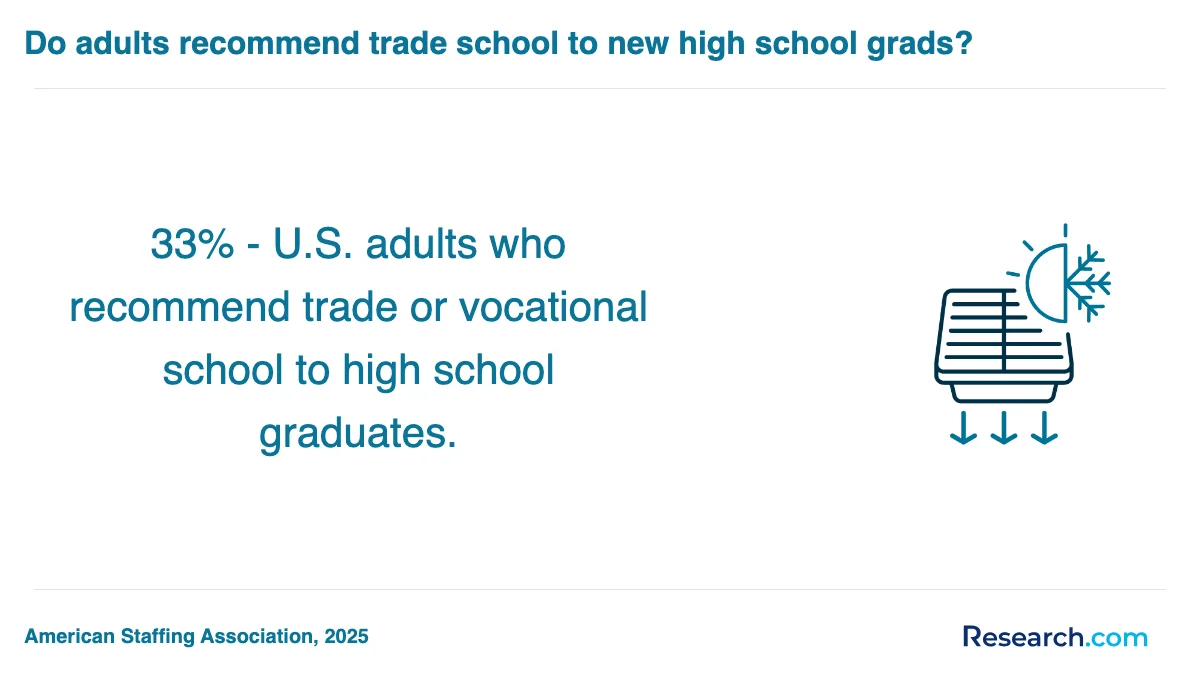
Students pursuing HVAC technician programs in Detroit often find a range of financial aid options that turn the challenge of paying for school into an achievable goal. Many graduates from well-known schools like Northwestern Technological Institute recall how applying through FAFSA opened doors to federal grants and loans, significantly easing their tuition burden. The Pell Grant, in particular, has been a crucial resource, allowing them to focus on mastering their trade without constant financial stress.
Detroit residents benefit uniquely from the Detroit Promise Free-Tuition Scholarship, which covers tuition for eligible high school graduates attending local trade schools. Graduates often describe this program as a game-changer, erasing fears of debt while supporting their ambitions in HVAC work.
For those in shorter certificate courses or non-credit programs, state workforce development initiatives such as Detroit At Work offer vital free training, helping residents gain skills and certifications without upfront costs. Veterans also find relief through the Post-9/11 GI Bill®, with school counselors guiding them to maximize these benefits.
These layered financial aids create a supportive environment, encouraging Detroit students to invest in their futures confidently.
To enroll in an HVAC technician trade school program in Detroit, students typically need a high school diploma or GED as a baseline requirement. Many graduates recall how this foundational step opened doors to hands-on learning environments at well-known Detroit trade schools, where practical skills are emphasized alongside theory.
Applicants often must demonstrate basic math and reading proficiency, essential for understanding technical manuals and performing system calculations. Some schools might require placement tests or entrance assessments to gauge readiness, ensuring students can keep pace with the rigorous curriculum.
Physical stamina and a willingness to work in varied environments-whether cramped basements or rooftop units-are qualities frequently mentioned by successful former students. This practical aspect is vital in Detroit's climate, where HVAC expertise directly impacts comfort and safety throughout harsh winters and hot summers.
- High school diploma or GED
- Basic math and reading skills
- Physical fitness and manual dexterity
- Passage of entrance exams, if required
Many Detroit trade school graduates emphasize the importance of a positive mindset and eagerness to learn, which often outweigh formal prerequisites. The city's programs foster an encouraging atmosphere where dedication leads to real career breakthroughs in HVAC fields.
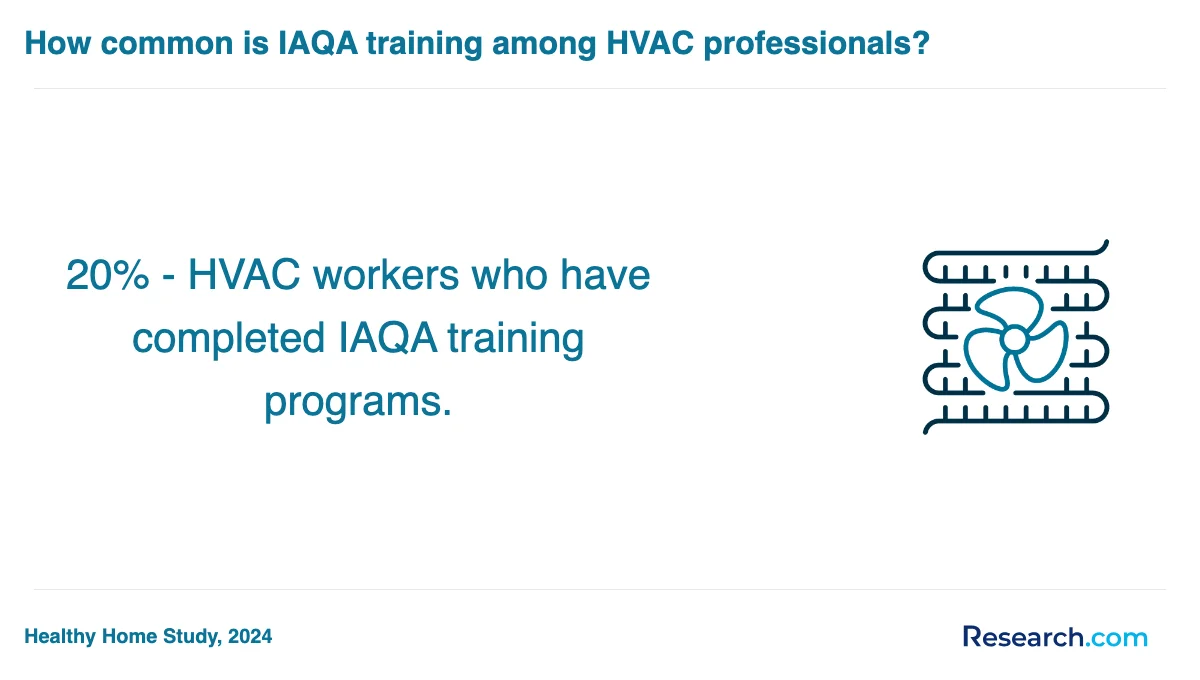
Students at Detroit HVAC trade schools quickly discover that the curriculum is designed to build confidence through a mix of theory and hands-on practice. Graduates often recall how starting with Introduction to HVAC courses helped them grasp the essentials of heating, ventilation, air conditioning, and refrigeration, setting a solid foundation for everything that followed.
Typical courses include:
- Using key hand tools and mastering piping techniques, essential for daily fieldwork
- Brazing and soldering, skills graduates say gave them an edge when working on real equipment
- In-depth refrigeration theory and troubleshooting-imagine diagnosing a malfunctioning commercial cooler with confidence
- Air conditioning system installation and diagnostics, a favorite among students preparing for Detroit's extreme seasonal demands
- EPA 608 certification prep, a crucial step for legal refrigerant handling
- Thermodynamics courses that explain heat transfer in a way that clicks during hands-on labs
- Troubleshooting and diagnostics, where students practice repairing faulty units and thermostat installations
Many students value externships offered by local trade schools, which turn classroom lessons into real-world experiences, making the jump into Detroit's HVAC job market smoother and more exciting.
HVAC technician specializations in Detroit trade schools dive deep into practical and technical knowledge tailored to the city's industry demands. Graduates of programs like those at the Detroit Training Institute of Technology often highlight hands-on skills in refrigeration techniques, heating systems, and air conditioning systems as key strengths that propelled their confidence on the job.
Typical Detroit HVAC training program specializations include:
- Fundamentals of HVAC Systems
- Electrical Systems
- Refrigeration Techniques
- System Design and Installation
- Maintenance and Troubleshooting
- Energy Efficiency and Sustainability
Students from Dorsey College praise the robust coverage of blueprint reading, EPA standards, and system layout, which gives them a clear edge when tackling real-world projects. Meanwhile, Wayne County Community College District enriches students' understanding of new refrigerants like R-410A and HVAC air balance testing, meeting evolving industry standards.
For those weighing career routes, learning what is an hvac apprenticeship alongside certification programs can clarify the best path forward, aligning training with personal career goals in Detroit's competitive HVAC market.
Choosing the best HVAC trade school Detroit comparison begins with accreditation. Graduates from Wayne County Community College District often praise how their PAHRA-accredited program prepared them for real-world challenges, blending hands-on training with solid theory. The choice between a certificate and an associate degree matters too; some prefer faster entry into the workforce, while others value the broader opportunities an associate degree offers.
Cost is a major concern. Detroit students find that tuition ranging from $2,600 to $4,000 per year at community colleges fits many budgets, especially when financial aid or scholarships are available. Flexibility also plays a big role-graduates who balanced family and work commitments appreciated Henry Ford College's mix of online and in-person classes, allowing them to learn without sacrificing their responsibilities.
For those wondering how to choose HVAC technician program in Detroit, consider school reputation and graduate outcomes. Programs offering work-based learning, like Randolph Career and Technical Center, give invaluable practical experience that employers seek. If you want to explore more options, see what is the best trade school for additional insights.

Graduates of HVAC technician trade school programs in Detroit step into a vibrant job market rich with opportunity. From entry-level HVAC installer and technician roles to maintenance assistant positions, the hands-on training from popular Detroit trade schools prepares students for real-world challenges. Many graduates report landing jobs quickly, thanks to the region's steady demand for skilled workers in HVAC technician jobs in Detroit.
Career paths are diverse:
- Technician roles in residential and commercial HVAC systems
- Refrigeration and controls specialists advancing technical expertise
- Service managers overseeing team operations in busy service departments
- Entrepreneurs launching their own HVAC service businesses
Detroit's HVAC careers also include working with equipment dealers, wholesalers, or on complex projects at institutions like Wayne State University. Graduates frequently emphasize how combining EPA certification with strong foundational training opens doors.
For those seeking options, exploring the best vocational trade programs can amplify pathways into lucrative commercial and residential HVAC careers Detroit offers, blending stability with growth potential.
The job market for HVAC technician trade school graduates in Detroit remains robust, with over 300 openings as of August 2025. Graduates from well-known local trade schools often find themselves quickly employed in roles such as HVAC service technician and refrigeration specialist. Many employers seek both entry-level and experienced talent, offering competitive hourly wages from $23 up to $48, plus benefits like paid vacation and health insurance. Graduates share enthusiasm about the practical hands-on training they receive, which prepares them for diverse work environments-residential, commercial, or industrial.
The Detroit HVAC technician job growth outlook shows steady expansion driven by population increases and ongoing construction, ensuring long-term opportunities. Common employer types include HVAC contractors, property managers, and schools, making career paths flexible and tailored to individual preferences.
For those considering an accessible route, programs offering low cost maintenance technician certification online provide a practical start. Graduates describe their experience as empowering, with clear advancement potential and the chance to earn salaries comparable to the national average of $26.01 per hour.
- Immediate employment rates post-graduation are high in Detroit trade schools
- Wages vary widely based on experience and specialization
- Employers offer perks like company vehicles and sign-on bonuses
Best HVAC Technician Training Programs & Trade Schools - Top HVAC Tech Schools in Detroit for 2026
# 1 position
Wayne County Community College District - Heating, Air Conditioning, Ventilation and Refrigeration Maintenance Technology/Technician.
associateWayne County Community College District offers a hybrid program in Heating, Air Conditioning, Ventilation and Refrigeration Maintenance Technology/Technician. The curriculum prepares students to repair, install, service, and maintain heating, air conditioning, and refrigeration systems. Instruction includes diagnostic techniques, testing equipment, and principles of mechanics, electricity, and electronics. Annual in-state tuition is $3,112. The program is accredited by the Higher Learning Commission.
# 2 position
Wayne County Community College District - Heating, Air Conditioning, Ventilation and Refrigeration Maintenance Technology/Technician.
certificate or diplomaWayne County Community College District offers a hybrid program in Heating, Air Conditioning, Ventilation and Refrigeration Maintenance Technology/Technician. This program prepares students to repair, install, service, and maintain HVAC and refrigeration systems, including instruction in diagnostic techniques and the principles of mechanics, electricity, and electronics. The annual in-state tuition is $3,112. The program is accredited by the Higher Learning Commission.
Frequently Asked Questions about HVAC technician
After completing an HVAC technician trade school in Detroit, preparing for the job market requires a combination of practical experience and professional certification. Many employers prefer candidates who have obtained EPA Section 608 certification, which is mandatory for handling refrigerants. According to the U.S. Bureau of Labor Statistics, HVAC jobs in Michigan are projected to grow by 5% from 2022 to 2032, reflecting steady demand.
Networking is also crucial. Graduates should attend local industry events, such as those hosted by the Mechanical Contractors Association of Michigan, to connect with potential employers. Additionally, internships and apprenticeships can offer valuable hands-on experience and increase employability.
Building a strong resume that highlights technical skills, certifications, and any relevant work experience will improve job prospects. Utilizing Detroit-specific job boards and trade school career services can further assist in finding opportunities in the local HVAC market.
Employers in Detroit seek HVAC technician graduates with strong technical skills, including proficiency in installing, maintaining, and repairing heating, ventilation, and air conditioning systems. According to the U.S. Bureau of Labor Statistics, practical knowledge of electrical systems and refrigeration principles is essential. Additionally, familiarity with EPA regulations on refrigerants is often required, reflecting federal certification standards.
Soft skills are equally important. Communication and problem-solving abilities help technicians effectively diagnose issues and explain solutions to clients. The Michigan Department of Labor emphasizes that employers value hands-on experience gained through internships or apprenticeships.
Finally, adaptability to new technologies and safety awareness are critical due to evolving HVAC industry standards in Detroit's climate and commercial sectors.
Finding internships in Detroit relevant to HVAC technician trade school programs involves several practical steps. Start by checking with local trade schools, as many have partnerships with HVAC companies offering internships. According to the Michigan Department of Labor, the Detroit area has over 150 HVAC service businesses, creating numerous internship opportunities.
Networking is essential. Attend local trade fairs, job expos, and industry events hosted by organizations like the Michigan Association of Plumbing-Heating-Cooling Contractors. These events often connect students with employers looking for interns.
Online job platforms such as Indeed and LinkedIn list HVAC internships in Detroit. Additionally, contacting local union chapters, like the United Association Local 190, can provide access to apprenticeship programs combining paid work and training.
Finally, actively communicating with school career centers can help identify exclusive internship openings tailored to HVAC students.
Obtaining a HVAC technician trade school diploma in Detroit significantly improves career mobility and advancement opportunities. According to the U.S. Bureau of Labor Statistics, HVAC jobs are expected to grow 5% nationally from 2022 to 2032, with Detroit showing steady demand due to its aging building infrastructure. A diploma demonstrates technical proficiency and often meets licensing requirements in Michigan, which employers prioritize when hiring or promoting.
Trade school graduates tend to start at higher wages compared to those without formal training, with Detroit HVAC technicians earning an average hourly wage of $22.50, per Michigan's Department of Labor. This credential also opens doors to specialized roles, such as system design or energy auditing, which can lead to higher earnings and leadership positions.
Additionally, many Detroit trade schools have partnerships with local businesses, providing apprenticeships that enhance practical skills and networking. This connection supports smoother transitions into stable employment and faster career progression within the HVAC field locally.
Students enrolled in HVAC technician trade schools in Detroit can benefit from several part-time job opportunities that provide practical experience. Entry-level roles such as HVAC helper or assistant technician allow students to apply classroom knowledge while learning on the job. These positions often involve tasks like equipment maintenance, installation support, and basic repairs.
Detroit's construction and property management sectors frequently hire part-time workers for HVAC-related duties, offering valuable exposure to commercial and residential systems. According to the U.S. Bureau of Labor Statistics, Detroit's HVAC job market is expected to grow by 8% through 2030, indicating increasing demand for skilled technicians.
Additionally, retail positions at home improvement stores specializing in HVAC equipment can enhance product knowledge, customer service, and sales skills relevant to the trade.
To find the best HVAC Technician degree program near me, consider searching for vocational schools and community colleges that offer specialized programs focused on HVAC technology and are highly regarded in your area. Near Detroit, MI, you can explore institutions that provide hands-on training and certification courses designed to prepare students for immediate entry into the workforce. Research.com can be a useful resource to compare the quality of various programs and facilities to make an informed decision.
- Salary: Hvac Service Technician in Detroit, MI, United States 2025 | Glassdoor https://www.glassdoor.ca/Salaries/detroit-mi-united-states-hvac-service-technician-salary-SRCH_IL.0,24_IM236_KO25,48.htm
- Taco Bell hvac technician Salary in Detroit, Michigan | 2025 Data https://employers.io/company/taco-bell/salaries/Detroit-MI/hvac-technician
- HVAC Technician Hourly Pay in Detroit, Michigan in 2025 | PayScale https://www.payscale.com/research/US/Job=HVAC_Technician/Hourly_Rate/81bfa0e7/Detroit-MI
- Commercial HVAC Technician Salary in Detroit, MI (August 01, 2025) | Salary.com https://www.salary.com/research/salary/listing/commercial-hvac-technician-salary/detroit-mi
- HVAC Technician Training Program | LCTI https://www.lcti.org/adult-education-course/hvac/
- ATI | HVAC Trade School https://auto.edu/hvac-trade-school
- Online Certified HVAC/R Technician Training | University of North Dakota https://und.edu/academics/development/courses/hvac-technician.html
- Entry Level HVAC Technician - Training Certificate | Midlands Technical College https://www.midlandstech.edu/programs-and-courses/advanced-manufacturing-and-skilled-trades/hvac-training-certificate
- Online HVAC Certification School | Self-Paced Course https://www.uscareerinstitute.edu/online-hvac-school
- HVACR Certification - Online Program | Penn Foster https://www.pennfoster.edu/programs/trades/hvac-technician-career-diploma


