
Best Electrical Technician Training Programs & Trade Schools - Top Electrical Tech Schools in Clyde for 2026

Co-Founder and Chief Data Scientist
Choosing the right electrician trade school in Clyde can shape your future career and open doors to exciting opportunities. This article introduces a carefully crafted electrician trade school programs ranking developed by the Research.com team of data scientists to help you make an informed decision.
By exploring these top programs, you’ll gain insight into schools that offer quality education and hands-on training.
Whether you’re starting fresh or upskilling, earning a diploma or certification is a valuable step toward a rewarding and stable profession.
Key benefits of finishing electrician trade school in Clyde
- Graduates from electrician trade schools in Clyde can expect competitive wages, with average hourly rates around $32.40, translating to an annual salary near $67,392, offering a strong start to a rewarding career.
- Career paths after graduation include becoming licensed electricians, working in residential or commercial electrical work, or advancing to specialized roles, providing diverse opportunities to grow and succeed.
- Completing an electrician trade school online offers flexibility and convenience, allowing students to balance learning with personal commitments while gaining practical skills recognized by local employers.
- Best Electrical Technician Training Programs & Trade Schools - Top Electrical Tech Schools in Clyde for 2026
- What can I expect from electrician trade schools in Clyde?
- Where can I work after finishing electrician trade schools in Clyde?
What can I expect from electrician trade schools in Clyde?
Enrolling in an electrician trade school program in Clyde means diving into a hands-on learning environment where practical skills are prioritized. Graduates often recall starting with the basics, like reading blueprints and running wiring, which quickly build confidence through real-world tasks. Many Clyde programs blend classroom theory with workshops, helping students grasp electrical codes and safety standards that are critical on any job site.
Students frequently mention the value of specialized modules, such as robotic equipment repair, which broaden career options beyond traditional wiring roles. Popular Clyde trade schools emphasize preparing students for the 4- to 5-year apprenticeship that follows, offering credits that let some graduates accelerate their licensing journey.
Financial aid options make these programs accessible, and graduates appreciate the support they receive navigating these resources. The experience often feels rewarding as students move from basic skills to troubleshooting complex electrical systems, with many noting the pride in securing apprentice roles that come with wages and benefits in the local Clyde job market.
Where can I work after finishing electrician trade schools in Clyde?
Graduates from electrician trade schools in Clyde quickly find a variety of job opportunities across the local area. Many start out as entry-level electricians working with electrical contractors or manufacturing companies, gaining hands-on experience in residential, commercial, and industrial settings. For example, recent graduates have shared how their training prepared them to handle installations and repairs at factories and public infrastructure sites, where safety and precision are critical.
With time and additional certifications like a journeyman license, graduates advance to supervisory roles, managing projects and small teams. Some graduates express satisfaction in securing journeyman positions that pay between $24 and $43 per hour, reflecting both skill and responsibility. Others appreciate the flexibility of becoming self-employed or launching their own electrical businesses, a path that many Clyde-trained electricians pursue due to the region's steady demand for skilled trades.
Overall, the Clyde trade schools equip students with practical skills that open doors in diverse sectors, making the transition from classroom to workforce smoother and more rewarding.
After finishing an electrician trade school program in Clyde, graduates typically start with hourly wages around $19.00 during their first few years on the job. This figure reflects real experiences shared by recent graduates from popular Clyde trade schools who initially took entry-level positions in nearby cities like Columbus. While $19.00 may feel modest, it provides a solid foundation and room to grow as you gain experience and certifications.
More experienced electricians with five to nine years of work report earnings closer to $25.38 per hour, showing clear financial progression. For those who stick with the profession for a decade or more, hourly pay can reach approximately $37.75. Imagine moving from a starting wage to nearly double that in a few years-it's a motivating path for many Clyde graduates.
Many graduates also benefit from overtime pay, which can add roughly $9,400 annually, boosting overall income. Specialized roles, such as power-line installation or electronic equipment repair, offer even higher salaries, sometimes exceeding $60,000 yearly, though these require additional skills beyond the basic trade school curriculum.
- Electrician trade school programs in Clyde typically last from 12 months for certificates up to two years for associate degrees, with examples like a 64-credit hour diploma completed in one year.
- Admission usually requires a high school diploma or GED, and some schools may ask for entrance exams or interviews.
- Tuition costs range from $3,000 to $15,000, with additional expenses for books, tools, and lab fees; financial aid and scholarships may be available.
- Job prospects are strong, with apprenticeships offering paid on-the-job training and starting salaries between $38,000 and $45,000 annually.
- Experienced electricians can earn $60,000 or more, with benefits like health insurance and retirement plans common in union or contractor roles.
- Licensing in Ohio requires completion of apprenticeships, and while contractors need state licenses, journeyman electricians may not need one except in some cities.
Completing an electrician trade school program in Clyde typically takes about 9 to 12 months, depending on the school and the intensity of the curriculum. Many graduates from well-known Clyde trade schools share how immersive the experience is, balancing hands-on labs with classroom theory. This timeline allows students to gain practical skills quickly, which is essential for entering the workforce confidently.
For example, a graduate from a popular Clyde program recalled how the fast-paced schedule kept motivation high, making the learning process both challenging and rewarding. The compact duration means students can start apprenticeships or entry-level jobs sooner, which is a huge advantage for those eager to begin earning.
Some programs offer part-time options, extending the completion time but providing flexibility for those who work or have other commitments. This adaptability suits a wide range of students in Clyde, from recent high school graduates to adults switching careers, all sharing positive feedback about the real-world readiness the schools foster.
The main difference between online and on-campus electrician trade school programs in Clyde lies in how students engage with both theory and practical training. Graduates from popular Clyde trade schools often share that online programs provide the convenience of studying electrical theory and safety codes at home, fitting coursework around their schedules. However, these same graduates emphasize the struggle to gain hands-on experience remotely, which is crucial for mastering wiring, tools, and troubleshooting techniques required by state licensing boards.
On-campus programs in Clyde, by contrast, immerse students in real-world environments. Graduates recall the immediate access to equipment and face-to-face mentoring from instructors, which builds confidence and skills faster. The energetic atmosphere of working alongside peers also fosters networking and job placement opportunities that online formats can't fully replicate.
Some students find hybrid programs ideal, offering online flexibility with scheduled, in-person labs. This blend helps them balance work or family commitments while still acquiring the essential practical skills demanded by Texas and Ohio licensing regulations.
Determining the average cost of electrician trade school programs in Clyde requires looking at nearby options, as direct figures are scarce. Graduates from popular programs near Clyde often reference tuition fees ranging from approximately $5,880 to $7,145 per year. For example, those attending the Madison Adult Career Center in Mansfield, roughly 50 miles away, pay around $5,880 annually for their Industrial Electrical Maintenance Certificate, excluding about $1,492 for books and supplies. This balance of cost and quality leaves many students feeling the investment was worthwhile as they enter the workforce confidently.
In another case, students from Pickaway Ross Joint Vocational School District in Chillicothe reflect on paying about $7,145 annually, with additional materials costing near $1,169. Such experiences highlight how tuition fees for electrician training in Clyde are realistically expected to fall within this range. These estimates help prospective students budget effectively and decide whether to invest in local in-person training or consider broader options, balancing price and program benefits.
Individuals searching for low cost maintenance technician certification programs online might find alternatives that complement or reduce on-site expenses. It's important to reach out directly to Clyde area trade schools to confirm current tuition details, as variations depend on program length, accreditation status, and resources offered. Hearing from recent graduates often reveals a shared enthusiasm about gaining practical skills that justify these costs and propel their careers forward.
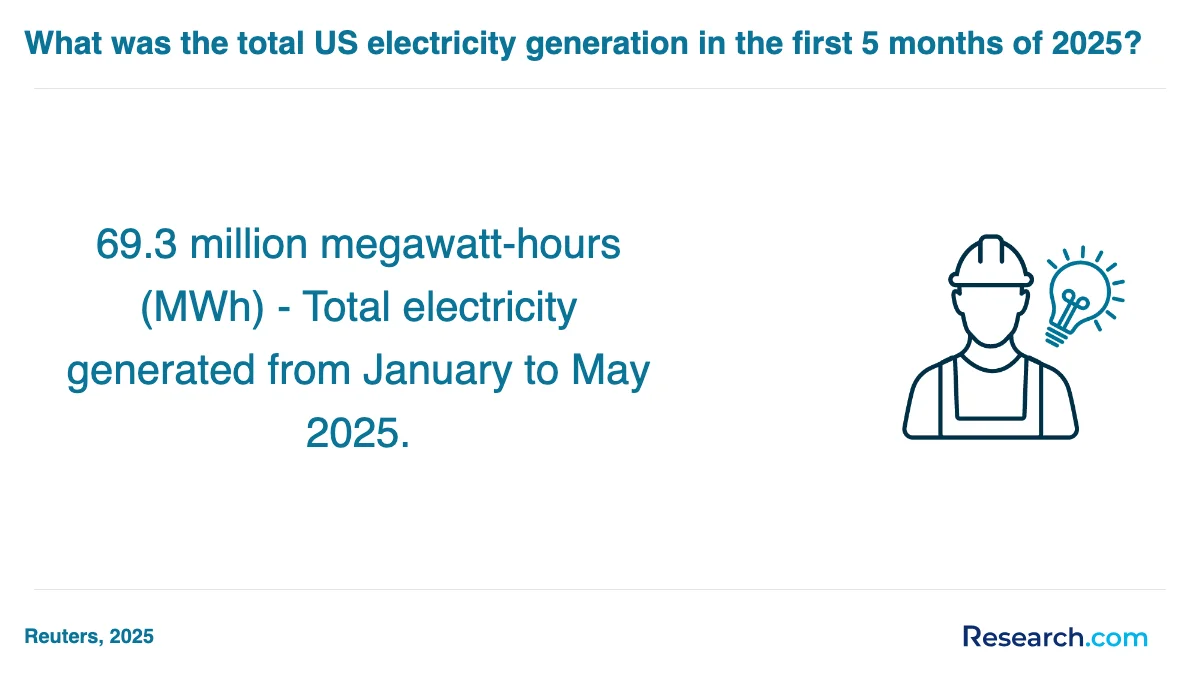
Electrician trade school students in Clyde often find substantial financial aid options that make training more affordable. Graduates from popular schools recall starting with the FAFSA application, unlocking access to federal Pell Grants and Ohio state grants that don't require repayment. These grants, based on financial need and residency, have relieved many from the stress of upfront tuition payments.
Federal and private loans are also available but should be approached cautiously. Graduates emphasize choosing federal loans for their lower interest rates and flexible repayment plans, avoiding the pitfalls of high-interest private loans.
Scholarships stand out as another vital resource. Some students share how merit-based awards or scholarships targeting community involvement helped cover costs beyond tuition, easing their financial burden.
Apprenticeships in Clyde are particularly praised for reducing expenses. Several graduates describe how local employers or unions fully covered tuition and provided paid on-the-job training, turning education into an income source. Schools like Ohio Business College also assist students with financial aid applications, making the process less daunting and more successful.
Enrolling in an electrician trade school program in Clyde typically requires meeting several clear prerequisites designed to ensure students are prepared for the hands-on and technical nature of the training. Most popular trade schools in Clyde expect applicants to have a high school diploma or GED, which sets a basic educational foundation. Graduates often mention how this prerequisite helped them grasp electrical theory more quickly during their courses.
Other common prerequisites include:
- Basic math skills, especially algebra and geometry, to handle electrical calculations confidently.
- Passing a placement test or an entrance exam that assesses reading comprehension and math proficiency.
- Proof of physical fitness, since the work involves climbing ladders, lifting equipment, and standing for long periods.
- Some schools require a valid driver's license, emphasizing the practical need for transportation to job sites during apprenticeships.
Graduates from Clyde's trade schools often recall how meeting these prerequisites made the transition into their programs smoother and less stressful. One described the satisfaction of quickly mastering complex wiring diagrams because the math fundamentals were solid. Another appreciated how the physical fitness requirement prepared them for the demanding, real-world tasks electricians face daily.

Electrician trade school programs in Clyde typically include a well-rounded curriculum designed to equip students with both theory and practical skills. Graduates often recall starting with fundamental courses such as electrical principles, covering how DC and AC systems function, which lays the groundwork for understanding real-world electrical problems.
Students appreciate the focus on mathematics for engineering, which develops the ability to perform essential calculations safely and accurately. Safety is a major theme, with coursework on industrial safety procedures and the National Electric Code (NEC), ensuring students understand industry standards before stepping onto job sites.
Hands-on training remains a highlight for many, involving:
- Basic electrical installation skills
- Wiring techniques for homes and businesses
- Reading and interpreting electrical prints, schematics, and symbols
- Inspection and testing to meet code compliance
Many find learning about electrical controls and diagnostic troubleshooting particularly empowering, as these skills directly translate to problem-solving in the field. Some programs even introduce renewable energy systems and programmable logic controllers, reflecting Clyde's evolving job market.
Graduates often highlight how the blend of classroom and lab work prepares them confidently for apprenticeships or entry-level positions, with some enrolling in intensive 16-week pre-apprenticeship courses focused on rapid job readiness.
Electrician trade school programs in Clyde offer a variety of focused specializations that reflect the local industry demands and prepare students for diverse electrician career paths. Graduates from popular Clyde trade schools often highlight gaining skills in areas such as:
- Residential Wiring - hands-on training installing and maintaining electrical systems in homes
- Commercial Wiring - working with electrical systems in offices and retail environments
- Industrial Wiring - complex setups found in manufacturing plants
- Motor Control Systems - operating and troubleshooting electric motors
- Low Voltage Systems - including security alarms and telecommunications
- Renewable Energy Systems - solar panel and wind turbine installations
- Electrical Maintenance and Safety - ensuring compliance with electrical codes and standards
Students from Clyde electrician training program options often share how learning electrical safety and code compliance enhanced their confidence in real-world job sites. One graduate described mastering renewable energy systems as a rewarding experience that opens doors to the future energy sector.
These specialized paths mirror real scenarios students encounter in local Clyde programs, making them ready for the workforce. For those seeking cost-effective pathways, exploring affordable online electrical lineworker trade school programs may complement on-campus learning effectively.
When selecting from the best electrician trade schools in Clyde, focus on accreditation to ensure the program meets industry standards and qualifies graduates for licensing exams. Graduates from popular local colleges emphasize how hands-on training paired with a comprehensive curriculum, covering electrical theory and safety practices, shaped their confidence in real-world job settings. Consider how long programs last: apprenticeships blending classroom hours with on-the-job experience often take several years but offer steady income, while associate degrees may be quicker yet intensive.
Many students appreciate programs near Clyde that offer flexible schedules, allowing them to balance work or family responsibilities. Personal stories often highlight how proximity reduced commuting stress and helped build strong community connections through local employers. Financially, school choices among the best electrician trade schools in Clyde can vary; some students found employer reimbursement invaluable, while others utilized scholarships and grants.
Understanding state licensing requirements is critical. In conjunction with these factors, exploring options like electrical engineering online programs can complement traditional training and expand career opportunities.
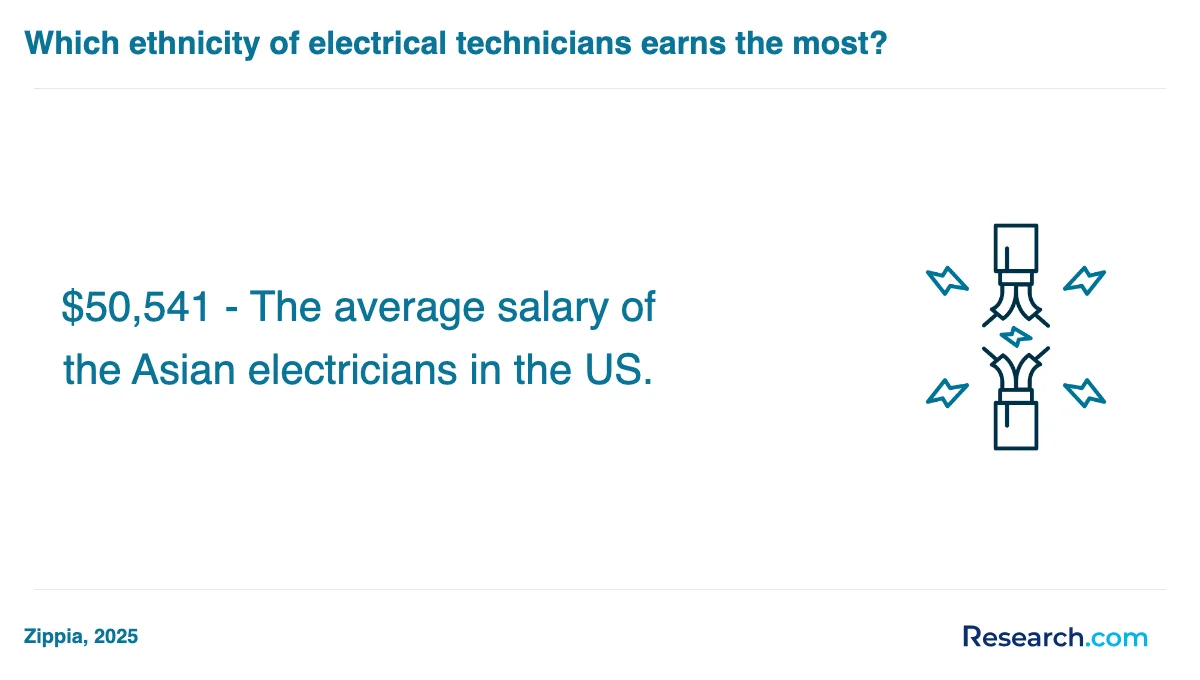
Graduates of electrician trade school programs in Clyde find a wealth of electrician job opportunities in Clyde Ohio, reflecting a strong local demand for skilled professionals. Many start as residential or commercial electricians, handling installation and repair in homes and businesses. Other graduates have pursued paths as industrial electricians or maintenance technicians, especially in Clyde's vibrant manufacturing sector. Popular trade schools here equip students with hands-on skills that help them excel early in these roles.
Career paths after electrician trade school in Clyde extend beyond basic electrical work. Some graduates advance to become journeyman electricians or electrical contractors, which requires additional licensing through Ohio's Construction Industry Licensing Board. Others find fulfilling roles in inspections, utility work, or manufacturing - jobs including cable splicer, plant operator, and line worker offer variety and steady demand.
Successful graduates often highlight specialized opportunities in electrical design, project management, or engineering, made possible by gaining field experience and continuing education. For those interested in niche certifications, exploring low cost accelerated online wind turbine technician certification programs can complement local training and broaden career horizons.
- Residential or commercial electrician
- Industrial electrician or maintenance technician
- Journeyman electrician or licensed electrical contractor
- Inspection, utility, or manufacturing specialist roles
- Electrical engineering, design, or project management
The job market for electrician trade school graduates in Clyde is notably active, offering a variety of electrician job opportunities in Clyde Ohio that appeal to recent graduates. Those who have completed training at well-regarded trade schools in the area often share stories of quickly securing positions such as Industrial Electrician or Journeyman Electrician due to local demand. Employers frequently seek candidates with practical certifications, making hands-on training a key advantage for Clyde graduates.
Real-world examples from graduates show steady employment in sectors including industrial, commercial, and residential electrical work. Entry-level wages in nearby locations, like Bellevue, starting at $23.50 per hour, motivate new technicians to pursue careers here. More experienced electricians in Clyde typically earn between $29.06 and $45.10 per hour, a competitive edge compared to statewide averages.
For students considering career investment, understanding the average electrician salary Clyde Ohio is crucial. Competitive pay combined with job availability underscores the financial and professional benefits of enrolling in a local trade program.
- Multiple active job postings for journeyman and industrial electricians highlight ongoing demand.
- Employers value credentials and real-world skills from trade schools in Clyde.
- Graduates often find clear pathways to career advancement and stable income.
Prospective students can also explore the most affordable electrical engineering online degree options to complement their hands-on skills and broaden employment opportunities in the electrical field.
Best Electrical Technician Training Programs & Trade Schools - Top Electrical Tech Schools in Clyde for 2026
# 1 position
Haywood Community College - Electrician.
associateHaywood Community College offers a Hybrid Electrician program that trains individuals to install, operate, maintain, and repair electric apparatus and systems, including residential, commercial, and industrial wiring. The curriculum covers electronics, electrical systems, wiring, power transmission, safety, job estimation, testing, inspection, and applicable codes. The annual in-state tuition is $2,612, and the program is accredited by the Southern Association of Colleges and Schools Commission on Colleges.
# 2 position
Haywood Community College - Electrician.
certificate or diplomaHaywood Community College offers a hybrid Electrician program designed to prepare students to install, operate, maintain, and repair electrical systems in residential, commercial, and industrial settings. The curriculum includes instruction in electronics, wiring, power transmission, safety, and applicable codes. Annual in-state tuition is $2,612. The program is accredited by the Southern Association of Colleges and Schools Commission on Colleges.
Frequently Asked Questions about electrician
After completing an electrician trade school in Clyde, preparing for the job market involves several key steps. First, obtaining necessary certifications and licenses is essential; in Ohio, this typically includes passing the state journeyman electrician exam. According to the Ohio Construction Industry Licensing Board, licensed electricians earn on average 15% more than non-licensed peers.
Building a professional network is also crucial. Joining local trade unions or associations, such as the International Brotherhood of Electrical Workers (IBEW) local chapters, can provide job leads and apprenticeship opportunities.
Additionally, creating a detailed resume highlighting hands-on experience from trade school programs helps attract employers. Many Clyde employers value practical skills demonstrated through internships or co-op placements during training.
Finally, staying updated on electrical codes and technologies through continuing education improves employability in a competitive market.
Employers in Clyde prioritize several key skills when hiring electrician trade school graduates. Technical proficiency is essential, including a strong understanding of electrical systems, circuitry, and safety codes. According to the Bureau of Labor Statistics, electricians with hands-on experience in troubleshooting and repair tend to be more competitive in the job market.
In addition to technical skills, employers value problem-solving abilities and attention to detail. Electricians must accurately interpret blueprints and adhere to national and local electrical codes, which are critical for ensuring safety and compliance.
Communication skills are also important, as electricians often work in teams and must explain issues clearly to clients or supervisors. In Clyde, employers report a growing demand for graduates familiar with new technologies such as smart home systems and energy-efficient solutions, reflecting regional industry trends noted by local trade associations.
Finding internships in Clyde relevant to electrician trade school programs involves several practical steps. Start by contacting local trade schools, as many have partnerships with businesses that offer internship opportunities. The Ohio Department of Job and Family Services reports that apprenticeships and internships in skilled trades, including electrical work, have grown by 8% statewide, indicating increased availability.
Utilize online job boards such as OhioMeansJobs, which often list electrician internships specific to the Clyde area. Networking with local electricians and unions can also open doors, as many positions are filled through recommendations.
Finally, attending career fairs hosted by trade schools or community colleges nearby can connect you with employers actively seeking interns.
In Clyde, earning an electrician trade school diploma significantly enhances career mobility and advancement opportunities. According to the U.S. Bureau of Labor Statistics, electricians with formal training typically experience faster job placement and higher starting salaries compared to those without credentials. Local employers in Clyde often prefer candidates with accredited diplomas due to their verified skills and safety knowledge.
Trade school programs provide practical experience and prepare students for state licensing exams, which are required to work independently in Ohio. Graduates may access apprenticeships or journeyman roles, paving the way for supervisory positions or specialization in areas like industrial or residential wiring.
Data from Ohio's Department of Job and Family Services highlights that electricians with diplomas report a 15% higher median income than those without formal training, reflecting improved economic mobility within Clyde's labor market.
Students enrolled in electrician trade schools in Clyde can benefit from several part-time job opportunities that enhance their practical skills. Common roles include electrical apprenticeships and helper positions with local contractors, allowing hands-on experience aligned with classroom learning. According to the U.S. Bureau of Labor Statistics, apprenticeships are a common entry path in electrical work, providing paid training while building professional networks.
Retail positions in hardware stores also offer valuable exposure to electrical tools and materials. Additionally, some students find part-time roles in maintenance departments of local businesses, which help develop troubleshooting skills. These jobs not only support income but also improve employability after graduation.
To find the best Electrician degree program near Clyde, NC, consider exploring local community colleges and technical institutes that offer specialized training in electrical work. Checking with Research.com can provide insights into top-rated programs and help identify options near me and near Clyde, NC. These programs equip students with essential skills through hands-on training and theoretical knowledge necessary for a career as a professional electrician.
- Pre-Apprenticeship Electrical Installation (August) | Glasgow Clyde College https://www.glasgowclyde.ac.uk/courses/53993-preapprenticeship-electrical-installation-level-5-august-to-january/886
- Find a course - West College Scotland https://www.westcollegescotland.ac.uk/course-search-results/
- 111 Electrician Schools in NC - Hands-On & Awesome [UPDATED 2025] https://electricalschool.org/nc/
- Apprenticeships & School leavers | Rolls-Royce https://careers.rolls-royce.com/united-kingdom/students-and-graduates/apprenticeships-and-school-leavers
- How to Choose a Trade School for Becoming an Electrician https://www.getservicebox.com/post/how-to-choose-a-trade-school-for-becoming-an-electrician
- Electrician / Electrical | ontariocolleges.ca https://www.ontariocolleges.ca/en/programs/professions-and-trades/electrician-electrical
- 10 Best Electrician Trade Schools 2024 https://www.accreditedschoolsonline.org/vocational-trade-school/electrician/
- Home https://www.haywood.edu/
- Artwork of a gum leaf symbolising ‘welcome’ and acknowledging diverse countries, environments, communities, cultures, beliefs, and history. https://www.seek.com.au/electrical-jobs/in-Clyde-North-VIC-3978
- Just a moment... https://www.simplyhired.co.uk/search


