
Most Affordable Automotive Technician Schools, Colleges & Trade Certification Training Programs in Thief River Falls for 2026

Co-Founder and Chief Data Scientist
Choosing the right automotive technician trade school in Thief River Falls can shape your future career. This article introduces a carefully crafted ranking of local programs, developed by the Research.com team of data scientists to help you make an informed decision.
By exploring these schools, you’ll discover options that fit your goals and budget, giving you confidence in your educational path. Earning a diploma or certification in automotive technology opens doors to rewarding job opportunities and skill development.
Let this guide support your journey toward a successful and fulfilling career.
Key benefits of finishing automotive technician trade school in Thief River Falls
- Graduates from automotive technician trade schools in Thief River Falls can expect starting wages between $12.07 and $19.28 per hour, with average salaries around $22.16 per hour, leading to solid earning potential as skills grow.
- Career paths include roles like general automotive technician or specialized positions such as diesel technician, offering opportunities for advancement and higher pay with experience and certifications.
- Completing a trade school online provides flexibility and convenience, allowing students to balance learning with other commitments while still gaining valuable hands-on skills, as seen in successful online program graduates from local schools.
- Most Affordable Automotive Technician Schools, Colleges & Trade Certification Training Programs in Thief River Falls for 2026
- What can I expect from automotive technician trade schools in Thief River Falls?
- Where can I work after finishing automotive technician trade schools in Thief River Falls?
What can I expect from automotive technician trade schools in Thief River Falls?
Enrolling in an automotive technician trade school program in Thief River Falls means engaging in a blend of hands-on training and classroom learning within modern labs. Graduates from well-known local schools often describe how they quickly moved from theory to practical tasks, such as diagnosing engine issues or repairing brake systems using up-to-date diagnostic tools. This approach helps students feel confident handling real-world automotive challenges by the time they complete their diploma or Associate of Applied Science degree.
Students can expect manageable class sizes, allowing for personalized guidance from instructors who are experienced in both mechanical and electronic vehicle systems. This close interaction often makes learning more accessible and satisfying, especially for those who thrive by doing rather than just listening. For example, many graduates recall the satisfaction of successfully troubleshooting complex electrical problems after direct practice, which boosted their confidence significantly.
Programs typically require one to two years, balancing credits between theoretical knowledge and practical skills across engines, transmissions, brakes, and electrical components. Additionally, local industry connections at these schools often lead to valuable internships and job placements, helping students transition smoothly into careers in dealerships or repair shops.
Where can I work after finishing automotive technician trade schools in Thief River Falls?
Graduates from automotive technician trade schools in Thief River Falls often find themselves welcomed by a variety of employers eager for skilled professionals. Many start their careers at local dealerships like Thief River Ford, where the hands-on training they received translates directly to diagnosing and repairing vehicles, performing routine maintenance, and interacting confidently with customers. These roles typically offer hourly wages that reflect experience, encouraging recent graduates to build their skills actively.
Others pursue opportunities in fleet maintenance, working for companies such as UPS that require technicians familiar with diesel engines, hybrid systems, and alternative fuels. Here, the ability to troubleshoot complex electrical and hydraulic systems becomes invaluable, and graduates often express pride in mastering these challenges after their trade school experience.
Local repair shops and tire centers also provide steady employment, allowing graduates to apply their broad training to light vehicles and commercial trucks. Those willing to work second or third shifts find additional openings in regional transportation companies, where the fast-paced environment keeps their skills sharp and their workdays varied.
After completing an automotive technician trade school program in Thief River Falls, graduates typically start earning between $14.39 and $18.80 per hour. Many new technicians from local trade schools recall their first jobs paying around $19.28 per hour, which helped them cover living expenses while gaining valuable hands-on experience.
As skills improve, wages increase. Experienced mechanics in Thief River Falls report making an average of $22.16 per hour, reflecting the confidence employers place in certified technicians. Graduates often share how additional certifications and practical experience from programs popular in the area have opened doors to higher-paying positions.
Comparing these figures to statewide data, Minnesota's automotive mechanics average about $52,034 annually, with top earners reaching nearly $39.55 per hour. This suggests that a committed graduate in Thief River Falls can expect steady wage growth, especially by pursuing ongoing training and specialization.
Many graduates describe the journey from entry-level pay to comfortable earnings as rewarding, emphasizing that starting modestly is common but far from final. Real-world success often depends on persistence, skill development, and leveraging the strong local demand for qualified automotive technicians.
- Programs typically last one to two years, with diploma options requiring 58 credits and associate degrees requiring 73 credits.
- Applicants need a high school diploma or GED, and some programs may require a laptop, but it is not mandatory.
- Tuition and fees range from about $6,000 to $10,000 for the full program, varying by residency and program length.
- Entry-level automotive technicians earn around $38,000 to $43,000 annually, with wages increasing to $50,000-$60,000 or more with experience and certifications.
- Graduates are prepared for jobs in dealerships, service centers, fleet maintenance, and specialty shops, with hands-on training using modern diagnostic tools.
Completing an automotive technician trade school program in Thief River Falls typically takes between 9 months to 1 year, depending on the specific curriculum and school. Many popular trade schools in the area offer intensive hands-on training combined with classroom instruction designed to prepare students quickly for the workforce.
Graduates often share how the focused timeline helped them stay motivated and see tangible progress fast. For example, one graduate mentioned how after just 10 months, they felt confident enough to handle real-world diagnostic challenges during their internship. This sense of accomplishment is common because the programs emphasize practical skills from day one.
These schools usually structure their programs to balance theory and practice, allowing students to complete all necessary certifications efficiently. For someone in Thief River Falls eager to start a career without long delays, this timeline strikes a good balance between thorough learning and swift entry into the job market.
The key difference between online and on-campus automotive technician trade school programs in Thief River Falls lies in how hands-on experience is delivered. Graduates from Northland Community and Technical College often recall the value of working directly with vehicles in well-equipped labs, where instructors guide them through brake repairs, engine tune-ups, and electrical diagnostics. This face-to-face interaction builds confidence and mastery that online coursework alone can't fully provide.
Online programs, favored by those juggling work or family, offer flexibility through virtual lessons on automotive theory and safety. However, students frequently mention the challenge of arranging local internships or brief in-person residencies to gain the practical skills essential in the field. In Thief River Falls, the emphasis remains strongly on-campus because the tactile, real-world training enriches learning and better prepares students for the demands of automotive careers.
The average tuition fees for automotive technician programs in Thief River Falls typically center around Northland Community and Technical College, the most prominent trade school offering this pathway. Students pursuing the Automotive Service Technology Diploma, which requires 58 credits, report tuition costs that align with the college's overall average net price of about $10,860 annually for those receiving financial aid. Graduates often mention that this cost is reasonable considering the comprehensive hands-on training they receive, which directly prepares them for local industry demands.
However, when calculating the cost of automotive technician diploma programs in Thief River Falls, it's essential to factor in not only tuition but also additional expenses such as textbooks, supplies, and personal materials needed for successful completion of the program. Many students describe budgeting carefully to cover these supplementary costs, which can otherwise catch prospective learners off guard. The variation in final costs can also depend heavily on residency status; residents often benefit from significantly lower tuition than non-residents.
Financial aid plays a crucial role in managing these expenses. Numerous federal and state grants, loans, and scholarships are available, and students who explore these often find meaningful relief that makes the program more accessible. Additionally, understanding the career outlook can motivate investment in this training-those curious about what jobs can you get with an automotive technology degree will find that many local employers highly regard graduates of Northland and similar institutions in the region.

Automotive technician students in Thief River Falls benefit from a variety of financial aid options that make their education more attainable. Many graduates recall how completing the FAFSA opened doors to federal aid, including Pell Grants and low-interest student loans, which significantly eased their tuition burden at Northland Community and Technical College. These federal supports often cover essential costs without the pressure of immediate repayment, allowing students to focus on hands-on learning.
State aid also plays a crucial role, especially for Minnesota residents. The Minnesota State Grant Program offers need-based assistance tailored to trade school attendees, adjusting awards according to family income and attendance costs. Graduates frequently mention how this grant helped bridge the gap between their budget and real expenses.
Additionally, scholarships specific to local schools and national programs provide targeted relief. For example, the Ford Auto Tech Scholarship, valued at $5,000, supports students pursuing automotive technology by covering tuition, tools, and living costs. Many Thief River Falls students used this scholarship to reduce financial stress, enabling them to focus on mastering their craft rather than worrying about expenses.
Enrolling in an automotive technician trade school in Thief River Falls typically requires a high school diploma or equivalent, which ensures students have basic academic skills essential for the hands-on training ahead. Graduates from local programs often recall how their foundational knowledge in math and science helped them quickly grasp complex diagnostics during their coursework.
Some trade schools in Thief River Falls also ask for a valid driver's license, emphasizing the importance of practical driving skills when learning vehicle systems. This prerequisite reflects the real-world nature of the program, where students frequently work on actual cars and sometimes perform test drives.
Additionally, many programs encourage or require applicants to have some mechanical aptitude or prior experience, which can come from hobbies like working on personal vehicles or informal internships. Graduates often share how entering with basic mechanical skills boosted their confidence and engagement in classes.
- High school diploma or GED
- Valid driver's license
- Demonstrated mechanical interest or experience

Automotive technician trade school programs in Thief River Falls typically include a well-rounded mix of essential courses that prepare students for real-world challenges. Graduates from Northland Community and Technical College often recall how foundational classes like Engine Repair and Brake Systems gave them confidence to diagnose common vehicle problems effectively.
Students also engage deeply with:
- Electrical and Electronic Systems - crucial for understanding modern vehicle technology.
- Steering and Suspension - which helps in mastering vehicle handling and safety.
- Heating and Air Conditioning - a practical skill highly valued by local employers.
Beyond basics, students benefit from advanced training in Engine Performance, Automatic and Manual Transmissions, and Drive Trains. Many describe hands-on labs equipped with up-to-date diagnostic tools as a highlight, allowing them to simulate real repair shop environments. This immersive experience fosters enthusiasm and readiness to meet industry standards, making the transition from classroom to workplace smoother and more rewarding.
Students enrolling in automotive trade school programs in Thief River Falls often find a variety of targeted specializations designed to build their expertise and confidence in the field. Popular programs like those at Northland Community & Technical College emphasize hands-on skills in areas such as:
- Automotive Service Technology, covering basics like brakes, ignition, and hybrid vehicle systems
- Engine repair, suspension, and brakes, honing mechanical skills on steering and wheel alignment
- Automotive electronics and drivability, focusing on advanced diagnostic techniques
Graduates frequently share how these specializations directly prepared them for real-world challenges, such as diagnosing engine malfunctions or mastering hybrid vehicle repairs-skills highly valued by local employers. Choosing these automotive technician specializations Thief River Falls allows students to immerse themselves in practical learning that matches industry demands in the area.
For those wondering what kind of education is needed to become a automotive mechanic, these focused programs offer a clear pathway, blending theory with immersive labs. This approach makes trade school an effective way to build career-ready skills in an evolving automotive landscape.
Choosing the best automotive technician trade school program in Thief River Falls starts with examining accreditation and industry recognition. Graduates from Northland Community and Technical College often share how the program's modern labs and hands-on training prepared them effectively for real-world challenges. This practical experience, gained through well-equipped automotive labs, is crucial for developing job-ready skills that employers in the area value.
When you compare automotive trade schools Thief River Falls, consider the credential options available. Certificate and diploma programs offer a quicker path to employment, often completed in about a year, while associate degrees provide broader technical knowledge over two years. Many graduates express satisfaction with the balance between theory and practice that associate degree programs offer, enhancing their confidence and career opportunities.
Cost and financial aid also play a significant role. Local programs provide accessible financial support, helping students manage tuition and fees. It's wise to investigate job placement rates and employer partnerships as well, since these factors directly impact your chances of success after graduation. For insights into career prospects, explore resources like what is the highest paying trade school job to align your goals with market demand.
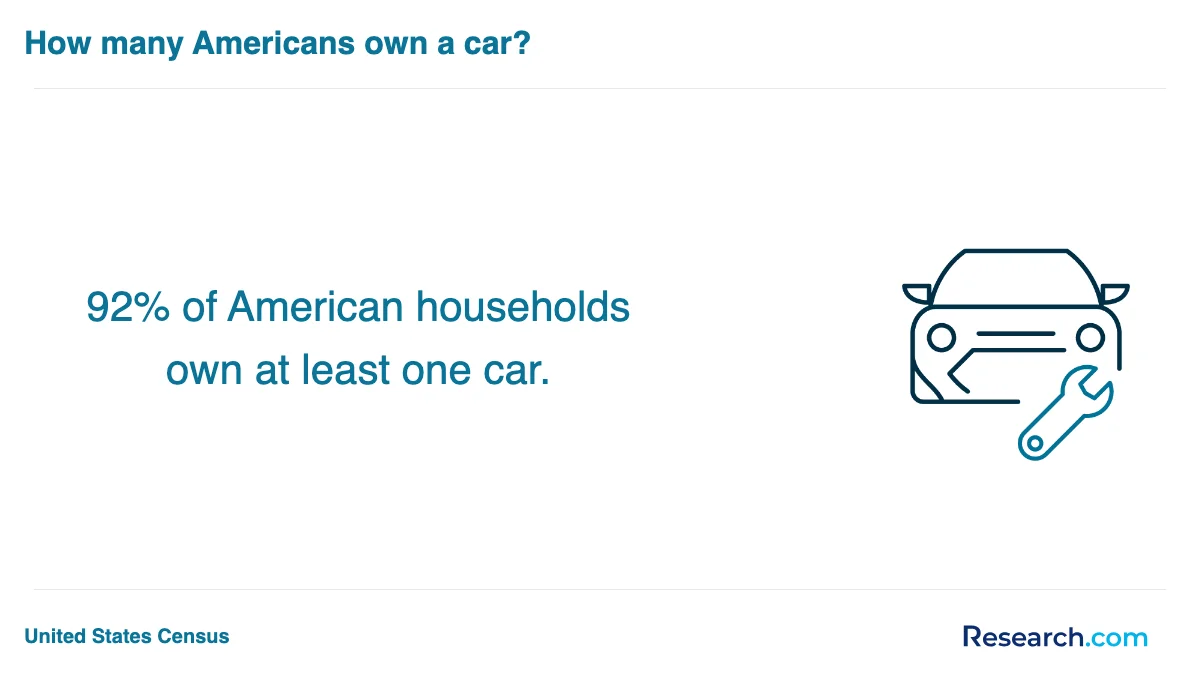
Graduates from automotive technician trade school programs in Thief River Falls find diverse career paths that match their skills and interests. Many secure positions at local auto dealerships and repair shops, where experienced technicians are highly valued. Opportunities often involve working on a variety of vehicle types, including personal cars, commercial fleets, and specialty equipment.
Popular career options include:
- Full- or part-time roles at national retailers and service centers offering competitive wages and benefits.
- Technician positions at trucking and delivery companies such as UPS, requiring expertise in advanced engine diagnostics and alternative fuel systems.
- Entry-level work in tire and lube shops, providing foundational experience and clear pathways to specialization.
- Maintenance roles in agricultural equipment services, utilizing skills in hydraulics and electrical systems.
Graduates from noted trade schools in Thief River Falls often share how their hands-on training enabled smooth transitions into these jobs, highlighting steady demand for automotive technician jobs in Thief River Falls. Earning practical credentials recognized by employers allows them to grow into supervisory or diagnostic specialist roles over time.
For students weighing options, programs here offer compelling advantages compared to traditional degrees; a clear comparison is found in the trade school vs traditional college discussion. Exploring these automotive technician trade school programs in Thief River Falls helps align educational investment with promising Thief River Falls automotive service careers.
The job market for automotive technician trade school graduates in Thief River Falls remains robust, particularly for those completing programs at well-regarded local schools. Graduates often report quickly finding employment due to the steady demand for automotive technicians in Thief River Falls, especially across dealerships, fleet maintenance companies, and agricultural equipment providers.
Many graduates share positive experiences entering roles such as diesel technician, service technician, or tire technician, benefiting from the variety of available positions. Employers value hands-on training from these trade schools, which aligns well with the practical skills required on the job. The thriving local market includes:
- Entry-level automotive technician and mechanic positions
- Advanced roles offering wages from $18 to $40 per hour depending on experience
- Flexible work schedules supporting different shifts
For students researching the top trade schools in america, Thief River Falls hosts programs focused on both technical expertise and adaptability essential for steady employment. These schools emphasize real-world training, which helps graduates confidently step directly into roles meeting evolving industry demands.
Local employers such as True North Equipment Co. and Thief River Ford actively seek graduates, demonstrating strong regional opportunities for those pursuing automotive technician jobs in Thief River Falls MN. Many graduates emphasize the advantage of trade schools' practical focus in securing competitive wages and a fulfilling career path in this area.
Most Affordable Automotive Technician Schools, Colleges & Trade Certification Training Programs in Thief River Falls for 2026
# 1 position
Northland Community and Technical College - Automobile/Automotive Mechanics Technology/Technician.
associateNorthland Community and Technical College offers a hybrid program in Automobile/Automotive Mechanics Technology/Technician. The program prepares students to repair, service, and maintain various automobile systems, including brakes, electrical, engines, transmissions, and HVAC. Annual in-state tuition is $6,262. Graduates earn a median salary of $43,254 one year after completion. The program is accredited by the Higher Learning Commission.
# 2 position
Northland Community and Technical College - Automobile/Automotive Mechanics Technology/Technician.
certificate or diplomaNorthland Community and Technical College offers a hybrid program in Automobile/Automotive Mechanics Technology/Technician. The curriculum covers brake systems, electrical systems, engine performance and repair, suspension and steering, transmissions, and heating and air conditioning systems. Annual in-state tuition is $6,262. Graduates earn a median salary of $43,254 one year after completion. The program is accredited by the Higher Learning Commission.
Frequently Asked Questions about automotive technician
After completing an automotive technician trade school in Thief River Falls, preparing for the job market involves several key steps. First, obtaining industry certifications like the National Institute for Automotive Service Excellence (ASE) can significantly improve employment prospects. Employers in Minnesota often prefer candidates who demonstrate these credentials.
Networking is also crucial; attending local job fairs and connecting with Thief River Falls automotive shops can open doors. Additionally, gaining hands-on experience through internships or apprenticeships during or after school enhances practical skills valued by employers.
According to the U.S. Bureau of Labor Statistics, automotive service technician jobs in Minnesota are projected to grow by 6% through 2030, indicating good demand. Staying updated with the latest vehicle technologies and maintaining a professional resume tailored to local employers will further support job placement efforts.
Employers in Thief River Falls prioritize strong diagnostic and repair skills in automotive technician graduates. According to the U.S. Bureau of Labor Statistics, proficiency with computerized diagnostic equipment is essential, as modern vehicles rely heavily on electronic systems. Technical knowledge in engine repair, brake systems, and electrical components is also highly valued.
Communication skills are important since technicians must explain issues and repairs clearly to customers. Additionally, attention to detail and the ability to work independently or in teams are frequently mentioned by local employers.
Hands-on experience gained through trade school internships or apprenticeships significantly improves job prospects in this area.
Finding internships in Thief River Falls relevant to automotive technician trade school programs involves several practical steps. Start by contacting local dealerships and auto repair shops, as many offer hands-on internship opportunities for students. Businesses such as Larson Motors and St. Pierre Motors often collaborate with educational institutions.
Additionally, students should explore resources provided by Minnesota's Department of Employment and Economic Development, which lists available internships and apprenticeships in the region. Networking through trade schools' career services can also connect students with employers seeking interns.
Online platforms like MinnesotaWorks.net feature listings specific to automotive technician positions in Thief River Falls. Early application and a clear resume highlighting relevant coursework improve chances of securing an internship.
Obtaining an automotive technician trade school diploma in Thief River Falls can significantly enhance career mobility and advancement opportunities. This credential demonstrates to local employers that a candidate has practical skills and technical knowledge essential for vehicle diagnostics and repair. According to the U.S. Bureau of Labor Statistics, automotive service technician jobs are expected to grow by 4% nationally through 2032, reflecting steady demand.
In Thief River Falls, employers often prioritize candidates with formal training due to the increasing complexity of vehicle technology. Graduates typically qualify for higher starting wages compared to those without formal education, with median annual earnings around $45,000 in the region, per Minnesota Department of Employment and Economic Development data.
Moreover, a diploma facilitates access to certifications like ASE (Automotive Service Excellence), which further improve promotion prospects and job security. Trade schools also connect students with apprenticeships and local industry networks, supporting long-term career growth in this competitive field.
Students attending automotive technician trade schools in Thief River Falls can benefit from several part-time job opportunities that enhance their hands-on skills. Local automotive repair shops often hire apprentices or assistants, providing practical experience with vehicle diagnostics and repairs. Additionally, dealerships in the area may offer part-time roles involving basic maintenance tasks, allowing students to apply classroom knowledge in real-world settings.
According to the U.S. Bureau of Labor Statistics, automotive service technicians in Minnesota earn a median hourly wage of about $19.50, making part-time work financially viable. These jobs also help build industry connections valuable for future employment. Moreover, Thief River Falls' rural setting has a steady demand for skilled technicians in agricultural equipment repair, presenting unique opportunities for students.
To find the most affordable Automotive Technician degree program near Thief River Falls, MN, you should begin by exploring nearby community colleges and technical schools, as these institutions often offer cost-effective options for vocational training. It's beneficial to contact local schools directly to inquire about tuition rates, financial aid opportunities, and any partnerships they might have with automotive organizations, which can offer students discounts or scholarships. Research.com can serve as a helpful resource to compare program costs, and you can also visit campuses near me to gather firsthand information about specific programs and their affordability.
- Jobs You Can Only Get with an Automotive Technology Degree - Benjamin Franklin Cummings Institute of Technology https://franklincummings.edu/blog/automotive-technology/
- What Can You Do With An Auto Tech Degree? | MWCC https://mwcc.edu/blog/automotive-technology-faqs/
- What You Can Do With An Automotive Technology Degree 2021 https://www.neit.edu/blog/automotive-technology-degree
- Automotive Technician Jobs to Apply For | NYADI The College of Transportation Technology https://nyadi.edu/blog/industries-to-explore-after-finishing-your-automotive-technology-degree/
- Automotive Service Technicians and Mechanics : Occupational Outlook Handbook: : U.S. Bureau of Labor Statistics https://www.bls.gov/ooh/installation-maintenance-and-repair/automotive-service-technicians-and-mechanics.htm
- WorkBC Site Maintenance - Service Temporarily Unavailable https://www.workbc.ca/career-profiles/automotive-service-technicians-truck-and-bus-mechanics-and-mechanical-repairers
- Automotive Mechanic Trade School | Sheridan Technical College https://www.sheridantechnicalcollege.edu/automotive-technology/
- Automotive Technician | Clover Park Technical College https://www.cptc.edu/programs/auto-tech
- Automotive Technology Program https://gwinnetttech.edu/automotive/
- Find an Auto Mechanic School | Training & Industry Details https://www.trade-schools.net/trades/automotive-mechanic





