
Most Affordable Automotive Technician Schools, Colleges & Trade Certification Training Programs in Massachusetts for 2026

Co-Founder and Chief Data Scientist
Choosing the right automotive technician trade school in Massachusetts can feel overwhelming. This article introduces a helpful ranking of the most affordable programs for 2026, created by the Research.com team of data scientists. It aims to guide you in making an informed decision about which schools offer the best value.
By exploring this ranking, you’ll discover programs that fit your budget and career goals. Earning a diploma or certification in this field opens doors to rewarding job opportunities and personal growth. Let’s help you take the next step toward a fulfilling career in automotive technology.
Key benefits of finishing automotive technician trade school in Massachusetts
- Graduates of automotive technician trade schools in Massachusetts can expect an average annual salary around $70,000, with hourly wages typically ranging from $22 to $36, offering strong earning potential right after completing the program.
- Career paths include roles as skilled automotive technicians, service managers, or diagnostic specialists, with many alumni from popular Massachusetts trade schools quickly advancing due to hands-on training and industry connections.
- Completing an automotive technician trade school online provides flexibility for busy students and allows them to gain technical skills at their own pace, as experienced by successful online graduates from well-known Massachusetts programs.
- Most Affordable Automotive Technician Schools, Colleges & Trade Certification Training Programs in Massachusetts for 2026
- What can I expect from automotive technician trade schools in Massachusetts?
- Where can I work after finishing automotive technician trade schools in Massachusetts?
What can I expect from automotive technician trade schools in Massachusetts?
Students enrolling in an automotive technician trade school program in Massachusetts can expect a comprehensive curriculum covering key automotive systems such as engine performance, brake systems, climate control, manual drive trains, and automotive electricity. Graduates from programs like Franklin Cummings Tech often highlight the value of hands-on learning in fully equipped garages, where they work on real vehicles, including hybrid and electric models, gaining confidence with modern diagnostic tools.
At institutions like Mount Wachusett Community College, the low faculty-to-student ratio (1:15) ensures personalized instruction that helps students master complex troubleshooting skills. Many programs offer flexible scheduling, including evening classes, accommodating those balancing work or family commitments, and provide support services like childcare and veteran assistance.
Students appreciate the strong industry connections Massachusetts trade schools maintain with local dealerships and repair shops, which facilitate internships and job placements. Programs typically last one to two years, with affordable tuition rates, and prepare students for ASE certification exams, boosting their credentials and career readiness.
Where can I work after finishing automotive technician trade schools in Massachusetts?
After completing an automotive technician trade school program in Massachusetts, graduates find numerous rewarding employment options across the state. Many secure positions as automotive technicians or mechanics at local dealerships like Good Brothers Dodge & RAM in South Weymouth, where they work on specific brands and benefit from manufacturer-sponsored training. These roles often offer hourly wages ranging from $22 to $38, reflecting the value of their skills and certifications.
Others join national service centers or independent repair shops, where hands-on experience gained at popular Massachusetts trade schools prepares them to handle diverse vehicle repairs. Graduates often express pride in working in both urban and rural communities, helping keep local vehicles running smoothly.
Some graduates pursue specialized careers in fleet maintenance for corporations or government agencies such as the United States Postal Service, maintaining service vehicles critical to daily operations. Additional pathways include roles as diesel mechanics, maintenance technicians, or service advisors, leveraging further certifications to advance their careers in a growing job market.
After completing an automotive technician trade school program in Massachusetts, graduates typically start with an annual salary around $55,000, according to Salary.com. For example, many graduates from popular trade schools in the state report beginning their careers as Automotive Mechanic I, earning between $47,920 and $62,515 per year. These figures reflect real outcomes shared by recent graduates who have successfully transitioned from hands-on training to paid employment.
Hourly wages also paint a promising picture. Graduates often find starting pay near $22 to $30 per hour, with opportunities to earn more as they gain experience or obtain additional certifications. One graduate shared that after a year of working in a Boston-area shop, their hourly wage increased from $25 to $33, boosting their confidence and financial stability.
Trade schools in Massachusetts focus heavily on practical skills and certifications, which employers value highly. This emphasis helps graduates move quickly from entry-level roles to higher-paying positions, with salaries reaching up to $70,000 or more as technicians specialize in advanced automotive technologies.
- No professional license is required to work as an automotive technician in Massachusetts, but completing an approved trade school program is necessary.
- Programs cover engine performance, brake systems, electrical systems, climate control, and diagnostic tools, with hands-on training in working garages.
- Admission usually requires a high school diploma or equivalent, and tuition at Quinsigamond Community College is $227 per credit for in-state students.
- Associate degree programs typically need 64-65 credits, costing around $14,500 before fees and supplies.
- Entry-level salaries for technicians in Massachusetts range from $40,000 to $48,000 annually, with experienced and ASE-certified technicians earning more.
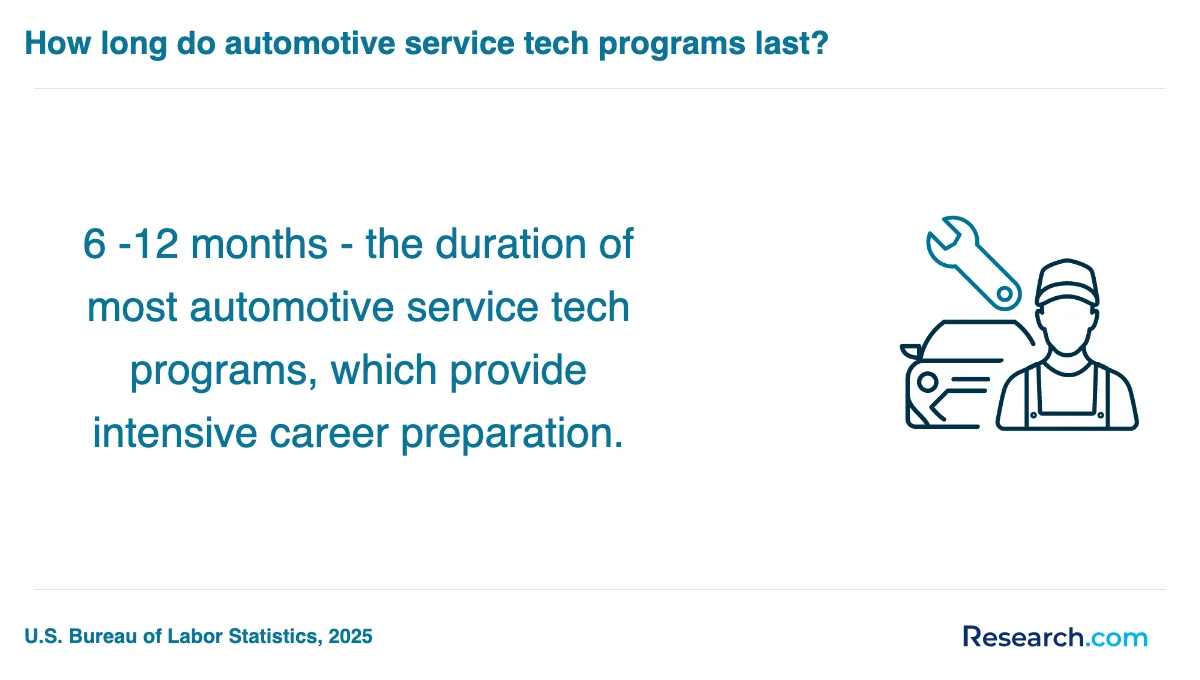
Completing an automotive technician trade school program in Massachusetts typically takes between 12 and 24 months, depending on the school and the depth of training. Graduates from well-known Massachusetts trade schools often share how immersive, hands-on experiences accelerated their learning, allowing them to enter the workforce confidently within one to two years. For example, many students at these schools balance classroom instruction with real-world shop training, which makes the timeline both practical and efficient.
Some programs offer accelerated tracks, enabling motivated students to finish closer to a year by dedicating full-time hours. Others allow part-time attendance, extending completion to about two years, ideal for those managing work or family commitments. Graduates often recall how the structured curriculum and expert instructors helped them master complex diagnostics and repair skills swiftly.
Overall, Massachusetts trade schools provide an effective, time-conscious pathway to becoming a skilled automotive technician, with many students feeling excited and prepared as they graduate ready to take on industry challenges.
The core difference between online and on-campus automotive technician trade school programs in Massachusetts centers on where and how students complete their hands-on training. Graduates from on-campus programs like those at Mount Wachusett Community College and Quinsigamond Community College share that the in-person experience-working directly with industry-standard tools in small, supervised classes-builds confidence and practical skills quickly. At MTTI in Seekonk, students spend at least half their time in labs, closely mirroring real work environments, which many find invaluable for mastering complex repairs.
Conversely, online or hybrid programs such as those at Porter and Chester Institute in Worcester and Universal Technical Institute offer flexibility by delivering theoretical lessons online. Students appreciate being able to study at their own pace, balancing family or jobs, but they must still attend campus labs for essential hands-on practice. This blended format helps maintain industry standards, ensuring students gain the practical expertise required for ASE certification and future employment in Massachusetts's automotive sector.
The average tuition fees for automotive technician programs in Massachusetts typically range between $15,000 and $25,000, reflecting the overall cost of automotive technician trade schools in Massachusetts. For example, graduates from the Motoring Technical Training Institute in Seekonk report paying around $17,050 in tuition and fees for the Automotive Service Technician program. This cost often includes essentials such as uniforms and a tool kit bonus, which significantly enhance the hands-on learning experience and readiness for employment.
Besides tuition, students should anticipate additional expenses like application fees, textbooks, tools, and safety gear, which can total several hundred to a couple thousand dollars depending on the program and individual needs. These costs combine to form a realistic budget that students learn to manage, much like handling finances during real automotive work scenarios. Many graduates find that this investment translates into rewarding careers and a satisfying vocational journey.
In some cases, the total cost of attendance is higher when accounting for living expenses. At the Motoring Technical Training Institute, a dependent student in the day program might expect to spend roughly $35,556.63, which underlines the importance of understanding all financial factors before enrolling. For prospective students comparing options, exploring financial assistance is crucial. Massachusetts offers grants and scholarships, while federal aid programs such as Pell Grants and student loans help ease the financial burden, encouraging enrollment and successful completion.
Students weighing their options may also consider the broader value represented in decisions about trade school vs college, especially when seeking strong, practical career paths like automotive technician training.
Students pursuing automotive technician programs in Massachusetts benefit from multiple financial aid options that ease tuition and related costs. Federal student aid is the primary resource, including grants like the Pell Grant, which do not require repayment, and federal loans available to most applicants. Additionally, the Federal Work-Study Program allows students to earn money through part-time jobs, helping cover expenses while studying.
State-level aid is also significant. Many students utilize Individual Training Accounts (ITAs) through MassHire Career Centers, which directly pay for approved training programs, including automotive technician courses at schools like Quinsigamond Community College and MassBay Community College. Graduates often share how ITAs made their education affordable and accessible, enabling them to focus on hands-on learning without financial stress.
Unemployed individuals can benefit from the Training Opportunity Program (Section 30), which provides financial stability by allowing continued unemployment benefits during training. Many trade schools also offer scholarships and private grants based on merit or need, which past students have successfully applied for to supplement federal and state aid.
Enrolling in an automotive technician trade school program in Massachusetts typically requires applicants to meet several key prerequisites designed to prepare them for the hands-on and technical nature of the training. Most schools expect candidates to have a high school diploma or a GED, ensuring foundational skills in math, reading, and basic science are in place. Graduates often recall how their high school algebra classes became surprisingly useful when diagnosing vehicle systems during practical sessions.
Applicants should be prepared to demonstrate a genuine interest in automotive technology, often through an interview or a statement of purpose. This personal motivation is crucial, as the training is intensive and requires commitment. Many students from renowned Massachusetts trade schools share how their passion for cars and problem-solving fueled their success.
Physical stamina and manual dexterity are also important, given the nature of the work. Schools may require a brief physical assessment or ask candidates to confirm their ability to perform tasks like lifting parts and working in confined spaces.
Additional prerequisites may include:
- Basic computer literacy to handle diagnostic software
- Proof of residency or eligibility to study in Massachusetts
- Age requirement, usually 18 years or older
These requirements ensure that students enter prepared and motivated, setting the stage for rewarding hands-on learning experiences in some of the state's top automotive trade schools.

Automotive technician trade school programs in Massachusetts typically offer a comprehensive curriculum designed to prepare students for the demands of the modern automotive industry. Core courses usually cover essential areas such as:
- Engine repair
- Electrical systems
- Steering and suspension
- Brakes and hydraulic systems
- Climate control
- Power transmission
Graduates from programs like Quinsigamond Community College often highlight their confidence in diagnosing and repairing complex electrical and electronic systems, along with engines and transmissions. Many students find hands-on learning with real customer vehicles invaluable, gaining practical skills that match employer expectations.
Some schools, such as Benjamin Franklin Cummings Institute of Technology, go further by including courses on hybrid, electric, and autonomous vehicle technologies, reflecting the evolving automotive landscape. Others, like Massachusetts Bay Community College, offer manufacturer-specific training focusing on brands like BMW or Toyota, which graduates appreciate for boosting their specialized expertise.
Safety training is also a key component, with certifications such as OSHA 10 and Automotive Lift Institute often integrated, preparing students to enter the workforce with essential workplace safety knowledge.
Automotive technology specializations in Massachusetts trade schools offer a wide array of focused programs tailored to industry demands. Graduates from institutions like Massachusetts Bay Community College often praise the manufacturer-specific tracks covering brands such as BMW, Chrysler, GM, and Toyota/Lexus, which provide hands-on training that directly boosts job prospects at dealerships. Students commonly engage with the eight core ASE areas, including engine performance, brake systems, and suspension, equipping them to pursue Master Technician certification.
Emerging fields receive strong emphasis, especially through electric vehicle technician programs Massachusetts, such as the advanced Electric Vehicle Technology specialization at Franklin Cummings Tech. This program immerses students in diagnosing and repairing hybrid and autonomous vehicles using up-to-date equipment, preparing them for modern, high-tech careers increasingly in demand statewide.
Additional popular specializations include diesel mechanics, motorcycle, and small engine repair, available through flexible online options like Penn Foster's accredited programs. Many students appreciate this versatility as it aligns with their career goals and lifestyle. For those seeking affordable options, reviewing the most affordable online auto mechanic training programs can provide valuable guidance.
When evaluating automotive technician trade schools in Massachusetts, it's essential to consider factors such as program accreditation, hands-on training opportunities, and faculty expertise. Schools like Massachusetts Bay Community College in Wellesley Hills offer comprehensive programs that blend theoretical knowledge with practical experience, preparing students for successful careers in the automotive industry. Graduates often share how the balance of classroom learning and real-world labs helped them confidently troubleshoot and repair modern vehicles.
Programs at institutions like Universal Technical Institute in Norwood provide specialized training programs in partnership with leading automotive manufacturers, ensuring students gain industry-relevant skills that employers highly value. Many students praise the strong career support and hands-on approach, which made job placement smoother and more rewarding. Additionally, some opt for flexible schedules at schools like the Porter and Chester Institute, helping working adults advance without sacrificing income.
Thoroughly researching and comparing these programs allows prospective students to make informed choices aligned with their goals. For further advancement, pursuing an automotive bachelor degree can also enhance career opportunities in Massachusetts and beyond.

Graduates of automotive technician trade schools in Massachusetts have multiple career paths reflecting the state's vibrant automotive industry. Many begin as automotive service technicians or mechanics, diagnosing and repairing vehicles in local dealerships or repair shops. Popular trade schools in Massachusetts prepare students through hands-on training and industry internships, helping them step confidently into these roles. The strong demand for auto mechanic jobs and salaries Massachusetts offers encourages graduates to specialize, such as becoming diesel service technicians working on heavy trucks or pursuing roles in auto body and collision repair.
Subspecialties include auto glass installer and repairer or OEM-certified technician positions with brands like Ford or Toyota, as graduates gain brand-specific expertise. Emerging sectors like electric vehicle service offer exciting opportunities for those trained in advanced electronic diagnostics.
Career advancement can lead to service advisor, parts specialist, or management roles such as shop foreman. Many find that ASE certification, emphasized in Massachusetts trade programs, unlocks higher wages and leadership options. Students interested in exploring these options should consider vocational trade programs for comprehensive preparation.
The automotive technician demand in Massachusetts remains strong, with over 760 job openings currently available across the state. Graduates of popular trade schools in Massachusetts often share positive experiences of quickly securing employment, especially in cities like Worcester and Lynn where employers such as Goodyear actively recruit skilled technicians. Entry-level hourly wages typically start around $25, reflecting the lucrative nature of this career path at the outset.
Many graduates highlight benefits beyond salary, such as health insurance, paid time off, 401(k) plans, and reimbursement for ASE certification, which contribute to a supportive work environment. The market supports a range of employers, from national chains to independent shops, emphasizing continual demand due to Massachusetts' high vehicle density.
Students from these programs appreciate the industry's growth and acknowledge that consistent openings offer clear career advancement opportunities. For detailed insight into the profession's prospects, exploring resources on automotive mechanic careers is highly recommended.
The automotive technician job outlook in Massachusetts is promising, making this an excellent time for trade school graduates to enter the workforce with confidence.
Most Affordable Automotive Technician Schools, Colleges & Trade Certification Training Programs in Massachusetts for 2026
# 1 position
Massachusetts Bay Community College - Automobile/Automotive Mechanics Technology/Technician.
associateMassachusetts Bay Community College offers a hybrid program in Automobile/Automotive Mechanics Technology/Technician designed to prepare students to repair, service, and maintain various automobiles. The curriculum covers brake systems, electrical systems, engine performance and repair, suspension and steering, transmissions, drive trains, and heating and air conditioning systems. The program is accredited by the New England Commission on Higher Education. Annual in-state tuition is $5,616, with median earnings one year after completion at $43,602.
# 2 position
Massachusetts Bay Community College - Automobile/Automotive Mechanics Technology/Technician.
certificate or diplomaMassachusetts Bay Community College offers a hybrid Automobile/Automotive Mechanics Technology/Technician program that prepares students to repair, service, and maintain various automobile systems, including brakes, electrical, engines, transmissions, and heating/air conditioning. The program is accredited by the New England Commission on Higher Education. Annual in-state tuition is $5,616. Median earnings one year after completion are $43,602, reflecting the program’s practical job market value.
# 3 position
Middlesex Community College - Automobile/Automotive Mechanics Technology/Technician.
associateMiddlesex Community College offers a hybrid program in Automobile/Automotive Mechanics Technology/Technician, preparing students to repair, service, and maintain various automobile systems. The curriculum includes brake systems, electrical systems, engine performance and repair, suspension, steering, transmissions, and heating and air conditioning. The program is accredited by the New England Commission on Higher Education. Annual in-state tuition is $6,048.
# 4 position
Springfield Technical Community College - Automobile/Automotive Mechanics Technology/Technician.
associateSpringfield Technical Community College offers a hybrid Automobile/Automotive Mechanics Technology/Technician program that prepares students to repair, service, and maintain various automobiles. The curriculum covers brake systems, electrical systems, engine performance and repair, suspension and steering, transmissions, drive trains, and heating and air conditioning systems. The program’s annual in-state tuition is $5,520. It is accredited by the New England Commission on Higher Education.
# 5 position
Springfield Technical Community College - Automobile/Automotive Mechanics Technology/Technician.
certificate or diplomaSpringfield Technical Community College offers a hybrid program in Automobile/Automotive Mechanics Technology/Technician that prepares students to repair, service, and maintain various automobile systems. The curriculum covers brake, electrical, engine performance and repair, suspension, steering, transmissions, drive trains, and heating and air conditioning systems. The program’s annual in-state tuition is $5,520. It is accredited by the New England Commission on Higher Education.
# 6 position
Mount Wachusett Community College - Automobile/Automotive Mechanics Technology/Technician.
associateMount Wachusett Community College offers a hybrid Automobile/Automotive Mechanics Technology/Technician program. The curriculum prepares students to repair, service, and maintain various automobile systems, including brakes, electrical, engines, transmissions, suspension, steering, and heating and air conditioning. Annual in-state tuition is $6,000. The program is accredited by the New England Commission on Higher Education, providing technical skills essential for careers in automotive maintenance and repair.
# 7 position
Mount Wachusett Community College - Automobile/Automotive Mechanics Technology/Technician.
certificate or diplomaMount Wachusett Community College offers a hybrid program in Automobile/Automotive Mechanics Technology/Technician that prepares students to repair, service, and maintain various automobiles. The curriculum covers brake systems, electrical systems, engine performance and repair, suspension and steering, transmissions, and heating and air conditioning systems. The program is accredited by the New England Commission on Higher Education. Annual in-state tuition is $6,000.
# 8 position
Motoring Technical Training Institute - Automobile/Automotive Mechanics Technology/Technician.
certificate or diplomaMotoring Technical Training Institute offers a hybrid program in Automobile/Automotive Mechanics Technology/Technician, preparing students to repair, service, and maintain various automobiles. The curriculum covers brake systems, electrical systems, engine performance and repair, suspension and steering, transmissions, and heating and air conditioning. Graduates have median earnings of $34,078 one year after completion. The program is accredited by the Accrediting Commission of Career Schools and Colleges.
# 9 position
Quinsigamond Community College - Automobile/Automotive Mechanics Technology/Technician.
associateQuinsigamond Community College offers a hybrid Automobile/Automotive Mechanics Technology/Technician program designed to equip students with skills to repair, service, and maintain various automobile systems. The curriculum covers brake, electrical, engine performance and repair, suspension and steering, transmissions, and heating and air conditioning systems. The program’s annual in-state tuition is $5,974. It is accredited by the New England Commission on Higher Education.
# 10 position
Quinsigamond Community College - Automobile/Automotive Mechanics Technology/Technician.
certificate or diplomaQuinsigamond Community College offers a hybrid program in Automobile/Automotive Mechanics Technology/Technician designed to prepare students to repair, service, and maintain various automobile systems. Instruction covers brake, electrical, engine performance and repair, suspension, steering, transmissions, and heating and air conditioning systems. The program’s annual in-state tuition is $5,974 and it is accredited by the New England Commission on Higher Education.
Frequently Asked Questions about automotive technician
After completing an automotive technician trade school in Massachusetts, preparing for the job market involves several key steps. First, obtaining industry certifications like the National Institute for Automotive Service Excellence (ASE) can significantly improve employment prospects. According to the Massachusetts Executive Office of Labor and Workforce Development, ASE-certified technicians earn higher wages and have better job stability.
Building a strong resume that highlights hands-on experience gained during school internships or cooperative education programs is essential. Networking with local auto shops and attending job fairs can also open doors to job opportunities. Additionally, staying updated on automotive technology trends, such as electric vehicle repair, is increasingly important in Massachusetts' evolving market.
Employers in Massachusetts seek automotive technician graduates with strong technical skills, including proficiency in engine repair, electrical systems, and computer diagnostics. According to the Massachusetts Executive Office of Labor and Workforce Development, hands-on experience with modern vehicle technology is increasingly important as cars integrate advanced electronics.
In addition to technical expertise, communication skills and the ability to interpret technical manuals are highly valued. Employers also emphasize problem-solving abilities and adaptability to new tools and software.
Many Massachusetts employers prefer candidates with certifications such as the National Institute for Automotive Service Excellence (ASE), which demonstrate verified competence and professionalism in the field.
Finding internships relevant to an automotive technician trade school program in Massachusetts involves several practical steps. Start by contacting your school's career services office, as many trade schools maintain partnerships with local auto repair shops, dealerships, and service centers that offer internships.
The Massachusetts Executive Office of Labor and Workforce Development provides resources and listings for automotive-related internships and apprenticeships statewide. According to their 2023 report, automotive technician roles are among the fastest-growing in the state, increasing internship opportunities.
Networking through professional organizations like the Massachusetts Auto Dealers Association can also help locate internships. Additionally, online job platforms often list automotive internships specifically for Massachusetts, but prioritize those affiliated with accredited trade programs to ensure relevant experience.
In Massachusetts, earning a diploma from an automotive technician trade school significantly enhances career mobility and advancement opportunities. According to the Massachusetts Executive Office of Labor and Workforce Development, certified automotive technicians experience faster job placement and higher starting wages compared to those without formal training.
The diploma signals to employers that graduates possess essential technical skills and knowledge, increasing eligibility for specialized roles like diagnostics or service management. Furthermore, many employers in Massachusetts prefer or require formal certification for promotions, making the diploma a key asset in career growth.
Trade schools also provide networking opportunities and access to apprenticeship programs, which further support upward mobility within the automotive industry.
Students enrolled in automotive technician trade schools in Massachusetts can benefit from various part-time job opportunities that complement their education. Positions such as automotive service assistant or lube technician provide hands-on experience with vehicle maintenance, aligning well with coursework. According to the Massachusetts Executive Office of Labor and Workforce Development, these roles often pay between $15 and $20 per hour, offering valuable income while building practical skills.
Additionally, jobs in car dealerships or independent repair shops allow students to observe diagnostic procedures and customer service practices. These experiences enhance technical knowledge and improve employability after graduation. Opportunities in tire service centers and parts departments also support skill development relevant to the automotive industry.
To find the most affordable Automotive Technician degree program near Massachusetts, you can start by researching local community colleges and technical schools, as they often offer cost-effective programs. Using Research.com can also help identify programs near me that meet your budget requirements and educational needs. Additionally, considering in-state tuition rates at state universities or colleges near Massachusetts can be a beneficial strategy for finding an affordable program.
- Most Affordable Automotive Technician Schools, Colleges & Trade Certification Training Programs in New Hampshire for 2026
- Most Affordable Automotive Technician Schools, Colleges & Trade Certification Training Programs in Delaware for 2026
- Most Affordable Automotive Technician Schools, Colleges & Trade Certification Training Programs in Virginia for 2026
- Most Affordable Automotive Technician Schools, Colleges & Trade Certification Training Programs in Kentucky for 2026
- Most Affordable Automotive Technician Schools, Colleges & Trade Certification Training Programs in North Carolina for 2026
- Most Affordable Automotive Technician Schools, Colleges & Trade Certification Training Programs in South Carolina for 2026
- Most Affordable Automotive Technician Schools, Colleges & Trade Certification Training Programs in Michigan for 2026
- Most Affordable Automotive Technician Schools, Colleges & Trade Certification Training Programs in Florida for 2026
- Most Affordable Automotive Technician Schools, Colleges & Trade Certification Training Programs in Alabama for 2026
- Most Affordable Automotive Technician Schools, Colleges & Trade Certification Training Programs in Missouri for 2026
- Automotive Mechanic Trade School | Sheridan Technical College https://www.sheridantechnicalcollege.edu/automotive-technology/
- Automotive Technology Program https://gwinnetttech.edu/automotive/
- Automotive Service Technician - Saint Paul College https://www.saintpaul.edu/programs/automotive-service-technician/
- Online Auto Mechanic School | Penn Foster https://www.pennfoster.edu/programs/automotive/auto-repair-career-diploma
- Automotive Technician | Clover Park Technical College https://www.cptc.edu/programs/auto-tech
- Automotive Service Technician: School of Trades and Technology : Thompson Rivers University https://www.tru.ca/trades/trades-programs/automotive-service-technician.html
- Automotive Service Technology Program | College of DuPage https://www.cod.edu/academics/programs/autotech/
- Auto mechanic salary in Massachusetts ‐ CareerExplorer https://www.careerexplorer.com/careers/auto-repair-technician/salary/massachusetts/
- Automotive Mechanic I Salary in Massachusetts (August 01, 2025) | Salary.com https://www.salary.com/research/salary/benchmark/automotive-mechanic-i-salary/ma
- Paid Technician Internships - Central Oregon Community College https://cocc.edu/programs/automotive/paid-technician-internships


