2027 Most Affordable Speech Pathology Degree Programs Ranking in New Mexico

Co-Founder and Chief Data Scientist

Reviewed by Rhea Paul, PhD
SLP Education & Research Expert
Choosing the right speech pathology degree program in New Mexico can shape your future career and personal growth. To help you navigate this decision, we present the 2027 Most Affordable Speech Pathology Degree Programs Ranking in New Mexico, created by the Research.com team of data scientists.
This ranking highlights affordable options that maintain quality, empowering you to find programs that fit your budget and goals. Pursuing a speech pathology degree opens doors to rewarding work helping others communicate and thrive.
Explore the ranking to make an informed choice and start your journey with confidence.
Key benefits of getting speech pathology degree in New Mexico
- Salary benefits: Graduates with a speech pathology degree can earn a competitive salary, such as $46,790 annually for speech therapists or about $22.60 hourly for speech-language pathology assistants, making it a rewarding career choice in New Mexico.
- Career paths: Graduates from New Mexico universities often find opportunities in various roles including speech therapists, clinical coordinators, and community outreach coordinators, offering diverse and meaningful work environments.
- Online degree advantages: Completing a speech pathology degree online provides flexible scheduling and the ability to study from home, which is ideal for busy students balancing work or family life in New Mexico.
- 2027 Most Affordable Speech Pathology Degree Programs Ranking in New Mexico
- What can I expect from speech pathology degree in New Mexico?
- Where can I work with speech pathology degree in New Mexico?
What can I expect from speech pathology degree in New Mexico?
The average cost of pursuing a speech pathology degree in New Mexico varies but generally falls within a moderate range compared to national figures. Graduates from New Mexico State University and the University of New Mexico often share how, despite the investment of about $15,000 to $25,000 per year in tuition and fees, the value of the program's comprehensive training far exceeds the expense. Many appreciate the state's commitment to affordability, especially with financial aid options and scholarships aimed at health-focused students.
Clinically rich experiences at these institutions provide real-world preparation, making the cost feel like a worthwhile step toward a fulfilling career. For example, students recall working in diverse settings-from local hospitals to community clinics in Albuquerque-where hands-on training solidifies their skills. This blend of affordable education and practical placement helps graduates feel confident about their future roles serving New Mexico's varied population.
While tuition is a key factor, prospective students often highlight how balancing academic rigor with supportive faculty and strong clinical partnerships enhances the overall value beyond just the price tag.
Where can I work with speech pathology degree in New Mexico?
Graduates from speech pathology programs at institutions like the University of New Mexico often find rewarding roles in public schools, where they collaborate closely with educators to help children overcome communication challenges. Many alumni describe the joy in witnessing a child's first clear word or improved social interaction-moments that make the demanding work deeply fulfilling.
Healthcare settings, including hospitals in Albuquerque and Santa Fe, offer dynamic career paths as well. Speech pathologists there assist patients recovering from strokes or brain injuries, applying skills honed through clinical training to support healing. For those who appreciate variety and patient-centered care, this environment brings a profound sense of purpose.
Long-term care facilities and private practices provide further opportunities, especially as New Mexico's aging population grows. Graduates often highlight early intervention programs where they guide toddlers towards speech milestones, reaffirming their commitment to meaningful change. Universities also welcome speech pathologists who want to combine care with teaching or research, enriching the field through innovation and mentorship.
Graduates from speech pathology programs in New Mexico, including those from institutions like the University of New Mexico, often find rewarding salary opportunities closely tied to the local demand and settings. For instance, entry-level speech pathologists typically start around $60,000 to $70,000 annually, reflecting the state's cost of living and workplace environments such as public schools and clinics.
With experience and a Master's degree, especially required for licensure, earnings can exceed $90,000 a year. This aligns well with the national mean wage for speech therapists, which is about $96,790 annually, as per the latest data. Many graduates appreciate how these salaries support a comfortable lifestyle in metropolitan areas like Albuquerque or Santa Fe, where pay is often higher.
Additionally, some graduates leverage roles such as Speech-Language Pathology Assistants, earning around $47,010, or move toward clinical coordinator positions with similar pay. These varied paths reflect the diverse opportunities their degree unlocks, reinforcing a strong sense of professional pride and stability within New Mexico's communities.
- Speech pathology degrees in New Mexico require a master's program for clinical practice, as a bachelor's degree alone is not sufficient.
- In-state tuition at public universities ranges from $7,000 to $12,000 per year, while private programs can cost over $20,000 annually.
- The average annual salary for speech-language pathologists in New Mexico is about $74,000, with early-career professionals earning around $60,000.
- Employment for speech-language pathologists is expected to grow by 16% nationwide from 2022 to 2032, faster than many other occupations.
- Licensure requires graduation from a CAA-accredited master's program, completion of a clinical fellowship year, and passing the national Praxis exam.
Completing a speech pathology degree in New Mexico generally unfolds over a thoughtfully paced journey of about six years. Many graduates reflect on their time at the University of New Mexico, where the master's program spans roughly two years following a four-year bachelor's degree in communication sciences or a related field. This timeline feels both challenging and rewarding, as students balance rigorous coursework with hands-on clinical experiences.
It's common to hear from graduates that the required 400 supervised clinical hours throughout the master's program truly ground their learning in reality, turning theory into effective practice. Adding to this, a post-graduation clinical fellowship of about 9 to 12 months helps solidify confidence and skills before entering full licensure.
Students often find this timeline energizing, appreciating how each stage-academic and clinical-builds on the last, preparing them to serve their communities with competence and empathy. For those drawn to New Mexico's programs, this duration reflects a committed yet manageable path toward becoming a skilled speech-language pathologist.
To practice as a speech-language pathologist in New Mexico, you must graduate from an accredited program and secure state licensure:
- Enroll in a Council on Academic Accreditation (CAA)–accredited master’s program to qualify for the ASHA Certificate of Clinical Competence (CCC-SLP).
- Complete at least 400 supervised clinical practicum hours plus a 36-week Clinical Fellowship Year (CFY) after graduation.
- Apply for licensure through the New Mexico Board of Examiners for Speech-Language Pathology and Audiology, submitting official transcripts, ASHA exam results, and CFY verification.
- Fulfill continuing education requirements-20 approved contact hours every two years-to maintain your license and CCC-SLP.
- Compare accreditation standards and tuition rates with other regions by exploring our ranking of speech pathology programs in california.
Graduates from universities like New Mexico State University often reflect on the distinct experiences between online and on-campus speech pathology degrees. Online programs grant remarkable flexibility, ideal for those juggling jobs or family while pursuing their studies. One alum appreciated being able to watch lectures late at night, fitting coursework around a busy schedule. Yet, everyone acknowledges that regardless of the online format, clinical placements must be completed in person within New Mexico to meet licensing standards, which brings real-world practice that can't be replicated virtually.
Conversely, students attending the University of New Mexico's on-campus program frequently mention the value of face-to-face interactions with professors and peers. The spontaneous conversations and hands-on training in campus clinics build confidence and practical skills. One graduate recalled the supportive environment that helped ease the stress of clinical hours. On-campus study suits those preferring a structured rhythm and immediate access to university resources, while online study better serves those needing adaptable pacing.
When considering a speech pathology program in New Mexico, it's essential to weigh various factors to ensure you're making an informed decision. One crucial aspect is to research and understand the top speech pathology schools in New Mexico, as their rankings can often reflect the quality of education and clinical training provided. Additionally, accreditation, program structure, clinical experience, curriculum content, faculty qualifications, job placement rates, and support services are all vital components to evaluate. By carefully assessing these elements, you can find a program that not only meets your academic needs but also aligns with your career aspirations and personal circumstances, ultimately setting you up for success in this rewarding field.
Understanding the average cost of a speech pathology degree in New Mexico can bring peace of mind for many prospective students. Graduates from institutions like New Mexico State University and the University of New Mexico often recall balancing their educational expenses with the rewarding experience of thorough clinical training. The median in-state total cost of a speech pathology program here hovers around $8,183, making it a financially attainable goal compared to many other states.
Those who pursue graduate-level speech pathology degrees encounter higher tuition fees, reflecting the advanced skills and practical experience required. For example, at public universities in New Mexico, in-state tuition often remains under $12,000 per year, with additional costs for clinical practicum supplies and certification fees. Students appreciate the comprehensive preparation these programs offer, even as they navigate these financial commitments.
Out-of-state students should prepare for costs that can approach $40,609, a figure that includes tuition and related expenses, while private institutions may charge between $20,000 and $30,000 annually. Despite these costs, many find scholarships and assistantships to ease the burden. For those seeking affordable speech pathology programs New Mexico tuition policies offer tangible pathways to achieve their goals without overwhelming debt.
Prospective students often find it useful to explore the top speech pathology schools in New Mexico to compare tuition details and campus resources, helping them choose a program that fits their financial and educational aspirations.
Students pursuing speech pathology degrees in New Mexico often find relief through a variety of financial aid options tailored to their needs. Graduates from the University of New Mexico frequently share how institutional scholarships and graduate assistantships provided essential tuition waivers and stipends, making their demanding programs more manageable. These assistantships, while competitive, offer a rewarding balance of practical experience and financial support.
Federal aid through FAFSA opens doors to loans like Direct Unsubsidized and Grad PLUS, which many find crucial since Pell Grants are unavailable to most graduate students. Meanwhile, state resources such as the New Mexico Lottery Scholarship, although typically aimed at undergraduates, may extend help through transition criteria.
Loan repayment programs from the New Mexico Department of Health inspire confidence among healthcare professionals in speech pathology, encouraging graduates to serve locally. Many also benefit from scholarships offered by the American Speech-Language-Hearing Association, complementing other institutional aid. Working students appreciate employer tuition assistance, while Public Service Loan Forgiveness offers a hopeful path to debt relief after serving in nonprofit or public sectors.
Accredited programs ensure you meet national and state standards for licensure and practice.
- ASHA CAA accreditation validates curriculum and clinical training.
- Clinical practicum requires a minimum of 400 supervised hours.
- Earning the ASHA CCC-SLP is essential for national certification.
- New Mexico licensure steps include applying to the state board, submitting transcripts, and passing required exams.
Many online speech pathology programs hold CAA accreditation, providing a direct route to CCC-SLP certification and New Mexico licensure.
Verify each program’s accreditation status and state licensing requirements before applying.
When preparing to enroll in a speech pathology degree in New Mexico, students quickly realize the importance of a solid academic foundation. Graduates from popular programs like those at the University of New Mexico often reflect on how completing coursework in biology, anatomy, and psychology gave them a clearer understanding of communication disorders before starting their graduate studies.
Many found that taking linguistics and language development classes helped them grasp the subtle mechanics of speech, making clinical concepts easier to apply in real-world settings such as schools or healthcare centers. Strong skills in statistics and research methods proved invaluable, especially when interpreting clinical research during practicum experiences.
Applicants are also encouraged to maintain a minimum undergraduate GPA around 3.0, which was a common benchmark among their peers. Some graduates mention how volunteering alongside licensed speech-language pathologists added confidence and insight that no classroom alone could provide.
Though GRE requirements may vary, a demonstrated commitment to both academic and practical experiences remains key to succeeding in New Mexico's competitive speech pathology programs.
A critical factor for prospective students is the balance between educational costs and future earnings. In New Mexico, the average master’s tuition for speech pathology ranges from $20,000 to $60,000, while graduates can expect a median starting salary around $66,000 and, with experience, earn up to $92,800 per year. By comparing total program costs-including tuition, fees, and living expenses-to early‐career wages, students can estimate a typical payback period of three to five years. Key ROI considerations include:
- Debt‐to‐Income Ratio: Graduates entering the field at $40,000 in student loans who secure a $65,000 salary face a manageable 0.6 ratio, well below the 1.0 benchmark for high affordability.
- Payback Period: With after‐tax earnings of roughly $50,000 annually, most speech pathology alumni recoup their investment within four years.
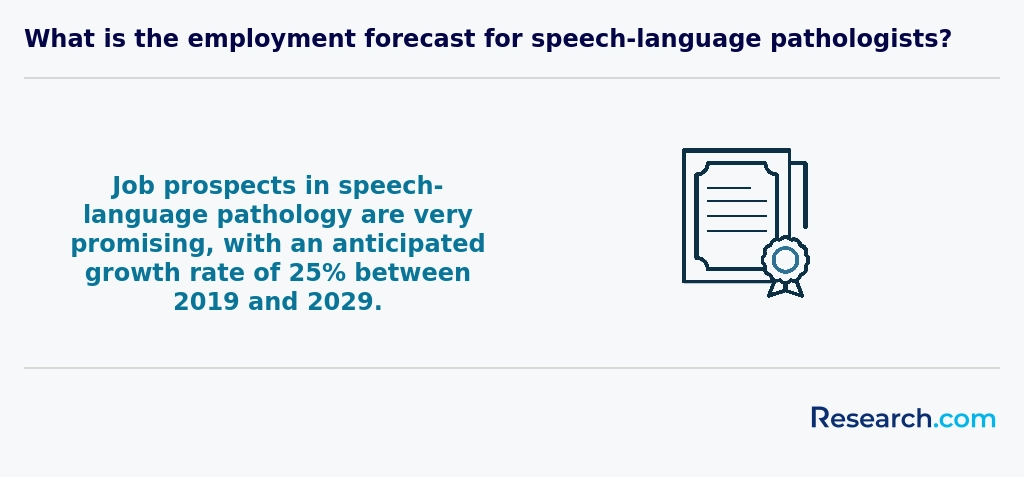
- Long‐Term Earnings Growth: A 25% projected job growth over the next decade can translate to salary increases of 3–5% annually, accelerating ROI and boosting lifetime earnings. For readers exploring cost-effective programs beyond New Mexico, our sister analysis on Inexpensive Speech Pathology Degree Programs Ranking in Mississippi offers a comparative perspective on tuition, post-graduation salaries, and debt management strategies.
In New Mexico, speech pathology degree programs immerse students in a blend of foundational and advanced courses that truly prepare them for the diverse challenges of this field. Graduates from the University of New Mexico often reflect on how courses in anatomy and physiology of speech and hearing gave them a clear picture of the intricate vocal mechanisms, turning theory into a tangible understanding of everyday communication.
Core classes in phonetics and linguistics help decode the complexities of language sounds, which many find surprisingly rewarding as they witness language development in children during clinical settings. Students also engage deeply with disorders such as stuttering or voice impairments, learning practical strategies to support clients effectively.
The clinical practicum stands out as a transformative stage-fresh from lectures, students step into real-world environments under supervision, gaining confidence and earning vital clinical hours. Electives like augmentative communication and multicultural communication broaden perspectives, nurturing a well-rounded, empathetic approach that is especially relevant in New Mexico's diverse communities.
Speech pathology specializations in New Mexico often reflect the diverse needs of the communities served, allowing students to focus on areas that resonate with their career aspirations. Graduates from New Mexico State University and the University of New Mexico frequently emphasize child language disorders, adult neurogenic communication disorders, fluency disorders, voice disorders, and augmentative and alternative communication (AAC). These specializations enable clinicians to work effectively across different age groups and conditions, such as helping children overcome articulation delays or assisting adults recovering from strokes.
Many students appreciate how their programs integrate clinical practicum opportunities, which bring classroom knowledge to life in real-world settings. For example, those specializing in AAC describe fulfilling experiences working with individuals who rely on assistive communication devices, enhancing their confidence and independence. Exploring New Mexico speech therapy degree options can uncover such meaningful specialization paths that align with both professional standards and personal passion.
Balancing specialized training with affordability is also key. Prospective students seeking the most affordable online masters in speech pathology may find New Mexico's public institutions a smart choice, pairing quality education with accessible tuition fees.
Choosing the best speech pathology programs in New Mexico means looking beyond just the curriculum; graduates often emphasize the importance of attending a university with CAA-accredited programs, like those offered at the University of New Mexico. Such accreditation ensures clinical training meets national professional standards, a crucial step for licensure in New Mexico. Many students find comfort in knowing their education aligns perfectly with state requirements, including the clinical fellowship year and Praxis exam preparation.
Cost considerations are personal and significant. Graduates from New Mexico institutions frequently recall balancing tuition and living expenses while appreciating the state's generally lower tuition rates. Exploring options like assistantships or scholarships made their journey manageable. For those seeking affordable speech pathology degrees New Mexico offers, specialized rankings can provide helpful guidance. For insight on budget-friendly options beyond New Mexico, some find the Inexpensive Speech Pathology Degree Programs Ranking in Mississippi a useful resource.
Another factor is access to diverse practicum sites. Alumni recall gaining confidence through placements in Albuquerque and Santa Fe, where hospitals and community clinics provide rich, hands-on experiences. The vibrant urban landscape enhances networking opportunities and professional growth, helping future pathologists feel well-prepared for their careers in the state's evolving healthcare environment.

Graduates holding a speech pathology degree in New Mexico find a range of career opportunities that reflect the state's diverse needs. Many step into roles as speech-language pathologists within public schools, where they support children facing communication challenges. These positions offer a rewarding chance to witness progress firsthand, improving a child's ability to engage academically and socially-a common experience shared by alumni from New Mexico State University and the University of New Mexico.
Others pursue healthcare roles in hospitals or rehabilitation centers, helping patients recover from strokes or injuries that affect speech and swallowing. These settings allow practitioners to combine clinical knowledge with compassionate care, a journey often described by graduates who cherish the meaningful impact they can have during critical recovery phases. This aspect highlights the strong appeal of New Mexico speech pathology job opportunities in medical environments.
Some graduates have also found fulfillment in research and academic careers, contributing to advancements in speech therapy techniques and training future professionals. For those balancing professional growth with educational goals, exploring accelerated options like the fastest bachelors degree can be a strategic choice that complements their ambitions in this evolving field.
The speech pathology job outlook New Mexico offers steady and encouraging opportunities, especially for those who graduate from institutions like New Mexico State University and the University of New Mexico. Graduates often share how rewarding it is to work in local public schools or healthcare facilities, where their efforts directly improve communication abilities in children and elderly patients. The median salary of about $76,000 makes the profession competitive within the state, even if slightly below the national median.
New Mexico speech therapist employment opportunities are influenced by state licensure requirements, including a clinical fellowship and passing the Praxis exam, which graduates find essential for professional credibility and confidence. Many appreciate the affordability of local programs, which helps ease financial pressures while preparing them thoroughly for a fulfilling career.
Those exploring options should consider not just the passion for helping others but also practical paths like accessible education and licensure. Prospective students curious about easier entry routes might look into easiest masters programs to get into, which can offer a less stressful start in this in-demand field.
2027 Most Affordable Speech Pathology Degree Programs Ranking in New Mexico
Investing in your education is a significant decision that can shape your future, and the Research.com team understands the importance of making informed choices. To assist prospective students in New Mexico, we have meticulously crafted the "2027 Most Affordable Speech Pathology Degree Programs Ranking in New Mexico." Our commitment to quality, credibility, and accuracy is reflected in the extensive research and analysis conducted to compile this ranking.
We utilized the following reputable data sources to ensure a comprehensive evaluation of speech pathology programs:
By exploring this ranking, readers will gain valuable insights into the most affordable speech pathology degree programs in New Mexico, helping them make confident and well-informed decisions about their educational paths. For more details on our methodology, please visit our Research.com methodology page.
# 1 position
Eastern New Mexico University-Main Campus
Master of Science in Communicative Disorders (CDIS)


# 4 position
New Mexico State University
Bachelor of Science in Communication Sciences and Disorders

# 5 position
New Mexico State University-Main Campus
Master of Arts in Communication Disorders with specialization in Speech-Language Pathology
Frequently Asked Questions About speech pathology
Speech pathology degree students in New Mexico can maximize their learning by engaging in both academic and practical experiences. Pursuing clinical placements through accredited programs is essential, as hands-on work with diverse populations enhances skills in diagnosing and treating communication disorders. New Mexico's universities often partner with local hospitals and schools, offering valuable internship opportunities.
Students should also leverage state resources like the New Mexico Speech-Language-Hearing Association for networking and workshops. According to the Bureau of Labor Statistics, demand for speech pathologists in New Mexico is projected to grow by 21% through 2031, emphasizing the importance of utilizing all available educational tools to prepare for a competitive job market.
The field of speech pathology is evolving, with several emerging niches gaining attention in New Mexico. One fast-growing area is telepractice, which expands access to therapy in rural communities where speech pathologists are scarce. According to the New Mexico Speech-Language-Hearing Association, telepractice usage increased by over 30% from 2020 to 2023, driven by demand and technological advances.
Another niche involves working with aging populations, addressing speech and swallowing disorders linked to conditions like stroke and dementia. Professionals with expertise in pediatric feeding and swallowing disorders also find increasing opportunities.
These specialized areas reflect broader national trends in speech-language pathology workforce needs, relevant to New Mexico students considering career pathways.
After completing a speech pathology degree in New Mexico, preparing for the job market involves several key steps. Graduates should pursue the Certificate of Clinical Competence in Speech-Language Pathology (CCC-SLP) through the American Speech-Language-Hearing Association (ASHA), which is widely recognized by employers.
Gaining practical experience is essential; participating in internships or clinical placements offered during the degree helps build skills and professional networks. In New Mexico, demand for speech pathologists is projected to grow by about 14% through 2030, according to the U.S. Bureau of Labor Statistics, which suggests good job opportunities.
Networking with local healthcare facilities, schools, and community organizations can improve job prospects. Keeping abreast of state licensure requirements from the New Mexico Regulation and Licensing Department ensures candidates remain eligible to work.
Employers in New Mexico highly value speech pathology graduates who demonstrate strong clinical skills, including accurate assessment and individualized treatment planning. Communication abilities, both with patients and interdisciplinary teams, are essential to ensure effective therapy outcomes. According to the American Speech-Language-Hearing Association (ASHA), proficiency in evidence-based practices remains a top priority for hiring managers.
In New Mexico, cultural competence is increasingly important due to the state's diverse population, including significant Native American and Hispanic communities. Familiarity with bilingual and multicultural communication challenges enhances employability.
Finally, strong critical thinking and adaptability are key, as employers seek graduates capable of working in varied settings such as schools, hospitals, and private practices.
Finding internships in New Mexico relevant to a speech pathology degree involves connecting with both academic programs and local healthcare providers. Many universities offering speech pathology degrees require clinical placements as part of their curriculum, making university career centers a key resource. Additionally, the New Mexico Speech-Language-Hearing Association (NMSHA) provides listings of approved internship sites throughout the state.
Hospitals, public schools, and rehabilitation centers in cities like Albuquerque and Santa Fe frequently offer internships or externships. The New Mexico Department of Health and Public Education employs several speech pathologists, potentially providing internship opportunities.
It is advisable to begin searching early, as these positions are limited and competitive. Networking through professional associations and university faculty can improve placement chances. The American Speech-Language-Hearing Association (ASHA) website also offers nationwide databases that include options specific to New Mexico.
Obtaining a speech pathology degree in New Mexico significantly enhances career mobility and advancement opportunities. The New Mexico Department of Workforce Solutions projects a steady growth rate of about 19% for speech-language pathologists (SLPs) from 2021 to 2031, higher than the national average. This demand creates a favorable job market for graduates, opening positions in schools, healthcare facilities, and private practices.
Furthermore, earning a master's degree-the standard requirement for state licensure and certification-allows professionals to qualify for roles with higher responsibility and better pay. According to the American Speech-Language-Hearing Association, New Mexico SLPs earned a median annual wage of approximately $84,000 in 2023.
The degree also provides foundational knowledge necessary for advanced certifications and specialized positions, facilitating career advancement within clinical or educational settings across the state.
Studying for a speech pathology degree in New Mexico equips students to work effectively in interdisciplinary healthcare teams. Many programs emphasize collaboration with professionals such as audiologists, occupational therapists, and educators, reflecting the real-world environments speech pathologists encounter. This approach enhances communication skills and broadens clinical knowledge, essential for managing diverse patient needs.
The New Mexico Department of Health highlights the growing demand for speech-language pathologists in multidisciplinary settings, particularly in schools and rehabilitation centers. Accredited programs often include clinical practicums in varied settings, fostering hands-on experience alongside other specialists.
Such training prepares graduates to contribute meaningfully within complex care teams, supporting better patient outcomes through integrated services.
When choosing between a thesis and a non-thesis speech pathology degree program in New Mexico, students should consider their career goals. A thesis program typically involves conducting original research, which is beneficial for those planning to pursue a PhD or work in research-focused roles. Non-thesis programs often focus more on clinical practice, ideal for students aiming for immediate employment in healthcare or education settings.
New Mexico offers various accredited programs where clinical hours are essential, regardless of the track chosen. The American Speech-Language-Hearing Association (ASHA) requires a minimum of 400 clinical hours for certification, which both paths meet. According to the New Mexico Higher Education Department, the state's graduate programs maintain a strong emphasis on practical skills.
Cost and time commitment also vary. Thesis programs may take longer due to research demands, potentially increasing expenses. Checking specific program curricula and faculty expertise in New Mexico universities can help students decide which option aligns best with their educational interests and professional plans.
Students based in New Mexico seeking to study speech pathology abroad have limited but valuable options through exchange programs and international partnerships facilitated by U.S. universities. While no New Mexico public institutions currently offer dedicated study abroad programs specifically for speech pathology, some regional schools with communication sciences departments may provide opportunities through broader health sciences or language studies abroad.
Due to accreditation standards set by the American Speech-Language-Hearing Association (ASHA), students planning to complete a clinical degree internationally must ensure their programs meet U.S. credentialing requirements to practice in New Mexico or elsewhere in the U.S.
According to the New Mexico Higher Education Department, students should also consider the cost and credit transferability when exploring these alternatives, as few speech pathology degrees abroad align fully with U.S. licensure pathways.
In New Mexico, students pursuing speech pathology degrees can find part-time job opportunities that enhance their educational experience and build practical skills. Common roles include working as speech therapy aides or assistants in schools and healthcare clinics. These positions allow hands-on exposure to therapy practices under licensed professionals.
Additionally, employment in early childhood centers and special education programs is valuable, as these environments often collaborate with speech pathologists. According to the New Mexico Department of Workforce Solutions, demand for support roles in health services is projected to grow by 10% through 2030, providing student workers with increasing chances to gain relevant experience.
Internships at local hospitals or rehabilitation centers also complement classroom learning by offering direct client interaction. Such work integrates well with academic schedules, preparing students for future licensure and clinical certification requirements in speech pathology.
Speech pathology students in New Mexico have several valuable networking opportunities through university programs and professional organizations. The New Mexico Speech-Language-Hearing Association (NMSLHA) offers events, workshops, and local chapter meetings that connect students with practicing clinicians. Additionally, state universities like the University of New Mexico provide clinical placements and partnerships with local healthcare facilities, fostering professional relationships early in training.
Students can also attend conferences hosted by the American Speech-Language-Hearing Association (ASHA), which frequently include regional sessions in nearby states. These events provide access to recent research, job openings, and mentorship. Networking expands as students engage with faculty, alumni, and community providers, crucial for career development in New Mexico's growing speech therapy field.
Alumni networks offer significant benefits to speech pathology degree students in New Mexico. These networks connect current students with experienced professionals who understand the local healthcare and education systems. According to the American Speech-Language-Hearing Association (ASHA), strong professional relationships increase job placement rates by up to 20%. In New Mexico, where speech pathology positions are growing steadily, networking helps graduates access internships and clinical practicum sites critical for licensure.
Students can gain mentorship, career guidance, and insights into licensing requirements specific to New Mexico. Alumni often share job openings in schools, hospitals, and private practices, offering members a competitive advantage in the state's employment market.
In New Mexico, customizing your speech pathology degree program to align with your career goals involves selecting specialized courses and practical experiences. Many state universities offer elective classes focusing on areas like pediatric communication disorders, neurogenic speech impairments, or bilingual speech therapy, reflecting New Mexico's diverse linguistic landscape.
Clinically supervised internships or practicum placements can be tailored toward settings such as schools, hospitals, or rehabilitation centers, helping you gain relevant hands-on experience. The New Mexico Speech-Language-Hearing Association (NMSLHA) and American Speech-Language-Hearing Association (ASHA) provide guidance on licensure and certification, which may influence your coursework choices.
According to the U.S. Bureau of Labor Statistics, New Mexico has a steady demand for speech pathologists, encouraging students to focus on areas where regional shortages exist, such as rural communities.
Speech pathology students in New Mexico typically face several challenges during their education. One key difficulty is limited availability of clinical practicum sites, essential for hands-on experience. According to the American Speech-Language-Hearing Association (ASHA), New Mexico has fewer clinical placement opportunities compared to more populous states, which can delay students' progress.
Another challenge is balancing rigorous academic requirements with personal and financial commitments. Tuition and related costs can be significant, especially in programs outside major urban centers like Albuquerque. Students also report navigating diverse linguistic and cultural demands, as New Mexico's population includes many Spanish speakers and Native American communities, requiring tailored speech therapy approaches.
With a speech pathology degree in New Mexico, graduates can pursue several key professional certifications to advance their careers. The most recognized credential is the Certificate of Clinical Competence in Speech-Language Pathology (CCC-SLP), awarded by the American Speech-Language-Hearing Association (ASHA). This certification requires completing a master's degree, a supervised clinical fellowship, and passing a national exam.
New Mexico also requires state licensure to practice, overseen by the New Mexico Regulation and Licensing Department. Licensure standards align closely with ASHA requirements, ensuring practitioners meet education and clinical experience benchmarks.
Additional certifications include specialized credentials in areas like fluency or swallowing disorders. These can enhance expertise but are optional.
Writing a winning application for a speech pathology program in New Mexico starts with understanding the requirements set by the Council on Academic Accreditation in Audiology and Speech-Language Pathology (CAA). Applicants should highlight relevant undergraduate degrees, preferably in communication sciences or related fields, and maintain a competitive GPA, often above 3.0. Strong letters of recommendation from professors or professionals in speech pathology can boost your profile.
Including volunteer or work experience with speech-language pathologists demonstrates your commitment. Also, prepare a clear, concise personal statement explaining your career goals and why you want to study in New Mexico, considering the local community's unique language and cultural needs.
Meeting prerequisites such as coursework in anatomy, physiology, and linguistics is essential. Some New Mexico programs may require GRE scores, so check each school's criteria carefully.
The career of speech pathology holds a respected place globally, with increasing demand due to aging populations and heightened awareness of communication disorders. In the United States, including New Mexico, the field is projected to grow 17% from 2022 to 2032, faster than average, according to the U.S. Bureau of Labor Statistics.
Internationally, speech pathologists often work in diverse healthcare and educational settings, adapting to cultural language differences and varying health systems. In New Mexico, programs integrate these global perspectives to prepare graduates for diverse populations, including Native American communities.
Accreditation by the Council on Academic Accreditation in Audiology and Speech-Language Pathology (CAA) ensures U.S. standards align well with international best practices, facilitating cross-border professional recognition for graduates.
In New Mexico, gaining practical experience while studying for a speech pathology degree is essential for licensure and career readiness. Many accredited programs incorporate supervised clinical practicums as a core part of their curriculum, allowing students to work directly with clients under licensed professionals.
Students often complete internships in diverse settings such as schools, hospitals, and rehabilitation centers. According to the New Mexico Speech-Language-Hearing Association, clinical hours logged during study must meet or exceed the American Speech-Language-Hearing Association's (ASHA) requirement of 400 supervised hours for certification eligibility.
Additionally, partnerships between universities and local healthcare providers create opportunities for hands-on learning and networking within the state's speech pathology community.
Choosing the right concentration within a speech pathology degree program in New Mexico depends on your career goals and interests. Common areas include pediatric speech disorders, adult neurogenic communication disorders, and voice therapy. Understanding local demand is essential; for example, New Mexico's aging population increases the need for professionals skilled in adult rehabilitation. According to the New Mexico Department of Workforce Solutions, speech-language pathology is expected to grow by 20% through 2030, especially in public schools and healthcare settings.
Research each program's curriculum and practicum opportunities to ensure they align with your desired focus. Additionally, consider programs accredited by the American Speech-Language-Hearing Association (ASHA) to meet licensure requirements within the state.
- 2027 Most Affordable Speech Pathology Degree Programs Ranking in Arizona
- 2027 Most Affordable Speech Pathology Degree Programs Ranking in Colorado
- 2027 Most Affordable Speech Pathology Degree Programs Ranking in Oklahoma
- 2027 Most Affordable Speech Pathology Degree Programs Ranking in Kansas
- 2027 Most Affordable Speech Pathology Degree Programs Ranking in California
- 2027 Most Affordable Speech Pathology Degree Programs Ranking in Missouri
- 2027 Most Affordable Speech Pathology Degree Programs Ranking in Arkansas
- 2027 Most Affordable Speech Pathology Degree Programs Ranking in Louisiana
- 2027 Most Affordable Speech Pathology Degree Programs Ranking in North Dakota
- 2027 Most Affordable Speech Pathology Degree Programs Ranking in Minnesota
See What Experts Have To Say About Studying Speech Pathology
Read our interview with Speech Pathology experts

- How To Choose an SLP Program: Seven Factors To Consider https://www.usa.edu/blog/how-to-choose-a-slp-program/
- What Can You Do with a Bachelor’s in Speech Pathology? https://speechpathologymastersprograms.com/speech-pathology-programs/bachelors-speech-pathology/what-can-you-do-with-bachelors-speech-pathology/
- How to Become a Speech-Language Pathologist - Graduate Programs for Educators https://www.graduateprogram.org/blog/how-to-become-a-speech-language-pathologist/
- Alternative Careers for SLPs: 13 Non-Clinical Paths Clinicians Love - SLP Transitions https://slptransitions.com/alternative-careers-speech-pathologists-slps/
- Speech Language Pathology in 2026: Trends Clinicians Need to Watch - Lighthouse Therapy https://lighthouse-therapy.com/speech-language-pathology-in-2026-trends-clinicians-need-to-watch/
- How to Become a Speech Language Pathologist (SLP): Your Career Guide | GHR Education https://www.ghreducation.com/blog/become-speech-language-pathologist
- The Five Different Situations Where Speech Pathology Helps Kids - South Australia Speech and Hearing Centre https://www.sashc.com.au/the-five-different-situations-where-speech-pathology-helps-kids/
- Speech Pathologist Salaries in New Mexico | CompTool https://comptool.com/salaries/new-mexico/healthcare/speech-pathologist/
- What’s Your Niche? Specializing as an Speech-Language Pathologist https://www.meaningfulspeech.com/blog/private-practice-SLP
- Grad School Application Resource Center https://www.nsslha.org/programs/grad-school-application-resource-center/