2027 Most Valuable Online Educational Leadership Degree Programs Ranking in the Midwest

Co-Founder and Chief Data Scientist
Choosing the right educational leadership degree program can shape your future career and impact your community. For students in the Midwest, this article offers valuable guidance with the 2027 Most Valuable Online Educational Leadership Degree Programs Ranking in the Midwest.
Created by the Research.com team of data scientists, this ranking helps you identify programs that deliver real value and opportunities.
Exploring these options can boost your confidence in making an informed decision and inspire you on your path to becoming a strong leader in education.
Key benefits of getting online educational leadership degree in the Midwest
- Graduates with educational leadership degrees in the Midwest often pursue rewarding careers in school administration and curriculum coordination, with many roles offering median salaries around $98,490 per year according to general US data for educational leadership positions.
- Potential career paths include becoming principals, instructional coordinators, or education consultants, as seen with alumni from popular Midwest institutions like the University of Minnesota, who have successfully advanced in these fields.
- Online degrees provide flexibility for working professionals and allow graduates from universities such as Indiana University to balance their studies with personal and job commitments, often accelerating their career growth without sacrificing quality or accreditation.
- 2027 Most Valuable Online Educational Leadership Degree Programs Ranking in the Midwest
- What can I expect from online educational leadership degree in the Midwest?
- Where can I work with online educational leadership degree in the Midwest?
What can I expect from online educational leadership degree in the Midwest?
The average cost of an online educational leadership degree in the Midwest typically falls between $10,000 and $12,000 per year for graduate students at public universities. For example, graduates from Indiana University's online program often mention how affordable tuition combined with savings on commuting and housing made completing their degree more manageable. Similarly, University of Nebraska students appreciate that the tuition rates stay consistent, allowing them to plan finances without surprises.
Many programs require 30 to 45 credit hours, so total costs can range roughly from $25,000 to $35,000 depending on the length and pace of study. Graduates often describe balancing work, family, and coursework with part-time enrollment, stretching their investment over several semesters while gaining leadership skills on their own schedule.
Financial aid and employer tuition reimbursement options are common, and reaching out to the university's financial office early can unlock valuable resources. The practical blend of theory and leadership experience these programs provide offers real-world return on investment, making the cost feel worthwhile and attainable for professionals aiming to lead in schools or districts.
Where can I work with online educational leadership degree in the Midwest?
Graduates with an online educational leadership degree in the Midwest commonly step into roles within K-12 school districts such as principals, assistant principals, or curriculum coordinators. For instance, many students from well-known programs at universities in Illinois and Michigan report successfully gaining administrative positions in their local districts, benefiting from strong regional connections and practical training tailored to Midwest schools.
Beyond K-12, graduates often find opportunities at community colleges and universities as academic advisors or program directors. Schools expanding online offerings, like those in Ohio, actively seek such leadership talent to manage hybrid learning programs-a path that many alumni appreciate for its adaptability and career growth.
Some graduates pivot to nonprofit organizations focused on educational policy or leadership development, especially in urban Midwestern hubs like Chicago or Detroit. Others secure roles with state education departments, where they influence policy and program implementation, taking pride in contributing to statewide educational improvements.
Graduates with an online educational leadership degree in the Midwest can realistically expect annual salaries ranging from $85,000 to $110,000, depending on the state and specific role. For example, graduates from reputable programs at universities like the University of Illinois or Michigan State University have successfully secured positions paying around $98,000 as school principals. In Ohio, administrative roles often start near $95,000, reflecting steady regional demand.
Those holding advanced degrees, such as a master's or doctorate obtained online from well-regarded Midwest colleges, typically qualify for district-level leadership or superintendent roles, where salaries can exceed $120,000. Experience is key: professionals with a decade or more in educational leadership enjoy consistent salary growth and added benefits like retirement plans and health insurance offered by many school districts.
Many graduates report that the financial rewards align closely with the responsibility of guiding schools through evolving educational priorities, making the investment in an online degree both practical and fulfilling.
- Online educational leadership degrees in the Midwest focus on school management, policy development, and instructional leadership for K-12 and higher education roles.
- The average tuition ranges from $15,000 to $40,000, with public universities generally offering lower rates for in-state students.
- Entry-level salaries for graduates start around $55,000 annually, while experienced principals and administrators earn between $85,000 and $120,000 or more.
- Job growth for education administrators in the Midwest is projected at about 6% over the next decade, matching the national average.
- Many programs meet regional accreditation and state licensure requirements, but students should check specific state certification rules before enrolling.
Completing an online educational leadership degree in the Midwest typically takes between 18 months and 3 years, depending on your pacing and program format. For instance, graduates from universities like the University of Illinois or Ohio State University often share how full-time students wrap up most master's degrees in about two years, while part-time students juggling work and family commitments find themselves taking closer to three years.
Many Midwest schools offer flexible schedules, letting you speed up or slow down based on your personal situation-a feature praised by students balancing busy careers. If you choose a Doctor of Education (EdD) program, expect a longer commitment, often between three and six years, including research and dissertation work, similar to experiences reported by graduates at institutions like the University of Minnesota.
Practical planning means considering your available time and desired pace up front. Full-time enrollment accelerates completion but requires dedication, whereas part-time options allow steady progress without sacrificing work-life balance. Knowing these timelines helps you set realistic goals to confidently manage your educational leadership journey in the Midwest.
Choosing between online and on-campus educational leadership degrees in the Midwest boils down to your lifestyle and learning preferences. On-campus programs at universities like the University of Illinois or Michigan State require you to attend classes physically, which means early mornings on campus, direct face-to-face interactions, and easy access to campus resources like libraries and advising. Graduates often speak fondly of the camaraderie built during group projects and live discussions, which many find invaluable for sharpening leadership skills.
Online degrees, such as those offered by Western Michigan University or University of Nebraska, allow you to study from home or your workplace, making it easier to juggle work and family obligations. Coursework is typically available asynchronously, so you can fit studying around your schedule. Many students appreciate saving time and money by avoiding commuting and housing costs.
Tuition between formats in the Midwest usually falls between $9,000 and $19,000 annually, though some online students benefit from reduced fees. Either path maintains the same high standards, accredited by regional bodies like the Higher Learning Commission, ensuring your degree holds strong professional value.
The average cost of an online educational leadership degree in the Midwest typically centers around $22,830, with in-state students paying closer to $18,000 and out-of-state students averaging around $26,880. Graduates from popular universities like the University of Illinois or Michigan State often share how budgeting for approximately 30 to 36 credit hours helped them manage expenses effectively while balancing work and study.
Many find that public universities offer more affordable rates, especially for in-state residents, making the total tuition and fees for Midwest educational leadership programs more accessible. Private and out-of-state tuition requires careful financial planning since costs can reach the upper end of this range. Still, students often feel encouraged knowing that these investments lead to meaningful career advancement in leadership roles.
To make informed choices, prospective students should consider the full cost including small additional fees, which can add a few hundred to a couple thousand dollars. It's wise to explore financial aid and scholarships, which are commonly available to reduce out-of-pocket expenses. Some graduates recommend looking into employer tuition reimbursement programs as well, which can significantly ease the financial burden during the program.
Those interested might want to visit resources like the online educational leadership masters program pages to compare tuition rates and tailor a budget accordingly.
Understanding the average cost of online educational leadership degree Midwest options equips students to plan realistically and pursue their leadership goals confidently.

Students pursuing online educational leadership degrees in the Midwest typically rely on a mix of financial aid options to make their education affordable. Federal loans like Stafford Loans and Graduate PLUS Loans are widely accessible and provide practical solutions to cover tuition and living costs. For example, graduates from public universities in Illinois often praise how Stafford Loans' fixed interest rates offered manageable monthly payments during and after their studies.
State aid adds another valuable layer. Midwest residents attending institutions like Ohio State University benefit from programs such as the Illinois Monetary Award Program (MAP), which offers need-based grants to reduce tuition bills. Many graduates report this state support as a critical factor that eased their financial strain.
- Institutional scholarships and assistantships are common, especially at universities known for strong education departments, with some students successfully securing tuition waivers and stipends by assisting in research or teaching.
- Private scholarships from local foundations and professional groups like the Midwest Educational Leadership Consortium also help students supplement their funding.
To enroll in an online educational leadership degree in the Midwest, you typically need a bachelor's degree from an accredited institution, preferably in education or a related field. For example, graduates from well-known Midwest colleges often share how their prior teaching experience strengthened their applications. These programs usually require two to five years of professional experience in education-whether teaching, counseling, or administrative roles. Many students recall how showing at least three years of classroom work helped them stand out during admissions at reputable Midwest universities.
Some programs might still ask for GRE or MAT scores, but this is becoming less common. You'll almost always need to submit letters of recommendation, often from supervisors familiar with your leadership potential, and write a clear statement of purpose highlighting your career goals.
Professional licensure or certification can improve your chances, especially if you aim for administrative credentials. Lastly, comfort with technology and online learning platforms is essential-graduates frequently mention that early familiarity eased their transition to virtual coursework.
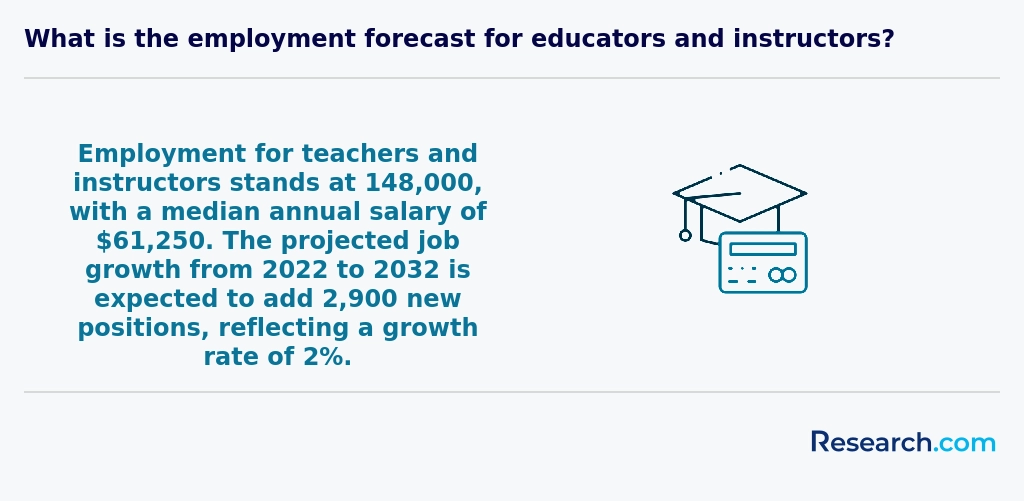
Online educational leadership degrees in the Midwest typically include a collection of focused courses designed to build practical skills for school administration. Graduates from universities like the University of Illinois or Ohio State University often recall how Foundations of Educational Leadership gave them a clear understanding of leadership theories they could immediately apply in diverse school settings.
Core courses such as School Law and Ethics provide essential knowledge about legal issues and ethical decision-making that principals and superintendents face daily. Coursework in Curriculum Development and Instructional Leadership equips students to lead teaching improvements effectively, a favorite among graduates who later implemented new programs in their districts.
Students appreciate how Data-Driven Decision Making teaches them to analyze assessment data to directly impact student outcomes. Hands-on classes like Organizational Change and Leadership help prepare for real scenarios, such as managing school culture shifts.
Other vital courses cover Human Resource Management, Financial Management, and Community Relations, all of which graduates say gave them confidence to handle the complex challenges of school leadership in the Midwest.
Online educational leadership specializations Midwest programs typically include K-12 School Leadership or Administration, Higher Education Leadership, Curriculum and Instruction Leadership, Special Education Leadership, and Educational Technology Leadership. Graduates from universities like the University of Missouri and Indiana University often highlight how K-12 School Leadership prepared them to manage school law and staff efficiently in districts across Illinois and Ohio, where demand for administrators remains strong.
Many find Higher Education Leadership attractive, particularly those aiming to work in large Midwestern universities in Michigan or Minnesota. This specialization covers managing student affairs and institutional governance, which former students praise for its direct applicability in university settings.
Programs also offer concentrations such as Curriculum and Instruction Leadership, perfect for educators wanting to influence district-wide teaching standards, or Special Education Leadership, increasingly vital due to state and federal mandates. Online degree candidates appreciate Educational Technology Leadership, as it trains them to handle digital learning-crucial with the rise of remote education.
For prospective students weighing costs and specializations, exploring the cheapest educational leadership doctorate degree online is a practical step, especially in regions with strong educational leadership degree concentrations like the Midwest.
Start by confirming the program's accreditation, ideally from the Council for the Accreditation of Educator Preparation (CAEP) or a regional body recognized in the Midwest. Graduates from popular universities in Illinois or Ohio often emphasize how this step ensured their degrees met state licensure standards, a crucial factor for school leadership roles. Next, evaluate affordability by comparing tuition and financial aid options; many affordable educational leadership programs Midwest offer competitive rates and scholarships, making a real difference for working students balancing budgets.
Look for program flexibility, such as asynchronous classes that alumni from universities in Indiana value for fitting study around busy schedules. Many programs also include synchronous virtual residencies, which enrich your experience and offer direct faculty mentoring. Finally, confirm if the curriculum aligns with your state's licensing requirements-Midwestern schools frequently tailor courses specifically for states like Illinois or Ohio, increasing your chance of seamless certification.
For those interested in accelerated paths, consider reviewing the shortest edd online programs that combine rigorous academics with manageable timelines, often praised by graduates who advanced quickly without sacrificing depth.
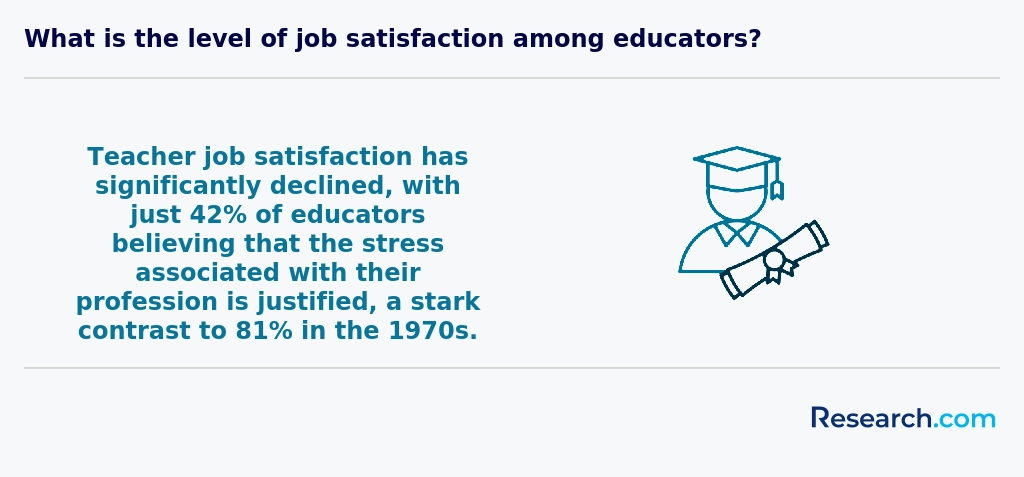
Graduates with an online educational leadership degree in the Midwest often start by pursuing roles such as school principals or vice principals, managing daily operations and staff while shaping policies to boost student success. Many alumni from universities like the University of Illinois or Michigan State University share how their hands-on leadership training helped them confidently step into these roles. Those interested in district-level positions can move into superintendent or curriculum coordinator roles, overseeing multiple schools and balancing budgeting with community engagement, leveraging skills honed through regional programs tailored to Midwest educational systems.
Others tap into opportunities as instructional coaches or education consultants within nonprofits, focusing on enhancing teaching quality rather than administration. Graduates from popular Midwestern programs often commend how their coursework prepared them for these varied paths, illustrating the broad scope of online educational leadership career opportunities Midwest. Exploring options in higher education administration, such as academic advisor or student affairs manager, is also practical, supported by the leadership skills these degrees impart. For a comprehensive view of available programs, consider exploring online educational leadership masters programs.
The job market for graduates with an online educational leadership degree in the Midwest is robust, with states like Illinois and Michigan showing steady hiring demand for school principals, curriculum coordinators, and district superintendents. Graduates often share how pursuing their degree from well-known regional institutions gave them the flexibility to work full-time while advancing their careers, which helped them confidently step into leadership roles. This reflects a larger trend of Midwest educational leadership career opportunities that value hands-on experience combined with flexible, accredited online credentials.
Salary expectations in the region typically range from $85,000 to $110,000 for principals, with district superintendents earning more, depending on district size. Graduates appreciate how cost-effective the programs are, especially when attending public universities that offer lower in-state tuition. For those curious about the degree type and how it suits their goals, understanding what is an eds degree can provide clarity on the specialized skills needed for the evolving education landscape.
Exploring online educational leadership jobs Midwest reveals a practical path: combine work experience with your degree, stay adaptable to new challenges like equity and remote learning, and choose reputable programs known for their regional impact and graduate success.
2027 Most Valuable Online Educational Leadership Degree Programs Ranking in the Midwest
Investing in your education is a significant decision that can profoundly impact your professional journey, and the Research.com team recognizes the importance of making well-informed choices. To assist prospective students seeking leadership degrees in the Midwest, we have carefully developed the "2027 Most Valuable Online Educational Leadership Degree Programs Ranking in the Midwest." Our dedication to quality, credibility, and accuracy is demonstrated through rigorous research and detailed analysis.
We utilized the following reputable data sources to ensure a comprehensive evaluation of educational leadership programs:
By exploring this ranking, readers will gain valuable insights into the most valuable online educational leadership programs available in the Midwest, empowering them to make confident decisions about their academic futures. For more information on how this ranking was created, please visit our Research.com methodology page.




# 12 position
Southern Illinois University-Edwardsville
Master of Educational Administration with a Specialization in Teacher Leader


# 14 position
University of South Dakota
Master of Administration/Organizational Leadership specialization

# 15 position
Central Michigan University
Master of Educational Leadership (Charter School Emphasis)


Frequently Asked Questions About educational leadership
Students pursuing online educational leadership degrees in the Midwest can maximize their learning by actively engaging with course materials and participating in virtual discussions. Research from the Midwest Council of Educational Leaders highlights that collaboration with peers enhances critical thinking and problem-solving skills. Setting a structured study schedule helps balance work, life, and learning commitments effectively. Additionally, seeking mentorship from experienced Midwest educational leaders or faculty can provide valuable regional insights and career guidance. Utilizing available resources such as webinars, local professional networks, and state-specific educational policies also deepens understanding and practical application within the Midwest context.
The field of educational leadership is evolving rapidly, with several emerging niches gaining attention in the Midwest. One notable area is digital equity leadership, which addresses disparities in access to technology and internet resources among students, a key concern highlighted by the Midwestern Higher Education Compact.
Another growing niche is data-informed decision-making, where leaders use analytics to improve school performance and student outcomes. According to the Illinois Education Research Council, this approach is increasingly critical for schools facing accountability pressures.
Additionally, diversity, equity, and inclusion (DEI) leadership remains a vital focus. Leaders are being trained to foster more inclusive environments, reflecting the region's gradually diversifying student populations reported by the National Center for Education Statistics.
Preparing for the job market after earning an online educational leadership degree in the Midwest involves strategic planning and skill development. Graduates should familiarize themselves with state certification requirements, which often vary across states like Illinois, Ohio, and Michigan.
Networking is essential; joining professional organizations such as the Midwest Education Leaders Association provides access to job postings and mentorship. According to the U.S. Bureau of Labor Statistics, educational leadership jobs in the Midwest are projected to grow about 6% through 2030, reflecting steady demand.
Enhancing skills in data-driven decision making and digital communication can set candidates apart in a competitive market. Additionally, pursuing internships or residencies during the program offers practical experience that many employers value.
Employers in the Midwest prioritize several key skills in graduates holding online educational leadership degrees. Strong communication abilities are essential, as leaders must effectively collaborate with teachers, parents, and community stakeholders. Critical thinking and problem-solving skills are also highly valued, enabling leaders to address diverse challenges in school environments.
Additionally, expertise in data analysis to improve student outcomes has become increasingly important. According to the Illinois Principal Association, 78% of school districts seek leaders proficient in data-driven decision making. Leadership qualities such as vision-setting and team management are repeatedly emphasized by employers across states like Ohio and Michigan.
Adaptability to changing educational policies and technologies is crucial in the evolving Midwest school systems. These combined skills help graduates meet the complex demands of educational leadership roles regionally.
Finding internships in the Midwest related to educational leadership involves leveraging local school districts, universities, and professional organizations. Many public school districts in states like Illinois, Ohio, and Michigan partner with regional universities to offer leadership internships tailored to graduate students.
The Illinois Principals Association and the Ohio School Boards Association often list internship opportunities or provide connections to district leaders seeking interns. Online platforms such as Handshake also feature regional postings specifically for educational leadership students.
Additionally, students should consider reaching out directly to university career centers, which typically assist with placements in education-focused roles. According to the National Center for Education Statistics, nearly 60% of Midwest educational leadership interns secure positions through these institutional partnerships.
Online educational leadership degrees in the Midwest significantly enhance career mobility for educators seeking administrative roles. These degrees are designed to meet state licensure requirements, making graduates eligible for leadership positions such as principals or district administrators. According to the U.S. Bureau of Labor Statistics, employment for education administrators in the Midwest is projected to grow around 7% from 2022 to 2032, faster than average.
Graduates with online degrees benefit from flexible learning while gaining credentials recognized by regional school districts. Data from the National Center for Education Statistics shows Midwestern schools increasingly prefer candidates with advanced leadership degrees for promotions and salary increases.
Studying for an educational leadership degree in the Midwest equips students with skills valued across multiple disciplines. These programs emphasize collaboration between education, public administration, and policy, reflecting the complex environments leaders face today.
Midwestern universities often integrate coursework in data analysis, organizational behavior, and community engagement, preparing graduates to work effectively in diverse settings. For example, the University of Illinois Urbana-Champaign includes modules on educational equity alongside leadership strategies, illustrating this interdisciplinary approach.
According to the Midwestern Higher Education Compact, nearly 70% of educational leadership graduates find roles that require cross-sector collaboration within two years, highlighting the regional demand for multifaceted leaders.
When choosing between a thesis and a non-thesis educational leadership degree program in the Midwest, consider your career goals and learning style. Thesis programs require conducting original research and writing a substantial paper, which suits students interested in policy analysis, academia, or doctoral studies. Non-thesis options focus more on practical skills and applied projects, often appealing to professionals aiming for leadership roles in schools or districts.
According to the National Center for Education Statistics, about 60% of Midwest educational leadership programs offer both formats, providing flexibility. Costs and time commitments can differ, with thesis tracks sometimes extending program length due to research demands. Understanding these factors helps align your choice with professional aspirations.
Students based in the Midwest who seek to study educational leadership abroad have limited options through traditional U.S. institutions. Most online educational leadership programs are offered domestically, with a focus on local and national accreditation standards. According to the National Center for Education Statistics, fewer than 5% of accredited U.S. programs offer fully online degrees with international study components.
Several Midwestern universities partner with international institutions to provide study abroad opportunities as part of hybrid leadership programs, but fully online degrees with direct overseas study remain rare. Students often complement online coursework with optional residencies or internships abroad, especially in Canada and the UK, two common destinations for Midwestern learners.
Prospective students should consider programs that are regionally accredited by entities like the Higher Learning Commission, ensuring credits transfer smoothly. Employers in Midwest education systems value these credentials, which adhere to U.S. licensing requirements for school leadership roles.
Part-time job opportunities in the Midwest that complement educational leadership degrees typically focus on roles within school administration and community education. Positions such as substitute teaching, teacher assistant roles, or educational program coordinators provide practical experience and insights into school operations. According to the U.S. Bureau of Labor Statistics, the Midwest states like Ohio, Illinois, and Michigan report steady demand for educational administrators, making these roles valuable for hands-on leadership skills.
Working part-time in youth services or community outreach programs also develops skills in stakeholder communication and program management, which are crucial in educational leadership. These jobs often offer flexible schedules to accommodate online learning students. Additionally, data from the National Center for Education Statistics highlights that gaining such field experience can improve job prospects upon graduation.
Online educational leadership students in the Midwest have diverse networking opportunities despite studying remotely. Many universities offer virtual forums, webinars, and group projects specifically designed to connect students. For example, institutions in Illinois and Michigan frequently host online meetups that link students with faculty and alumni.
Regional professional organizations, like the Midwest Educational Leadership Council, provide events and conferences where students can engage with statewide education professionals. Additionally, students often access LinkedIn groups and specialized social media communities focused on Midwestern educational leadership.
According to the National Center for Education Statistics, over 60% of educational leadership programs in the Midwest integrate networking events as part of the curriculum. These structured opportunities help students build valuable relationships within the regional education sector.
Alumni networks provide valuable support for students pursuing online educational leadership degrees in the Midwest. These networks often connect graduates with experienced professionals working in local school districts and educational institutions. According to the Midwest Education Research Consortium, 67% of alumni reported that networking helped them secure leadership roles within two years of graduation.
Joining an alumni community offers mentorship opportunities, allowing students to receive guidance on career advancement and challenges specific to the Midwest educational landscape. Additionally, schools frequently host regional events, fostering connections that can lead to collaborations and job referrals.
Strong alumni networks also facilitate access to job boards exclusive to graduates. This targeted support is critical in a competitive job market, especially for those balancing work and online studies in this region.
Customizing an online educational leadership degree in the Midwest often starts with selecting a program that offers flexible specializations. Many universities allow students to focus on areas like K-12 administration, curriculum development, or higher education leadership.
Midwestern institutions such as the University of Illinois and Michigan State University provide elective courses tailored to specific career goals, including equity in education and technology integration. According to the National Center for Education Statistics, nearly 45% of educational leadership programs in the Midwest include customizable tracks, helping students align studies with professional aspirations.
Additionally, some programs offer internships or capstone projects in local school districts, providing hands-on experience relevant to leadership roles.
Online educational leadership students in the Midwest often face challenges related to balancing work, family, and study commitments. Many students are current educators or administrators, making time management critical. According to the National Center for Education Statistics, adult learners frequently report difficulty in maintaining consistent study schedules due to professional demands.
Another common issue is limited access to high-quality internet in rural areas, which impacts participation in synchronous activities and access to digital resources. The Federal Communications Commission notes that about 17% of rural Midwest residents lack broadband access, creating barriers for distance learning.
Additionally, some students experience less networking and mentorship opportunities compared to on-campus programs. This can affect career advancement and leadership skill development. Understanding these challenges helps prospective students prepare for the unique demands of online educational leadership studies in the region.
An online educational leadership degree from a Midwest institution can prepare graduates for several recognized professional certifications. Popular credentials include the School Principal Certification and the Superintendent Certificate, both often required to hold administrative roles in K-12 schools. These certifications are typically governed by state departments of education, such as the Illinois State Board of Education or the Ohio Department of Education.
Additionally, professionals can pursue the National Board for Professional Teaching Standards (NBPTS) Leadership Certification, which enhances leadership skills and credibility. According to the Midwest Educational Research Association, over 60% of school leaders in the region hold such certifications, reflecting their value in career advancement.
When applying for an online educational leadership program in the Midwest, start by thoroughly researching each university's specific requirements. Many programs value demonstrated leadership experience in education settings, so clearly highlight your roles and accomplishments. According to the Midwestern Higher Education Compact, leadership skills and practical experience weigh heavily in admissions decisions.
Emphasize your career goals and how the program aligns with them. Personal statements should be concise, focused, and reflect knowledge of regional educational challenges. Including relevant certifications or licenses strengthens your application.
Lastly, strong recommendation letters from supervisors familiar with your leadership capability can significantly impact your acceptance chances.
Educational leadership careers are increasingly viewed through a global lens, reflecting the interconnected nature of education today. Professionals in the Midwest pursuing online degrees benefit from frameworks aligned with international standards, such as those promoted by UNESCO and the OECD. This global perspective encourages leaders to address diverse student needs and embrace innovative practices from around the world.
Within the United States, including the Midwest, educational leadership roles emphasize skills like cultural competency and data-driven decision-making, which are valued worldwide. According to the National Center for Education Statistics, the demand for qualified educational leaders will grow 6% through 2031, highlighting the career's strong outlook.
Overall, a career in educational leadership is recognized globally as vital for improving school systems and fostering equity, making an online degree from a Midwest program a valuable stepping stone for aspiring leaders.
Gaining practical experience while studying for an online educational leadership degree in the Midwest is essential for career readiness. Many programs incorporate internships or residency placements in local school districts, allowing students to apply leadership theories in real educational settings.
Midwestern states like Illinois and Ohio often partner with regional schools, enabling students to complete hands-on projects that address current educational challenges. According to the Council of Chief State School Officers, nearly 70% of online educational leadership programs now include practicum components to enhance experiential learning.
Additionally, virtual simulations and case study analyses are commonly used to develop decision-making skills. Professional networking events and mentorship opportunities with experienced educators in the region also provide valuable insight into educational leadership roles.
Choosing the right concentration within an online educational leadership degree in the Midwest depends on your career goals and the needs of local school districts. Common concentrations include K-12 administration, higher education leadership, and special education administration. According to the Midwest Education Research Consortium, K-12 administration remains the most in-demand concentration, with a projected 7% growth in leadership roles through 2029.
Consider state licensure requirements, as some states in the Midwest require specific certifications for school principals or superintendents. Research programs that offer concentrations aligning with these licensure pathways. Additionally, look for concentrations offering practical leadership skills and partnerships with local schools for hands-on experience.
Review program curriculum to ensure it covers areas such as policy, finance, and equity leadership, which are vital given the diverse student populations in the region. Tailoring your concentration to these factors can enhance your employability and impact in the Midwest educational landscape.
- Utilize Your Alumni Networks https://www.keg.com/news/ways-to-use-your-alumni-networks-for-the-better
- Master of Educational Leadership and Management https://applyzones.com/master-of-educational-leadership-and-management-cou66738
- Educational Leadership (PK-12) Certificate | York College of Pennsylvania https://www.ycp.edu/academics/programs/educational-leadership-pk-12-certificate
- EdD Salary - How much can you make with a Doctor of Education (EdD) degree? (2025 Update) https://www.onlineeddprograms.com/faqs/edd-salary
- Understanding Key Leadership Challenges in Educational Leadership https://www.jasonwhiskerd.co.uk/post/understanding-key-leadership-challenges-in-educational-leadership
- Career Opportunities After Earning an Educational Leadership Graduate Degree https://aituedu.org/career-opportunities-after-earning-an-educational-leadership-graduate-degree/
- Alumni Leadership https://teachforall.org/our-impact/alumni-leadership
- Know more about thesis vs non- thesis: what is the difference? https://studyfans.com/en/blogs/816
- Real educational leadership challenges & practical ways to tackle them https://www.manchester.ac.ae/blog-post/real-educational-leadership-challenges
- Master of Education in Educational Leadership with Principal Certification https://msutexas.edu/academics/education/educleadership.php