2027 Best Online Educational Leadership Degree Programs Ranking in Columbia, MO

Co-Founder and Chief Data Scientist
Choosing the right educational leadership program can shape your future and impact the communities you serve. This article presents the 2027 Best Online Educational Leadership Degree Programs Ranking in Columbia, MO, developed by the Research.com team of data scientists.
Designed to guide you through the many options, the ranking helps you identify programs that match your goals and lifestyle. Pursuing an educational leadership degree opens doors to meaningful career growth and personal fulfillment.
Explore the ranking to find a program that empowers you to lead with confidence and purpose.
Key benefits of getting online educational leadership degree in Columbia
- Educational leadership graduates in Colombia can expect rewarding careers with salaries typically ranging from $40,000 to $60,000 annually in administrative or coordinator roles across educational institutions.
- Graduates from universities like Universidad de los Andes often pursue diverse career paths such as school principals, education consultants, or policy makers, opening many doors for professional growth.
- Completing an educational leadership degree online offers flexibility, allowing students to balance work and family while gaining the same valuable skills and credentials as traditional programs at institutions like the Universidad Nacional de Colombia.
- 2027 Best Online Educational Leadership Degree Programs Ranking in Columbia, MO
- What can I expect from online educational leadership degree in Columbia?
- Where can I work with online educational leadership degree in Columbia?
What can I expect from online educational leadership degree in Columbia?
The average cost of an online educational leadership degree in Columbia, Missouri, typically ranges between $25,000 and $40,000 for the entire program. Graduates from the University of Missouri, a prominent institution in Columbia, often report that this investment reflects a balance of quality education and flexible delivery formats. Many students appreciate the program's ability to fit around busy professional schedules, reducing the need for costly relocation or time off work.
Educational leadership candidates frequently highlight the value of interactive components like virtual group projects and mentorships, which contribute to a deeper and more practical learning experience. These elements foster a supportive community, helping students feel connected despite the online format. The cost also covers access to faculty experts who provide guidance on real-world challenges encountered by district administrators or instructional coordinators.
Ultimately, many Columbia-based students view the tuition costs as a worthwhile commitment toward career advancement, certification alignment with Missouri's standards, and the opportunity to join a network of experienced educational leaders.
Where can I work with online educational leadership degree in Columbia?
Graduates with an online educational leadership degree in Columbia can pursue a variety of impactful career paths within both K-12 and higher education settings. Many find rewarding roles as school principals or assistant principals in local public and private schools, such as those within the Columbia Public Schools district, where leadership shapes daily operations and student success. These positions often require advanced degrees and certifications aligned with Missouri Leadership Standards, which online programs frequently prepare students to obtain.
Others secure district-level administration roles-like curriculum coordinators or program directors-tasked with implementing educational policies that drive school improvement. Graduates working at the University of Missouri often report fulfillment in administrative positions overseeing student services and academic affairs, where their leadership expertise directly influences college experiences.
Additionally, educational leadership alumni contribute positively in nonprofit organizations and government agencies throughout Columbia, developing programs and guiding policy initiatives. Through these varied opportunities, graduates experience professional growth and the satisfaction of making meaningful educational advancements within their community.
Graduates with an online educational leadership degree in Columbia, Missouri, typically see annual earnings ranging from $60,000 to more than $110,000, depending on their role and experience. For example, school principals in Columbia often earn between $75,000 and $110,000, with salaries rising in larger districts like the Public School District of Columbia. Assistant principals generally start lower, around $60,000 up to $85,000, which still represents a solid income for early leadership roles.
Graduates from Columbia's well-regarded institutions, such as the University of Missouri, often share experiences of salary growth as they advance or pursue additional certifications like a Doctor of Education (EdD). Those with advanced degrees and professional credentials report salary increases of up to 15%, reflecting the value placed on higher qualifications.
The city's mix of K-12 and higher education facilities provides diverse career opportunities. Academic leaders at universities or colleges typically begin around $90,000 annually, with potential for more based on institutional size and budget. This variance offers graduates a range of promising paths grounded in Columbia's robust educational landscape.
- Online educational leadership degrees in Columbia, Missouri typically cost between $15,000 and $30,000 for the full program, varying by institution and residency status.
- Graduates can expect starting salaries around $65,000 annually, with potential earnings over $90,000 as they gain experience and certifications.
- Columbia's job market shows steady demand for educational leaders due to school district growth and retirements.
- Most programs are regionally accredited by bodies like the Higher Learning Commission, necessary for state licensure in Missouri.
- Courses usually prepare students for Missouri's administrative licensure exams by covering school finance, law, leadership theory, and practical experience.
Completing an online educational leadership degree in Columbia, Missouri, generally requires one to three years, influenced by degree level and enrollment status. Graduates from institutions like the University of Missouri often report finishing their master's programs, typically requiring 30 to 36 credit hours, within two years while balancing professional and personal commitments.
Flexible scheduling options at Columbia universities allow students to accelerate coursework during summer sessions, which many find motivating as it helps maintain momentum and avoid burnout. Cohort models commonly used in these programs foster a strong sense of community and accountability, encouraging steady progress that results in graduates completing their degrees in about two to three years.
For doctoral students pursuing an EdD online in Columbia, the timeline extends to three to five years, reflecting the rigor of research and dissertation components. Many find the challenge rewarding, often citing the supportive university faculty and adaptable program structure as key factors in successfully navigating the process.
Choosing between an online and an on-campus educational leadership degree in Columbia fundamentally revolves around flexibility, interaction, and setting. Graduates from on-campus programs, such as those at the University of Missouri, often emphasize the value of direct, face-to-face engagement with professors and peers, which fosters immediate feedback and strong networking opportunities. These experiences are crucial for developing nuanced communication and leadership skills in real time.
Conversely, those who pursue online degrees appreciate the convenience of balancing their studies with professional and personal commitments, eliminating the need to commute or relocate in Columbia. Online students benefit from virtual classrooms and flexible scheduling, empowering them to learn at their own pace without sacrificing career or family responsibilities.
While tuition costs can be similar, online programs often reduce ancillary expenses like housing and transportation. Both formats maintain rigorous curricula accredited regionally, ensuring graduates are equally prepared for leadership roles in education, regardless of delivery method.
The average cost of an online educational leadership degree in Columbia generally centers around $16,294, reflecting the median total cost for the program. Graduates from the University of Missouri, a popular choice in Columbia, often recall the balance between affordability and quality education, especially benefiting from the competitive in-state tuition rates. These costs typically cover tuition for the 30 to 36 credit hours required, ranging approximately from $450 to $500 per credit, which aligns with the local pricing trends.
Many students in Columbia carefully consider tuition and fees for educational leadership programs in Columbia Missouri as part of their budgeting process. Additional expenses such as technology fees or course materials are common but manageable, and several graduates emphasize the value of financial aid opportunities like scholarships or employer tuition reimbursement to ease the financial burden. For working professionals, this flexibility enhances the appeal of pursuing the degree online.
Prospective students looking to find the best balance of cost and quality often explore options through various public universities in Columbia, which tend to provide more affordable tuition compared to private institutions. Those interested in exploring a comprehensive overview of options can review cheapest educational leadership master's programs online, which can help inform their choice and ensure a cost-effective commitment to advancing their careers.
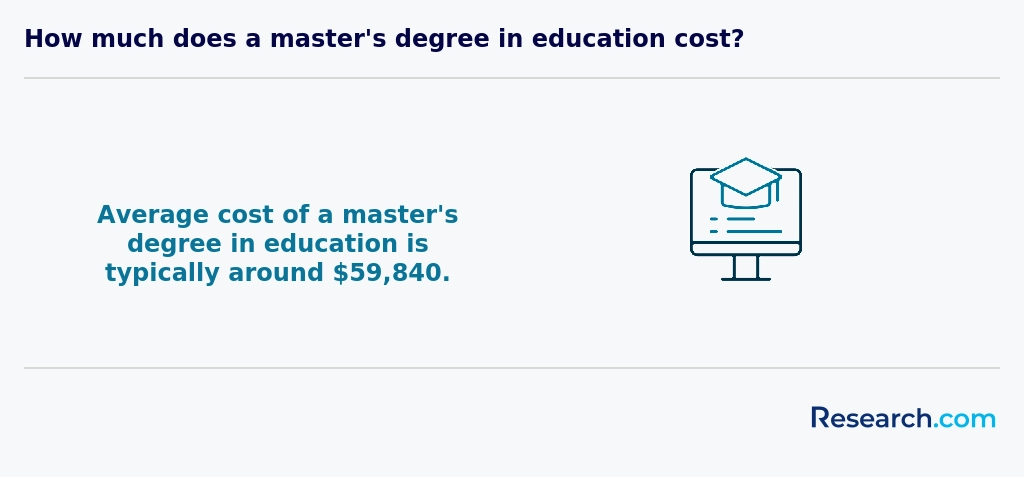
Students pursuing an online educational leadership degree in Columbia often rely on a blend of federal, state, and institutional financial aid to make their education affordable. Many graduates share how completing the FAFSA unlocked access to Pell Grants and federal student loans, providing crucial support during their studies at universities like the University of Missouri. These federal options offer manageable repayment plans that ease financial stress.
Local state grants, such as those through Missouri's Department of Higher Education & Workforce Development, also help reduce tuition expenses, especially for residents attending in-state programs. Graduates recall how the Access Missouri Financial Assistance Program slightly lowered their overall costs, letting them focus more on leadership training than on finances.
Most colleges in Columbia provide merit-based scholarships and assistantships, which recognize academic excellence and leadership potential in education students. Employer tuition reimbursement programs are another vital resource frequently used by education professionals working in Missouri school districts, allowing them to advance their careers with minimal out-of-pocket spending.
Membership in professional associations related to educational leadership, like the Missouri Association of School Administrators, can further unlock scholarships and grant opportunities. Graduates note that engaging with these organizations not only enhanced their funding options but also expanded their professional networks.
To enroll in an online educational leadership degree program in Columbia, Missouri, applicants typically must hold a bachelor's degree from an accredited institution, often preferred in education or a related field. Graduates from the University of Missouri and other local colleges recall how this foundational requirement ensured they were academically prepared for the demanding curriculum ahead.
A minimum GPA around 3.0 is commonly expected, reflecting consistent undergraduate achievement. Many programs also require at least two to three years of professional experience in education, such as teaching or administrative roles. This practical background enables students to connect leadership theory with hands-on school environments, a key factor praised by many graduates who found their prior work enriched classroom discussions and assignments.
Applicants are generally asked to submit official transcripts, letters of recommendation, personal statements detailing leadership aspirations, and resumes highlighting relevant experience. While some institutions waive the GRE, a few may still request it based on individual profiles. These prerequisites foster a confident and capable student body ready to thrive in Columbia's competitive educational leadership programs.

Online educational leadership degree programs in Columbia typically include courses that build a robust foundation in school administration and leadership. Graduates from institutions like the University of Missouri describe how courses in instructional leadership and curriculum development empower them to improve teaching quality and student outcomes effectively. These classes focus on strategies that directly translate into better classroom environments and enhanced learning experiences.
Students also engage deeply with school law and educational policy, gaining essential knowledge about the legal frameworks that govern Missouri's K-12 institutions. This coursework prepares leaders to confidently navigate complex regulatory environments, a vital skill shared by many successful program alumni.
Financial management courses teach how to allocate resources wisely, an often challenging yet rewarding aspect of educational leadership. Additionally, classes on organizational behavior and human resources equip students with the tools to foster staff development and positive workplace culture, which recent graduates frequently cite as transformative for their leadership styles.
Programs in Columbia also emphasize data-driven decision making and technology integration. Coursework here addresses how to use student data effectively to inform policy and practice, alongside managing new educational technologies. Internships or practicums provide real-world experience, enabling students to apply theory in school districts or educational organizations, building confidence and practical skills recognized by local district administrators.
Online educational leadership degrees in Columbia offer a range of specializations designed to meet diverse professional goals. These concentrations include Higher Education Administration, preparing graduates to oversee academic programs and student services at universities; K-12 School Administration, which focuses on leadership roles such as principals and district administrators; and Curriculum and Instruction Leadership, emphasizing curriculum development and instructional strategies. Additional specializations like Special Education Leadership and Educational Technology Leadership address managing programs for students with disabilities and integrating digital tools in education, respectively.
Graduates from prominent Columbia institutions often highlight how these specializations allowed them to tailor their studies to local education sector demands. Those pursuing Columbia MO educational leadership degree concentrations online benefit from options aligned with regional trends, such as the growing focus on digital learning and equity. For students seeking advanced credentials, exploring online doctoral educational leadership programs offered by the University of Missouri-Columbia is a notable pathway toward impactful leadership careers in the region.
To choose the best online educational leadership degree in Columbia, start by verifying the program's accreditation, which guarantees recognized academic quality and relevance. Graduates from popular Columbia institutions, such as the University of Missouri, emphasize the value of accredited programs that align with their career goals and the local education system. Consider curriculum options carefully, ensuring the program offers specializations that match your interests-whether in K-12 leadership or higher education administration-and includes practical experiences like internships.
Cost-efficiency is essential when seeking an affordable online educational leadership degree Columbia offers. Many graduates appreciate programs with competitive tuition rates and available financial aid, which ease the investment burden. Flexibility also matters greatly; asynchronous classes and supportive online resources empower busy professionals to balance studies with work.
Employment outcomes influence many in Columbia, where steady growth in leadership roles provides promising opportunities. When researching degrees, looking into faculty expertise and student satisfaction can reveal the program's true strengths. For comprehensive guidance on related options, explore this higher education administration program resource.

Graduates holding an online educational leadership degree in Columbia frequently pursue careers as school principals or assistant principals, roles that allow them to directly impact daily school operations and staff management. Many alumni from Columbia's leading institutions express fulfillment from guiding educational teams and improving student success within K-12 settings. Those focused on broader influence often advance to district-level leadership positions such as superintendent or curriculum coordinator, managing strategic planning and policy implementation across multiple schools. The University of Missouri and similar local colleges produce education leaders well-prepared for these responsibilities, reflecting the growth in educational leadership careers in Columbia MO.
For those interested in higher education, roles like academic dean or student affairs director are attainable paths that capitalize on leadership skills developed during their studies. Graduates often highlight rewarding experiences contributing to the Missouri higher education system's mission. Additionally, education consultants or policy analysts frequently find opportunities to enhance local and state education programs, advocating for policy reforms with a meaningful impact. Prospective students seeking comprehensive program options can explore masters of educational leadership online to align with these career opportunities in Columbia.
The job market for graduates holding an online educational leadership degree in Columbia is positive and expanding, reflecting strong demand within the region's public and private educational institutions. Graduates from universities known for their educational leadership programs often find rewarding opportunities in leadership roles across local K-12 school districts and higher education institutions. These roles, including principals and assistant principals, provide meaningful avenues to influence school culture and academic success directly. Many Columbia MO educational leadership career outlooks highlight the appeal of these positions, driven by a growing need for skilled administrators who can effectively manage resources and improve student outcomes.
Graduates report satisfaction in applying their learning to real-world challenges faced by schools in Columbia, aided by programs that align with Missouri's certification standards for principalship and superintendent roles. Additionally, the availability of consultancy positions in curriculum development further diversifies career paths. Aspiring leaders can explore affordable program options and understand investment considerations through resources like the cheapest doctor of education edd online.
2027 Best Online Educational Leadership Degree Programs Ranking in Columbia, MO
Investing in your education is a significant decision that can shape your future, and the Research.com team understands the importance of making informed choices. To assist prospective students in Columbia, MO, we have meticulously crafted the "2027 Best Online Educational Leadership Degree Programs Ranking in Columbia, MO." Our commitment to quality, credibility, and accuracy is reflected in the extensive research and analysis conducted to compile this ranking.
We utilized the following reputable data sources to ensure a comprehensive evaluation of educational leadership programs:
By exploring this ranking, readers will gain valuable insights into the top online educational leadership degree programs available in Columbia, MO, helping them make well-informed decisions about their educational paths. For more details on our methodology, please visit our Research.com methodology page.

Frequently Asked Questions About educational leadership
Students pursuing online educational leadership degrees in Columbia can enhance their learning by engaging actively with their coursework and peers. Columbia, MO, benefits from access to high-quality digital resources supported by local universities, such as the University of Missouri. Utilizing synchronous sessions and discussion forums helps build collaboration and deepen understanding.
Time management is vital. Many online programs recommend dedicating consistent weekly hours to study, often 10-15 hours per course, to keep pace. Additionally, connecting with local school districts for practical experience can bridge theory with real-world application.
Research from the National Center for Education Statistics highlights that students who participate in supplemental activities like webinars or virtual workshops improve retention significantly.
The field of educational leadership is evolving to address new challenges in schools and districts across the United States, including in Columbia, MO. Emerging niches focus on areas such as equity and inclusion leadership, where leaders work to create fair learning environments for diverse student populations. Another growing area is data-driven decision-making, with leaders increasingly using analytics to improve school performance and student outcomes.
Additionally, technology integration leadership is gaining importance as schools adopt digital tools. Specialists in this niche guide effective use of tech in classrooms to enhance learning. According to the Missouri Department of Elementary and Secondary Education, there is rising demand for leaders skilled in these areas, reflecting national educational trends.
Preparing for the job market after completing an online educational leadership degree in Columbia, MO involves several strategic steps. First, gaining relevant experience through internships or practicum placements during your studies is essential. This hands-on exposure helps build practical skills sought by local school districts. According to the Missouri Department of Elementary and Secondary Education, leadership roles often require a valid Missouri teacher's certification and administrative credential.
Networking is crucial; attending local education conferences and joining professional organizations like the Missouri Association of School Administrators can connect you with employers. Additionally, tailoring your resume to highlight leadership skills and knowledge of Missouri-specific education policies will improve your job prospects in Columbia's competitive market.
Employers in Columbia, MO, prioritize several key skills when hiring graduates with educational leadership degrees. Strong communication abilities are essential, enabling leaders to effectively interact with teachers, students, and parents. Strategic planning and decision-making are also highly valued, as administrators must manage school operations efficiently.
Data from the Missouri Department of Elementary and Secondary Education highlight that 85% of school districts in Columbia value candidates with proven skills in team leadership and conflict resolution. Additionally, understanding educational policy and law is critical for compliant and ethical management.
Finally, digital literacy and the ability to integrate technology into learning environments are increasingly important due to the rise of online and hybrid education models.
Finding internships in Columbia relevant to an educational leadership degree involves several practical steps. Start by exploring local school districts such as Columbia Public Schools, which often offer leadership internship opportunities for graduate students. These internships provide hands-on experience in administrative roles and policy implementation.
Additionally, universities like the University of Missouri have partnerships with area schools to facilitate placements. Use your university's career services and internship offices, which help connect students with district supervisors and educational leaders seeking interns.
Professional organizations such as the Missouri Association of School Administrators can also be valuable for networking and discovering internships specific to educational leadership.
In Columbia, MO, earning an online educational leadership degree significantly enhances career mobility and advancement within the education sector. According to the Missouri Department of Elementary and Secondary Education, school districts in Columbia increasingly seek candidates with advanced leadership credentials for roles such as principals or district administrators.
An online degree offers flexibility for working professionals to gain these qualifications without interrupting their careers. Graduates often qualify for higher-level positions that offer salary increases; the U.S. Bureau of Labor Statistics reports that school administrators in Missouri earn a median wage of around $94,000 annually, a notable rise from teaching roles.
Furthermore, educational leadership degrees accredited by recognized agencies bolster credibility and meet Missouri's certification requirements, which are essential for career progression. This degree equips leaders to manage schools effectively amid evolving educational policies and demographic changes in Columbia's diverse school systems.
Studying for an educational leadership degree in Columbia prepares students for interdisciplinary roles by emphasizing skills beyond traditional education management. Programs often incorporate coursework in business administration, public policy, and psychology, fostering a broad understanding of organizational dynamics.
According to the University of Missouri's College of Education, this integrated approach equips graduates to lead diverse teams and manage resources effectively within schools and community organizations. Additionally, online formats offer flexibility, allowing students to apply learning in real-time across various sectors.
Such degrees develop critical thinking, communication, and strategic planning skills, essential for collaboration across different fields. The growing demand for educational leaders who can navigate complex systems highlights the value of these interdisciplinary competencies in Columbia's education landscape.
When choosing between a thesis and a non-thesis educational leadership degree program in Columbia, consider your career goals and learning preferences. A thesis option involves conducting original research, which can be valuable if you plan to pursue a doctorate or research-based roles. It typically requires more time and strong analytical skills.
Non-thesis programs often focus on practical leadership skills and coursework, appealing to professionals aiming for administrative or policy positions in schools. According to the National Center for Education Statistics, non-thesis degrees have grown in popularity due to flexibility and faster completion times.
Additionally, Columbia's educational leadership programs align with Missouri Department of Elementary and Secondary Education standards, ensuring relevance regardless of track.
Students based in Columbia, Missouri, interested in online educational leadership degrees have numerous options to study abroad through U.S. institutions offering flexible, fully online programs. Many universities accredited by the Council for the Accreditation of Educator Preparation (CAEP) provide advanced degrees that prepare leaders for K-12 and higher education settings.
While physical study abroad programs might be limited, online platforms allow Columbia residents to access curriculum from institutions nationwide without relocation. For example, universities like the University of Southern California and Boston University offer online educational leadership degrees recognized for their rigorous training and leadership skills development.
Data from the Missouri Department of Elementary and Secondary Education (DESE) show increasing demand for administrative roles, making leadership studies relevant locally and nationally. Online degrees often include coursework in policy, ethics, and school administration, aligning with licensure standards in Missouri and other states.
Students should consider program accreditation, practical internship opportunities, and support services when choosing an online educational leadership degree abroad to ensure career readiness.
In Columbia, Missouri, part-time job opportunities that complement an educational leadership degree often focus on roles within local schools and educational organizations. Positions such as teacher's aide, administrative assistant in school districts, or after-school program coordinator provide practical experience relevant to leadership skills.
Many graduates take on roles in the Columbia Public Schools system, which employs over 6,000 staff serving more than 17,000 students, according to the district's 2023 report. These jobs enhance skills in communication, organization, and policy implementation-key areas for educational leaders.
Additionally, jobs at nearby higher education institutions like the University of Missouri can offer valuable experience in academic administration or student services.
Students pursuing online educational leadership degrees in Columbia benefit from several strong networking opportunities. The University of Missouri, located in Columbia, hosts various virtual events and webinars that connect online students with faculty and local education leaders. These events often include guest speakers from Missouri's public school districts and state education agencies.
Professional organizations such as the Missouri Association of School Administrators (MASA) also offer virtual conferences and online forums, allowing students to engage with practicing leaders across the state.
Additionally, many programs encourage participation in regional cohorts and online discussion groups, fostering peer collaboration and professional networking despite geographic distance.
Alumni networks offer significant benefits to students pursuing online educational leadership degrees in Columbia, MO. These networks provide valuable connections with experienced professionals and local education leaders, enhancing career opportunities in the region's school districts.
Members often gain access to exclusive job postings, mentorship programs, and professional development events, which are crucial for leadership roles in education. For instance, the Columbia Public Schools district values candidates with strong community ties, often fostered through active alumni networks.
According to the Missouri Department of Elementary and Secondary Education, networking significantly increases employment prospects for educational leaders in the state. Alumni groups help graduates stay informed about regional educational trends and policy changes.
Being part of an alumni network also encourages collaboration, allowing students to share resources and experiences that improve their leadership skills in real-world settings.
Customizing an online educational leadership degree program in Columbia, MO, allows students to align their studies with specific career goals in the education sector. Many programs offer electives in areas like curriculum development, school finance, and specialized leadership roles, enabling students to tailor their learning experience.
Students can often choose between concentrations such as K-12 administration or higher education leadership. Flexibility in course scheduling is common, accommodating working professionals. Some schools also offer capstone projects or internships that reflect local educational challenges in Columbia, supporting practical experience.
Data from the Missouri Department of Elementary and Secondary Education highlights the increasing demand for qualified educational leaders, stressing the importance of relevant, customized training.
Online educational leadership students in Columbia often face challenges related to balancing work, family, and studies. Many programs require significant time management skills, as students must meet deadlines while maintaining professional responsibilities. Access to reliable technology and stable internet connections can be another barrier, especially in rural areas surrounding Columbia.
Students also report difficulty engaging fully in remote discussions and group projects. Research from the University of Missouri highlights that 42% of online education leaders in the state cite limited peer interaction as a challenge. Additionally, understanding complex leadership theories without in-person support can hinder learning for some students.
Finally, navigating financial aid and accreditation information specifically for online programs demands careful attention, adding to the overall complexity of pursuing these degrees remotely.
With an online educational leadership degree, professionals in Columbia can pursue several respected certifications to boost their careers in school administration and leadership. One of the most common certifications is the Principal Certification, which qualifies graduates to become school principals in Missouri. This credential often requires passing the Missouri Educator Gateway Assessments.
Another relevant certification is the Superintendent Certification, allowing experienced leaders to oversee entire school districts. Additionally, specialists can obtain certifications as Curriculum Directors or Instructional Coordinators.
Many educators also aim for National Board Certification, a prestigious credential recognized nationwide for teaching excellence and leadership skills.
Writing a winning application for an online educational leadership program in Columbia, MO, begins with highlighting relevant professional experience. Admissions committees often seek candidates with demonstrated leadership roles in education or related fields. Be sure to include specific examples of managing teams or improving educational outcomes.
Academic records matter; a strong GPA and coursework in education, administration, or leadership strengthen your case. Many programs require GRE scores, but some waive this based on experience.
Personal statements should clearly explain your goals and why the program fits your career plans. Use data from local education reports, such as those from the Missouri Department of Elementary and Secondary Education, to align your leadership interests with regional needs.
Recommendations from supervisors or educators familiar with your leadership abilities also add significant value.
Educational leadership careers are increasingly recognized worldwide for their critical role in shaping effective learning environments. In the United States, including Columbia, Missouri, the demand for skilled educational leaders continues to grow due to expanding school districts and the need for improved student outcomes. According to the U.S. Bureau of Labor Statistics, employment of education administrators is projected to grow 6% from 2021 to 2031, signaling steady opportunities.
Globally, educational leadership emphasizes equity, innovation, and policy development. Leaders are expected to adapt to diverse educational challenges, such as technology integration and multicultural classrooms. Columbia, with its growing educational institutions, mirrors these trends, making online degrees in this field valuable for local and international career mobility.
Gaining practical experience while studying for an online educational leadership degree in Columbia, MO is essential to complement theoretical knowledge. Many programs incorporate internships or practicum opportunities with local schools or educational organizations. These placements allow students to apply leadership concepts in real educational settings, working directly with administrators and teachers.
Additionally, Columbia benefits from the presence of high-performing school districts such as Columbia Public Schools, offering potential partnerships for hands-on experience. Some universities facilitate mentorship programs connecting students with experienced school leaders.
Students can also engage in community projects or leadership workshops that enhance skills in communication and problem-solving.
Choosing the right concentration within an online educational leadership degree in Columbia, MO, depends on your career goals and local educational needs. Popular concentrations include K-12 administration, higher education leadership, and curriculum development. According to the Missouri Department of Elementary and Secondary Education, nearly 80% of school leaders in Columbia hold administrative licenses, highlighting the demand for K-12 leadership skills.
Consider your professional background and where you want to impact education. For example, focusing on K-12 leadership suits those aiming to become principals or district supervisors. Meanwhile, higher education leadership prepares you for roles in community colleges or universities.
Research each program's curriculum and how it aligns with Missouri's certification requirements. Many online programs offer flexibility but check if they include internships or practicum placements in Columbia-area schools, as this hands-on experience is crucial.
- Top 5 Skills Employers Look for in a College Graduate https://www.blog.intedashboard.com/blogs/active-learning/skills-college-graduate
- Remote Educational Leadership Online Jobs https://www.virtualvocations.com/q-remote-educational-leadership-online-jobs.html
- Alumni Network - Center for Leadership https://center-for-leadership.org/academy/alumni-network/
- 6 Best Career Opportunities in Educational Leadership https://www.manchester.ac.ae/blog-post/6-best-career-opportunities-in-educational-leadership
- Educational Leadership: Master’s vs. Doctorate Degree - Graduate Programs for Educators https://www.graduateprogram.org/blog/masters-vs-doctorate-educational-leadership-degree/
- Master's in Educational Administration and Leadership (K-12) | Columbia College https://www.columbiasc.edu/academics/graduate/masters-educational-administration-and-leadership-k-12
- Educational Leadership Degree Program: A Comprehensive Guide https://www.educationalleadershipdegree.com/blog/comprehensive-guide-to-pursuing-an-education-leadership-degree/
- Best Educational Leadership Certificates Online 2026 https://www.onlineu.com/degrees/certificate-educational-leadership
- College Persistence - https://www.studentleadershipnetwork.org/for-alumni/
- What Can You Do With a Master's in Education Leadership? https://www.salemu.edu/blog/educational-leadership-careers/