2027 Social & Behavioral Sciences Job Market Outlook Through 2030

Co-Founder and Chief Data Scientist
Mid-career professionals weighing a pivot into social & behavioral sciences face an increasingly complex landscape where program flexibility directly affects employability timing. The U.S. Department of Education's 2024 data shows a 38% rise in part-time and online enrollment among adult learners in these fields, signaling a shift toward nontraditional pathways that accommodate ongoing work commitments. Yet, this flexibility often trades off against networking opportunities and hands-on experience that employers prioritize.
For students balancing financial and time constraints, understanding how these structural factors impact labor market outcomes within the social & behavioral sciences is critical. This article analyzes projected job trends, evolving education models, and workforce demands to guide effective enrollment and career strategies.
Key Things You Should Know
- Demand for social & behavioral sciences roles is projected to grow 9% from 2024 to 2030, outpacing overall labor market growth but requiring advanced analytics skills increasingly prioritized by employers, limiting entry-level flexibility.
- Employers favor candidates with interdisciplinary competencies blending data science and behavioral insights, creating a workforce tension where traditional degree holders face pressure to upskill alongside credential inflation documented by the National Science Foundation.
- Median graduate program debt in social & behavioral sciences reached $45,000 in 2024 per Education Data Initiative, pressuring prospective students to time degree completion and target high-impact subfields to optimize return on investment amid wage stagnation.
What do social and behavioral sciences careers include, and where do professionals typically work?
Social and behavioral sciences careers in the United States demand a nuanced understanding of human behavior across diverse environments, from government agencies to private sector firms. For instance, psychologists might engage in clinical services or organizational consulting, while economists analyze employment data for federal programs. Employers increasingly require skills in advanced data analysis and interdisciplinary approaches, reflecting the integration of automation and data science into these fields.
Typical workplaces for social and behavioral sciences professionals vary significantly by sector, influencing role expectations and necessary competencies. Government positions often emphasize policy evaluation and statistical rigor, whereas private firms focus on applying behavioral insights to marketing and product innovation. Academic roles prioritize research publication and grant acquisition, typically necessitating a PhD with fewer available positions.
The World Economic Forum forecasts 78 million net job gains globally by 2030, signaling sustained demand for analytical capabilities. However, students must consider tradeoffs between academic routes and applied roles-such as in consulting or government-where practical impact may come with lower starting pay.
Careful alignment of educational investment with career goals and sector realities is critical. Those exploring advanced credentials might examine tailored options like DSW online programs for flexible, applied pathways that balance academic and practical demands.
What is the projected job outlook for social and behavioral sciences occupations through 2030?
The projected 12% growth in the behavioral health workforce reflects deeper structural shifts in demand, particularly in healthcare and criminal justice sectors. Healthcare organizations increasingly require licensed counselors and social workers to manage post-pandemic mental health needs, while justice systems rely on behavioral specialists for rehabilitation efforts. Yet, this demand growth intensifies competition, especially in urban centers, where job availability coincides with a higher density of qualified candidates. Conversely, rural areas face persistent shortages but require professionals to fulfill multiple roles with less institutional support.
Employers emphasize candidates with graduate degrees and relevant licenses in clinical psychology, social work, or behavioral health fields, aligning credential planning with real hiring requirements. Those without advanced credentials typically encounter stalled career trajectories and limited opportunities. Additionally, practical experience-such as internships or supervised clinical hours-is essential, particularly for graduates of online programs who must meet licensure thresholds and compete with applicants possessing both hands-on service and technological competencies like case management software.
Prospective professionals navigating United States social and behavioral sciences job growth should:
- Map educational pathways against licensing standards early
- Seek applied experience during training to enhance employability
- Build skills in emerging behavioral health technologies
- Consider geographic mobility to access areas of high demand
Those evaluating career projections for social and behavioral sciences occupations must recognize that credentialing, experience, and adaptability to regional market conditions shape long-term success. For guidance on program accreditations that align with professional standards, reviewing resources such as NASP accredited programs can inform effective educational decisions.
What salary ranges can social and behavioral sciences graduates expect in major career paths?
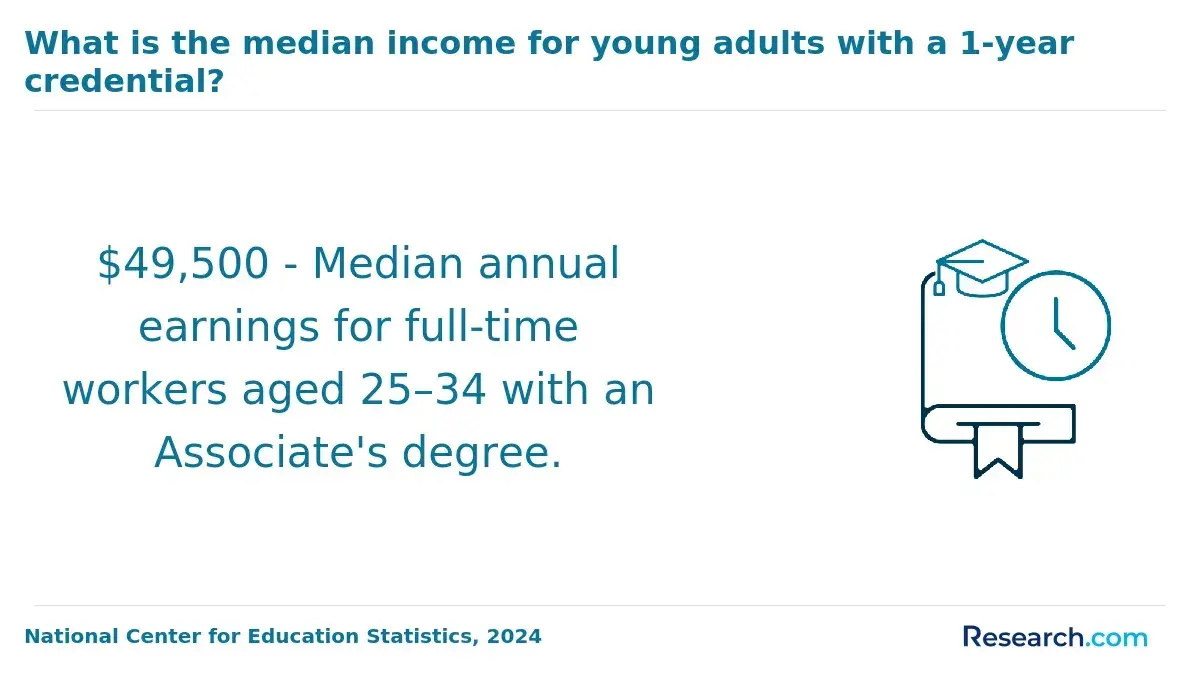
Salary ranges for graduates in social and behavioral sciences in the US vary widely by role, education, and sector, emphasizing critical tradeoffs when planning career trajectories. Entry-level social workers typically earn between $45,000 and $55,000 annually, but those advancing to healthcare or government roles with licensure can see increases to $60,000 to $75,000. These figures reflect a labor market projected to grow 6% from 2024 to 2034, with roughly 74,000 annual openings, indicating steady demand accompanied by competitive pressures for top-earning positions.
Graduates targeting psychology careers encounter a distinct decision point: licensed clinical professionals average salaries between $60,000 and $90,000, whereas non-licensed roles such as research assistants generally remain below $50,000. This highlights the financial impact of certification and its role in unlocking higher earning potential within the expected earnings for social and behavioral sciences careers.
In government and think tanks, policy analysts and sociologists usually earn between $55,000 and $85,000, with salaries exceeding this range tied to advanced degrees or specialized expertise in areas like criminal justice. Academic roles often start under $50,000 and increase gradually with tenure and publication output. Graduates should carefully evaluate the willingness to pursue further credentials versus immediate earning potential, especially given the geographic and sector-specific cost of living considerations.
For those weighing educational pathways, considering programs such as a best online bachelor degree in sociology can offer flexibility while balancing practical work demands with upskilling. Weighing these factors alongside salary realities for social and behavioral sciences graduate salary ranges in the US is essential to making an informed, strategic career decision.
Which social and behavioral sciences degrees best align with high-demand jobs and advancement?
Degrees in applied social and behavioral sciences such as social work, psychology, and human services align most closely with sustained job growth and meaningful wage outcomes through 2030. The median wage for social workers is $61,330 in May 2024, driven by consistent demand across healthcare, mental health, and community sectors. Career progress often hinges on direct field experience; for example, a social worker who gains hospital experience can pivot into case management or policy advocacy roles with greater impact and remuneration.
Programs with integrated practicum or internships are essential, as employers prioritize hands-on experience serving diverse populations. Behavioral science majors that include statistics and research methods also meet employer needs for data-driven program evaluation, fitting roles in nonprofit management and government.
Students interested in top social and behavioral sciences careers in North America must navigate state licensure requirements-especially for social work and counseling-which extend time before full employment and affect earnings. Degrees focused purely on theory, such as some sociology or anthropology tracks, often face limited job placement without additional credentials or specialization.
Practical degree choices balance licensure pathways, experiential learning, and quantitative skills to enhance employability and wage growth. Those evaluating options should also consider related fields, as programs like the best online masters degree in human resource management programs may offer complementary skill sets and labor market advantages.
The social and behavioral sciences degrees with highest job growth emphasize applied knowledge paired with real-world skillsets, which drive both immediate workforce entry and long-term advancement.
How do online social and behavioral sciences programs compare to campus options for career outcomes?
Credential legitimacy and practical skill application dictate career outcomes in social & behavioral sciences more than whether a degree is earned online or on campus. The U.S. Bureau of Labor Statistics (BLS) data shows median weekly wages for social science degree holders at $1,627, reinforcing that employers prioritize demonstrated competencies and relevant experience over physical attendance. For example, roles requiring collaborative, face-to-face interaction-such as clinical social work or community-based research-tend to benefit from campus-based programs offering immersive mentorship and networking.
In contrast, professionals pursuing data analysis or policy evaluation often find online programs advantageous for balancing work and study. These pathways provide flexibility while allowing learners to compensate for limited in-person interaction through strong portfolios and virtual experiential learning.
When choosing between modalities, candidates should consider key factors:
- Whether the sector favors in-person practicums or internships typical of campus curricula
- Their capacity for independent time management and engagement with digital tools
- Employers' emphasis on either physical presence or verifiable skill mastery through online platforms
In government and research institutions, direct campus networking may accelerate entry into competitive positions. Meanwhile, corporate social research and nonprofit analytics often value skill application achievable through accredited online study. Ultimately, career trajectories depend less on delivery format and more on sector-specific demands and the candidate's proactive cultivation of relevant experience.
What accreditation should social and behavioral sciences programs have, and how can students verify it?
Not all social and behavioral sciences programs offer equal pathways to licensure and employment; accreditation status is a decisive factor affecting a graduate's career trajectory. Programs accredited by the Council for Accreditation of Counseling and Related Educational Programs (CACREP) align their curricula with state licensing requirements, ensuring graduates meet the clinical and educational standards necessary to become licensed substance abuse, behavioral disorder, or mental health counselors. Lack of CACREP accreditation often results in significant barriers, such as costly additional coursework or failure to qualify for state licensure exams.
Students should rigorously verify accreditation claims through the U.S. Department of Education's Database of Accredited Postsecondary Institutions and Programs and the Council for Higher Education Accreditation's directory. CACREP maintains an updated list of accredited programs, which is essential to confirm due to frequent self-reported inaccuracies or outdated status.
The practical implications are tangible: states with strict licensure rules demand graduates from properly accredited programs, and employers, particularly in healthcare and nonprofit sectors, prioritize candidates from accredited schools for compliance and readiness reasons. The projected 18% growth in counseling roles through 2034 makes selecting an accredited program a strategic must for reducing post-graduate delays and increasing employability.
- Verification tools include U.S. Department of Education and CHEA directories
- CACREP accreditation directly impacts eligibility for licensure exams
- Employers value graduates who completed programs meeting national standards
What are typical admission requirements, program length, and total costs for these degrees?
Admission requirements for social & behavioral sciences degrees reflect program intensity and career aim, with bachelor's programs requiring a high school diploma, while graduate admissions demand relevant undergraduate degrees, usually with a minimum GPA around 3.0. Graduate applicants often submit GRE scores, letters of recommendation, and detailed personal statements, signaling readiness for research and academic challenge. Certain fields like clinical psychology necessitate prior experience or internships aligned with licensure prerequisites.
Degree durations differ notably: bachelor's degrees generally span four years full-time, master's typically require two, and doctoral programs extend five to seven years, factoring in research, internships, and dissertation demands. The financial commitment is equally variable. Public universities charge $10,000-$30,000 annually for in-state undergraduates, while private institutions often exceed $40,000. Graduate tuition frequently ranges from $20,000 to $50,000 yearly, and doctoral candidates may face total costs surpassing $100,000, excluding living expenses.
Given psychology's steady 7% employment growth projection from 2024 to 2034, the cost-time tradeoff is critical. Working professionals aiming to pivot careers may prefer master's programs offering part-time or online flexibility to sustain income while upgrading skills. Conversely, those targeting clinical practice must prepare for extended doctoral study and supervised experience, balancing increased debt with licensing and long-term credential value.
What core courses and skills do social and behavioral sciences students usually study and develop?
Mastering quantitative methods, statistical analysis, and data interpretation is fundamental for social & behavioral sciences students aiming to meet employer demands for evidence-based decision-making. Graduates applying behavioral theories in marketing to optimize campaigns or using statistics in healthcare to assess intervention effectiveness illustrate the practical crossover of these skills. This analytical proficiency is non-negotiable for many roles and often determines employability, especially when paired with software expertise in SPSS, Stata, or R.
Core curriculum typically covers statistics, research design, and behavioral theory, but students must navigate a tradeoff between advanced analytics and broader interdisciplinary understanding. For example, balancing strict statistical validation with nuanced human behavior interpretation remains a skill gap noted by employers. Complementary training in ethics and cultural competence is vital for responsible handling of sensitive data and diverse populations.
Applied competencies extend to survey design, field experiments, and deploying theories like social cognition or behavioral economics. Enhancing profiles with advanced courses such as machine learning or geographic information systems (GIS) can differentiate candidates in sectors prioritizing spatial and predictive analytics, like urban planning or criminology.
Without strong applied skills, graduates risk reduced market competitiveness. Professionals pivoting outside academia find domain-specific behavioral theories combined with applied statistics and research methods critical to accessing higher-paying roles. Considering an average behavioral scientist salary around $84,521, students should weigh these practical training elements carefully against broader academic exposure to maximize workforce alignment.
What licenses or certifications are required for common social and behavioral sciences roles?
Licensure in social & behavioral sciences presents distinct pathways shaped by the nature of the role-clinical positions demand state-issued licenses with significant time and financial investment, while many research- or policy-focused roles prioritize academic credentials and specialized certifications instead. Clinical psychologists, licensed counselors, and social workers must complete accredited graduate programs, accrue 2,000 to 4,000 supervised clinical hours, and pass rigorous exams such as the Examination for Professional Practice in Psychology. This process often delays workforce entry by several years.
By contrast, behavioral scientists-currently facing over 45,000 job openings reported by Zippia-typically require a master's or doctoral degree but rarely formal licensure unless practicing therapy or social work. Certifications like the Board Certified Behavior Analyst (BCBA) or credentials from recognized research entities can enhance employability without the regulatory burden of licensure.
This divide implies important tradeoffs: clinical roles impose upfront barriers in time and cost but offer legally mandated practice authority, while research and policy roles emphasize continuing education and analytical skills without state licensing. Employers in clinical settings prioritize licensure for legal compliance and ethical standards, whereas academic and applied research roles value relevant certifications aligned with data analysis and project management.
Prospective students must evaluate whether to invest in costly clinical licensure pathways or target specialized certifications supporting behavioral research and analytic fields, balancing long-term career flexibility against immediate labor market access.
How can prospective students choose a reputable social and behavioral sciences school or program?
Programs in social & behavioral sciences that foreground applied analytical reasoning and creative problem-solving address evolving employer expectations more effectively than theoretically focused curricula. For instance, a student aiming to transition into healthcare social work should prioritize programs that embed statistics, policy analysis, and field practicum relevant to healthcare systems rather than general psychology degrees with limited applied scope.
Credibility rests on verifiable outcomes such as accreditation status, graduation rates, and employment metrics published by authorities like the National Center for Education Statistics. Transparent reporting of alumni placement within social & behavioral sciences sectors signals program reliability and practical alignment with workforce needs.
Geographic labor markets also shape internship availability and job prospects. Regions with concentrated social services, nonprofits, or government agencies often facilitate stronger connections and skill-building in data analysis software and communication-core competencies for education, public policy, or community outreach roles. Requesting detailed syllabi helps verify these elements before committing.
Cost and program structure are critical tradeoffs. Part-time or online formats featuring synchronous, skill-based modules may benefit working professionals seeking rapid, data-driven upskilling versus full-time traditional tracks with longer timelines and less flexibility. Programs linked to landmark industry or government reports often offer enhanced relevance and a clearer return on investment.
Other Things You Should Know About Social & Behavioral Sciences
In 2027, research experience is crucial for social and behavioral sciences careers, enhancing employability by demonstrating critical thinking and methodological skills. Many employers prioritize candidates with a strong research background, as these skills are essential for addressing complex societal issues and adapting to changing workforce demands.
While entry-level positions may be accessible with a bachelor's degree, advanced degrees significantly expand opportunities and salary potential, particularly in research, clinical, or higher education roles. Professionals should weigh the time and cost of graduate study against the specific career trajectory desired, as not all leadership or applied positions mandate a master's or doctorate but many require specialized expertise unavailable at the undergraduate level.
Specializing in a niche area can enhance expertise and appeal to employers seeking specific skills, but may restrict job availability and geographic mobility. Broader fields offer flexibility and wider career options but often demand continual skill updating to remain competitive. Students should align specialization choices with regional labor market data and their willingness to invest in ongoing professional development.
Employers increasingly value interdisciplinary backgrounds that combine social & behavioral sciences with data analytics, technology, or health sciences, reflecting complex real-world problems. Candidates with cross-disciplinary skills are more adaptable and better equipped for collaborative roles. Prioritizing programs that integrate diverse methodologies and practical applications strengthens career resilience and advancement potential.
References
- Accreditation | CASWE-ACFTS https://caswe-acfts.ca/our-activities/accreditation/
- Careers That Will Dominate the U.S. Job Market by 2030 https://www.floridacoastaluniversity.com/jobs-of-the-future-careers-that-will-dominate-the-u-s-job-market-by-2030/
- Department of Social & Behavioral Sciences - University of Arkansas at Pine Bluff https://uapb.edu/academics/sas/dept-of-social-and-behavioral-sciences/
- Poland: Tuition fees & cost of living https://www.study.eu/article/poland-tuition-fees-cost-of-living
- Thrive in 2030’s Job Market https://presidencyuniversity.in/blog-details/thrive-in-2030s-job-market
- 10 Careers for Social Work Majors https://www.umassglobal.edu/blog-news/careers-for-social-work-majors
- Master of Social Work: Top 10 Careers | Jobs with an MSW Degree https://www.pacificoaks.edu/voices/psychology/10-careers-paths-for-graduates-with-a-degree-in-social-work-sw/
- Social Work Job Growth https://online.maryville.edu/online-bachelors-degrees/social-work/careers/social-work-job-growth/
- Studying Human Behavior with a Behavioral Science Major https://www.cune.edu/news/studying-human-behavior-behavioral-science-major
- Social and Behavioral Science https://www.publichealth.org/careers/social-behavioral-science/