2027 Online Social & Behavioral Sciences Degrees for Community Organization Careers

Co-Founder and Chief Data Scientist
Professionals aiming to transition into community organization roles frequently face the challenge of balancing work, life, and education while navigating limited access to flexible degree programs.
The National Center for Education Statistics reports a 15% rise in adult learner enrollment in online programs from 2023 to 2024, signaling increased demand for adaptable social & behavioral sciences education that accommodates nontraditional schedules. This shift reveals that rigid in-person degree structures can hinder timely career advancement in fields requiring both theoretical knowledge and practical community engagement skills.
This article evaluates online social & behavioral sciences degrees tailored to community organization careers, guiding readers through options that optimize accessibility, accreditation, and workforce alignment.
Key Things You Should Know
- Online social & behavioral sciences degrees increasingly focus on quantitative program evaluation skills, yet 67% of community organization employers cite a shortage of applied data literacy, pressuring candidates to pursue costly supplemental credentials.
- Employer demand shifts toward bilingual candidates with cultural competency, reflecting a 23% increase in service populations since 2022, but most online programs underdeliver on language and diversity immersion training.
- Median program completion times lengthened by 15% in 2024 due to hybrid practicum requirements, raising total education costs by 12% and complicating timely career transitions among working adults.
What are online social and behavioral sciences degrees for community organization careers?
Employers hiring for community organization roles prioritize candidates from online social and behavioral sciences degrees who demonstrate immediate applicability of skills in stakeholder engagement and program evaluation. These distance learning social and behavioral sciences programs for community organization careers emphasize coordinated resource mobilization and conflict resolution, which are critical in nonprofit and government settings.
Practical exposure through virtual internships or collaborations with local agencies addresses common remote study challenges, ensuring graduates meet real-world demands.
For instance, a student focused on urban youth services benefits from curriculum that pairs sociological theory with strategies to reduce juvenile recidivism, cutting onboarding time and improving impact metrics for employers. Graduates acquiring expertise in managing multi-sector partnerships and volunteer networks satisfy competencies widely cited as mandatory by community-based organizations.
The financial upside is tangible: a May 2024 median wage of $57,530 for community and social services positions outpaces the overall occupational median of $49,500, signaling the market's valuation of specialized social and behavioral sciences expertise linked to community outcomes.
However, potential students should evaluate programs carefully—accelerated options may limit depth of fieldwork exposure, which is essential to many community roles. Ensuring access to robust practicums or local partnerships can bridge this gap effectively.
Prospective learners evaluating pathways should also consider options like fully funded DSW programs for advanced credentials that align with long-term leadership roles in the sector.
How do online social and behavioral sciences programs compare to campus-based options?
Online social and behavioral sciences programs offer critical flexibility for working professionals but come with important tradeoffs compared to campus-based options. Asynchronous delivery formats allow students to manage work and study simultaneously, which suits career pivots or advancement without relocating. However, these programs require heightened self-discipline and initiative to overcome limited direct access to immersive, hands-on experiences.
Campus programs generally provide stronger opportunities for live fieldwork, internships, and peer collaboration—elements employers prioritize for community and social service roles where interpersonal and facilitation skills matter.
Employers increasingly demand candidates with proven practical skills, and the projected annual openings of about 313,700 between 2024 and 2034 will intensify competition. Online students pursuing online social and behavioral sciences programs vs. campus-based degrees must proactively seek site-based practicums or community projects to build comparable experience and employer trust.
For example, a mid-career professional pursuing an online bachelor's degree should integrate local volunteer roles or internships to validate applied competencies.
From a workforce lens, online degrees satisfy educational prerequisites but often require additional résumé-building and networking effort to offset weaker on-campus social capital. The benefits of online social and behavioral sciences degrees in the United States hinge on balancing accessibility with strategic planning to achieve equivalent career readiness.
Individuals exploring pathways like online school psychology programs NASP approved can leverage specialized credentials but must still navigate these experiential gaps thoughtfully.
What types of community organization careers can these degrees prepare you for?
Choosing social and behavioral sciences degrees for community organization career paths requires balancing immediate job entry against long-term credentials and earnings. Bachelor's degree holders often secure roles in nonprofit or government agencies managing resources and leading outreach programs.
For example, a community outreach coordinator with a bachelor's degree might organize initiatives addressing housing insecurity, reflecting typical employment outcomes for job opportunities in social and behavioral sciences for community organizers.
Clinical and advanced degrees open higher-wage roles such as licensed clinical social workers, who earn median annual wages near $95,790 by providing therapy and crisis intervention in clinical or educational settings. This contrasts with median wages around $67,980 for bachelor's-level roles, illustrating employer preferences for advanced credentials enabling increased autonomy and responsibility.
Employers seek skill combinations in client assessment, culturally competent communication, and resource navigation. Continuous professional development and state licensure requirements, especially for clinical roles, add layers of complexity that prospective students must consider. Career growth often depends on integrating practical experience with competencies like grant writing, data analysis, or policy advocacy.
Among full-time licensed social workers, median earnings are approximately $58,710 overall, emphasizing that specialized clinical training substantially impacts income and job scope. Prospective students evaluating degree options should consider pathways aligned with specific community roles and market demand, including accredited online bachelors in sociology programs as a strategic foundation.
What are the typical admission requirements for online social and behavioral sciences degrees?
Admission criteria for an online social and behavioral sciences degree usually require a high school diploma or GED, with a GPA threshold often set between 2.5 and 3.0 to demonstrate readiness for undergraduate study. While some programs still request SAT or ACT scores, many waive this for transfer students or working adults, aligning with the practical emphasis of these fields.
An application and a personal statement are standard, especially for entry requirements for community organization programs, where clear articulation of career objectives strengthens candidacy.
Employers value demonstrated professional or volunteer experience in relevant social contexts, which can mitigate traditional academic gaps. For instance, nonprofit leadership hopefuls often gain admission leverage by showcasing community engagement or advocacy work. Occasionally, admissions include letters of recommendation to confirm interpersonal abilities critical to social roles.
Part-time enrollment options may extend completion timelines, posing a tradeoff against timely labor market entry where life, physical, and social science roles command a median annual wage near $78,980, substantially exceeding the national average. This wage differential highlights the importance of steady academic progress to maximize economic benefits.
Applicants should carefully assess transfer credit policies, as credit acceptance can reduce degree duration and cost, which is vital when juggling employment and education. Understanding these dynamics helps align academic decisions with career strategies in social sciences.
For occupational pathways linked to these degrees, consulting resources on health information manager salary offers a concrete example of how educational credentials relate to workforce outcomes.
How long do online social and behavioral sciences programs take, and what do they cost?
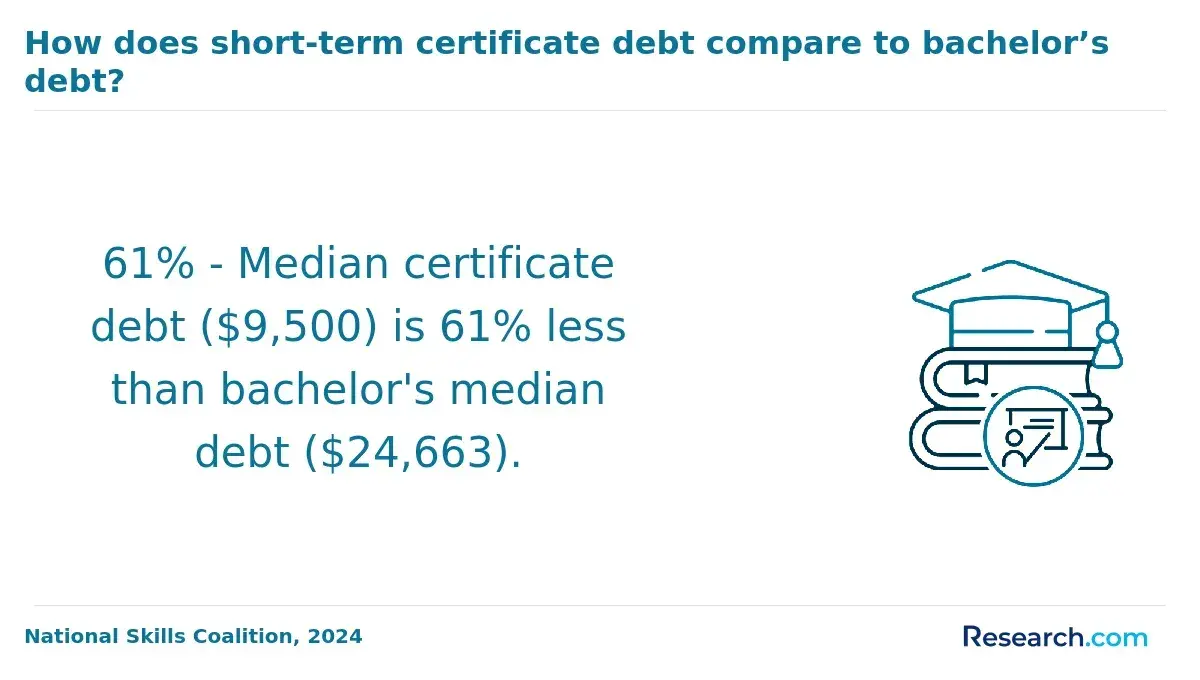
Choosing an educational path in social & behavioral sciences requires balancing time, cost, and workforce outcomes against licensure demands and wage expectations. For instance, community health workers often enter the field within 18 to 24 months through associate or certificate programs, which offer accelerated entry but may limit advancement potential.
In contrast, master's degrees, essential for licensed clinical roles like substance abuse counselors, typically extend study by 1 to 2 years beyond a bachelor's and involve significantly higher tuition.
Cost considerations vary sharply by program type and institution:
- Public bachelor's degrees average $7,000 to $10,000 per year, accumulating around $36,000 for 120 credits.
- Private institutions can exceed $20,000 annually, pushing total costs above $70,000.
- Online programs' per-credit fees often range from $300 to $600, influencing total investment especially for graduate-level credits.
Employers often prioritize licensure and graduate credentials for clinical roles, making master's completion more than a formality—it directly impacts wage premiums and job stability. Projected job growth of 17% for substance abuse and mental health counselors versus 11% for community health workers reflects these differentiated credential requirements.
Prospective students should weigh accelerated program convenience against the longer-term benefit of advanced degrees, recognizing that shorter certificates can expedite employment but may not fulfill regulatory or competitive standards.
What coursework and specializations are offered in community-focused social and behavioral sciences programs?
Community-focused social and behavioral sciences programs tailor their curriculum to meet distinct workforce needs by blending specialized coursework with practical skills essential for field effectiveness. Core subjects like program evaluation, grant writing, and community assessment methods arm students with tools to design, execute, and measure interventions—skills employers consistently seek.
The choice of specialization significantly affects employability: fields such as nonprofit management, mental health services, or criminal justice reform require targeted expertise that directly influences job prospects within those sectors. For example, a candidate trained in systemic inequality frameworks and stakeholder engagement offers advantages when working with marginalized urban populations compared to programs concentrating on rural social service delivery.
Real-world application through field placements or service-learning is not optional but a critical differentiator. These experiences enhance practical understanding and expand professional networks essential for securing employment.
Given approximately 313,700 annual openings projected for community and social service roles—with a median wage of $57,530—programs focusing on tangible skills like needs assessment and resource coordination better position graduates in a competitive market.
Prospective students must weigh program relevance against local labor demands and their prior experience. Emphasizing leadership and interagency collaboration in coursework often distinguishes candidates within an increasingly complex social service environment.
How do accreditation and program quality affect online community organization career pathways?
Accreditation critically determines the practical value and labor market acceptance of online degrees in social & behavioral sciences. Graduates from regionally accredited programs have a clear advantage, as their curricula align with employer expectations and licensing standards, including proficiency in policy advocacy, community outreach, and data analysis.
In contrast, candidates holding degrees from unaccredited or marginal programs often face obstacles when pursuing certifications or advanced credentials, which limits their upward mobility in fields like social work and public administration.
For instance, an applicant with a nonaccredited degree may struggle to compete for mid-level positions that demand mastery of contemporary tools such as GIS mapping and community data assessment. Employers also prioritize candidates experienced in grant writing and coalition building—skills typically emphasized in quality programs with experiential learning and internships.
Online BA graduates in social & behavioral sciences report average salaries around $49,380 with a projected job growth of 9%, according to Walsh University data. However, this alignment depends heavily on the program's ability to integrate applied projects and workforce-relevant competencies.
Working professionals benefit from accredited programs by gaining immediate credibility, avoiding credentialing delays, and accessing stronger networks to facilitate career pivots or promotions.
Choosing accredited programs strategically minimizes costly retraining and enhances a graduate's ability to function independently within complex social systems and bureaucratic environments.
What is the salary potential and job outlook for community organization and advocacy roles?
Community organization and advocacy roles offer median wages around $57,530 annually, considerably lower than specialized social science positions averaging $78,980, according to the U.S. Bureau of Labor Statistics as summarized by Southeast Missouri State University.
This salary gap reflects employer expectations that community-focused roles balance mission-driven commitments with tight budget constraints, requiring professionals to navigate financial and operational limits strategically.
Job growth in this sector depends heavily on external funding, governmental priorities, and public health trends. Unlike STEM fields with broadly scalable opportunities, advancement often hinges on mastering grant writing, policy analysis, and digital outreach within nonprofit or government environments.
For example, an urban community organizer's earnings fluctuate with project funding and geographic cost of living, while advocacy roles in large NGOs or government agencies may offer better pay but demand advanced certifications or specialized expertise.
Students pursuing social & behavioral sciences degrees must weigh tradeoffs between financial rewards and intrinsic job satisfaction, often enhanced by combining traditional studies with skills in data analytics or public administration.
Key factors for overcoming salary stagnation include targeted networking within advocacy sectors, understanding local labor demands, and continuous skill acquisition, which together improve employability and career resilience.
Are there certifications or licenses needed for community organization and related roles?
Certifications often determine eligibility for advanced roles within community-focused careers, especially where oversight of health services is involved. Positions requiring direct management or integration with healthcare systems typically mandate credentials such as Certified Community Health Worker (CCHW) or Licensed Clinical Social Worker (LCSW). Lacking such certifications may restrict practitioners to entry-level duties, limiting upward mobility.
A significant example is the transition of social & behavioral sciences graduates into medical and health services management. This path increasingly demands recognized certifications—Certified Professional in Healthcare Quality (CPHQ) or Fellow of the American College of Healthcare Executives (FACHE)—to validate expertise, aligning with a projected 28% growth in employment for this managerial category from 2022 to 2032, according to UMass Lowell citing U.S. Bureau of Labor Statistics data. These certifications serve not only as proof of competence but also as key differentiators in a competitive labor market.
In nonprofit or grassroots settings, formal licensing is less prescriptive, yet project management credentials like PMP or locally endorsed training impact access to funding and compliance. Absence of these may severely inhibit career progression. Employers prioritize verifiable skills and regulatory compliance over generalized academic qualifications.
Key practical considerations include mandatory background checks and state-specific social service licenses, which must be factored in early in career planning to align with sector standards and optimize employability.
How can students choose a reputable online program in social and behavioral sciences?
Choosing an online social and behavioral sciences degree requires scrutinizing accreditation and alignment with licensing standards to avoid credential roadblocks. Regional accreditation guarantees institutional credibility and federal aid eligibility, while program-specific accreditation—such as from the Council on Social Work Education (CSWE)—is often a legal prerequisite for social work licensure. Without this, graduates risk limited employment options in regulated community roles.
Employment outcomes serve as a critical performance metric. Programs embedded in active employer networks and community partnerships increase access to internships and practicums, providing tangible skills. This connection is important considering social worker jobs are expected to grow by 6% through 2034, driven by retirements and sector expansion with approximately 74,000 annual openings, according to U.S. Bureau of Labor Statistics data.
Students must assess flexible scheduling's impact on completion time; asynchronous and part-time formats suit working adults but may extend degree duration, delaying market entry. Equally significant are interactive online elements—live seminars, cohort collaboration, and faculty access—that foster practical competencies valued by employers in community settings.
Licensure preparation embedded in the curriculum is non-negotiable when community organization roles demand specific credentials. Furthermore, the program's technology must reliably support career services and alumni mentoring, both vital for bridging education and workforce readiness in a rapidly evolving social and behavioral sciences landscape.
Other Things You Should Know About Social & Behavioral Sicences
While prior work experience is not always required for admission, it significantly affects both the learning experience and employability after graduation. Students without relevant background may face steeper challenges connecting theory to practical applications, which can prolong skill acquisition. Employers in community organization often prefer candidates who combine formal education with hands-on experience; therefore, those lacking prior work should seek internships or volunteer opportunities during their studies to remain competitive.
Many online programs emphasize foundational theories but vary widely in facilitating real-world community involvement. A program with limited fieldwork or community-based projects can hinder development of essential applied skills, reducing graduate readiness for active roles. Prospective students should prioritize programs offering virtual simulations, case studies, or partnerships with local organizations to ensure they gain practical competencies alongside academic knowledge.
Managing full-time work alongside this degree is feasible but demanding, as programs often require substantial reading, research, and project work that go beyond class hours. Students must assess their capacity for sustained time management and prioritize programs with flexible pacing or asynchronous courses that accommodate work schedules. Those unable to commit sufficient time risk compromising learning outcomes, which can limit career advancement opportunities post-degree.
References
- B.S. Behavioral & Social Science - Bethel University Online https://ags.betheluniversity.edu/degrees/bs-bachelors-behavioral-social-science/
- Walsh https://www.walsh.edu
- Everything You Need to Know About a Career in Community Development - Net Impact â Impactful Careers for Impactful Lives https://www.netimpact.org/careers/community-development
- Social and Behavioral Health https://www.publichealthdegrees.org/specializations/social-behavioral-science/
- Online Behavioral Science Degree Programs | University of Phoenix https://www.phoenix.edu/online-behavioral-sciences-degrees.html
- MSW Specializations: Clinical, Macro, Advanced Generalist Programs https://www.masterofsocialwork.com/resources/msw-specializations
- What does a Community Advocate do? Career Overview, Roles, Jobs | LAIL https://careers.leadingageil.org/career/community-advocate
- Advocacy Officer Salary in AU (June, 2026) – SEEK https://au.seek.com/career-advice/role/advocacy-officer/salary
- How to Become a Community Service Worker? https://selcedu.com/community-support-worker/become-a-community-service-worker/
- 10 Careers for Social Work Majors https://www.umassglobal.edu/blog-news/careers-for-social-work-majors