2027 Best Online Social & Behavioral Sciences Degrees for Public Service Careers

Co-Founder and Chief Data Scientist
Mid-career professionals aiming to transition into public service roles often confront a critical bottleneck: selecting an online social & behavioral sciences degree that balances rigorous academic training with accommodating demanding schedules. The National Center for Education Statistics reports a 15% surge in adult enrollment in online undergraduate programs since 2022, signaling growing but still uneven access to flexible learning pathways that fit work-life constraints.
This variability directly influences program completion rates and timely workforce entry, crucial in fields where public agencies prioritize candidates with both practical skills and up-to-date knowledge. This article evaluates the top online degrees designed to overcome these challenges, guiding strategic choices for sustained career advancement in public service.
Key Things You Should Know
- Graduates with online social & behavioral sciences degrees face a 12% median wage premium in public service roles, per 2024 Bureau of Labor Statistics data, but encounter delayed tenure-track eligibility due to reduced campus networking.
- Federal workforce projections reveal a 15% growth in demand for social scientists in government, emphasizing data analysis skills over broad theory mastery, pressuring curricula toward quantitative competencies.
- Programs averaging 24 months reduce opportunity costs compared to traditional degrees but require navigation of accreditation variations, critically impacting federal employment eligibility and long-term credential portability.
What are online social and behavioral sciences degrees and how do they prepare you for public service careers?
Online social and behavioral sciences degrees for public service careers prioritize practical analytical skills needed to influence policy and social programs. Graduates must interpret complex social data and communicate actionable insights to policymakers or community organizations, making quantitative and qualitative research capabilities essential. For example, a city government policy analyst relies on demographic and survey data analysis to tailor effective social initiatives, demonstrating how behavioral research training directly affects decision-making and resource distribution.
These programs combine psychology, sociology, anthropology, and political science foundations with a focus on research methods, policy analysis, and community engagement. The ability to navigate ethical considerations and program management reflects real workforce requirements, with online formats adapting to offer comparable training flexibility. However, how social and behavioral sciences programs prepare students for public service roles is also tempered by employer preferences: many hiring managers favor candidates who augment online study with hands-on internships or fieldwork, especially in direct community interaction or crisis intervention positions.
In practical terms, prospective students should weigh that online degrees comprised 38% of social science bachelor's awards in 2023 versus 29% in 2019, signaling growing but not universal acceptance. Strategic experiential learning remains critical to differentiate oneself in competitive public sector environments. For those exploring interdisciplinary options, programs like a social media marketing major can complement social science expertise by broadening communication and digital engagement skills useful in public-facing roles.
Which public service careers can you pursue with a social and behavioral sciences degree?
Graduates with a social and behavioral sciences degree aiming for public service roles must navigate significant variation in job responsibilities and credential requirements. For instance, while rehabilitation counselors in state vocational rehab agencies generally require specialized licenses and fluency in federal benefits systems, community health workers engage primarily in education and outreach within often underfunded communities. Such distinctions affect how candidates tailor their academic electives and internships to specific career tracks.
Employment in community and social service occupations is projected to grow 10% from 2022 to 2032-almost double the average growth rate for all occupations-reflecting persistent demand for professionals who understand human behavior and social systems. Positions like social and human service assistants, substance abuse counselors, and community health workers involve direct client interaction, program implementation, and policy advocacy within public or nonprofit agencies.
The reality for those pursuing careers in public service with social and behavioral sciences degree credentials is that employers consistently seek candidates blending theory with practical skills such as crisis intervention, communication, and data analysis. Certifications and volunteer experience remain indispensable for standing out. Those leaning toward research or policy roles should emphasize quantitative methods and statistics to access government or think tank opportunities.
Ongoing education and awareness of licensure paths tailored by state regulations influence long-term prospects, particularly for clinical roles. Students must weigh salary ranges, geographic mobility, and funding availability when selecting their specialization. For those considering advanced study options, a reliable resource for online psychology master's programs can supplement foundational knowledge and enhance career flexibility through remote learning.
How do online social and behavioral sciences programs compare to campus-based options for flexibility and outcomes?
Flexibility remains the defining advantage of online social and behavioral sciences degree options compared to campus programs, especially for professionals balancing unpredictable schedules and ongoing employment. Online formats often utilize asynchronous coursework, allowing students to engage deeply with material and meet deadlines without sacrificing steady income. This distinction is critical for roles in public service where inconsistent hours frequently preclude traditional class attendance.
While outcomes of online versus campus social and behavioral sciences degrees increasingly align-particularly when programs hold proper accreditation and embed experiential components like virtual simulations or remote internships-on-site programs still hold an edge in facilitating direct mentorship, networking, and practicums required for licensure in specialized fields. For example, federal public service positions with stringent internship or security clearance prerequisites may not be fully accessible through online-only pathways.
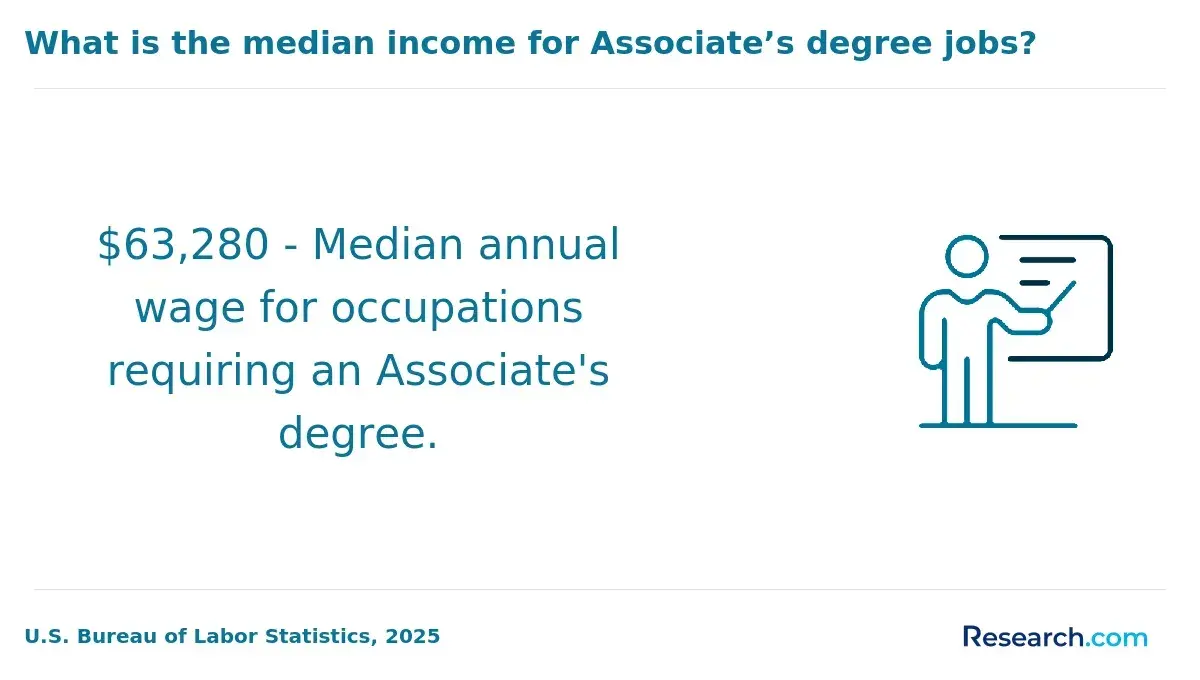
Employers generally regard accredited online degrees as equivalent credentials when candidates demonstrate applicable experience and skills. Given wage data showing a rise in median annual earnings for community and social service occupations from $48,410 in 2020 to $52,870 in 2024, the capacity to maintain employment while earning a degree is a tangible financial and professional benefit.
A typical scenario: a full-time case manager working evenings can pursue a degree online, thereby protecting income streams that would otherwise be at risk attending campus classes. Decision makers must carefully weigh convenience and accessibility against hands-on experience and networking depth to align their education modality with career goals.
Those evaluating social and behavioral sciences degrees should consider reviewing options among online clinical psychology masters programs for models balancing academic rigor with flexible delivery.
What accreditation and quality standards should online social and behavioral sciences programs meet?
Accreditation for online social and behavioral sciences program accreditation standards United States must be strictly from regional bodies recognized by the U.S. Department of Education or specialized accreditors focused on behavioral and public health sciences. Enrolling in programs without such accreditation risks graduates facing significant obstacles in securing professional licensure or gaining employer recognition, especially in federally regulated or state-certified roles. For instance, individuals holding degrees from non-accredited programs frequently encounter denial of eligibility for state-level certification or federal public service positions that mandate accredited credentials.
Quality assurance criteria for online social and behavioral sciences degrees extend beyond accreditation to include curriculum relevance aligned with workforce demands. Programs should integrate evidence-based methodologies, applied research, and advanced data analytics tailored to public health behavior, alongside practical components such as employer-reviewed practicum or capstone projects. These ensure graduates translate theory into effective real-world interventions.
Labor market data from the University of Massachusetts Lowell shows median salaries around $100,000 annually for social and behavioral public health professionals, with employment projected to grow 17.5% between 2023 and 2035. Meeting this demand requires programs that incorporate current topics like health equity, policy analysis, and behavioral intervention tactics. Working professionals must weigh program flexibility against curricular depth to avoid delayed career progress and diminished employability.
For those evaluating options, scrutiny of faculty expertise, labor market connectivity, and career support is essential. Prospective students should consider nationally recognized pathways like CAHIIM accredited health information management programs online for comparative insight into quality standards within specialized online accreditation processes.
What courses and specializations are typically offered in online social and behavioral sciences degrees?
Online degrees in social & behavioral sicences shape practical skill sets aligned with employer needs in public service and community-focused roles. Core coursework in research methods, statistics, and social theory is designed less as abstract study and more as foundational training for tasks such as data-driven program evaluation and policy analysis. For instance, a student specializing in public policy might complete projects simulating local government decisions, directly mirroring the analytical demands professionals face in regulatory and advocacy roles.
Specializations like criminology, sociology, psychology, and community health prepare graduates for defined intervention and outreach functions within nonprofit and governmental agencies, enabling targeted responses to social challenges. The curriculum often incorporates software-based data analysis and grant writing, addressing employer expectations for candidates who convert theoretical foundations into verifiable community impact.
The asynchronous format common to many online programs serves working adults balancing employment with study but requires disciplined time management and may limit live interaction critical for some applied learning scenarios. Course designs often integrate case studies and simulations to bridge theory and practice, key for roles requiring operational problem-solving.
Cost trajectories differ: public four-year online programs have maintained near-stable tuition in recent years, whereas private nonprofit offerings have seen inflation-adjusted increases around 5%. This variance necessitates weighing budget against factors such as institutional reputation and network access when selecting programs for social & behavioral sicences training.
What are typical admission requirements for online social and behavioral sciences bachelor's and master's programs?
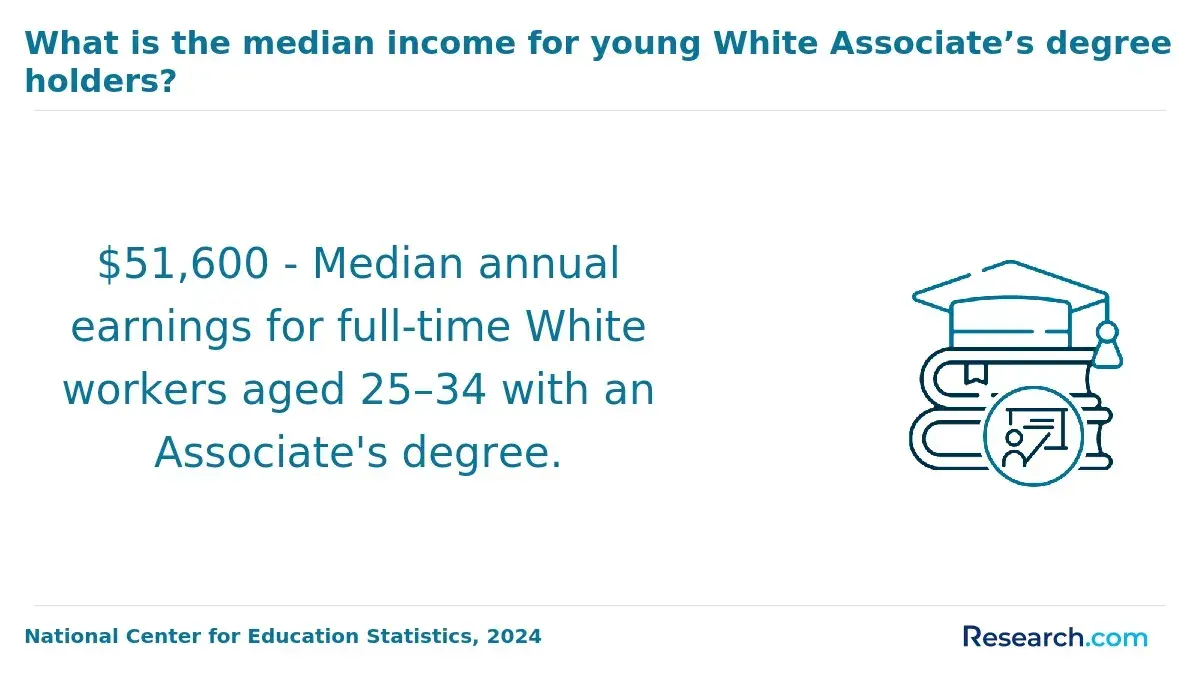
Admission requirements for online social and behavioral sciences bachelor's and master's programs reflect a balance between academic preparation and relevant professional experience, mirroring employer demands for applied skills and critical thinking. Bachelor's-level entry typically mandates a high school diploma or GED with a GPA around 2.5 to 3.0, though many institutions have moved toward test-optional policies, reducing reliance on SAT or ACT scores. Transfer students must present transcripts evidencing completed general education or associate degrees.
At the master's level, expectations shift toward a completed bachelor's degree in social and behavioral sciences or a related field, normally with a GPA of 3.0 or higher. Admissions often require letters of recommendation, statements of purpose, and evidence of work or research experience aligned with public service fields. While GRE scores have declined in importance, some research-focused programs continue to request them.
For professionals pursuing leadership positions such as medical and health services managers-whose job outlook is projected to grow by 28% in a decade-practical experience within health or human services can offset more stringent academic thresholds. Selection committees value candidates who clearly connect prior roles to behavioral science competencies.
Significant tradeoffs exist: applicants without relevant experience may face tougher GPA or exam standards, whereas experienced candidates can leverage professional achievements to navigate admissions. Understanding these dynamics is vital to matching one's profile with appropriate programs and workforce demands.
How long do online social and behavioral sciences degrees take and what do they cost?
Duration and cost remain central to evaluating online social & behavioral sciences degrees, but their practical impact varies by individual circumstances. Associate credentials typically take two years, bachelor's around four but can be shorter with transfer credits or acceleration, while graduate programs range from one to three years. This variability directly influences the total financial investment, which for bachelor's degrees at accredited public universities averages $15,000 to $40,000, with private or specialized programs often exceeding $50,000.
Employers prioritize accreditation and applicable skills over mere program length or sticker price. For instance, a public health case manager investing approximately $20,000 in a bachelor's degree may progress faster than a social work counterpart spending $40,000 but attending part-time over six years. Such scenarios illustrate essential tradeoffs: longer, costlier pathways can delay workforce entry and diminish ROI despite perceived thoroughness.
Key cost components include tuition per credit hour, institutional fees, and additional expenses like technology for remote learners. Many students offset these through employer tuition assistance or federal aid, which directly affects the feasibility of pursuing advanced credentials while working. An expanding program landscape-with projections of 40 behavioral science programs globally and 184 social science options in the UK by 2025 according to Educations.com-offers more flexible scheduling but also requires strategic selection grounded in career objectives and employer expectations.
What licenses or certifications might be required for social and behavioral sciences roles in public service?
Licensure and certification requirements in social and behavioral sciences public service reflect a clear hierarchy of roles tied to distinct credentialing paths. For instance, clinical social workers must secure an LCSW license after completing graduate education, supervised practice, and a rigorous state exam to practice independently and bill insurance. Public health professionals benefit significantly from obtaining the Certified Public Health (CPH) credential, which enhances eligibility for nearly 2,750 anticipated MPH-level openings to 2035, especially within government and nonprofit sectors.
Employers maintain firm prerequisites: independent counseling, case management, or program leadership typically demand valid licensure or certification-without which advancement stalls at entry-level roles. Students should realistically factor in 2 to 4 years of supervised experience post-degree plus examination fees when planning career timelines. Online programs integrating field placements and licensure prep can mitigate geographic or scheduling challenges.
Key considerations include:
- Clinical licenses (LCSW, LPC) enable direct client work and insurance reimbursement.
- CPH certification aligns with public health regulatory, data ethics, and community engagement expertise preferred by agencies.
- Ignoring credential mandates restricts upward mobility despite degree attainment.
Choosing the right credentialing strategy based on targeted roles avoids costly credential gaps, making credential timing and specialization crucial to sustainable career in social and behavioral sciences public service.
What are the salary expectations and job outlook for social and behavioral sciences public service careers?
Salary ranges in social & behavioral sciences public service roles reflect the diversity of positions and regional demands, commonly spanning $45,000 to $75,000 annually. Social workers in government typically start near $48,000, while policy analysts or public health researchers with advanced qualifications often exceed $70,000. Employment growth sits around 8% from 2024 to 2034, influenced by expanding needs in mental health, social services, and policy sectors. This outlook prioritizes candidates who merge domain knowledge with data analytics and community engagement.
Practical workforce entry requires balancing formal education with applied field experience. Employers often expect internships or practicum engagements alongside online or traditional degrees, adding layers of complexity to career planning. Certifications and local government clearances further complicate timely placement, particularly in regions where multilingual communication or direct service delivery skills are critical.
National education trends indicate over 60% of social sciences undergraduates engaged in online courses by 2024, with around 30% completing most credits remotely. While this flexibility benefits working adults, it demands curricula that integrate theory with measurable skill outcomes to meet employer standards. Urban job markets skew toward public health roles requiring regulatory knowledge, whereas rural areas focus on direct intervention, emphasizing the need to align education pathways with specific subfield demands.
How can you evaluate and choose a reputable online social and behavioral sciences program for public service?
Selecting an online social and behavioral sciences program demands careful alignment with workforce realities and practical outcomes rather than superficial features. Accreditation from recognized regional or national agencies remains the baseline, but employers prioritize graduates' demonstrated competencies in roles such as community outreach, policy analysis, and behavioral research. Programs without connections to local agencies or opportunities for internships limit graduates' ability to translate theory into practice, particularly in fields where 27% of alumni serve in education or library occupations and 22% engage in community and social services.
Flexibility in course delivery is essential for mid-career professionals aiming at management positions, which represent 15% of employment outcomes in social and behavioral sciences. Professionals pursuing a health and human services degree should also evaluate whether asynchronous formats and online support are robust enough to mitigate common technical disruptions that undermine sustained learning and mentorship access.
Careful evaluation of tradeoffs between cost, program length, and specialization matters: lower-cost options may sacrifice depth and networking potential, while narrow specializations risk reduced adaptability across diverse public service roles. Prospective students should weigh these factors against their career trajectory ambitions and seek programs with verified employment outcomes that reflect practical preparedness and sector engagement.
Other Things You Should Know About Social & Behavioral Sicences
Practical experience is critical for public service roles in social & behavioral sciences, but online programs vary widely in integrating it. Programs that include internships, practicums, or community-based projects improve employability by providing direct exposure to real-world settings. Without such components, graduates often face a steeper learning curve on the job, which can delay career advancement. Prioritize programs with built-in, supervised fieldwork aligned with public service to ensure relevant skill development.
Employers in public service typically favor candidates with specialized knowledge tailored to the role, such as focus areas in public policy, criminology, or social work, over very broad degrees. Specialized tracks demonstrate targeted expertise and readiness for specific challenges, which can lead to faster hiring and better starting positions. When deciding, applicants should weigh immediate job market demands against their flexibility preference; broad degrees may aid lateral moves but may not meet minimum requirements for niche roles.
Accelerated programs allow students to complete their degrees faster, often in two to three years. This can lead to quicker entry into public service careers. However, these programs demand a more intensive study schedule and greater time management skills compared to traditional pathways.
Online delivery reduces spontaneous interactions, limiting access to informal mentorship and peer networking vital in public service fields. Programs that actively facilitate live discussions, alumni connections, and faculty mentoring provide a tangible advantage. Lack of networking opportunities can hinder job market navigation and professional growth. Enrollees should seek programs with structured mentorship and external engagement opportunities to offset the isolation of remote learning.
References
- Online Degree vs. Traditional: Choosing the Right Path https://beal.edu/online-degree-vs-traditional/
- High-demand social work careers in California: trends and opportunities https://socialwork.pacific.edu/blog/high-demand-social-work-careers-california-trends-and-opportunities
- Social Work Jobs That Don’t Require A License | Pacific Oaks https://www.pacificoaks.edu/voices/social-work/social-work-degree-careers-dont-require-license/
- Social and Behavioral Science https://www.publichealth.org/careers/social-behavioral-science/
- Accreditation Standards https://www.apbahome.net/accreditation-standards
- What Are the Licensed Social Worker Requirements? https://www.tuw.edu/school-news/licensed-social-worker-requirements/
- Association for Behavior Analysis International Accreditation Board https://accreditation.abainternational.org/apply/accreditation-standards.aspx
- Social and Behavioral Health https://www.publichealthdegrees.org/specializations/social-behavioral-science/
- Applying Behavioural & Social Sciences to Public Health | BSPHN https://www.bsphn.org.uk/resources/improving-peoples-health-applying-behavioural-and-social-sciences-to-improve-population-health-and-wellbeing-in-england
- Social Worker Salary and Jobs in Social Work https://teach.com/online-ed/social-work-degrees/online-masters-social-work/salary-and-career-outlook/