2027 Psychology - Mental Health Careers Most Resilient to Automation

Co-Founder and Chief Data Scientist
Balancing the urgency of workforce automation with the necessity for meaningful client connections creates a high-stakes dilemma for psychology - mental health professionals navigating career development. With 63% of adult learners enrolling in programs featuring flexible online or hybrid formats, according to the National Center for Education Statistics, access to adaptable education shapes the pace and feasibility of skill acquisition.
This trend responds to growing demands for mental health support and ensures professionals can maintain relevancy amid accelerating technological change. This article identifies psychology - mental health careers most resilient to automation, guiding professionals and students in making informed, strategic decisions about long-term career stability and growth.
Key Things You Should Know
- Despite automation risks in healthcare, roles requiring nuanced empathy and complex decision-making in psychology - mental health sustain 15% lower automation vulnerability than general healthcare, per the 2024 Brookings analysis, emphasizing clinical judgement over standardized protocols.
- Employers prioritize advanced licensure and culturally competent interventions, with 68% of mental health providers citing workforce shortages but demanding specialized credentials that extend training costs by 20-30%, according to APA workforce data.
- Extensive graduate training timelines-averaging 6.5 years post-bachelor-and median debt exceeding $140,000 delay workforce entry, forcing candidates to balance immediate earnings loss against long-term resilience to AI displacement risks.
Which psychology and mental health careers are most resilient to automation?
Clinical and counseling psychologists stand out as among the most resilient psychology and mental health careers resistant to automation, primarily because their roles rely heavily on complex emotional assessment and nuanced human judgment. With a median U.S. wage near $103,000, these professions remain well-compensated, reflecting the unique demands of ethical decision-making and personalized treatment that current AI cannot replicate effectively.
Specialized areas such as neuropsychology and forensic psychology preserve their AI-resilience through detailed clinical evaluations and the application of legal knowledge, tasks that automation struggles to perform with the required subtlety. Employers expect candidates to hold advanced degrees combined with supervised clinical experience, emphasizing that technical skills alone fall short without robust emotional intelligence.
Automation trends are shifting routine data collection and testing toward digitized tools, but these augment rather than replace human clinicians. For example, a clinical psychologist working in substance abuse treatment must continuously adapt to shifting patient motivation and emergent crises-situations that automated systems are ill-equipped to handle.
For those considering top mental health professions unlikely to be automated, investing in graduate training and licensure remains crucial. Prospective students should also explore complementary fields and educational pathways, such as online environmental health and safety programs accredited, which can broaden interdisciplinary competencies relevant to evolving workforce needs.
What education and degree levels are required for these mental health roles?
In the US, navigating mental health career educational requirements reveals distinct tradeoffs between degree levels and employability. Roles requiring doctoral degrees, such as licensed clinical psychologists, demand extensive supervised hours, usually 3,000 to 6,000, after a PhD or PsyD completion to qualify for independent practice. In contrast, licensed professional counselors and clinical social workers typically need a master's degree plus 2-3 years of supervised experience and licensure exams.
A sizable workforce category, psychiatric technicians, highlights how lower barriers to entry, postsecondary certificates or associate degrees, enable faster employment but cap clinical responsibilities and earning potential. With a 20% projected growth and 144,500 workers, this role demonstrates strong demand among mental health career educational requirements in the United States.
Institutions and employers prioritize accredited programs combined with supervised clinical hours rather than coursework alone, a crucial factor for professionals pivoting from unrelated fields who seek licensure via master's programs with clinical internships. The variation in degree requirements also shapes work settings, from hospitals to community agencies, where advanced licensure is essential for clinical diagnosis and therapy roles.
Prospective students should weigh time and financial commitment against practical outcomes, understanding that states have different licensure rules affecting accepted program types and clinical hours. These variables influence long-term career trajectories and market resilience in the Psychology - Mental Health sector.
Those investigating affordable pathways might explore the cheapest online school psychology programs, balancing cost and credential value to meet evolving employer expectations.
How do licensing and certification work for psychology and counseling careers?
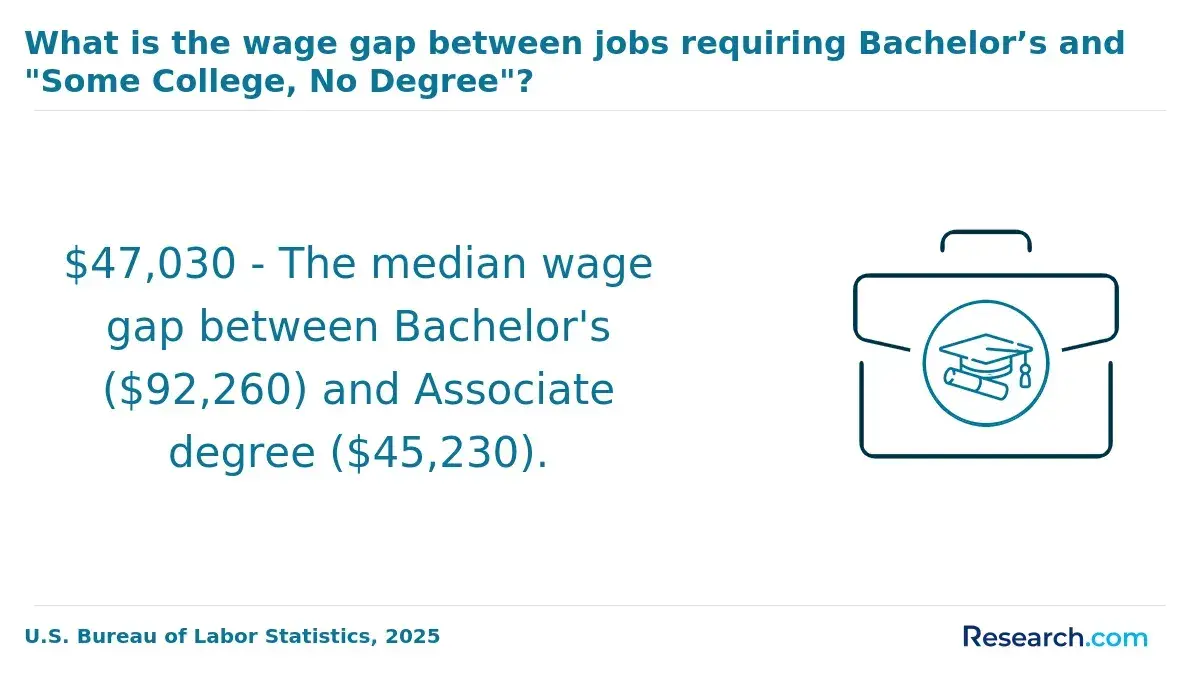
Licensing requirements for psychology and counseling careers in the US impose significant operational constraints that shape educational and career decisions. Psychologists must secure doctoral degrees (PhD or PsyD), involving 3-7 years beyond a bachelor's and 2,000-4,000 hours of supervised clinical work, followed by national exams like the EPPP and state-specific ethics tests. This process enables independent practice and diagnosis but demands a substantial upfront time and financial investment.
In contrast, counselors-including LPCs, LCSWs, and LMFTs-typically require a master's degree and a similar supervised hour range but on a shorter timeline, reflecting distinct workforce entry points. Certification credentials, such as those for substance abuse counselors (e.g., Certified Alcohol and Drug Counselor), add targeted value but seldom substitute state licensure required for insurance reimbursement or clinical independence.
Employers prioritize compliance with state licensure in hiring, especially for roles involving billing or insurance claims. Candidates who demonstrate mastery of local regulations and professionally recognized certifications enhance employability but must navigate varied state mandates that may complicate multi-state practice.
Prospective students should carefully assess programs for alignment with their intended licensure path to avoid unnecessary coursework or delays. Strategic enrollment in accredited offerings, such as widely researched marriage and family therapy master's programs online, can mitigate logistical challenges while supporting licensure goals in psychology and counseling careers in the US.
What are the best degree pathways into automation-resistant mental health careers?
Automation-resistant psychology - mental health careers require balancing advanced clinical expertise with interpersonal skills that technology struggles to replicate. Psychiatric nurse practitioners exemplify this, with employment projected to grow 45.7% by 2032, reflecting employer demand for complex diagnostic judgment and empathetic patient engagement.
A typical pathway starts with a Bachelor of Science in Nursing (BSN), followed by a Master of Science in Nursing (MSN) with psychiatric-mental health specialization; accreditation by bodies like CCNE or ACEN is essential to secure licensure and employer acceptance. For those without nursing backgrounds aiming for low automation risk roles in psychology, pursuing clinical or counseling psychology Bachelor's degrees, then advancing through PsyD or PhD programs is common.
These require substantial clinical internships, licensing exams, and ongoing supervision, which create natural barriers to automation by ensuring sustained professional oversight. Employer preferences include integrated skill sets such as pharmacology knowledge, psychotherapy techniques, and cultural competence, especially critical for serving diverse populations.
Choosing between nursing and psychology doctoral routes depends on career pacing and focus. Nurse practitioners often achieve faster licensure and clinical independence, while psychologists invest more heavily in research and specialized therapy. Both paths demand continuous education to counter evolving digital mental health tools. Graduates without adequate clinical practicum experience face delayed job placement and reduced employment resilience.
Students considering counseling psychology will find options by exploring CACREP-accredited online counseling programs, which provide accessible, quality training aligned with workforce realities. These represent strategic choices within the top mental health degrees that resist automation in the US.
How do online psychology programs compare to campus programs for mental health training?
Online psychology programs often lack the immersive clinical training critical for mental health professions, demanding advanced interpersonal skills. In contrast, campus-based curricula require in-person practicums and labs, providing direct observation and intervention exposure, essential for specialties like marriage and family therapy, projected by the U.S. Bureau of Labor Statistics to grow 27.6% by 2032 and noted for resistance to automation due to reliance on emotional intelligence.
A significant limitation of fully online formats is the reduced supervised client interaction and limited exposure to varied case complexities. This shortfall can hinder graduates' ability to meet licensure internship requirements or demonstrate the relational competencies prioritized by employers. For example, online-only trained counselors may face delayed credentialing or extended onboarding to acquire practical skills.
Students should weigh local licensing demands, often mandating minimum supervised hours, typically integrated within campus-based or hybrid models. Hybrid programs mitigate some deficits by combining online theory with on-site internships, helping candidates fulfill clinical mandates while accommodating working professionals.
- Employers expect acute emotional processing and nuanced family dynamic assessments best cultivated through direct mentorship and situational learning.
- Online education eases geographic constraints but necessitates deliberate planning for supplemental fieldwork to reach workforce readiness levels set by the National Board for Certified Counselors and state boards.
What courses and skills prepare graduates for future-proof mental health practice?
Long-term resilience in the mental health workforce depends heavily on integrating clinical assessment and culturally competent care with trauma-informed and crisis intervention skills, areas where emotional intelligence and complex decision-making surpass AI capabilities. This aligns with analyses from the U.S. Bureau of Labor Statistics identifying mental health and substance abuse social workers among the most automation-resistant roles.
The practical burden for students lies in balancing technical proficiency, such as navigating electronic health records and telehealth platforms, with developing adaptive communication and advocacy abilities that local clinics require. For example, rural behavioral health providers rely extensively on resource networking and culturally nuanced engagement, skills that no current automation can replicate.
Employers increasingly prioritize candidates demonstrating competency through supervised clinical hours focused on complex comorbidities like substance abuse and chronic mental illness, alongside data interpretation skills for evidence-based care tailored to individual cases. This dual focus often demands managing the tradeoff between acquiring quantifiable technical skills and sustaining empathy and resilience.
Incorporating health policy and interdisciplinary collaboration coursework equips graduates to handle evolving healthcare landscapes, but the human element remains indispensable for effective treatment planning and caseload management. Such nuanced roles emphasize why educational pathways in Psychology - Mental Health must extend beyond predictable technical training to prepare students for real-world workforce dynamics.
How long do psychology and mental health programs take, and what do they cost?
Selecting a psychology and mental health program requires weighing program length, cost, and career trajectory against practical workforce demands. A bachelor's degree typically spans four years with tuition ranging from $40,000 to $120,000, heavily influenced by institution type and residency. For those seeking clinical licensure, master's programs add 2-3 years at $20,000 to $60,000+, offering quicker entry but with a limited scope compared to doctoral paths.
Doctoral programs, essential for independent practice or specialized research, demand significant investment-4 to 6 years and over $100,000-that may not yield immediate wage returns. The emergence of art and creative therapy within mental health provides an alternative rooted in growing demand and relative resistance to automation, combining specialized master's training with extensive supervised clinical hours. This reflects a sector shift valuing individualized, holistic care approaches.
Students must navigate critical tradeoffs: a shorter, lower-cost master's enables faster workforce access but imposes ceilings on autonomy and earnings, while doctoral studies enhance long-term job security and professional independence at a higher upfront cost and timeframe. Employers increasingly prioritize accredited credentials aligned with licensure and favor graduates from programs incorporating integrated therapies.
Practical planning also involves acknowledging that early-career salaries often lag behind educational expenditure, underscoring the importance of financial foresight and potentially supplementing income during training.
What are the typical salaries for mental health professionals whose jobs resist automation?
Specialized roles in mental health professions that resist automation command distinct salary ranges shaped by the depth of expertise and work setting. Neuropsychologists, notably those in clinical neuropsychology, earn between $90,000 and $130,000 annually, reflecting the premium placed on advanced brain-behavior diagnostics that current AI cannot replicate.
This high resilience score (≥88) in workforce studies corresponds with employer demand in hospital environments where intricate assessments like traumatic brain injury evaluation are routine. Licensed clinical psychologists report median wages from roughly $80,000 to $110,000, varying by geography, licensure, and professional context. Positions in academic or community mental health centers often offer starting salaries closer to $65,000; however, these salaries can increase with additional credentials.
Meanwhile, licensed professional counselors and marriage and family therapists typically earn a median salary between $50,000 and $75,000, which is influenced by the client population and insurance structures. Key hiring factors favor not only formal qualifications but also nuanced clinical judgment and interpersonal adaptability-traits resistant to automation. Variability in salary ceilings and job stability arises when positions allow partial technological assistance, especially in less specialized clinic settings.
Prospective students must weigh licensing requirements, supervised clinical experience, and continuing education demands against long-term salary trajectories and employability. Strategic educational choices aligned with market realities can mitigate financial and time investments while positioning candidates for sustained roles in high-resilience Psychology - Mental Health careers.
What is the job outlook and demand for human-centered mental health careers?
The sustained demand for psychology - mental health roles that require nuanced interpersonal skills and ethical judgment reflects a workforce resistant to automation. Positions such as licensed therapists, clinical psychologists, and post-secondary psychology instructors maintain strong job growth projections, with the latter demonstrating an automation-resilience score above 85%. This resilience stems from the complexity of tasks involving emotional intelligence and real-time ethical decision-making that technology cannot replicate.
Employers in hospitals, private practices, and academic institutions emphasize adaptability to diverse clients and evolving treatment modalities. For instance, therapists must balance new digital tools like telehealth platforms with maintaining therapeutic rapport, a dynamic that limits AI substitution. Similarly, clinical supervisors provide mentorship and ethical oversight, sustaining their critical role despite technological advances.
Career prospects vary significantly based on educational focus. Degrees centered only on technical procedures are less employable than those integrating interpersonal competence with clinical judgment. Graduates pursuing academic careers face steady but competitive demand linked to expanding behavioral science programs nationwide.
Key considerations for professionals include meeting licensure mandates, accumulating clinical hours, and engaging in ongoing education aligned with shifting mental health policies. Ignoring these requirements risks undermining employment sustainability despite favorable labor statistics.
- Post-secondary instructors' high automation resilience correlates with stable demand.
- Hybrid skillsets combining clinical practice with digital literacy improve employability.
- Licensure and continued education remain non-negotiable for long-term success.
How can students choose a reputable, accredited psychology or mental health program?
Pursuing degrees in psychology - mental health without accredited program status frequently leads to limited licensure options and diminished employability, as many states mandate credentials from agencies like the American Psychological Association (APA) or the National Board for Certified Counselors (NBCC). Accreditation directly influences the rigor of clinical curricula, eligibility to sit for licensing exams, and employer recognition.
With healthcare roles in mental health showing strong automation resistance-three-quarters of the top 12 such occupations rate 88-98% low-risk for AI displacement-investing in accredited education safeguards this valuable career niche. Consider a licensed professional counselor role in community mental health: it demands not only a master's degree but completion of supervised clinical hours within an accredited framework.
Programs that lack transparency in outcomes-such as licensure pass rates and job placement within six months-risk prolonging a graduate's path to full credentialing and stable employment. Students weighing program options should balance these factors:
- State-specific licensure requirements, including coursework and exam eligibility
- Availability of internships or practicum placements linked to healthcare providers
- Scheduling flexibility versus intensity of clinical training
- Cost relative to expected salary growth post-licensure
The practical tradeoffs reflect the broader workforce realities: accredited programs with applied clinical exposure align better with employer expectations and reduce credentialing hurdles. For those pivoting careers, resources such as state licensing boards and the Council of Graduate Departments of Psychology provide essential guidance to avoid costly certification delays.
Other Things You Should Know About Psychology - Mental Health
Automation-resistant psychology - mental health careers depend on nuanced human interaction, which limits standardization in career advancement. Professionals often need ongoing specialized training and supervision to progress, which can delay promotions compared to fields with clearer metrics. Prioritize programs offering mentorship and clinical opportunities, as employer expectations focus on demonstrated client outcomes and professional judgment rather than technical certifications alone.
Workload in resilient mental health roles fluctuates with client needs and regulatory changes, often causing uneven hours and emotional strain. Professionals without support structures risk burnout, reducing career longevity. Selecting programs with strong clinical practicum support and learning stress management strategies is essential for maintaining work-life balance and sustaining employability over time.
Programs focusing on broad clinical exposure prepare graduates for diverse client needs and immediate employment, aligning with most employer expectations in automation-resistant roles. Research-heavy programs may limit practical skills and delay workforce entry. For career resilience, prioritize applied learning tracks that include diverse casework and direct client interaction over purely academic research training.
References
- Machines can do most of a psychologist’s job. The industry must prepare for disruption https://theconversation.com/machines-can-do-most-of-a-psychologists-job-the-industry-must-prepare-for-disruption-154064
- Psychiatrists and psychologists https://www.healthdirect.gov.au/psychiatrists-and-psychologists
- What is the best way to Enter the Mental Health Field | learndirect https://www.learndirect.com/blog/what-is-the-best-way-to-enter-the-mental-health-field
- Making an Impact with Careers in Mental Health - ECCM https://www.eccm.org/blog/making-an-impact-with-careers-in-mental-health
- Fastest Way To Become A Therapist Or Licensed Counselor https://www.psychology.org/careers/fastest-way-to-become-counselor/
- How Long Does It Take to Become a Mental Health Counselor? https://www.valant.io/resources/blog/how-long-does-it-take-to-become-a-mental-health-counselor/
- Choosing a Graduate Program in Clinical Psychology https://www.psychologytoday.com/us/blog/the-dark-side-personality/201406/choosing-graduate-program-in-clinical-psychology
- What Are the Best Accrediting Bodies for Psychology Degrees? https://www.bestpsychologydegrees.com/faq/what-are-the-best-accrediting-bodies-for-psychology-degrees/
- The 6 most in-demand jobs in mental health https://www.vu.edu.au/about-vu/news-events/vu-blog/the-6-most-in-demand-jobs-in-mental-health
- Skilling up – Health Professionals https://www.medicarementalhealth.gov.au/for-health-professionals/skilling-up