2027 Online Psychology - Mental Health Degrees With Patient Advocacy Career Alignment

Co-Founder and Chief Data Scientist
Securing an online degree in psychology - mental health while aligning with patient advocacy careers demands navigating complex scheduling conflicts and program accreditation challenges. As reported by the National Center for Education Statistics in 2024, over 45% of graduate students juggle full-time employment, underscoring the critical need for flexible, asynchronous coursework tailored to working professionals.
This shift alters enrollment timing and complicates hands-on practicum requirements essential for patient advocacy roles, influencing employability and licensure prospects. This article evaluates accredited online degree options, their clinical training integration, and career outcomes to help prospective students choose programs aligned with evolving workforce realities and advocacy ambitions.
Key Things You Should Know
- Online psychology - mental health degrees often extend post-certification timelines by 12-18 months due to limited in-state practicum options, increasing financial strain amid rising credentialing costs reported by the Bureau of Labor Statistics.
- Employers prioritize candidate experience over online degree prestige; 62% of clinical settings surveyed in 2024 prefer hybrid or in-person training models, complicating purely remote education pathways for patient advocacy careers.
- The accelerated growth of mental health demand (+28% job increase projected by 2030, U.S. Department of Labor) pressures graduates to balance timely licensure and specialization choice, making program selection critical to workforce alignment.
What are online psychology mental health degrees?
Online psychology mental health degree programs replicate traditional curricula but emphasize remote completion, a vital factor for working adults balancing clinical licensure requirements with employment. While coursework addresses core subjects like abnormal psychology and patient advocacy, students must navigate the challenge of securing in-person internships or supervised hours locally, often outside standard work hours. This real-world tradeoff affects working professionals who rely on program flexibility but require accessible practicum placements.
Graduates from accredited mental health degrees with patient advocacy focus benefit from enhanced employability in sectors prioritizing systemic and individual client advocacy. Employers increasingly seek candidates able to bridge clinical expertise and ethical communication within multidisciplinary teams, making such specialized training a tactical advantage in community mental health and rehabilitation settings.
The U.S. Bureau of Labor Statistics reports a median annual wage of $94,310 for psychologists, with employment expected to grow by 6% over the decade, outpacing average occupational growth. This demand reflects evolving mental health roles where advocacy and integrated care models become standard rather than supplementary.
Due diligence is imperative: prospective students must confirm that online offerings meet state-specific licensure criteria and clinical training support standards, as program quality and recognition vary substantially. For those assessing this pathway, reviewing online masters clinical psychology can illuminate options aligning with professional objectives and licensure requirements.
Which accreditations matter for online psychology programs?
Regional accreditation remains the decisive criterion ensuring online psychology degrees comply with federal academic standards and access pathways to licensure and financial aid. For students targeting clinical, counseling, or mental health roles, specialized accreditation-such as from the American Psychological Association (APA) or the Commission on Accreditation for Marriage and Family Therapy Education (COAMFTE)-is indispensable. Without these credentials, licensure eligibility and employment prospects in regulated clinical settings become severely limited.
For example, candidates aspiring to join outpatient mental health centers, which the U.S. Bureau of Labor Statistics projects to grow by 21%, must hold a degree from an APA-accredited program. These accreditation standards for online psychology degrees significantly influence job market access in expanding sectors like mental health practitioner offices, where growth is forecasted at 11% through 2032. Conversely, degrees that lack specialized accreditation may fuel dead ends in clinical licensure pathways and employer screening.
Non-clinical roles such as patient advocates or behavioral health technicians typically require only regional accreditation, yet this restricts upward mobility. Prospective students should scrutinize program offerings for practicum or internship placements aligned with state licensure requirements. Important criteria include supervised clinical hours and exam preparation support, which impact licensure success rates.
Key practical considerations for choosing an accredited program include:
- Confirming regional accreditation status through the Council for Higher Education Accreditation database.
- Ensuring specialized accreditation (APA or relevant body) for clinical track alignment.
- Verifying program support for state licensure processes, including supervised practice and exam readiness.
- Assessing partnerships with mental health providers that enable applied training in target employment sectors.
For those evaluating affordable options aligned with these standards, resources such as masters child and adolescent mental health listings can guide decisions that balance cost with accreditation and workforce relevance.
How do online and campus programs compare?
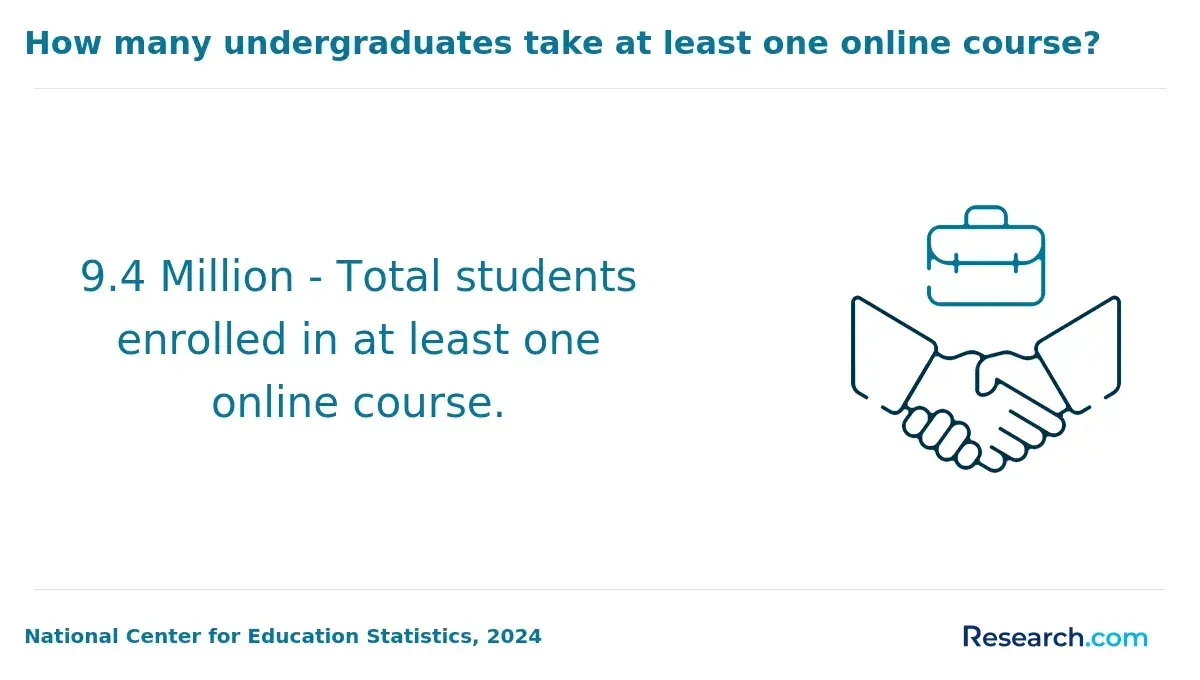
Deciding between campus and online psychology and mental health degree program differences hinges on real-world tradeoffs around clinical training access and networking opportunities that directly influence employability. Campus programs embed students in immediate, structured clinical placements and direct faculty mentorship, which can be decisive in meeting licensure standards and building patient advocacy skills. In contrast, online programs afford flexibility for working adults but demand proactive effort to arrange supervised hours and quality internships, a critical requirement often coordinated on-site for campus attendees.
Employers expect credible clinical experience alongside accredited degrees, so remote students must secure local practicum opportunities, which can be a logistical barrier absent from campus-based education. For example, a working professional pursuing a mental health counselor license benefits from the adaptability of online study but faces the challenge of independently coordinating site supervision to satisfy state mandates.
Campus attendance enhances peer collaboration and multidisciplinary networking, factors essential in competitive job markets for mental health careers. Meanwhile, online delivery reduces relocation costs but may limit real-time interaction with colleagues and supervisors, impacting immediate job placement success.
Given approximately 2.2 million mental health jobs in the U.S. and an anticipated 200,000 annual openings through 2032, students must weigh how program structures affect readiness for these roles. Those evaluating a online marriage and family therapy graduate programs should consider these operational and workforce implications carefully.
What coursework is in a mental health psychology degree?
Choosing a mental health psychology degree coursework pathway requires evaluating the balance between clinical depth and systems-level patient advocacy training in mental health programs. Graduates must navigate licensure demands that often surpass academic requirements, including supervised hours critical for practice permissions. Core curriculum components cover abnormal psychology's diagnostic frameworks alongside neuropsychology, sharpening focus on brain-behavior relationships relevant to cases involving neurological comorbidities.
Applied therapeutic methods such as cognitive-behavioral therapy and crisis intervention prepare students for immediate clinical challenges, while patient advocacy elements develop competencies in healthcare navigation and cultural responsiveness-skills increasingly sought after by employers in hospitals and community agencies. For example, counselors in correctional facilities benefit from this combined expertise to address complex behavioral issues within regulatory constraints.
Employment projections for substance abuse and behavioral disorder counselors anticipate an 18% increase from 2022 to 2032, highlighting significant demand but also reflecting the necessity for interdisciplinary skills and compliance with evolving policies. Prospective candidates should critically assess programs that integrate evidence-based clinical techniques with practical advocacy training to align with real-world job expectations.
Those seeking streamlined entry into this field can research accredited easiest counseling degree programs, facilitating strategic decisions based on market viability and licensure pathways.
What admissions requirements do these programs usually have?
Admission into online psychology - mental health degree programs hinges on more than academic credentials alone; it requires a pragmatic alignment with workforce demands and regulatory standards. Most programs expect at least a bachelor's degree in psychology, social sciences, or related fields, alongside a minimum GPA of 3.0, reflecting the profession's competitive nature and emphasis on preparedness for patient-centered roles.
Applicants typically must submit transcripts, letters of recommendation, and a focused statement of purpose revealing their commitment to mental health advocacy and interpersonal skills development. For those targeting clinical careers, documented hands-on experience-whether volunteer or paid-is often non-negotiable, due to accreditation pressures and clinical practicum prerequisites.
Standardized tests such as the GRE are selectively required, primarily for research or licensure tracks. Background clearances and immunization proof further extend admission complexity where clinical practice hours exceed 1,000, imposing a substantial scheduling hurdle on working students. These demands underscore the financial and time investments necessary for licensure readiness amid a crowded job market, where median counselor salaries approximate $59,000 annually.
Prospective students should weigh these factors carefully: weak academic or experiential backgrounds may lengthen the path through additional prerequisite courses or delay graduations, inflating overall costs. Early verification of prerequisites and timely submission of documentation streamline admission efficiency and align training with evolving employer expectations.
How long does an online psychology degree take?
Completing a psychology - mental health degree within a practical timeframe directly affects workforce entry and income potential. A traditional bachelor's program usually takes about four years, but accelerated tracks-leveraging continuous enrollment and transfer credits-can reduce this to two or three years. Candidates aiming for clinical licensure, such as mental health counselors, face an additional 2 to 3 years earning a master's degree plus supervised clinical hours, which often extend total training time. For working professionals balancing jobs, part-time enrollment can push degree completion to five or six years, delaying employment and earnings.
Consider that over 172,000 U.S. job listings for social workers show a median salary near $58,500, while listings for substance abuse and mental health counselors exceed 123,000 with median pay around $57,200, demonstrating sustained demand but competitive employer expectations. Programs embedding 600+ practicum or internship hours aim to streamline licensure but introduce schedule complexities that may prolong study beyond minimum terms.
Crucial decision factors include program flexibility, credit transfer policies, and clear licensure pathways. For example, a candidate prioritizing a swift transition into a counseling role must weigh shorter bachelor's programs paired with an efficient master's track offering integrated clinical hours versus a lengthier but highly flexible part-time schedule. Such tradeoffs profoundly influence career trajectory and financial outcomes in this field.
What do online psychology degrees cost?
Investment in online psychology degrees varies notably by degree type and institution, influencing career trajectories in mental health advocacy. Public universities typically charge between $10,000 and $30,000 for bachelor's programs, whereas private institutions frequently exceed $40,000. Graduate programs such as master's or PsyD degrees often range from $25,000 to over $60,000, excluding additional clinical and licensure expenses, which can add $2,000 to $5,000 depending on practicum requirements.
For individuals focused on patient advocacy roles without clinical licensure, lower upfront tuition may be balanced against constrained salary ceilings compared to licensed clinicians. For example, community health workers-a key subset in mental health advocacy-earn a median annual salary of $51,030, with an 11% job growth projection from 2024 to 2034, according to the U.S. Bureau of Labor Statistics as cited by Notre Dame de Namur University. This dynamic highlights the necessity of aligning educational expenses with realistic workforce expectations.
- Advanced degrees incur higher costs but unlock clinical licensure and broader employment options.
- Accelerated online programs may raise immediate expenses but shorten time-to-employment, reducing opportunity costs.
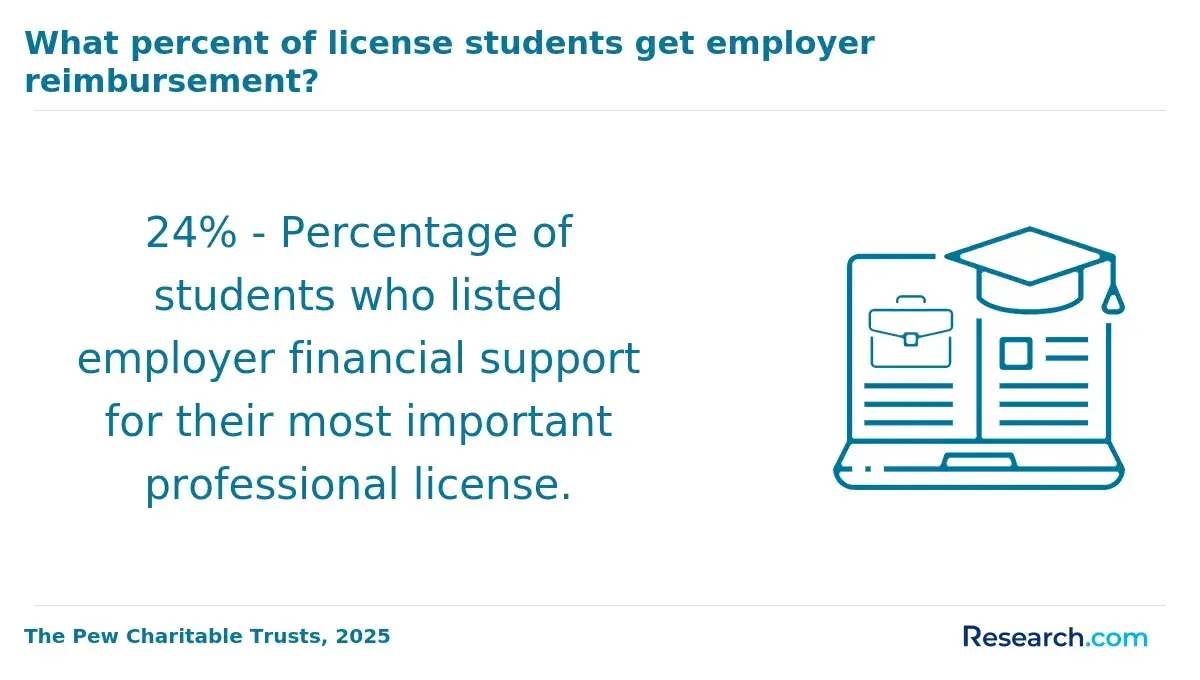
- Exploring financial aid or employer tuition reimbursement is crucial to managing upfront investment.
Prospective students should weigh tuition differences, program pacing, and expected earnings when selecting a path in Psychology - Mental Health, balancing immediate affordability against long-term professional flexibility and market demand.
What careers align with patient advocacy?
A career in patient advocacy within psychology - mental health demands navigating complex intersections of clinical expertise, healthcare systems, and policy environments. Clinical social workers exemplify this by integrating mental health treatment with social determinants of health, coordinating care to address factors beyond symptoms. Similarly, psychiatric nurses balance direct patient care and family education, empowering advocacy within clinical teams.
The role of health services managers spotlights systemic influence, where operational leadership directly shapes access and quality of mental health services. For instance, a manager in a community mental health center might redesign workflows to cut wait times, which enhances treatment adherence and patient satisfaction-an outcome unattainable through clinical intervention alone.
Patient advocates often extend into licensed counseling or therapy roles, where clinical proficiency intersects with navigating insurance and legal frameworks. This dual responsibility creates a tradeoff: emotional support versus administrative negotiation, requiring continuous professional development and interdisciplinary communication skills.
Wage data from the U.S. Bureau of Labor Statistics reveal notable disparities, with psychiatrists earning median annual wages near $226,880 compared to psychiatric technicians at $37,330. Such variance underscores the premium on advanced licensure and education paired with role scope and responsibility.
Prospective candidates face tangible challenges-licensure requirements tailored to advocacy, emotional labor management, and a strong commitment to graduate-level education impacting employment prospects and salary potential.
What salary and job outlook can graduates expect?
Graduates holding online psychology - mental health degrees with patient advocacy skills enter a labor market shaped by significant disparities in provider availability. In states with ratios as high as 800 individuals per mental health provider, employment opportunities expand rapidly, though often accompanied by tradeoffs such as lower initial salaries or fewer leadership roles. Conversely, competitive metropolitan areas offer stronger pay and supervisory tracks but present tougher entry barriers.
Salary ranges reflect this complexity: master's-level clinical roles in hospitals and community centers typically offer between $55,000 and $70,000 annually, while doctoral practitioners in private or specialized settings may exceed $90,000. Entry-level graduates more broadly face starting salaries between $48,000 and $65,000, influenced by geographic location, credentials, and employer type.
Employment growth in this sector is robust, with a projected 19% increase through 2032, fueled by expanding insurance coverage and rising public health awareness. However, new professionals must balance the urgency of filling workforce shortages against the practical demands of geographic mobility and credentialing requirements.
Key employer expectations include:
- Patient advocacy combined with evidence-based practice experience
- Internships or practicum placements in clinical or community environments
- Professional licensure such as Licensed Professional Counselor (LPC) or Certified Alcohol and Drug Counselor (CADC)
- Familiarity with insurance billing and integrated care models
Graduates who align skill development with these demands position themselves more effectively amid evolving interdisciplinary treatment teams and tightening workforce supply constraints.
How do licensing and certification requirements affect career plans?
State licensure requirements sharply delimit what psychology - mental health graduates can do professionally, often making the difference between independent clinical roles and support positions. For example, clinical psychologists must complete extensive supervised hours-sometimes up to 3,000-and pass state exams before practicing independently. Without these credentials, job options narrow to roles like behavioral aides or research coordinators, which typically offer lower pay and fewer advancement opportunities.
In contrast, certification-based roles in peer support or community advocacy provide quicker entry but with constrained professional scope and salary potential. This divide also heavily influences educational choices, as aspiring clinicians must pursue accredited degrees aligned with licensure boards, while those targeting support functions can often complete shorter certificate programs.
Employers in mental health prioritize candidates meeting licensure standards to ensure legal compliance and care quality, intensifying competition for non-licensed positions. The U.S. Bureau of Labor Statistics projects above-average growth in community and social service sectors, underscoring the importance of matching credentials to target job markets.
- Licensure demands extensive post-degree supervised hours and exams, delaying full workforce entry.
- Certification offers faster access but limits role breadth and earnings.
- Early alignment with state-specific requirements optimizes career planning and reduces delays.
Prospective students must realistically weigh these trade-offs and timelines, especially when balancing education with work and personal responsibilities, to prevent stalled progression or financial strain.
Other Things You Should Know About Psychology - Mental Health
Online psychology - mental health degrees often require practicum or internship components that demand significant in-person hours, which can conflict with full-time jobs or personal responsibilities. Students must carefully evaluate program flexibility regarding scheduling and local placement options, as limited practicum locations can extend completion time or increase commuting burdens. Prioritizing programs with strong field placement support and clear timelines helps avoid unexpected delays and workload overload during critical practicum phases.
Jumping directly into a graduate program without workforce experience may limit practical insight into patient advocacy and clinical environments, affecting both academic engagement and career focus. Employers and graduate programs often value relevant work experience that sharpens professional goals and increases post-degree employability. Unless pursuing a time-sensitive licensure path, gaining 1-3 years of experience in a related role before returning for an advanced degree typically yields a clearer career trajectory and improves learning application.
Choosing between a research-driven or clinically oriented program depends on career goals; clinical programs offer direct patient care training aligning with counseling and advocacy roles, while research tracks emphasize data analysis and program development skills. Employers seeking patient advocacy professionals prioritize clinical practica and interpersonal competencies, making clinically oriented degrees more practical for immediate employment. Candidates should assess curriculum balance and employer demand in their target sector and lean toward programs that provide tangible field skills over purely academic research training if direct patient engagement is the objective.
References
- Frequently Asked Questions about Accreditation - Canadian Psychological Association https://cpa.ca/accreditation/faq/
- How Occupational Licensing Requirements Affect Access to Middle-Skills Pathways - R Street Institute https://www.rstreet.org/
- 9 DO School Requirements You Need to Know https://bemoacademicconsulting.com/blog/do-school-requirements
- Join our Team - Patient Advocate Foundation https://www.patientadvocate.org/get-involved/career/
- Online Master’s in Clinical Psychology https://onlinecounselingprograms.com/online-counseling-degrees/online-masters-in-psychology/clinical-psychology/
- Fastest Online Master's In Counseling Programs https://www.psychology.org/counseling/fastest-online-degrees/
- Career Outlook for College Graduates in 2025 https://www.fastweb.com/student-news/articles/career-outlook-recent-college-graduates
- Discover The Best Online Psychology Programs https://www.accreditedschoolsonline.org/psychology/bachelors/
- Homepage https://www.onlinepsychologydegrees.com/
- Guide to Your Med School Application https://www.princetonreview.com/med-school-advice/medical-school-applications