2027 Best Online Psychology - Mental Health Degrees for Helping-Profession Career Mobility

Co-Founder and Chief Data Scientist
Midcareer professionals in mental health often confront a narrow window to secure credentials that align with evolving licensure requirements and employer expectations, or risk stagnation in a severely competitive labor market. The national Bureau of Labor Statistics forecasts a 14% growth in psychology-related employment by 2032, intensifying demand for graduates who combine clinical competence with flexibility.
However, rigid traditional programs and limited part-time options force many learners to delay retraining or forgo advancement altogether. Recent data from NCES shows online enrollment in graduate psychology programs grew by over 30% since 2022, demonstrating a critical shift toward accessible, flexible education models. This article evaluates the best online psychology - mental health degrees tailored for sustained career mobility, focusing on program structure, accreditation, and workforce relevance to inform strategic educational decisions.
Key Things You Should Know
- Psychology - mental health degrees with clinical licensure focus yield 15% higher median earnings but require 2-3 years additional supervised practice, presenting a cost-benefit tradeoff for career pivot timing.
- Employers prioritize master's graduates with integrated telehealth training, reflecting a 28% industry shift in service delivery modes noted by 2024 workforce analytics.
- Programs leveraging competency-based assessments reduce average completion time by six months, addressing rising tuition inflation pressures documented in recent higher education financial reports.
What are the best online psychology-mental health degrees for career advancement in helping professions?
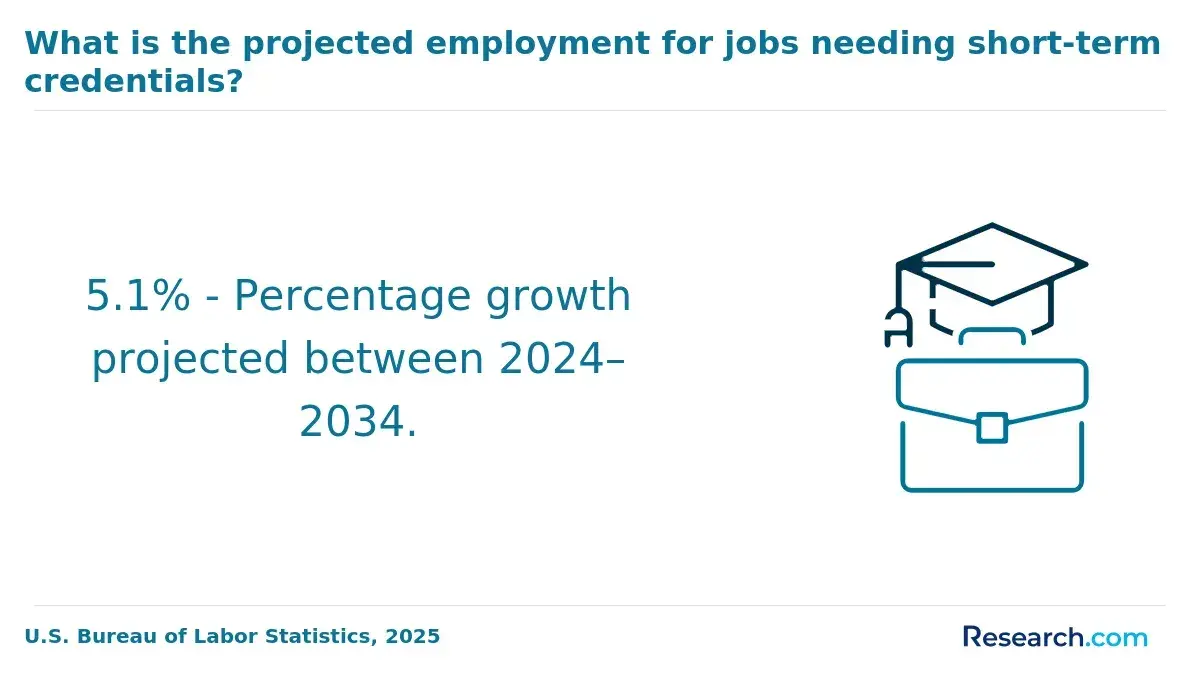
Advanced credentials in psychology and mental health hinge not only on academic content but critically on supervised practicum components that meet licensure standards. Entry-level jobs typically require a bachelor's with practical experience, supporting job growth aligned with the 7.7% projected increase in related employment from 2024 to 2034.
However, to qualify for independent clinical roles, a master's degree in clinical mental health counseling, social work, or applied psychology with integrated fieldwork is generally mandatory-employers prioritize these for licensure eligibility. For working professionals, program flexibility with synchronous clinical supervision and adaptable practicum placements eases barriers but requires careful alignment with state-specific licensure rules.
For example, a licensed social service worker pursuing a broadened clinical counseling role must identify programs with robust counseling internships tailored to their state's requirements. Doctoral options (PhD, PsyD) expand opportunities in research or academia but demand significant time and financial investment, often including in-person residency components despite primarily online coursework.
Programs that emphasize updated evidence-based approaches-cognitive behavioral therapy, trauma-informed care-and emerging telehealth competencies better prepare candidates for evolving employer expectations. Prospective students evaluating the online clinical psychology master's programs or the best online psychology mental health degrees for career advancement must weigh these practical considerations to navigate licensure complexity.
How do online psychology-mental health programs compare to campus-based options for flexibility and outcomes?
Flexibility in online psychology mental health programs often addresses real-world constraints that campus-based degrees cannot, especially for working professionals balancing family, income, and career pivots. These fully accredited programs leverage synchronous and asynchronous formats, enabling learners to integrate clinical practicums within their own geographic regions, which mitigates relocation costs and scheduling conflicts.
However, this flexibility introduces practical hurdles: students must navigate interstate licensure requirements carefully to avoid credentialing barriers common with out-of-state online programs. Workers transitioning careers or maintaining income streams benefit substantially from the adaptable pacing of online pathways but must exhibit strong self-discipline and technology readiness to handle deadlines without campus structure.
Meanwhile, campus options can provide richer in-person networking despite less scheduling adaptability. Importantly, employer hiring remains focused on licensure status and clinical experience over program modality, supported by a 20% projected employment growth for mental health counselors alongside median wages above national averages.
Key considerations include ensuring program regional accreditation and curricular alignment with state licensure boards, as these factors directly impact eligibility for counseling roles. Online offerings often embed telehealth practicums or local internships that preserve essential hands-on training.
Professionals seeking NASP accredited school psychology programs may find valuable program options here: NASP-accredited school psychology programs. Ultimately, the choice between online and campus-based degrees hinges on managing licensure logistics and weighing the tradeoffs between flexibility and networking opportunities.
How can I verify that an online psychology-mental health degree program is properly accredited?
Accreditation verification for online psychology mental health degree programs is a decisive factor in professional credibility and career viability. Confirm that programs are regionally or nationally accredited through the U.S. Department of Education or CHEA databases, ensuring eligibility for licensure and recognition by employers. Specialized accreditation from bodies like the APA or COAMFTE is especially relevant for graduate clinical training and impacts licensure trajectories.
Choosing a non-accredited or diploma-mill provider may initially reduce costs but risks blocking clinical licensure, restricting employment opportunities, or necessitating expensive credential replication. Although online programs tend to cost about 12% less-$56,624 versus $64,080 for a four-year bachelor's according to Psychology.org's 2026 rankings-this saving is only worthwhile if accreditation meets your specific licensure and employment needs.
Employers and licensing boards rely on accredited credentials to gauge candidate preparedness for diverse roles, ranging from clinical practice to counseling or research. For those evaluating accredited online psychology mental health degree programs in the United States, practical tradeoffs between cost, accreditation, and career outcome reliability must be clearly understood. This ensures your investment aligns with your intended professional path.
Given these nuances, prospective students should assess programs critically, including exploring types of therapy degrees relevant to their goals, to avoid costly missteps and to maximize long-term employability in the mental health field.
What types of psychology-mental health degrees support careers in counseling, therapy, and related fields?
Choosing the right psychology and mental health degree for counseling careers requires weighing licensure pathways against time, cost, and job scope. A bachelor's degree with a counseling focus offers foundational knowledge but limits graduates to assistant roles, such as case management or behavioral technician positions, without eligibility for therapy licensure.
Master's degrees-including the Master of Social Work (MSW), Master of Counseling, and Master of Psychology-directly satisfy state licensure prerequisites for licensed professional counselor (LPC), licensed clinical social worker (LCSW), or marriage and family therapist (MFT) roles. These programs include necessary clinical practicum hours and open doors to independent practice and supervision in settings like clinics, schools, or substance abuse agencies.
Students evaluating online psychology and mental health degrees for therapy professionals should prioritize clinically accredited programs recognized by their state licensing boards. For example, those targeting affordable routes to licensure might explore CACREP-accredited online counseling programs. Doctoral degrees (PhD or PsyD) prepare candidates for psychologist licensure, advanced clinical specialties, research, and academic roles but demand substantial time, financial investment, and rigorous internships or residencies.
- Bachelor's degrees support entry-level roles but not licensure.
- Master's degrees are essential for independently licensed counseling or therapy roles.
- Doctoral programs are required for psychologist licensure and advanced clinical practice.
Tuition disparities are notable: affordable online bachelor's programs range from $4,200 to $5,000 annually, while master's degrees for counseling licensure typically exceed $12,000. Prospective students should align degree choice with practical career aims and resource constraints, understanding that undergraduate credentials serve as a testing ground before committing to graduate training.
What admission requirements do online psychology-mental health programs typically have for adult learners?
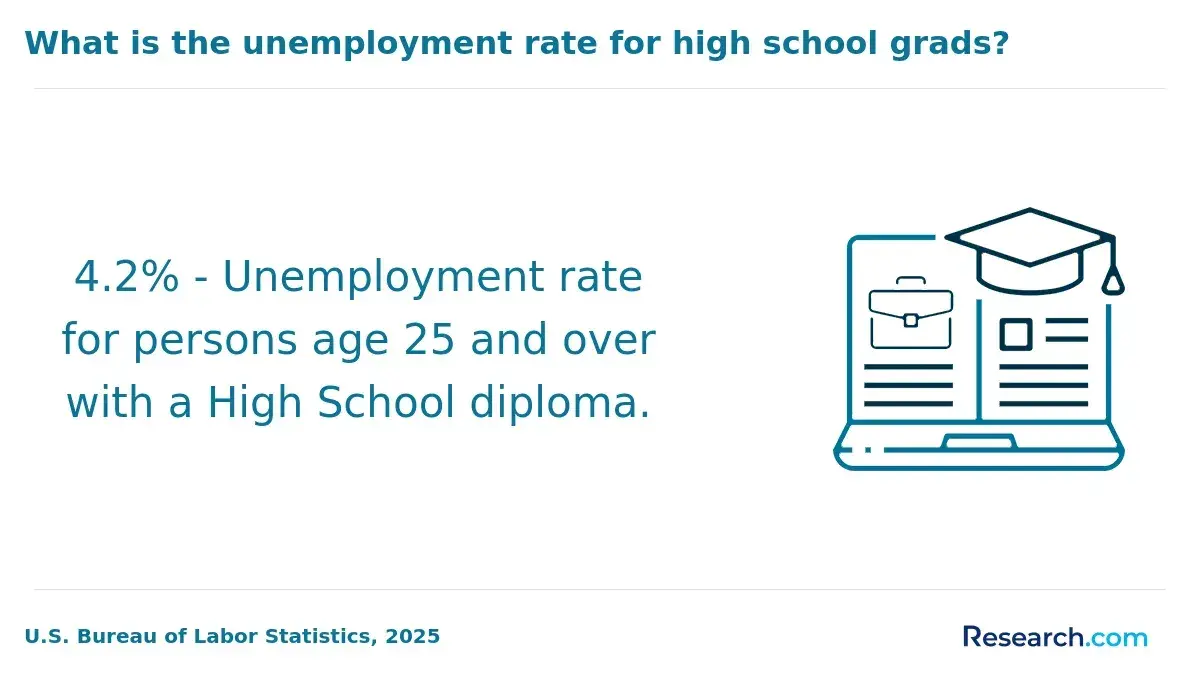
Admission requirements for online psychology-mental health programs create critical early hurdles that directly affect career trajectory and licensure outcomes. Undergraduates must typically provide a high school diploma and maintain a GPA around 2.5 to 3.0, alongside official transcripts. Graduate admissions usually insist on a bachelor's degree with psychology-relevant coursework or related fields supplemented by prerequisites.
Programs consistently require letters of recommendation, personal statements, and sometimes documented experience in mental health or related environments, reflecting workforce expectations for baseline professional preparedness. Licensing considerations significantly influence program selection, particularly for doctoral candidates. Many states demand specific clinical practicum hours, often fulfilled through in-person internships or residencies.
The American Psychological Association's data notes that over half of new psychology graduate students have prior fully online coursework, indicating evolving digital competencies are essential from enrollment. This prior online exposure shifts program design toward learners with foundational tech skills and self-directed study habits, factors employers increasingly value in mental health professionals.
Prospective students must evaluate accreditation status, clinical training rigor, and alignment with licensure pathways before committing. These criteria serve as gatekeepers not only for academic eligibility but also for real-world employability and state-recognized credentialing within psychology-mental health careers.
How long do online psychology-mental health degrees take, and what do they cost?
Deciding between master's and doctoral degrees in psychology - mental health hinges on realistic expectations about time, cost, and employment scope. Bachelor's and associate degrees require 2 to 4 years and usually prepare candidates for entry-level or support roles rather than clinical practice. Master's programs, typically 2 to 3 years, incorporate practicum and internships, facilitating licensure in counseling but generally limiting clinical independence.
Doctoral degrees demand 5 to 7 years, integrating advanced coursework, supervised clinical training, and dissertation research. They open doors to clinical psychologist licensure and higher salary brackets, with median wages for advanced mental health professionals reaching $103,340 annually in outpatient settings-significantly above non-clinical roles. This wage premium comes with longer educational commitments and higher costs.
Costs vary widely: public undergraduate tuition generally falls between $10,000 and $30,000 annually, while private institutions may exceed $40,000. Graduate tuition ranges from $20,000 to $70,000+, with doctoral programs exceeding $100,000 overall. Beyond tuition, licensure exams and supervised practice expenses add financial and logistical layers to program completion.
Prospective students must align enrollment pace, clinical placement availability, and state licensing prerequisites with career aims. Employers prioritize credentials reflecting extensive clinical experience and direct patient care, influencing both hiring and authorization to practice.
What core courses and clinical or practicum experiences are included in psychology-mental health programs?
Entry into psychology-mental health careers demands more than academic knowledge; practical competency verified through substantial practicum hours is a decisive factor in employability and licensure readiness. For instance, clinical counseling roles typically require between 100 to 600 supervised practicum hours focused on individual assessment, psychotherapy, and ethics, tightly aligned with state licensing mandates.
Conversely, organizational psychology tracks emphasize applied research or behavioral analysis, prioritizing fieldwork within corporate mental health settings. These divergent practicum emphases affect not only certification eligibility but also how employers assess candidates' readiness for specific professional environments.
Key tradeoffs arise when balancing flexible online coursework with synchronous, supervised field placements. Geographic constraints and the availability of local clinical partnerships can restrict program choices, especially where rigorous practicum demands must be met to satisfy licensure or employer expectations.
- Core curriculum includes abnormal psychology, developmental psychology, cognitive processes, statistics, and research methods, fostering essential analytical skills.
- Practicum rigor varies by degree level and professional focus, impacting time to credentialing and employment.
- Students must scrutinize program alignment with targeted state licensure and employment sectors to avoid costly credentialing gaps.
Enrollment growth in online psychology degrees underscores rising demand for graduates who combine solid academic foundations with verifiable hands-on experience. Prospective students should prioritize programs offering clear practicums that map directly onto career requirements rather than abstract or generic credential accumulation.
What careers, job roles, and advancement opportunities can an online psychology-mental health degree lead to?
An online psychology-mental health degree serves primarily as an entry point rather than a direct gateway to high-level clinical roles. Graduates commonly assume positions like behavioral health technician, case manager, or psychiatric technician. For those targeting licensed counselor or clinical social work positions, this degree is only the first step, necessitating further graduate education and supervised practice hours that extend timelines and increase costs.
Employers within nonprofit sectors, government agencies, and healthcare recognize the degree for roles centered on client engagement, data gathering, and program support. Advancement beyond entry-level often hinges on specialized certifications, state licensure, and 2-5 years of practical experience, especially for supervisory or clinical roles. Administrative positions at the bachelor's level offer stability but limited salary growth without further qualifications.
Financial investment ranges widely: public institutions averaged $12,544 annually for full-time online psychology bachelor's students, while private nonprofits charge around $23,444, totaling approximately $50,000 to $93,000 for a four-year degree. Students must critically assess these costs against actual job market value, factoring in the likelihood of pursuing graduate education to access higher-paying roles.
Pragmatically, candidates aiming for licensed counselor roles benefit from planning multi-stage education paths and accumulating clinical experience, whereas those prioritizing quicker entry into program support roles should expect constrained wage ceilings. This creates a clear tradeoff between time-to-employment and long-term earnings potential.
What salary ranges and earning potential exist for mental health professionals with these degrees?
Salaries for professionals holding online psychology - mental health degrees vary widely based on specialization, credentials, and workplace context, typically ranging from $50,000 to over $100,000 annually. Entry-level roles such as licensed clinical social workers and counselors often start between $50,000 and $60,000, while marriage and family therapists earn median wages near $58,000. Doctoral-level positions, like clinical psychologists, typically command salaries above $80,000, with some geographical areas and specialties reaching six figures.
Employment growth projected at 15% for marriage and family therapists from 2024 to 2034, per U.S. Bureau of Labor Statistics data, signals expanding integration of mental health specialists into primary care and behavioral health teams. This shift can increase earning potential but demands additional training and certifications to handle more complex caseloads.
For example, a licensed counselor moving into integrated care might see a $10,000-$20,000 salary boost but must invest time and money in further qualifications. Employers often prioritize licensure and supervised clinical hours over whether the degree was earned online or on campus, though regional demand and insurance billing capabilities also greatly affect income.
Choosing an online psychology - mental health degree requires weighing these practical earnings, credentialing times, and the evolving role of mental health professionals in healthcare networks.
What licensing, certification, and supervised practice requirements apply to mental health careers in the U.S.?
Licensing requirements in U.S. mental health careers impose significant practical challenges that directly influence the education and training strategy of prospective professionals. Beyond earning a master's or doctoral degree from a regionally accredited program-a baseline that over 95% of top online psychology programs meet per U.S. News' 2024 data-candidates must accrue 2,000 to 4,000 hours of supervised clinical practice.
This is typically spread over one to two years and involves direct client interaction under licensed supervision, varying by state and role. For instance, California's Licensed Professional Counselor applicants must document 3,000 hours, while New York's Licensed Clinical Social Workers have a similar threshold with additional client population requirements.
These supervised hours are non-negotiable prerequisites for sitting licensing exams such as the Examination for Professional Practice in Psychology (EPPP) or various state-specific tests. Certifications like CADC add layers of specialization but do not replace mandatory licenses. Graduates' choices in programs directly affect mobility and time-to-practice: programs misaligned with state licensure criteria can force students into supplemental coursework or added supervision hours-extending costs and delaying entry into the workforce.
Prospective students should also rigorously evaluate graduate curricula for mandated content in ethics, psychopathology, and assessment to ensure compliance with licensing boards. Without this due diligence, professionals risk barriers in credentialing and limited employer eligibility. The decision matrix here involves balancing program accessibility, accreditation status, and the real-world applicability of training toward defined employment outcomes.
Other Things You Should Know About Psychology - Mental Health
Online psychology - mental health programs include practicum and clinical components that match the intensity of traditional programs but often require greater self-management. These experiences are critical for licensure eligibility and employer acceptance, so students must navigate arranging local sites and supervisors independently, which can extend timelines if not managed carefully. Prioritize programs with established partnerships or dedicated practicum support services to avoid administrative delays and ensure quality practical experience.
Employers in healthcare settings may scrutinize online degrees more rigorously, especially for roles tied to clinical licensure or hospital employment. Social service agencies tend to focus on competencies and supervised experience over program delivery mode but still expect regional accreditation and relevant clinical hours. For those targeting clinical healthcare roles, select programs with clear accreditation and licensure support; social service workers can prioritize programs offering broader experiential learning tailored to community settings.
Adult learners often struggle with scheduling synchronous sessions and meeting practicum deadlines alongside full-time jobs, potentially delaying graduation. Programs with asynchronous coursework and flexible practicum scheduling reduce conflict and dropout risk. When selecting a program, prioritize those that explicitly detail flexibility options and provide robust advising to accommodate professional and family responsibilities without sacrificing educational quality.
Online psychology - mental health degrees in 2027 often present a more affordable option compared to traditional in-person programs, as they typically come with reduced costs related to transportation, housing, and campus fees. Many online programs also offer flexible payment options and financial aid tailored specifically for online learners.
References
- Western State University California || online-ms-psychology-degree-job-roles-and-career-opportunities https://wsu.university/media/blog/online-ms-psychology-degree-job-roles-and-career-opportunities/67d913c853aef998b2cec2ff
- Explore Psychology Degrees Online | Psychology.org https://www.psychology.org/online-degrees/
- Behavioral Health Career Descriptions | SAMHSA https://www.samhsa.gov/about/careers/behavioral-health-workforce/careers-by-state/descriptions
- Psychology (Part-Time) https://www.widener.edu/academics/adult-continuing-studies/psychology-part-time
- Best Online Psychology Degrees for Adult Learners – 2026 https://www.collegetransitions.com/blog/best-online-psychology-degrees-for-adult-learners/
- Uniform master’s studies https://www.amh.edu.pl/psychology/
- Careers in mental health: three types of professionals - Bayside Group Specialist Recruitment https://www.baysidegroup.com.au/blog/careers/careers-in-mental-health-three-types-of-professionals
- Psychology Accreditation: What you need to know https://www.onlinepsychologydegrees.com/articles/accreditation/
- Can online psychology match the on-campus experience? https://www.studentvoice.ai/blog/studying-psychology-online-a-detailed-examination/
- How Employers View Online Degrees in Counseling & Psychology https://www.counselingpsychology.org/articles/how-employers-view-online-degrees-in-counseling-and-psychology/