2027 PPC Roles You Can Target With a Marketing Degree

Co-Founder and Chief Data Scientist
Marketing graduates face a growing challenge: identifying PPC roles that align with their degree but also offer clear career progression amid shifting employer expectations and rising demand for digital skills. A recent U. S. Department of Education report found a 12% surge in adult enrollment in flexible online marketing programs, signaling persistent candidate desire for adaptable pathways that address workforce gaps.
This trend reveals how accessibility and skill specialization intertwine, influencing when and how professionals pursue PPC-related opportunities. This article will explore specific PPC roles viable with a marketing degree and provide actionable guidance for targeting these positions effectively and strategically.
Key Things You Should Know
- Data from the U.S. Bureau of Labor Statistics shows PPC analyst roles require advanced analytics skills beyond a general marketing degree, forcing candidates to upskill in platforms like Google Ads or risk underemployment.
- Employers increasingly demand proven ROI management experience in PPC, making entry-level marketing graduates less competitive without internships or freelance portfolios, affecting hiring trajectories and salary negotiations.
- The average cost of PPC-specific certifications ($300-$1,200) and the 6-to-12-month learning curve delay initial job placement, presenting tradeoffs between immediate employment and long-term specialization benefits.
What pay-per-click marketing roles can you pursue with a marketing degree?
Specialized pay-per-click (PPC) marketing roles available for marketing degree graduates require more than theoretical knowledge-they demand operational expertise and measurable campaign results. Titles such as PPC Specialist, SEM Analyst, Digital Advertising Manager, and Paid Search Manager focus heavily on skills like keyword research, bid management, and analytics interpretation. Proficiency with Google Ads and Microsoft Advertising platforms is essential, alongside an ability to forecast ROI and dynamically adjust budgets.
Consider a practical contrast: a PPC Specialist managing digital ads for an online apparel retailer must constantly analyze conversion data to shift spend toward effective keywords, dropping those underperforming, to optimize ad spend efficiency. Meanwhile, a PPC Manager at a B2B software company prioritizes lead quality and device-specific targeting due to longer sales cycles, showing how industry context shapes responsibilities within careers in ppc advertising with a marketing degree.
The median wage for marketing managers reached $161,030 annually in May 2024, with a 6% projected growth through 2034 per Bureau of Labor Statistics data. Yet, PPC positions typically favor candidates demonstrating tangible campaign execution skills, making internships or freelance experience critical for newcomers. Effective PPC professionals must also adapt to evolving platform algorithms and ensure compliance with advertising policies, requiring continual learning.
Those evaluating this pathway should weigh practical exposure against academic credentials, understanding the tradeoffs in a competitive, fast-changing field. Prospective students can explore options among sports degrees online to find flexible educational pathways that build such hands-on expertise.
How does a marketing degree prepare you for careers in paid search and paid social?
Paid search career opportunities for marketing graduates demand a balance between theoretical understanding and hands-on agility. A marketing degree provides essential skills in keyword targeting, audience segmentation, and data-driven campaign optimization-competencies that align closely with paid social roles. However, employers prioritize candidates who demonstrate proficiency with platforms like Google Ads and Facebook Ads Manager alongside measurable outcomes.
In practice, a paid search specialist might reallocate budgets in real time based on conversion tracking metrics, a skill rooted in marketing analytics coursework but honed through direct campaign management. Similarly, paid social roles require nuanced adaptation of messaging informed by demographic data from platforms such as Facebook and LinkedIn-a practical challenge sharpened by strategic communication techniques developed during the degree. These skills gained from a marketing degree for paid social roles form a foundational platform rather than a comprehensive credential.
Workforce realities underscore the importance of supplementary certifications and actual campaign experience to remain competitive. For instance, in the UK, the median PPC specialist salary sits near £35,000, illustrating a market valuation that reflects practical paid media expertise coupled with marketing education. US market wages vary, but entry-level candidates must weigh the tradeoff between academic breadth and rapid skill application.
Prospective students evaluating their educational pathways should consider programs that emphasize applied learning and certifications. Additional guidance on selecting appropriate programs can be found in the best online CAHIIM accredited health information management degree programs, which offer a model for balancing accreditation with practical outcomes.
What are the typical salaries and earning potential for PPC specialists and managers?
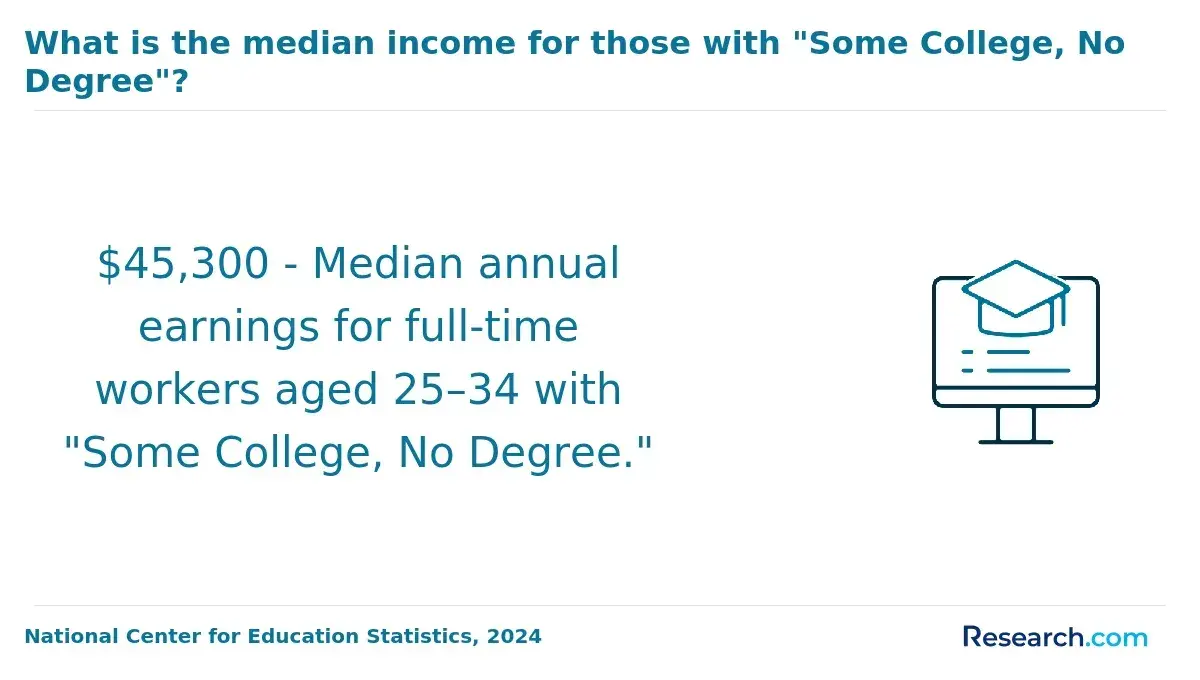
Salaries for PPC specialists and managers reflect distinct stages of professional growth and the tangible impact expected by employers. Entry-level PPC roles often begin with $40,000 to $50,000 annually, comparable to foundational positions like marketing assistant or SEO specialist. This range signals employers' cautious investment in candidates who demonstrate core digital advertising skills but lack strategic leadership.
For professionals seeking better earning potential of PPC professionals in marketing, progression beyond these initial bands requires demonstrated campaign autonomy and analytical depth. Mid-level roles demand expertise in managing complex, multi-channel campaigns and proficiency in platforms such as Google Ads and Facebook Ads Manager. Salaries typically range from $60,000 to $80,000 and come with expectations of measurable revenue influence.
Candidates must also navigate increasing employer demands around A/B testing, conversion tracking, and budget accountability. Senior PPC managers overseeing both strategy and teams usually earn $90,000 to $120,000+, a tier requiring advanced market segmentation insight and ROI analysis. Those aiming for salaries above $120,000 often transition to larger firms or consultancy roles, balancing strategic vision with high-level management responsibilities.
This shift involves tradeoffs: extended hours and significant budget accountability versus more stable compensation and leadership opportunities. Individuals evaluating the investment in their education should consider practical pathways-including options like a 2 year construction management degree for acquiring applicable skills and positioning themselves within competitive marketing environments.
Which marketing and PPC courses should you look for in a marketing degree program?
Effective PPC certification courses for marketing students focus on integrating digital marketing analytics with hands-on PPC campaign management skills. Graduates must master platforms like Google Ads and Microsoft Advertising while understanding metrics such as click-through rates, cost per acquisition, and conversion data.
For instance, managing PPC budgets in e-commerce demands a different strategy than in local service industries, highlighting the need for adaptable training that prepares students to interpret campaign data across varied contexts. Courses that combine consumer behavior with media planning enable tailored PPC strategies responsive to segments like B2B versus B2C, reflecting employer demand for niche audience targeting driven by data insights.
Given an average salary of $55,933 for social media managers, incorporating social media marketing modules emphasizing paid social campaigns is practical, as these roles frequently overlap with PPC duties. Students evaluating digital marketing and PPC training programs should prioritize those offering Google Ads certification preparation and experiential learning through live campaigns or internships, which are critical to overcoming initial workforce barriers.
Curriculum must also cover marketing automation and cross-channel attribution modeling to enhance strategic evaluation of PPC beyond simple ad placement. Prospective students considering marketing education can also explore an online degree in finance to diversify analytical skill sets that complement PPC expertise.
Do you need specific certifications, like Google Ads, to qualify for PPC roles?
PPC roles rarely require formal certifications as an absolute entry barrier, but lacking certifications often means facing longer job searches and lower initial pay. In practice, certifications like Google Ads serve as a standardized validation of technical skills critical to campaign setup, keyword targeting, and bid management, especially valued in larger agencies or corporate environments where screening must be efficient and reliable. Smaller businesses or startups often prioritize tangible results and portfolio evidence over credentials.
In scenarios without certification, candidates must leverage demonstrable experience, analytical capabilities, and familiarity with multiple platforms such as Microsoft Advertising or Facebook Ads to remain competitive. This complexity increases for mid-to-senior roles, which increasingly demand recognized certifications as a baseline for technical fluency and faster onboarding.
Those combining PPC with content roles may find the salary median for copywriters (~$58,458) indicative of potential earnings without certifications but should weigh the tradeoff between broader skill sets and limited advancement within specialized PPC strategy careers.
Practical approaches to compensate for lack of certification include:
- Obtaining at least foundational Google Ads certification to establish credibility.
- Building portfolios demonstrating clear return on investment (ROI).
- Gaining hands-on experience through internships or freelance projects.
- Continuously updating knowledge as PPC platforms evolve annually.
Students seeking the cheapest online marketing degree should recognize that certification can accelerate hiring but must be paired with real-world campaign management skills and analytical aptitude for sustainable career progression. Ultimately, the decision to pursue certification hinges on role expectations, employer standards, and the candidate's career trajectory within digital marketing.
How do online marketing degree programs compare to campus programs for PPC career preparation?
Practical experience and networking define employability outcomes more decisively than whether a PPC-focused marketing degree is earned online or on campus. Campus programs offer structured access to faculty with industry backgrounds and local internships, facilitating hands-on management of live PPC campaigns-an advantage in hiring pools that prioritize demonstrable skills with platforms like Google Ads and Bing Ads.
Conversely, online learners must independently secure remote internships or freelance projects to develop comparable applied expertise, requiring heightened self-motivation and strategic networking. Choosing between formats hinges on constraints and objectives: online degrees provide flexibility for professionals balancing work and studies, speeding up career shifts without sacrificing income.
Campus environments better serve those seeking immersive collaboration and mentoring that sharpen advanced data analytics and strategic thinking. Two key workforce considerations emerge:
- The mean annual salary for market research analysts sits near $78,880, reflecting demand for data-driven competencies foundational to PPC roles.
- Online students must verify that curricula integrate current digital advertising tools and offer dedicated career support to remain competitive alongside campus peers.
Ultimately, online programs demand greater discipline and external initiative to replicate the immediacy of internship experience that campus degrees offer, impacting readiness for rapid adaptation in paid search marketing careers.
What admission requirements and prior experience help you get into a PPC-focused marketing program?
Admission into PPC-focused marketing programs increasingly demands measurable evidence of relevant skills rather than just academic credentials. Candidates holding a bachelor's degree in marketing or related fields usually need a minimum 3.0 GPA, but many programs prioritize applicants with certifications like Google Ads or Microsoft Advertising, or equivalent professional experience. For instance, a retail marketer shifting to digital roles must demonstrate campaign results showing tangible ROI improvements or cost-per-click reductions to meet experiential standards.
Graduate-level programs expect familiarity with data analysis tools such as Google Analytics or Data Studio, with applicants often required to present portfolios detailing campaign setups, bid strategies, and A/B testing. This highlights a significant tradeoff: theoretical knowledge alone no longer suffices, especially in tech and e-commerce sectors where precision targeting directly influences revenue.
With marketing salaries rising by around 2.6%, institutions emphasize candidates who can quickly contribute to ROI-driven teams, raising practical experience above traditional academic scores. Consequently, those lacking direct PPC exposure should seek internships or freelance work delivering clear performance metrics to avoid longer hiring and retraining cycles.
Admissions processes tend toward intensive quantitative assessments and technical interviews focused on campaign optimization. While GRE or GMAT requirements are softening, programs increasingly require digital marketing certifications and documented project outcomes. Networking with alumni in PPC roles often proves critical to understanding employer expectations in competitive markets such as finance or healthcare advertising.
How long does it take to complete a marketing degree and start working in PPC?
Pursuing a marketing degree before entering pay-per-click (PPC) roles typically demands a four-year full-time undergraduate commitment, with most U.S. programs requiring around 120 credit hours. However, simply completing this baseline education rarely suffices to meet employer expectations. Between 2022 and 2024, U.S. marketing employment grew by 12%, increasing from 3.77 million to 4.22 million positions, indicating steady demand but also heightened competition.
Graduates often need an additional 3 to 6 months focused on acquiring PPC-specific capabilities like keyword research, bidding strategies, and analytics proficiency to be job-ready. Practical experience using platforms such as Google Ads or Microsoft Advertising is a critical differentiator-those lacking hands-on internships or apprenticeships frequently face extended ramp-up times or diminished starting salaries.
For instance, candidates aiming for PPC roles in e-commerce confront a complex landscape where algorithmic bidding and ROI optimization require immediate competence, unlike roles within smaller agencies or internal marketing teams that may allow longer acclimation periods but involve less technical rigor.
To mitigate gaps between academic training and employer demands, integrating real-world PPC experience during degree programs is crucial. Without it, graduates risk prolonged employer-led onboarding or accepting positions that underutilize their credentials. Ultimately, attaining full PPC workforce readiness extends beyond formal degree completion, combining four years of marketing education with substantial applied skill development aligned with evolving labor market standards.
What is the job outlook and demand for PPC and performance marketing careers?
Employment for pay-per-click (PPC) and performance marketing roles is projected to grow 8% from 2023 to 2033, mirroring the average for all occupations. However, this steady growth conceals shifting workforce demands driven by more than just budget increases-it demands candidates who can deliver measurable returns immediately. For example, organizations in e-commerce and financial services increasingly prioritize professionals who leverage platforms like Google Ads and Facebook Ads and integrate data visualization and attribution modeling into campaign strategies.
Without advanced analytical skills and up-to-date platform expertise, candidates risk stalling in entry-level roles, as employers expect ongoing adaptability to rapid algorithmic changes. Retail marketers, for instance, may need to re-engineer campaigns from broad targeting to AI-optimized, highly specific approaches within short timeframes.
Job seekers should recognize the competitive landscape rewards those who quantify KPI improvements and ROI. Without evidence of these outcomes, advancement often plateaus. Strategic career pivots may rely heavily on certificate programs or project-based experience that directly address performance metrics and practical results rather than generic credentials.
Key workforce considerations include:
- Technical fluency with major ad platforms coupled with analytical capabilities.
- Continuous upskilling to navigate evolving algorithm landscapes.
- Demonstrated, measurable campaign impacts to overcome gatekeeping.
- Realistic expectations about the entry-level plateau and the value of applied learning.
These factors shape how professionals move beyond foundational roles and avoid stagnation in a field where technological agility and quantifiable results dictate career trajectory.
How can you evaluate accredited marketing programs that align with PPC and performance marketing careers?
Selecting an accredited marketing program for PPC and performance marketing hinges on how well the curriculum translates to actionable skills demanded by employers. Programs emphasizing applied knowledge of platforms like Google Ads and Bing Ads, alongside data analytics and conversion optimization, better prepare students for immediate workforce contribution. Faculty credentials should include recent industry experience or specialized research, as programs relying solely on theoretical instruction limit practical readiness.
Employment rates after graduation offer a vital benchmark. Verified data sources such as the National Center for Education Statistics or College Scorecard provide transparency on how many graduates secure roles in digital marketing, an indicator more telling than generic job placement claims. Partnerships with digital agencies and internship opportunities reflect a program's ability to connect students with realistic work environments.
Consider these factors when weighing program cost-effectiveness against expected starting salaries near or above the American Marketing Association's reported $128,000 average total compensation. Career pivoters with existing professional obligations often gain from programs featuring lower tuition and flexible online delivery.
- Curriculum that integrates contemporary PPC tools supports adaptability to shifting marketing landscapes.
- Specialized tracks, such as ecommerce conversion funnel analytics, suit targeted employer needs versus broad theoretical marketing education.
- Exposure to campaign management and client reporting software aligns with agency role expectations.
Other Things You Should Know About Marketing
In 2027, essential skills for PPC roles include data analysis, proficiency in Google Ads and Facebook Advertising, creativity in ad copywriting, and familiarity with SEO. A marketing degree provides a strong foundation in these areas, enhancing your ability to strategize and optimize campaigns effectively.
Employers prioritize practical skills and results over degree titles. Degrees offering hands-on PPC tool experience, data analysis, and real campaign projects align better with hiring managers' expectations. Programs heavily focused on theory or unrelated marketing areas increase onboarding time and raise risk of underperformance. Degree selection should focus on curricula with substantial digital marketing labs or internships that demonstrate ability to manage live PPC campaigns within budget and timeline constraints. Candidates must weigh program reputation and employer connections, as these directly affect opportunities for relevant work experience and networking.
Yes. Many employers expect Google Ads certification for entry-level PPC roles, especially for search and paid social support jobs. The main credential is the Google Ads certification from Skillshop, and some hiring managers also value Microsoft Advertising certification for roles managing Bing ads.
Yes, degrees focused mainly on traditional marketing concepts without digital components limit growth in PPC careers. Employers expect ongoing technical upskilling and strategic understanding of paid media ecosystems, which non-digital-centric programs rarely provide. Graduates from such pathways may face stagnation once basic PPC roles are secured, lacking skills to advance into specialist or managerial positions. Prospective students should prioritize programs with strong digital marketing concentrations or minors that align with evolving digital advertising trends for sustainable career progression.
References
- How to get into marketing in 7 steps (my personal story) | Marketer Milk https://www.marketermilk.com/blog/how-to-get-into-marketing
- 11 High-Paying Job Roles You Can Pursue After Digital Marketing https://geu.ac.in/blog/career-path-for-digital-marketing
- PPC Jobs & Careers Training in the UK | Essential Marketer https://essentialmarketer.com/ppc/careers-training/ppc-jobs-careers/
- Best Online Digital Marketing Courses for Career Training https://www.turingcollege.com/blog/best-online-digital-marketing-courses
- Online course PPC Manager. Become an online ads specialist. https://mate.academy/en/courses/ppc-manager
- Careers in Paid Media, Paid Social & PPC: Why Now Is the Time to Dive In https://www.forwardrole.com/blogs/careers-in-paid-media-paid-social-and-ppc-why-now-is-the-time-to-dive-in/
- Paid Search Manager Career Path Guide | Career Centers https://www.careercenters.com/blog/paid-search-manager
- How to become a PPC Expert without Previous Experience https://www.adriasolutions.co.uk/how-to-become-a-ppc-expert-with-no-experience/
- The Most In-demand Marketing Jobs | Marketing Recruitment https://www.intelligentpeople.co.uk/employer-advice/most-in-demand-marketing-jobs/
- PPC Manager Recruitment | Ashdown Group https://www.ashdowngroup.com/salary-guide/ppc-manager