2027 Marketing Job Market Outlook Through 2030

Co-Founder and Chief Data Scientist
When juggling work, family, and the pressure to reskill for a shifting market, many marketing professionals confront a critical bottleneck: how to access relevant, flexible education without sacrificing career momentum. The U.S. Department of Education reveals a 12% surge in adult enrollment in online degree programs since 2023, signalling a turning point in accessibility and timing for career pivots. However, not all programs align with evolving employer expectations for digital fluency and strategic agility. This article analyzes the marketing job market outlook through 2030, focusing on realistic pathways, enrollment strategies, and workforce demand to guide informed decisions that optimize career impact and timing.
Key Things You Should Know
- Demand for Marketing data analytics skills grows 22% through 2030, according to the Bureau of Labor Statistics, pressuring professionals to invest 6+ months in specialized certifications despite uncertain ROI for entry-level roles.
- Employers increasingly prioritize integrated digital strategy experience over general Marketing degrees, driving a market where 48% of hires in 2025 came from tech-adjacent fields, complicating traditional career paths.
- Rising tuition costs plus a 12% projected employment growth create a timing tradeoff: pursuing advanced Marketing education delays earnings but remains essential for roles commanding 25% higher median salaries.
What does the current marketing job market look like and how is it expected to change by 2030?
The marketing job market trends in the United States show a significant shift demanding skill sets that go beyond traditional advertising and brand promotion. Between 2022 and 2024, marketing-related employment increased by 12%, rising from 3.77 million to 4.22 million positions. Employers now favor candidates who integrate digital analytics, content development, and AI capabilities, particularly in sectors like technology, healthcare, and financial services, where advanced consumer targeting is essential.
For professionals navigating the future outlook for marketing careers through 2030, this means competition extends beyond peers with conventional marketing degrees to include candidates fluent in coding and data science. Mid-career professionals pivoting into marketing must prioritize hands-on experience with marketing automation and SEO tools to maintain relevance.
Ethical data use and regulatory compliance introduce new challenges, requiring marketers to balance privacy with measurable outcomes. Additionally, omnichannel campaign coordination with sales and customer success teams demands collaborative expertise, impacting the design of educational programs that must emphasize internships and applied projects as validation of practical skills.
As freelance and contract roles grow faster than permanent positions due to budget constraints, job stability and benefits become considerations affecting career decisions. Prospective students should evaluate pathways that offer adaptable, practical training aligned with these workforce realities, such as online business degrees that emphasize skill application alongside theory.
Which marketing roles are in highest demand and what do these jobs involve day to day?
Hiring trends in the United States reveal a sustained need for roles like advertising managers, digital marketing specialists, content strategists, and data analytics professionals-positions that require distinct operational skills beyond textbook theory. For example, advertising, promotions, and marketing managers, projected to grow 6% from 2024 to 2034, navigate complex campaign management by balancing budgets, coordinating diverse teams, and translating market data into actionable strategy. This aligns with employer demands for leadership capable of swift tactical adjustments and cross-functional communication.
Day-to-day responsibilities of top marketing jobs vary significantly. Digital marketing specialists manage real-time platform changes, optimize SEO and paid ads, and analyze engagement metrics. Unlike traditional roles, e-commerce specialists must continuously adjust to shifting consumer data to sustain ROI, reflecting the discipline's performance-driven nature.
Content strategists develop nuanced messaging and editorial plans that directly target segmented audiences, coordinating with SEO analysts and designers to enhance funnel conversion rates. Meanwhile, data analytics professionals distill large datasets into actionable insights, crucial for precision in B2B tech marketing and product launch support.
Those considering educational pathways should weigh the value of practical, hands-on analytics and digital tool proficiency against purely theoretical training. Candidates aiming to pivot or accelerate in these roles often benefit from programs emphasizing real-world application and agile project management, rather than generic curricula. For a strategic approach to business leadership that supports marketing roles, exploring an MBA in operations management online may align with cross-functional demands.
How much do marketing professionals earn at different career stages and in different specialties?
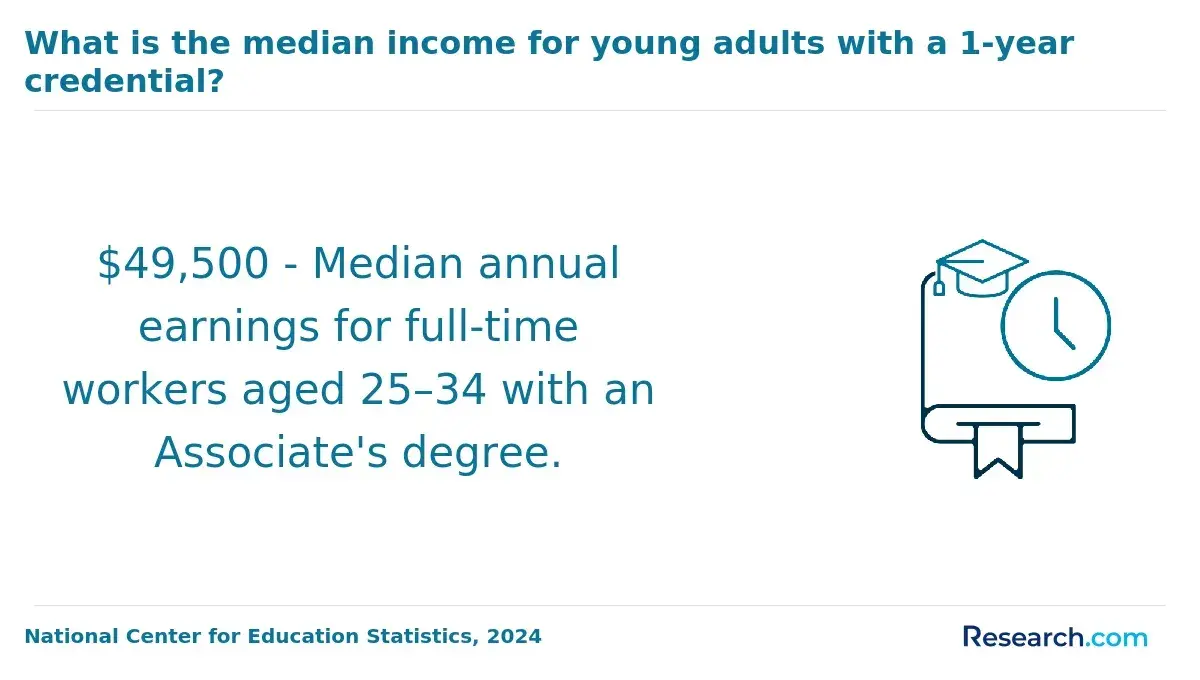
Career earnings in marketing differ sharply across stages and specialties, with entry-level roles like coordinators earning $40,000 to $55,000 annually, influenced by location and company size. Mid-career positions such as digital marketing managers and brand strategists typically command $70,000 to $95,000, balancing the need for campaign execution and client management skills. Senior roles, especially in technology or finance, can exceed $150,000 but demand extensive leadership experience and a proven track record of ROI, illustrating critical tradeoffs between years invested and compensation.
The average earnings for marketing specialties in the US vary widely. Market research analysts, whose roles are projected to grow 21% through 2030, often start near $65,000 and can surpass $100,000 with advanced analytics proficiency. In contrast, creative roles like content or social media specialists generally cap around $70,000 due to market saturation and less technical demand. This economic stratification underscores the importance of choosing a specialization aligned with both job security and salary upside.
Prospective entrants must weigh education and skill development strategically. For example, aspiring analysts benefit from mastering analytics software and statistics, while managers need solid project management and leadership capabilities. Geographic factors also influence pay, with urban tech hubs offering higher salaries but increased living costs and competition. Those evaluating pathways should also consider alternatives like the cheapest construction management degree if seeking different career pivots or cost-effective education routes.
What degrees, skills, and experience are typically required to start a career in marketing?
A bachelor's degree in marketing, business administration, communications, or related fields remains the baseline credential for entry-level marketing positions. Yet, employers increasingly demand hybrid skills across technical platforms and data analytics alongside formal education. Candidates lacking practical expertise in Google Ads, Facebook Business Manager, HubSpot, or Marketo confront significant hiring barriers, especially in digital-focused roles.
The essential marketing skills and experience for beginners extend beyond software to applied analytical competencies, such as using Google Analytics and conducting A/B tests, as well as foundational SQL or Excel data manipulation. These capabilities have grown critical as marketing decisions depend on real-time consumer insights and attribution models.
Hands-on experience often distinguishes viable candidates. Managing local ad campaigns or executing paid media for nonprofit projects builds relevant proficiencies that theoretical programs alone do not provide. The reality is stark: Forrester forecasts 7.5% of U.S. ad agency jobs will be automated by 2030, primarily low-skill clerical and research tasks. This trend shrinks entry points unless new entrants master integrated analytical and marketing software skills.
Strong communication and measurable outcomes are non-negotiable; portfolios should showcase campaign ROI or engagement metrics, not just grades. Without advanced certifications or applied project experience, early-career marketers risk relegation to tasks vulnerable to automation. Pursuing digital marketing or data analytics certifications complements a degree and is an effective strategy to counter these challenges.
Those exploring further specialization might consider an online masters degree in human resource management for strategic workforce insights intersecting with marketing priorities.
How do online marketing degree programs compare with campus-based options for career outcomes?
Employers increasingly demand demonstrable skills with AI-driven marketing tools, as the reliance on such technologies grows rapidly-70% of companies are projected to use at least one AI marketing tool by 2030, up from 88% usage among marketers today. This shift challenges traditional distinctions between online and campus-based marketing degrees, positioning curriculum relevancy and skill verification above delivery format.
Campus programs provide distinct advantages in networking and local internship placement, crucial for fields tightly integrated with regional industries like finance or retail. Meanwhile, online programs accommodate working professionals needing flexible schedules and quicker incorporation of emerging AI and data analytics topics, facilitating mid-career pivots into digital marketing sectors.
Recruiter preferences hinge heavily on program rigor and the ability to evidence project-based experience, particularly portfolios showcasing AI-driven campaign management. Such outcomes can be delivered online but depend on student self-discipline and proactive mentor engagement.
Prospective students must weigh:
- The immediacy of hands-on, cohort-driven learning and employer connections offered on campus.
- The curricular agility, geographic flexibility, and compatibility with ongoing employment afforded by online formats.
Given industry acceleration, candidates targeting analytics-heavy marketing roles should prioritize updated skill acquisition and verified project outcomes over delivery preference, ensuring their preparation aligns with evolving employer benchmarks.
What should you look for in an accredited marketing program to support long-term career goals?
Accredited marketing programs must prioritize equipping students with up-to-date, data-centered capabilities aligned to projected labor shifts from 2025 to 2030, as the World Economic Forum predicts nearly a quarter of current jobs will change substantially. The focus should be on hands-on competence with marketing automation, AI-driven segmentation, consumer analytics, and SEO/SEM tactics rather than legacy theoretical content.
For instance, professionals pivoting from retail to healthcare technology marketing face distinct demands: the former requires rapid omnichannel campaign management, while the latter demands advanced data interpretation and personalized messaging skills. Effective programs offer sector-specific case studies or practicum placements to build contextual expertise relevant to these divergent needs.
Verification through transparent employment outcomes-such as graduate placement rates and salary benchmarks-helps discern whether programs meet labor market realities. Accessibility of career services, including internship facilitation and networking tailored to working adults, reduces barriers common in career shifts.
Program flexibility is equally critical; balancing synchronous instruction with self-paced components accommodates those managing full-time work. Incorporating recognized industry certifications (e.g., Google Analytics, HubSpot) alongside academic credits can enhance immediate employability without disproportionate costs.
Ultimately, selecting a marketing pathway demands weighing rigorous, sector-relevant skill development, verified labor alignment, practical training, and adaptable delivery to navigate an evolving job ecosystem effectively. Prospective students may also want to explore related degrees, such as social media degree programs.
What core courses and specializations are offered in most marketing degree programs?
Marketing degree programs often serve as a critical filter shaping career trajectories by demanding core competencies in market research, consumer behavior, and digital marketing. The choice of specialization significantly impacts employability, with data analytics emphasizing skills in interpreting large datasets to optimize campaigns in data-driven sectors like retail. Conversely, brand management focuses on strategic positioning, a skill set prized within consumer packaged goods and luxury markets. This variation in focus reflects a broader workforce divide between analytical rigor and creative narrative development.
The practical application of marketing concepts through internships and case studies bridges academic theory with complex real-world challenges. Employers increasingly seek marketers who can both analyze quantitative data and craft compelling brand stories, as shown by the median annual wage for U.S. marketing managers reaching $161,030 in May 2024.
Students must weigh program demands: digital marketing tracks require deeper technological and analytical skill sets, whereas brand strategists benefit more from courses in consumer psychology and communication. These curricular tradeoffs influence long-term career viability and advancement within competitive fields.
How long do marketing programs usually take, and what tuition, fees, and financial aid should you expect?
Longer marketing degrees carry a tradeoff between depth and practical relevance as employers demand immediate ROI on shrinking marketing budgets, now at 7.7% of company revenue per WhiteHat's 2025 state-of-marketing-employment report. Extended programs of two years or more may offer comprehensive leadership training but risk outdated content amid rapid industry shifts. In contrast, shorter certificates, like a 12-month focused analytics credential, address employer expectations for data-driven skills while minimizing opportunity costs for working professionals transitioning roles.
Tuition varies significantly by credential level, generally ranging from $15,000-$25,000 for associate degrees over two years, $40,000-$70,000 for bachelor's degrees typically completed in four years, and $30,000-$50,000 for master's degrees lasting around two years. This cost structure forces students to evaluate financial aid availability, which often covers a majority of expenses, though borrowing 20-40% remains common unless offset by merit aid or employer support.
Online or hybrid options provide flexibility for mid-career students who prioritize speed and adaptability over extensive theory, facilitating alignment with practical marketing demands. Selecting an educational path requires assessing how program length and content translate to measurable employability gains rather than assuming longer study ensures better outcomes.
Which marketing certifications and digital credentials can boost employability and salary potential?
Certified digital marketing skills increasingly function as critical filters in hiring, with credentials like the Google Analytics Individual Qualification (GAIQ), HubSpot Content Marketing, and Meta Certified Digital Marketing Associate proving particularly influential. Employers prioritize certifications that demonstrate both technical proficiency and the ability to produce measurable results, especially in areas such as data analytics, SEO, and paid media management, where salary premiums of 10-25% are common.
However, certification choice involves weighing ROI against practical workforce realities. For instance, programs emphasizing strategic thinking and cross-functional collaboration offer tangible benefits in high-pressure sectors like tech and healthcare, where burnout and rapid turnover, averaging less than three years tenure, are persistent challenges. Such certifications often incorporate project management or agile marketing frameworks, which enhance adaptability and reduce workflow friction.
Provider-neutral diplomas, such as those from the Digital Marketing Institute, typically enable broader career mobility compared to vendor-specific certificates, allowing professionals to pivot roles amid high industry churn. Employers increasingly screen for credentials that combine theory with verified, hands-on outcomes and reflect up-to-date standards rather than outdated content.
In practice, candidates targeting career advancement should prioritize certifications aligned with verified skills and employer demand over those offering theoretical knowledge alone. Balancing credential relevance with program rigor and real-world applicability is essential to navigating an evolving hiring landscape weighted heavily toward data-driven marketing capabilities.
How can students and career changers build experience and a portfolio to stand out in marketing?
A 16% growth forecast for strategic marketing leadership in U.S. executive roles signals a demand for candidates with measurable, project-based expertise rather than generic internship experience. Real value emerges when students or career changers engage in work that delivers quantifiable outcomes, such as conducting A/B testing on email sequences for SaaS firms to improve conversion rates. This hands-on approach aligns better with employer expectations than vague responsibility lists.
Building a portfolio focused on tangible metrics-lead generation figures, retention data, or ROI analysis-is essential. When formal roles are scarce, freelance projects or contributions to startups and nonprofits offer viable alternatives. For professionals transitioning from other fields, translating prior analytical or budgeting skills into marketing results strengthens candidacy.
Proficiency with marketing technology stacks, analytics platforms, CRM, and automation tools is a baseline expectation. Practical skills validated through certifications and direct application differentiate candidates in a field where digital fluency is non-negotiable.
Networking via targeted professional groups and attending strategy-oriented conferences provides access to mentorship and real-world problem-solving, which are frequently absent from academic programs. Notably, traditional advertising roles have contracted by 3%, underscoring the need to emphasize strategic thinking and leadership capabilities.
Other Things You Should Know About Marketing
Early specialization narrows job opportunities but allows deeper expertise in high-demand niches like digital analytics or content strategy. Broad skills provide flexibility but may limit advancement in technical roles that require mastery. Most employers prefer candidates with a balanced mix: foundational marketing knowledge plus one or two specialized competencies. For strategic career positioning, prioritize broad foundational skills first, then specialize based on emerging market demands.
Online marketing programs offer convenience and often equal access to current curriculum and digital tools, but they sometimes lack the networking and hands-on collaboration typical of in-person settings. Long-term career growth depends more on the rigor of the program and relevance of its projects than delivery mode. Candidates must proactively seek internships or live projects when in online programs to match outcomes seen in campus-based experiences.
Digital marketing specialists, SEO/SEM analysts, content strategists, and marketing data analysts are projected to see the strongest demand through 2030. The U.S. Bureau of Labor Statistics expects advertising, promotions, and marketing manager employment to grow 8% from 2023 to 2033, faster than average.
References
- Understanding Short-Term and Long-Term Goals in Career Planning https://www.joinhgs.com/sa/en/insights/blogs/short-term-and-long-term-goals-sa
- Online Degree vs. Traditional: Choosing the Right Path https://beal.edu/online-degree-vs-traditional/
- Marketing Specialist Career Path https://www.warnerpacific.edu/blog/marketing-specialist-career-path/
- The Future of Marketing Careers: 2025–2030 Outlook - Palm Beach Code School https://palmbeachcodeschool.com/the-future-of-marketing-careers-2025-2030-outlook/
- 18 jobs you can get with a Marketing degree https://www.torrens.edu.au/stories/blog/business/18-jobs-you-can-get-with-a-marketing-degree
- Your Digital Marketing Potential: Top 10 Free Certificates to Boost Your Career in 2025 - Berlin College https://berlincollege.de/elementor-2743/
- Future Marketing Jobs: 2030 Career Series, Part 2 https://davavo.com/what-is/employment-in-2030-part-2-future-marketing-jobs/
- The Future of Jobs: Which Jobs Will Grow and How to Prepare for 2030 - Publicaciones - Marco https://jobs.marcomkt.com/en/posts/the-future-of-jobs-which-jobs-will-grow-and-how-to-prepare-for-2030
- Accelerating your marketing career | CIM | CIM https://www.cim.co.uk/content-insights/articles/accelerating-your-marketing-career-how-to-take-control-of-your-progression/
- UK and Global Digital Marketing Job Market: Five Years of Transformation | Qualify Nation https://qualifynation.com/en-gb/insights/digital-marketing-job-market/