2027 Content Marketing Roles You Can Target With a Marketing Degree

Co-Founder and Chief Data Scientist
Choosing the optimal career path with a marketing degree requires navigating a complex labor market where job roles frequently overlap and evolve. With the Bureau of Labor Statistics projecting a 7% growth in marketing specialist roles over the next decade, understanding which positions align best with a specific skill set and career goals has never been more urgent.
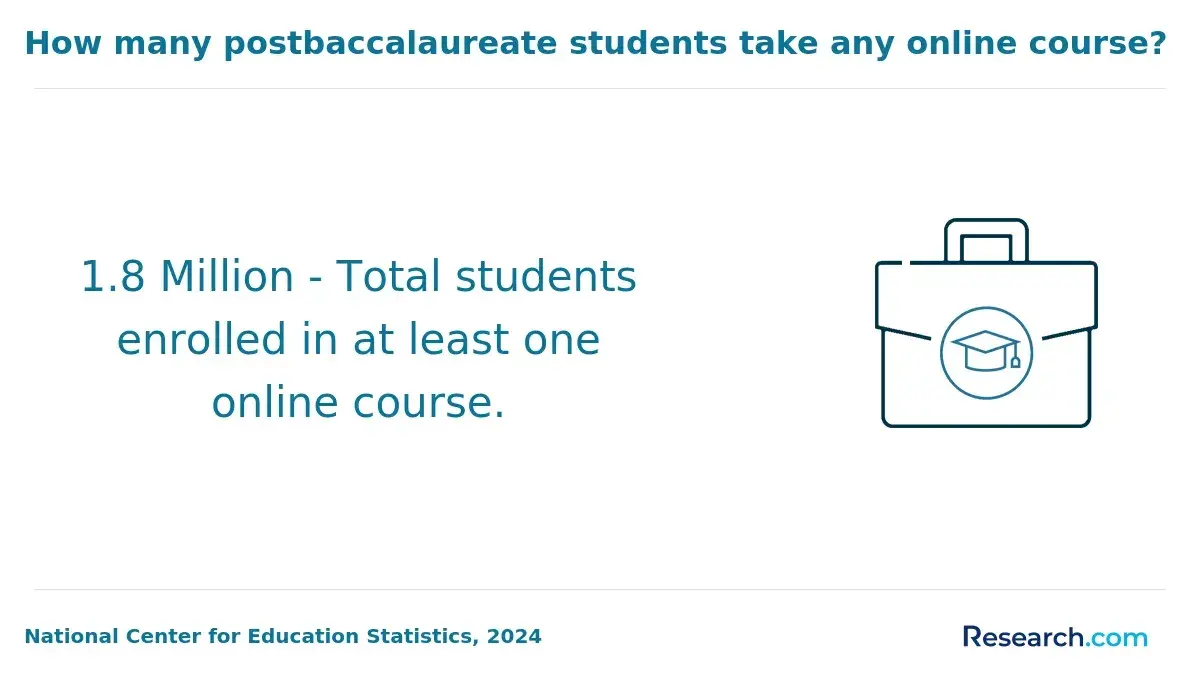
The surge in online education enrollment, increasing by 15% annually according to the National Center for Education Statistics, also reshapes when and how candidates can enter these roles, emphasizing flexibility but demanding sharper program selection. This article identifies key content marketing roles suited for degree holders and explains how to target them effectively in a shifting employment landscape.
Key Things You Should Know
- Content strategist roles demand fluency in data analytics, with 68% of employers prioritizing measurable ROI skills over creative writing, forcing degree holders to invest in auxiliary quantitative training.
- Demand for SEO specialists grew 22% from 2023 to 2025 per the Bureau of Labor Statistics, pressuring graduates to balance technical expertise with traditional marketing frameworks.
- Entry-level content creator positions offer median salaries 15% lower than digital marketing analyst roles, highlighting a cost-benefit tradeoff when prioritizing rapid job placement over long-term career growth.
What content marketing jobs can you get with a marketing degree?
Content marketing careers for marketing graduates often require balancing creativity with data-driven decision-making, reflecting how roles diverge based on industry demands and seniority levels. For instance, a Content Marketing Manager in a B2B SaaS environment focuses on product expertise and lead nurturing, while retail prioritizes quick turnaround on seasonal promotions.
Employment for advertising, promotions, and marketing managers is projected to grow by 6% from 2024 to 2034, positioning managerial paths as competitive yet promising options with median wages reaching $161,030. Entry-level content marketing jobs with a marketing degree, such as content coordinator or copywriter, emphasize digital literacy and writing skills without the strategic burden of higher roles.
Meanwhile, SEO specialists meet increasing employer demand by honing technical skills to enhance organic reach, a focus relevant across sectors including e-commerce and technology. Social media content creators require agility to respond to fast-evolving platform trends, making their roles highly specialized and dependent on real-time engagement tactics.
Students and professionals considering this pathway should weigh the necessity of cross-functional skills like CRM tool proficiency and data analytics against the learning curve of each specialization. Selecting a degree program should align with these practical considerations, including mode of study; options like a sport management degree online illustrate how flexible learning environments can support such transitions effectively.
Which content marketing roles pay the most?
Salary disparities among content marketing roles reflect specific skill sets and industry demand rather than broad managerial scope. Content Manager salaries in the United States, for example, typically range from $65,000 to $120,000 but require leadership skills and multi-platform strategy oversight that not all emerging professionals possess. Meanwhile, the most lucrative positions gravitate toward SEO specialists and SEO content strategists, where median earnings span approximately $75,000 to over $110,000 annually depending on experience and sector.
This concentration is driven by a measurable labor market trend: digital marketing roles have increased by 22% annually since 2020, positioning SEO-focused roles at the forefront of highest paying content marketing careers. Practical workforce implications include the need to consistently update technical competencies like user intent analysis, structured data implementation, and cross-channel optimization.
Investing time in mastering analytics platforms such as Google Analytics, SEMrush, or Ahrefs is critical for bridging this technical gap without sacrificing content quality and strategic insight. For those balancing education and work, pursuing a masters degree in marketing offers structured exposure to these skills, though candidates should weigh program cost against real-world applicability and certificate value.
Ultimately, compensation correlates with the ability to translate SEO data into actionable, revenue-driving content enhancements, which is often more decisive than title alone in salary negotiations.
What skills do employers want for content marketing jobs?
Content marketing skills employers seek now emphasize a blend of digital literacy and strategic agility rather than isolated creative talents. Proficiency in CMS, SEO, and analytics tools enables candidates to measure campaign ROI and shift tactics dynamically. For example, a Social Media Content Strategist at a niche B2B software company must interpret weekly engagement metrics to refine messaging, showcasing the operational demands within essential content marketing job qualifications.
The evolving role also requires fluency in audience segmentation and multichannel content adaptation, balancing editorial craftsmanship with data-driven adjustments. Employers report that project management and cross-functional collaboration are critical to mitigating delays and maintaining tight content schedules amid limited resources.
Marketing hires are projected to grow 4.4%, with hiring preference toward professionals who combine creativity with technical skills such as automation and A/B testing tools. This environment favors candidates with hands-on experience and platform certifications like Google Analytics or HubSpot, which align more directly with employer expectations than theoretical credentials alone.
For those evaluating educational pathways, it is worth considering programs that emphasize practical application and real-world outcomes over purely academic theory. This approach better prepares students to meet hiring realities across sectors sensitive to regulatory or tone considerations, such as healthcare and finance. Exploring a best online master degree in human resource management can provide context on parallel fields where strategic digital and interpersonal skills intersect.
Do you need a marketing degree for content marketing careers?
A marketing degree is not strictly required for content marketing careers, but it offers distinct advantages that affect early career trajectories. Employers prioritize hands-on skills such as content creation, SEO, analytics, and strategic messaging. However, candidates with a marketing degree often reduce onboarding time and more quickly align campaigns with brand objectives.
For example, an entry-level content marketer holding a marketing degree can interpret campaign data more efficiently in a corporate setting than peers with unrelated qualifications. This advantage reflects why content marketing careers requiring a marketing degree still favor those with this foundational education.
Transitioning from journalism, communications, or other fields into content marketing is feasible but entails steeper learning curves.
Without formal marketing credentials, candidates often must bridge gaps through portfolios, internships, or certifications focused on practical digital marketing skills. The decision of is a marketing degree necessary for content marketing jobs depends largely on industry competitiveness and demonstrated results rather than academic pedigree alone. Salary data from Payscale shows entry-level digital marketers start around $55,000, with rapid escalation based on performance. Employers emphasize measurable ROI over degrees for promotions.
Professionals pivoting strategically may benefit from a marketing degree to contextualize trends and employer expectations. Those without degrees should prioritize mastering tools like content management systems and SEO tactics. For those evaluating educational pathways, researching affordable programs such as a business degree online can be a cost-effective starting point.
What courses prepare you for content marketing work?
Employers increasingly seek content marketing professionals who merge creative storytelling with analytical rigor, a demand reflected in the 54% rise in median pay for senior content marketing roles to $161,500 since 2023, per Semrush's 2026 job-market study. Candidates who lack coursework or experience in digital tools like CMS platforms or A/B testing face barriers entering roles focused on measurable content impact.
Programs emphasizing strategic communication, data analysis, and digital marketing equip students to design omnichannel campaigns that align brand messaging with diverse audience needs, a critical operational skill in sectors such as finance and healthcare, where regulatory and narrative complexity is high.
Courses integrating user experience (UX) principles and project management prepare students for cross-functional collaboration and leadership roles, addressing real-world requirements for coordinating scalable campaigns under tight deadlines. This practical focus bridges creative insight and data-driven content optimization needed to meet evolving employer expectations.
When evaluating marketing curricula, prospective learners benefit from prioritizing programs offering applied projects, real-data case studies, and proficiency in industry-standard software. This combination reflects a labor market increasingly valuing strategic content leaders capable of linking output to performance metrics, rather than siloed creative contributors.
Tradeoffs exist between programs emphasizing theoretical frameworks versus hands-on skill development; similarly, students pursuing a construction management degree must balance academic knowledge with practical field experience, as those without direct CMS or analytics experience may struggle to secure positions that leverage the growing emphasis on content performance and ROI.
How do online and campus marketing programs compare?
Choosing between online and campus marketing programs entails evaluating critical tradeoffs aligned with professional goals and situational demands. Campus programs foster teamwork and soft skills through immersive collaboration, live feedback, and direct faculty access-attributes employers value for roles such as content strategy or brand management where interpersonal agility is paramount. Conversely, online programs offer flexibility essential for those balancing employment or remote locations, yet require greater self-discipline and intentional networking to replicate hands-on learning.
Consider the example of an email marketing specialist, a role where in-house expertise drives 80% of campaigns, with 20% outsourced. Graduates who can claim ownership of high-ROI digital channels hold distinct advantages. Campus students often gain these assets through applied projects and internships embedded within the curriculum. Online learners must supplement coursework with freelance work or client projects to build comparable portfolios.
Other practical factors include the time and cost of commuting or relocating for campus programs versus the autonomy and job placement challenges online students face. Evaluating postgraduation employment rates, alumni networks, and access to experiential learning is crucial. Programs that integrate measurable, campaign-level outcomes-whether through campus labs or externally sourced projects-better position graduates for employer expectations focused on demonstrable results rather than credentials alone.
What accreditation should a marketing program have?
Employers in the marketing sector insist on degrees from regionally accredited institutions recognized by the U.S. Department of Education or the Council for Higher Education Accreditation (CHEA). This accreditation ensures rigorous academic standards and faculty qualifications directly tied to graduate readiness and employability.
Specialized accreditations like those from the Accreditation Council for Business Schools and Programs (ACBSP) or the Association to Advance Collegiate Schools of Business (AACSB) add a layer of quality verification focused on business and marketing curricula. For example, a marketing analytics & insights specialist role-which the American Marketing Association projects to grow by 13% over the next decade-requires proven skills in data analysis and research methodology not typically covered in non-accredited or nationally accredited programs.
Accreditation also affects practical opportunities: regionally or AACSB-accredited programs tend to have stronger industry connections, improving access to internships and employer networks crucial for hands-on experience and smoother job placement.
Prospective students should confirm a program's up-to-date accreditation status and evaluate how it supports targeted career niches in healthcare marketing or digital marketing analytics, where validated technical skills are in demand. Choosing programs lacking recognized accreditation risks longer job searches and limited access to higher-level roles.
How long does a marketing degree take to finish?
Completing a marketing degree in four years is standard for full-time undergraduates, but real-world constraints often extend this timeline. Part-time students juggling employment may take five years or more, delaying entry into roles that increasingly demand automation and data proficiency. Faster, three-year pathways exist but frequently limit opportunities for practical experience, which employers prize in fast-evolving marketing environments.
The marketplace now values candidates adept in automation tools, CRM systems, and analytics platforms alongside foundational marketing knowledge. The American Marketing Association's 2024 data highlights 2.5 million U.S. marketers, growing rapidly in automation-specialized positions. Graduates lacking concurrent technical training often face longer onboarding periods, particularly in retail or tech sectors where swift software adaptation is expected.
Key tradeoffs include:
- Full-time enrollment accelerates graduation but reduces income during study.
- Part-time study sustains employment and benefits but prolongs credential completion by one to two years.
- Programs integrating internships with automation skills improve market readiness and reduce time-to-employment.
Choosing a study path depends largely on individual circumstances and urgency to pivot or advance professionally. Those without automation exposure risk lagging in competitive job markets demanding technical versatility alongside marketing strategy.
What certifications help in content marketing jobs?
Content marketing certifications function as practical differentiators in hiring, particularly when candidates share similar educational backgrounds but vary in applied competencies. Employers measure these credentials by their impact on key performance indicators such as lead generation and content engagement within a 6 to 12-month window.
The Content Marketing Institute's and HubSpot's certifications stand out by emphasizing actionable skills in SEO integration, audience segmentation, and content strategy frameworks-competencies that align closely with agency and corporate role demands. Salary data from Superpath's 2025 report reveals that full-time employees averaging $113,276 annually earn more than freelancers at $108,319, highlighting market reward for validated, ongoing expertise.
Still, certifications require frequent updates to stay relevant amid evolving algorithms and platform changes, imposing a real-time cost on professionals balancing education with workload. Additional certifications in adjacent areas like Google Analytics or SEO fundamentals enhance candidates' appeal by bridging creative content and measurable data outcomes.
This hybrid skill set is especially valued in technology-driven environments where ROI is tracked rigorously. Employers expect clear evidence of ROI from certifications within the first year. Choosing certifications aligned with specific sector needs and career stages maximizes their value. Continuous reskilling is essential to maintain credential relevance in shifting digital landscapes.
What is the job outlook for content marketing careers?
Careers in content marketing increasingly hinge on integrating AI skills with domain-specific expertise, demanding strategic adaptation rather than conventional content creation alone. For example, a healthcare content strategist blends medical knowledge with AI analytics to tailor patient engagement effectively at scale, while an e-commerce video editor uses AI to automate product highlights, cutting production time by over 30%.
This evolution requires professionals to master AI-driven tools alongside traditional skills to stay employable. Digital content roles are growing at 15% through 2028, outpacing average growth rates, but without AI competencies, roles risk obsolescence or wage stagnation.
Employers prioritize candidates proficient in AI content platforms, data visualization, and automation-skills often absent from standard marketing curricula without targeted updates. Consequently, graduates face practical pressures to continuously upskill and demonstrate real AI-driven outcomes, especially in sectors like finance and technology where real-time data storytelling affects customer retention.
Entry-level positions now demand a hybrid of creativity and analytical expertise, raising barriers for newcomers lacking interdisciplinary training. This reality compels prospective students and professionals to evaluate whether their educational pathways provide practical AI applications and cross-channel automation experience, essential for navigating evolving workforce demands and achieving meaningful career pivots.
Other Things You Should Know About Marketing
Practical experience is critical for securing content marketing roles, as employers prioritize applied skills over theoretical knowledge. Programs heavy on internships, live projects, or collaborations with businesses provide a clear advantage in job placement. Without direct experience managing content campaigns or using marketing tools, graduates may face difficulties meeting employer expectations and proving readiness for mid-level responsibilities.
Digital marketing specialization aligns closely with content marketing demands, especially in digital content creation, SEO, and analytics. Candidates from general marketing programs should consider supplementary digital training to remain competitive. Prioritizing programs with integrated digital coursework accelerates skill acquisition relevant to the evolving content marketing landscape and reduces the need for external upskilling after graduation.
Yes. Many employers expect entry-level candidates to understand Google Analytics 4, basic keyword research, and content performance reporting. For roles like content specialist or content strategist, familiarity with SEO tools such as Semrush or Ahrefs and CMS platforms like WordPress is often listed in job descriptions.
A marketing degree offers a comprehensive foundation that supports long-term career flexibility, while certifications target specific competencies like SEO or content strategy for quicker entry. Prioritize a degree if you seek broader knowledge and career resilience, particularly for roles that blend content marketing with branding or analytics. Certifications serve best as supplements to fill gaps or to validate expertise in niche areas once employed.
References
- How Long Does It Take to Get a Marketing Degree? | Modern Marketing Partners https://www.modernmarketingpartners.com/2023/05/30/how-long-does-it-take-to-get-a-marketing-degree/
- Navigating Online Program Marketing in a Sea of Change | Carnegie https://www.carnegiehighered.com/online-program-marketing-without-opms/
- Content Marketing Strategy Qualification | Plan, Scale & Perform https://www.dma.org.uk/learning-and-events/learning/qualifications/award-in-content-marketing-strategy
- Content Marketing Course Training | 100% Practical Training https://kandradigital.com/trainings/content-marketing-course
- Careers in Marketing: What You Can Achieve with a Master’s Degree https://www.ibat.ie/blogs/careers-in-marketing-what-you-can-achieve-with-a-masters-degree
- Do you need a degree to work in marketing? https://www.hull.ac.uk/study/undergraduate/courses/marketing-ba-hons/do-you-need-a-degree-to-work-in-marketing
- Online Bachelor's Degree Marketing https://www.umgc.edu/online-degrees/bachelors/marketing
- Guide to Marketing Careers | Higherin https://higherin.com/career-guides/marketing
- 7 Digital Marketing Skills Employers Want in 2025 https://nowskills.co.uk/digital-marketing-skills-employers-want/
- Digital Marketer Job Outlook https://www.nobledesktop.com/careers/digital-marketer/job-outlook