2027 Best Online Marketing Programs for Professionals Seeking Leadership Mobility in Marketing

Co-Founder and Chief Data Scientist
Landing a leadership role in marketing often hinges on mastering new digital tools and strategic frameworks while juggling work and personal obligations. Professionals pursuing advancement face stiff competition from peers with advanced credentials and specialized training, yet rigid class schedules and program lengths can stall momentum. Recent data from the National Center for Education Statistics shows that over 40% of online graduate students enroll part-time, underscoring the critical need for flexible pacing and modular coursework that align with career demands. This article evaluates the best online marketing programs designed to equip professionals with leadership skills without sacrificing employment or family commitments.
Key Things You Should Know
- Demand for leadership in marketing analytics rose 27% since 2023, per LinkedIn Economic Graph; programs emphasizing data-driven decision making confer a competitive advantage but often extend time-to-completion by 20% due to technical rigor.
- Employers rank hands-on digital campaign management skills 15% higher than theoretical marketing knowledge, highlighting the necessity for programs offering live project experience despite limited availability in many curricula.
- Average tuition for top-ranked marketing leadership programs increased 8% in 2025 according to NCES, posing affordability challenges that delay mid-career shifts and force prioritization of employer tuition assistance options.
What makes an online marketing degree a strong choice for advancing into leadership roles?
Online marketing degree benefits for leadership advancement become evident when examining the measurable salary and skill gaps between degree holders and those relying solely on experience. Professionals with a bachelor's degree in marketing command a median annual salary around $105,000, substantially higher than the $65,000 median for those with only a high school diploma, demonstrating the premium employers place on formal education. This reflects the distinct expectations for leadership roles, which require competencies in consumer analytics, digital ecosystems, and integrated campaign oversight that on-the-job learning struggles to replicate.
For instance, marketing directors in healthcare utilize formal training to analyze patient demographics, oversee creative teams, and navigate complex regulatory frameworks. Conversely, marketing managers in technology segments depend on expertise in SEO analytics and agile methodology often ingrained in structured programs. These examples underscore how online marketing programs support career growth in leadership by embedding specialized skills and strategic decision-making frameworks rather than superficial familiarity.
Flexibility remains a key benefit for working professionals pursuing these degrees, but program rigor-including leadership development and applied project simulation-is essential to avoid theoretical knowledge gaps. Candidates should prioritize curricula emphasizing financial literacy, communication mastery, and digital tools integration to manage multi-channel campaigns effectively and report results to corporate stakeholders.
Those exploring educational pathways might also consider adjunct fields, such as sports degrees online, reflecting how diverse online bachelor's degrees can complement leadership aspirations across sectors.
How do accredited online marketing programs compare to campus programs in credibility and outcomes?
Employers increasingly weigh outcomes over mode of delivery when evaluating accredited online marketing programs vs campus degrees in credibility. While rigorous accreditation ensures comparable foundational quality, differences emerge in experiential learning: campus programs typically offer structured face-to-face networking and internships that can rapidly build relational capital essential for leadership roles. Conversely, online cohorts often emphasize flexible, applied projects aligned with industry trends, appealing to working professionals needing adaptability.
Decision-makers value demonstrable skills in strategic leadership and data-driven decision-making; proficiency in SEO analytics or CRM platforms can equalize candidates from either pathway. However, those targeting interpersonal roles like brand management in consumer goods may see faster trust-building advantages on campus. The employment outlook supports these programs' relevance, with marketing managers expected to grow 7% and market research analysts by 13% over a decade, both outpacing average job growth.
Selecting between these formats involves balancing immediate access to mentorship networks with career flexibility. Professionals might prioritize campus degrees for accelerated in-person exposure or online options for workload integration and geography. Understanding these tradeoffs is critical when preparing for leadership trajectories in marketing sectors subject to constant digital evolution.
For prospective students weighing this decision, exploring the cheapest online MBA healthcare management programs can provide insights into reputable, cost-effective options paralleling this evaluation of marketing educational choices.
What types of online marketing degrees best support career growth into management?
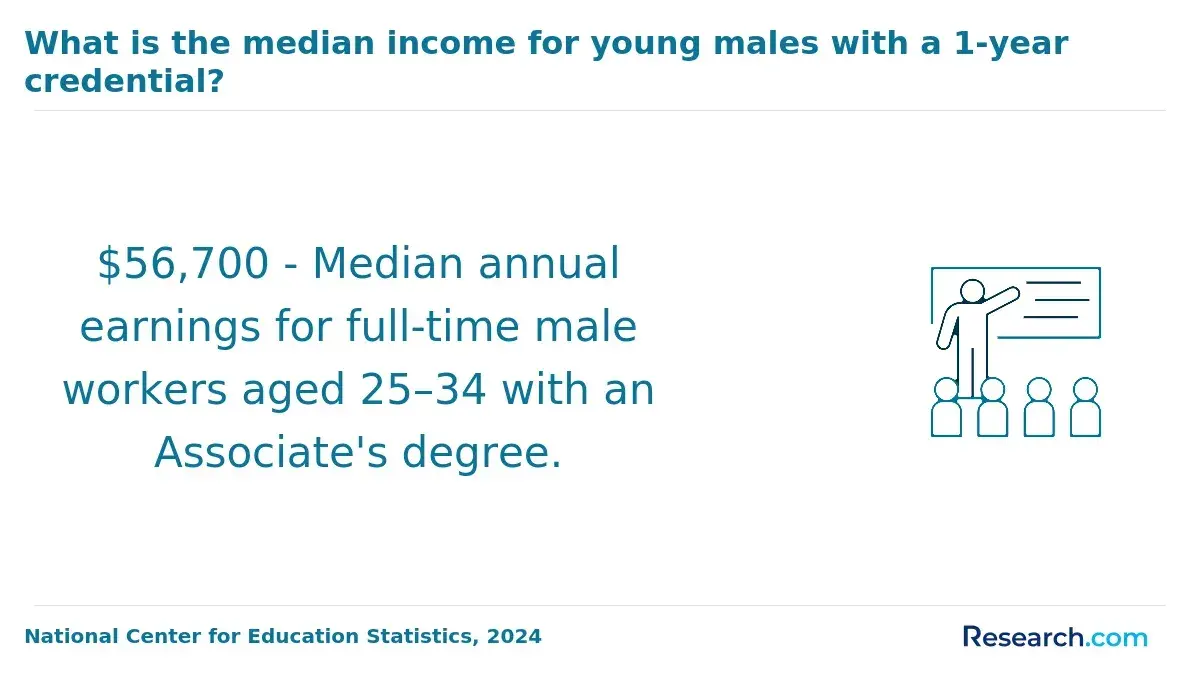
Bachelor's degrees focused on digital marketing, market research, and brand management create a distinct advantage for professionals targeting leadership roles. Unlike general business degrees, these specialized programs deliver targeted expertise employers seek, which is reflected in early-career median salaries: $78,000 for marketing graduates versus $65,000 for broad business degree holders. This earnings gap quantifies the advantage of online marketing degrees for career advancement.
Employers expect mastery in data analytics, consumer behavior, and integrated strategies-skills often missing in generic curricula. For instance, a professional leading product marketing at a tech firm gains more actionable skills from a marketing management degree program for leadership growth than from an MBA without a marketing focus. The focused curriculum accelerates readiness for operational leadership roles, including campaign planning and cross-team coordination.
The tradeoff for deeper specialization is reduced academic flexibility. Candidates should scrutinize curricula for coverage of analytics tools, consumer psychology, and strategic communication, which are critical for career pivots and management hiring. Certifications in project management or CRM software can fill management skill gaps, further increasing promotion probabilities.
Those considering further education might explore options like an online MBA entrepreneurship degree to complement marketing credentials and diversify leadership capabilities.
What core courses and specializations do top online marketing programs for professionals include?
Data-driven analysis is central to top online marketing leadership courses for professionals aiming to influence budget decisions and strategy at senior levels. For instance, a professional stepping into a Chief Marketing Officer role in retail must decode segmentation and ROI metrics to prioritize spending effectively. Core curricula focus on digital strategy, marketing research methods, and consumer behavior, which collectively equip leaders to interpret market signals beyond surface-level trends.
Specialized online marketing programs for career advancement often prioritize applied skills in areas such as content marketing, social media strategy, brand management, and MarTech integration. Programs tend to include practical case studies simulating challenges like multi-channel campaign optimization and CRM deployment, reflecting employer expectations for actionable leadership capabilities.
In sectors with complex buyer behaviors, such as healthcare or B2B technology, targeted courses in niche market segmentation and product positioning provide tangible competitive advantages. These focused skills underscore the importance of matching program specialization to the specific demands of an industry or role rather than opting for generic pathways.
Affordability remains a critical factor influencing access to these benefits. Forbes Advisor's 2024 review highlights an average annual tuition of about $9,000 at public institutions versus $32,000 at private institutions, illustrating a stark 3.5x cost difference without guaranteed skill or credential parity. This cost differential directly impacts candidates evaluating return on investment while balancing immediate financial constraints.
Professionals are advised to assess program rigor, specialization relevance, and price carefully. For those exploring options beyond marketing, including construction management degrees, resources like the cheapest online construction management degree listings offer comparative insight into cost versus career outcomes.
How long do online marketing programs take, and what do they typically cost?
Completing an online marketing program requires balancing time investment with career goals. Certificate programs typically take 6 to 12 months part-time, suitable for quick skill specialization, while associate and bachelor's degrees demand 18 to 24 months full-time. Working professionals often face extended timelines due to flexible pacing options, which accommodate employment but delay credential completion.
The choice between shorter programs and longer, comprehensive degrees influences both upfront costs and employer perceptions. Tuition ranges from $3,000-$10,000 for certificates to $15,000-$50,000 for degrees, with public institutions offering lower rates for residents and private schools often charging significantly more. Additional expenses such as technology fees and materials should factor into budgeting decisions.
Recent data shows 70% of online marketing masters graduates see equal or better return on investment compared to on-campus peers, while 77% report employer valuation of online credentials as comparable. This acceptance is strongest in digital marketing roles prioritizing current skills over traditional credentials but varies by industry conservatism and role seniority.
Professionals in fields driven by rapid tech changes should weigh accelerated tracks and stackable credentials to minimize time and cost. In contrast, candidates targeting leadership roles in established sectors should anticipate longer commitments for accredited degrees that align with employer expectations for leadership training and demonstrated depth.
What admission requirements do competitive online marketing programs for working professionals have?
Competitive online marketing programs for working professionals demand more than academic credentials-they require demonstrable professional impact. While a bachelor's degree in business, communications, or related fields is typically required, programs often accept equivalent professional experience. However, firms increasingly expect applicants to show evidence of measurable results through digital marketing projects or social media campaigns, reflecting shifting hiring standards emphasized by LinkedIn's 2024 "Most In-Demand Skills" report.
Candidates with two to five years of relevant marketing experience are favored for their ability to connect theory with practice. A common hurdle lies in assembling a portfolio that quantifies outcomes rather than simply listing tasks. For example, a content creator seeking leadership roles in brand strategy must provide clear examples of strategic decision-making impacting business metrics. Such evidence often weighs more than traditional metrics like GRE or GMAT scores, which some programs waive based on professional experience.
Admission committees also look for references from supervisors who can verify leadership and technical marketing skills, alongside applicants articulating focused career goals aligned with strategic marketing management. Practical considerations include timelines for degree verification and employer recommendations, making early planning crucial for professionals pivoting into advanced marketing roles where digital expertise is no longer optional but expected.
- Applicants need academic and professional balance: degree plus measurable marketing outcomes
- Proficiency in digital tools and campaigns has growing employer priority
- Strategic thinking and verified leadership often outweigh standardized test scores
- Planning for application logistics-portfolios, recommendations, timelines-is vital
How can you verify accreditation and program quality for an online marketing degree?
Choosing a marketing degree hinges on program accreditation and tangible career outcomes rather than mere institutional reputation. Regional or national accreditation recognized by the U.S. Department of Education or CHEA is critical to ensure credits are transferable and credentials recognized by employers or licensing bodies. For example, marketing-specific accreditations like ACBSP or AACSB add value by verifying curriculum rigor and faculty expertise relevant to marketing disciplines.
Beyond accreditation, assessing employment rates and alumni career trajectories matters significantly. Data from the American Marketing Association's 2024 Career Outlook reveal that candidates with advanced credentials are 1.7 times likelier to reach management roles within three years-a concrete measure of program impact on leadership mobility.
Curriculum content must reflect current industry demands such as digital marketing strategies, data analytics, and strategic decision-making. Faculty research activities and relevant electives or capstone projects provide practical skills, especially in sectors like technology or healthcare where specialized marketing knowledge is essential.
Student support and career services also directly influence degree completion timing and job placement success. Employer feedback or advisory boards linked to the program can differentiate degrees producing graduates with promotable skills from those emphasizing theory over application.
What leadership, analytics, and strategy skills will you gain in an online marketing program?
Career progress in marketing increasingly demands proficiency in data analytics combined with strategic leadership capabilities. By 2026, marketing roles that emphasize analytics are projected to grow 1.5 times faster than generalist positions, driven by rising investments in AI and analytics-up 57% over two years according to a 2024 Deloitte CMO survey. This requires professionals not only to interpret complex datasets but also to translate insights into actionable strategies aligned with business objectives.
Practical leadership training in these online programs prepares students to manage cross-functional teams and apply agile methodologies in volatile markets. For instance, marketing managers in technology sectors must synthesize AI-generated product insights with brand strategy while adapting swiftly to shifting consumer behavior and privacy regulations. Such roles necessitate balancing technical analysis tools with soft skills like stakeholder management and ethical data use.
Curricula differ significantly in focus, so prospective students should critically assess how programs allocate content between quantitative analytics and strategic leadership. Gaining experience with real-world datasets and interdisciplinary projects often distinguishes candidates who secure accelerated advancement from those who experience incremental growth.
Key considerations for decision-making include:
- Evaluating the practical balance of analytics versus leadership training aligned with individual career goals
- Anticipating the demands of evolving digital channels and compliance environments
- Prioritizing programs that integrate hands-on, applied coursework over purely theoretical content
What marketing leadership roles, salaries, and advancement paths can these programs lead to?
Leadership roles in marketing demand a blend of strategic insight, digital proficiency, and demonstrated management experience that online programs alone cannot fully deliver. Positions such as Marketing Manager, Digital Marketing Director, Brand Strategist, and Chief Marketing Officer require distinct skill sets with salaries reflecting this hierarchy-ranging from about $95,000 for managers to well over $180,000 for CMOs in large firms. Practical advancement is rarely linear and relies heavily on managing complex projects and measurable outcomes more than credentials alone.
Employer hiring patterns demonstrate a notable acceleration toward valuing digital and data-driven competencies. A 76% increase in job postings citing online professional certificates, as noted in Coursera's 2024 Job Skills Report, confirms that such credentials have become necessary signals of current expertise but seldom replace the value of hands-on leadership.
Consider a consumer goods company where transitioning from specialist to director mandates prior success handling multi-million dollar campaigns; certificates validate skills but do not substitute proven results. Conversely, startups might elevate certificate holders faster due to their agility with new tools and platforms. This contrast illustrates a key tradeoff: the context of the employer shapes the weight of certificates versus experience.
Ultimately, those pursuing marketing leadership via these programs should integrate credentials with sustained project ownership and strategic application to bridge skill gaps effectively and meet evolving employer expectations.
How should experienced marketers choose the right online program for their leadership goals?
Programs designed for experienced marketers aiming for leadership roles must demonstrate clear ROI through curricula that integrate data-driven decision-making, strategic brand management, and cross-functional leadership. For instance, a marketer targeting a C-suite position in a tech company should prioritize programs emphasizing analytics platforms, agile project management, and innovation-driven marketing strategies rather than generalist courses.
The strength of alumni networks and employer partnerships is a critical factor in enabling leadership mobility. Candidates should assess how programs connect them with mentors and recruiters in sectors aligned with their backgrounds, such as technology or consumer goods. Flexibility and modular course design also weigh heavily, given that candidates often juggle existing management responsibilities alongside their studies.
Pay close attention to outcomes data, particularly leadership placement rates and salary progressions. According to the U.S. Bureau of Labor Statistics 2024 data, the top 10% of marketing managers earn upwards of $239,000 annually, highlighting the financial stakes involved at senior levels.
- Effective programs maintain rigorous accreditation standards and employ faculty with active industry leadership experience
- They prepare students not only in marketing tactics but also in essential skills like finance, operations, and team management
This broad skill set is vital for securing and succeeding in executive roles, aligning with what employers expect from senior marketing leaders today.
Other Things You Should Know About Marketing
Most online marketing leadership programs require a capstone project, strategic plan, or case analysis in the final term. Students usually apply frameworks to a real or simulated marketing challenge and submit a written report or presentation. Many programs set the capstone at 3 to 6 credit hours.
The decision hinges on career goals, available time, and current expertise. Full degree programs offer comprehensive frameworks that can open doors to senior leadership but require significant time and financial commitment. Specialized certificates are better suited for professionals seeking targeted skills enhancement or those wanting to test leadership aptitude before committing to a full degree. Priority should be given to credentials that include strategic leadership and analytics components, as these are most valued by employers for upward mobility.
Self-paced programs provide flexibility for irregular schedules but may lack peer interaction and networking opportunities critical for leadership development. Cohort-based formats promote structured progression, accountability, and collaborative learning, which can deepen understanding of team dynamics and leadership challenges in marketing. However, cohort programs demand fixed time commitments and less scheduling freedom, potentially conflicting with demanding professional roles. Candidates must weigh the value of community and real-time feedback against their capacity to commit to scheduled sessions.
References
- What’s the Difference Between Online vs. On-Campus Digital Marketing Master’s Programs? | Digital Marketing Institute https://digitalmarketinginstitute.com/blog/whats-the-difference-between-online-vs-on-campus-digital-marketing-masters-programs
- European Online University Accreditation Explained - MIA Digital University https://miauniversity.com/european-online-university-accreditation/
- The Ultimate Guide to Choosing the Right Business or Marketing Degree: A Pathway to Success https://urbeuniversity.edu/blog/the-ultimate-guide-to-choosing-the-right-business-or-marketing-degree-a-pathway-to-success
- How Big Data Skills Empower Marketing Leaders | MBA in Marketing Intelligence https://www.mywestford.com/blog/how-big-data-skills-can-give-you-an-edge-in-marketing-leadership-roles/
- 18 jobs you can get with a Marketing degree https://www.torrens.edu.au/stories/blog/business/18-jobs-you-can-get-with-a-marketing-degree
- Professional Diploma in Digital Marketing https://icecampus.com/professional-diploma-in-digital-marketing-course/
- Digital Marketing Course Eligibility: 2026 Guide https://amquesteducation.com/blog/digital-marketing-course-eligibility/
- Enhance your marketing career path with an MBA | StudyNext Australia https://studynext.com/au/resources/marketing-career-path
- Top Digital Marketing Courses for Marketing Specialists https://cxl.com/blog/top-digital-marketing-courses/
- How to Choose the Best Online Marketing Course https://www.howtosaas.com/blog/choose-the-right-marketing-course