2027 Best Online Marketing Degrees for Brand Management Careers

Co-Founder and Chief Data Scientist
Facing saturated job markets and rapidly evolving brand landscapes, aspiring brand managers must navigate complex educational decisions to remain competitive. Traditional campus programs often clash with professional schedules, prompting a surge in online marketing degree enrollments-nearly 65% growth in fully online business degrees from the National Center for Education Statistics between 2019 and 2023-reflecting a shift toward flexible learning for working adults.
This growth signals a demand for programs balancing academic rigor with practical skill-building essential for leadership roles. This article examines top online marketing degrees that align with real-world brand management demands, guiding professionals toward effective programs that optimize career acceleration and adaptability.
Key Things You Should Know
- Brand management degrees emphasizing digital analytics verify graduates' ROI competence, but programs with outdated curricula delay employment by 6+ months due to skills mismatch, per 2024 National Association of Colleges and Employers data.
- Employers prioritize candidates with integrated brand strategy and cross-channel campaign execution skills, penalizing degrees lacking practical marketing project experience, creating a narrow talent pipeline in 63% of surveyed firms by Forrester.
- High tuition costs for premier programs restrict access for working professionals, pushing many toward suboptimal online options that limit networking opportunities crucial for brand management roles, influencing career trajectory and salary ceilings.
What is an online marketing degree for brand management careers?
A degree focused on brand management within online marketing demands strategic skills beyond theoretical knowledge, emphasizing data-driven decision-making and cross-channel communication. For example, a professional moving from retail operations to brand management must adeptly use customer data to refine product placements and tailor promotional strategies for specific market segments. This practical capability often determines immediate workplace impact.
In workforce terms, accredited online business degrees now command credibility comparable to traditional formats, with 91% of employers recognizing their value. This shift benefits individuals seeking flexible learning, especially those pivoting careers without stopping employment or relocating. However, assessing program quality remains critical, particularly regarding accreditation, industry connections, and opportunities for experiential learning like virtual internships or case studies.
The best online marketing programs for brand management careers integrate specialized electives such as digital analytics or product lifecycle management, which directly enhance competitive advantage. Candidates must weigh the tuition cost against these offerings, as programs lacking these applied components risk leaving graduates with insufficient tactical skills for brand-driven sectors like consumer goods or technology.
Understanding these tradeoffs is essential for working professionals aiming to align education with evolving employer demands and market realities. Prospective students can explore more options by considering a social media marketing major as a related pathway.
Are online marketing degrees accredited and respected by employers?
Employers place significant emphasis on whether online marketing degrees are accredited by employers, as accreditation signals adherence to rigorous academic standards essential for workforce readiness. For roles in brand management, measurable competencies such as data interpretation, consumer behavior analysis, and strategic communication outweigh the mode of degree delivery.
Accreditation by recognized entities like the Higher Learning Commission or Middle States Commission on Higher Education is critical; unaccredited programs often lack curricula that employers consider reliable for up-to-date brand strategy application. For example, a digital marketing analyst in retail must leverage current consumer analytics learned from accredited programs rather than generic, unvetted online courses.
In competitive sectors such as consumer goods or technology, online marketing degrees alone may not suffice. Employers expect candidates to complement education with relevant work experience and often industry certifications or portfolios, underscoring the practical tradeoff between educational credentials and demonstrated job readiness.
Prospective students should rigorously verify program accreditation and alignment with employer expectations. Ignoring these factors risks reduced respect and value of online marketing degrees among US employers, particularly when competing against candidates from well-established institutions. Those considering flexible education options might consult rankings of online business schools that maintain recognized standards.
Which online marketing degree level fits brand management jobs?
A bachelor's degree in marketing remains the foundational requirement for entry-level brand management roles, particularly valued for practical experience in consumer behavior, digital strategies, and market research. These competencies align with hiring priorities in retail, consumer goods, and tech sectors that seek candidates with demonstrable digital fluency and project success. However, those targeting leadership roles or management of multi-million-dollar brand portfolios typically need advanced qualifications.
Master's degrees, such as an MBA with a marketing concentration or specialized brand management programs, extend beyond fundamentals to develop financial acumen, data analytics, and cross-functional leadership - skills essential for strategic brand oversight. This reflects industry realities where senior roles, especially in pharmaceuticals, luxury goods, or corporate sectors, impose high expectations on brand managers' educational backgrounds and experience.
The tradeoffs between degree levels are clear:
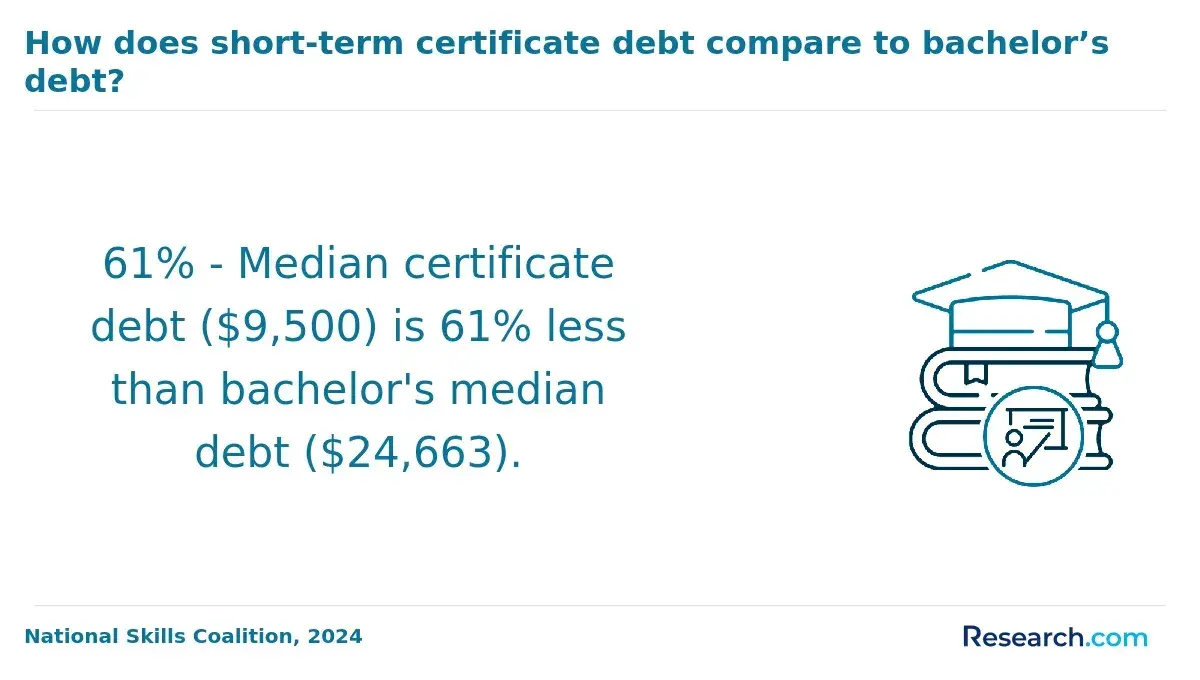
- Bachelor's degrees enable faster, lower-cost access to the field but can cap upward mobility without substantial experience.
- Master's degrees require greater time and financial investment, yet they improve access to senior roles and higher earnings more effectively.
For example, consumer packaged goods firms often prefer advanced degrees for brand managers coordinating product launches across multiple markets, while startups may prioritize proven digital skills and a bachelor's degree over formal graduate education.
The U.S. Bureau of Labor Statistics notes a median annual wage of $159,020 for marketing managers, linking higher-level degrees and relevant experience with improved earning potential. Professionals switching into brand management should carefully weigh these considerations against practical barriers.
Prospective students seeking the best online marketing degree for brand management careers can also evaluate the operations management MBA for its strategic leadership components. Those aiming for the highest level online marketing degrees for brand management jobs must prioritize programs that combine analytics, financial insight, and real-world project exposure to remain competitive.
What courses do online marketing programs include for brand management?
Online marketing degree courses for brand management careers must balance creative strategy with measurable outcomes, reflecting the dual demands of contemporary brand leadership. Core subjects in online marketing programs for brand management emphasize brand positioning and consumer behavior analysis, equipping students to tailor brand narratives effectively within diverse market contexts.
These programs demand proficiency in digital channels such as SEO, social media management, and content marketing-skills aligned with employer expectations for integrated campaign execution. The practical application varies significantly by sector; for example, retail brand managers prioritize immediate consumer engagement, while those in B2B technology focus on long sales cycles and relationship-driven strategies.
Programs that address such distinctions foster adaptability across industries. Data analytics tools like Google Analytics and CRM platforms play a critical role, enabling objective tracking of ROI and campaign performance, a focus increasingly visible in project-based coursework. Ethical and legal coursework further prepares students to navigate growing regulatory complexities around advertising and consumer data protection.
The strategic tradeoff here involves mastering both creativity and compliance without compromising innovation. For professionals weighing educational investments, a 2025 ROI analysis from Western Governors University places leading online marketing degrees with a brand management specialization at a career return exceeding 250%. Prospective students considering an MBA entrepreneurship online may find combined insights valuable when exploring these curricula and their workforce implications.
How do online and campus marketing programs compare for brand management?
Tuition disparities between online and campus brand management programs create a critical decision point: cost savings versus professional immersion. Public in-state campus programs charge around $9,678 annually compared to over $27,000 for out-of-state and nearly $39,000 at private schools, according to Learn.org.
While online programs alleviate financial pressure and provide scheduling flexibility for working professionals, they often lack the immediate access to face-to-face networking, internships, and mentorship integral to career progression in brand management. Campus-based learning facilitates live collaboration through group projects and client-facing workshops, offering real-time skills application, especially valuable in industries like consumer goods or fashion.
In contrast, online formats enable asynchronous study but require students to independently pursue practical experience, such as securing remote internships or curated project portfolios. This is especially relevant for students pursuing an accelerated construction management degree online, where balancing a faster academic pace with hands-on experience can strengthen employment prospects. Employers increasingly value these tangible experiences over degree modality.
Choosing between these pathways involves evaluating your capacity for self-direction against the necessity of local industry connections and hands-on exposure. Online degrees cater well to digital marketing professionals balancing employment, while campus programs remain preferable for candidates targeting metropolitan markets demanding immediate teamwork and brand stewardship.
Consider these operational tradeoffs when planning your entry or pivot in brand management:
- Online programs reduce cost and allow flexible pacing but require proactive external networking.
- Campus degrees offer immersive environments with structured experiential learning but at significantly higher tuition.
What admission requirements do online marketing degree programs usually have?
Entry requirements for online marketing degree programs vary considerably, often reflecting whether the applicant aims for undergraduate or graduate study. Graduate programs typically require a bachelor's degree or equivalent, while many undergraduate options accept applicants with just a high school diploma or GED. The baseline academic standard generally centers around a GPA of 2.5 to 3.0, though flexibility increased when standardized tests like the SAT or ACT were waived during and after the COVID-19 pandemic.
Beyond transcripts, candidates must demonstrate quantitative aptitude through coursework in statistics, economics, or related fields. This is critical given that by late 2024, approximately 72% of chief marketing officers accelerated investments into brand-building and digital experience strategies-areas demanding analytical expertise and familiarity with digital tools. Practical experience with platforms such as Google Analytics or customer relationship management (CRM) systems can provide a significant edge.
Work experience, internships, and letters of recommendation often serve as alternative credentials, particularly in programs designed for working professionals. Some admissions also require personal statements that clearly align career objectives with digital brand management challenges in sectors like retail or technology. Prospective students must also reconcile program demands such as synchronous class attendance or on-site residencies with their employment schedules.
Lastly, reliable access to technology and internet connectivity remains a non-negotiable prerequisite, ensuring students can effectively engage with software tools and virtual learning environments central to curriculum completion.
How long does an online marketing degree take and what does it cost?
Bachelor's degrees remain the preferred credential for brand management roles despite shorter certificates existing. Candidates balancing cost, duration, and employer expectations must weigh tradeoffs carefully. For instance, a mid-level marketing analyst pursuing an accelerated bachelor's program may incur a $30,000 expense over 2.5 years to reduce downtime and reenter the job market faster. Conversely, a recent high school graduate might opt for a traditional four-year degree to spread out tuition and workload.
Online marketing degrees vary from two-year associate programs to four-year bachelor's degrees, with accelerated options compressing timelines by offering year-round courses. Annual tuition ranges significantly-from roughly $6,000 to $10,000 at public in-state universities to more than $15,000 at private or out-of-state institutions.
Practical considerations include potential opportunity costs from reduced work hours, especially critical for working adults. Financial aid and employer tuition reimbursement can alleviate upfront costs but often extend program duration. Employers increasingly accept online business qualifications.
Western Governors University cited data showing over 43,000 exclusively online marketing students at a leading public university in 2024, indicating market validation. Choices around enrollment status, program length, and financing must align with targeted employer requirements and personal career objectives to maximize return on investment in brand management.
What brand management jobs can you get with a marketing degree?
A marketing degree primarily positions graduates for roles ranging from entry-level marketing coordinator to senior brand manager, with each stage demanding distinct skill sets. Early roles concentrate on campaign execution and data analysis using digital tools and consumer insights, which are foundational competencies emphasized in most programs. Advancement to brand manager entails strategic planning, cross-team leadership, and financial oversight-skills best refined through relevant internships and applied projects that mirror real workplace dynamics.
Senior-level marketing professionals such as marketing directors or chief marketing officers combine data-driven strategic decision-making with leadership over brand positioning and competitive markets. For instance, a brand manager working in consumer goods must balance immediate sales targets with the preservation of long-term brand equity, a tension requiring both analytical rigor and creative judgment.
Regional factors significantly impact compensation and job availability: marketing managers in New York, for example, earn an average $103,415, while directors average $145,686 and CMOs $243,940, reflecting demand concentrations in major corporate and agency hubs. Prospective students should weigh these financial premiums against increased living costs and intensified competition in such markets.
Employers prioritize candidates with demonstrated quantitative marketing analytics, practical branding project experience, and leadership aptitude. Pursuing internships in fast-paced consumer or technology sectors increases chances of advancement, while adapting skill sets to suit either startup agility or multinational brand consistency is critical for long-term success.
How much do brand managers earn with a marketing degree?
Brand management roles with competitive salaries increasingly hinge on formal marketing education, particularly bachelor's degrees, due to employer demand for measurable strategic and analytical skills. Median salaries for brand managers with marketing degrees are around $95,000 annually, rising above $125,000 in senior roles across consumer goods, technology, and pharmaceuticals where complex market insights and cross-functional leadership are critical.
Employers overwhelmingly prefer candidates with bachelor's degrees over those holding only industry certifications. A 2024 survey from Forbes Advisor showed that 73% of hiring managers prioritize degree holders, citing the depth of foundational knowledge and applied experience gained from academic programs compared to shorter certifications.
For professionals, the distinction impacts career trajectory: switching to brand management from related roles like digital marketing specialist typically requires a degree to remain competitive. Certification-only candidates might access entry-level positions but often encounter barriers to promotion and salary growth. These tradeoffs underscore the long-term financial and leadership pipeline advantages associated with the degree pathway versus accelerated credentials.
Key practical considerations:
- Bachelor's degrees facilitate quicker access to management-level brand roles.
- Certifications suffice mainly for entry-level or support positions.
- Industry sectors with high brand equity value degrees more strongly for strategic brand leadership.
What certifications help brand management careers after a marketing degree?
Brand management certifications after a marketing degree critically shape career trajectories by emphasizing quantifiable skills in digital strategy, analytics, and leadership rather than creative flair alone. For instance, Certified Brand Manager (CBM) certification equips professionals transitioning into portfolio and cross-functional leadership roles within consumer goods, enabling strategic oversight beyond day-to-day marketing tasks.
Conversely, Google Analytics Individual Qualification (GAIQ) meets the needs of brand managers in digital-first firms that prioritize real-time data insights to steer campaigns. Employers increasingly expect credentials that translate to measurable outcomes, with labor market data showing marketing graduates advancing to director or VP brand positions can see median salary lifts of 70-90% over entry-level pay.
However, candidates lacking technical and analytics credentials tend to plateau in mid-level specialist roles, highlighting the tradeoff between broad, creative certifications and those demand-driven by data-centric industries like technology or healthcare. Practical progression entails sequencing certifications starting with foundational digital and analytics skills, followed by leadership and industry-specific designations aligned to targeted sectors.
Complementary certifications such as Project Management Professional (PMP) provide added advantage in matrixed or complex organizations but require balancing time and financial investment against salary and role advancement potential. Ultimately, selecting certifications requires navigating employer expectations and sector-specific demands with an eye toward validated outcomes and career mobility pathways.
Other Things You Should Know About Marketing
Practical experience like internships is critical since many employers expect hands-on skills beyond theory. Online degrees that integrate structured internships or project-based learning produce graduates who transition more smoothly into brand management roles. Choose programs that offer strong industry connections and real-world assignments to enhance employability and demonstrate immediate value to hiring managers.
Most online marketing bachelor’s degrees require about 120 credit hours, including general education, marketing core, and brand-focused electives. Programs with a business concentration may add 6 to 12 upper-division marketing credits. Master’s programs usually require 30 to 36 graduate credit hours.
Part-time enrollment allows working professionals to apply learning immediately and manage job responsibilities alongside study, which strengthens practical understanding and networking opportunities. Full-time study might hasten entry into new roles but can create a gap in work experience and income. For career pivots or advancement in brand management, part-time programs often yield better real-world integration and sustained professional growth.
References
- Digital Marketing Major https://www.kozminski.edu.pl/en/digital-marketing-major
- Degree in Online Marketing - Updated 2026 https://uniscopio.com/en/bachelors-degrees/online-racing/online-marketing/
- 2025 Most Affordable Online Marketing Degrees https://www.onlineu.com/most-affordable-colleges/marketing-degrees
- 15 Marketing Certifications to Build Must-Have 2025 Skills https://www.cmswire.com/digital-marketing/10-marketing-certifications-that-can-help-you-earn-a-better-salary/
- Marketing and Brand Management, BA Hons https://www.gre.ac.uk/undergraduate-courses/business-school/marketing-and-brand-management-ba-hons
- Brand Management vs Marketing Online MBA Difference https://www.onlinecu.in/blog/cu/online-mba-in-brand-management-vs-mba-in-marketing
- All 6 Types of Marketing Degrees: What Works Best for You | Brafton https://www.brafton.com/blog/content-marketing/types-of-marketing-degrees/
- What should you study for a career in Brand Management? | Study.eu https://www.study.eu/article/what-should-you-study-for-a-career-in-brand-management
- Careers in Marketing: What Can You Do with a Marketing Degree? https://www.mastersincommunications.com/faqs/careers-in-marketing
- Study Brand & Marketing Management - Brand Management (B.A.) https://www.brand-university.de/en/studium/ba-bmm-bm