2027 Legal Studies Topics Writers and Editors Should Watch in 2026

Co-Founder and Chief Data Scientist
Facing a rapidly shifting legal job market, students and professionals targeting careers in legal studies must carefully time their program entry to avoid credential obsolescence. Recent data from the National Center for Education Statistics shows a 26% increase in online enrollment for legal programs since 2022, signaling growing demand for flexible pathways. However, this growth challenges learners to discern which program models balance rigor and market credibility, especially as employers increasingly prioritize practical skills over traditional credentials.
These real-world constraints require sophisticated evaluation of program structure, delivery format, and workforce alignment. This article identifies key legal studies topics trending in the field and outlines how writers and editors can target content to meet evolving educational and professional needs effectively.
Key Things You Should Know
- Rising employer emphasis on tech proficiency in legal roles pushes students toward cyberlaw and e-discovery topics, but this narrows early specialization options, potentially limiting versatility for broad legal careers, as reported by the American Bar Association in 2024.
- U.S. Bureau of Labor data reveals Legal Studies graduates face a wage premium only when combining coursework with internships in regulatory compliance, exposing a workforce bias favoring applied experience over academic credentials alone.
- State-level funding cuts since 2023 have lengthened time to degree completion by 15% on average in public Legal Studies programs, increasing opportunity costs and disproportionately impacting low-income students pursuing career pivots.
What is legal studies and how does it differ from pre-law and paralegal programs?
Legal studies differs substantially from pre-law and paralegal programs in scope and career intent. While pre-law programs gear students toward law school admission with an emphasis on legal reasoning and test prep, legal studies focus on broader analysis of law's societal role, governance, and policy without preparing specifically for a law license. Paralegal education, by contrast, targets practical skills for supporting attorneys through case management and document procedures, prioritizing immediate job readiness over deep theoretical grounding, which shapes divergent employment trajectories.
Graduates with legal studies backgrounds typically find roles in policy analysis, compliance, or judicial administration across sectors like healthcare, finance, or government agencies. Paralegals remain largely confined to law firms and corporate legal departments performing prescribed technical tasks under supervision. This reflects a tradeoff: legal studies offers adaptability and critical thinking applicable beyond traditional legal practice, while paralegal credentials provide more direct but narrowly defined employment options. Students considering the legal studies vs pre-law programs in the United States must weigh how each aligns with long-term goals.
The rise of AI in the legal sector further complicates this landscape. Approximately 65% of large law firms use generative AI for research or document review, yet only 19% have formal policies guiding its use. Legal studies programs that incorporate AI literacy and ethical frameworks better meet emerging employer expectations compared to many paralegal programs, which may lag in integrating these competencies. Evaluating programs on legal systems analysis combined with technological fluency is increasingly critical for workforce relevance.
For those exploring educational options, assessing online interdisciplinary studies admissions and costs can provide insight into accessible pathways complementing legal studies curricula. The decision should balance immediate employment prospects with long-term career flexibility amid evolving legal and technological demands.
What types of legal studies degrees and certificates are available at U.S. colleges?
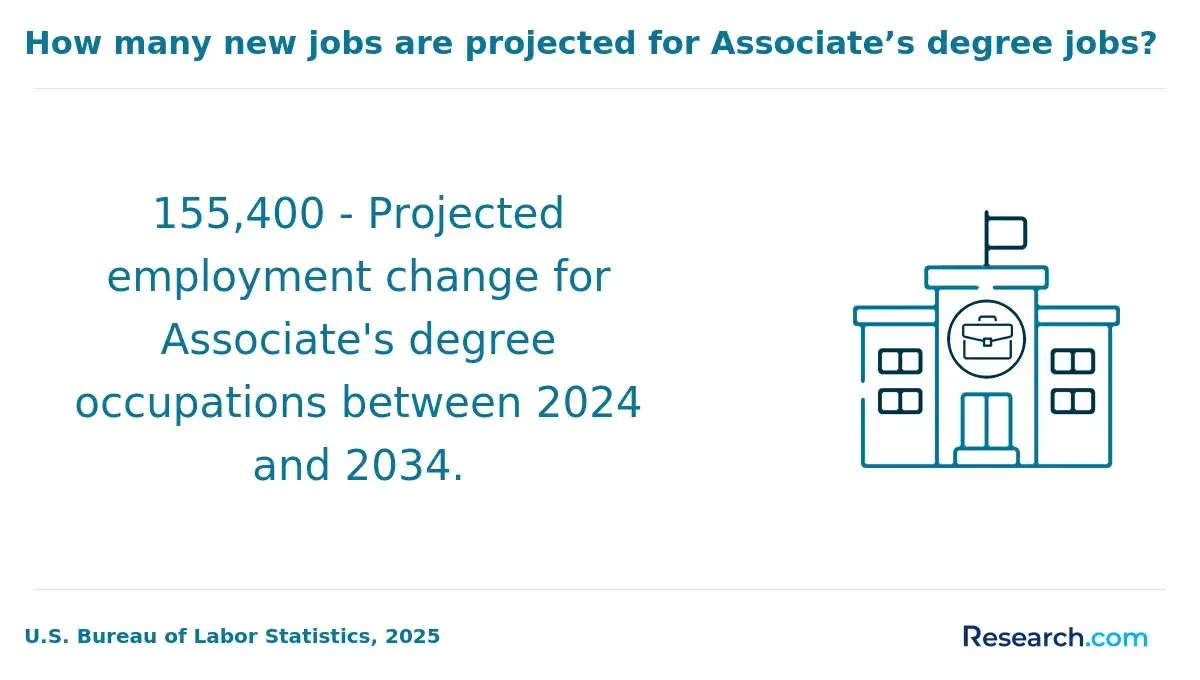
Selecting between legal studies degrees and certificates hinges on balancing practical career outcomes against study commitments. Associate degrees provide foundational legal knowledge aligned with paralegal and legal assistant roles, typically completed in about two years, which appeals to students prioritizing expedited workforce entry. In contrast, bachelor's degrees offer comprehensive coverage of law fundamentals, compliance, and policy analysis, equipping graduates for government, corporate, or nonprofit legal environments and often serving as a prerequisite for law school. Certificates in legal studies programs in the United States cater to professionals who need specialized skills quickly-such as compliance officers in environmental law-without the broader scope or duration of a degree.
Employers increasingly expect legal professionals to combine domain expertise with legal acumen, especially in sectors facing regulatory complexity and climate litigation, where cases more than doubled to over 2,700 by early 2025. Students must assess program components like internships and practical legal writing, which materially affect employment prospects. Program accessibility, including part-time or online options, also influences decisions.
For those deliberating educational investment, understanding how much is criminal justice school can illuminate financial planning, as legal studies programs often overlap in tuition frameworks. Ultimately, choosing the right credential requires mapping skills to specific job demands, weighing time-to-completion, and anticipating evolving employer requirements within U.S. colleges' legal studies degrees offered by U.S. colleges.
How do online legal studies programs compare to campus-based programs in quality and outcomes?
Online legal studies program quality comparison reveals a persistent gap in experiential and networking opportunities compared to campus-based formats. Employers emphasize that graduates from campus programs benefit from direct involvement in moot courts, internships, and mentorships-components difficult to replicate online. This shortfall particularly affects fields like cyberlaw and data privacy, where hands-on skills and timely industry engagement are essential.
Recent data from the National Center for Education Statistics shows campus-based versus online legal studies outcomes diverge notably, with campus graduates achieving a 15% higher employment rate within six months. This advantage stems largely from campus students' access to targeted career services and employer connections that enhance job placement prospects in competitive sectors.
For students considering online legal studies, the onus is on them to supplement their studies with proactive internships and local professional networks. In compliance-heavy areas, where global expenditures on data privacy are projected to reach $11.4 billion in 2025, practical familiarity with regulatory and technical skills is critical and less consistently reinforced online.
Professionals balancing geographic constraints or full-time jobs must weigh these tradeoffs carefully. Where flexibility is paramount, complementing an online path with external experience or local engagement is necessary to offset practical training deficits. Those evaluating educational options might also explore associated fields like forensic science through resources such as forensic science degree online offerings for comparative insights.
What accreditation and program approvals should legal studies students look for?
Regional accreditation is a critical filter for legal studies program accreditation standards in the United States, affecting employability and eligibility for advanced credentials. Programs lacking accreditation from recognized boards such as the American Bar Association (ABA) or the Association of Legal Administrators (ALA) often impede graduates from securing competitive internships or roles in law firms that require certified credentials. For instance, paralegals from non-approved programs frequently encounter barriers entering federal agencies or corporate legal departments.
ABA approval carries practical implications beyond prestige, ensuring curricula remain current with evolving legal frameworks and incorporating experiential learning aligned with real-world challenges. While not mandatory for every legal studies track-especially those focused on specialized legal technologies-its absence restricts access to roles with strict hiring protocols. Students should also evaluate programs on how well they integrate emerging regulatory content, particularly in fields like digital assets or financial regulation, where market contexts have shifted dramatically; Boston Consulting Group reports tokenized real-world assets surged more than 580% year-on-year, surpassing $8 billion.
Employers prioritize candidates trained through partnerships, externships, or simulations tailored to issues like crypto compliance and fintech governance. Neglecting programs without transparent outcomes or industry connections risks producing skill gaps detrimental to licensing and career progression. Additionally, transfer policies, credit recognition, and continuing education pathways are vital for long-term pivots or growth. Prospective students seeking accelerated interdisciplinary options might explore choices such as an architecture degree online, which demonstrates how some fields manage faster credentialing routes aligned with labor demands.
Approved legal studies degrees recognized by American educational boards remain the benchmark for meaningful workforce entry and advancement, underscoring the necessity to balance academic rigor with pragmatic, outcome-driven evaluation.
What courses and concentrations are typically offered in legal studies programs?
Legal studies programs function primarily as practical, workforce-oriented pathways rather than full juris doctor training, focusing heavily on the regulatory and advisory roles within the legal ecosystem. Core coursework covers constitutional law, civil rights, criminal justice, and research methods, while concentrations frequently target applied fields such as environmental law, corporate compliance, intellectual property, and public policy. This specialization allows students to navigate complexities in litigation support or regulatory environments without pursuing a traditional law degree.
Between 2020 and 2024, the legislative landscape around rights to protest evolved rapidly, with 47 states introducing over 260 bills impacting this domain and 60 becoming law. For legal studies students concentrating on civil liberties or advocacy, this volatility highlights the need to stay current with state and federal legislative shifts to provide relevant analysis and strategic advice for NGOs, government agencies, or advocacy organizations.
Practical skills like dispute resolution, legal writing, and paralegal training are essential to meet employer expectations in both public and private sectors. Candidates aiming for compliance roles, for instance, must prioritize contractual and regulatory courses, while those targeting government positions benefit from expertise in administrative law and policy evaluation.
When selecting a concentration, students must weigh factors such as industry growth, certification demands, and regulatory environments that often require ongoing education. Roles like legislative analyst or compliance officer are heavily influenced by state-specific regulations, making it critical that coursework aligns with the legal and operational realities of the intended career path.
What are the admission requirements and prerequisites for legal studies majors?
Admissions criteria for legal studies emphasize academic readiness with a minimum GPA often near 3.0 and standardized test scores at or above average, reflecting the program's demand for strong analytical and writing skills. Transfer applicants typically must have completed at least 24 college credits with a 2.5 GPA or better, underscoring the importance of proven collegiate achievement. For working professionals pivoting into legal studies, demonstrated experience in business ethics, government, or compliance-related fields can offset traditional prerequisites, enhancing admission prospects and signaling practical readiness to employers.
Employers increasingly expect graduates to navigate complex regulatory landscapes, particularly as 79% of institutional investors now oppose poor ESG disclosure. Thus, legal studies curricula that integrate corporate governance, data privacy, and business ethics align closely with evolving market demands. Prospective students aiming for compliance or corporate law roles should prioritize these prerequisites to maximize employability and reduce adjustment friction in rigorous workplaces.
Students without foundational coursework in political science or introductory law often encounter steeper learning curves, extending time-to-degree and complicating mastery of dense legal materials. Early internship or paralegal experience markedly improves outcomes and is a key differentiator in admissions evaluations. Additionally, submitting a personal statement that connects motivation and relevant experience remains essential in demonstrating alignment with both academic rigor and targeted career pathways.
How long do legal studies programs take, and what do they cost to complete?
Completing a legal studies program entails balancing duration, cost, and career objectives, and the decision profoundly affects employability in specialized fields. Associate degrees typically last about two years, while bachelor's degrees require four years of full-time study. Accelerated tracks can shorten this to three years but intensify workload demands. Part-time and online options extend timelines but accommodate working students. Prospective compliance officers in fintech, for example, often combine foundational legal studies with cybersecurity law certifications, investing an additional six to twelve months and $3,000-$7,000, which can substantially enhance market competitiveness.
Tuition costs vary widely: public in-state institutions average approximately $9,000 annually, whereas private schools may exceed $30,000 per year. Total costs for a bachelor's degree range from roughly $18,000 at public colleges to over $120,000 at private universities, with supplementary expenses like books and technology adding another 10-20%. Specialized tracks related to cybersecurity law or digital evidence analysis may require further certification but align with labor market trends, given that cybercrime damages are projected to reach $10.5 trillion globally by 2025, increasing demand for this expertise.
Employers emphasize practical experience alongside credentials, making internships or apprenticeships essential investments to avoid employment setbacks. For those targeting paralegal positions, shorter, cost-effective programs paired with hands-on training may be preferable to extended certifications. Decision-making should weigh total time, direct and indirect costs, and targeted career outcomes rather than defaulting to program prestige or duration alone.
What careers can you pursue with a legal studies degree, and in which settings?
A degree in legal studies channels graduates into roles that intertwine legal knowledge with operational and policy responsibilities across corporate, governmental, and non-profit sectors. Positions like paralegals, compliance officers, contract managers, and human resources specialists routinely require fluency in regulatory frameworks and risk mitigation, especially as businesses face increasingly complex compliance landscapes.
The surge of gig economy labor - accounting for over 6% of the EU workforce and mirrored in the U.S. - has created demand for legal professionals adept at navigating non-traditional employment arrangements. Skills in labor relations, dispute resolution, and policy advocacy tailored to gig and contract work are rapidly becoming essential.
Government employment focuses on regulatory enforcement, public policy development, and legal research, while non-profits often utilize legal studies graduates for civil rights, immigration, or tenant advocacy, blending legal insight with direct case management.
Key tradeoffs include the absence of courtroom practice privileges without additional law qualifications, balanced against faster workforce entry and broader applicability across industries. Employers increasingly expect practical experience, so internship placements within law firms, HR departments, or government agencies significantly enhance employability. Aligning educational choices with a specific specialty such as contract law or labor regulation sharpens prospects for sustained career growth.
What salary ranges and advancement opportunities exist for legal studies graduates?
Starting salaries for legal studies graduates vary sharply by sector and location, ranging roughly from $45,000 in public or nonprofit roles to $65,000 in private sector compliance positions. Employers prioritize specialization and credentials, such as paralegal certification or advanced degrees, to justify salary progression and increased responsibility. Without targeted skill development, professionals risk stagnating at entry or mid-levels.
Mid-career professionals often transition into niche areas like policy analysis or contract management, with salaries commonly between $70,000 and $95,000. Expertise in international law and migration offers distinct advantages due to rising global displacement-over 120 million forcibly displaced persons worldwide per UNHCR's Global Trends 2024-fueling demand for skills in refugee and human rights advocacy.
Senior legal studies roles, including consultancy or compliance leadership, typically require a decade or more of experience plus postgraduate qualifications, commanding salaries from $100,000 to $140,000. These positions demand mastery of regulatory frameworks, analytical capabilities, and leadership; those lacking these are unlikely to move past mid-tier compensation.
Practical planning involves weighing the tradeoff between immediate employment at modest wages and investing in specialization to accelerate upward mobility within three to five years. Pursuing internships or roles aligned with high-demand sectors can materially impact professional trajectories and earning potential.
How can prospective students evaluate and choose a reputable legal studies program?
Measurable career outcomes, not institutional prestige, define value in legal studies programs. The National Association for Law Placement 2024 Employment Report cites a median starting salary of $225,000 at large law firms, establishing a benchmark for elite market success. Graduates targeting these firms or comparable employers must prioritize programs with proven placement records over mere reputation.
Curriculum rigor should extend beyond doctrinal theory to include real-world skills such as clinics, internships, and simulations. Programs emphasizing technology, negotiation, and regulatory compliance provide graduates with competencies directly aligned to employer demands across corporate, government, and nonprofit sectors.
Employment quality signals depend on accreditation and transparent reporting. Schools achieving 80% or higher full-time, long-term legal employment offer a stronger return on investment, particularly when salary medians are weighed against debt burdens. Location matters: graduates aiming for New York or Washington, D.C. must assess programs' regional employer networks and externship access, as missing those connections can bottleneck opportunities.
Faculty with current industry engagement and active alumni networks tailored to specific career tracks-like compliance-improve practical job readiness. Rigorous admissions often correlate with employer preference but require candidates to balance their experience with program intensity to minimize attrition risk.
Other Things You Should Know About Legal Studies
Writers should verify citations against the Bluebook, use current case law from Westlaw or LexisNexis, and check whether the journal requires a 2027 OSCOLA, APA, or house style format. Editors should also confirm jurisdiction names, court levels, and quotation accuracy before submission.
Specialized tracks, such as criminal justice or compliance, equip students with targeted expertise but may limit career flexibility outside specific sectors. Broader interdisciplinary programs provide diverse skill sets applicable in various roles but often at the expense of deep legal specialization. Employers in legal support roles often prefer candidates with clear domain expertise, whereas those aiming for policy or administrative positions benefit from broader training. Prospective students should prioritize tracks aligned with their precise career objectives and understand that shifting paths later may require additional certification or education.
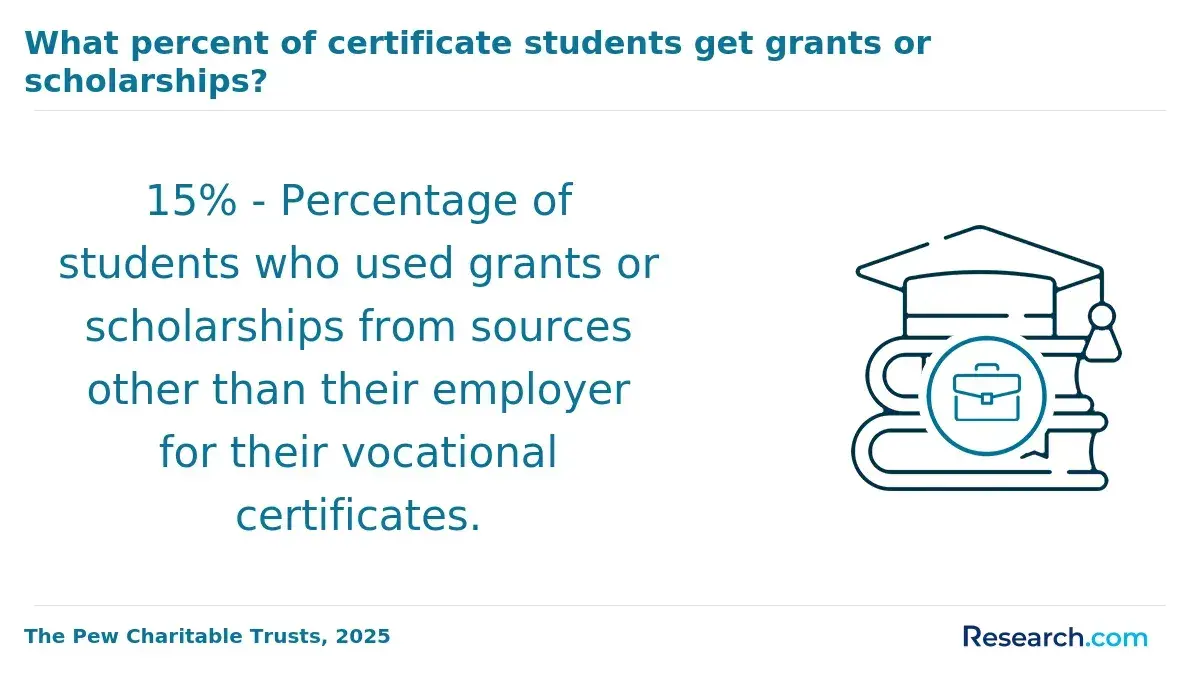
Certificates and short courses signal focused skill acquisition and can be valuable for immediate job requirements or role changes. However, employers typically view them as supplements rather than replacements for full degrees, especially in positions requiring substantive legal knowledge or advancement potential. Candidates relying solely on certificates may face limitations in competitive hiring or promotion processes. When deciding between certification and degree programs, students should consider their long-term career goals and the level of foundational knowledge expected by employers in their target roles.
References
- ABA Approval vs. ABA Accreditation: Do You Need ABA Approval for a Paralegal Program? | Bryan University Online© https://bryanuniversity.edu/faq/aba-approval-accreditation-paralegal-programs/
- Career Guides https://onlinemasteroflegalstudies.com/career-guides/
- What Can You Do With a Legal Studies Degree? - Trinity Law School https://www.tiu.edu/law/questions/what-can-you-do-with-a-legal-studies-degree/
- Online Law School: Accreditation, Learning Design, And Outcomes https://professioneleidentiteit.nl/online-law-school-accreditation-learning-design-and-outcomes
- [PDF] Accreditation of Law Schools in the United States https://jle.aals.org/cgi/viewcontent.cgi
- JD-Next is Elevating Law School Admissions Strategies https://jdnext.org/for-schools/elevating-admissions-strategies-with-jd-next/
- Accreditation https://paralegal.edu/accreditation/
- Types of Law - 21 Fields of Law Explained | Different Areas of Law https://www.collegesoflaw.edu/blog/2018/11/06/different-fields-of-law-explained/
- How to Choose Which Law School to Attend | Spivey Consulting https://www.spiveyconsulting.com/blog-post/how-to-choose-which-law-school-to-attend
- 200+ Free Law Dissertation Topics for 2026 | AssignmentHelpCenter https://assignmenthelpcenter.com/blogs/law-dissertation-topics/