2027 Best Online Bachelor's in Kinesiology for Strength and Conditioning Career Paths

Co-Founder and Chief Data Scientist
Professionals aiming for strength and conditioning roles often confront a critical barrier: balancing demanding work schedules with the pursuit of a bachelor's degree that genuinely enhances employability.
Traditional campus programs rarely accommodate adult learners or those seeking flexible pacing, a gap underscored by the National Center for Education Statistics reporting a 12% enrollment increase in fully online undergraduate programs between 2022 and 2024. This shift signals rising demand for accessible, credible online kinesiology options tailored to career pivoters and upskillers.
This article evaluates the best online bachelor's in kinesiology designed to meet these practical constraints and career-entry requirements, helping readers identify programs aligned with workforce realities and timing needs.
Key Things You Should Know
- Graduates with online bachelor's degrees in kinesiology focusing on strength and conditioning face a 15% wage gap compared to in-person peers, per U.S. Bureau of Labor Statistics 2024, due to reduced hands-on training, impacting early-career earning potential.
- Employers prioritize accredited clinical practicum experience; programs lacking integrated internships see a 22% lower hiring rate among graduates, highlighting the necessity of practical exposure for workforce entry.
- Time-to-completion accelerates credentialing when students leverage hybrid models combining asynchronous theory with synchronous labs; fully asynchronous formats risk credential delays exceeding six months, increasing education-to-employment gaps.
What is an online bachelor's in kinesiology with a strength and conditioning focus?
Choosing an online bachelor's in kinesiology strength and conditioning programs requires balancing the flexibilities of remote learning with the critical need for applied experience. This degree emphasizes scientific foundations, anatomy, physiology, biomechanics, combined with practical strength and conditioning principles aimed at athletic performance enhancement and injury prevention.
However, online formats typically demand proactive efforts to secure local internships or clinical practicums, since hands-on exposure is seldom provided directly through virtual coursework.
The strength and conditioning kinesiology degree online is designed for roles like certified strength and conditioning specialist, personal trainer, or fitness coach, particularly in professional or collegiate sports and rehabilitation settings. Employers expect not only knowledge but demonstration of practical skills, which often means students must plan around their geographic location and existing work commitments to meet industry credentialing standards.
Career prospects are supported by the U.S. Bureau of Labor Statistics' 14% projected growth for fitness trainers and instructors through 2033, signaling enduring demand. Those unfamiliar with the pathway's real-world demands might underestimate the tradeoff: gaining scientific expertise remotely versus the challenges of obtaining sufficient in-person training experience.
The decision to pursue this pathway should also account for ancillary opportunities, including internship availability and program accreditation aligned with certifications like the National Strength and Conditioning Association. For those exploring related leadership trajectories, examining how to become an athletic director may clarify longer-term career development options.
How can an online kinesiology program prepare you for strength and conditioning careers?
Online kinesiology programs tailored for strength and conditioning certification offer more than theoretical knowledge; they bridge practical skill development with flexible learning essential for working professionals. These curricula combine biomechanics, exercise physiology, and sports nutrition with applied anatomy and performance assessment tools to prepare students for designing individualized training plans.
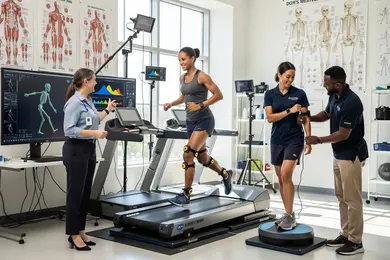
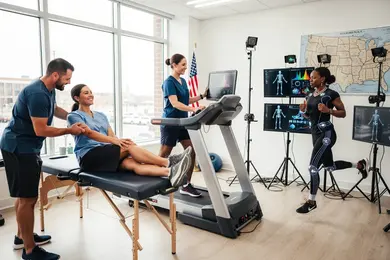
A distinctive feature is the integration of virtual labs, case studies, and remote internships that replicate real-world settings such as athletic departments and rehabilitation clinics, ensuring hands-on experience despite the distance format.
Career preparation through online kinesiology degrees in strength training frequently emphasizes readiness for the Certified Strength and Conditioning Specialist (CSCS) credential, a common employer requirement. This credential signals capability in injury prevention, athlete monitoring, and evidence-based program design, which are vital competencies for positions ranging from collegiate teams to military fitness units.
However, state licensure variability, credential maintenance demands, and competitive job markets pose realistic hurdles for graduates.
Employment projections from the U.S. Bureau of Labor Statistics anticipate 13% growth in athletic trainer roles between 2023 and 2033, but success depends on navigating these challenges and selecting programs with clear certification pathways and industry ties.
For those evaluating complementary educational options, programs such as online ADN programs for non nurses demonstrate how professional pathways can diverge strategically based on licensure and practical training availability.
What accreditation and program quality standards matter for online kinesiology degrees?
The practical value of online kinesiology programs hinges on meeting stringent accreditation requirements for online kinesiology programs that align with employer and licensure standards.
Regional accreditation by bodies like the Higher Learning Commission is foundational, but program quality standards for strength and conditioning kinesiology degrees rely heavily on specialized endorsements such as CAAHEP or NSCA recognition. These ensure curriculum and clinical components meet industry benchmarks, directly influencing a graduate's eligibility for certification and employment.
Careful scrutiny is essential for students aiming for careers requiring post-graduate licensure, where programs must explicitly support clinical hour requirements, often necessitating local partnerships or on-site training. Without this, students may face delays impacting their entry into the workforce and long-term earnings. For instance, physical therapists make more than double the median salary of fitness trainers, reflecting licensure's impact on career trajectory.
Transparent program data on graduate outcomes, such as retention, exam passage, and employer acceptance, are indispensable to mitigate risks of stalled career mobility. Since kinesiology fields prize hands-on experience, programs that fail to facilitate practical placements risk extending time-to-employment and adding costs. Thus, those evaluating a kinesiology degree should prioritize applied learning integration and strategic support for experiential requirements.
For professionals contemplating options, comparing program outcomes and operational realities can clarify whether an online model suits their needs or if hybrid approaches are preferable. Similarly, exploring pathways like a degree in healthcare management may offer alternative career leverage depending on individual goals.
How do online and on-campus kinesiology programs compare for strength and conditioning?
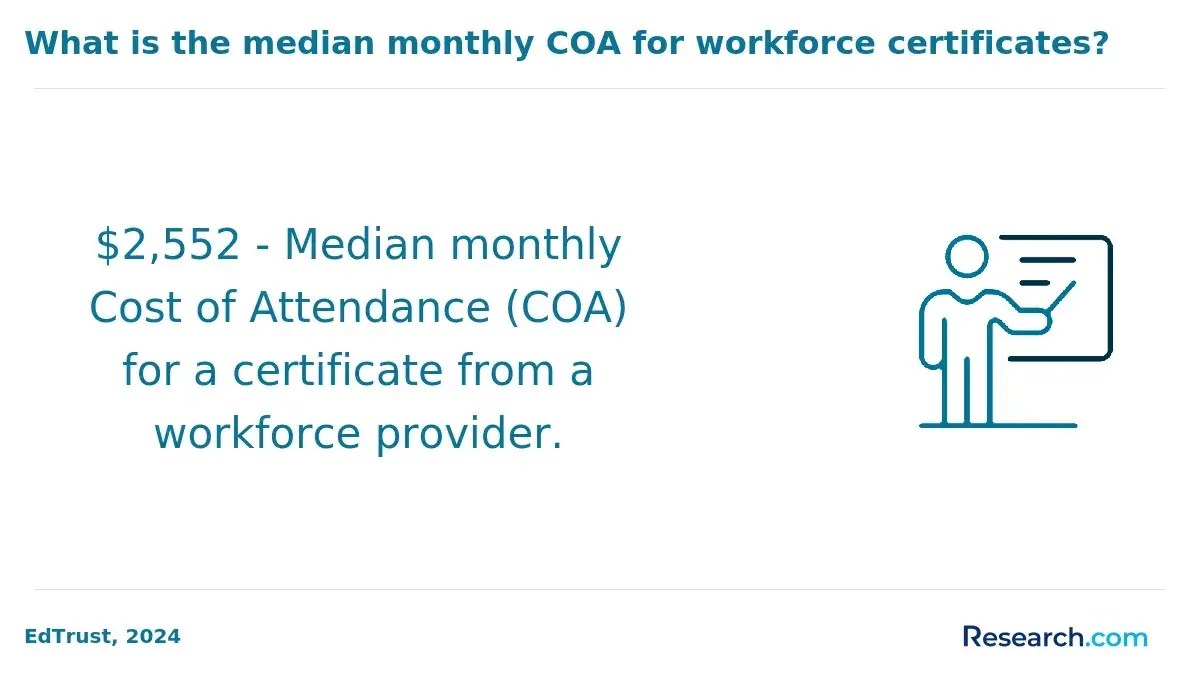
The critical tradeoff between online kinesiology programs and traditional on-campus degrees lies in the balance between upfront costs and practical training quality, which is pivotal for strength and conditioning careers. Median tuition for a four-year, on-campus kinesiology bachelor's program hovers around $50,000, whereas online two-year associate degrees average under $2,500.
However, the cheaper online path often lacks essential hands-on lab work, in-person practicums, and direct access to specialized equipment valued by employers in sports performance and rehabilitation sectors.
Employer expectations for strength and conditioning specialists prioritize verified practical experience and recognized certifications, advantages more accessible through traditional programs. On-campus students frequently gain internships with collegiate or professional teams, boosting employability and industry connections.
In contrast, those pursuing online kinesiology programs must proactively arrange external internships, increasing time and cost burdens. This dynamic particularly affects those comparing online kinesiology programs vs on-campus for strength and conditioning careers, where real-world readiness can define hiring outcomes.
For working professionals seeking flexibility during career pivots, online programs offer foundational knowledge but delay full qualification unless supplemented by in-person experience. Recent high school graduates benefit more from the concurrent applied learning and networking available on campuses. Students should evaluate total cost, including time and expense associated with necessary hands-on certifications or internships outside an online curriculum.
When considering program costs and career timelines, exploring options like the cheapest direct entry MSN programs may also provide financial and scheduling insights relevant to other healthcare specializations.
Prospective students conducting a comparison of online and traditional kinesiology degrees in strength and conditioning should weigh how each pathway aligns with their targeted employment environment and readiness requirements.
What courses and concentrations are typical in strength and conditioning-focused kinesiology programs?
Strength and conditioning-focused kinesiology programs demand decision-making based on desired work settings and job functions, given their divergent skill sets and employability outcomes. Rehabilitation concentrations emphasize therapeutic exercise and injury assessment, aligning graduates with healthcare roles that often require clinical practicums and certification adherence, such as clinical exercise credentials
. Conversely, programs centered on sports performance prepare students for high-intensity regimen design, typically linked to collegiate or professional athletic environments.
Core coursework integrates exercise physiology, biomechanics, motor learning, and nutrition, often supplemented by intensive lab work to analyze neuromuscular adaptations. This hands-on experience is essential for creating athlete- or patient-specific plans, reflecting the distinct practical requirements between rehabilitation and performance pathways.
Labor market data anticipates a 9% growth for exercise physiologists through 2034, mostly propelled by rehabilitation demand and chronic disease management rather than sports sectors. Students must evaluate whether their program offers relevant internships and aligns with certification standards to meet employer expectations, which vary considerably between clinical and strength and conditioning specialization.
For nuanced decision-making, prospective students should weigh the tradeoff between broader healthcare applicability of rehabilitation expertise versus the more niche but potentially high-profile opportunities in athletic performance. Selecting a program without this clarity can limit both hands-on experience and employability in a shifting labor market.
What are the common admission requirements for online bachelor's in kinesiology programs?
Admission to online bachelor's in kinesiology programs often filters candidates through a set of academic and experiential criteria that directly influence post-graduation employability, especially in strength and conditioning roles. Candidates without a minimum GPA, commonly between 2.5 and 3.0, or required coursework in biology, chemistry, and anatomy face extended timelines and additional costs for remedial study before progressing.
Practical experience in athletics or fitness training, documented via resumes or personal statements, frequently outweighs standardized test submissions in admissions decisions, signaling to employers a candidate's readiness for physically demanding roles. Letters of recommendation from coaches or employers provide verification of discipline and physical aptitude, traits that correlate with job retention and performance.
Applicants who neglect to articulate clear professional goals risk mismatched program selection and poorer outcomes, as programs rely on goal statements to assess candidate motivation. Furthermore, Bureau of Labor Statistics projections for a 13% job growth rate in personal training intensify competition not only for admission but also for relevant certification and licensing opportunities post-degree.
Prospective students should weigh the necessity of prerequisite fulfillment, practical experience accumulation, and early preparation for certification exams against the time and financial investments required, as these factors substantially impact career trajectory and employability within the kinesiology labor market.
How long do online kinesiology degrees take and what do they typically cost?
Completing an online kinesiology bachelor's degree typically requires four years full-time; however, part-time and accelerated formats can shorten or extend this timeframe between 2.5 to 5 years based on prior credits and scheduling flexibility. This variability is significant for working professionals balancing education with job commitments.
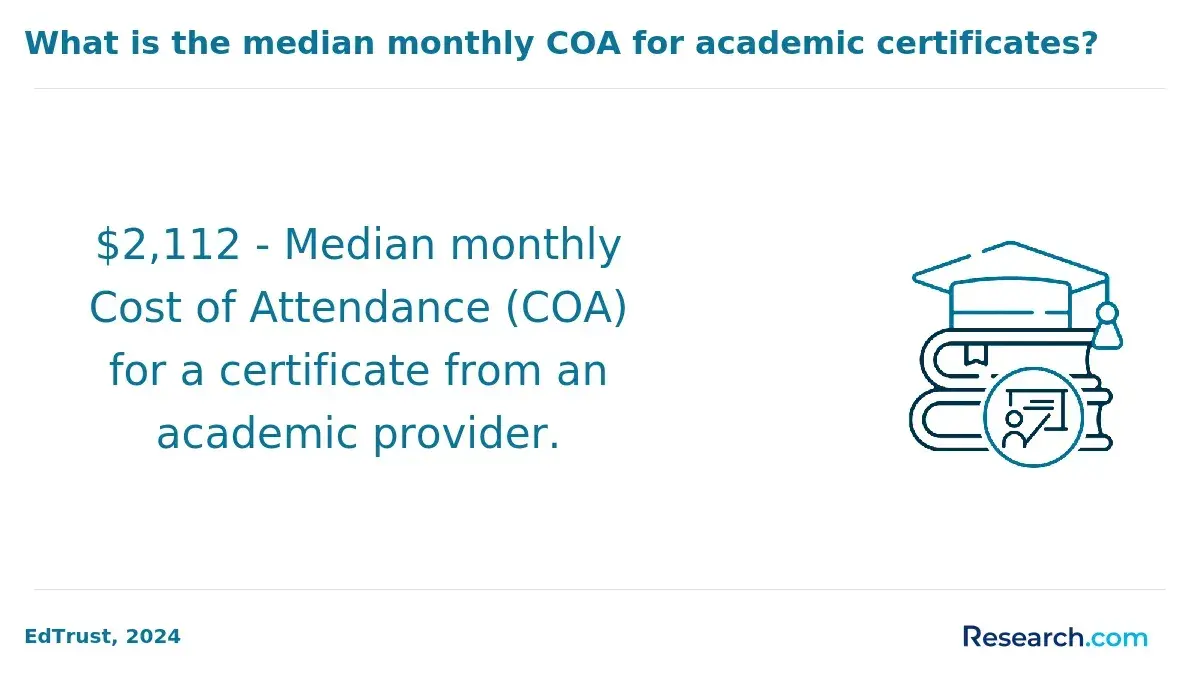
Cost remains a key consideration. Public in-state tuition averages $7,000-$10,000 annually, while private institutions can exceed $20,000 per year. Total expenses range widely from $28,000 to $80,000, influenced by residency, institutional prestige, and credit-hour fees. Additional financial factors include certification exam fees, generally $400-$1,200, and unpaid clinical or internship placements essential for licensure and employment.
Employers prioritize candidates who pair a kinesiology degree with certifications such as Certified Strength and Conditioning Specialist (CSCS) or Certified Personal Trainer (CPT), recognizing the degree's foundational coverage of biomechanics, exercise physiology, and motor control. This blend reduces post-graduation training time and supports career flexibility in clinical and athletic domains.
Projected job growth for fields linked to kinesiology spans 7% to 28% through 2033 for roles like physical therapists, athletic trainers, and exercise physiologists, reflecting sustained market demand.
Candidates must weigh the tradeoffs between accelerated training schedules and the depth of industry-specific experience gained through internships or practical placements. Online programs that integrate credit-bearing internships can lower barriers to gaining relevant hands-on experience while pursuing credentials.
What strength and conditioning jobs can you get with an online kinesiology degree?
Holding an online kinesiology degree alone rarely suffices for securing competitive strength and conditioning roles, particularly in collegiate or professional sports. Employers expect graduates to combine their academic credentials with tangible certifications such as CSCS and documented practical experiences, including on-site internships or athletic training practicum.
For instance, a candidate targeting NCAA Division I strength coach positions must demonstrate more than theoretical knowledge. Hands-on exposure to athlete assessment and conditioning management is critical.
The rapid growth in online kinesiology offerings, expanding to 43 Bachelor of Science programs in North America for 2025 per Educations.com, increases applicant volume but also raises the bar for distinguishing oneself through experiential learning. Candidates neglecting fieldwork risk hitting a ceiling in roles demanding licensure or advanced clinical proficiency.
Graduates branching into rehabilitation or wellness fields also encounter challenges if their education lacks embedded practicum components, limiting collaboration opportunities with physical therapists and constraining post-injury care roles. Realistically, balancing remote study with access to quality internships remains a pivotal factor impacting employability.
Key considerations when evaluating online kinesiology pathways include:
- Availability of integrated hands-on practicums or internships within the program
- Alignment with credentialing requirements and industry certifications beyond the degree
- Employer emphasis on documented applied skills versus purely academic qualifications
Strategic selection of programs that embed practical rotations alongside online coursework is essential for converting education into actionable, competitive job prospects in strength and conditioning sectors.
What certifications (like CSCS or NSCA-CPT) pair best with this degree path?
Securing the Certified Strength and Conditioning Specialist (CSCS) credential significantly impacts a strength and conditioning career for kinesiology graduates targeting high-performance athletic environments. The CSCS mandates a deep mastery of exercise science and program design, often serving as a non-negotiable hiring standard for collegiate or professional sports organizations.
For instance, a kinesiology graduate seeking a role within a university athletic department will likely find that holding the CSCS certification enhances both employability and credibility in a highly competitive field.
In contrast, the NSCA-Certified Personal Trainer (NSCA-CPT) credential prioritizes versatility in client-focused fitness and rehabilitation. This makes it more relevant for graduates aiming to work in commercial gyms or clinical settings where individualized training and injury prevention are key. Employers in private practices or wellness centers frequently require CPT to verify a professional's capability in delivering tailored conditioning programs.
While supplementary certifications such as the Certified Exercise Physiologist (CEP) or Specialist in Performance Nutrition (SSPN) can broaden expertise, they lack the specialized strength and conditioning focus that employers in athletic performance demand. Combining foundational credentials with a bachelor's degree in kinesiology enhances practical skills and market value, but each path involves tradeoffs between specialization and flexibility.
Regarding long-term career earnings, data from EduMed's 2024 salary report shows that kinesiology graduates moving into recreation and fitness postsecondary teaching roles can reach median salaries of $83,980 and top-tier earnings near $199,520. This illustrates that strategic certification choices aligned with intended job sectors affect both job accessibility and income potential.
How can you choose the best online kinesiology school for strength and conditioning?
Choosing an online kinesiology program without evaluating its direct impact on employability can delay career progress, particularly in strength and conditioning. Employers seek graduates with practical, evidence-based training aligned with certifications like the NSCA's CSCS. Programs overly focused on theory without applied labs or virtual simulations fall short in preparing students for real coaching environments. This gap often slows job placement or limits starting salaries.
For example, New Mexico State University data shows that rehabilitation specialists with a bachelor's in kinesiology start near $42,934 annually, but earnings grow significantly with certification and experience. Thus, schools that integrate internship opportunities and solid certification prep create tangible salary advantages.
Network connections also matter. Strong ties to local or national strength and conditioning organizations speed employment and enable valuable mentorship.
Prospective students should scrutinize each program's capacity to deliver experiential learning, especially via hybrid formats or partnerships with physical training centers, as purely online degrees struggle to deliver hands-on skill development essential for strength and conditioning success.
Other Things You Should Know About Kinesiology
While hands-on lab experience is valuable for understanding practical applications in kinesiology, many 2027 programs incorporate virtual simulations and videos to provide a comparable learning environment. Students should seek programs that offer opportunities for in-person experiences whenever possible to bolster their practical skills.
Online programs often provide fewer direct networking connections with faculty, peers, and local professionals, which are vital for job placement in strength and conditioning careers. Students should seek online programs with strong alumni networks, active career services, and opportunities for in-person workshops or conferences. Lacking these resources may slow career advancement and reduce access to mentorship and specialized job leads.
While online kinesiology programs offer schedule flexibility, this often comes with compressed deadlines and higher self-management demands. Working professionals should evaluate whether they can maintain consistent study hours without in-person structure, as course rigor and time investment can equal or exceed on-campus options. Choosing programs with clear pacing and support services can offset workload pressure and reduce dropout risk.
Students without prior sports or fitness experience can still succeed but should prioritize programs that emphasize foundational anatomy, exercise science, and supervised practice components. Candidates lacking a physical activity background may need extended time or supplemental training to meet industry standards and certification prerequisites. Selecting programs with tailored foundational coursework will improve career readiness and competitiveness in strength and conditioning roles.
References
- Online Bachelor’s in Kinesiology and Exercise Science Programs https://teach.com/online-ed/healthcare-degrees/online-bachelors-kinesiology-exercise-science/
- Explore UM | University of Manitoba - Kinesiology (BKin) https://umanitoba.ca/explore/programs-of-study/kinesiology-bkin
- Online Kinesiology Degree Programs: Review Top Schools https://www.edumed.org/online-schools/kinesiology-degrees/
- Bachelor's in Kinesiology Program Online | Montreat College https://www.montreat.edu/online/kinesiology/
- How Long to Get a Kinesiology Degree? | ValidGrad https://validgrad.com/blog/kinesiology-degree-duration/
- Bachelors in Kinesiology Degrees, Online Included, Updated 2026 https://www.kinesiologydegrees.org/programs/degree/bachelors
- NSCA CPT vs CSCS: Best Trainer Certification? https://www.ptpioneer.com/personal-training/certifications/cpt-vs-cscs/
- Quality Standards and Accreditation of Distance Education Programs in a Pandemic - OJDLA https://ojdla.com/articles/quality-standards-and-accreditation-of-distance-education-programs-in-a-pandemic