2027 Best Online Bachelor's in Kinesiology for Graduate Health Pathways

Co-Founder and Chief Data Scientist
Graduates aiming for advanced health professions increasingly confront bottlenecks caused by rigid program schedules and limited on-campus options, especially when balancing work or family duties. The National Center for Education Statistics reports that 40% of online bachelor's enrollees are adult learners seeking flexibility, highlighting a widespread shift toward accessible formats.
This trend signals a growing demand for programs that accommodate nontraditional timelines without sacrificing accreditation or rigor, which directly impacts career mobility in fields like physical therapy or occupational health.
This article identifies the best online bachelor's in kinesiology programs designed to offer adaptive structures and relevant credentials that streamline progression into graduate health pathways.
Key Things You Should Know
- Graduates with online bachelor's in kinesiology face a 15% lower early-career salary versus traditional programs, per U.S. Bureau of Labor Statistics data, necessitating strategic supplemental certifications to remain competitive.
- Employers prioritize clinical internship experiences, often underrepresented in virtual formats, raising the necessity for hybrid or local partnerships to secure practical job readiness within 6 months post-graduation.
- Compared to on-campus degrees, fully online kinesiology paths average 20% lower tuition but 12% longer completion times due to limited cohort sizes and advising bottlenecks, affecting immediate workforce entry.
What is an online bachelor's in kinesiology?
Choosing an online bachelor's in kinesiology degree programs entails weighing the practical realities of science-driven coursework against the necessity for hands-on clinical training. This degree specializes in human movement, physiology, and biomechanics, offering students a focused path distinct from broader biology degrees.
Its curriculum aligns closely with the prerequisites of competitive graduate health programs, privileging courses in anatomy, physiology, and research methods that are vital for pre-medical, physical therapy, and occupational therapy tracks.
For working adults balancing professional duties, the online format provides essential flexibility but demands careful scheduling of in-person labs or clinical rotations, which are non-negotiable for accreditation and skill mastery.
Graduates enter markets such as physical therapy clinics and sports performance organizations where employers expect not only academic proficiency but also practical assessment capabilities. This often requires securing internships or certifications during undergraduate studies to meet professional standards.
Statistically, 62.2% of U.S. medical school matriculants in 2024-2025 came from science or health-related majors like kinesiology, reflecting its viability as a pre-health major. Prospective students should also consider how career opportunities with a kinesiology bachelor's degree intersect with workforce demands for both scientific knowledge and applied skills.
To compare program options, students can explore exercise science degrees that parallel kinesiology in content but may differ in clinical emphasis and career scope.
How do you choose an accredited online kinesiology program?
Choosing among accredited online kinesiology programs in the United States demands scrutiny beyond surface accreditation status; regional or national recognition by agencies acknowledged by the U.S. Department of Education or CHEA directly influences credit transferability and employer respect.
Nearly 60% of MD applicants in 2024-2025 had biological science backgrounds, including kinesiology, reflecting its alignment with medical prerequisites but also revealing the importance of selecting a program offering prerequisite courses in human anatomy, physiology, biochemistry, and research methods to remain competitive for medical or allied health graduate admissions.
Working professionals balancing full-time jobs must prioritize programs that offer asynchronous coursework and transparent policies on clinical placements to avoid logistical conflicts. Prospective students seeking non-clinical pathways like exercise physiology or rehabilitation should evaluate whether the curriculum allows sufficient specialization or applied internship opportunities, which substantially impact readiness and employability after graduation.
Program outcomes, encompassing graduation rates, employment statistics, and graduate school acceptance, serve as practical indicators of a program's value. Tuition affordability, financial aid availability, and transfer credit policies can present real enrollment barriers and affect completion timelines.
Those navigating this terrain can benefit by consulting resources on related interdisciplinary fields. For instance, healthcare administration courses online provide alternative career pivot options complementary to kinesiology knowledge. How to choose the best online kinesiology degree depends on assessing these criteria in context with long-term professional goals and market demands.
Is an online kinesiology degree accepted for graduate health programs?
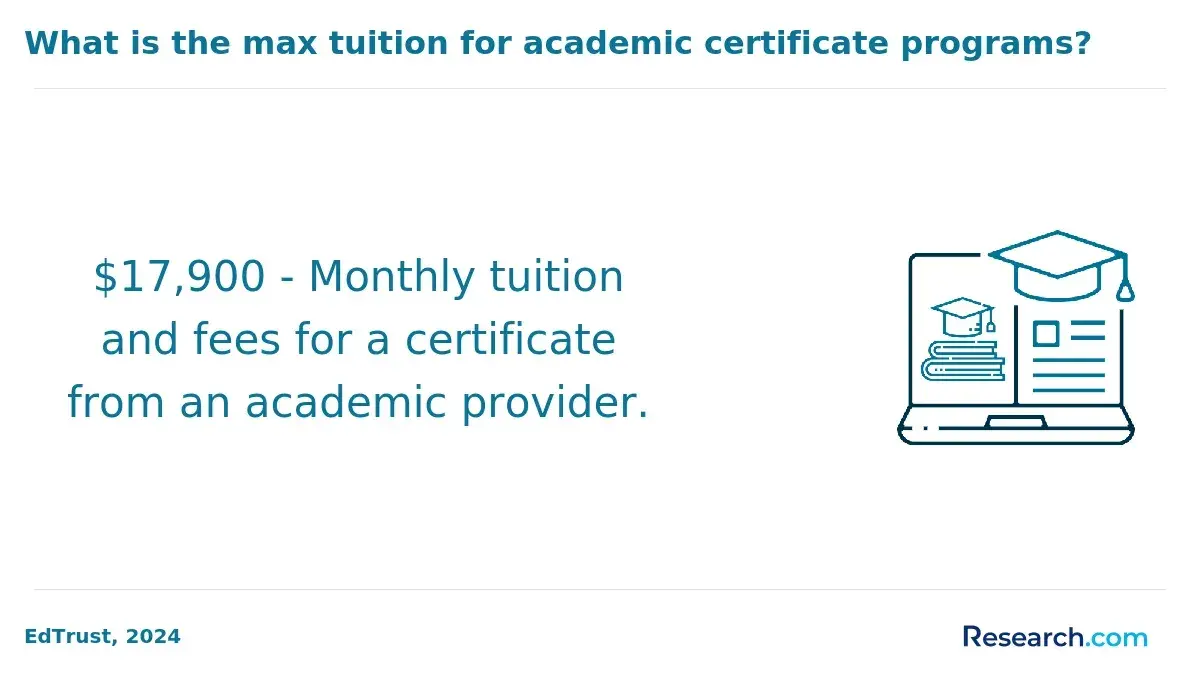
An online kinesiology degree acceptance for graduate health programs depends heavily on the program's alignment with rigorous science prerequisites and clinical requirements. Graduate pathways in physical and occupational therapy typically mandate coursework in anatomy, physiology, biology, and chemistry from a regionally accredited institution.
Online kinesiology programs that lack essential in-person labs or clinical rotations often require students to secure additional on-the-ground experiences, delaying graduate admission and impacting workforce entry timelines.
The U.S. healthcare labor market reflects a 29% projected growth in practicing physical therapists by 2030, intensifying competition for advanced education spots.
This dynamic puts pressure on applicants with online kinesiology degrees to ensure their undergraduate curriculum matches graduate admission standards precisely. Accredited kinesiology programs for health graduate pathways must be evaluated critically for their science content and opportunities to document clinical hours.
Students pursuing these degrees should:
- Verify the online program's regional accreditation status.
- Confirm that prerequisite science and lab coursework meet specific graduate program criteria.
- Plan proactively for in-person clinical or laboratory experiences if not embedded in coursework.
- Clarify how clinical hours are documented and accepted by graduate schools.
- Engage directly with target graduate programs to understand their policies on online degree credentials.
Neglecting these factors risks delayed entry into competitive graduate health professions and may narrow employment prospects. For those needing further graduate education options after kinesiology, exploring online masters healthcare management programs offers an alternative pathway aligned with growing healthcare sector demands.
What courses are in an online kinesiology curriculum?
Online kinesiology degree curriculum prioritizes foundational sciences paired with applied coursework tailored to workforce entry points such as physician assistant studies and sports medicine. Core classes in human anatomy, exercise physiology, biomechanics, motor control, pathophysiology, and research methods equip students with analytical skills essential for interpreting clinical data and making evidence-based decisions employers expect.
Courses included in kinesiology bachelor's program often extend into therapeutic exercise, injury prevention, and sports psychology, directly addressing competencies aligned with a projected 27% employment growth for physician assistants through 2033, adding roughly 39,300 jobs.
Specialized electives like nutrition for human performance and clinical assessment techniques deepen practical readiness for healthcare environments demanding precise patient evaluations.
However, students face logistical challenges navigating lab-intensive classes or internships, which typically require hybrid learning or local partnerships to satisfy hands-on training mandates. These constraints can extend time to completion and complicate planning, making an informed grasp of curriculum structure critical before enrollment.
For those considering an educational pivot, balancing rigorous science with clinical applicability supports transitions into rehabilitation therapy and sports medicine roles. Additionally, exploring pathways such as accelerated BSN programs for non nurses California may offer alternative health sector entry opportunities complementary to kinesiology studies.
What admissions requirements do online kinesiology programs require?
Admission into online kinesiology programs demands more than basic academic credentials; it requires alignment with practical skill sets crucial for healthcare roles. Most institutions expect a high school diploma or equivalent, with GPA thresholds around 2.5 to 3.0 and completion of foundational sciences like biology and anatomy.
These prerequisites ensure candidates can handle intensive coursework that integrates lab experience, a key component for developing applied competencies.
For example, working professionals transitioning from unrelated fields must often secure local lab access or justify prior experiential learning, which can complicate scheduling but is essential for meeting program standards. Some programs substitute standardized test scores with work experience or prior college credit, reflecting a pragmatic approach to admissions that values relevant background over formal testing.
Additional application elements such as personal statements and letters of recommendation help programs evaluate motivation and fit for specialized career tracks, including physical therapy assistance and exercise science. These requirements underline the competitive nature of admissions and the necessity for candidates to demonstrate clear professional intent.
Graduates of Oregon State University's online BS in Kinesiology earn a median salary of $60,964, ranking them in the top quartile nationally among online bachelor's alumni. This outcome illustrates how meeting admission standards and completing rigorous kinesiology curricula can translate into tangible economic advantages in healthcare and wellness labor markets.
How long does an online kinesiology bachelor's take?
Completing an online bachelor's in kinesiology demands a strategic balance between speed and workload, with four years typical for full-time students covering 120 to 130 credit hours. Part-time enrollment, often chosen by working professionals such as physical therapy assistants, can extend program duration to six years, allowing income continuation but delaying degree completion and career progression.
This extension has significant practical consequences: prolonged tuition payments, averaging $11,009 at public institutions with total costs near $17,164 including fees and materials, accumulate, while opportunities for earnings growth are postponed.
Accelerated paths require year-round study but risk burnout, especially when combined with the mandatory internships or practicum hours rooted in kinesiology's hands-on demands. These clinical requirements frequently necessitate physical proximity to approved sites, limiting fully remote study options and complicating scheduling for rural learners.
Employers in health-related fields often interpret standard four-year completion as indicative of discipline and preparedness, which can influence hiring and graduate program acceptance decisions. Without careful planning of course loads, financial aid eligibility, and experiential components, students risk extending timelines and costs, undermining the practical value of the degree.
How much does an online kinesiology degree cost?
The financial and operational demands of an online kinesiology degree extend well beyond tuition, shaping candidate viability in health-related employment and competitive graduate pathways. Tuition alone ranges from $15,000 to $45,000, influenced by factors such as institutional type and residency status. Community college articulation agreements offer a strategic route to reduce upfront costs but involve longer timelines and coordinated credit transfers.
Working professionals must anticipate a 10-20% premium in online tuition compared to on-campus rates at certain schools, coupled with the need to secure local clinical placements. These placements are not merely formalities; accumulation of 2,000-2,500 direct patient-care hours is a documented threshold for successful advancement to demanding fields like the Physician Assistant route.
Gaining such experience often requires unpaid work and travel, adding indirect costs and logistical challenges.
Additional fees for certifications, prerequisite courses, and program-specific charges must be budgeted carefully, especially for career tracks such as physical therapy that substantially increase clinical hour requirements. Online programs integrating practicum options can streamline these costs but are less common.
Balancing part-time work in healthcare settings offers a partial financial offset, yet it demands rigorous schedule management to satisfy both clinical hour mandates and coursework. Prospective students should critically evaluate the tradeoff between immediate tuition savings and the extended investments needed to meet graduate program prerequisites and employer expectations.
Which careers can you pursue with a kinesiology degree?
Pursuing a kinesiology degree primarily benefits those targeting graduate programs in physical therapy, occupational therapy, or related health fields by aligning with essential prerequisites such as biology, chemistry, and human anatomy. However, the need to meet specific program requirements can create logistical challenges.
For example, a student aiming for physical therapy must ensure sufficient chemistry coursework within the kinesiology curriculum to prevent costly additional classes later.
Employment outcomes typically include roles in rehabilitation centers, clinical exercise environments, and wellness programs, where deep knowledge of biomechanics and body systems is non-negotiable. Yet, these positions often demand practical experience, which many kinesiology programs insufficiently provide through clinical hours, forcing candidates to seek external internships to remain competitive.
The degree can also serve in government health agencies or corporate wellness sectors, particularly in program design that targets injury prevention and ergonomic assessment. Hiring managers emphasize a robust science foundation combined with practical, hands-on skills.
Students are therefore advised to choose kinesiology tracks integrating laboratory components and interdisciplinary health sciences to avoid delayed entry into graduate education or professional stagnation.
What salary can kinesiology graduates expect?
Starting salaries for kinesiology graduates vary significantly depending on sector and credentials, typically ranging from $45,000 to $60,000 in entry-level healthcare or fitness roles. Positions such as exercise physiologists or wellness coordinators fall toward the lower salary spectrum, whereas physical therapy assistants and occupational therapy aides often earn more initially.
The healthcare job market is expanding at an estimated 13% over the next decade, creating roughly 2 million additional positions. This growth benefits kinesiology graduates pursuing physically oriented healthcare roles, like physical therapists or physician assistants, which require advanced certification and offer median salaries of $75,000 to $100,000 or higher.
Without graduate degrees or specialized credentials, candidates will confront increased competition and slower wage growth. Fitness-focused careers such as personal training or corporate wellness tend to average between $40,000 and $50,000 annually, illustrating the distinct economic divide between healthcare and fitness pathways.
Choosing a kinesiology career necessitates careful consideration of certification expenses, clinical internships, and ongoing education, all of which can delay reaching peak income but are essential for higher-paying roles. Geographic factors also play a key role, as urban centers with large hospital systems provide more opportunities at elevated salary levels than rural locales.
Long-term financial stability generally depends on pursuing graduate-level health-related education after a bachelor's degree, substantially increasing employment options and earning potential within the kinesiology field.
What certifications or licenses may follow a kinesiology degree?
Securing relevant certifications after a kinesiology degree is a defining factor for employability and professional credibility across diverse health- and fitness-related roles. For example, an individual targeting athletic training must obtain the Certified Strength and Conditioning Specialist (CSCS) credential from the National Strength and Conditioning Association to meet employer standards.
In contrast, clinical rehabilitation pathways demand state licensure as a Physical Therapy Assistant (PTA) or Occupational Therapy Assistant (OTA), requiring completion of accredited programs and passing licensure exams-regulatory barriers that extend training beyond the bachelor's degree.
Nutrition-focused careers, meanwhile, depend on advanced certifications like Certified Nutrition Specialist (CNS) or Registered Dietitian Nutritionist (RDN), which involve graduate coursework and supervised practice. Exercise physiology practitioners benefit from credentials such as the American College of Sports Medicine's Certified Clinical Exercise Physiologist, which validate advanced expertise relevant to chronic disease management.
These certifications typically require substantial additional time and financial investment. For instance, aspiring licensed physical therapists must pursue a Doctor of Physical Therapy (DPT) program and pass the National Physical Therapy Exam, adding roughly three years post-bachelor's along with significant tuition. This creates a tradeoff between delayed workforce entry and access to regulated, better-remunerated roles.
Employers consistently expect certification as proof of legal compliance and practical competence, especially in clinical and specialized fitness settings. Graduates who strategically align their certification plans with targeted roles enhance their long-term earnings potential, as data from Georgetown University's Center on Education and the Workforce confirms a considerable lifetime earnings premium for health-related bachelor's degrees enhanced by relevant credentials.
Other Things You Should Know About Kinesiology
Online kinesiology programs often reduce or replace hands-on lab components with virtual simulations or alternative assignments. This can limit practical skills development critical for competitive graduate health programs that expect clinical or direct kinesiology experience. Students targeting advanced degrees in physical therapy or occupational therapy should prioritize programs offering hybrid models or verified in-person practicum options to meet clinical prerequisites and strengthen their applications.
Online kinesiology programs demand disciplined time management due to complex subjects requiring application-based projects and extensive study. Many students underestimate the workload, especially when courses include anatomy, physiology, and biomechanics, which require consistent engagement and detail retention. Working professionals should select programs with flexible pacing and asynchronous content but remain aware that accelerated tracks can reduce deep learning and increase stress.
Employers focusing on practical skills and certification often scrutinize the program's accreditation and involvement in hands-on training over delivery mode. Graduates from online kinesiology programs lacking clinical experience face disadvantages in hiring pools, especially for therapy or rehabilitation roles. Candidates should highlight any internship, lab exposure, or practical credentials earned alongside their degree to offset skepticism and prove readiness.
Online kinesiology programs offer flexibility and access to diverse digital resources, benefiting students focused on research or academia. Through virtual collaborations and online publications, they can develop critical skills required for academic roles, while traditional programs might offer more hands-on lab experiences.
References
- American Kinesiology Association | Careers in Kinesiology https://americankinesiology.org/careers-in-kinesiology/
- 2026 Best Online Kinesiology Degrees https://www.onlineu.com/degrees/kinesiology
- Online Bachelor of Science in Kinesiology https://calbaptist.edu/academics/programs/online-bachelor-of-science-kinesiology/
- Best Online Kinesiology Degree Programs, Updated for 2026 https://www.kinesiologydegrees.org/programs/online
- Kinesiology Online Master's: See & Compare Top Programs https://www.edumed.org/online-schools/kinesiology-degrees/masters/
- What Can You Do With a Kinesiology Major? | USAHS https://www.usa.edu/blog/what-can-you-do-with-a-kinesiology-major/
- Bachelor's in Kinesiology Program Online | Montreat College https://www.montreat.edu/online/kinesiology/
- Top 15 Low-Cost Online Bachelor's in Kinesiology 2020 https://www.greatvaluecolleges.net/rankings/online-bachelors-kinesiology/
- Online Kinesiology Course | Accredited Diploma Course https://naturalhealthcourses.com/courses/kinesiology/