2026 Online Human Resource Management Degrees With Strong Workforce Planning Training

Co-Founder and Chief Data Scientist
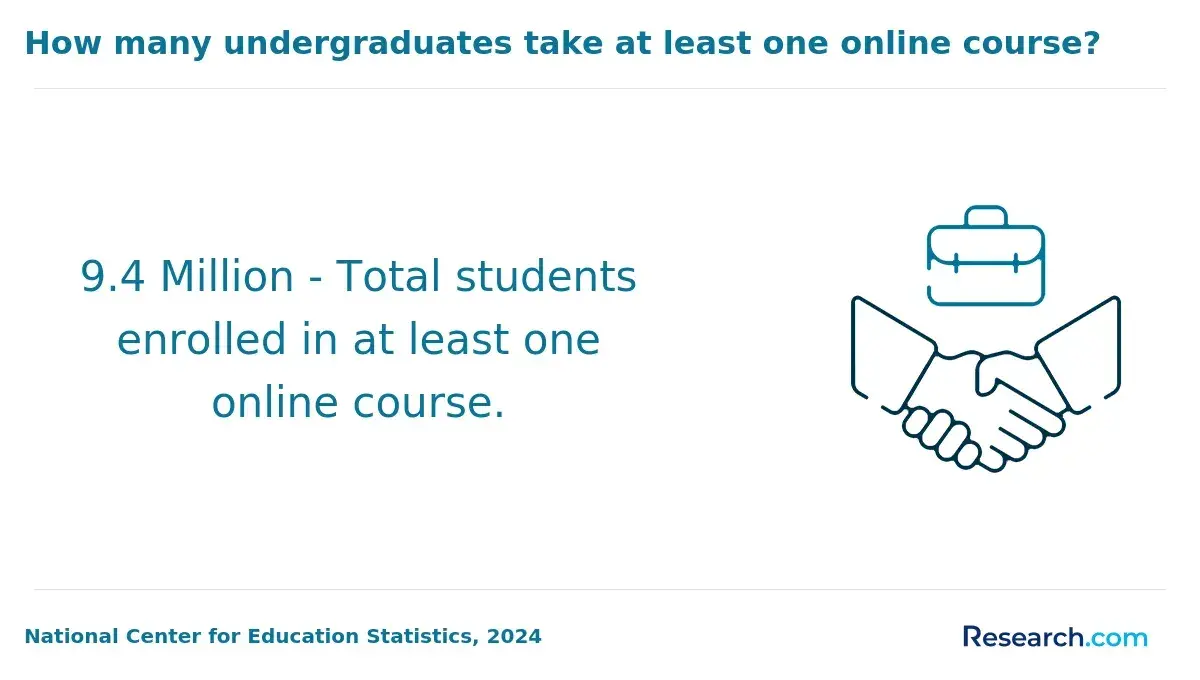
Organizations increasingly demand HR professionals proficient in workforce planning to optimize talent pipelines amid tightening labor markets. Yet, traditional degree paths often fail working adults facing scheduling conflicts or geographic constraints. A 2024 report from the National Center for Education Statistics notes a 15% surge in online enrollment among adult learners, signaling strong demand for flexible, career-aligned programs.
This shift reflects a recognition that timing and accessibility directly impact career advancement opportunities in human resource management. This article evaluates online human resource management degrees emphasizing workforce planning training, helping prospective students identify programs that balance practical skill development with adaptable formats suited for strategic career growth.
Key Things You Should Know
- Only 40% of 2024 online human resource management degree programs integrate advanced workforce planning modules, delaying strategic skill acquisition critical for roles targeting organizational agility, as reported by the National Center for Education Statistics.
- Employers in Fortune 500 firms cite a 27% gap in graduates' practical workforce analytics skills, making degree holders with embedded planning training 34% more likely to pass multi-stage hiring assessments, per SHRM's 2024 workforce survey.
- Programs with comprehensive workforce planning training average 12% higher tuition and require 18 additional weeks to complete, influencing cost-sensitive career changers to weigh accelerated but less specialized alternatives from the 2024 Credential Engine dataset.
What is an online human resource management degree with a focus on workforce planning?
Workforce planning within online human resource management degree programs trains professionals to apply predictive analytics and strategic staffing models that directly address organizational labor challenges. Graduates equipped with this expertise are critical in sectors facing volatile demand, such as manufacturing firms managing seasonal production cycles or healthcare systems adjusting to shifting patient volumes.
The ability to forecast labor needs and align staffing with business objectives reduces turnover costs and enhances operational efficiency.
Employers expect candidates from programs emphasizing workforce planning training in online human resource management degrees to translate complex workforce data into actionable strategies. These graduates often handle the integration of automated HR technologies and supervise remote or distributed teams while ensuring compliance and cost containment, reflecting the growing complexity of HR roles.
Such degrees typically blend foundational human resource management theories with coursework in data analytics, labor economics, and organizational behavior. Their flexible online format accommodates working professionals aiming to shorten time-to-skill acquisition, which is vital for those considering a strategic career pivot or advancement.
Employment for human resources managers is forecast to grow 6% between 2022 and 2032, outpacing average occupational growth, with a median annual wage of $130,000. Prospective students evaluating the practical value of workforce planning skills may also consider related educational pathways and can reference the online MBA programs comparison for a broader context on management education options.
How do online HR management programs compare with campus programs for workforce planning skills?
Online human resource management degrees with workforce planning emphasis provide theoretical knowledge and AI-driven tools but fall short in real-time collaboration and immersive practice compared to campus programs. Campus versus online HR management programs for workforce planning skills show that campus formats better facilitate hands-on scenario drills and peer negotiation exercises vital for rapid decision-making under pressure.
For example, a healthcare HR manager managing fluctuating patient demands benefits from campus-trained graduates' exposure to direct simulations, enhancing adaptive workforce allocation strategies.
The 2024 Deloitte Human Capital Trends report reveals a significant gap: 77% of HR leaders prioritize advanced workforce planning, yet only 21% feel fully prepared to implement these strategies. This disparity underscores the practical readiness traditionally better cultivated in campus cohorts through immediate feedback and interactive learning.
Online programs offer unmatched flexibility and access to advanced analytics platforms, but they require students to actively pursue virtual networking and practicum experiences to compensate for limited in-person engagement. Employers place growing value on candidates' real-world project experience regardless of delivery mode, emphasizing internships or consulting roles as essential supplements.
Those exploring human resource management pathways should weigh the hands-on intensity and peer dynamics campus programs afford against the flexibility and accessibility of online options, especially when workforce planning skills are central to career goals. For working professionals considering related fields, resources like construction management degrees online illustrate how accelerated online pathways can balance practical demands and flexibility, a parallel worth noting for HR students navigating mode tradeoffs.
Which accreditations and quality standards should online HR degrees meet in the U.S.?
Regional accreditation recognized by the U.S. Department of Education remains the baseline for online human resource management degree accreditation in the U.S., but its sufficiency depends heavily on additional validations. Degrees lacking specialized accreditation from bodies like the Society for Human Resource Management (SHRM) or the Accreditation Council for Business Schools and Programs (ACBSP) risk limited employer recognition and reduced eligibility for key certifications such as SHRM-CP or PHR, which are often prerequisites for higher-paying HR roles.
Graduates from SHRM-aligned programs acquire practical skills aligned with workforce planning, labor relations, and talent acquisition demands-areas where hands-on training directly influences job readiness. For example, HR specialists operating in manufacturing versus technology sectors face different workforce challenges, and programs missing robust, competency-driven curricula may underprepare candidates for these nuances.
The 8% projected job growth for HR specialists from 2022 to 2032 contrasts with the heightened demand for certified professionals qualified to lead strategic staffing and retention initiatives. Employers nationwide prefer candidates from programs meeting these quality standards for U.S. human resource management programs, reflecting both workforce expectations and economic complexities tied to talent shortages.
Prospective students should weigh these factors alongside alternative education pathways, such as related fields-for instance, the sport management degree online might serve distinct career goals but is not a substitute for human resource management competencies in demand.
What core courses and competencies in workforce planning do these HR programs usually include?
Effective workforce planning courses in human resource management degrees concentrate on cultivating analytical expertise tied directly to organizational agility and talent alignment. These courses integrate workforce analytics, demand forecasting, and talent acquisition strategy, focusing on data-driven approaches that balance market realities with internal workforce capabilities.
Students engage with core competencies for workforce planning in hr degrees, including interpreting labor market shifts, identifying skill shortages, and succession planning to forge adaptable staffing models.
Practical application is key: programs require proficiency with HR information systems and enterprise resource planning tools, reflecting employer demands for operational fluency. For example, in manufacturing, precise forecasting can minimize expenses tied to seasonal overstaffing, while in healthcare, it maintains critical coverage amid patient volume changes.
Programs also address legal and ethical constraints that vary by sector, important for compliance in regulated industries like finance and government.
Students learn to navigate real-world tradeoffs, such as reconciling quantitative models with factors like employee morale or organizational culture, which often challenge rigid forecasts. Coursework includes change management and communication strategies to effectively present workforce data to leadership.
The 2024 LinkedIn Workplace Learning report confirms that professionals proficient in people analytics and workforce planning hold a 19% higher promotion likelihood within two years.
Those investigating accelerated pathways will find value in evaluating fastest business degree online options, balancing time investment against skill acquisition intensity.
What admission requirements and prior experience do online HR management programs typically expect?
Admission to online human resource management programs typically demands a bachelor's degree with at least a 3.0 GPA and one to three years of relevant professional experience, reflecting employers' preference for candidates with practical workforce exposure. By 2025, over 70% of SHRM-aligned programs emphasize HR analytics or workforce planning, a significant increase from under 40% in 2018, revealing a strong market pivot toward data-driven HR strategies.
Candidates with quantitative experience in fields like finance or statistics encounter fewer obstacles entering advanced workforce planning courses. Conversely, those without this background often must complete preparatory coursework or prove proficiency in data analysis tools, which can extend completion timelines and increase costs.
Standardized tests such as the GRE remain common requirements but are frequently waived for applicants with substantial work experience or prior graduate studies. Applicants typically need to submit resumes, recommendation letters from HR supervisors, and personal statements that demonstrate readiness for curriculum focused on predictive analytics and strategic resource allocation.
For professionals transitioning from non-HR roles, bridging certificates addressing fundamental HR laws, ethics, and employee relations can be mandatory prerequisites. Skipping these foundational requirements risks delayed access to advanced modules, which may affect career pivot timing and financial planning.
- Minimum bachelor's degree with a 3.0 GPA
- One to three years of HR or related experience
- GRE scores, often waivable
- Resume, recommendation letters, and personal statement
- Bridging coursework for non-HR backgrounds
How long do online HR management degrees take, and what do they usually cost?
Tuition and pacing in online human resource management graduate programs directly impact both the total cost and time to degree completion, shaping their suitability for working professionals. For instance, Southern New Hampshire University's 36-credit online MS in Human Resource Management costs $659 per credit, totaling $23,724. Comparatively, William Paterson University's 30-credit online MBA in HRM charges $17,910, a near 25% tuition gap for similar graduate-level offerings.
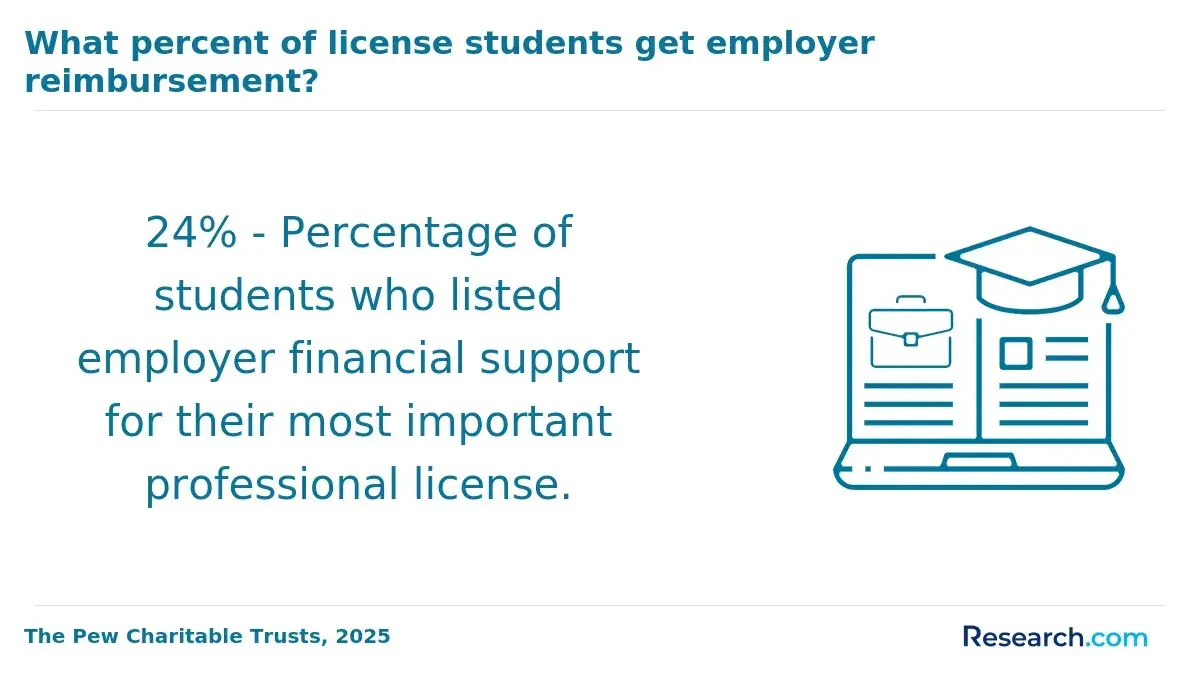
This disparity matters when employers impose annual tuition reimbursement limits or when students must balance full-time jobs with study.
Program duration varies significantly depending on credit load and pacing:
- A 12-credit-per-year pace stretches the program to three years.
- Accelerated options condense this to around two years but require greater short-term effort.
Longer timeframes may increase indirect costs or risk skills becoming outdated, especially if the curriculum emphasizes workforce planning and practical skills that employers value. Cutting credits lightly without understanding these nuances may delay advancement and reduce return on investment.
Effective planning requires balancing upfront tuition cost against these time and workforce relevance factors to make a financially and professionally sound choice.
What career paths can graduates pursue in HR and workforce planning roles?
Online human resource management degrees with a workforce planning focus position graduates for roles where analytical rigor meets strategic execution. Employers increasingly prioritize candidates who merge traditional HR functions with data-driven decision-making to optimize staffing and control labor costs. For instance, a workforce analyst in healthcare may implement predictive models that mitigate nurse shortages while ensuring compliance, directly impacting patient outcomes and operational budgets.
In manufacturing environments, workforce planners must align labor forecasts with variable demand cycles to prevent the dual risks of understaffing and excessive overtime. Mastery of quantitative labor market analytics is essential as organizations seek measurable effects on productivity and agility. Similarly, compensation and benefits managers apply these competencies to build pay frameworks that reduce turnover amid tight labor markets and skill shortages.
Employment outcomes hinge on proven, quantifiable impacts rather than degree modality alone. According to a 2024 Coursera-Ipsos survey, 56% of U.S. employers view online degrees as equivalent or superior to traditional ones, and 68% have hired candidates with fully online credentials within the last year. Yet, this acceptance requires candidates to demonstrate workforce planning skills that navigate evolving labor conditions and regulatory landscapes, delivering strategic alignment of human capital within financial limits.
What salary ranges and earning potential exist for HR professionals in workforce planning?
Earnings for workforce planning specialists in human resource management reveal stark divides tied directly to technical skills and sector focus. Base salaries range from $65,000 to $110,000, but roles demanding advanced data analytics-especially with AI integration-frequently surpass $130,000, notably in healthcare and technology.
Hiring patterns demonstrate a clear bifurcation:
- Professionals without analytics proficiency often remain capped at $65,000 to $75,000.
- Those fluent in AI-driven workforce tools commonly secure salaries above $100,000.
For instance, a workforce planner in retail, concentrating on seasonal staffing efficiency, may earn around $70,000. Conversely, a workforce analyst in technology applying AI to refine talent pipelines can command upwards of $120,000.
Transitioning toward these higher-paying roles usually requires targeted credentials that validate analytical competency in workforce data. Employers weigh certifications heavily because improved forecasting accuracy directly links to organizational efficiency and talent retention.
Beyond salary, candidates must navigate tradeoffs between domain expertise and technical fluency: mid-career professionals with limited AI skills often face stagnation, whereas those investing in analytics gain access to more strategic positions. Aligning educational investments with evolving employer expectations is essential for anyone aiming to capitalize on workforce planning's shifting landscape.
Which HR certifications support careers in workforce planning, and how do degrees align?
Workforce planning demands a specific analytical skill set that not all HR credentials deliver equally. Certifications such as Certified Workforce Planning Professional (CWPP) are directly engineered to tackle labor forecasting, strategic staffing models, and hybrid workforce management. In contrast, SHRM's Certified Professional (SHRM-CP) and Senior Certified Professional (SHRM-SCP) provide broader human resource management competencies but cover critical aspects like talent acquisition and organizational development that underpin effective workforce strategies in fluid environments.
Bachelor's or master's degrees with embedded workforce analytics, labor economics, and HR technology content align most closely with these certification goals. For instance, degrees incorporating capstone projects based on actual organizational data prepare students for real-world workforce modeling challenges. This is essential as more than 80% of remote-capable U.S. workers operate in hybrid or fully remote settings, requiring planners to integrate flexible modalities into staffing frameworks.
Professionals lacking direct workforce planning credentials but holding analytically rigorous human resource management degrees must supplement with employer-based training in forecasting and remote work trends, or risk limited upward mobility. Degrees without applied workforce planning emphasis rarely meet employer expectations for predictive modeling skills necessary in industries like healthcare, where local labor shortages and shift patterns matter, or tech, which prioritizes global remote skill gap analyses.
Choosing applied workforce analytics degrees coupled with targeted certifications tailored to industry-specific needs offers a pragmatic route. This dual focus better positions candidates for real operational roles than generic credentials alone.
How can students evaluate and choose a reputable online HR program for workforce planning?
Workforce planning and analytics integration rank highest among employer priorities when evaluating HR graduate programs, with 61% of HR leaders emphasizing its inclusion over factors like course length or elective options. This informs prospective students that depth in predictive modeling, scenario planning, and advanced analytics tools is critical for real-world relevance.
Accreditation remains a baseline quality indicator but lacks granularity regarding practical skills. Graduates must demonstrate competencies in labor forecasting, compliance algorithms, and talent retention metrics tailored to their sectors-for example, healthcare HR professionals require staffing algorithm expertise, while technology HR specialists need proficiency in pipeline analytics.
Program format and faculty expertise influence learning outcomes: asynchronous options aid working professionals but often limit exposure to complex case discussions essential for mastering workforce optimization. Faculty with active research and industry experience in workforce analytics ensure curricula reflect current methodologies rather than outdated theory.
Career services that connect students with employers valuing analytics-driven HR roles significantly impact employability. Evaluating graduate employment with documented workforce planning responsibilities offers tangible evidence of program impact. Aligning program selection with employer-verified workforce analytics capabilities remains essential for making a strategic educational investment.
Other Things You Should Know About Human Resource Management
While many programs welcome students without HR backgrounds, candidates without prior experience face a steep learning curve, especially in workforce planning which involves strategic analysis and data interpretation. To succeed, newcomers should prioritize programs that integrate foundational HR concepts with hands-on projects and simulations, allowing them to build practical skills gradually. Employers expect graduates to contribute effectively from day one, so selecting a program with strong mentorship or internship opportunities improves readiness significantly.
Many 2026 online HRM degrees require a 100- to 150-hour practicum or internship, usually completed at an approved employer site or through a supervised virtual placement. Programs often set a minimum 2.5 GPA and require background checks before placement.
Employers increasingly require formal education for workforce planning roles alongside certifications and experience, valuing degree programs for their comprehensive curriculum and evidence of commitment. However, in highly competitive markets, degrees alone may not suffice without practical experience or recognized certifications. For career advancement, candidates should integrate an online HR degree with targeted internships or projects and pursue complementary certifications to meet employer expectations fully.
References
- Can I Get a Bachelor’s Degree in Human Resource Management Online? | CSU Global https://csuglobal.edu/blog/can-i-get-bachelors-degree-human-resource-management-online
- Top HR Specializations in 2026 and Their Salaries https://nextinhr.com/blogs/top-hr-specializations
- The Definitive Guide to HR Career Growth | BambooHR https://www.bamboohr.com/resources/guides/definitive-guide-hr-careers
- Strategic Workforce Planning Training courses | myHRfuture https://www.myhrfuture.com/online-workforce-planning-training
- HR Courses Online: Master HR Skills & Get Certified 2025 https://www.bmc.net/blog/general-blog-posts/hr-courses-online
- Strategic Workforce Planning: Navigating the Future of HR https://www.shrm.org/labs/resources/strategic-workforce-planning-navigating-the-future-of-hr
- HR Certifications That Employers Prefer in 2025 https://hrcertification.com/blog/hr-certifications-employers-prefer-2025-biid1000210
- The Importance of Workforce Planning in HR | Humaans https://humaans.io/blog/the-importance-of-workforce-planning-in-human-resources
- Unlocking Career Opportunities: How a Degree in Human Resources Can Propel Your Professional Journey https://www.euroeducation.net/articles/unlocking-career-opportunities-how-a-degree-in-human-resources-can-propel-your-professional-journey.htm