2026 Human Resource Management Specializations for People Operations Careers

Co-Founder and Chief Data Scientist
Mid-career professionals seeking to pivot into people operations face a fragmented education landscape. The National Center for Education Statistics reports that over 40% of graduate students in workforce-related fields now prioritize programs offering flexible, fully online options, signaling a shift toward accessibility.
This trend reflects a broader demand for practical credentials aligned with evolving organizational needs such as DE&I, HR analytics, and talent development. This article analyzes core specializations within human resource management that align with current labor market realities and provides guidance to optimize educational investments for tangible career advancement.
Selecting relevant specializations in human resource management directly impacts employability and career trajectory.
Key Things You Should Know
- Specializing in HR analytics demands advanced quantitative skills, but given a 27% projected surge in data-driven roles by the Bureau of Labor Statistics through 2030, this tradeoff yields higher strategic influence and salary premiums.
- Employers increasingly prioritize talent acquisition specializations with demonstrated DEI outcomes, as 68% of large firms now embed these metrics into executive performance reviews, elevating recruiter roles' organizational impact.
- Graduate certification programs in employee experience cost 30-50% more and require 12-18 months longer completion than core HRM degrees, limiting accessibility but offering faster access to emergent digital workplace competencies.
What are the most in-demand human resource management specializations for people operations careers?
Specializing within human resource management in people operations demands a strategic choice balancing immediate employability against long-term influence. Talent development is vital for entry-level roles due to its broad applicability across industries such as technology and manufacturing. This specialization addresses a glaring workforce challenge: overburdened managers and insufficient leadership programs, as reflected in Gartner's 2025 global HR trends survey.
In contrast, employee experience design requires more organizational maturity, focusing on synthesizing engagement data to align HR functions with strategic goals. This is especially relevant for hybrid and remote workforce models, enhancing productivity through tailored culture assessments.
Leadership coaching is gaining traction in sectors with high turnover like retail and hospitality, where tailored psychological and business insights help retain management talent. Meanwhile, HR analytics specialists are in demand within large enterprises that require data-driven decision-making tools for recruitment, diversity, and resource allocation. Mastery of data visualization and statistical programming is essential here.
The top human resource management careers in people operations consequently vary in required expertise and impact scope. Candidates pursuing these paths should consider how specialization aligns with organizational needs and their own career phase. For those evaluating educational routes, an accredited online master's degree in human resource management can provide targeted preparation suited to these demands.
How do human resource management and people operations roles differ and overlap in practice?
The overlap between human resource management and people operations roles centers on talent acquisition and employee relations, but their strategic priorities diverge significantly.
Where HRM traditionally focuses on compliance, policy enforcement, and administrative duties like payroll and labor law adherence, people operations integrates HR with broader business strategy, emphasizing employee experience, culture, and data-driven workforce planning. For instance, in a manufacturing context, HRM handles OSHA compliance and union negotiations, while people operations leverages predictive analytics to boost worker engagement and personalize career pathways.
Organizations evaluating this overlap between human resource management and people operations must consider how each role aligns with their operational model. Those in regulated industries such as healthcare often rely on HRM professionals to uphold legal protections and standardized processes. In contrast, tech and service sectors typically deploy people operations specialists to use data insights to reduce turnover and enhance workforce productivity.
The increasing integration of AI in both domains reshapes key functions like talent screening and performance management. According to Gartner data in PeoplePilot's 2026 HR trends report, over 70% of large enterprises adopted AI for at least one HR function by 2025, underscoring the need for cross-functional skills blending traditional HR knowledge with operational analytics and AI literacy.
Prospective students considering a shift into this space must evaluate their interest in administrative rigor versus strategic influence and may find value in programs that develop both foundational and analytical competencies. Those aiming to pivot careers practically could benefit from exploring an accelerated construction management degree as a comparative option offering insight into applied project and workforce management principles relevant in complex environments.
Which degrees best prepare you for human resource management and people operations specializations?
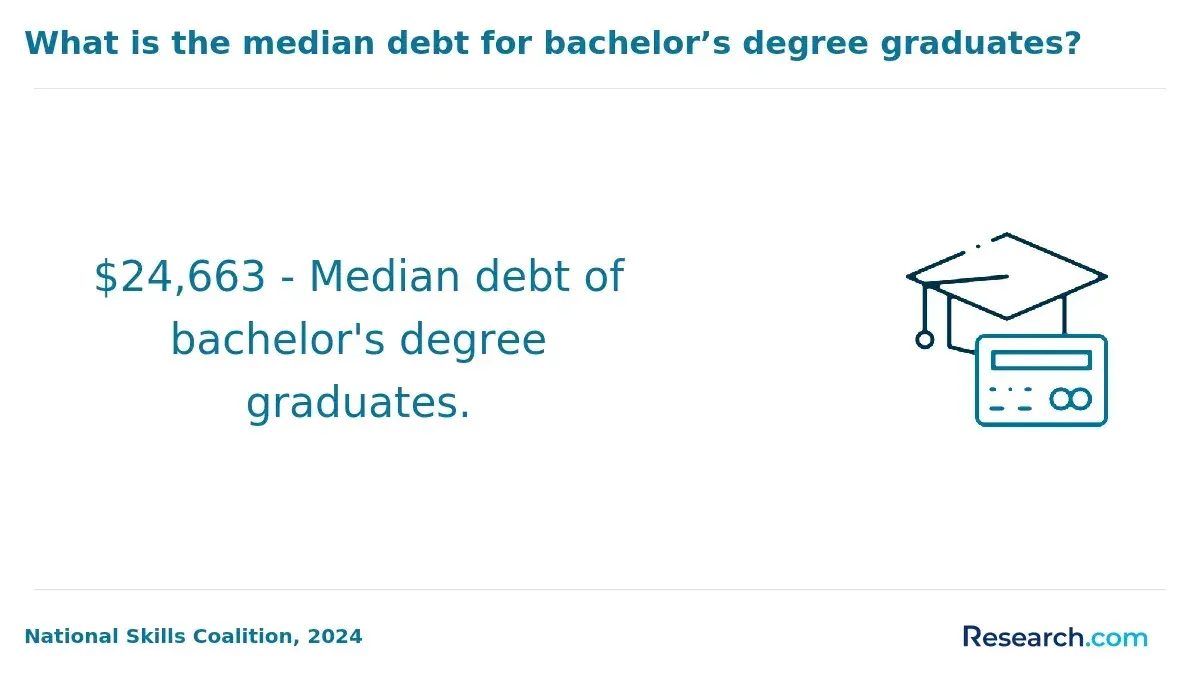
Employers prioritizing skills rather than formal credentials reshape the utility of human resource management degrees for people operations careers. Traditional bachelor's programs in business administration, human resource management, or industrial-organizational psychology still deliver foundational knowledge in labor law, organizational behavior, and talent acquisition.
However, graduates benefit most from avenues combining theory with direct experience such as internships or cooperative education, aligning with demand for practical competencies.
For example, a candidate with a business administration degree emphasizing talent analytics is distinctly better positioned for data-focused people operations roles in technology sectors than peers holding general management degrees without quantitative training. This reflects a broader shift captured in best academic programs for people operations and human resource management, where integrated experiential learning is decisive for employability.
Master's programs target mid-level professionals by deepening strategic workforce planning and diversity leadership skills. They require prior work experience and thus suit those aiming beyond entry-level roles. Conversely, focused certifications in HR technology or labor compliance supplement degrees well in sectors like healthcare and finance, though these may limit upward mobility without a comprehensive credential.
Students weighing educational paths must consider the tradeoffs between timeline, cost, and long-term flexibility. Some may find accelerated, skill-based nano-credentials advantageous for rapid entry, while others need the broader credibility of degrees. Regional labor market demands strongly influence this balance, making it essential to choose programs that incorporate current industry skill needs.
For those evaluating cost-efficient options aligned with real-world outcomes, exploring the cheapest online construction management degree offerings can provide a comparative model of balancing affordability and practical application in specialized fields.
What are common HR and people operations specializations you can pursue during a bachelor's program?
Bachelor's programs in human resource management that focus on specializations in people operations must be assessed for their practical alignment with employer expectations and evolving regulations. For example, compensation and benefits experts need a thorough grasp of expanding pay transparency laws affecting over 25 U.S. states and multiple European regions, a legal landscape that directly influences program relevance and graduate readiness.
Talent acquisition specialization emphasizes data-driven recruitment, essential for addressing tight labor markets and reducing expensive hiring gaps in sector-specific roles.
Key human resource management career paths in people operations also include employee relations, where conflict resolution and labor law compliance are critical, particularly in unionized environments or sectors with high turnover. Diversity and inclusion concentrations respond to demands from socially-conscious industries like tech and finance, while HR analytics cultivates analytical skills crucial for decisions on retention and productivity amid growing digital HR platform adoption.
Students must critically evaluate program content, as many curricula insufficiently cover emerging compliance challenges like pay transparency, which can limit employability in compensation roles within regulated markets. Selecting programs that integrate legal knowledge, data expertise, and interpersonal skills offers a strategic advantage in navigating evolving workforce complexities.
For those comparing options beyond HR, considering related fields can be valuable, such as exploring health information management online programs, which similarly blend regulatory, data, and operational training applicable in people-centric industries.
How do master's and MBA programs let you specialize in people-focused HR leadership?
Specialized master's and MBA programs in human resource management calibrate leadership skills to meet evolving organizational needs through a fusion of analytics, strategic workforce planning, and change management. Their value rests in translating complex labor market trends into operational agility, not just HR theory.
For example, healthcare HR leaders integrate predictive analytics with compliance and diversity modules to address acute talent shortages efficiently, highlighting how sector-specific training impacts real resource allocation.
Employers increasingly expect graduates to combine digital fluency with interpersonal influence, favoring those who have engaged in case-based learning or applied projects over purely theoretical studies. This practical grounding better equips professionals to navigate accelerated skill half-lives-currently estimated at 4-5 years-and shifting workforce demographics.
Core specialization areas typically include:
- Organizational development emphasizing cultural transformation and employee engagement metrics
- HR technology leveraging AI for recruitment and retention
- Strategic labor relations focused on global compliance and risk mitigation
- Data analytics for predictive talent management and workforce planning
Students must weigh program intensity against practical exposure; mastery demands adaptability to volatile labor markets rather than static knowledge. These programs cultivate executive capabilities that extend beyond personnel management to orchestrate continuous workforce transformation amid rapid skill turnover.
How do online human resource management programs compare with campus programs for specialized study?
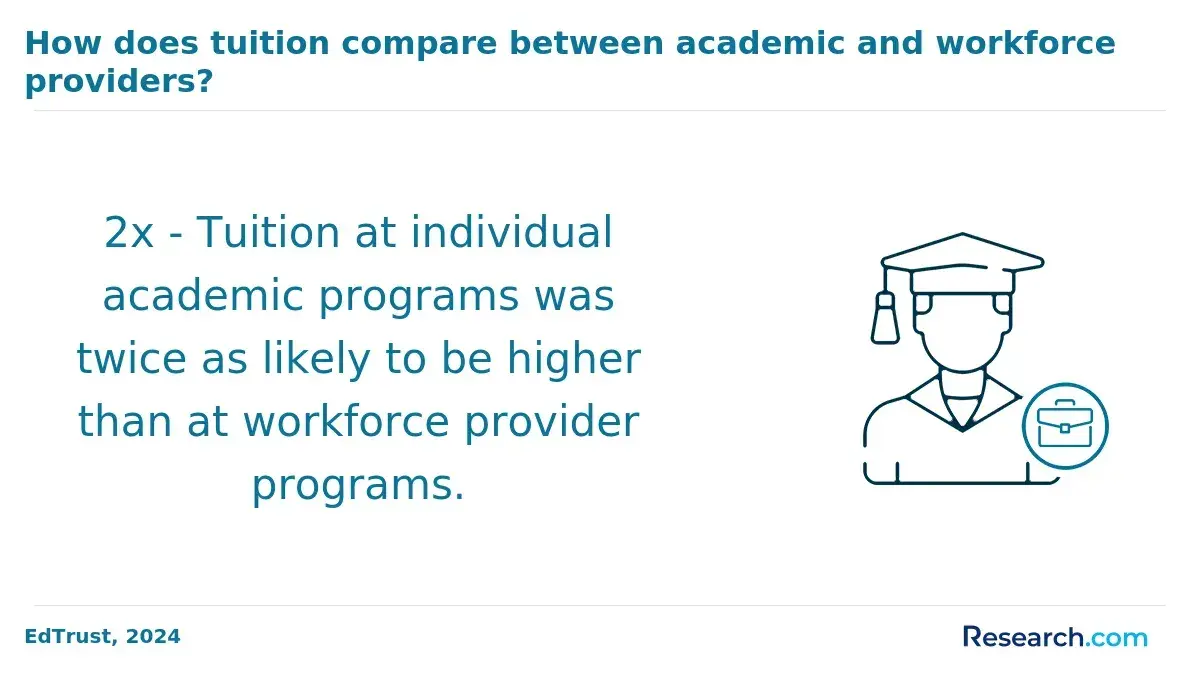
Human resource management programs offered online and on campus differ notably in how effectively they prepare students for specialized roles and workforce demands. Campus-based programs deliver immersive experiences such as live networking, hands-on case studies, and direct collaboration in areas like organizational development or labor relations-competencies increasingly valued by employers for leadership positions.
In contrast, online programs prioritize updated theory and accommodate flexible schedules, appealing to working professionals, but they require robust virtual simulations and interaction tools to mitigate reduced face-to-face engagement.
Industries with strict compliance and rapid adaptation needs, such as healthcare and technology, benefit from campus programs' in-person internships and practical labs. Conversely, sectors relying on dispersed teams or strategic policy development often find online formats adequate, provided these include validated practicums.
Decision-makers must weigh these factors carefully; students unable to attend on campus should seek accredited online programs with employer partnerships to ensure real-world skill application. Without this, job readiness may suffer despite strong theoretical knowledge.
Employer expectations are shifting: burnout prevention is now a board-level business risk, cited by 73% of HR leaders, intensifying the need for curricula that integrate applied employee wellness strategies. Campus and hybrid models offer better environments for experiential workshops and team-based case management exercises essential to demonstrate competencies in emerging areas like DEI and resilience.
What courses and skills are typically included in human resource management specializations for people operations?
Specializing in people operations within human resource management demands a balance between compliance expertise and adaptability to rapidly evolving technological demands. Professionals in this field must master core areas like labor law, organizational behavior, compensation, and talent acquisition while also integrating advanced competencies such as HR information systems, data analytics, and DEI frameworks.
Employers prioritize candidates who can navigate regulatory complexities and simultaneously leverage analytical tools to enhance recruitment and retention strategies.
For instance, healthcare organizations often require managers skilled in maintaining regulatory compliance and employee relations, whereas tech startups seek professionals proficient in HR analytics and agile hiring workflows to support fast-paced growth.
Success in this specialization hinges on practical skills development including workforce planning software, conflict resolution, and behavioral interviewing-capabilities that extend beyond theoretical knowledge and impact daily decision-making and dispute management.
Recent workforce trends indicate a declining reliance on formal degrees, with project-based and certification credentials gaining traction, especially for underrepresented groups. This shift emphasizes that programs must deliver tangible, outcomes-focused learning rather than purely academic credentials.
Candidates must weigh the tradeoffs between deep specialization and cross-functional literacy, since narrow regulatory expertise can limit versatility, but overlooking foundational labor relations risks operational shortcomings.
- Master both compliance and digital literacy to meet diverse employer expectations.
- Prioritize programs offering hands-on, case-driven experience.
- Align your learning pathway with specific industry demands and emerging HR trends.
What are typical admission requirements, program length, and costs for HR specialization programs?
Admission into HR specialization programs typically requires a bachelor's degree in business, psychology, or a related field, often paired with 1-3 years of relevant experience. Competitive entry standards may include submission of a detailed resume, professional recommendations, and a statement of purpose that aligns with workforce technology or strategic planning goals.
Some programs also stipulate prerequisite knowledge in labor law or statistics, reflecting the technical rigor expected by employers.
Program durations vary significantly. Certificate options usually span 3 to 6 months and cater to working professionals seeking targeted skills such as HR analytics or AI governance-areas where over 70% of large organizations have adopted AI but face challenges in measuring its return on investment. Master's-level specializations extend up to 18 months, offering deeper expertise but requiring a longer commitment that may not suit all career pivots.
Cost considerations align with depth and outcomes: short-term certificates range from $1,500 to $5,000, offering agility for rapid skill updates.
In contrast, graduate programs can cost $15,000 to $40,000, reflecting enhanced evaluation methods and compliance alignment crucial for HR leadership roles. Prospective students must weigh the tradeoff between affordable online courses lacking comprehensive rigor and pricier programs that may better equip them to address governance and ROI measurement challenges prevalent in HR technology adoption.
What jobs, salaries, and advancement paths can HR and people operations specializations lead to?
Human resource management and people operations roles demand specialized expertise that directly affects organizational agility and talent retention amid widespread change fatigue. Entry-level salaries for HR coordinators start around $65,000, while senior strategic positions like HR directors can exceed $130,000, reflecting significant pay variation tied to experience and industry.
Employers now prioritize professionals skilled in change enablement as 73% of HR leaders report employee fatigue from continuous transformation, and 74% identify gaps in managerial change leadership abilities.
Career trajectories typically move from analyst or coordinator roles to mid-level operational management, progressing to senior positions focused on strategic organizational development. For example, a talent acquisition specialist in tech who incorporates data-driven recruitment analytics can shorten promotion cycles, gaining roles such as HR business partner or recruiting manager with corresponding salary increases of 20-30%.
However, this advancement requires both operational skills and continuous certification in change management methodologies.
Industries undergoing rapid digital transformation, including healthcare and finance, particularly demand HR practitioners who integrate change enablement with frontline management support. Successful candidates demonstrate measurable impact on employee engagement and turnover reduction rather than rely on theoretical knowledge alone.
- Practical program selection should emphasize analytics, compliance, and adaptive leadership skills.
- Ongoing training in change management enhances career mobility in complex environments.
How do accreditation and HR certifications impact people operations careers and program selection?
Accreditation and HR certifications directly impact employability in human resource management by ensuring alignment with employer expectations and industry standards. For example, healthcare employers prefer candidates from SHRM- or HRCI-accredited programs to meet strict regulatory requirements.
Candidates lacking these credentials risk slower hiring and greater onboarding costs amid a job market with projected 9% growth and over 161,000 recent openings, according to Burning Glass Institute data reported by SDSU.
Beyond accreditation, professional certifications such as SHRM-CP, PHR, or SPHR serve as practical indicators of domain expertise. They improve navigation of complex areas like labor law, compensation, and talent management.
However, pursuing certification involves upfront financial and time investment, making it critical to assess factors like exam pass rates and relevance to specific HR subfields. Programs that integrate or prepare candidates for these certifications tend to offer clearer pathways to advancement.
In sectors like technology and manufacturing, shifting regulatory landscapes demand continuous credential updates. Employers value candidates from accredited, adaptable programs offering practical experience and career support. Without recognized certifications or accreditation, HR professionals often encounter restricted mobility and slower promotions in an increasingly specialized and professionalized field.
Other Things You Should Know About Human Resource Management
Specializing too early can limit exposure to essential foundational skills required across HR functions, reducing adaptability in diverse roles. Employers increasingly value candidates who first build broad competencies in labor relations, compensation, and compliance before narrowing into areas like talent acquisition or HR analytics.
A balanced approach is to gain wide-ranging experience during undergraduate studies or early career stages, then pursue focused specializations through advanced programs or certifications aligned with clear career goals.
In 2027, emerging HR specializations focus on data analytics, remote workforce management, and employee wellness programs. Each specialization addresses skills needed to adapt to evolving workplace dynamics, offering strategic approaches to enhance employee performance and organizational productivity.
Most People Operations programs reserve capstones or practicums for talent acquisition, employee relations, and HR analytics tracks. These projects usually run in the final term and require 3 to 6 credit hours, plus a supervised employer-facing deliverable such as a workforce plan, case study, or policy audit.
Certifications provide targeted expertise and quicker credentialing beneficial for specialists focusing on compliance or benefits administration, especially when paired with practical experience.
Advanced degrees offer deeper strategic insight and leadership training necessary for executive-level roles and broader career flexibility. Students aiming for senior people operations positions should consider degrees complemented by certifications, while those seeking functional expertise or niche roles may prioritize relevant credentials to reduce time and financial investment.
References
- Online MPA Programs with a Specialization in Human Resource Management https://www.onlinempaprograms.com/specializations/human-resource-management
- The Complete Guide to HR Certifications (SHRM, HRCI, etc.) https://hrcertification.com/blog/complete-guide-hr-certifications-biid1000208
- Online Master's in Human Resources https://onlinecounselingprograms.com/online-counseling-degrees/online-masters-in-human-resources/
- HR vs. People Operations: Key Differences That Impact Your Culture | Reverb https://reverbpeople.com/blog/language-matters-human-resources-vs-people-ops-is-there-a-difference/
- HR Jobs Are Changing — And So Are Their Salaries https://theundercoverrecruiter.com/hr-jobs-are-changing/
- Which Course Is Best for Human Resource Management? 9 Options https://www.aihr.com/blog/which-course-is-best-for-hr-management/
- Should I Get My Bachelor's Degree in HR Management Online? | CSU Global https://csuglobal.edu/blog/should-i-get-bachelors-degree-human-resources-online
- Study Human Resource Management: All you need to know https://www.study.eu/article/study-human-resource-management-hrm
- What do you learn in a bachelor's in human resource management? | edX https://www.edx.org/resources/what-do-you-learn-in-a-bachelors-in-human-resource-management