2027 Online Health Informatics Degrees With Strong Healthcare Analytics Training

Co-Founder and Chief Data Scientist
Many professionals with backgrounds outside healthcare struggle to enter roles that require both health informatics knowledge and strong healthcare analytics skills. Without formal training, they often face hurdles adapting to complex healthcare data systems and analytics tools. Employers increasingly demand proficiency in these areas to improve patient outcomes and operational efficiency.
This challenge emphasizes the need for flexible educational programs that build relevant expertise without requiring prior healthcare experience. This article explores online health informatics degrees that emphasize healthcare analytics, guiding prospective students toward accredited programs designed to bridge gaps and support career transitions.
Key Things You Should Know
- Online health informatics degrees in 2026 emphasize healthcare analytics skills, reflecting a 27% projected growth in jobs requiring data competency by 2030.
- Programs commonly integrate real-world tools like SQL, Python, and machine learning to prepare students for evolving analytics demands in clinical and administrative settings.
- Accredited online degrees offer flexible learning with rising employer recognition, making them viable pathways for working professionals seeking advancement in health data roles.
What is an online health informatics degree with a healthcare analytics focus and who is it best for?
An online health informatics degree with a healthcare analytics specialization prepares students to manage complex healthcare data and apply analytical tools to enhance patient outcomes, operational efficiency, and healthcare decision-making. This type of program blends foundational health informatics skills-such as managing electronic health records and healthcare systems-with advanced analytics techniques like predictive modeling, data mining, and statistical analysis.
This degree is ideal for individuals seeking roles at the crossroads of healthcare and data science. It benefits health information managers expanding into analytics, data analysts moving into healthcare, or IT professionals aiming for healthcare data expertise. Flexible, online coursework supports working professionals developing skills in clinical information systems and quantitative analysis.
Graduates often pursue careers as health informatics specialists, clinical data analysts, or healthcare data scientists. These roles are critical to addressing challenges like improving care quality, reducing costs, and meeting regulatory requirements. The U.S. Bureau of Labor Statistics projects a 16% growth for health information technologists and medical registrars over the next decade, while healthcare data scientist positions are expected to grow by 36%, according to AHIMA.
Students should seek the best online health informatics programs focusing on healthcare data analytics that emphasize hands-on experience with SQL, Python, and visualization tools. For those interested in flexible study options, exploring a health information management degree can also provide valuable pathways into this field.
How do online health informatics programs compare with on-campus options for healthcare analytics training?
Online health informatics programs versus on-campus healthcare analytics training both emphasize core skills such as data management, statistical analysis, and decision-support tools vital in healthcare analytics careers. Online formats often provide greater flexibility with asynchronous coursework and adaptable schedules, allowing students to apply concepts directly within their workplaces.
This practical integration can surpass traditional on-campus degrees, which frequently follow fixed timetables and may lack immediate industry application.
Comparing online and traditional health informatics degrees in healthcare analytics involves considering factors like access to faculty, lab use, and networking opportunities. While on-campus programs offer in-person interactions and local internships, many reputable online programs now incorporate live virtual sessions and collaborative projects to replicate these experiences.
They also tend to emphasize specialized analytics tools such as SQL, R, and Python within electronic health records systems.
Students should prioritize program accreditation, faculty expertise, and course rigor over delivery format. Career prospects for online graduates remain strong; for instance, the median annual salary for medical and health services managers-a common role for health informatics graduates-reached $110,680 according to the U.S. Bureau of Labor Statistics, as reported by the University of South Florida Morsani College of Medicine.
For those researching salary expectations, information on certified medical coder salary may offer additional insight.
Deciding between formats depends on individual situations such as work commitments, learning preferences, and local networks. Hybrid programs blending virtual coursework with occasional on-site engagement can offer the best of both worlds.
Which accreditations and program quality indicators matter most for online health informatics degrees?
Program accreditation remains a vital quality indicator for online health informatics degrees, assuring academic rigor and industry recognition. The Commission on Accreditation for Health Informatics and Information Management Education (CAHIIM) is the leading accrediting body focused on accreditation standards for online health informatics programs.
Earning a CAHIIM-accredited degree confirms that the curriculum aligns with national standards and equips students for certification exams such as the Registered Health Information Administrator (RHIA).
Graduate outcomes also reflect program quality. For instance, USF Health's online MS in health informatics, with a healthcare analytics concentration, reported a 100% employment rate within one year for its 2022-2023 cohort. This underscores strong industry demand and effective career preparation, key quality indicators for healthcare analytics degrees.
Faculty qualifications significantly impact program value. Programs led by instructors with active research, clinical experience, or analytics expertise enhance learning relevance. Accreditation helps ensure minimum faculty credentials, but prospective students should review faculty bios and research interests for alignment with career goals.
A comprehensive curriculum balances health data management, programming, and analytics with real-world applications like electronic health records, predictive modeling, and healthcare policy. Capstone projects or internships offer essential hands-on experience. Technical infrastructure and support, including interactive online platforms, advising, career services, alumni networks, and employer partnerships, further improve student outcomes.
Those interested in related fields might also explore a medical assistant course online for additional healthcare career options.
What healthcare analytics and informatics courses can you expect in these online degree programs?
Online degree programs with healthcare analytics training offer a curriculum designed to build expertise in data management, statistical methods, and health information systems. Core coursework typically includes healthcare data analytics with a focus on data mining, predictive modeling, and visualization techniques tailored for clinical and operational datasets; health information systems covering electronic health records (EHR), interoperability, and standards like HL7 and FHIR; clinical informatics integrating analytics with patient care and decision support; and biostatistics and epidemiology essential for public health and clinical research analysis.
- Healthcare quality and performance improvement emphasizing data-driven patient outcome enhancements
- Health policy and ethics focusing on data privacy laws such as HIPAA and ethical considerations
- Project management and leadership training to guide informatics initiatives within organizations
Many programs emphasize applied learning through real healthcare datasets or case studies to prepare students for practical challenges. For example, SUNY Empire's 30-credit online MS in Healthcare Analytics charges $471 per credit, keeping tuition under $15,000 before fees, illustrating affordable public options for comprehensive training.
Those exploring healthcare analytics and informatics online courses can expect a balanced blend of technical and healthcare domain knowledge. This equips graduates to tackle interoperability challenges, perform detailed data analyses, and develop solutions supporting clinical decision-making and health system management.
Prospective students interested in accredited options may find additional insights by exploring online medical programs that include healthcare analytics and Health Informatics components.
What are the typical admission requirements and prerequisites for online health informatics programs?
Admission requirements for online health informatics programs generally include a bachelor's degree from an accredited institution, commonly in STEM or health-related fields such as biology, computer science, nursing, or public health. Many schools prefer a minimum GPA of 3.0 but may consider lower GPAs if applicants demonstrate relevant professional experience.
Prerequisites often include knowledge of statistics, basic programming, and healthcare systems; those without this background might need to complete bridge courses before full acceptance.
Applicants usually must submit standardized test scores like the GRE, though some programs waive this based on work experience or strong academic records. Letters of recommendation and a statement of purpose outlining goals and experience with data analytics or healthcare technology are typical requirements. Relevant healthcare or IT work experience can strengthen applications, especially for master's-level programs.
Programs increasingly emphasize skills in data analysis and visualization tools. For example, SUNY Empire's online MS in Healthcare Analytics teaches R, Python, and Microsoft Power BI to prepare students for multiple analytics platforms.
Technical proficiency expectations vary: some require familiarity with databases or electronic health records, while others offer introductory courses. Prospective students should consult admissions offices to understand program-specific prerequisites and training opportunities to improve job-readiness in this growing field.
How long do online health informatics degrees take and what do they cost?
Online health informatics degrees typically require between 1.5 and 3 years to complete, based on the program level and whether students study full- or part-time. Master's degrees, the most common path for advancing in healthcare analytics, demand approximately 30 to 45 credit hours.
Full-time enrollment usually takes about 18 to 24 months, while part-time students may take up to 3 years. Bachelor's programs generally last 4 years but offer accelerated options for those with prior credits or relevant experience.
Tuition costs vary, influenced by institution type, program length, and residency status. Master's programs often range from $20,000 to $60,000 total, with private schools sometimes charging more per credit hour. Public universities tend to be more affordable, especially for in-state students. Certificates or graduate certificates focused on healthcare analytics cost between $5,000 and $15,000 and typically require less than a year to complete.
- Additional expenses include technology fees, textbooks, and software licenses for analytics tools.
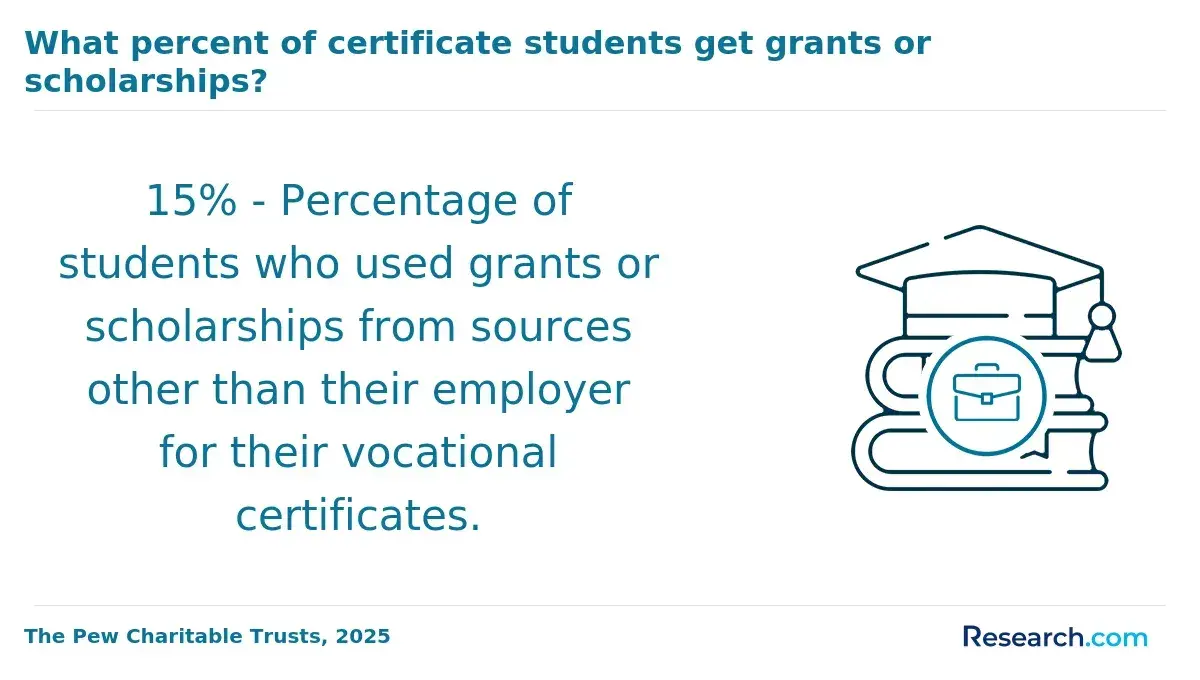
- Financial aid and employer tuition assistance can help reduce these costs.
Programs are increasingly incorporating data science elements to meet industry demands. For instance, Northwestern University's MS in Health Analytics will shift to an MS in Healthcare Data Science starting in fall 2026, reflecting a growing emphasis on advanced analytics skills in health informatics.
Choosing a program with comprehensive healthcare analytics training equips graduates with practical, marketable skills aligned with current job market needs.
What careers in health informatics and healthcare analytics can these online degrees lead to?
Online degrees in health informatics with a focus on healthcare analytics equip graduates for roles that combine clinical knowledge and data expertise. Positions include clinical informatics specialists who optimize electronic health records to improve patient outcomes through data-driven strategies. Healthcare data analysts identify trends and provide actionable insights to support hospital decision-making.
Health information managers ensure data governance, privacy, and accuracy in medical records.
Other opportunities include informatics nurses, who blend clinical care with data analysis, and public health informaticians, who use analytics for population health and disease tracking. Emerging roles such as healthcare AI analysts and predictive modelers leverage machine learning to forecast patient risks and resource needs.
Demand is growing for professionals skilled in data visualization, predictive analytics, and database management, with tools like SQL, Python, and Tableau commonly required. Salaries generally range from $70,000 to over $120,000 annually based on experience and role.
The GET PHIT public health informatics training initiative, funded by a federal grant, provides free online courses and micro-credentials in public health informatics and data science through 2026. This grant-backed program reduces financial barriers for aspiring professionals.
Consider career paths in:
- Clinical informatics specialist
- Healthcare data analyst
- Health information management
- Informatics nurse
- Public health informatician
- Healthcare AI or predictive analytics specialist
What salary ranges and earning potential can graduates in health informatics analytics expect?
Graduates with a background in health informatics analytics typically earn starting salaries between $70,000 and $90,000 in entry-level positions. Professionals mid-career can expect salaries ranging from $100,000 to $130,000, while senior roles, especially those combining analytics expertise with leadership, may exceed $150,000 annually. Factors influencing salary include location, industry, and employer size.
Within hospital systems and large healthcare providers, data analysts focused on patient outcome improvements often start at approximately $75,000. Technology and pharmaceutical firms usually offer higher compensation due to the advanced analytical skills required.
Professionals proficient in artificial intelligence, predictive modeling, and data management can pursue roles such as clinical informaticists, healthcare data scientists, or analytics managers, which offer strong salary growth and career advancement opportunities.
Certifications related to specialized analytics tools and AI can boost earnings by 10% to 20%. Public sector positions in health departments may start lower but provide stability and growth. Programs like SUNY Empire's online MS in Healthcare Analytics prepare students to collect, manage, and analyze health data effectively while leading strategic improvements across healthcare systems.
- Starting salaries: $70,000-$90,000
- Mid-career salaries: $100,000-$130,000
- Senior roles: $150,000+
What is the job outlook for health informatics and healthcare data analytics professionals?
The job outlook for health informatics and healthcare data analytics professionals is rapidly expanding, driven by growing demand across healthcare providers, insurance companies, and government agencies. Roles such as Health Data Analyst, Healthcare Data Scientist, and Director of Health Informatics offer numerous opportunities at different organizational levels.
Employers increasingly rely on data-driven decision-making to enhance patient outcomes and operational efficiency.
The Bureau of Labor Statistics projects a 15% growth rate by 2031 for medical and health services managers, which includes informatics leadership roles. This growth exceeds average healthcare occupation trends, fueled by the ongoing digitization of medical records and regulatory compliance needs.
Salary prospects reflect this demand, with median incomes ranging broadly: around $70,000 for entry-level analysts to over $130,000 for senior data scientists or informatics directors. Skills in statistical programming, data management systems, and health information standards notably improve hiring prospects and career advancement potential.
Prospective students and current professionals are advised to align their education with analytics-focused curricula that combine technical expertise and healthcare knowledge. Doing so meets employer expectations and positions them well for long-term career growth.
How can prospective students choose the best online health informatics program for their goals?
Students evaluating online health informatics programs should prioritize curriculum length, accreditation, and specialization to align with their career goals. For example, USF Health's MSHI Healthcare Analytics degree requires 32 credit hours, offering a focused and efficient path compared to programs demanding 33-45 credit hours. Shorter programs can benefit those seeking quicker completion without compromising quality.
Accreditation by organizations like CAHIIM ensures that programs meet rigorous industry standards, particularly in advanced analytics essential for healthcare decision-making. Confirming CAHIIM accreditation is crucial for recognized credentials and eligibility for certifications.
Specialization areas vary widely, including data analytics, informatics management, clinical integration, and health IT. Prospective students should assess course content carefully to match their specific interests and career plans.
Key factors impacting program quality include faculty expertise, opportunities for projects or internships, and available technology resources. Online flexibility also supports working professionals balancing education with employment.
Cost and financial aid options influence program choice, so comparing tuition, duration, and alumni outcomes is important. Job placement rates offer insight into a program's effectiveness preparing graduates for roles in health informatics and healthcare analytics.
Other Things You Should Know About Health Informatics
Health informatics plays a vital role in enhancing patient care by enabling more accurate and timely access to medical records and clinical data. It supports evidence-based decision-making by healthcare providers and helps identify trends and patterns that improve diagnoses and treatment plans. This integration of data improves coordination, reduces errors, and leads to better health outcomes.
Yes, certifications such as Certified Health Informatics Systems Professional (CHISP) or Certified Professional in Healthcare Information and Management Systems (CPHIMS) can significantly enhance a professional's credentials. These certifications validate knowledge and skills in key areas of health informatics and healthcare analytics, increasing employability and career advancement opportunities. Employers often prefer or require these credentials for specialized roles.
One major challenge is ensuring interoperability between diverse healthcare systems and electronic health record platforms. Data privacy and security concerns also demand constant attention due to the sensitive nature of health information. Additionally, health informatics professionals must stay current with rapidly evolving technologies and regulatory requirements while managing large volumes of complex data efficiently.
References
- Health Informatics: New Focus Areas! https://online.une.edu/blog/health-informatics-new-focus-areas/
- Healthcare Analytics Master's Online | USF Health https://www.usfhealthonline.com/programs/masters-degree/ms-healthcare-analytics/
- Explore Online Master of Health Informatics MHI Degree Programs https://teach.com/online-ed/healthcare-degrees/online-masters-health-informatics/
- The Best Online Master's in Health Informatics Programs - OnlineMasters.com https://www.onlinemasters.com/best-degree-programs/health-informatics/
- Health Informatics - CAHIIM https://www.cahiim.org/accreditation/health-informatics/
- 11 Health Informatics Careers for Master’s Graduates to Consider https://www.nec.edu/news/health-informatics-careers
- Best Online Health Informatics Courses and Programs | edX https://www.edx.org/learn/health-informatics
- Health Informatics Careers and Jobs https://www.publichealthdegrees.org/careers/health-informatics/
- Certificate Programs - Master of Applied Health Informatics (M.Sc.) https://master-applied-health-informatics.com/certificate-programs/
- Best Health Informatics Schools: The Top Colleges and Universities for Health Informatics Programs https://careerkarma.com/blog/best-schools-for-health-informatics/