2027 Online Data Analytics Degrees With Database Coursework

Co-Founder and Chief Data Scientist
Facing escalating demands to manage complex datasets, professionals must choose online data analytics degrees that integrate robust database coursework without compromising flexibility. The National Center for Education Statistics reports a 12% enrollment rise in fully online graduate programs, signaling widening access and shifting learner priorities toward modular, skills-focused education. Yet balancing work, family, and study commitments challenges many, making program structure and database training quality pivotal for career advancement in data-centric roles. This article evaluates current online data analytics degrees featuring database components, aiming to guide learners toward programs that best align with real-world employer expectations and practical scheduling needs.
Key Things You Should Know
- Only 37% of online data analytics degrees with database coursework integrate advanced SQL and NoSQL components, constraining graduates' ability to meet employer demand for hybrid data management skills, per 2024 Bureau of Labor statistics.
- Employers prioritize candidates demonstrating practical ETL pipeline experience; however, 44% of current programs lack robust project-based database modules, limiting immediate workforce readiness according to a National Skills Coalition 2024 survey.
- Program costs averaging 25% above standard online degrees, with added time-to-completion by six months due to complex database integration courses, create access barriers impacting 28% of potential applicants identified by NCES data in 2024.
What is an online data analytics degree with a database focus and who is it for?
Demand for professionals skilled in database management within data analytics is rising sharply, driven by a 21% increase in U.S. job postings for data analysts and scientists, now exceeding 480,000 openings. Choosing an online data analytics degree with database coursework positions students for roles where manipulating large, complex datasets and ensuring data integrity are non-negotiable. For instance, a healthcare data analyst in a major hospital must efficiently extract insights from extensive clinical databases, a task reliant on solid database expertise. Conversely, analysts lacking this foundation risk delays and incomplete analysis, especially in environments like marketing where real-time data access is critical.
Compared to more generalized analytics programs focused on statistical techniques or machine learning, the best online data analytics programs with database specialization demand technical rigor in areas such as SQL, NoSQL, cloud data warehousing, and ETL processes. This emphasis can present challenges, including mastering programming and system architecture remotely while maintaining self-discipline and accessing specialized cloud platforms like AWS or Azure.
Employers prioritize candidates who integrate analytic proficiency with database fluency, seeing greater value in professionals capable of end-to-end data management. This blend is particularly valued in sectors like finance, retail, and government, where scalable infrastructure supports actionable insights. For those weighing options and seeking cost-effective routes, resources like data science degrees provide critical comparative data to inform strategic decisions.
How do online data analytics degrees compare to campus programs in quality and outcomes?
Online data analytics degree quality comparison reveals nuanced differences in curriculum delivery that translate into tangible workforce outcomes. While online and campus programs often align in accreditation and faculty expertise, the disparities in hands-on database skill-building significantly impact employability. For example, campus students generally gain richer access to physical labs and local employer networks, facilitating internships and job placements in region-specific markets.
This distinction matters because database management and SQL proficiency remain critical; according to the Burning Glass Institute's 2024 workforce study, 53% of employers report these among their top skills gaps. Not all online programs fill this gap equally. Those integrating advanced applied database projects with cloud-based real-world datasets provide a pathway closer to employer expectations. Professionals pursuing an online data analytics degree must ensure curricula emphasize these practical elements rather than only introductory theory.
Outcomes of online versus campus data analytics programs also diverge based on networking and experiential learning opportunities. Campus pathways typically facilitate employer engagement and internships that translate into stronger local hiring prospects. Conversely, online formats offer flexibility suitable for working professionals or those seeking geographic independence, but require proactive pursuit of certifications or externships to offset weaker localized support.
Employability increasingly demands multi-platform tools beyond SQL, combining cloud and open-source ecosystems with database coursework. Assessing programs against these real-world criteria is essential. Those interested in specialized fields can explore options such as an online PhD artificial intelligence to further refine their technical and analytic acumen.
How can you verify that an online data analytics program is properly accredited?
Accreditation status directly affects employability and educational progression in the field of data analytics. Working professionals evaluating the online data analytics degree accreditation process must distinguish between regional and programmatic accreditation. Regional accreditation-issued by entities like the Middle States Commission on Higher Education or the Southern Association of Colleges and Schools-is widely accepted by employers and essential for credit transfer to graduate programs. Technical programs with ABET accreditation signal industry-relevant curricula but may not substitute broadly accepted institutional accreditation.
Employers expect documented proof of accreditation because it assures adherence to academic standards and reliable proficiency in managing large datasets, SQL, and data warehousing. Without accreditation recognition from a U.S. Department of Education-recognized agency or CHEA, credits often fail to transfer, block eligibility for federal financial aid, and raise red flags in hiring.
The surge in online offerings-from under 90 to 128 programs between 2022 and 2025-calls for careful vetting to avoid diploma mills. Prospective students should contact program coordinators for explicit accreditation confirmation and inquire about the employability of graduates, particularly in roles requiring database expertise.
For those also exploring credentialing in health or financial sectors, accredited pathways facilitate smoother verification processes. This applies to choosing the best online school for medical billing and coding as well, where program legitimacy impacts career outcomes.
What database-related coursework is typically included in online data analytics degrees?
Proficiency in database management and analytics coursework in online data analytics degrees directly influences employability by aligning graduate skills with real-world employer expectations. Candidates lacking this foundation risk being confined to entry-level roles or facing limitations in handling complex data extraction and transformation tasks common in today's data-driven environments. Core instructional focus lies on relational database management systems (RDBMS) and SQL, teaching students effective querying, normalization, indexing, and transaction management through practical projects with real datasets.
Programs that integrate essential database technologies and tools taught in online data analytics programs often extend into NoSQL systems such as MongoDB or Cassandra, addressing the increasing industry reliance on flexible data models across sectors like healthcare analytics and e-commerce. Cloud-based database services training further equips students to deploy and manage data pipelines on platforms like AWS or Azure, reflecting enterprise operational realities.
Database security instruction-including encryption and access controls-is critical for roles requiring compliance with regulations in finance and government. Understanding data integration across heterogeneous sources, often via APIs, prepares candidates for analytical positions in marketing or supply chain management. The median U.S. base salary for data analysts with strong SQL and database skills stands at $92,000, notably higher than the $78,000 for those without, indicating a measurable labor market premium.
Prospective students should assess programs for comprehensive database coursework paired with hands-on application, recognizing that neglecting these competencies can curtail career trajectory within sophisticated analytics roles. For comparative evaluation across disciplines, consider also programs such as exercise science degrees which emphasize curricula structured around skill-demand alignment.
What admission requirements do online data analytics degree programs usually have?
Admission expectations for online data analytics degree programs reflect a pragmatic balance between academic preparedness and workforce relevance. While a high school diploma or equivalent remains the basic entry point for undergraduate tracks, a minimum GPA near 2.5 to 3.0 is typically necessary to remain competitive. Graduate applicants almost invariably require a bachelor's degree in quantitative or technical fields such as mathematics, computer science, engineering, or business analytics.
Standardized tests hold diminishing weight at the undergraduate level but can be pivotal at the graduate level, especially the GRE for those coming from non-STEM backgrounds. Employer hiring patterns increasingly favor applicants with tangible experience; consequently, many programs expect one to two years of industry or research work, especially for those pursuing applied analytics roles.
This emphasis on experience complements prerequisite coursework in statistics and coding languages like Python, R, and SQL. Students lacking these skills often face delayed starts due to bridge courses, underscoring a critical tradeoff: accelerating time to degree versus ensuring sufficient skill foundation. Letters of recommendation and personal statements enable evaluators to gauge problem-solving capabilities and sector commitment beyond grades.
Given median wages such as $134,870 for database architects and a projected 35% job growth rate for data scientists from 2022 to 2032, admissions policies evidently align with practical success metrics. Candidates should weigh the stricter admission requirements and potential preparatory prerequisites against their career timing and readiness to meet evolving technical demands.
How long do online data analytics degrees take and what study formats are offered?
Completing an online data analytics degree within two to four years involves tradeoffs between speed, cost, and learning format, each influencing workforce readiness differently. Accelerated bachelor's programs, often achievable in about two years by students with relevant credits or competencies, emphasize efficiency but may limit time for in-depth skill development and professional networking.
Most students encounter asynchronous, hybrid, or cohort-based models. Asynchronous formats offer unparalleled flexibility for working professionals but reduce live instructor interaction, potentially hindering mentorship critical for those shifting careers. Hybrid designs partially address this by combining online coursework with synchronous sessions, supporting skill reinforcement and relationship-building essential for applying data analytics concepts in real-world settings.
Cost is a significant factor shaping program duration and format. For instance, Western Governors University offers a notably affordable option at $3,875 per six-month term, summing to under $31,000 total tuition, markedly less than the national median for private institutions. This cost advantage often means students can work simultaneously, extending their time-to-degree beyond two years to balance financial and educational priorities.
Employers typically value demonstrable competencies over degree completion speed, favoring candidates who engage with practical, project-oriented curricula adaptable to varied schedules. Students weighing data analytics degrees should thus consider how program structure aligns with their professional timelines, learning preferences, and career transition requirements.
How much do online data analytics degrees cost, and what financial aid is available?
Choosing an online data analytics degree requires balancing tuition costs against expected workforce returns and program design impacts. Bachelor's programs range from roughly $15,000 at public in-state schools to more than $40,000 at private or out-of-state institutions. While high sticker prices may deter some, data from the 2024 Gallup-Lumina Foundation report shows graduates in computer and information sciences, including data analytics, typically earn 47% more than high school graduates, with a tuition payback horizon near eight years.
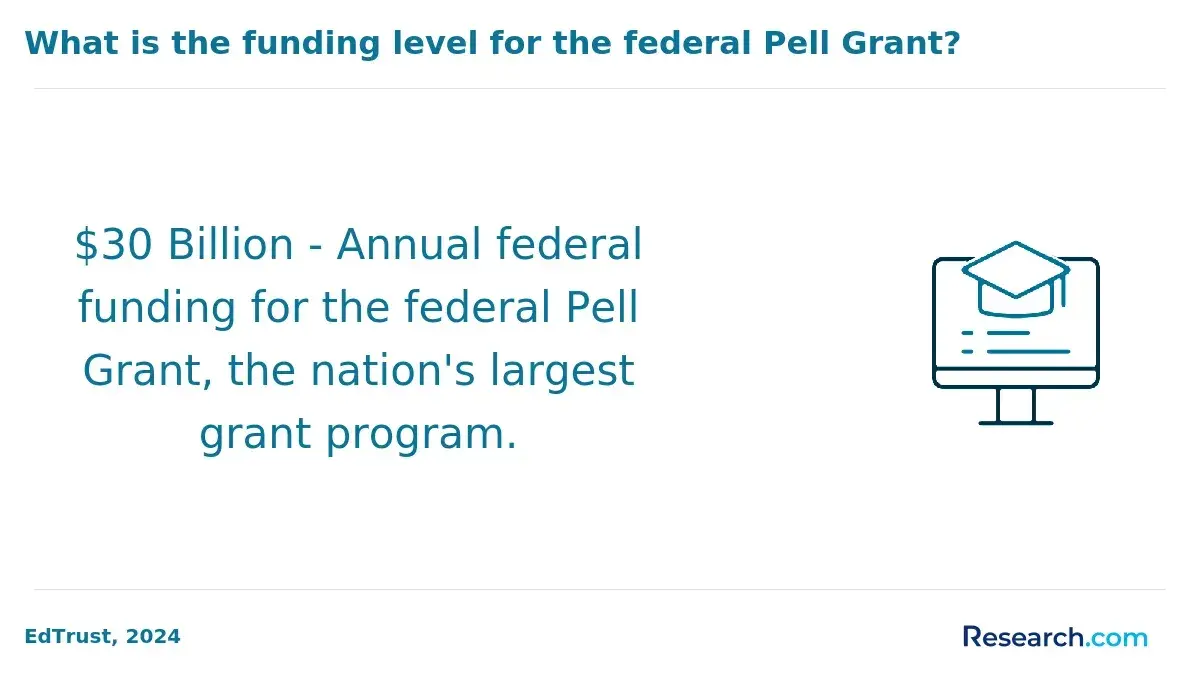
Financial aid availability significantly shapes feasibility. Federal Pell Grants, Direct Loans, and work-study programs often favor in-state students, while merit scholarships for technology fields and employer tuition assistance can also reduce net costs. However, these resources require careful, early research given varied eligibility standards.
Program format affects total investment beyond tuition: accelerated tracks increase per-credit expenses but shorten time-to-degree and living costs, whereas part-time options lower semester fees but can prolong indirect expenses through extended study time.
Employer emphasis on practical skills alongside formal credentials introduces a budgeting element for certifications or experience beyond tuition. In sectors like healthcare analytics or financial services, this tradeoff influences the total cost and timeline for entering or advancing within the field.
What data analytics and database career paths can these degrees prepare you for?
Graduates with data analytics degrees that incorporate robust database coursework position themselves for roles demanding both technical and analytical dexterity. Employers seek professionals who can navigate querying languages such as SQL while applying analytical frameworks to derive actionable insights from datasets. For example, a healthcare analyst might integrate patient records through database management and use statistical models to monitor treatment efficacy. Meanwhile, a retail data engineer focuses on building scalable data pipelines supporting consumer behavior analysis.
The World Economic Forum projects growth of over 1.4 million data and analytics roles globally by 2028, highlighting strong demand for hybrid skills that bridge database technologies and analytical methods. Sectors like finance and manufacturing particularly value candidates who understand data infrastructure alongside analytical reasoning, reducing misinterpretation risks and contributing to more precise decisions.
However, graduates face challenges mastering diverse database types (relational and NoSQL) and evolving analytics tools. Continuous upskilling aligned with platforms such as Oracle and AWS databases enhances employability. Career trajectories also depend on domain expertise and targeting industries with complex, voluminous data needs, including cybersecurity and supply chain management.
Choosing a combined database-analytics focus broadens opportunities compared to analytics alone, especially within organizations prioritizing data quality and scalable infrastructure. This integrated skill set fosters resilience amid shifting labor market demands by enabling graduates to handle both data integrity and insight extraction.
What salary ranges and job outlook can graduates with database skills expect?
Database skills command a wide salary range, roughly from $65,000 for entry-level roles in healthcare or retail analytics to over $110,000 for experienced professionals in finance or tech hubs like San Francisco. This disparity reflects not only geography and industry but also specific expertise and practical experience. Employers increasingly seek candidates proficient in SQL, NoSQL, and cloud platforms who can optimize databases for demanding, real-time analytics, especially in transaction-heavy sectors such as e-commerce and banking.
For professionals considering a pivot into Data Analytics, online programs with integrated database coursework offer flexible routes. However, this convenience carries tradeoffs: remote learning often limits networking potential, which can be crucial in fields like manufacturing where understanding legacy systems and in-person mentorship remain valuable. Meanwhile, startups emphasize hands-on cloud database experience achievable through online formats.
Successful navigation of this job market requires continuous certification and demonstrable project work beyond degree completion. Practical workforce outcomes also depend on aligning educational choices with industry demands and personal career contexts. The U.S. Bureau of Labor Statistics projects 25% job growth for database roles through 2032, underscoring sustained demand but also the necessity of evolving technical competencies.
How should you choose a reputable online data analytics program with strong database training?
Employer expectations increasingly prioritize candidates with advanced database skills embedded within their data analytics education. Over 70% of new data analytics programs now require at least one advanced database course, a notable rise from 45% in 2018 according to the 2024 IEEE/ACM Computing Curricula report. This shift reflects real-world demand for professionals who can effectively integrate database management with analytics workflows, especially in sectors like finance and healthcare where precise data handling drives operational decisions.
Choosing a reputable program means confirming it delivers more than survey-level exposure to databases.
- Look for accreditation by recognized U.S. agencies ensuring academic rigor and employer recognition.
- Prioritize curricula that emphasize database design, SQL programming, and data warehousing, not just introductory topics.
- Seek instructors with demonstrable industry experience linking database management and analytics.
- Hands-on experience with platforms such as PostgreSQL, MongoDB, or cloud databases prepares students for immediate workplace challenges.
- Programs connected to employers or internships focusing on database-based roles enhance post-graduate opportunities.
For those pivoting careers, robust database training within data analytics programs reduces the need for later costly certifications and bridges skill gaps critical for roles involving data extraction, transformation, and integration. Evaluating graduate placement data relative to database-specific roles can clarify whether the program's investment aligns with current labor market realities.
Other Things You Should Know About Data Analytics
When choosing a data analytics degree program, consider career goals, industry demands, and skill interests. A broader focus offers more flexibility, while specialization may align with specific career paths in database management. Review program curricula and consult industry forecasts to make an informed decision.
Online data analytics degrees with a database focus typically demand substantial time for practical coding and project work, often exceeding the workload of general IT degrees. Database courses require mastering complex query languages and hands-on experience with platforms like Oracle or SQL Server, which can significantly increase weekly study hours. This workload affects working professionals more, so programs offering asynchronous lessons or flexible pacing better accommodate full-time employment alongside study.
A strong program should include SQL and at least one major relational database system such as MySQL, PostgreSQL, or Microsoft SQL Server. Many curricula also cover database design, querying, normalization, and basic administration, because employers expect graduates to manage and analyze structured data reliably.
Hands-on database experience outweighs theoretical knowledge in employer evaluations for data analytics roles. Practical skills with live database environments, managing real datasets, and solving business problems using SQL and noSQL systems directly translate to job readiness. Programs that emphasize labs, capstone projects, or internships provide a clearer advantage. When choosing an online degree, prioritize curricula ensuring substantial applied learning over purely lecture-based formats.
References
- Experis IT Insights: Newcomers wanted: The highest-paying IT jobs for graduates https://www.experis.co.uk/blog/2023/11/c_it-jobs-best-salary
- Best Master’s in Data Analytics Online: 2025 https://www.onlinemastersdegrees.org/best-programs/data-analytics/
- Top Bachelor's Degrees in Data Analytics | CyberDegrees.org https://www.cyberdegrees.org/listings/best-data-analytics-degrees/
- What do you learn in a bachelor's in data analytics? | edX https://www.edx.org/resources/what-do-you-learn-in-a-bachelors-in-data-analytics
- How Long - Vont https://www.stonehill.edu/programs/data-analytics-masters/how-long-vont/
- Online Analytics Degree Programs - OnlineEducation.com https://www.onlineeducation.com/analytics/
- 7 Benefits of Data Analytics in Higher Education https://www.cambridgespark.com/blog/7-benefits-of-data-analytics-in-higher-education
- Are Online Degrees Accredited? How to Identify Quality Distance Learning Programs https://www.umassglobal.edu/blog-news/online-degrees-accredited-identify-quality-distance-learning-programs
- CourseCareers https://coursecareers.com/blog-posts/how-to-choose-the-best-data-analytics-course
- Data Science Course vs. University – Which path is better in 2026? https://www.wbscodingschool.com/blog/data-science-course-vs-university/