2027 The University of Texas at Tyler for Working Adults: Flexible Schedules, Transfer Credits, and Online Format

Co-Founder and Chief Data Scientist
Balancing a full-time job, family, and pursuing higher education creates scheduling conflicts few programs fully accommodate. For working adults, unpredictable work hours or caregiving demands often force delays in completing degrees or discourage enrollment altogether. This issue becomes critical when transfer credits from previous institutions do not align with a program's policies, potentially extending timelines and increasing costs beyond initial expectations.
Recent data shows that over 40% of part-time students at The University of Texas at Tyler utilize transfer credits to accelerate degree completion, highlighting the practical importance of flexible credit evaluation. This article evaluates whether The University of Texas at Tyler's flexible schedules, transfer credit acceptance, and online formats genuinely address these real-world challenges. The analysis aims to guide prospective students in making informed decisions about managing education alongside significant personal responsibilities.
Key Points About The University of Texas at Tyler's Flexible Schedules, Transfer Credits, and Online Learning for Working Adults
- The University of Texas at Tyler structures online courses to fit professional schedules, enabling students to study without disrupting work or family duties, which supports sustained employment and caregiving responsibilities alongside academic progress.
- Transfer policies accept credits from CLEP, DSST, AP, ACE, and life experience, allowing qualified students to reduce time-to-degree; moderate entrance difficulty ensures maintained academic standards without open admission.
- Admission requires a completed college-preparatory program, secondary school records, and TOEFL scores; recommendations and competency demonstrations are optional, reflecting a selective but accessible entry process for adult learners.
Is The University of Texas at Tyler a good fit for working adults?
The University of Texas at Tyler offers flexible scheduling, online learning options, and transfer credit policies that cater to working adults managing full-time jobs and family duties. These features allow students to progress without sacrificing employment or personal obligations. For example, a full-time employee seeking a degree can take advantage of online courses while leveraging credits from previous college work, reducing both time and cost to completion.
However, the educational experience depends heavily on individual circumstances. Students with rigid work hours or limited technology access may find the online format challenging. Programs demanding hands-on components or synchronous classes could further complicate scheduling. Moreover, success requires disciplined time management and consistent engagement, especially since institutional data show a graduation rate of 47%, meaning 53% do not finish on time.
Compared to peer institutions specializing in adult education, The University of Texas at Tyler's blend of online enrollment and transfer policies aligns with common support models but may lack some of the more tailored advising or cohort-based structures that improve retention. A 2024 survey highlights that while 60% of working adult students value flexibility highly, only those combining it with robust support services maintain steady progress. Prospective students should assess whether this balance suits their personal needs and professional goals before committing.
How flexible are The University of Texas at Tyler's online class schedules?
The University of Texas at Tyler's scheduling format is designed to meet the needs of working adults managing work and family responsibilities. It offers a combination of traditional 16-week semesters alongside accelerated 5- and 8-week courses. This allows students to select a pacing that fits their available time, minimizing disruptions to their professional and personal lives. The majority of online courses are asynchronous, a format now used in about 78% of online classes nationwide, which provides significant flexibility for students who must juggle irregular work hours or caregiving duties.
Flexibility varies based on the degree program and course demands. Programs requiring internships, live sessions, or group projects reduce scheduling freedom. For example, a working parent pursuing a healthcare degree may face mandatory clinical hours or synchronous meetings that conflict with typical work shifts. These components can limit the ability to fully customize course timing and require proactive coordination with advisors to align commitments.
Compared to similar institutions, The University of Texas at Tyler offers multiple start dates per semester, though it maintains semester-based enrollment cycles rather than continuous entry. This is a compromise between flexibility and institutional scheduling rhythms. Students accustomed to fully rolling admissions may find this restrictive if unexpected scheduling conflicts arise, underscoring the importance of advanced planning.
Working adults considering The University of Texas at Tyler online courses for working adults should weigh the tradeoffs between autonomy and structured deadlines. While the asynchronous approach facilitates self-paced study, the relatively high student-to-staff ratio means personalized advising may be limited. For those exploring options like the easiest doctorate to get, understanding these practical constraints is essential to realistically fitting education alongside career and life demands.
How long does it take working adults to finish a degree at The University of Texas at Tyler?
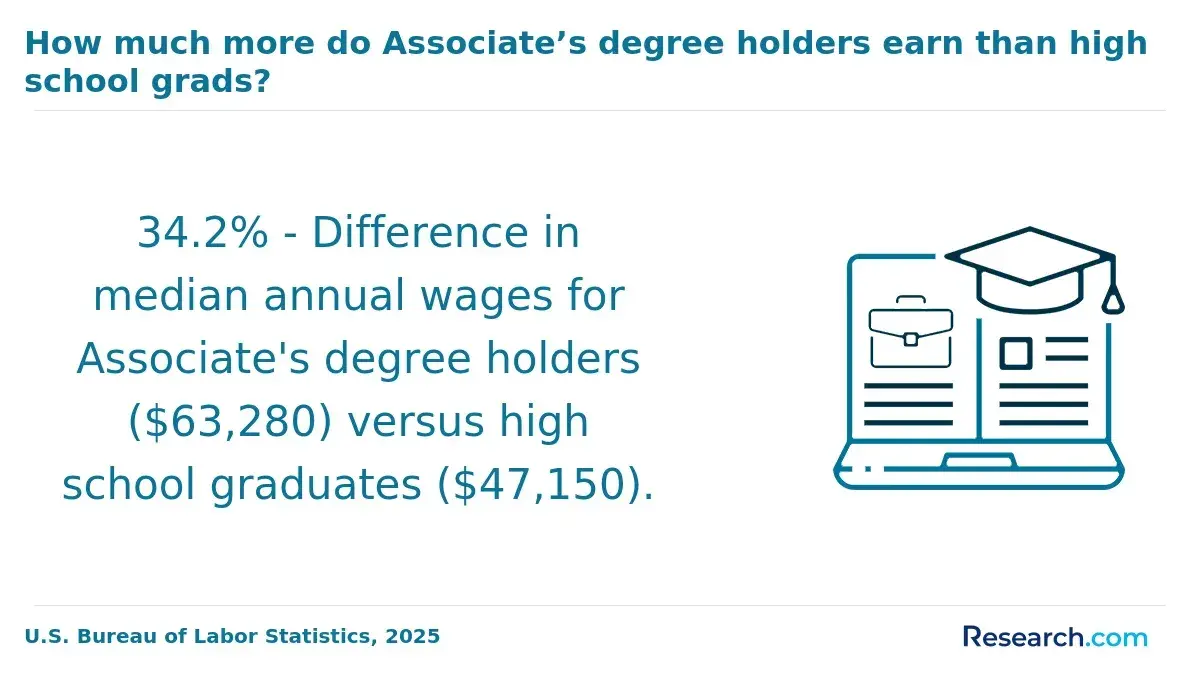
The average degree completion time for working adults at The University of Texas at Tyler typically exceeds the traditional four-year timeline. This is largely due to part-time enrollment and the need to juggle work and family commitments. A recent study found the median time for part-time students to complete a bachelor's degree is approximately six years. The university's online format and flexible scheduling, including accelerated 6-week and 8-week courses, support steady progress but often do not sufficiently shorten overall completion times for many students.
Flexible degree timelines for adult learners at The University of Texas at Tyler depend on several factors, such as transfer credits and prior professional experience. However, the school does not emphasize self-paced or competency-based progression, which limits opportunities for students to accelerate based purely on prior knowledge. Degree program requirements and course load capacity, combined with personal or professional responsibilities, further influence time-to-degree. For example, a student with significant transfer credits might finish faster, but those balancing demanding jobs and families will likely experience extended timelines.
The University of Texas at Tyler's average graduation rate for working adults is around 47%, reflecting the challenges faced by non-traditional students managing multiple roles. Compared to similar institutions offering flexible adult education programs, The University of Texas at Tyler provides realistic options but with longer-than-average completion times. For working adults weighing their choices, this means the decision to enroll should consider the tradeoffs between career advancement speed and the ability to maintain employment and personal obligations during the degree journey.
Choosing an appropriate program also involves assessing long-term career implications. The extra years spent completing a degree can delay workforce entry or promotion but may still lead to better outcomes versus forgoing a degree altogether. Those curious about the best degrees to make money might find additional insight by reviewing current labor market data tailored to their fields alongside their expected timeline at The University of Texas at Tyler.
Working adults often juggle employment, family care, and other commitments while pursuing a degree. Transfer credits offer practical value by reducing the number of courses needed, allowing students to focus on remaining requirements. The University of Texas at Tyler recognizes various credit sources, enabling adult learners to speed up their progress. National research shows working adults with transfer credits graduate up to 30% faster, highlighting the significant impact on time-to-degree.
The following points outline key ways transfer credits accelerate graduation for adult students.
- Fewer Remaining Degree Requirements: The University of Texas at Tyler accepts multiple forms of transfer credits, which lowers the total courses needed to graduate. By minimizing their course load, working adults can complete degrees faster without overextending their schedules.
- Reduced Course Load Per Term: With credits transferred in, students balance fewer classes each semester. This eases conflict between study, work, and family responsibilities, reducing burnout risks and helping maintain steady academic progress.
- Shortened Time in Financial Commitment: Graduating sooner limits tuition costs and associated expenses. Working adults facing financial constraints can ease pressure by capitalizing on credits, making education more affordable overall.
- Clear Credit Applicability Through Articulation Agreements: Transfer articulation policies clarify which credits apply toward degrees. Adult learners can plan efficiently, avoiding redundant coursework by understanding credit evaluations upfront.
- Flexibility With Scheduling Conflicts: Accepted transfer credits reduce the need to take specific prerequisite courses on tight schedules. This flexibility allows students to fit remaining classes more easily around work and family demands.
- Enhanced Motivation and Retention: Seeing direct progress from transferred credits encourages persistence. Reduced academic load fosters confidence, helping working adults stay engaged despite external pressures.
- Strategic Alignment With Career Goals: Careful credit evaluation ensures transferred courses support professional objectives. Adult students avoid time spent on irrelevant credits, focusing on courses that enhance employability and career relevance.
One The University of Texas at Tyler student, a single parent working full-time in healthcare, recalled evaluating transfers from her prior community college carefully. "I was hesitant at first, worried some credits might not count toward my major," she said. "But once I saw how many of my credits applied, I could enroll in fewer courses each semester, which helped me juggle night shifts and family without falling behind. It felt like a relief to know I wasn't repeating work and could finish my degree sooner than I expected." Her example illustrates how transfer credits can make degree completion feasible amid real-world demands.
The University of Texas at Tyler recognizes various forms of prior learning for academic credit, including Advanced Placement (AP) credits, military training, and standardized exams like CLEP and DSST/DANTES. The institution also accepts ACE recommendations and conducts portfolio reviews through its Prior Learning Assessment (PLA) process. However, professional work experience alone typically does not guarantee automatic credit; it must be clearly documented and aligned with specific course outcomes to be considered.
Eligibility for prior learning credit depends heavily on the program of study, institutional policies, and the thoroughness of the submitted evidence. The PLA portfolios require detailed documentation to showcase competencies, and some degree programs have stricter guidelines about what types of prior learning apply. Students should anticipate limits on the total number of non-traditional credits accepted, meaning the transfer credit policies Texas adults rely on may shorten degree time but rarely eliminate the need for standard course completion.
Compared to other adult-serving universities, The University of Texas at Tyler employs a balanced approach common among institutions integrating PLA. A recent study showed universities with structured PLA policies enable students to complete degrees approximately 30% faster, a significant advantage for working adults managing multiple commitments. This reflects the practical value of prior learning credit, although the ultimate impact varies by how rigorously prior learning aligns with academic standards and workforce expectations.
For example, a working professional with technical certifications and military coursework may receive credit for foundational classes but still need to complete upper-level or discipline-specific courses. This approach supports degree acceleration while preserving academic integrity. Those seeking an affordable online bachelor's degree should review how credit for prior learning at The University of Texas at Tyler fits with their career goals and course requirements before enrolling.
Working adults returning to school at The University of Texas at Tyler face a demanding intersection of work responsibilities, family life, and academic expectations. Success hinges on reliable technology and well-honed online learning skills that sustain study continuity amid daily disruptions. With over 75.3% of fully online working adults reporting consistent technology access, the remaining quarter face significant risks to progress due to hardware or connectivity failures. Mastery of digital tools and self-management not only safeguards deadlines but also reinforces resilience when juggling competing priorities.
These key requirements and skills shape how working adults can realistically adapt and thrive in UT Tyler's online environment:
- Stable Internet Connectivity: Reliable broadband access prevents interruptions during live sessions and timely submission of assignments. Working adults may need to test and upgrade home networks or identify alternate locations to maintain consistency, ensuring they meet deadlines despite fluctuating work hours.
- Updated Computing Devices: A computer compatible with current browsers and basic software like word processors is essential. This reduces software conflicts and technical errors, allowing focus on coursework instead of troubleshooting, which is crucial when time is limited by job demands.
- Proficiency with Learning Management Systems: Familiarity with platforms like Canvas minimizes time lost navigating interfaces. Working adults can benefit from onboarding tutorials or gradually mastering these tools during less hectic periods, preventing frustration during peak submission times.
- Self-discipline and Time Management: Managing asynchronous coursework requires the ability to create and follow structured study plans without external prompts. This skill is critical for balancing job shifts and family needs while maintaining steady academic progress.
- Digital Problem-Solving Skills: Quickly resolving technical issues independently avoids reliance on support services during urgent deadlines. Strengthening this skill through proactive learning reduces stress and enhances confidence in handling unexpected challenges.
- Effective Communication in Online Settings: Clear, timely interactions with instructors and peers compensate for the lack of face-to-face contact. Developing concise emailing and discussion-board skills helps working adults clarify expectations and receive collaborative support.
- Adaptability to Remote Learning Dynamics: Embracing flexibility and resilience when dealing with shifting schedules or course updates allows learners to maintain momentum despite uncertainty. This mindset supports balancing the unpredictable demands of work and personal life.
One graduate recalled initially struggling with unstable internet during night classes after late shifts. They "felt anxious about missing key lectures," but gradually adjusted by upgrading their home network and shifting study times earlier on days off. They also invested time in mastering Canvas features, which reduced technical frustrations and let them focus on assignments. Balancing a full-time job, family caregiving, and online coursework became feasible as they built confidence in troubleshooting and structured their schedule rigidly. This experience highlighted that technical skill development and proactive problem-solving are not optional but foundational to completing a degree under complex life conditions at The University of Texas at Tyler.
Affordability is crucial for working adults seeking to balance education, employment, and household expenses. The University of Texas at Tyler offers a total cost of attendance of $23,669, providing a moderately affordable option for adult learners. Many working professionals juggle part-time or full-time jobs while pursuing degrees. Cost control enables them to manage both financial and time commitments effectively.
The financial benefits are clear when tuition flexibility, transfer credits, and online learning formats come into play. Key affordability factors include:
- Per-Credit Tuition Model: The University of Texas at Tyler charges tuition per credit, allowing working adults to pace their course load. This helps manage expenses better by spreading costs over time and aligning studies with work schedules.
- High Financial Aid Availability: Approximately 91% of students receive financial aid. This wide access to aid through FAFSA helps reduce net costs substantially, making education more attainable for working adults.
- Transfer Credit Opportunities: Many adult learners save 20-30% of total expenses by transferring credits from previous coursework. Leveraging this can shorten time to degree and lower overall costs.
- Flexible Online Formats: Online courses enable students to study without relocating or compromising work hours. This flexibility reduces opportunity costs and incidental expenses associated with on-campus learning.
- Employer Tuition Assistance Potential: Though detailed data is scarce, many employers offer tuition reimbursement programs. This support can significantly reduce out-of-pocket expenses when combined with institutional aid.
- Practical Scheduling for Working Adults: Flexible schedules support balancing education alongside family and jobs. Students can plan classes around work shifts, preventing income loss.
- Access to Cost-Effective Online Programs in Texas: Working learners can find affordable degree pathways compared to traditional formats, as reflected in broader trends among best online self-paced colleges.
Assessing these factors can help working adults evaluate how affordable The University of Texas at Tyler is relative to their specific circumstances. The real-world advantage lies in tailoring course load and utilizing transfer credits while balancing work and life, which keeps education costs manageable and progress steady. For further details on flexible and self-paced options, exploring best online self-paced colleges may provide additional insights.
Balancing higher education with full-time employment and family responsibilities creates complex time management demands for adult learners at The University of Texas at Tyler. These students often confront fatigue and stress, which impair focus and hinder steady academic progress. Online formats provide scheduling flexibility but can isolate learners, making it difficult to maintain motivation without peer support. For example, a working parent juggling shift work may struggle to engage consistently with coursework and miss collaborative learning opportunities that promote retention.
The social gap also challenges employability outcomes since networking and skill-building activities may be limited. Below are key challenges typical for adults in this environment.
- Time Scarcity and Stress: Working adults manage multiple roles that leave limited time for study. This constraint can delay course completion if proactive scheduling and priority-setting strategies are not implemented.
- Limited Social Interaction: The online format reduces peer engagement, intensifying feelings of isolation. Developing virtual study groups or seeking mentorship can mitigate this barrier.
- Transfer Credit Evaluation Complexity: Managing transfer credit evaluations for working adults in Texas may cause uncertain timelines. Inconsistent credit acceptance requires early planning to avoid surprises that disrupt degree progress.
- Reentry Academic Adjustment: Returning after a workforce gap can diminish skills in critical reading and academic writing, impairing confidence and performance without targeted refreshers.
- Balancing Work and Study Challenges at The University of Texas at Tyler: Daily competing demands increase dropout risk. Clear communication with employers about educational goals can foster support and reduce conflicts.
- Motivation Maintenance: The absence of in-person accountability makes sustained motivation difficult, demanding strong self-discipline and goal reinforcement techniques.
- Program Rigor Versus Flexibility Tradeoffs: Flexibility benefits may conflict with the rigorous academic workload, requiring careful course load management to avoid burnout.
Nearly 57% of adult learners report that limited social engagement is a major barrier to program completion, highlighting the importance of finding meaningful peer connections despite the virtual setting. Prospective students should also consider competency-based degree options to accelerate progress according to demonstrated skills rather than seat time, as described in detail at competency-based degree resources.
Working adults evaluating online schools must look beyond institutional reputation to understand real educational value. Cost, credit transferability, scheduling flexibility, and career support directly affect a student's ability to balance education with work and family responsibilities. These factors also influence post-graduation earnings and the return on investment in tangible ways. Comparing universities on these operational and outcome dimensions reveals which programs offer pragmatic advantages rather than just brand recognition.
Below are essential criteria to consider when comparing The University of Texas at Tyler with other online schools for working adults.
- Return on Investment and Alumni Earnings:The University of Texas at Tyler provides a median alumni salary of $57,053 against a total cost of attendance of $23,669, producing an earnings-to-debt ratio of 3.33x. This metric indicates stronger financial outcomes for graduates compared to many online programs where ROI is less reliable, a key factor for working adults managing educational debt alongside living expenses.
- Transfer Credit Flexibility:UT Tyler's policies accommodate credits from community colleges and other institutions more flexibly than many competitors. This trait reduces redundant coursework and time to degree completion, a significant advantage for adults returning to school who want their prior learning recognized efficiently and cost-effectively.
- Adult Learner Retention Rate:With a retention rate surpassing 70% for online adult learners, UT Tyler outperforms the typical 50% average reported across comparable programs. Higher retention reflects better student support systems and program design, which matter greatly for adults facing academic interruptions from work or family obligations.
- Dedicated Support Services:The university offers tailored adult student success networks and accessible career counseling not universally available at similar institutions. Such resources bridge academic progress with job market demands, addressing the unique challenges adult learners face when upgrading skills while maintaining employment.
- Scheduling and Format Flexibility:UT Tyler balances asynchronous coursework with some structured scheduling, enabling students to fit study around work hours and personal commitments. Working adults should evaluate the degree of schedule rigidity versus flexibility, as this impacts their ability to sustain consistent enrollment and course completion.
- Tuition Competitiveness Relative to Support:While some online schools may have lower tuition, UT Tyler's pricing aligns with the comprehensive support and proven career outcomes it delivers. This balance often justifies a higher tuition cost when long-term financial and employment gains are factored in.
- Alignment with Employer Expectations:The program offerings and career counseling at UT Tyler reflect sectors with steady demand, supporting degree relevance for workforce advancement. For example, adult learners in healthcare or business fields benefit from curricula that meet employer standards, improving job prospects post-graduation.
The University of Texas at Tyler's online programs offer flexible scheduling and a transfer-friendly credit policy that can shorten the path to degree completion for working adults. Its range of academic offerings supports career development and transitions, especially for those balancing jobs and family. For example, a registered nurse pursuing a Bachelor of Science in Nursing online can maintain full-time work while updating qualifications to meet increasing demand across healthcare systems.
The value of a degree from The University of Texas at Tyler varies greatly depending on career context. Fields like Electrical and Electronics Engineering have median alumni salaries near $70,014, reflecting strong industry alignment, while Communication and Media Studies graduates report closer to $28,447, illustrating how employer expectations and licensure requirements influence outcomes. Access to career services and Texas-based corporate partnerships may benefit some learners, but prospective students should assess whether these resources align with their long-term professional network needs.
Compared to similar regional online institutions, The University of Texas at Tyler offers competitive career preparation but relies heavily on individual initiative and industry experience alongside the credential itself. About 75% of online graduates from comparable universities secure employment or continue education within a year, highlighting that proactive use of career services is key. Students aiming for professions with strict licensing or national employer recognition should gauge whether this degree will meet those specific expectations before committing.
Choosing The University of Texas at Tyler makes sense if flexibility and affordable credit transfer are priorities and if the expected career path matches the university's strengths. However, those seeking rapid gains in compensation or national employer prestige might consider more specialized or widely recognized programs. Ultimately, success depends on aligning the degree's practical benefits with specific career goals and realistic assessments of employer preferences.
What Graduates Say About The University of Texas at Tyler's Flexible Schedules, Transfer Credits, and Online Learning for Working Adults
- Isaac: "The flexibility of scheduling at The University of Texas at Tyler was essential for me as a full-time professional. Navigating the transfer credit evaluation was a careful process-I had to weigh the benefits of accelerating my degree by transferring many credits against the risk of overwhelming my schedule. Ultimately, the online format allowed me to adjust my course load semester by semester, which helped me maintain a sustainable balance between work, family, and school. Graduating on my own timeline gave me the confidence and credentials to move into a leadership role at my company."
- Victor: "I found the transfer credit process at The University of Texas at Tyler to be both thorough and transparent, which was crucial in planning my degree path. While the online learning environment offered much-needed convenience, some required courses had limited availability, demanding strategic scheduling and sometimes delaying my graduation timeline. Despite these pacing challenges, I appreciated how flexible course delivery meant I could prioritize urgent work projects without dropping out of my studies. This experience taught me discipline and ultimately positioned me for a new career opportunity that valued my academic achievements alongside my professional experience."
- Luis: "Balancing work commitments with my studies was always a challenge, but The University of Texas at Tyler's flexible online schedule made it possible to keep moving forward. I opted to be conservative about transferring credits since the evaluation process required documentation and some credits didn't align exactly, so I preferred taking a steadier course load to avoid burnout. That decision extended my time to graduation slightly, but it helped me remain organized and engaged throughout the program. The degree has since opened doors in my field, proving that a thoughtful approach to scheduling and transfers really paid off."
Other Things You Should Know About The University of Texas at Tyler Degrees
The University of Texas at Tyler's flexible schedules do allow some leeway for when students start and complete courses, but the academic calendar still imposes fixed deadlines and term durations. For working adults facing unpredictable peak workloads, this means they must plan ahead rather than relying on last-minute changes. Choosing courses with asynchronous content may ease week-to-week pressure, but balancing heavy work commitments alongside fixed assignment deadlines remains a critical challenge that requires proactive time management.
While The University of Texas at Tyler accepts transfer credits, not all transferred courses meet specific major or capstone requirements, which can result in additional coursework despite prior learning. Working adults should evaluate whether the transfer credits shorten their degree timeline meaningfully or introduce scheduling conflicts with required upper-level courses only available at set times. Prioritizing transfer credits from regionally accredited institutions and aligning them with degree milestones helps avoid unexpected delays or diluted program rigor.
Transfer applicants usually submit official transcripts from every college attended, and some programs require minimum GPA and prerequisite coursework before admission. The university reviews completed credit hours and course equivalencies before awarding transfer credit, so students should check program-specific admission rules before applying.
- How Higher Education Institutions Can Address the Needs of Adult Learners https://www.higheredtoday.org/2022/04/18/how-higher-education-institutions-can-address-the-needs-of-adult-learners/
- How to avoid losing college credits when transferring in Texas https://www.texastribune.org/2026/03/31/texas-college-university-transfer-credit-loss/
- Apply to The University of Texas at Tyler https://www.commonapp.org/explore/university-texas-tyler/
- Want to transfer to UT Tyler? Read this | cbs19.tv https://www.cbs19.tv/article/news/local/ut-tyler-shares-their-helpful-details-for-students-interested-in-transferring/501-ac1abbdf-fda8-4082-8130-229283c5b42b
- Top 3 challenges in meeting working adult learner needs https://www.highereddive.com/spons/top-3-challenges-in-meeting-working-adult-learner-needs/620817/
- Technology https://www.uttua.org/departments/technology/index.php
- UT Tyler moves to online-only classes for rest of semester - Tyler Morning Telegraph https://tylerpaper.com/2020/03/17/ut-tyler-moves-to-online-only-classes-for-rest-of-semester/
- UT Tyler to begin semester online only https://www.kltv.com/2021/01/05/ut-tyler-begin-semester-online/
- UTTyler Jobs | Higher Ed Careers Tyler Texas https://www.academicjobs.com/uttyler-jobs