2027 Project Management Career Hotspots: Cities With the Best Pay, Job Openings, and Growth

Co-Founder and Chief Data Scientist
Deciding where to launch a career in project management can shape long-term success in significant ways. A recent graduate weighing offers might find that two cities with similar job numbers could have vastly different salary ranges, cost of living, and growth potential. Early-career professionals must consider how local industry demand and economic conditions influence opportunities beyond the initial job, especially since metropolitan areas with concentrated corporate headquarters or tech hubs often provide premium compensation and faster advancement.
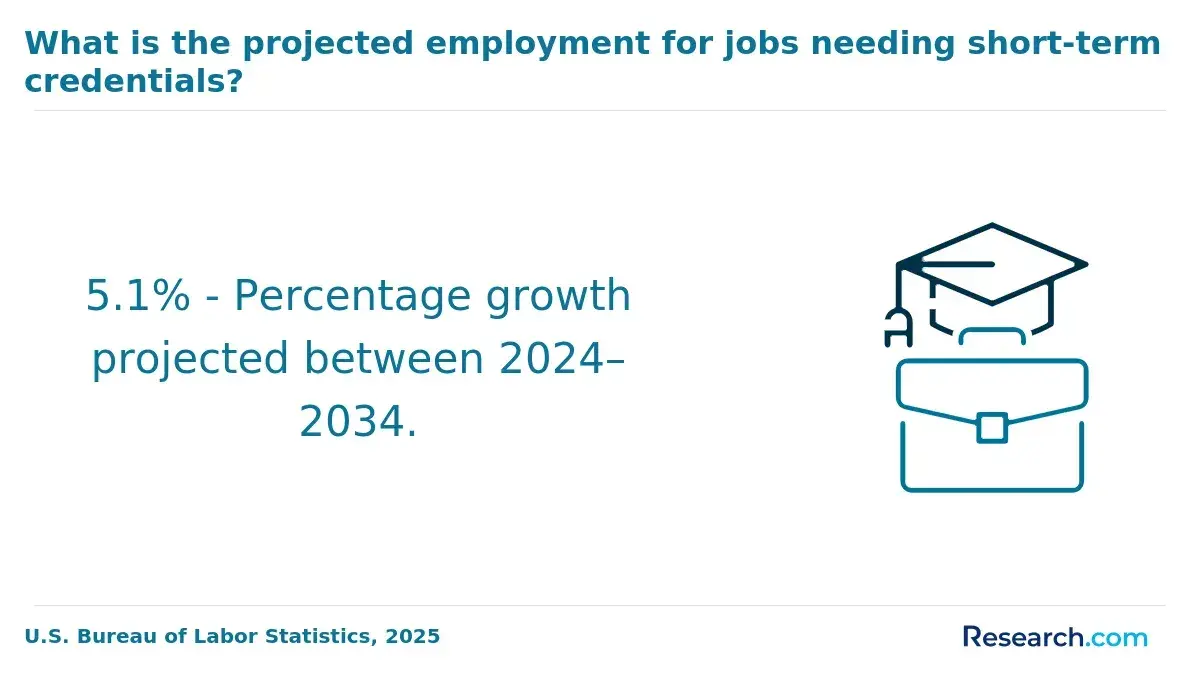
According to data from the U.S. Bureau of Labor Statistics in 2024, metropolitan regions with the highest growth in project management roles experienced an average annual job increase of over 5%, outpacing the national average. This growth highlights the importance of location not only in securing employment but also in accessing robust career pathways. The following analysis examines the cities offering the strongest career opportunities for project management graduates, focusing on pay, job openings, and long-term growth prospects.
Key Things to Know About Project Management Career Hotspots
- Seattle shows a 12% faster job growth in project management roles than the national average, signaling stronger long-term stability for candidates focusing on tech and manufacturing sectors.
- New York offers the highest average project management salary at $105K, but cost of living and competitive employer expectations create a challenging market for recent graduates.
- Houston's increasing demand in energy and healthcare projects reflects a growing niche requiring specialized knowledge, influencing program selections toward sector-specific certifications and skills.
- Key Things to Know About Project Management Career Hotspots Key Things to Know About Project Management Career Hotspots
- Which Cities Offer the Best Career Opportunities for Project Management Graduates? Which Cities Offer the Best Career Opportunities for Project Management Graduates?
- Which Cities Pay the Highest Salaries for Project Management Professionals? Top-Paying Cities
- Which Cities Have the Fastest Job Growth for Project Management Careers? Fastest Job Growth
- Which Industries Drive Project Management Hiring in Different Cities? Hiring Industries
- How Does Cost of Living Affect Project Management Career Value by City? Living Cost
- Which Skills Help Project Management Graduates Compete in Top Job Markets? Which Skills Help Project Management Graduates Compete in Top Job Markets?
- How Do Remote and Hybrid Work Affect Project Management Career Hotspots? Remote Work
- How Can Students Prepare for Relocating to a Project Management Career Hotspot? Relocation Tips
- How Do Different Project Management Career Hotspots Compare? City Comparison
- Which City Best Fits Your Project Management Career Goals? Best City
Which Cities Offer the Best Career Opportunities for Project Management Graduates?
When evaluating the best US cities for project management careers, a nuanced approach is essential. San Francisco, Seattle, and New York City consistently offer some of the top-paying cities for project management jobs, with salaries frequently surpassing $100,000 for those in early- to mid-career stages. These cities benefit from dense industry clusters—technology, finance, and healthcare—that demand complex project oversight. However, pursuing a career solely based on salary can be shortsighted; emerging hubs like Austin and Denver show faster employment growth and a lower cost of living, making them appealing for graduates who prioritize balanced professional growth and affordable lifestyles.
Strong career destinations for project management graduates combine several factors: employer demand, industry diversity, and regional economic health. Areas with expanding infrastructure, startup ecosystems, or financial centers typically provide more job openings and opportunities for advancement. For example, a recent graduate targeting enterprise IT projects might thrive in Austin, where startups drive rapid demand, whereas someone specializing in finance might find better prospects in New York or London. According to the 2024 PMI Global Workforce report, understanding these regional dynamics alongside salary data helps create a realistic view of long-term career potential.
Prospective project management professionals should also consider how metropolitan growth predictions affect job stability and upward mobility. The U.S. Department of Labor forecasts above-average employment growth in several metropolitan regions, making them strategic choices for sustained demand. In light of this, evaluating a city's suitability means integrating salary, job openings, projected growth, and personal priorities such as industry focus and living costs. Additionally, resources like the cheapest online colleges that accept FAFSA in USA can support graduates in managing education expenses as they prepare to enter competitive metropolitan job markets.
Which Cities Pay the Highest Salaries for Project Management Professionals?
Salaries for project management-related occupations vary widely across U.S. cities due to differences in local industry demand, cost of living, and the concentration of specialized employers. Geographic location strongly influences earning potential because certain metropolitan areas cluster industries and projects that require advanced project management skills paired with domain expertise. For example, tech hubs or financial centers often offer higher wages but may also have steeper living expenses that offset take-home pay.
Understanding these tradeoffs is crucial for prospective students and early-career professionals aiming to maximize their income while navigating real-life costs. Below are five U.S. cities known for offering the highest salaries for project management-related roles:
- San Francisco, CA: With a median salary often exceeding $130,000, San Francisco ranks at the top due to its dense concentration of tech companies, startups, and innovation-driven initiatives. The city's demand for project managers versed in software development and complex infrastructure projects drives this high pay, though a significantly higher cost of living requires careful financial planning.
- New York City, NY: Project managers in New York City benefit from the region's diverse economy, spanning finance, healthcare, and media. Median salaries near $120,000 reflect the premium placed on managing multidisciplinary projects in fast-paced, high-stakes environments, balanced by considerable living costs and competition for roles.
- Washington, D.C.: Federal government contracts and defense projects fuel salaries averaging around $115,000, especially for project managers with security clearances. This market rewards specialized expertise managing complex programs across agencies, though job entry barriers can be high for newcomers.
- Seattle, WA: Positioned as a biotech and software hub, Seattle offers project managers median salaries in the $105,000 to $115,000 range. The city's growing engineering and technology sectors provide both salary growth and expanding opportunities for professionals rising through technical project management ranks.
- Boston, MA: Strong biotech and engineering industries frame Boston's project management job market, where median earnings align closely with Seattle's. The presence of research institutions and innovative firms provides a steady pipeline of projects that reward certifications combined with hands-on experience.
An early-career project manager choosing a city should weigh salary figures against work-life balance and living costs. For instance, a graduate targeting high income might focus on San Francisco or New York but must also consider housing affordability and commuting time. Exploring emerging markets or mid-sized metros can sometimes provide better overall conditions than chasing the highest nominal salary alone. Additionally, pursuing the cheapest online college program with project management credentials may support career entry with less financial strain, enhancing long-term growth in these competitive environments.
Which Cities Have the Fastest Job Growth for Project Management Careers?
Job growth for project management professionals varies considerably across the United States, influenced by regional industry strengths and economic conditions. Some metropolitan areas show rapid expansion due to focused investments in technology, infrastructure, and healthcare. These hotspots not only offer rising job openings but also fertile ground for professional development amid evolving sector demands.
Early-career individuals weighing relocation should consider both the growth rate and the nature of opportunities in each locale. The following cities exemplify the fastest employment increases for project management roles as of 2024:
- Austin, Texas: Austin leads with over 15% employment growth year-over-year, driven by a surging tech sector complemented by significant real estate and infrastructure projects. The city's expanding startup scene alongside growing corporate headquarters fosters demand for agile project leadership in software development and construction management.
- Raleigh-Durham, North Carolina: The Research Triangle's mix of technology, biotech, and academic institutions fuels a roughly 12% job increase, particularly in healthcare innovation and software project management. This cluster provides a blend of stable institutional roles and dynamic startups.
- Denver, Colorado: Denver's diverse economy emphasizes renewable energy, transportation overhaul, and expanding healthcare services, all contributing to project management employment growth exceeding 10%. Professionals here often navigate complex cross-industry projects with a sustainability focus.
- Nashville, Tennessee: With robust involvement in healthcare and infrastructure upgrades, Nashville also surpasses 10% job growth in project management professions. The city's rapid urban development and corporate relocations sustain demand for construction and program managers.
- Salt Lake City, Utah: Salt Lake City benefits from a growing technology sector and infrastructure investments, showing consistent double-digit gains in project management openings. The region's emphasis on tech innovation alongside public works projects broadens roles available to project leaders.
One recent project management graduate faced a pivotal choice between remaining in a large, saturated market and moving to a faster-growing region. The graduate hesitated due to family ties but ultimately chose to relocate to a Mountain West city with documented double-digit job growth. Early interviews confirmed that employers valued candidates who understood the unique mix of tech and infrastructure priorities in the area. Reflecting afterward, the graduate noted relief in having prioritized growth potential over familiarity, as job prospects and mentorship opportunities materialized faster than anticipated.
Which Industries Drive Project Management Hiring in Different Cities?
Project management hiring patterns vary significantly across U.S. cities, shaped by each area's dominant economic sectors and strategic priorities. Recent labor statistics and industry reports from 2024 illustrate that city-specific industries strongly dictate the nature and volume of project management opportunities available.
Understanding these regional industry drivers helps early-career professionals position their skills to meet local market demands effectively. The following list highlights the key sectors fueling project management employment across major metropolitan areas:
- Technology and Software: Cities known for technology innovation, such as San Francisco and Seattle, lead project management demand in software development and IT services. The rapid pace of product releases and digital system integrations in these hubs requires project managers adept at coordinating cross-functional teams and managing complex technical timelines.
- Healthcare and Medical Research: Metropolitan areas with expansive healthcare infrastructures like Boston and Houston rely heavily on project managers for clinical trials, regulatory compliance, and large-scale hospital construction. These positions often entail navigating strict protocols and managing multi-stakeholder collaborations.
- Construction and Real Estate Development: Urban centers experiencing population booms and redevelopment—Dallas, Atlanta, and Denver—drive demand for project managers overseeing infrastructure projects, commercial buildings, and residential complexes. These roles are critical in managing contractor relationships and ensuring timely delivery amid fluctuating materials costs and regulations.
- Financial Services: New York and Chicago's status as financial capitals generates project management needs focused on upgrading digital banking platforms and ensuring conformity with evolving financial regulations. Project managers here balance risk mitigation with rapid deployment of fintech innovations.
- Renewable Energy and Sustainability: Emerging hubs like Austin and Minneapolis are expanding project management roles in renewable energy initiatives. These positions often require expertise in managing interdisciplinary teams working on energy efficiency, environmental compliance, and government-funded sustainability projects.
How Does Cost of Living Affect Project Management Career Value by City?
Nominal salaries for project management roles often mask the real financial picture due to varying living costs across U.S. cities. High-paying metropolitan areas like San Francisco and New York offer median salaries above $110,000, but these come with steep expenses for housing, transportation, taxes, and healthcare that significantly reduce disposable income. For example, a project manager earning $120,000 in San Francisco may face housing costs that consume over 40% of their gross income, diminishing the effective purchasing power of their salary compared to smaller cities with lower nominal wages.
Conversely, cities such as Austin, TX, and Denver, CO, demonstrate balanced project management job growth and living expenses, where salaries in the $85,000 to $95,000 range are offset by more affordable costs. A practical scenario illustrates this: a project manager making $85,000 in Columbus, OH, retains more spendable income after essential expenses than a $100,000 earner in Los Angeles due to lower housing and daily living costs. This shows why assessing purchasing power and quality of life is essential; higher wages do not always translate into financial stability, especially when long-term financial outcomes and comfortable living conditions are considered.
Recent analyses from the Economic Policy Institute emphasize that the interplay between salary and local cost-of-living indices determines the true value of project management career opportunities. For prospective students and early-career professionals balancing project management job growth and living expenses across major metropolitan areas, factoring in these dynamics is critical for sustainable career planning. Choosing where to pursue project management careers also involves exploring educational pathways, including flexible options like hospitality management courses online, which can complement skill development for broader roles in project and operations management.
Which Skills Help Project Management Graduates Compete in Top Job Markets?
Employers in major job markets increasingly seek project management graduates who combine specialized technical skills with adaptable professional abilities. This blend enables candidates to navigate complex projects and shifting business environments effectively. For example, a project manager in a fast-paced tech hub like San Francisco must not only handle sophisticated tools but also align diverse teams toward common objectives amid rapid change.
Recognizing this, top organizations prioritize multifaceted competencies that drive results beyond basic task execution. The following skills are critical for graduates to remain competitive and advance sustainably:
- Agile Methodologies: Mastery of agile frameworks is essential as many industries adopt iterative approaches to manage uncertainty and accelerate delivery. Graduates who understand Scrum, Kanban, or related practices can lead projects with greater flexibility and responsiveness, making them valuable in markets focused on innovation and speed. Enhancing this skill through certification or hands-on experience positions candidates for roles in dynamic sectors such as technology or healthcare.
- Data-Driven Decision Making: Proficiency in tools like Jira and Microsoft Project complemented by data analytics expertise allows project managers to quantify progress and risks accurately. This capability supports informed decision-making, which is highly prized in cities with complex financial or infrastructure projects. Developing comfort with project tracking software and basic data interpretation fosters credibility when stakeholders demand evidence-based updates.
- Advanced Communication: Effective stakeholder management and interpersonal communication remain indispensable, particularly in metropolitan labor markets with diverse teams. Project managers able to articulate goals clearly, negotiate priorities, and mediate conflicts enhance collaboration and minimize costly delays. Building this skill involves targeted training and practical application in cross-functional environments.
- Certification Credentials: Industry-recognized certifications such as PMP or Agile Certified Practitioner serve as reliable indicators of a candidate's expertise, often translating to higher salaries and job prospects. In competitive locales like Seattle and Boston, these credentials differentiate applicants by confirming rigor and commitment to best practices. Pursuing these designations requires structured study and passing rigorous exams, reinforcing theoretical and practical knowledge.
- Adaptability and Problem Solving: Rapid regulatory, economic, and technological changes demand project managers who can pivot strategies and resolve unforeseen challenges effectively. This skill enables professionals to maintain project continuity and stakeholder confidence in volatile markets. Cultivating adaptability involves exposure to complex projects and reflective learning from varied situations.
How Do Remote and Hybrid Work Affect Project Management Career Hotspots?
The shift toward remote and hybrid work has recalibrated the relevance of traditional project management career hotspots by broadening access to employers beyond familiar geographic centers. Over 60% of project management roles now offer flexible work options, according to the 2024 Workforce Flexibility Report by the U.S. Bureau of Labor Statistics, reflecting a growing trend that diminishes the necessity to relocate to historically dominant cities like San Francisco or New York.
Nevertheless, the degree to which remote or hybrid arrangements benefit graduates still hinges on occupation-specific demands and industry practices. Sectors requiring frequent in-person collaboration or security clearance continue to tether talent to certain locales, underscoring that remote work is not a uniform solution across all project management roles.
Moreover, the advantages of remote and hybrid work vary with employer policies, regional labor market conditions, and networking opportunities critical for professional growth. Emerging mid-sized cities such as Austin and Raleigh have leveraged this shift by providing competitive compensation combined with lower living costs and digital infrastructure that supports distributed teams.
However, face-to-face engagement remains a key factor in sponsorship and advancement within many organizations, meaning proximity to hubs where corporate clients congregate can still enhance long-term prospects. Recent LinkedIn data showing a 25% increase in remote project management listings outside metropolitan areas illustrates growing demand, but candidates must weigh these evolving patterns against their sector's collaboration needs and advancement pathways.
A recent project management graduate recalled grappling with this transition firsthand: after completing their degree in a smaller city, they hesitated whether to pursue roles linked to traditional urban hotspots or embrace remote positions elsewhere. Ultimately, they accepted a hybrid role with a company headquartered in a distant tech hub, valuing the chance to work remotely while traveling periodically for key meetings.
This arrangement relieved financial pressures associated with relocation and preserved access to influential networks, though they noted feeling occasional uncertainty about visibility and advancement compared to peers fully onsite. Their experience highlights the nuanced trade-offs early-career professionals face when navigating project management opportunities in an increasingly flexible work environment.
How Can Students Prepare for Relocating to a Project Management Career Hotspot?
Relocating to a project management career hotspot is a multifaceted challenge that goes beyond simply securing a job offer. Success depends on strategic preparation before graduation, accounting for local industry demands, cost of living, and professional networks. Students must balance tangible factors such as certification and internships with intangible aspects like cultural fit and adaptability to maximize long-term growth.
Making informed decisions early reduces uncertainties and builds a foundation for sustained career progress in competitive urban markets. Below are key steps to prepare for relocating to top U.S. cities for project management:
- Research Local Market Conditions: Understanding labor demand and industry strengths in cities like Austin, Seattle, and Boston can reveal which sectors are thriving. This insight helps students target their skills and job search effectively in fast-growing markets with higher salary potential, aligning with prepping for a project management career in top U.S. cities.
- Earn Relevant Certifications: Obtaining certifications such as PMP or CAPM before moving boosts employability and salary prospects. According to the Project Management Institute, certified professionals in high-demand cities can earn 20-30% more than those without credentials, which significantly impacts relocation readiness.
- Build Local Networks Early: Engaging with city-specific professional groups and alumni provides mentorship and insider knowledge. This connection creates opportunities that remote job boards or generalized applications often miss, smoothing the transition into new project management hubs.
- Budget for Cost of Living: High salaries often come with elevated housing and living expenses. Realistic financial planning and securing remote interviews before relocating reduce pressure and enable students to focus on integrating into the local community and workforce.
- Gain Practical Experience: Internships and projects tailored to sectors prominent in target cities, such as technology in Seattle or finance in Boston, enhance job readiness. Aligning practical experience with local industry needs supports sustainable career growth after moving.
Students seeking further educational flexibility might explore a one year degree for seniors as a model for accelerated learning, which can complement relocation strategies focused on timing and skill acquisition.
How Do Different Project Management Career Hotspots Compare?
No single city can be deemed the best for every project management graduate because career success depends on a mix of salary, job availability, cost of living, and industry presence. Comparing several labor market factors helps prospective and early-career professionals make nuanced decisions matching their priorities, whether that means maximizing earnings, accessing rapid job growth, or finding a balanced lifestyle. The varying economic landscapes across U.S. cities mean graduates benefit differently depending on their unique goals and risk tolerance.
Below is a comparison of notable project management career hotspots based on 2024 data insights:
- San Francisco, California: San Francisco leads in average salaries, often exceeding $120,000 annually, driven primarily by technology and innovation sectors. This high income potential is tempered by an exceptionally high cost of living, making it a strong choice for graduates prioritizing top compensation and industry prestige despite financial tradeoffs.
- Seattle, Washington: Seattle offers robust job openings and some of the fastest year-over-year employment growth, fueled by expanding tech firms and startups. It appeals to those who want dynamic career progression in a growing metropolitan workforce but should be aware that housing costs are rising sharply.
- New York, New York: Known for its large, diverse workforce and broad industry reach including finance, media, and corporate headquarters, New York provides expansive networking and project variety. However, the cost of living and intense competition require adaptability and strong professional networks to thrive.
- Austin, Texas: Austin combines rapid job growth with a more affordable cost of living relative to coastal hubs. The influx of tech companies has created sustained demand for project management roles, making it ideal for those seeking growth opportunities without the premium living expenses.
- Denver, Colorado: Denver presents a balanced option with competitive salaries and lower living costs compared to major metros. Its growing business environment attracts mid-sized companies and startups, appealing to project managers interested in diverse industries and a moderate pace of life.
Career seekers should also consider expanding skills through relevant education pathways; for example, military veterans may explore an online electrical engineering degree for military veterans to complement project management credentials and improve employability in technical fields.
Which City Best Fits Your Project Management Career Goals?
Determining the best city for your project management career hinges on weighing personal and professional priorities rather than relying solely on salary or job availability rankings. While San Francisco commands some of the highest median salaries—often surpassing $120,000 annually—it also carries a significant cost of living that can negate financial gains. Conversely, cities like Seattle and Austin offer competitive growth in technology and healthcare sectors paired with more affordable living expenses, appealing to those valuing work-life balance and steady career progression.
Job volume further complicates the decision. New York City boasts the largest number of openings across diverse industries, including finance and media, which benefits early-career professionals seeking ample entry-level opportunities. Meanwhile, metropolitan areas such as Denver and Raleigh attract those prioritizing sustained market expansion and moderate expenses. Considering industry concentration, networking potential, and lifestyle preferences alongside employment data from the U.S. Bureau of Labor Statistics helps contextualize these choices in real terms.
No single city universally fits every project management graduate's needs; the ideal destination aligns with an individual's long-term career objectives, financial expectations, and personal values. Thoughtful analysis of 2024 metropolitan workforce trends and cost-of-living data provides a balanced framework for making informed relocation decisions that support both professional growth and quality of life.
References
- 7 vital project management skills to learn | Multiverse https://www.multiverse.io/blog/project-management-skills
- New data reveals the best and worst US states for project managers - Project Accelerator News https://www.projectaccelerator.co.uk/new-data-reveals-the-best-and-worst-us-states-for-project-managers/
- Project Manager jobs | Fresh offers with salary ranges | No Fluff Jobs. https://nofluffjobs.com/project-manager
- 5 skills to master as a Project Manager https://www.hays.com.au/blog/insights/5-skills-to-master-as-a-project-manager
- Project Management Employment Statistics in Europe https://zoetalentsolutions.com/project-management-employment-statistics-in-europe/
- Product and Project Manager Salary in Poland - Itentio IT Recruitment Agency in Poland - itentio.com https://itentio.com/blog/product-and-project-manager-salary-in-poland/
- Best Cities for Project Managers https://www.nobledesktop.com/careers/project-manager/best-cities
- Top 11 Cities for Project Management https://rebelsguidetopm.com/top-cities-project-management/
- What Is a Project Manager? Role, Skills & Career Path Explained https://www.atlassian.com/work-management/project-management/project-manager
- Commercial Relocation Project Manager jobs | Alchemy Global Talent Solutions https://www.alchemygts.com/Commercial-Relocation-Project-Manager-jobs
Other Things You Should Know About Project Management
Competition tends to be fiercer in cities with the highest pay and job openings because they attract experienced professionals nationwide. Early-career project managers should recognize that simply entering these hotspots doesn't guarantee quick placement; they must differentiate themselves by gaining relevant certifications and practical experience. Prioritizing networking and targeted skill development tailored to dominant local industries can mitigate competitive pressures and improve job prospects in these crowded markets.
Rapid job growth typically signals expanding demand, often welcoming newer professionals and offering more entry-level roles, while higher salary cities may demand extensive experience and advanced expertise. For early-career project managers, prioritizing growth hotspots can maximize opportunities to build credentials and advance quickly, even if initial pay is lower. Conversely, seasoned professionals might find better returns focusing on cities with stable but premium salary levels, balancing workload expectations and compensation.
Cities with high salaries often come with more demanding workloads and stricter employer expectations for immediate impact and autonomy. This environment may accelerate skill development but can increase burnout risk if work-life balance is undervalued. In contrast, cities with growing markets might offer more supportive environments with gradual responsibility increases, allowing for steadier, long-term skill acquisition. Project managers should weigh short-term gains against sustainable career pacing when choosing a location.
Cities with diverse project portfolios expose project managers to a range of methodologies, stakeholder types, and industry norms, enriching adaptability and cross-sector experience. This versatility enhances future job mobility, as employers value leaders who can navigate complexity across domains. Conversely, specializing too narrowly in a hotspot dominated by one industry may limit options if that sector contracts. Prioritizing hotspots with varied project landscapes can build a resilient and transferable skill set.