2027 Top Universities Offering Online Hospitality Management Master's Degrees

Co-Founder and Chief Data Scientist
Employers in the hospitality sector increasingly demand specialized expertise and practical leadership skills that align with evolving operational models and guest expectations. Online hospitality management master's programs vary significantly in how they integrate real-world practicum, industry certifications, and workforce needs into their curriculum, shaping graduate employability.
Accreditation status and faculty industry experience also differentiate program quality, impacting graduates' readiness for advanced roles.
Scheduling models and networking opportunities influence accessibility for working professionals, while curricular emphasis on emerging trends like sustainable operations or digital guest engagement can affect long-term career relevance. This article compares top universities' online hospitality management master's degrees through these critical academic and workforce lenses.
Key Benefits of Top Universities Offering Online Hospitality Management Master's Degrees
- Online hospitality management master's programs often require fewer residency days, but this tradeoff can limit direct networking opportunities crucial for leadership roles, highlighting a need for proactive virtual engagement to offset fewer face-to-face interactions.
- A 2024 SHRM study shows 68% of employers prefer candidates with practical tech integration experience; programs emphasizing digital tools better prepare graduates for evolving operational roles in hospitality.
- Programs that balance asynchronous coursework with cohort models improve accessibility for working professionals, but longer completion times may increase cumulative costs, impacting career-changing students weighing immediate workforce reentry.
Which Universities Offer the Best Online Hospitality Management Master's Degrees?
Institutions that deliver high-quality online hospitality management master's programs typically feature curricula that extend well beyond foundational management principles to include specialized areas like service innovation, sustainable practices, and data-driven marketing strategies. These programs often incorporate faculty with significant professional experience or active research engagements in hospitality, ensuring course content is grounded in current industry realities.
The inclusion of applied learning components such as capstone projects, internships, or partnerships with hospitality businesses also distinguishes these institutions, facilitating practical skill development rather than purely theoretical knowledge. Such academic depth and experiential design are critical markers of programs that genuinely prepare students for complex hospitality leadership roles.
The structure and focus of these programs have pronounced implications for student outcomes, especially regarding employability and skill readiness. Graduates coming from well-integrated, practice-oriented online hospitality management master's programs generally report stronger alignment with industry certifications and higher initial placement rates, reflecting employer preferences for candidates with both conceptual understanding and demonstrated workplace competence.
However, programs that prioritize rigor and specialization often demand greater time investment from working professionals, creating a tradeoff between scheduling flexibility and depth of learning. A 2024 report by the National Center for Education Statistics highlights a 12% rise in graduate enrollment among working adults seeking flexible online degrees, underscoring the need for programs to balance accessibility with required academic intensity for career advancement.
The best online hospitality management master's programs for working professionals therefore negotiate challenging tradeoffs: programs emphasizing specialization and experiential components might limit pacing options or impose heavier workloads, while those optimized for flexibility sometimes sacrifice depth or direct industry engagement.
Prospective students must assess how these factors align with their career timelines, professional responsibilities, and long-term goals. For those focused on fast-tracking outcomes, considering fast online degrees in complementary management areas could also provide strategic advantages when selecting a program that fits both skill acquisition and schedule constraints.
Why Does Accreditation Matter for Online Hospitality Management Master's Programs?
Accreditation serves as a critical measure of academic legitimacy and structural quality in online hospitality management master's programs by enforcing standards on curriculum content, faculty expertise, and institutional oversight. These standards ensure programs deliver relevant and current knowledge aligned with industry demands, helping prevent outdated or superficial coursework.
Beyond curriculum, accreditation mandates formalized support services and administrative accountability, creating a baseline for consistent program delivery irrespective of location. This regulatory framework functions as a quality filter that reassures students their education meets both educational best practices and sector expectations, which is particularly important given the variable rigor across online program providers.
In practical terms, accreditation significantly influences career and educational mobility. Employers and certifying bodies often require degrees from accredited programs for hiring or licensing eligibility, reinforcing the link between accreditation and professional credibility.
For example, a 2024 survey by the Global Hospitality Education Consortium reported that 78% of HR managers prefer candidates from accredited programs due to their better job readiness and practical competency, illustrating how accreditation tangibly affects recruitment outcomes. Students who enroll in non-accredited programs risk facing barriers such as non-transferable credits and limited eligibility for advanced certifications.
This can lead to both lost time and resources, especially if they pursue further education or specialized roles. Hence, accreditation operates not just as a mark of quality but as a functional gateway influencing long-term career pathways and financial investment efficacy in hospitality management graduate education.
Which Universities Offer the Most Flexible Online Hospitality Management Master's Programs?
Flexibility in online hospitality management master's programs is largely determined by their structural design, emphasizing asynchronous course delivery, self-paced progression, and part-time enrollment availability. Programs that provide fully asynchronous learning allow students to access materials and complete assignments without synchronous sessions, accommodating varied work schedules.
The option to extend degree completion beyond the typical two years, sometimes up to five, is another key factor enabling students to balance education with other responsibilities. Additionally, the distinction between cohort-based and individual enrollment models affects scheduling freedom, with some programs offering elective choices and others adhering to fixed course sequences that impact flexibility.
The practical tradeoffs of flexibility encompass workload management and the nature of student engagement. While extended timelines and asynchronous formats offer crucial breathing room for working professionals, they can also dilute academic momentum and reduce opportunities for peer interaction.
For example, a student balancing a demanding hospitality role found that minimal residency requirements allowed uninterrupted work but limited face-to-face networking and live collaboration, which slowed their ability to build industry connections.
Moreover, access to applied learning components like internships may be constrained if programs prioritize flexible pacing over scheduled experiential opportunities. According to the National Center for Education Statistics in 2024, nearly 78% of online graduate students prioritize asynchronous learning to fit their complex schedules, underscoring its role in accessibility but also highlighting the importance of balancing this with meaningful academic and professional integration.
A recent graduate recalled the challenge of selecting a program that offered genuine flexibility while maintaining industry relevance. With a full-time job in hotel operations and a family to support, they were drawn to a program that allowed asynchronous coursework and no residency mandates but hesitated because it lacked structured internship placements.
They ultimately chose the program for its pacing freedom, appreciating how it enabled them to complete courses during irregular hours after work. However, they noted a lingering sense of isolation and wished there had been more opportunities for synchronous discussions or local networking events to bridge the gap between theory and hands-on industry exposure.
Which Universities Are Best for Working Professionals Earning a Hospitality Management Master's Online?
Online hospitality management master's programs tailored for working professionals emphasize flexible scheduling, asynchronous coursework, and part-time enrollment to accommodate demanding work hours. Access to responsive faculty and employer-aligned curricula that focus on current operational challenges and digital innovation supports meaningful skill development for those integrating studies with full-time jobs.
Programs with modular course designs and virtual simulations facilitate learning without rigid classroom attendance, which is crucial for professionals navigating fluctuating work commitments and varied time zones. These features directly address the priorities of working professionals online hospitality management master's programs seek to serve.
In practice, balancing coursework deadlines with job responsibilities requires programs to offer predictable pacing and clear communication channels to maintain academic consistency and reduce attrition. A recent study from the National Center for Education Statistics notes that flexible program formats contribute significantly to retention rates among graduate students employed full-time.
The ability to manage workload fluctuations without sacrificing skill acquisition is key for translating education into better workplace performance, particularly in leadership and operational roles. Career services and networking accessibility also factor heavily into ongoing professional growth, which distinguishes programs that effectively support career-oriented learners.
Tradeoffs include potentially longer degree completion times and less cohort interaction, which can diminish peer learning and networking benefits. Some programs may limit in-person internship or practicum options due to students' work schedules, shifting hands-on experiences toward simulations or project-based learning.
Prospective students should weigh these factors alongside affordability and accreditation status. Given the complex decision drivers involved, exploring fields with demonstrated affordability, such as criminal justice online, can provide comparative insight into balancing cost, flexibility, and value across professional master's degrees.
How Much Do Top Online Hospitality Management Master's Programs Cost?
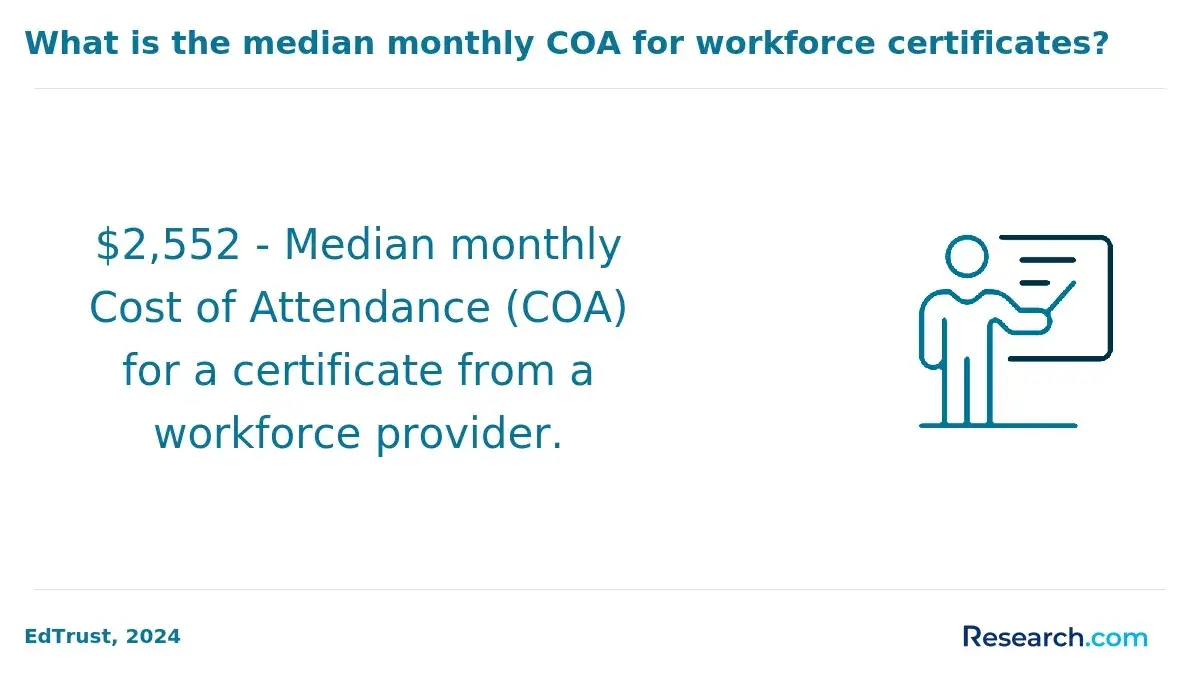
Top online hospitality management master's programs in 2024 generally charge between $15,000 and $45,000 in tuition for the full degree. Variations in cost correspond closely with institutional type-public universities tend to offer lower rates, particularly for in-state students, while private institutions set higher tuition reflecting specialized curriculum or industry-connected experiences.
Delivery format and program design also shape pricing, as accelerated or cohort-based models often command premiums due to more intensive faculty engagement or exclusive access to networking opportunities. Fees beyond tuition, such as technology charges or course materials, contribute additional costs that prospective students should factor into their budget assessments to avoid surprises.
The financial tradeoffs embedded in these price differences affect decisions about program fit and return on investment. Working professionals may choose higher-priced programs with flexible pacing and industry partnerships, accepting greater upfront cost for long-term career leverage, while others prioritize affordability through part-time or less specialized options to minimize debt.
Employer tuition assistance usage varies and can substantially alter net costs, but reliance on such aid requires alignment with job stability and reimbursement policies. For example, a mid-career candidate delaying enrollment to secure employer funding might weigh that benefit against lost income or delayed credentialing, underscoring how cost considerations intersect with professional timing and opportunity costs rather than just sticker price alone.
One student recounted grappling with rolling admissions timing and financial uncertainty while applying to online hospitality management programs. They completed prerequisites early but hesitated submitting applications immediately, unsure about the availability of employer tuition support and scholarship deadlines.
The staggered response from programs led to anxiety about locking in rates that might rise and forced a delicate balance between seeking clarity on financial aid offers and the risk of missing application windows.
Ultimately, the student's experience highlighted how cost-related decision-making in this field often involves navigating incomplete information and strategic timing rather than straightforward budgeting.
Which Online Hospitality Management Master's Programs Are Hardest to Get Into?
Online hospitality management master's programs with the most selective admissions are typically characterized by limited cohort sizes, rigorous academic prerequisites, and explicit expectations for relevant professional experience. These structural constraints often reflect resource availability, including faculty-to-student ratios, and a deliberate focus on workforce alignment rather than institutional brand alone.
Programs with specialized tracks in leadership, analytics, or strategic management within hospitality tend to prioritize candidates demonstrating readiness for complex decision-making roles, which narrows the applicant pool substantially. The selectivity is also driven by the integration of experiential components like internships or consulting projects, which require smaller, highly committed cohorts to maintain quality.
Applicants aiming for the top hardest to get into hospitality management master's degrees in the US must prepare strategically, often bolstering their profiles with strong academic credentials and substantial industry experience well in advance. Early application deadlines and prerequisite coursework can create barriers, particularly for working professionals balancing employment commitments with academic goals.
Candidates without significant management background may face challenges entering these programs, which contrasts with more flexible or rolling admission tracks designed for skill enhancement rather than career transformation. This dynamic necessitates careful planning around timing, portfolio development, and familiarity with admission criteria.
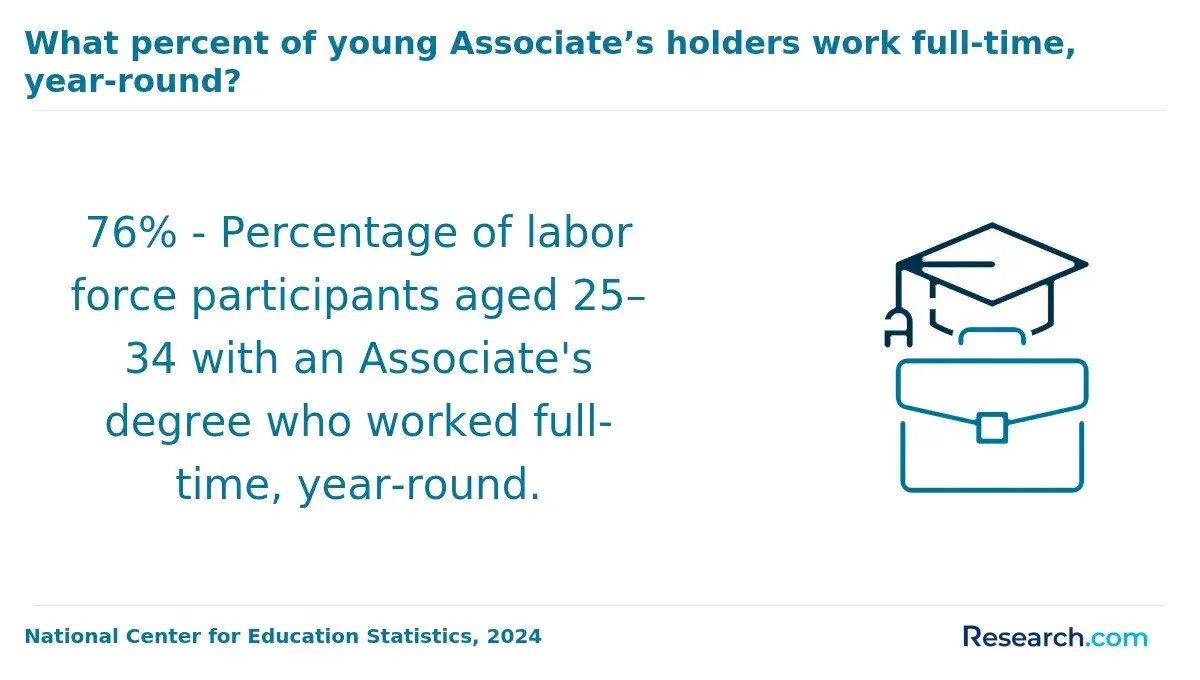
Balancing the tradeoffs between selectivity and accessibility is crucial, as more competitive programs often foster richer peer interactions and deeper mentorship but limit scheduling flexibility. Graduates from these selective programs report starting salaries 15-20% higher than peers from less selective tracks, underscoring tangible professional benefits tied to program rigor and network quality.
Prospective students evaluating these factors alongside models like cohort-based intensity versus adaptable pacing will find varied returns aligned with individual career objectives. For those comparing degree options, including those interested in the best organizational development master's programs online, understanding how selectivity affects learning environment and career impact is essential.
Which Universities Are More Transfer-Friendly for Graduate Students?
Universities that are more transfer-friendly for graduate students typically possess institutional frameworks designed to accommodate varied academic backgrounds, particularly within online hospitality management master's programs. Public universities with clear articulation agreements and standard credit evaluation processes often provide smoother pathways for transferring graduate-level credits.
Institutions structured to serve adult learners and working professionals may incorporate prior learning assessments and flexible curriculum models that recognize professional experience alongside formal coursework. Similarly, universities embedded in state systems or with well-established online infrastructures frequently extend credit transfer options through cross-campus collaborations and dedicated support services, facilitating more streamlined degree progression.
These flexible transfer policies can significantly reduce the time and cost of degree completion, a critical factor for those balancing work with study or looking to accelerate credential attainment. For example, a mid-career professional changing focus within hospitality management might leverage previously completed graduate courses to avoid retaking foundational classes, thereby preserving specialization continuity.
However, tradeoffs exist: programs emphasizing transferability may impose stricter alignment with accreditation standards or limit elective customization to maintain curricular integrity.
According to a 2024 report from the National Center for Education Statistics, nearly 58% of online graduate programs permit transfer credits, often capped between 6 to 12 credits within 30 to 36 credit programs, indicating a widespread but measured adoption of transfer policies that reflect these operational balances.
Which Online Hospitality Management Master's Programs Help Students Secure Internships?
Online hospitality management master's programs that effectively facilitate internships typically demonstrate strong institutional connections to the industry, including formal partnerships with hotel chains, regional businesses, and sector-specific organizations. These programs often have dedicated career services or placement coordinators who actively manage internship pipelines, augmenting access beyond what students could secure independently.
Alumni networks engaged in mentoring and curated cohort models further enhance internship opportunities by fostering sustained professional relationships and localized employer engagement. Structural elements like embedded practicum requirements or capstone projects with real clients also signal a program's commitment to applied learning, increasing the likelihood of meaningful experiential placements.
In practice, students enrolled in programs with these robust support systems tend to experience higher quality internships, more relevant to the demands of the hospitality industry and aligned with their career goals. Flexible scheduling accommodates working professionals attempting to balance coursework with onsite commitments, while hybrid components that allow face-to-face interaction often improve networking outcomes and practical skill development.
According to data from the National Association of Colleges and Employers, students participating in internships during graduate studies are about 30% more likely to secure employment within six months of graduation, illustrating the direct impact of these experiential opportunities on workforce readiness.
However, there are tradeoffs to consider. Programs emphasizing maximum flexibility for remote learners sometimes lack geographically targeted employer connections, which can hinder access to localized internships.
Conversely, those with strong placement infrastructure may require partial onsite attendance or rigid practicum timelines that reduce scheduling freedom.
Students must therefore weigh their personal constraints and career aspirations against the presence or absence of institution-supported internship pathways, recognizing that self-sourced internships generally carry less structured support and may not translate as effectively into post-graduate employment outcomes.
Which Online Hospitality Management Master's Programs Have the Best Job Placement Rates?
Programs with the best job placement rates for online hospitality management graduates typically integrate a curriculum that emphasizes practical, experiential learning combined with technology use and strategic industry engagement. Graduate outcomes improve when programs require internships or project-based experiences that connect students with regional employers, thereby facilitating smoother transitions into relevant roles.
Programs that maintain active alumni networks and partnerships within luxury hospitality, event management, or tourism sectors further strengthen hiring pipelines by aligning graduate skills with employer demands and market trends. According to recent 2024 industry analyses, graduates from such targeted programs not only access jobs faster but also enter mid- to senior-level positions more readily, underscoring the practical value of aligned program structures.
Reported placement rates vary across specializations within hospitality management, reflecting the diverse nature of the field and the different employer expectations attached to tracks such as hotel operations, event planning, or food and beverage leadership.
Additionally, data reliability can be inconsistent, as many programs rely on self-reported employment outcomes, and timing of job placement measurement differs widely. Working professionals pursuing online degrees often benefit from existing industry networks that accelerate their post-graduation employment, whereas traditional students might face a steeper hurdle without prior experience.
Prospective students considering the best job placement rates should thus evaluate how each program's design caters to their background and specialization goals.
Employers increasingly seek candidates equipped with both domain expertise and leadership flexibility, making programs that balance these elements more attractive despite narrower specialization paths potentially limiting geographic mobility.
Measurement of placement effectiveness must consider labor market fluctuations and economic conditions impacting the hospitality sector broadly. Since online hospitality management master's programs vary widely, those seeking versatile, outcome-oriented education might also review alternative options such as one year degrees for seniors that can complement or accelerate career transitions in related fields.
What Factors Matter Most When Comparing Graduate Schools?
Choosing a graduate school for an online hospitality management master's degree entails balancing curriculum depth, cost, flexibility, and career outcomes. Program structure-not reputation alone-largely shapes employability, skill acquisition, and long-term positioning in hospitality fields, making detailed comparisons essential for return on investment.
- Curriculum Structure and Rigor: The course design influences how well graduates meet evolving industry needs. Programs integrating sustainability, technology, and global supply chains better prepare students for practical challenges, affecting job readiness and salary potential.
- Accreditation and Academic Credibility: Regional and programmatic accreditation, like that from the Accreditation Commission for Programs in Hospitality Administration, ensures academic standards and employer recognition. Without these, graduates risk limited certification options and reduced hiring prospects.
- Specialization Depth: Programs that offer focused tracks in areas such as revenue management or foodservice operations can improve career alignment but may extend time-to-completion and workload for professionals balancing work and study.
- Experiential Learning Integration: Opportunities for internships, practicums, or applied projects contribute to skill mastery and employer networks, which are frequently indispensable for breaking into competitive hospitality roles.
- Delivery Format and Flexibility: Asynchronous classes and part-time options accommodate working professionals; however, programs lacking these features may lead to higher dropout rates or delayed graduation, a consideration underscored by Council on Graduate Education Research data prioritizing flexibility.
- Cost and Financial Tradeoffs: Total program expenses should be evaluated against realistic salary increments post-graduation, recognizing that some programs' ROI is limited by unaligned curricula or weak industry connections.
- Internship or Practicum Availability: Hands-on experience is often critical but not universally required. Students must assess whether their prospective programs facilitate meaningful placements affecting employability.
- Faculty Industry Experience: Instructors with direct hospitality sector backgrounds enhance curriculum relevance and can provide valuable professional insights, unlike purely academic faculty.
- Employer Alignment and Job Placement Outcomes: Transparent post-degree employment statistics and employer partnerships reveal a program's effectiveness in positioning graduates for relevant roles.
- Transfer Credit or Prior Learning Policies: Programs that accept prior graduate-level credits or relevant industry certifications can shorten duration and lower costs, vital for career changers.
Institutional accreditation and program flexibility for hospitality management master's degrees are increasingly viewed as essential by employers and learners alike, reflecting practical workforce demands.
Prospective students must weigh admissions selectivity and curriculum design in top hospitality management graduate schools to determine which programs offer tangible career benefits rather than brand cachet alone. For related guidance on degree pathways, see resources on online cybersecurity degrees for veterans.
What Graduates Say About Top Universities Offering Online Hospitality Management Master's Degrees
- Fisher: "After finishing my online hospitality management master's, I realized how much employers valued hands-on internships and portfolio projects over just having the degree. I focused on securing roles that offered practical experience, which helped me land a management position more quickly than I expected-even though some traditional licensure paths were available, they weren't always prioritized."
- Cairo: "Balancing career ambitions and family made the flexibility of the online hospitality management master's essential for me. Post-graduation, I encountered challenges with salary growth ceilings in certain sectors, especially without additional certifications, so I pivoted toward remote roles in event management that better matched my lifestyle and still leveraged my degree."
- Austin: "The reality of the job market after my hospitality management master's was that many hiring managers looked for candidates with specific industry experience rather than just academic credentials. I found that continuous certification and networking post-degree were crucial for advancement, and while the program equipped me with great theoretical knowledge, real workplace challenges demanded ongoing adaptation."
Other Things You Should Know About Hospitality Management Degrees
Top universities vary significantly in how they integrate practical skills with theoretical frameworks in their online hospitality management masters. Programs emphasizing case studies, real-world project collaborations, and simulation software prepare students more effectively for managerial roles in dynamic hospitality environments.
Conversely, programs heavier on theory may strengthen research or strategic planning skills but risk leaving graduates less prepared for operational challenges. Prospective students should prioritize programs whose curriculum aligns with their career goals-whether that's frontline management, strategic leadership, or industry innovation-since this balance strongly influences employability and role readiness.
Students should prioritize programs with faculty experts in emerging trends and technologies impacting hospitality, such as sustainable practices and digital transformation. Faculty with industry experience in diverse areas like hotel operations and event management can provide valuable insights, enhancing learning relevant to 2026's evolving hospitality landscape.
Because hospitality management encompasses diverse sectors such as hotel operations, event planning, and foodservice management, faculty expertise directly affects curriculum relevance and specialized skill development. Students targeting leadership roles in a specific sub-industry should seek programs where faculty research, consulting experience, or industry ties align closely with that sector.
Choosing a program with faculty breadth rather than narrow specialization may suit those seeking versatile roles or leadership over multiple hospitality domains. Prioritizing faculty expertise reduces the risk of graduating with outdated or inapplicable skills.
Online hospitality management master's degrees often offer flexibility but frequently demand self-discipline to manage rigorous workloads without the structure of in-person schedules. Many programs compress course material into short terms or intensive modules, requiring significant weekly hours for reading, assignments, and team projects.
Unlike traditional programs where class time structures study periods, online students must allocate consistent time independently, which can conflict with professional or personal obligations. Prospective students should realistically assess their ability to maintain focus and engagement remotely, as underestimating workload can delay graduation and diminish learning quality.
References
- Student Graduate Programs | Four Seasons Hotels Limited https://careers.fourseasons.com/us/en/student-graduate-programs
- 6 Hospitality Degrees That Include Global Internships https://www.notion4teachers.com/blog/hospitality-degrees-with-global-internships
- Accreditation Commission for Programs in Hospitality Administration - (ACPHA) https://www.chea.org/accreditation-commission-programs-hospitality-administration
- Online Master of Arts in Executive Hospitality Management | Swiss Hotel Management School https://www.shms.com/en/program/online-master-shms/
- 2026 Most Affordable Online Master's Degrees in Hospitality Management https://www.onlineu.com/most-affordable-colleges/hospitality-management-masters-degrees
- Top jobs with a hospitality and tourism masters degree https://www.surrey.ac.uk/news/top-jobs-hospitality-and-tourism-masters-degree
- Online Master in Tourism and Hospitality Management | GBSB Global https://www.global-business-school.org/programs/executive-masters/online-master-in-tourism-and-hospitality-management/
- 15 Best Online Bachelor's in Hospitality Management Programs https://www.onlinecolleges.net/rankings/best-online-bachelors-hospitality-management-degree-programs/
- 10 Reasons to Study International Hospitality Management https://sbmedu.com.tr/blog/10-reasons-to-study-international-hospitality-management