2027 Top Universities Offering Online Christian Leadership Master's Degrees

Co-Founder and Chief Data Scientist
Employers increasingly seek graduates from online Christian leadership master's programs that demonstrate clear applicability to evolving ministry contexts and organizational demands. Variations in program design, such as specialization options, practicum requirements, and alignment with recognized certifications, significantly affect graduate readiness and employability.
Accreditation standards and faculty expertise also shape the depth and credibility of curriculum outcomes. Scheduling models impact accessibility for working professionals balancing vocational and educational commitments.
This analysis compares top universities offering online Christian leadership master's degrees through these operational and academic dimensions, providing a grounded perspective on which program structures best meet contemporary workforce expectations and long-term career goals.
Key Benefits of Top Universities Offering Online Christian Leadership Master's Degrees
- Online Christian leadership programs often require extensive self-discipline; this tradeoff necessitates a realistic appraisal of personal time management skills before enrollment, affecting completion rates, especially in cohorts balancing ministry and family demands.
- Accredited programs signal to employers a rigorous theological and managerial foundation, enhancing leadership credibility in faith-based organizations, yet the diversity in accreditation standards may influence institution-specific hiring preferences.
- The rising availability of hybrid formats in 2024 signals an accessibility shift, reducing geographic and scheduling barriers, but potential additional costs and on-campus commitments should factor into financial and logistical planning.
Which Universities Offer the Best Online Christian Leadership Master's Degrees?
Stronger online Christian leadership master's programs typically emerge from institutions that prioritize curricular depth and specialization aligned with emerging leadership challenges within faith-based contexts. These programs often feature faculty with substantive ministry and organizational leadership experience, which enriches academic content with practical insights.
Effective designs integrate applied learning components, such as ministry internships or project-based assignments, enabling students to develop skills directly relevant to church administration and nonprofit leadership.
This attention to both rigor and contextual relevance distinguishes programs that attract working professionals seeking targeted expertise rather than broad theological study alone.
Institutional design influences student outcomes significantly, where programs that balance academic rigor with career readiness show higher rates of employment in leadership roles within religious organizations.
Graduates from well-structured programs tend to exhibit stronger competencies in conflict resolution, strategic planning, and team management that align with employer expectations.
Additionally, many top-tier online Christian Leadership master's degrees for working professionals embed certification preparation or align coursework with denominational leadership standards, enhancing graduates' qualification portfolios.
Workload patterns also differ, with some institutions offering asynchronous flexibility appealing to students balancing ministry or secular jobs, while others require synchronous engagement to facilitate cohort interaction and mentorship.
Tradeoffs in program formats often revolve around flexibility versus depth and pacing versus experiential intensity. Programs offering maximum accessibility through fully asynchronous models may limit real-time peer interaction and immersion in applied experiences, potentially impacting skill acquisition.
Conversely, institutions emphasizing synchronous or hybrid formats can demand more time investment, which may challenge those juggling demanding schedules but ultimately enhance leadership capabilities through active mentorship and community engagement.
Prospective students comparing the best online Christian leadership master's programs for working professionals must weigh how these structural differences impact both their immediate capacity to participate and their long-term professional development outcomes, especially given that over 85% of accredited leadership programs maintain standards closely tied to student success metrics.
Why Does Accreditation Matter for Online Christian Leadership Master's Programs?
Accreditation functions as a critical benchmark for academic legitimacy and structural quality in online Christian Leadership master's programs. It ensures that the curriculum meets established standards, reflecting both theological rigor and leadership competencies that align with evolving ministry and nonprofit demands.
Institutions with proper accreditation are subject to ongoing oversight, which promotes faculty qualifications, resource adequacy, and robust student support systems. This regulatory framework helps maintain consistency and reliability, signaling to prospective students that the program's content and delivery are systematically vetted rather than arbitrary or inconsistent.
The real-world impact of accreditation often determines the practical value of the degree beyond completion. For example, employers in faith-based and nonprofit sectors show a strong preference—evidenced by a 2024 CareerWatch study indicating 78% favor accredited credentials—which translates directly into hiring advantages and advancement opportunities.
Students in accredited programs also benefit from smoother credit transfers if they pursue further graduate studies or certifications tied to denominational requirements. Conversely, graduates of unaccredited or lesser-recognized programs may face rejected credits, limited financial aid, and constrained access to licensing pathways.
Consider a working professional aiming to pivot toward specialized counseling within a faith context: choosing an unaccredited program could jeopardize eligibility for certification, forcing costly additional coursework and delaying career goals.
Accreditation thus acts as a practical filter, distinguishing programs that offer tangible, career-relevant outcomes from those that risk undercutting students' academic and professional investments.
Which Universities Offer the Most Flexible Online Christian Leadership Master's Programs?
Flexibility in online Christian Leadership master's programs hinges primarily on their structural design rather than institutional prestige. Programs offering asynchronous coursework, where students engage with materials on their own schedules, typically provide the greatest adaptability, crucial for working adults.
Part-time enrollment options and self-paced progression models further accommodate varied personal and professional demands, moving beyond rigid semester calendars.
Additionally, the ability to select from customizable electives or enter multiple cohort start dates enhances students' control over pacing and content relevance, distinguishing truly flexible programs from those with more traditional, cohort-dependent sequencing.
Such flexibility, however, involves tradeoffs that students must evaluate carefully. While asynchronous formats help manage workloads alongside employment and family commitments, they can limit synchronous peer interaction and reduce opportunities for direct faculty mentorship, potentially affecting academic cohesion.
Time-to-completion varies widely, as some learners accelerate progress while others extend their studies due to external pressures. For example, a student balancing ministry leadership might pause coursework to take a part-time internship, an option not always available in strictly paced programs.
According to recent findings from the National Center for Education Statistics, programs incorporating competency-based progression coupled with asynchronous delivery achieve a 17% higher on-time completion rate than those limited to fixed-semester formats, underscoring flexibility's pivotal role in academic success.
One graduate recalled hesitating between two programs because of scheduling constraints tied to cohort starts. After selecting a school with rolling admissions and modular courses, they found the ability to pause for a demanding church project without academic penalty invaluable.
This allowed them to maintain steady progress without sacrificing responsibilities, highlighting how program architecture directly shapes the lived experience and practical feasibility of pursuing an advanced Christian Leadership degree amid complex life demands.
Which Universities Are Best for Working Professionals Earning a Christian Leadership Master's Online?
Online Christian Leadership master's programs that best serve working professionals prioritize flexibility through asynchronous coursework and part-time enrollment to accommodate ongoing job commitments. These programs typically integrate curriculum designed to align with employer expectations, focusing on leadership theory paired with practical ministry and organizational skills.
Accessibility to faculty with real-world experience enhances mentorship opportunities, helping students apply learning directly to their roles while managing academic progress.
Programs emphasizing transfer credits and internships also provide pathways that respect prior learning and professional engagements, essential for working professionals earning a Christian Leadership master's online programs with flexible scheduling.
Such structural features allow students to balance workload and deadlines alongside employment responsibilities, fostering consistent progress without overwhelming schedules.
The ability to pace studies contributes to sustained engagement, which can be critical given findings from 2024 workforce education analyses showing that flexible program delivery correlates with higher completion rates among adult learners.
However, fewer synchronous interactions may limit cohort cohesion, requiring students to leverage virtual networks and career services actively. These dynamics shape long-term employability by ensuring graduates can integrate ethical and strategic leadership competencies in faith-based contexts without sacrificing professional obligations.
The tradeoff often involves extended timelines for degree completion and variability in practicum or internship integration, as employed students must coordinate these experiences with their work schedules.
While some programs provide robust employer connections and real-world application opportunities, the degree to which these translate into leadership roles depends on the effectiveness of career services and alumni networks.
Prospective students should weigh these factors carefully, recognizing that programs addressing adult learner needs tend to offer the strongest alignment with career goals rather than relying solely on institutional prestige.
For guidance on affordable pathways complementing Christian leadership studies, consulting data on the cheapest online counseling degree can provide useful comparative insight.
How Much Do Top Online Christian Leadership Master's Programs Cost?
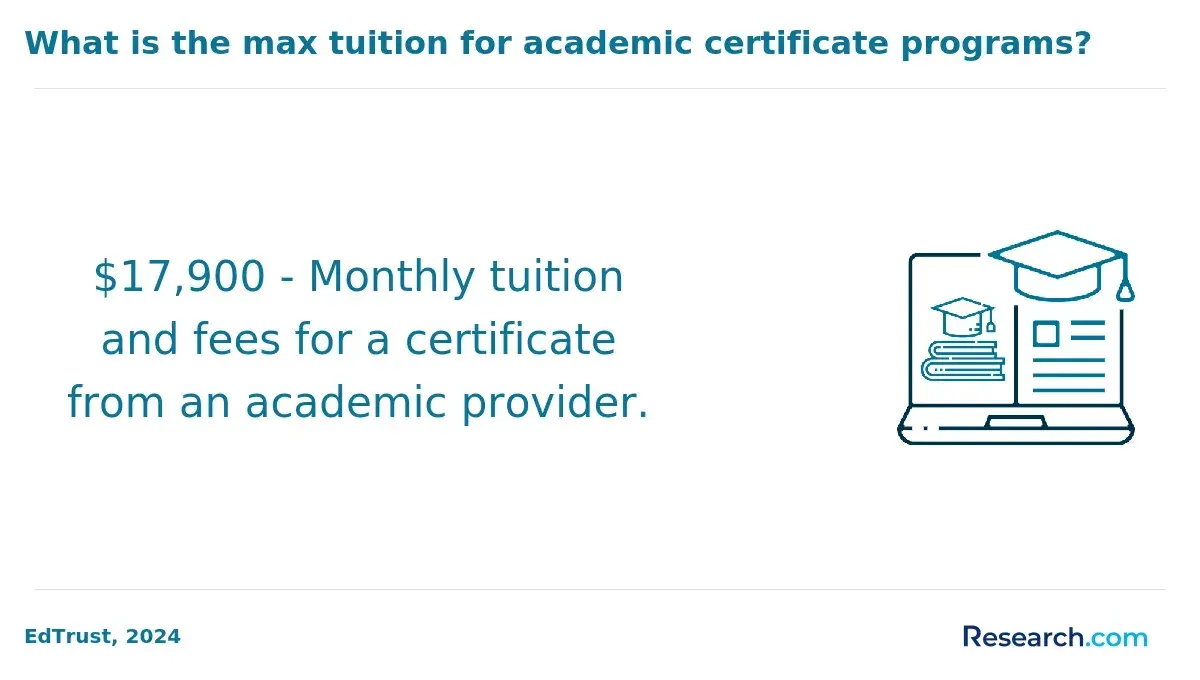
Top-tier online Christian leadership master's programs in 2024 generally fall within a tuition range of $15,000 to $40,000 total, a spread largely influenced by program delivery, institutional type, and curricular focus. Most charge by credit hour, typically between $500 and $1,200, with degree requirements spanning 30 to 36 credits.
Programs housed in faith-based institutions often include specialized theological leadership coursework that can raise costs compared to secular leadership degrees. Additional charges—for technology, application, textbooks, or field experiences—also create variability, especially where immersive residencies or practical intensives are factored into the curriculum.
Financial tradeoffs depend heavily on the student's situation and program format. Accelerated or specialization-heavy tracks may demand higher tuition but offer quicker, more tailored pathways, which can benefit those seeking rapid reentry into ministry leadership roles or nonprofit sectors.
Conversely, part-time options typically extend duration, increasing ancillary costs but easing monthly financial burdens. Employer tuition assistance is an important factor but varies with program accreditation and mission alignment.
Working professionals often choose higher-cost but highly flexible programs to balance study with full-time employment, while budget-conscious candidates might opt for less expensive offerings with limited experiential components, accepting potential compromises in networking or faculty engagement.
One student recalled navigating rolling admissions amid uncertainty about funding and course timing. Although initially applying early, delays in employer sponsorship confirmation prompted a pause before final enrollment.
This intermittent hesitation underscored how cost considerations intertwined with admission pacing, leaving the student weighing the risk of potential tuition increases against the need for financial clarity.
The experience reinforced that understanding program timelines and fee structures in advance can be as critical as tuition figures themselves when making enrollment decisions.
Which Online Christian Leadership Master's Programs Are Hardest to Get Into?
Programs recognized as the hardest online christian leadership master's programs to get into commonly exhibit a combination of limited cohort sizes, stringent academic prerequisites, and expectations for significant prior ministry or leadership experience.
Selectivity in admissions often stems less from institutional brand prestige and more from resource constraints like faculty-to-student ratios and the intentional design of immersive cohort-based learning models.
These programs frequently require applicants to submit comprehensive portfolios, detailed statements of faith, and multiple letters of recommendation to demonstrate readiness for both the academic rigor and practical ministry components embedded in the curriculum.
Applicants to the most selective online christian leadership graduate programs must prepare well in advance, aligning academic timelines with prerequisite completion and gaining relevant professional experience to meet application demands.
While working professionals may find more flexible, less selective programs accommodating, those targeting competitive options face early deadlines, intensive interviews, or portfolio reviews that privilege demonstrated leadership capability in faith-based or community contexts.
According to a 2024 report by the Council of Graduate Schools, acceptance rates below 30% at prominent seminaries highlight this trend, contrasting with more flexible programs admitting over 60% of applicants.
The tradeoff between accessibility and cohort-based intensity influences classroom dynamics and peer quality, with the most selective programs fostering robust leadership networks through immersive learning but requiring significant applicant investment.
Less selective programs offer greater entry accessibility but may struggle to uniformly produce graduates with high practical leadership outcomes. For prospective students, weighing these factors alongside program structure and career goals is critical, especially given employer demand for both recognized credentials and proven leadership skills.
For those exploring flexible business degrees, some may also consider online MBA programs no GMAT as an alternative pathway to leadership roles within faith-based or nonprofit sectors.
Which Universities Are More Transfer-Friendly for Graduate Students?
Universities that tend to be more transfer-friendly for graduate students in online Christian Leadership master's programs often feature flexible credit evaluation frameworks and structured articulation agreements.
Institutions focused on adult learners or working professionals typically deploy prior learning assessment processes and modular curricula that align closely with prior coursework, enabling smoother credit recognition.
Public universities with statewide or system-wide graduate credit transfer policies frequently facilitate higher acceptance rates by formalizing pathways between accredited schools. Competency-based programs designed to reduce redundancy and emphasize mastery over seat time also tend to accommodate substantial transfer credits, balancing academic rigor with pragmatic pace.
This openness to transfer credits can significantly shorten time-to-degree and reduce cumulative tuition expenses, making these programs appealing to professionals returning to academia or seeking specialized leadership credentials without starting over.
However, such benefits may come with tradeoffs, such as more rigid alignment requirements to maintain accreditation standards or fewer opportunities for elective customization within the curriculum.
For example, a student with graduate credits from a ministry-focused program might save months by transferring foundational courses to a competency-based institution but still need to complete particular core leadership courses locally to ensure curricular coherence.
According to data from the National Center for Education Statistics (NCES) in 2024, over 60% of private nonprofit graduate programs accept at least half of transfer credits, illustrating a growing institutional trend but underscoring the importance of program-specific policies in credit portability decisions.
Which Online Christian Leadership Master's Programs Help Students Secure Internships?
Online Christian leadership master's programs that most effectively facilitate internships tend to build structured frameworks involving formal partnerships with churches, nonprofits, mission agencies, and community ministries.
These programs often embed internship requirements within the curriculum and employ dedicated staff to coordinate placements, leveraging alumni networks and regional connections to create consistent opportunities.
Cohort-based models and integrated practicum courses further enhance accessibility by aligning internships with academic milestones, ensuring students gain relevant hands-on experience that complements theological and leadership content.
In practical terms, strong institutional support correlates with higher-quality placements that align closely with students' ministry or nonprofit leadership goals, improving both the relevance and impact of internship experiences.
Flexible scheduling and virtual options accommodate working professionals, but students benefit from programs that explicitly address employer expectations and integrate mentorship and reflective components.
According to data from the National Center for Education Statistics, graduate programs incorporating applied learning report a 35% higher employment rate post-graduation within related sectors, illustrating how structured experiential learning contributes to readiness and networking advantages in Christian leadership fields.
Nonetheless, these advantages come with tradeoffs. Programs offering extensive placement assistance may have less flexibility in internship timing or location, potentially limiting options for remote students or those balancing other commitments.
Conversely, programs expecting students to secure their own internships can offer more scheduling freedom but risk inconsistent placement quality and weaker alignment with career goals.
For example, students without institutional support might struggle to access faith-based nonprofits or lack mentorship, which can delay their vocational trajectory after graduation despite having completed coursework.
Students researching affordable online master’s programs often look for institutions that balance lower tuition with strong career support and experiential learning opportunities. In Christian leadership education, programs that combine affordability with structured internship placement can provide meaningful professional preparation while helping students manage the financial demands of graduate study.
Which Online Christian Leadership Master's Programs Have the Best Job Placement Rates?
Job placement rates for online Christian leadership master's degree programs largely depend on institutional features beyond brand prestige. Programs that integrate ministry skills with leadership theories relevant to current nonprofit and church environments tend to produce graduates who fit employer hiring pipelines more seamlessly.
Essential elements include embedded practicum or internship opportunities that provide real-world experience, curricula aligned to sector needs such as worship leadership or nonprofit management, and strong employer engagement through partnerships or alumni networks.
These factors collectively enhance graduate readiness for roles in ministry, counseling, or organizational leadership, helping graduates transition smoothly into the workforce.
This dynamic is evident in data from recent education reports showing that successful employment outcomes correlate more strongly with curricular design and practical training than with institutional name recognition, underscoring considerations critical for prospective students weighing programs for online Christian leadership master's graduates' employment.
Real-world outcomes also reflect significant variability depending on specialization and student demographics. Narrower fields like chaplaincy or healthcare organizational leadership often see more consistent placement, partly due to increasing demand across healthcare systems and social services.
However, specialized tracks may limit geographic or sector mobility, requiring graduates to pursue additional credentials to expand employment options. Working professionals typically benefit from flexible program formats that accommodate ongoing employment, which supports smoother degree completion and better integration of new skills into current roles.
In contrast, traditional full-time students may face more uncertainty as they transition careers post-graduation, particularly where employer connections or internship placement are less robust. Evaluating reported placement rates requires caution, as data collection timing and self-reported outcomes can introduce discrepancies.
Placement metrics also have inherent limitations. Many programs report employment status within a fixed short-term period after graduation, which may not capture long-term career sustainability or role advancement in Christian leadership fields.
Self-reported surveys can exaggerate positive outcomes, while regional labor market conditions heavily influence opportunities, especially in smaller or rural faith-based organizations.
Prospective students should consider these nuances alongside practical program features and even cost factors, such as those explored in resources on mechanical engineering degree online cost, to inform balanced decisions aligned with their vocational goals and job market realities.
What Factors Matter Most When Comparing Graduate Schools?
Choosing a graduate school for an online Christian leadership master's degree entails navigating tradeoffs involving cost, curriculum quality, specialization, flexibility, and practical career support.
Program structure rather than reputation alone decisively influences employability, leadership skill development, and trajectory in faith-based organizations or nonprofit sectors.
- Curriculum Structure and Rigor: Depth and relevance of courses impact the student's ability to meet employer expectations for both theological proficiency and applied leadership. Programs lacking integration of organizational management, ethics, and community engagement risk producing graduates unprepared for real-world ministry challenges.
- Accreditation and Academic Credibility: Regional and programmatic accreditation affect degree recognition and graduate outcomes, with accredited programs showing 25% better employment rates within two years, underscoring the need for verified quality assurance.
- Specialization Depth: Adequate focus on ministry, nonprofit, or educational leadership subfields can position graduates more competitively. Limited specialization may restrict opportunities to align skills with targeted career paths.
- Experiential Learning Integration: Access to internships, mentorships, or practicum experiences enhances readiness but often varies widely across programs, influencing networking and hands-on skill acquisition.
- Delivery Format and Flexibility: Online Christian leadership master's program accreditation criteria commonly include asynchronous course options and flexible start dates, crucial for working professionals balancing multiple commitments. Such flexibility often correlates directly with program completion rates and student satisfaction.
- Cost and Financial Tradeoffs: Tuition expenses and financial aid availability must be weighed relative to expected long-term salary gains, especially given data showing a 15% median income increase for master's holders in leadership fields.
- Internship or Practicum Availability: Programs that embed practical fieldwork offer clearer pathways to employment, yet many online degrees underemphasize this, potentially limiting career alignment and experiential advantage.
- Faculty Industry Experience: Instructor backgrounds in ministry or nonprofit leadership can inform curriculum relevance and networking opportunities, enhancing skill applicability over purely academic credentials.
- Employer Alignment and Job Placement Outcomes: Transparent reporting of graduate placement and partnerships with faith-based or nonprofit employers provides crucial insight into program effectiveness and recruiter preferences.
- Transfer Credit or Prior Learning Policies: Reasonable credit transfer facilitates faster completion and supports career changers, a demographic increasingly drawn to flexible graduate Christian leadership degree programs for working professionals.
Understanding these factors helps prospective students avoid overlooking structural program elements that critically shape employability and leadership effectiveness rather than relying on brand recognition alone.
The practical realities of time-to-degree, internship access, and curriculum depth often drive differential outcomes. For those assessing financial impacts, it is also useful to consider what types of paralegals make the most money as a parallel example of how specialization and accreditation affect earnings across professions.
What Graduates Say About Top Universities Offering Online Christian Leadership Master's Degrees
- Conrad: "After completing my master's in christian leadership, I quickly realized that while the degree opened doors, many hiring managers placed more emphasis on practical leadership experience and demonstrated results than just the academic credential. I had to supplement my portfolio with volunteer projects and a certification in nonprofit management to be competitive. The program was rigorous, and the networking opportunities helped, but breaking into senior roles still demanded a clear track record of effective leadership."
- Walker: "Finishing my online christian leadership degree gave me the flexibility to work remotely and transition careers smoothly, which was crucial for balancing family commitments. Although I didn't pursue licensure, the skills I developed allowed me to lead faith-based teams effectively and negotiate positions that valued adaptability over formal certifications. There's definitely a trade-off in salary growth compared to licensed peers, but the work-life balance and leadership experience have been worth the pivot."
- Joseph: "Graduating with a master's in christian leadership was an eye-opener regarding the realities of ministry hiring. Employers often prioritize internships and hands-on pastoral experience over degrees alone, which meant I had to plan my career steps carefully. The program prepared me well for challenges in team management and conflict resolution, but advancing beyond mid-level leadership roles required me to continually build a credible track record beyond the classroom."
Other Things You Should Know About Christian Leadership Degrees
In 2027, Liberty University, Regent University, and Grand Canyon University are considered top choices for online Master's degrees in Christian Leadership. These programs offer a blend of theological education and practical leadership skills, tailored for those seeking to lead effectively in church and nonprofit settings.
Smaller cohorts often enhance peer engagement, fostering deeper discussion and stronger networking opportunities critical in Christian leadership fields where relational ministry is key. Larger programs may offer more diverse perspectives but often at the cost of personalized feedback and meaningful interaction. Students should weigh whether they prefer a more intimate learning community for mentorship and connection or a broader network at the potential expense of individualized attention.
Longer program durations and higher credit requirements can be burdensome for students actively engaged in ministry or full-time employment, potentially leading to burnout or delayed completion. Programs with accelerated timelines may offer quicker credentialing but often demand intense weekly workloads that may not be sustainable. Prospective students should realistically assess their time availability and choose a pace that accommodates their ongoing responsibilities without compromising academic performance.
While acceptance of online degrees has grown, some faith-based employers still regard traditional on-campus programs as more rigorous or community-oriented. However, well-established online programs that demonstrate strong curriculum alignment and outcomes can offset biases, especially when graduates show practical ministry or leadership experience. Applicants should be prepared to emphasize both the quality of their education and their applied leadership achievements to overcome lingering skepticism.
References
- Undergraduate https://ecollege.edu/online/master-of-christian-leadership/
- Eastern University Ranked in Top 25 Best Online Christian Graduate Schools https://www.eastern.edu/news/top-25
- M.A. in Christian Leadership | Criswell College https://www.criswell.edu/academics/ma-in-christian-leadership/
- Online M.A. in Christian Leadership | Liberty University https://www.libertyuniversityonline.com/master-of-arts-in-christian-leadership/
- M.A. Ministry - Bethel University Online https://ags.betheluniversity.edu/degrees/ma-ministry-religion-philosophy/
- Online Colleges - Comparing Models & Discovering a Better Way https://www.christianleadersinstitute.org/online-colleges-comparing-models-discovering-a-better-way/
- Master of Arts in Christian Leadership | Corban University https://www.corban.edu/academics/majors-programs/master-of-arts-in-christian-leadership/
- Best Online Christian Colleges https://www.onlineu.com/online-schools/christian
- Whole Leaders For The Whole World https://oru.edu/academics/online/graduate/master-of-christian-ministry.php
- Transfer | Christian Leadership University https://www.cluonline.com/transfer/