2027 State-by-State Acceptance of Online Secondary Education Master's Programs for Licensure

Co-Founder and Chief Data Scientist
Envision completing an online secondary education master's degree only to discover your chosen state questions its validity for licensure due to specific residency demands, clinical hour requirements, or accreditation recognition. This inconsistency reflects a fragmented regulatory landscape that can disrupt career plans.
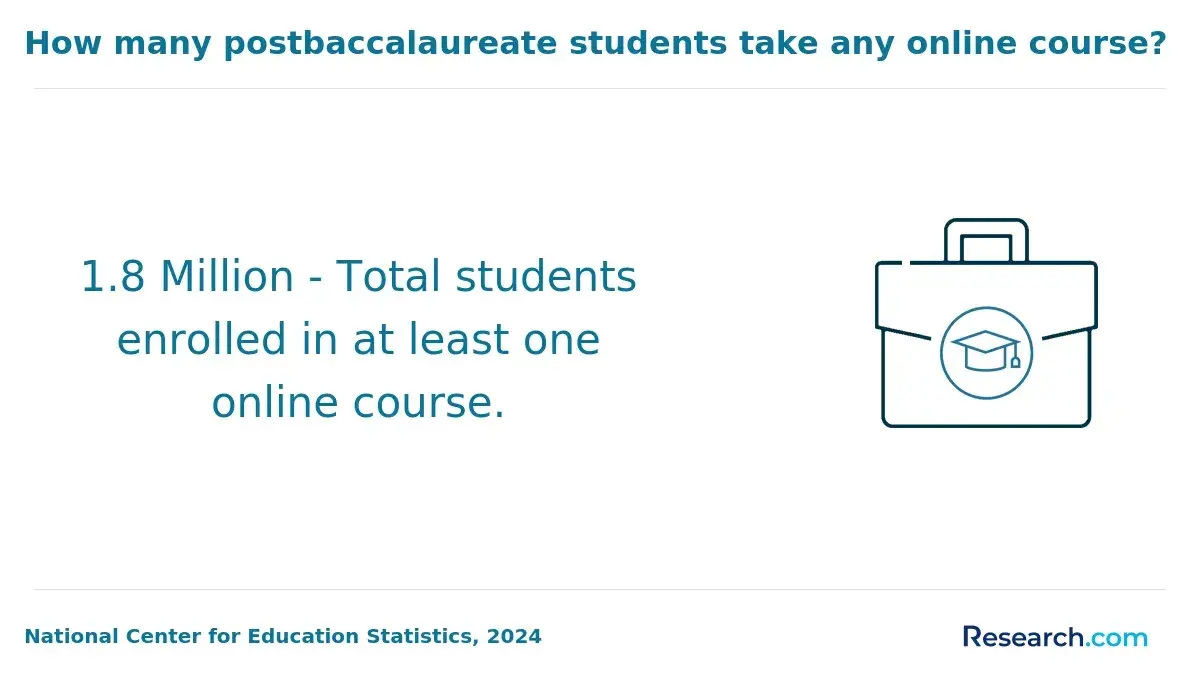
Recent data from the National Center for Education Statistics shows a sustained 12% growth in graduate enrollment in online programs in 2023, underscoring increasing reliance on digital pathways that collide with uneven state approvals. Understanding the nuances behind state-by-state acceptance is crucial for graduates aiming to navigate licensure efficiently and align education choices with workforce mobility and credential recognition realities.
Key Things to Know About State-by-State Acceptance of Online Secondary Education Master's Programs for Licensure
- Residency requirements vary widely, limiting licensure portability; states enforcing strict in-state enrollment extend time and cost burdens, hindering mobile students and delaying workforce entry.
- Clinical hour standards directly influence employer confidence, as states demanding extensive supervised practice signal higher readiness but create barriers that reduce cross-state teacher availability.
- Accreditation discrepancies often cause credential scrutiny, with some boards rejecting degrees lacking region-specific accreditation, compelling career changers to consider curriculum compatibility versus licensure risks.
How Do State Licensing Boards Define Acceptance of Online Secondary Education Master's Programs for Licensure Purposes?
Acceptance by state licensing boards of online secondary education master's programs for licensure is far from standardized, creating a challenging landscape for candidates. In practice, "acceptance" hinges on how boards classify and evaluate programs-ranging from explicit pre-approval to broad institutional standards or individualized degree reviews.
A professional relocating from one state to another might find their online degree recognized as licensure-qualifying in their original state but subjected to a rigorous case-by-case scrutiny or outright rejection elsewhere. This variability directly affects workforce mobility and strategic program selection, demanding that prospective students understand the nuances behind these acceptance classifications rather than assuming uniform approval across jurisdictions.
- Formal Approval: Certain state boards maintain concrete lists of online secondary education master's programs that are thoroughly vetted for meeting statutory criteria, clinical hour mandates, and curriculum rigor. Graduates from such programs typically navigate licensure processes with fewer complications, but enrolling in non-listed programs carries handicaps in some states.
- Case-by-Case Review: Several boards avoid endorsing specific degrees upfront, preferring to assess each applicant's transcript, accreditation, and practical experience individually. This introduces unpredictability, especially for applicants from newer or less traditional online programs. The burden of proof lies heavily on the candidate to document compliance with all state-specific requirements.
- General Accreditation Standards: Many licensing entities accept any degree from an institution holding recognized regional accreditation and meeting baseline curriculum thresholds without examining the program's detailed content. While this expedites processing, it risks overlooking important program quality nuances that influence actual teaching readiness and employer preferences.
- Ambiguity and Risk: Students who assume all accredited online master's programs meet licensure criteria risk assignment of additional coursework, supervised teaching hours, or complete denial, particularly when relocating or transitioning from related fields. Geographic mobility and unclear state mandates amplify this uncertainty.
- Decision-Making Categories: Boards' determinations derive from three decision-making layers-statutory laws enacted by legislators, regulatory rules devised by licensing agencies, and administrative policies or procedures interpreting these standards. Each layer differently influences how online secondary education master's degrees are evaluated for licensure suitability in that jurisdiction.
This article dissects these distinctions in detail, offering a targeted, state-sensitive analysis relevant to recent graduates, career changers, or military-affiliated and mobile professionals seeking licensure amid a complex, non-uniform acceptance environment. Navigating these requirements with precise knowledge is essential to aligning educational choices with licensure outcomes and long-term employability.
Prospective students should also note that while many fields see growth in accredited online degree options, choosing programs solely based on accreditation status often disregards the practical workforce implications state licensing boards impose. For instance, understanding state requirements for online secondary education master's program licensure acceptance is as critical as program content itself, a factor increasingly relevant given the multiple pathways to qualify for teaching credentials regionally.
Professionals examining comparable fields, such as those interested in online AI degrees, recognize the importance of understanding both accreditation and specific state licensure policies. This article offers a framework to interpret acceptance definitions, enabling informed decision-making about graduate pathways that balance educational investments with licensure feasibility nationwide.
Which States Have Formally Approved Online Secondary Education Master's Programs as Licensure-Qualifying?
States diverge sharply in formally recognizing online secondary education master's programs as qualifying for initial teaching licensure, creating critical consequences for program choice and career flexibility. For example, a military spouse pursuing licensure while relocating across states must weigh whether their online degree will face outright acceptance, additional hurdles, or outright rejection depending on the state's regulatory environment.
- Clear Statutory Acceptance: A limited group of states explicitly sanction online secondary education master's degrees for licensure through clear statutory or regulatory language. These states, often with developed distance education ecosystems, accept accredited online programs that meet standard curriculum and clinical requirements without additional barriers. This statutory clarity supports candidates seeking consistent portability of credentials, notably benefiting geographically mobile populations such as military-affiliated students.
- Delegation to Accreditation Standards: Many states primarily rely on program accreditation by recognized bodies like CAEP or NCATE to determine eligibility. These states do not differentiate modality but maintain residency or licensure exam mandates. The online format itself poses no disqualifier, though candidates must satisfy additional state-specific residency and testing conditions.
- Additional Review or Documentation Required: Some jurisdictions require supplementary evidence beyond accreditation, such as detailed documentation of clinical practice hours, in-state supervised practicum, or formal approval via licensing boards. This reflects concerns over consistency in candidate preparedness and program rigor when dealing with online offerings, often leading to protracted approval processes and uncertainty for applicants.
- Known Restrictions or Ambiguity: Several states restrict eligibility to on-campus or hybrid program graduates or maintain unclear policies around online program acceptance. This ambiguity often results in delays, denials, or complex approval pathways, disproportionately impacting career changers and mobile candidates unsure of future licensure destinations.
Licensing policies evolve and vary widely by state; candidates must verify current regulations directly with the relevant boards before enrollment decisions. This overview serves as a preliminary map rather than a definitive legal guide, underscoring the importance of consulting the board-contact resources included later for precise, up-to-date licensure criteria affecting online secondary education pathways.
What Role Does Regional Accreditation Play in State Acceptance of an Online Secondary Education Master's Degree?
Regional accreditation functions primarily as a baseline filter for state licensing boards assessing online secondary education master's degrees. While it confirms that an institution meets broad quality standards defined by one of the six federally recognized regional accreditors, this designation alone rarely assures unrestricted licensure acceptance across states. A degree from a regionally accredited university may still encounter additional scrutiny or hurdles if the licensing board requires programmatic accreditation that assesses teacher preparation content more specifically.
- Definition: Regional accreditation is granted to entire institutions by bodies such as the Middle States Commission or Western Association of Schools and Colleges, evaluating governance, academic rigor, and financial stability rather than the specifics of teaching programs.
- Threshold Requirement: Most state licensing authorities mandate that candidates hold degrees from regionally accredited institutions, ensuring a foundational level of quality education but stopping short of full endorsement for licensure purposes.
- Programmatic Accreditation: Licensing boards distinguish programs recognized by education-specific accreditors like CAEP from those only holding institutional accreditation; the former often meets state curriculum and clinical hour mandates critical for licensure.
- Licensing Implications: Graduates from regionally accredited only programs may face additional requirements, such as completing supplemental coursework or verification of teaching practicum details, especially when seeking licensure in states with stricter credentialing rules.
- Due Diligence: Prospective students should ensure any online secondary education master's degree under consideration maintains active regional accreditation and directly confirm with their target state licensing board whether regional accreditation alone suffices or if programmatic accreditation is also necessary.
Because state licensing requirements for regionally accredited online secondary education programs vary notably, this due diligence is especially important for career changers and military-affiliated individuals who may not have fixed licensure destinations. Exploring program accreditation beyond the institutional level can mitigate risks of unexpected licensure barriers down the line.
For those weighing different online graduate options, including specialized pathways like an online library science masters, understanding these nuances in accreditation and acceptance improves informed decision-making about educational investments and workforce mobility.
How Does Programmatic Accreditation Affect Whether States Accept an Online Secondary Education Degree for Licensure?
Licensing boards in many states scrutinize programmatic accreditation more rigorously than regional institutional accreditation when evaluating online secondary education master's degrees. This distinction matters because a degree with only regional accreditation may face rejection in states requiring specialized approval tied directly to educator preparation standards. Candidates must carefully consider this as they navigate licensure pathways, especially if their future employment could span multiple states.
- Programmatic Accreditation: Credentials accredited by bodies like the Council for the Accreditation of Educator Preparation (CAEP) serve as a critical validation in states prioritizing educator-specific standards. Such accreditation confirms that curriculum and clinical practice meet recognized thresholds, smoothing licensure acceptance and reducing additional requirements.
- State-Approved Program Status: Some states mandate that the program hold explicit approval from their own education boards beyond national accreditation. Graduates from these programs typically face fewer post-degree barriers but may find approved options limited, making thorough state-specific research essential.
- No Recognized Accreditation: Degrees lacking both programmatic accreditation and state approval risk outright licensure denial or demands for supplementary coursework or clinical hours. This outcome can delay entry into the workforce and increase educational costs significantly.
- Due Diligence: Prospective students should cross-examine the accreditation status of programs against target states' licensing rules, requesting formal written confirmation from institutions to avoid uncertainty upon application.
Which States Require In-Person or Residential Components for an Online Secondary Education Master's Program to Qualify for Licensure?
Several states impose in-person or residential mandates on online secondary education master's programs as a prerequisite for licensure eligibility. This requirement reflects licensing boards' insistence on supervised, synchronous skill demonstration that asynchronous coursework alone cannot guarantee.
For students-especially those relocating frequently, like military personnel or career changers-these mandates can complicate enrollment decisions and necessitate careful, early verification, as failure to meet these residency components may disqualify even fully online degree holders from licensure.
- Residency Requirements: States commonly require candidates to attend designated on-campus residencies or intensive workshops focusing on interactive teaching simulations, pedagogy discussions, and direct faculty assessment to validate instructional competencies not easily measured online.
- Simulation and Skills Labs: Some licensing boards mandate supervised visits to campus simulation environments, where practical classroom management techniques and instructional strategies are evaluated in real time under faculty observation.
- Orientation Sequences: On-site orientation modules familiarize candidates with professional standards and licensure procedures, bridging virtual instruction with in-person expectations.
- State-Specific Variability: The scope and duration of required in-person elements vary widely; while some states allow waivers or alternatives, these are not guaranteed, posing significant hurdles for geographically mobile students.
- Rationale for In-Person Components: Licensing authorities emphasize that immediate feedback, standardized interactions, and interpersonal skill assessments embedded in face-to-face settings remain critical to teacher readiness, which online formats alone cannot ensure.
- Verification Advisories: Prospective students should proactively confirm any in-person requirements with their graduate programs and independently verify acceptance criteria with their intended licensing boards to avoid unexpected licensure barriers.
How Do State Licensing Boards Evaluate Supervised Clinical or Practicum Hours Completed Under an Online Secondary Education Program?
State licensing boards critically evaluate supervised clinical or practicum hours from online secondary education master's programs, with acceptance hinging on strict criteria that reflect practical licensing risks. For example, a candidate who completes hours at an independently arranged site in a different state without the program's formal approval may face rejection or conditional acceptance, delaying licensure and impacting employment timelines.
This variability stems from divergent state regulations and underscores the need for strategic decision-making when selecting programs and clinical placements, especially for military-affiliated or geographically mobile students who require interstate acceptance of supervised clinical hours for secondary education licensure.
- Supervisor Qualifications: Boards require practicum supervisors to hold valid state certification and relevant expertise tied to the student's endorsement area, signaling credible mentorship aligned with state standards.
- Site Approval: Placement sites usually need program pre-approval and ideally state board recognition; lack of formal agreements or endorsements places logged hours at risk, particularly in states enforcing strict site compliance.
- Hour Documentation: Detailed, accurate records of practicum hours, activities performed, and supervisor evaluations are essential; insufficient logs undermine the perceived rigor and authenticity of clinical experience.
- Accreditation Compliance: Programs must maintain accreditation from recognized bodies and meet state-specific curriculum and clinical mandates, as noncompliance frequently results in conditional acceptance or outright denial of practicum hours.
- Local Placement Challenges: Students arranging placements near their residence without pre-approval encounter uncertainties in gaining credit for those hours due to varying state rules and possible requirement for additional verification or supplementary experience.
- Student Precautions: Proactively obtaining a written outline of a program's clinical hour approval and documentation processes, then cross-referencing them with the target state board's standards, safeguards against future licensure obstacles; maintaining communication with the state board and program during placement further reduces risk.
Those navigating complex licensing landscapes benefit from informed planning grounded in these factors. For students balancing competing demands or evaluating accelerated pathways, comparing these regulatory variables reflects real-world tradeoffs affecting employability and licensure timing. Exploring interdisciplinary options, such as a 2 year construction management degree, may also appeal to career changers seeking alternative trajectories where state licensing complexities differ markedly.
What Interstate Compact or Reciprocity Agreements Affect Secondary Education Licensure Portability for Online Degree Holders?
Licensure portability for online secondary education master's degree holders hinges heavily on interstate compacts, yet these frameworks are uneven in scope and practical impact. While compacts like the Educator Licensure Interstate Compact (ELIC) offer a pathway to simplified multi-state credentialing by recognizing credentials across member states, their limited adoption means many candidates must still navigate variable, state-specific requirements.
This variability often translates into divergent acceptance of seemingly equivalent degrees, complicating mobility for graduates.
- Educator Licensure Interstate Compact (ELIC): A developing agreement aimed at easing licensure transfer by allowing member states to accept educator credentials if uniform standards are met; however, participation is selective and not widespread among states with large online program enrollments.
- State-Specific Conditions: Many states impose residency rules, mandate distinct clinical hours, or require tailored curriculum components, causing inconsistencies in licensure recognition despite compact participation.
- Accreditation and Program Content: Licensing authorities typically demand degrees from regionally accredited institutions with programs aligned to local standards; compact affiliation expedites procedural steps but does not eliminate detailed board evaluations.
- Advantages for Mobile Professionals: Military affiliates and other geographically flexible educators benefit from reduced paperwork and faster licensure processing when their states participate in compacts, but must verify applicability beforehand.
- Limitations and Risks: Compact agreements do not override states' rights to enforce specific coursework, testing, or experience requirements, which can lead to unexpected delays or denials.
- Due Diligence: Prospective students should research their target states' compact involvement and consult programs on graduates' licensure outcomes across multiple jurisdictions before enrollment.
How Do States Handle Licensure Applications From Graduates of Out-of-State Online Secondary Education Programs?
State licensing boards apply a notably stricter and more nuanced vetting process for graduates holding out-of-state online secondary education master's degrees compared to those from in-state or traditional brick-and-mortar institutions. This cautious approach stems from boards' need to rigorously verify program content, clinical experience, and alignment with specific state mandates before granting licensure.
A candidate who earned a secondary education degree online from another state may face extended waiting periods and additional documentation demands that in-state applicants usually avoid, potentially delaying entry into the workforce and affecting short-term employability.
These discrepancies emphasize the importance of understanding interstate approval processes for online secondary education master's degrees in teacher licensure before enrollment decisions are made. Collecting direct insight from the target state's licensing board about how its review of graduates from a prospective program is conducted can prevent unexpected barriers in licensure application later.
- Documentation: Candidates typically must submit official transcripts, detailed course descriptions, and proof of clinical or student teaching hours. Some states mandate third-party credential evaluations to verify equivalency with local standards.
- Review Timeline: Evaluation periods vary widely but frequently range from 30 to 90 days; incomplete or unverifiable records can stretch this timeline further.
- Evaluation Criteria: Boards scrutinize accreditation status, curriculum compliance with state requirements, and fulfillment of clinical components. If the program is not pre-approved, a painstaking course-by-course assessment is common.
- Additional Steps: Out-of-state online graduates may need to complete extra coursework, validate in-person teaching experiences, or participate in interviews to satisfy licensing criteria.
- Appeals and Equivalency: When a degree is flagged, formal appeal procedures or equivalency determinations allow applicants to provide supplemental evidence supporting their qualifications.
- Residency and Interstate Compacts: Though some states participate in compacts enabling license reciprocity, these do not universally guarantee acceptance of online degrees, particularly for those lacking residency ties.
- Proactive Inquiry: Early contact with licensing boards about program-specific licensure outcomes is crucial for managing expectations and guiding program choice.
Recent enrollment data indicates that many applicants strategically time applications to align with licensing board cycles, reflecting awareness of evaluation timelines and the practical implications of delays. This behavior highlights a key workforce tradeoff: faster availability for employment versus navigating stricter licensure hurdles posed by out-of-state online credentials.
Prospective students aiming to minimize licensure friction may also explore options such as the cheapest online master's in finance for alternative career pathways where licensure demands differ markedly.
Which States Impose the Most Restrictive Acceptance Criteria for Online Secondary Education Master's Programs?
States with the most restrictive online secondary education master's acceptance impose significant operational challenges that directly influence prospective educators' licensure timeline and regional mobility. In jurisdictions with stringent credentialing rules, graduates from otherwise reputable online programs often face the real risk of having their degrees sidelined or subjected to prolonged review processes, complicating workforce entry and sometimes requiring costly supplemental coursework or additional practicum placements.
For professionals navigating licensure in multiple states or planning geographically flexible careers, understanding these constraints is crucial to avoid costly missteps.
- California: California's rigorous framework demands explicit approval by the California Commission on Teacher Credentialing for online programs, restricting acceptance primarily to approved lists. Candidates must complete substantial in-person clinical hours exclusively in-state, effectively limiting those who sought remote or hybrid pathways. Discussions about hybrid program acceptance remain unresolved, maintaining these high barriers.
- New York: New York enforces narrow criteria emphasizing supervised local field experiences and requires detailed documentation aligning with state education standards. Its case-by-case evaluation leads to extended licensure approval timelines, affecting employment prospects.
- Texas: Texas requires regional accreditation plus state board authorization and mandates all teaching practicums be completed in Texas. Pending legislative activity suggests possible future recognition expansions, but current barriers remain firm, impacting candidates relocating from other states.
- Florida: Florida's Department of Education insists on in-person practica and limits licensure eligibility to graduates from state-approved institutions, aiming to maintain compliance with strict clinical hour minimums.
- Illinois: Illinois demands enrollment in Illinois State Board of Education-approved programs, with stringent curriculum alignment that many online providers struggle to meet fully. Degrees without this endorsement encounter significant licensure hurdles.
For candidates considering states with most restrictive online secondary education master's acceptance, verifying program recognition before enrollment is an indispensable precaution. Ambiguous guidance from licensing boards warrants consultation with licensure attorneys or credentialing specialists to navigate evolving standards.
This due diligence reduces risk in an environment where accreditation designation, residency mandates, and clinical hour standards vary markedly. Across this complex landscape, some may find pursuing a degree that aligns clearly with multiple state boards more pragmatic, particularly for those seeking mobility or planning to enter areas adjacent to education such as forensic career paths, which demands similarly careful credential alignment.
How Do State-Specific Curriculum Requirements Affect Whether an Online Secondary Education Master's Program Qualifies for Licensure?
State-specific curriculum requirements operate as a critical gatekeeper in determining whether an online secondary education master's program secures licensure approval. For example, a prospective teacher relocating to a state with rigorous mandates on clinical practicum and cultural competency may find that a seemingly equivalent online degree from another region lacks the necessary coursework, leading to licensure denial or prolonged provisional status.
Employers in public education often expect candidates to hold credentials fully compliant with the hiring state's licensure standards, which directly influence employability and potential salary brackets. According to recent labor statistics, states enforcing stricter curriculum and clinical hour requirements align with districts offering 5-10% higher starting salaries, reflecting greater professional demand and perceived candidate readiness.
Licensing boards scrutinize whether programs include specific instructional elements such as educational psychology theories, diagnostic assessment techniques, professional ethics, and multicultural education frameworks. Missing explicit content in any of these domains frequently triggers further review or outright rejection in states with detailed curriculum evaluation processes.
To navigate this landscape, prospective students must proactively obtain the licensure curriculum checklist from their target state's education board and conduct a line-by-line comparison with the candidate program's published courses. The burden lies not only on the student but also on program advisors, who should provide targeted guidance by identifying curriculum gaps before enrollment, ensuring strategic alignment with licensure objectives and minimizing costly licensing delays.
- Curriculum Alignment: Graduate programs must include mandated core courses, particularly in assessment strategies and diversity training, to qualify for licensure.
- Clinical Experience: Supervised practicum hours are a frequent prerequisite, and programs lacking clear integration face skepticism.
- Accreditation and Standards: Licensure boards weigh accreditation status heavily; regionally accredited-only programs may trigger additional scrutiny.
- Verification Process: Students should obtain the official curriculum checklist from state boards and compare it thoroughly with program course catalogs.
- Advisory Support: Program advisors must assist by reviewing alignment and flagging potential curriculum deficiencies before students commit.
- Common Gaps: Deficiencies in multicultural education, ethical frameworks, or diagnostic methods often lead to licensure challenges.
What Graduates Say About Obtaining Licensure From Online Secondary Education Master's Programs
- Jase: "Balancing a full-time job and family was a major constraint when I decided to enroll in an online secondary education master's program. I chose the program because of its flexible schedule and asynchronous coursework, which allowed me to manage my workload without quitting my job. After graduating, I realized that while licensure opened doors, many schools prioritized candidates with strong portfolios and internship experience, so I focused on building both to secure a teaching position within a year."
- Kyro: "Financial constraints made traditional graduate programs impossible for me, so I opted for the online secondary education master's route hoping for a faster entry into the workforce. Although I quickly earned my licensure, I found that salary growth was slower without additional certifications and real classroom experience. The program prepared me well theoretically, but I had to supplement with side internships to stay competitive when applying for advanced teaching roles."
- Aaron: "Switching careers in my 30s meant juggling workload and learning curves, so the decision to pursue an online secondary education master's was strategic for balancing study and work. The licensure was necessary to meet state requirements, but I discovered that employers often looked for candidates with hands-on fieldwork or student teaching beyond coursework. Even after graduating, I faced tough competition, yet the program's remote options gave me the flexibility to gain this experience without relocating, which ultimately helped me land a role in a school district focused on STEM education."
Other Things You Should Know About Secondary Education Degrees
Graduates typically submit transcripts, proof of program accreditation, and evidence of completed coursework aligning with state standards. Specific requirements may vary by state, so consulting local licensing boards for precise documentation is crucial.
States have generally become more open to online secondary education master's programs due to the pandemic-driven shift toward remote learning, but this acceptance varies widely. While several states have adjusted policies to explicitly allow accredited online degrees, others maintain reservations, particularly around asynchronous formats and clinical experiences. Prospective students should weigh the benefit of increased program availability against possible restrictions or extra requirements in certain states, prioritizing programs with proven alignment to evolving state board policies.
Many state licensing boards favor synchronous components in online secondary education programs because live, real-time interaction is seen as closer to traditional classroom experience and better preparation for in-person teaching. Conversely, fully asynchronous programs often face more scrutiny around engagement quality and verification of clinical or practicum hours. For students, choosing a program with synchronous coursework can reduce the risk of licensure obstacles, especially in states with strict requirements on instructional format and direct faculty interaction.
Confirming program acceptance requires contacting the state's education licensure board directly and reviewing their most current guidelines, as state policies frequently change and may not be updated on program websites. Students should request written confirmation or official lists of approved programs and inquire specifically about online program formats and accreditation status. Prioritizing this step reduces the risk of investing in a program that won't qualify for licensure where the student intends to teach, a key consideration for military-affiliated or geographically mobile candidates.
References
- Forms and FAQs https://www.dpi.nc.gov/educators/educators-licensure/forms-and-faqs
- Licensure https://carolinau.edu/licensure
- Interstate Teacher Mobility Compact https://teachercompact.org/
- Best Online Master of Arts in Teaching and Education Leading to Licensure https://www.teachercertificationdegrees.com/degrees/masters-degree/online/
- Online Master's in Education: Find the Right Ohio School https://www.onlinemastersdegrees.org/best-programs/education/ohio-oh/
- State Authorization Requirements & Complaints Resolution https://www.mcdaniel.edu/academics/graduate-professional-studies/state-authorization-requirements-complaints-resolution
- Interstate Agreement - National Association of State Directors of Teacher Education and Certification https://www.nasdtec.net/
- Masters of Education Degree | Secondary Education Degree | University of Phoenix https://www.phoenix.edu/online-education-degrees/secondary-teacher-education-masters-degree.html
- Quality Standards and Accreditation of Distance Education Programs in a Pandemic - OJDLA https://ojdla.com/articles/quality-standards-and-accreditation-of-distance-education-programs-in-a-pandemic
- Licensing FAQs - National Association of Social Workers https://www.naswma.org/page/LicensingFAQs