2027 Secondary Education Master's Programs With Practicum Placement Support

Co-Founder and Chief Data Scientist
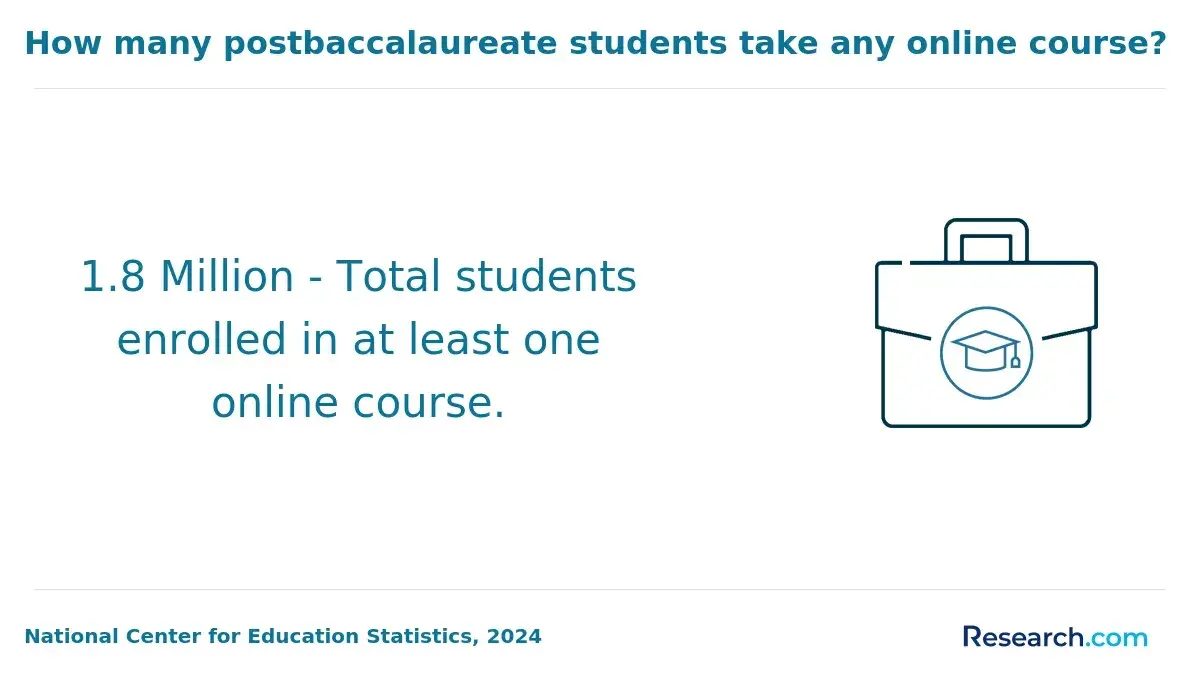
Entering a secondary education master's program often hinges on securing a practicum placement that aligns with both certification standards and career goals. However, placement quality varies widely, shaped by factors like matching processes, supervisor expertise, site diversity, and contingency protocols. As programs integrate foundation or bridge courses, prospective students must weigh these elements carefully to ensure practical training meets accreditation demands and real-world teaching conditions. Recent data from the National Center for Education Statistics highlights a 12% rise in master's enrollment among working adults since 2022, underscoring a shift toward flexible pathways that accommodate diverse candidate backgrounds and geographical constraints.
Key Things to Know About Secondary Education Master's Programs With Practicum Placement Support
- Matching practicum sites through algorithmic or faculty-led processes often prioritizes geographic proximity over subject-specific expertise, which can limit exposure to diverse teaching environments but reduce commute-related dropouts.
- Supervisor qualifications directly influence mentoring quality; programs requiring supervisors with current K-12 experience align candidate training with workforce expectations, improving new teacher readiness.
- Contingency plans for practicum disruptions, vital since 22% of education placements faced pandemic-related interruptions per 2024 National Center for Education Statistics data, impact how students balance timing and financial commitments amid uncertainty.
What Are Secondary Education Master's Programs With Practicum Placement Support?
A master's-level practicum in secondary education serves as a critical, supervised teaching experience that fundamentally differs from internships or field placements by its structured connection to licensure standards and program oversight. For candidates without established professional networks or those living in rural areas, enrolling in secondary education master's programs with practicum placement support can be decisive: these programs actively coordinate placements, reducing the risk of delays due to site unavailability or administrative barriers. This mitigates the common tradeoff faced by students who might otherwise spend months seeking suitable classrooms independently, often leading to inconsistent mentorship or suboptimal teaching environments that affect employability.
- Definition: A practicum at the master's level requires candidates to engage consistently in teaching under direct supervision by credentialed educators, emphasizing application of pedagogical theory in authentic classrooms rather than occasional observation or loosely supervised fieldwork.
- Placement Support: Programs offering placement assistance manage a network of accredited secondary schools aligned with their curriculum and state certification criteria, facilitating matches based on the candidate's subject specialization and geographic constraints.
- Student Burden: Active placement support alleviates substantial administrative and logistical burdens. This is particularly crucial for career changers or professionals seeking a credential while maintaining employment, as well as for those in regions where teaching positions are limited or highly competitive.
- Quality Indicators: Effective placement programs ensure practicum supervisors have current teaching licenses, mandate frequent evaluative feedback, and maintain backup plans to secure alternative sites if initial placements fall through, safeguarding timely degree completion and readiness for employment.
This analysis proceeds to unpack these defining features in greater detail, furnishing prospective secondary education master's students with the evaluative criteria needed to choose programs that genuinely support practicums as a bridge to classroom readiness and stronger workforce outcomes.
Why Is Practicum Placement Support Critical in Secondary Education Master's Programs?
Practicum placement support significantly influences secondary education master's students' ability to complete licensure requirements on time and enter the workforce prepared. Without robust support, students-particularly career changers or those in rural areas-face delays or substandard field experiences that can derail certification and limit early-career opportunities.
Structured practicum placement is more than administrative convenience; it ensures compliance with rigorous licensing and accreditation standards. Programs with dedicated placement systems mitigate risks of supervision by unqualified mentors, placement at incompatible sites, or delays that extend time to degree completion. Employers and certification bodies increasingly expect practicum experiences that reflect authentic classroom challenges and adhere to standards such as those articulated by the Council for the Accreditation of Educator Preparation (CAEP).
Key considerations include:
- Licensing Board Requirements: State boards require practicum hours under credentialed supervision to verify teaching readiness. Placement offices that align with these mandates prevent hours from being disqualified and reduce the need for repeated placements.
- Student Burden: Programs lacking placement assistance shift responsibility to students, who often struggle with site availability and supervisor qualifications, especially in rural or nontraditional contexts, increasing stress and risk of extended enrollment.
- Supervisor Expertise: Effective programs partner with credentialed, pedagogically knowledgeable supervisors to ensure consistent mentorship critical to skill development and professional growth.
- Site Diversity and Fit: Active match processes accommodate candidates' specialty areas and demographic needs, enhancing the relevance and quality of the practicum experience.
- Contingency and Quality Controls: Programs maintaining backup sites and ongoing monitoring can promptly resolve issues, safeguarding practicum integrity and improving employability outcomes.
How Do Secondary Education Master's Programs Structure Their Practicum Components?
Secondary education master's programs structure practicum components to balance theoretical learning with immersive classroom experience, but approaches vary significantly in timing, credit demands, and integration. Choosing between models requires considering how these factors affect availability and efficacy, especially for working professionals or students facing geographic or family constraints. For example, a career changer living in a rural area may find sequential practica supporting ongoing reflection more manageable than an intensive block placement, which demands full-time commitment during a single semester.
Many programs position practicum placements in the later stages of the curriculum, ensuring foundational pedagogical knowledge is established before hands-on teaching begins. Credit requirements tend to range widely, often from 3 to 12 hours, signaling differences in fieldwork depth and supervision intensity. Integration approaches include concurrent placements-where practicum hours are completed alongside coursework-or block models that condense practical experience into a concentrated period. Concurrent models can enhance immediate theory-to-practice application but risk overwhelming students balancing multiple responsibilities.
- Timing: Practicums usually take place in the second half of the master's sequence, sometimes distributed over several semesters for gradual skill acquisition.
- Credit Hours: Programs vary widely, reflecting differing certification requirements and expectations for field experience rigor.
- Integration: Concurrent placements align practicum with ongoing coursework, while intensive block placements demand focused effort during a dedicated term.
- Trade-offs: Sequential practicum models offer paced development with consistent feedback but may prolong completion; block placements speed graduation but limit flexibility for those with significant non-academic obligations.
- Supervision and Evaluation: Effective programs prioritize supervisors actively engaged in schools with structured reflection, robust matching processes, and contingency planning to accommodate students outside major urban centers.
When comparing how secondary education master's programs arrange practicum placements, prospective students should assess not just total hours but also sequencing, support infrastructure, and scheduling flexibility to ensure practical readiness and employability align with individual circumstances. Some candidates investigating alternative career pathways, such as the cheapest criminal justice degree online, illustrate the broader importance of diligent program evaluation in education and allied fields.
What Qualifications Do Students Need to Qualify for Secondary Education Practicum Placement Assistance?
Eligibility for practicum placement assistance in secondary education master's programs hinges on meeting key academic and professional benchmarks mandated by both regulatory bodies and practicum host institutions. These criteria are carefully designed to reduce liability and confirm that candidates possess sufficient preparation to contribute meaningfully in educational settings.
- GPA Threshold: A minimum cumulative GPA-typically near 3.0-is a standard prerequisite, signaling reliable academic performance and subject mastery required for effective teaching and reflective practice.
- Prerequisite Coursework: Completion of essential courses in pedagogy and subject matter ensures foundational knowledge, preventing gaps during immersive field placements.
- Background Check Clearance: Criminal record screenings are non-negotiable to safeguard minors and maintain institutional trust, often delaying placement if unresolved.
- Immunization and Health Documentation: Compliance with health protocols protects vulnerable school populations and satisfies public health mandates, a prerequisite before entry into schools.
- Professional Liability Insurance: Coverage enrollment is often mandatory to protect all parties from potential legal exposure during practicum activities.
Understanding these requirements early allows students to anticipate administrative timelines and avoid deferments in placement. Proactively securing immunization records or completing prerequisite courses before program start can ease transitions. Students should request detailed schedules from programs specifying when each qualification must be met, enabling planning around internship or employment commitments. This is especially critical for career changers or those balancing work and study in rural areas where placement options may be limited.
One graduate recalled hesitating to finalize enrollment due to incomplete health documentation amid rolling admissions. The uncertainty of timing complicated their ability to plan childcare and commute, exacerbating stress. Ultimately, securing clear guidance from the program coordinator helped clarify deadlines, allowing a smoother path into practicum. This experience underscores how nuanced program communications and early preparation critically shape eligibility and reduce avoidable delays.
Which Types of Practicum Sites Are Commonly Used in Secondary Education Master's Programs?
Placement sites in secondary education master's programs distinctly shape the practical skills and professional perspectives trainees acquire, making alignment between site type and career goals critical. Candidates who prioritize classroom management and direct instruction must seek programs heavily invested in traditional school settings, whereas those interested in education policy or community outreach should evaluate the availability of placements beyond schools.
- Schools: Offering essential hands-on teaching experience, schools immerse students in actual classrooms with secondary-level populations, honing instructional methods and day-to-day management skills that many employers regard as foundational.
- Community Agencies: Youth centers, after-school programs, and nonprofits broaden exposure to sociocultural dynamics, emphasizing mentoring and adaptive teaching approaches. These settings foster cultural competency but may limit direct classroom instructional practice.
- Government Offices: Placements in policy or program departments deepen understanding of systemic education issues and compliance frameworks, a valuable perspective for future administrators but less focused on frontline teaching proficiency.
- Hospitals and Outpatient Clinics: Relevant primarily for those concentrating on special education or counseling, these environments expose students to interdisciplinary collaboration and health-related educational challenges, though such placements remain relatively rare and highly specialized.
- Private Practices and Corporate Environments: Tutoring centers and educational tech firms develop expertise in individualized instruction and innovation but often lack direct interaction with typical secondary student populations, which could disadvantage candidates targeting classroom roles.
Understanding the distribution and nature of these placement options is crucial. Prospective students should inquire if programs allow input in placement selection, as mismatches between practicum settings and career objectives can dilute skill development and diminish graduate employability. Especially in geographically constrained regions, where site variety may be limited, programs with flexible, well-supported placement processes better position candidates for long-term success.
How Do Secondary Education Programs Match Students With Appropriate Practicum Placements?
Effective practicum placement matching in secondary education master's programs hinges on balancing multiple real-world constraints, which directly impact student readiness and employability. Programs deploy strategies ranging from fully centralized coordination-where all placement logistics are handled by program administrators-to hybrid approaches that give students initial agency by allowing them to choose from approved site directories before final approval. This flexibility, while beneficial in accommodating student preferences, can introduce delays or limit options depending on site availability and supervision resources.
- Geographic Proximity: Students in urban centers typically have broader site options, whereas those in rural or underserved regions often face a narrow selection, sometimes necessitating remote or blended practicum models due to transportation and site scarcity issues.
- Student Interests: Alignment with specific teaching subjects or academic goals is prioritized, but limited site availability may force compromises, affecting specialized career pathways and employer expectations for field experience relevance.
- Site Availability: High-demand practicum sites fill quickly; programs that cannot secure sufficient placements early may require students to accept less ideal sites or adjusted schedules, potentially delaying graduation or narrowing exposure.
- Supervision Capacity: Placement quality is closely linked to availability of qualified mentors, which varies considerably across sites and influences the depth of practical learning and professional networking opportunities.
- Accreditation Alignment: Only sites meeting licensure and program standards qualify, ensuring compliance but reducing placement flexibility, an important consideration in assessing secondary education practicum placement matching process robustness.
Prospective students should inquire how far in advance placements are confirmed, what contingency options exist if a site is unavailable, and whether their input on preferences materially affects placement decisions. These operational details often distinguish programs with meaningful field placement coordination in secondary education programs from those offering minimal support. Those facing geographic constraints or subject-specific specializations must carefully weigh these factors when selecting a program, as practicum experience quality heavily influences both immediate job prospects and long-term career trajectories.
For those exploring alternative fields or looking for accelerated options, it may be useful to review other credentialing paths such as the accelerated construction management degree online, which similarly emphasizes strategic practicum placement and workforce alignment.
What Is the Role of Field Supervisors and Faculty Liaisons in Secondary Education Practicum Programs?
Field supervisors and faculty liaisons serve fundamentally different but complementary roles in secondary education practicum programs, each shaping the student's practical development and academic integration in crucial ways. Field supervisors, usually experienced licensed teachers, provide immediate, onsite mentorship and evaluate daily teaching practices, ensuring students translate theory into effective classroom instruction. Faculty liaisons, affiliated with the university, oversee the broader academic alignment of the practicum, conduct periodic site visits or remote check-ins, and intervene if placement challenges arise. This separation reflects a necessary tradeoff: field supervisors focus on applied skills and professional comportment, while liaisons maintain program integrity and compliance with academic standards.
- Field Supervisors: Licensed educators with several years of teaching experience and mentorship training, often meeting state and accreditation board requirements; they model instructional strategies and deliver timely feedback, directly influencing student readiness for certification and employment.
- Faculty Liaisons: University faculty specializing in secondary education pedagogy who coordinate with practicum sites, monitor overall placement quality, and support communication between students and schools, addressing conflicts or academic concerns.
- Supervision Standards: Practicum supervisors generally must hold valid teaching licenses, demonstrate at least three to five years of classroom experience, and possess formal mentor qualifications, as these benchmarks correlate strongly with positive student outcomes and employability.
- Communication Practices: Prospective students should inquire about the frequency and method of liaison contact during placement, the schedule of site visits, and the protocols for escalating problems to ensure reliable support throughout the practicum.
- Impact on Practicum Experience: Quality supervision directly affects skill mastery and professional confidence; weak oversight can limit a student's practical growth and challenge their transition into teaching-issues magnified in isolated or rural settings without robust institutional support.
One master's graduate recalls hesitating during a rolling admissions cycle, unsure whether to accept a tentative practicum placement pending final supervisor approval. After negotiating additional communication from the faculty liaison and securing clearer expectations about onsite mentor qualifications, the student's decision became more informed, highlighting how transparency about liaison roles and supervisor reliability can influence timely, strategic enrollment choices.
How Do Secondary Education Programs Support Students Who Face Challenges Securing a Practicum Site?
Challenges securing practicum placements commonly impede secondary education master's students, with geographic scarcity and program competition creating frontline obstacles. For instance, students in rural areas often confront limited vetted sites, forcing programs to actively expand placement options beyond typical districts to prevent bottlenecks-delays that can extend time to credentialing. A growing share of programs also report that many employers prioritize early submission of credentialing paperwork; data indicate that over 70% of students who submit clearance documents promptly avoid placement delays, underscoring the value of structured support in this area. Programs that effectively address these challenges deploy dedicated coordinators who manage equitable site assignments and maintain strong communication channels for students, minimizing disruptions and attrition.
Students seeking secondary education practicum placements benefit from programs offering clear contingency protocols and flexible scheduling options tailored for individuals facing personal hardships or employment conflicts. Those unable to secure or maintain a site mid-placement can pivot swiftly through standby site agreements, reducing gaps in training. This infrastructure is especially critical for career changers and professionals formalizing their teaching roles, who must balance practical requirements with existing obligations. Prospective students interested in specialized tracks or those transitioning from roles such as teacher to speech pathologist should scrutinize program transparency on site availability and support mechanisms before enrollment.
- Geographic Scarcity: Programs serving rural or less populated areas maintain a regularly updated, vetted database of available and diverse practicum sites, proactively cultivating relationships beyond traditional districts to widen placement options.
- Competitive Demand: A dedicated practicum coordinator manages site assignments with priority protocols, ensuring transparency and equitable distribution among cohorts, while monitoring reciprocal agreements across institutions to alleviate pressure on popular sites.
- Credential or Clearance Delays: Strong programs incorporate clear timelines and contingency protocols, coaching students on early document submission and providing alternative on-campus or virtual practicum modules when necessary to prevent delays.
- Mid-Placement Site Failures: Contingency plans, including standby sites and rapid reassignment procedures, enable students to pivot efficiently without substantial disruption to their training schedule.
- Personal Hardships: Support pathways such as flexible scheduling, part-time placement options, and liaison support help accommodate students facing health, family, or employment challenges.
A robust, student-centered placement support infrastructure relies on proactive coordination and clear communication between students, site supervisors, and program staff, safeguarding timely practicum completion. Those concerned about navigating placement barriers-particularly individuals in rural settings or with specialized career interests-must evaluate programs' contingency planning and database scope carefully to avoid delays or compromised training quality. Incorporating such operational realities into program selection decisions is critical for aligning educational investment with workforce outcomes, especially as demand for qualified educators evolves.
What Accreditation Standards Govern Practicum Requirements in Secondary Education Master's Programs?
Accreditation standards for practicum requirements in secondary education master's programs are decisive factors that shape program quality and graduate outcomes. Graduates from programs lacking rigor in practicum design often face challenges in licensure and employment, as their practical experiences may not meet state or employer expectations. Practical supervision, site diversity, and formal approval processes are pivotal. Some programs emphasize quantity of practicum hours without ensuring meaningful supervision or appropriate learning environments, which can diminish the value perceived by certifying bodies and hiring districts.
- Council for the Accreditation of Educator Preparation (CAEP): CAEP enforces a structured clinical experience with exacting minimum hours-usually 300 to 600-tailored to state licensing mandates. The student-to-supervisor ratio is commonly capped near 10:1 to ensure adequate feedback. Approved practicum sites must provide diverse teaching contexts and formal agreements to safeguard student learning and safety. Failure to meet these standards risks graduate ineligibility for state certification.
- Regional Institutional Accreditors (e.g., Higher Learning Commission, Middle States Commission): These accreditors focus on institutional quality assurance rather than detailed practicum requirements. They ensure that practicum placements align broadly with institutional missions and that supervision is adequate but often defer specific mandates to specialized accreditors or states. Their role means that a program might meet regional standards but lack depth in practicum quality if national programmatic standards aren't met.
- State Education Agencies and Licensure Boards: These bodies rigorously enforce practicum hour thresholds and supervisor qualifications that directly impact teacher certification. Their approval includes alignment with state curricula and scrutiny over placements, especially for candidates in rural or geographically constrained areas who may face limited site options. Noncompliance often results in delayed or denied licensure.
Accreditation compliance thus matters extensively beyond institutional reputation; licensure bodies, employers, and advanced programs verify that practicum experiences were conducted under approved and supervised conditions. Prospective students should analyze the specific practicum standards set by relevant accreditors in any secondary education master's program and request written confirmation of accreditation status from admissions to avoid investing in programs lacking robust field placement support. This is particularly important for individuals seeking to transition careers or those outside major urban centers, where practicum site availability and supervision may vary significantly.
For those comparing program offerings, it is useful to assess how site matching, supervisor expertise, and practicum site diversity enhance skill development and employability, rather than relying solely on advertised hours or program names. The tradeoff between superficial practicum quantity and quality can substantially affect career trajectories and certification eligibility.
In parallel fields facing accreditation and practicum challenges, such as engineering, insights from programs like online electrical engineering degree programs for veterans illustrate the critical role of accreditation in linking practical training to workforce demands.
State and national accreditation guidelines for field placement in secondary education graduate programs emphasize these factors, underscoring the necessity for prospective students and career changers to rigorously evaluate practicum provision quality before enrollment.
How Do Online and Hybrid Secondary Education Master's Programs Handle Practicum Placement Support?
Programs offering online and hybrid secondary education master's face complex hurdles in practicum placement, largely due to the necessity of securing locally approved supervisors and site agreements across multiple states and regions. This geographic dispersion complicates compliance with differing regional licensure rules and often introduces logistical delays, especially for students outside urban centers. For example, a candidate living in a rural area may confront limited nearby sites and longer approval times, which can extend their time to degree completion and impact readiness for state-specific teaching roles where licensure varies sharply.
- Nationally Networked Site Databases: These centralized platforms simplify placement by pooling approved practicum locations nationwide, easing coordination for large, distributed cohorts. However, they may inadequately serve students in rural or underserved areas where partner sites are scarce, restricting diversity in practicum experiences.
- State-Specific Coordinators: Employing coordinators focused on distinct states or regions allows programs to navigate localized regulations and cultivate school relationships, enhancing placement quality. This tailored support improves employer confidence but can overextend program resources and slow placements where enrollments are low.
- Partnerships with Multi-Site Organizations: Collaborations with large educational networks enable streamlined approvals and consistent supervision standards across multiple sites. Yet, such arrangements might prioritize urban or high-volume schools, limiting exposure to diverse teaching environments valued by some employers.
- Student-Identified Site Approval Workflows: Allowing students to propose practicum sites introduces flexibility, especially critical for geographically isolated candidates. Nevertheless, administrative burdens to validate site suitability and ensure compliance frequently prolong approval processes, potentially risking program timelines.
Prospective students should rigorously investigate how many students the program has placed across their intended states, assess support for rural or underserved locations, and scrutinize any state-specific licensure obstacles affecting credential portability. With average secondary education teacher salaries ranging widely but often influenced by regional demand, the ability to complete a compliant practicum placement aligned with local workforce requirements is a decisive factor in employability and degree value.
What Graduates Say About Secondary Education Master's Programs With Practicum Placement Support
- Jase: "Balancing a full-time job and the secondary education master's program was tough, but I picked this route because of the practicum placement-it offered the hands-on experience I needed before quitting my day job. While salary growth has been slower without full licensure, the portfolio I built during the practicum helped me secure a stable teaching position in an underserved district. That real classroom exposure, despite the added workload, was crucial in helping me transition smoothly."
- Kyro: "I chose the secondary education master's program mainly because of the flexible practicum schedule, which allowed me to continue freelancing while gaining school experience. It was a strategic move after realizing many employers now value practical internships and classroom adaptability over traditional licensure alone. Although I'm still navigating hiring competition, the internship connections have opened doors to remote tutoring roles that fit my lifestyle better."
- Aaron: "Because I was switching careers with limited savings, the secondary education master's track with practicum support was ideal for quickly entering the workforce. The trade-off was intense coursework and managing fieldwork within a tight budget. In the end, it prepared me well to compete for teaching associate roles where having that internship proved more valuable than just certifications, though I'm aware I'll need additional credentials for long-term advancement."
Other Things You Should Know About Secondary Education Degrees
Typically, practicum hour requirements vary between 100 and 300 hours depending on the program and state standards, with many programs integrating this into a semester-long or year-long placement. A higher hour requirement usually means more direct classroom experience, which can better prepare candidates for actual teaching demands but also adds to the workload alongside graduate coursework. Prospective students should weigh programs demanding extensive practicum hours if balancing work or personal commitments, as this can impact their ability to maintain progress or financial stability during the program.
Students should prioritize inquiries about how practicum sites are selected and matched, the qualifications and experience of placement supervisors, and contingency plans if a site fails to meet educational or safety standards. Programs that use formalized partnerships with schools typically ensure more consistent supervision and feedback, directly affecting practicum quality and professional readiness. Adequate infrastructure reduces the risk of placements that offer minimal instructional engagement, which in turn can undermine both learning outcomes and employment prospects.
Practicum placement support can serve as a strategic networking tool if programs facilitate connections with schools actively hiring new teachers. Students should seek programs that offer placements in diverse and dynamic school districts where demand for secondary education teachers is high, as this increases opportunities for post-graduation employment. Prioritizing practicum support that includes employer mentorship or job search assistance can provide a significant competitive advantage in tight job markets, while programs without such support may leave graduates reliant on generic job platforms and less targeted employment efforts.
References
- Guidelines for Practices and Principles of Student Field Experiences - Association for Library and Information Science Education https://alise.org/page/Guidelines-Student-Field-Experiences
- Standards for Accreditation and Requirements of Affiliation | Fourteenth Edition - Middle States Commission on Higher Education https://www.msche.org/standards/fourteenth-edition/
- What You’ll Learn in a Secondary Education Master’s Program | University of Bridgeport https://www.bridgeport.edu/news/secondary-education-masters-program-guide/
- Postgraduate employment-based teaching degrees https://www.vic.gov.au/postgraduate-employment-based-teaching-degrees
- Field Placement https://education.mercer.edu/academic-programs/field-placement/
- Post-secondary schools for migrants: everything you should know. https://fundacjaukraina.eu/en/post-secondary-schools-for-migrants-everything-you-should-know/
- Placement Semester in the Master’s Program https://www.uni-mannheim.de/en/zlbi/teacher-education/gymnasium/during-your-studies/placement-semester-in-the-masters-program/
- Experiences of Students on Work Placement and Teaching Practice: Education Book Chapter | IGI Global Scientific Publishing https://www.igi-global.com/viewtitle.aspx
- Master of Science in Elementary & Secondary Education - Niagara University https://www.niagara.edu/programs/graduate-teacher-education/
- What Do Faculty Liaisons Have to Offer? https://www.socialworker.com/feature-articles/field-placement/What_Do_Faculty_Liaisons_Have_to_Offer%3F/