2027 Questions to Ask About Online Communication Disorders Degree Programs Before You Enroll

Co-Founder and Chief Data Scientist

Reviewed by Rhea Paul, PhD
SLP Education & Research Expert
An online communication disorders degree can be a practical route into speech-language pathology, audiology preparation, rehabilitation support, or graduate study—but only if the program meets the academic, clinical, and licensing standards required for your goals. The main risk is not online learning itself. The risk is choosing a program that looks flexible and affordable but does not provide the accreditation, supervised clinical experience, or state-specific preparation you need.
Approximately 19% of speech-language pathologists now earn their degrees online, showing that distance education has become a meaningful part of the field. Still, program quality varies. Some online formats are built around strong faculty support and local clinical placements, while others leave students to solve major licensure and practicum issues on their own.
This guide explains the questions to ask before enrolling: whether the program is accredited, what admission standards apply, how coursework is structured, how long the degree may take, whether practicums are required, how licensure works, what costs to expect, what financial aid may be available, and what career and salary outcomes graduates can reasonably consider.
Key Benefits of Enrolling in Online Communication Disorders Degree Programs
- Online communication disorders programs offer significant flexibility, allowing students to access coursework from any location and often at any time, which supports diverse schedules and geographic barriers.
- These programs generally reduce costs by eliminating commuting expenses and providing access to affordable digital resources, making advanced education more financially accessible.
- Balancing work, study, and personal life becomes more manageable with online formats, which accommodate part-time enrollment and asynchronous class options, improving retention rates among working professionals.
Is the Online Communication Disorders Degree Program Accredited?
Accreditation should be the first checkpoint when comparing online communication disorders programs. It signals that a program has been reviewed against recognized academic and clinical standards, and it can affect whether your degree is accepted by employers, certification bodies, graduate schools, and state licensing boards.
For speech-language pathology and audiology pathways, the key accreditor to understand is the Council on Academic Accreditation in Audiology and Speech-Language Pathology (CAA), which is associated with the American Speech-Language-Hearing Association (ASHA). According to ASHA, only graduates from programs accredited by the CAA are eligible for certification. The CAA serves as the primary accreditor for communication disorders programs in the U.S.
Currently, over 90% of licensed speech-language pathologists graduate from a CAA-accredited program, which shows how central this credential is to the profession. If a program is not accredited, ask exactly what that means for your intended state license, certification plan, and job options before you apply.
How to verify accreditation before enrolling
- Check the accreditor directly: Use ASHA and CAA resources rather than relying only on a school’s marketing page.
- Confirm the exact program name: Accreditation may apply to a specific degree, campus, or delivery format, not every program a university offers.
- Ask about state authorization: Online programs may not be authorized to enroll students in every state, especially when clinical placements are required.
- Review licensure alignment: Ask whether the curriculum and clinical experiences meet requirements in the state where you plan to practice.
- Get answers in writing: Save emails or program documentation about accreditation, practicum support, and licensure preparation.
Students comparing professional pathways may also look at adjacent credentials, such as online BCBA programs, but communication disorders has its own accreditation and clinical training expectations. Do not assume requirements transfer across fields.
What Are the Admission Requirements for Online Communication Disorders Programs?
Admission requirements help programs determine whether applicants are ready for graduate-level study, clinical training, and the scientific foundation of communication disorders. They also help you identify whether you should apply now, complete prerequisites first, or target a bridge or leveling option.
Most online communication disorders programs look for evidence of academic readiness, professional fit, and preparation in relevant science and language-related coursework. Requirements vary by institution, so review each program carefully rather than assuming all online degrees use the same standards.
- Educational background: A bachelor's degree from an accredited institution is usually required. Some applicants hold degrees in communication sciences and disorders, while others come from health, education, psychology, linguistics, or related fields.
- Minimum GPA: Programs commonly use GPA to assess consistency and readiness for intensive coursework. A higher GPA may strengthen your application, especially for competitive cohorts.
- Prerequisite coursework: Applicants may need prior classes in anatomy, linguistics, psychology, statistics, hearing science, speech science, or language development. If you lack these courses, ask whether the school offers leveling coursework.
- Letters of recommendation: Strong letters should speak to your academic ability, communication skills, reliability, and potential for clinical work.
- Personal statement or essay: Use this to explain your career goals, relevant experience, and why the program’s structure fits your needs. Avoid generic statements; connect your goals to the field and the program.
- Standardized tests: Some programs request GRE scores, while others make testing optional or do not require it. Check the current policy before investing time and money in test preparation.
Common application mistakes to avoid
- Applying without confirming prerequisite gaps and how long they will take to complete.
- Choosing a program based only on convenience without checking clinical placement support.
- Submitting a broad personal statement that does not explain why communication disorders is the right field.
- Ignoring state-specific rules if you plan to seek licensure after graduation.
Applicants comparing timelines in other people-centered professions may also review accelerated MSW programs, but admissions standards and licensure pathways differ by discipline.
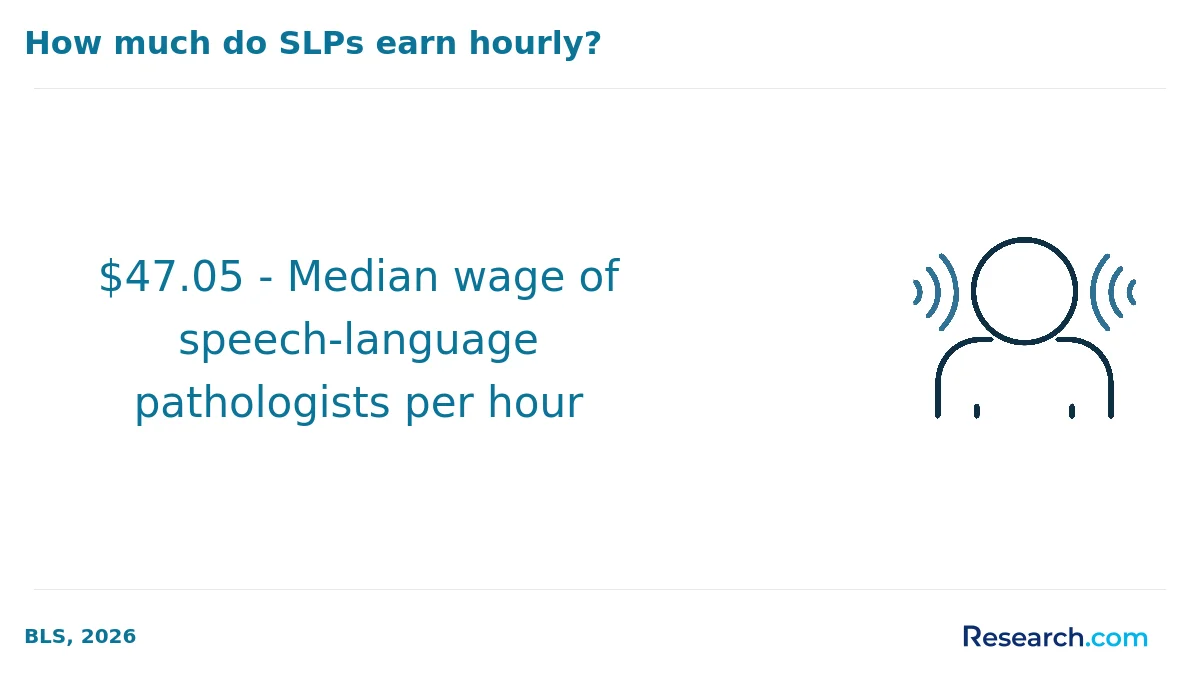
What Classes Do You Take in an Online Communication Disorders Program?
Coursework in an online communication disorders program should build both scientific knowledge and practical decision-making skills. You are not only learning terminology; you are learning how communication develops, how disorders are assessed, and how intervention plans are created for different ages and needs.
Employment for speech-language pathologists and audiologists is projected to rise by 21% in the next ten years, so students should look for coursework that connects clearly to clinical practice, documentation, assessment, ethics, and diverse client populations.
| Course Area | What It Usually Covers | Why It Matters |
| Core foundations | Anatomy and physiology of speech and hearing, language development, phonetics, speech science, and hearing science | Builds the base needed to understand typical and disordered communication |
| Disorder-specific courses | Language disorders, articulation and phonological disorders, fluency, voice, swallowing, and cognitive-communication disorders | Prepares students to recognize different client needs and intervention approaches |
| Assessment and intervention | Evaluation methods, treatment planning, evidence-based practice, and progress monitoring | Connects academic knowledge to clinical decision-making |
| Electives | Pediatric speech therapy, bilingual communication, augmentative and alternative communication, or specialized populations | Allows students to shape preparation around career interests |
| Theoretical frameworks | Linguistic theory, neurological bases of communication, and models of speech and language development | Helps students understand why disorders occur and how treatment approaches are selected |
In an online format, the strongest courses usually combine readings, recorded lectures, live discussion, case analysis, simulations, and instructor feedback. A program should make it clear how students practice applying concepts before entering clinical placements.
When asked about his class experience, one student in an online communication disorders degree said some topics felt abstract without in-person interaction at first. “Balancing dense theoretical readings with practical application was challenging,” he said, adding that frequent online discussions and virtual simulations helped close the gap. He also noted that managing several specialized courses required strong self-discipline and adaptability: “It felt rewarding to see how each class connected to real-world scenarios, even without traditional classrooms.”
Breakdown of Public Fully Online Title IV Institutions (in percentage)

The length of an online communication disorders degree depends on the credential level, enrollment status, prerequisites, and clinical requirements. Before choosing a program, map the full timeline—not just the advertised coursework length—because practicums, internships, and leveling courses can affect your graduation date.
- Full-time bachelor's degree: Generally completed in about four years, this path suits students who can carry a traditional course load and want a structured undergraduate route into the field.
- Part-time bachelor's degree: Often extending to six or more years, this option may work better for students balancing employment, caregiving, or other responsibilities.
- Full-time master's degree: Usually takes two to three years and typically combines advanced coursework with supervised clinical preparation.
- Accelerated master's degree: Designed for completion within 12 to 18 months, this option can reduce time in school but usually requires a demanding schedule and limited breaks.
- Clinical internships/practicums: Required hands-on experiences may add scheduling complexity, especially if placements are limited in your area or must align with supervisor availability.
Questions that affect your timeline
- Do you need prerequisite or leveling courses before starting the main curriculum?
- Can you attend full time, or will you need a part-time schedule?
- Are clinical placements arranged by the school, or must you find your own site?
- Does the program follow a cohort schedule, or can you move at your own pace?
- Are there required residencies, intensives, or synchronous class meetings?
A shorter program is not always the better program. If a faster timeline makes it harder to complete clinical hours, retain material, or maintain your work schedule, a longer but better-supported option may be more realistic.
Yes, most online communication disorders programs require internships or practicums, especially programs designed to prepare students for speech-language pathology or audiology licensure. Online coursework can deliver the academic portion of the degree, but clinical skill development usually requires supervised work with clients in approved settings.
Industry data indicates that more than 90% of programs mandate practicum completion, underscoring its importance in career preparation. These experiences may take place in schools, hospitals, clinics, rehabilitation centers, private practices, or community agencies, depending on the program and the student’s location.
What to ask about clinical placements
- Placement responsibility: Does the school secure practicum sites, or are students expected to identify and arrange their own?
- Local availability: Are there approved sites near your home, or would you need to travel?
- Supervisor requirements: What credentials must supervisors hold, and how does the program approve them?
- Schedule flexibility: Can clinical hours be completed around work, or are weekday daytime hours required?
- Documentation: How are hours tracked, evaluated, and verified for licensure or certification purposes?
Practicums are often the point where an online program becomes less flexible than students expect. Before enrolling, ask for a realistic explanation of how clinical training works for students in your state or region.
One graduate described the practicum process as both challenging and valuable. She initially struggled to find a convenient placement that fit her remote study schedule, but she appreciated the program’s guidance once she secured a site. “Balancing coursework and onsite commitments felt overwhelming at times,” she recalled, “but working alongside experienced clinicians truly deepened my understanding beyond textbooks.” She said the experience strengthened her confidence for licensure exams and employment, making the demanding process worthwhile.
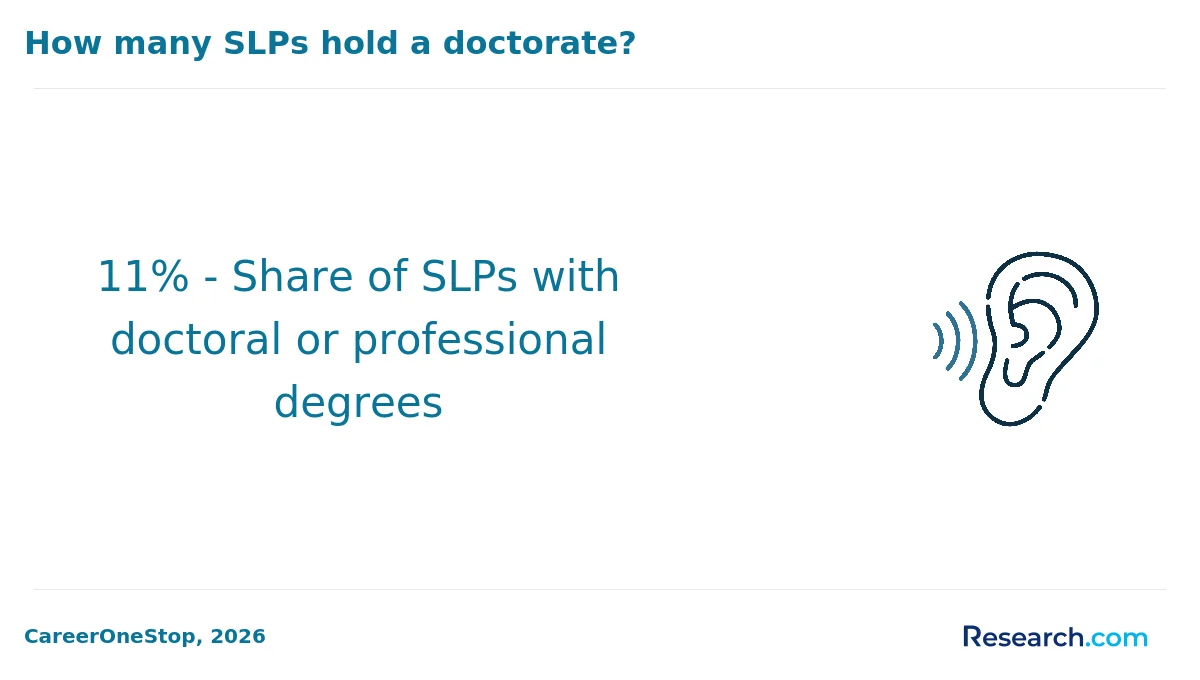
You can pursue licensure with an online communication disorders degree if the program meets the educational and clinical requirements for the state where you plan to practice. The online format does not automatically disqualify a degree. What matters is accreditation, supervised clinical training, required exams, and state board approval.
Typically, candidates must earn a master's degree from an accredited program, such as those accredited by the American Speech-Language-Hearing Association (ASHA). They also need to complete a supervised clinical practicum or fellowship, often arranged locally, and pass the Praxis Examination in Speech-Language Pathology or Audiology.
Many online programs designed for licensure incorporate virtual learning tools while helping students secure local in-person clinical experiences. This can make online study viable for students who cannot relocate, but it also means students must confirm placement support early.
Licensure checklist for online students
- Confirm the program’s accreditation status and whether it aligns with ASHA certification expectations.
- Review your state licensing board’s education, clinical hour, exam, and supervised experience requirements.
- Ask the program whether graduates from your state have successfully met licensure requirements.
- Verify whether any campus visits, residencies, or in-person intensives are required.
- Understand the sequence from graduation to fellowship, exam completion, certification, and state licensure.
Licensure is a major factor because it directly affects employability, independent practice, and eligibility for certain roles and reimbursement arrangements. According to ASHA data, nearly 92% of certified speech-language pathologists report positive employment outcomes within one year of graduation, highlighting the practical importance of completing the full licensure and certification pathway.
Professionals planning long-term leadership or administrative roles may later compare broader graduate options, including executive MBA programs online, but licensure preparation should come first if clinical practice is the goal.
Online communication disorders programs can vary widely in total cost, so students should look beyond tuition and calculate the full price of attendance. National trends indicate that tuition for these programs often falls between $400 and $1,200 per credit hour, with some students facing total degree costs exceeding $30,000.
When comparing programs, request a written cost breakdown that includes tuition, fees, clinical expenses, technology costs, and any required campus visits. Students evaluating affordability may also compare related speech-language pathology options, including cheapest online slp master's programs, to understand how tuition and clinical requirements affect total value.
| Cost Category | What to Check | Why It Matters |
| Tuition per credit hour | Whether tuition is charged per credit, semester, or program | This is usually the largest cost and can differ sharply between schools |
| Technology fees | Online platform, software, remote learning, or course delivery charges | These may be billed each course or term and can add up over time |
| Course materials and textbooks | Required books, digital access codes, clinical materials, and assessment tools | Some programs bundle materials; others require separate purchases |
| Clinical practicum expenses | Travel, parking, background checks, immunizations, placement fees, or lodging | In-person requirements can increase the real cost of an online degree |
| Miscellaneous fees | Application, registration, graduation, transcript, or student service fees | Small fees can become significant across the full program |
Do not assume the lowest tuition is automatically the best financial choice. A slightly more expensive program with strong placement support, clear licensure alignment, and fewer delays may cost less in the long run than a cheaper program that leaves students struggling to complete clinical requirements.
Students who are still considering undergraduate timelines may also review whether an accelerated bachelors degree could reduce time in school, though speed should be weighed against readiness for graduate-level communication disorders work.
Financial aid can make an online communication disorders program more manageable, but eligibility depends on the school, program level, accreditation status, enrollment intensity, and student circumstances. Nearly 85% of graduate students in health-related fields use some form of financial aid.
The first step for most students is completing the FAFSA, especially if the program participates in federal aid programs. Then compare grants, scholarships, loans, employer assistance, and state support based on the true net cost of attendance.
- Federal student loans: These loans typically have fixed interest rates and offer repayment plan options. Eligibility generally requires completing the FAFSA and enrolling in an eligible program.
- Grants and scholarships: These funds do not require repayment and may be based on financial need, academic achievement, professional goals, or service commitments. Look for awards from universities, professional associations, foundations, and state agencies.
- Employer tuition assistance: Some employers offer reimbursement or tuition support, often with conditions such as grade minimums, approved fields of study, or a required period of continued employment.
- State financial aid: Some states provide grants or scholarships for residents enrolled in eligible accredited programs, including online degrees.
How to compare aid offers
- Separate gift aid from loans so you know what must be repaid.
- Check whether aid applies to summer terms, practicums, or part-time enrollment.
- Ask whether scholarships renew automatically or require a new application each year.
- Include clinical travel and placement-related costs in your budget.
- Review loan repayment obligations before borrowing the maximum amount offered.
Students comparing graduate timelines in different fields may also review 1 year graduate programs, but faster programs are not always less expensive if tuition is higher or clinical costs are compressed into a shorter period.
An online communication disorders degree can support several career paths, but the specific jobs available depend on degree level, licensure, certification, clinical experience, and state rules. The U.S. Bureau of Labor Statistics projects a 17% growth in speech-language pathology jobs through 2035, reflecting strong demand in healthcare and educational settings.
For students who want to become licensed speech-language pathologists, a bachelor’s degree is usually not enough for independent practice. It may prepare students for graduate study or support roles, while a master’s degree and required clinical preparation are typically central to licensure.
| Role | What the Work Involves | Typical Preparation Consideration |
| Speech-Language Pathologist | Diagnoses and treats speech, language, communication, and swallowing disorders in settings such as schools, hospitals, clinics, and private practice | Usually requires graduate education, supervised clinical experience, examination, and state licensure |
| Rehabilitation Specialist | Supports people recovering from neurological injuries, illness, or communication-related challenges as part of a care team | Requirements vary by employer and role scope |
| Communication Disorders Assistant | Helps implement therapy plans under the supervision of a licensed clinician | May be an entry or support role depending on state rules and employer expectations |
| Academic or Research Coordinator | Assists with research projects, educational programming, data collection, or evidence-based practice initiatives | May fit graduates interested in research, administration, or future advanced study |
When evaluating job outcomes, ask each program for recent graduate data, licensure exam preparation details, clinical placement information, and the types of employers that hire its graduates. Strong career support should include more than a job board; it should help students understand credentialing steps, field expectations, and local hiring requirements.
Salary outcomes for online communication disorders graduates depend on the role they enter, their degree level, licensure status, location, work setting, and experience. According to the most recent data from the U.S. Bureau of Labor Statistics, the median annual salary for speech-language pathologists-a common role for these graduates-was around $95,410.
The online format of the degree is usually less important than whether the program is accredited, clinically rigorous, and aligned with licensure. Employers and licensing boards are more likely to focus on credentials, supervised experience, competencies, and certification status.
- Level of education: A master's or doctoral degree can open access to advanced clinical, supervisory, research, or academic roles that may pay more than entry-level positions.
- Specialization: Areas such as pediatric speech therapy, fluency disorders, swallowing, or cognitive-communication disorders may influence earning potential depending on local demand and setting.
- Experience: Professionals with more years in practice, stronger clinical judgment, or supervisory responsibilities often qualify for higher compensation.
- Geographic location: Pay varies by state, region, and cost of living. Urban markets and high-need areas may offer different salary patterns.
- Work setting: Hospitals, schools, private practices, rehabilitation centers, and educational institutions can differ in wages, benefits, schedules, and advancement paths.
Use salary data as one part of the decision, not the only one. A program that costs less but does not support licensure can weaken your earning potential, while a well-aligned program may create a clearer path to the roles you actually want.
What Graduates Say About Enrolling in an Online Communication Disorders Degree
- Andrew: "I was really drawn to the affordability of the online communication disorders degree program, especially since the average cost was much lower than traditional options. Studying online allowed me to balance work and school without sacrificing my learning experience. This degree has opened doors for me in speech therapy, and I feel confident advancing in my career."
- Rhea: "Choosing this online communication disorders program was a thoughtful decision influenced by the manageable tuition fees and flexible schedule. The coursework was challenging but rewarding, and the virtual format fostered meaningful connections with instructors and peers. Reflecting on my journey, this degree truly transformed my professional outlook and opportunities."
- Yuna: "The cost-effectiveness of the communication disorders degree online made it the perfect choice for me as a working professional. The program's structure was streamlined and practical, which helped me apply what I learned immediately in my career. Now, I'm grateful to have gained new skills that have significantly boosted my professional capabilities."
Other Things You Should Know About Communication Disorders Degrees
Ask whether the program arranges practicum and internship sites, how many supervised hours are required, and which settings qualify. For speech-language pathology, many programs align clinical training with ASHA standards and state licensure rules, including the supervised clock hours needed for certification and license eligibility.
Students generally need reliable internet access, a computer capable of running video conferencing software, and access to specialized speech and hearing software used for remote learning and assessments. Programs may also require students to have quiet environments for practicing speech exercises online. It's important to check technology requirements early to avoid disruptions during the program.
- U.S. Bureau of Labor Statistics - Speech-Language Pathologists https://www.bls.gov/ooh/healthcare/speech-language-pathologists.htm
- ASHA EdFind - Accredited Speech-Language Pathology Programs https://find.asha.org/ed/
- Audiology and Speech-Language Pathology Interstate Compact https://aslpcompact.com/compact-map/
- Delaware Valley University - Master of Science in Speech-Language Pathology (M.S.) https://delval.edu/programs/graduate-programs/speech-language-pathology
- California State University-East Bay - Online Master of Science in Speech-Language Pathology https://ce.csueastbay.edu/programs/speech-language-pathology/
- Baylor University - Master of Science in Speech-Language Pathology (Online) https://csd.robbins.baylor.edu/graduate/online-csd-graduate-program
- James Madison University - Master of Science (M.S.) in Speech-Language Pathology (Distance Education / Online) https://www.jmu.edu/chbs/csd/online_ms/index.shtml
- Abilene Christian University - Master of Science in Speech-Language Pathology (Online) https://acu.edu/academics/graduate/master-of-science-in-speech-language-pathology/