
2027 PhD vs Professional Doctorate in Ministry Leadership: Key Differences, Careers, and Salary Outcomes

Co-Founder and Chief Data Scientist
Choosing between a PhD and a professional doctorate in Ministry Leadership is really a choice between producing new scholarship and solving complex ministry problems in practice. The distinction matters because BLS May 2024 wage data shows ministry-related roles vary widely, from clergy positions in the low $60,000s to higher-paying education, nonprofit, and executive roles. This guide is for pastors, chaplains, nonprofit leaders, educators, and ministry professionals comparing doctoral options. You will learn how each path differs in research, career fit, salary context, cost, and return on investment.
Key Things You Should Know
- A PhD in Ministry Leadership is usually best for research, teaching, scholarship, and academic leadership, while a professional doctorate such as a DMin or Doctor of Ministry Leadership is usually designed for experienced practitioners improving ministry systems, preaching, formation, pastoral care, or organizational change.
- Salary depends more on role, employer, denomination, experience, and location than on the letters after your name; BLS May 2024 wage data places national median pay around the low $60,000s for clergy, around the upper $70,000s for social and community service managers, and around the $80,000 range for postsecondary philosophy and religion teachers.
- PhD programs are more likely to offer assistantships or tuition remission but may require full-time research study, while professional doctorates are more often part-time, cohort-based, and self-funded; federal graduate borrowing through Direct Unsubsidized Loans is capped at $20,500 per academic year before Grad PLUS or institutional aid.
What Is the Difference Between a PhD and a Professional Doctorate in Ministry Leadership?
A PhD in Ministry Leadership is a research doctorate. Its purpose is to train scholars who can design original research, interpret theological and social data, publish academic work, and teach or lead in higher education. A professional doctorate in Ministry Leadership is a practice doctorate. Its purpose is to help experienced ministry leaders apply advanced theology, leadership theory, organizational analysis, and contextual research to real ministry challenges.
The simplest way to compare them is to ask what kind of contribution you want to make: a PhD contributes new knowledge to the field, while a professional doctorate contributes tested improvement to a ministry, church, nonprofit, school, or community setting. If you are still comparing leadership-focused graduate paths before committing to a doctorate, reviewing best organizational development master's programs online can also help you understand the leadership theory and organizational-change foundation that often supports doctoral study.
The table below summarizes the major decision points. Use it to identify which doctorate aligns with your preferred work style, career setting, and long-term professional identity.
| Comparison point | PhD in Ministry Leadership | Professional doctorate in Ministry Leadership |
| Primary purpose | Original research, theory building, scholarly publication, and academic contribution | Applied leadership, ministry innovation, organizational improvement, and professional practice |
| Common degree titles | PhD in Ministry Leadership, PhD in Practical Theology, PhD in Organizational Leadership with ministry focus | DMin, Doctor of Ministry Leadership, Doctor of Practical Theology, Doctor of Strategic Leadership in ministry contexts |
| Best fit | Future professors, researchers, academic administrators, and writers of scholarly theology or leadership research | Senior pastors, chaplains, ministry executives, nonprofit leaders, denominational leaders, and practitioner-consultants |
| Research style | Theoretical, empirical, historical, theological, qualitative, or mixed-methods research designed to expand knowledge | Contextual research designed to diagnose and improve a real ministry or organizational problem |
| Final project | Dissertation that makes an original scholarly contribution | Applied dissertation, ministry project, doctoral project, or capstone with measurable practice outcomes |
| Typical schedule | Often full-time or research-intensive, though some part-time options exist | Often part-time, cohort-based, hybrid, or online for working professionals |
A PhD is not automatically more valuable, and a professional doctorate is not automatically easier. The better degree is the one that matches the kind of work you want to do after graduation.
How Do PhD and Professional Doctorate Curricula, Research, and Capstone Requirements Differ in Ministry Leadership?
Curriculum differences are where the two pathways become most obvious. Both may include theology, biblical interpretation, ethics, pastoral formation, leadership, and research methods, but they use those subjects differently.
The table below shows how coursework and final requirements usually differ. It is especially useful if you are comparing program pages that use similar language but expect very different levels of research independence.
| Program component | PhD pathway | Professional doctorate pathway |
| Core coursework | Advanced theory, research design, theological method, literature review, academic writing, and discipline-specific seminars | Leadership practice, preaching, spiritual formation, pastoral care, organizational systems, community engagement, and applied theology |
| Research methods | Deeper training in qualitative, quantitative, historical, textual, or mixed-methods research | Applied research methods focused on assessing ministry context, implementing interventions, and evaluating outcomes |
| Faculty expectations | Students are often expected to engage scholarly debates and prepare for conference presentations or publications | Students are often expected to connect scholarship to a ministry site, congregation, nonprofit, school, or chaplaincy setting |
| Final requirement | Dissertation defended before a committee, usually with a substantial literature review and original contribution | Capstone or doctoral ministry project that identifies a problem, implements a solution, and evaluates impact |
| Evidence of success | Originality, methodological rigor, contribution to scholarship, and publishable research quality | Practical effectiveness, theological reflection, leadership learning, and documented improvement in a real setting |
Technology is also changing both pathways. Ministry leaders increasingly use digital discipleship tools, learning platforms, donor systems, data dashboards, livestreaming, and AI-supported communication. In a PhD, these trends may become research topics; in a professional doctorate, they may become tools for improving communication, congregational care, volunteer development, or community outreach.
Before choosing a curriculum, review the final project requirements carefully. A student who wants to write a book-length scholarly dissertation may be frustrated by an applied capstone, while a working pastor who wants to strengthen a congregation may find a traditional PhD too removed from day-to-day ministry needs.
What Are the Admissions Requirements for a PhD vs Professional Doctorate in Ministry Leadership?
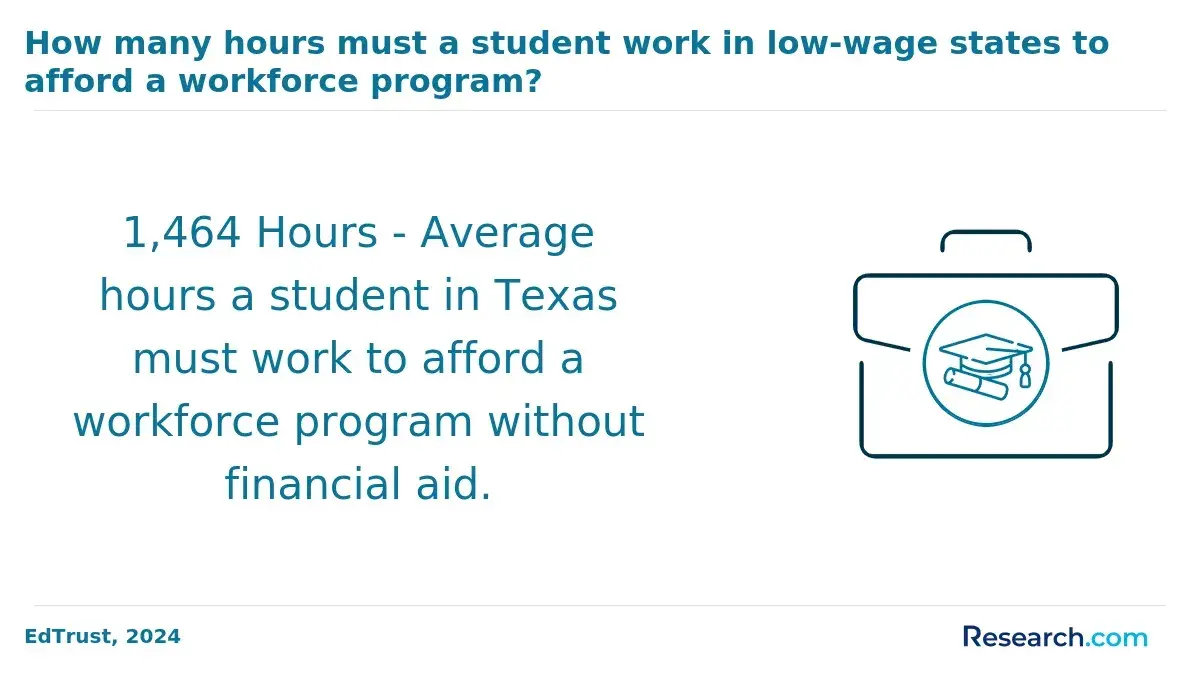
Admissions requirements vary by institution, denomination, accreditation status, and degree title. In general, PhD programs look for evidence of research potential, while professional doctorates look for evidence of mature ministry experience and leadership responsibility.
Most doctoral admissions committees evaluate several common factors. Use the list below to compare requirements before you spend time and money on applications.
- Prior degree: PhD programs often require a relevant master's degree such as an MDiv, MA in Theology, MA in Ministry, or related graduate degree; professional doctorates frequently prefer or require an MDiv or equivalent theological preparation.
- Ministry experience: Professional doctorates commonly expect several years of ministry, chaplaincy, nonprofit, or church leadership experience; PhD programs may value experience but usually prioritize research readiness.
- Writing sample: PhD applicants may need a substantial academic paper showing research, citation, and argumentation skills; professional doctorate applicants may submit reflective, theological, or ministry-leadership writing.
- Research or project proposal: A PhD proposal should identify a scholarly problem; a professional doctorate proposal should identify a practical ministry challenge that can be studied and improved.
- Recommendations: PhD programs often prefer academic references, while professional doctorates may emphasize supervisors, denominational leaders, ministry mentors, or senior colleagues.
- Language or theological prerequisites: Some programs require biblical languages, theology prerequisites, statistics, or research methods before enrollment or before dissertation work.
If your ministry leadership goals include pastoral counseling, chaplaincy, or family systems work, doctoral study may not substitute for a counseling license. In that case, compare doctoral ministry options with online masters programs for counseling before assuming a ministry doctorate will meet clinical requirements.
A strong application should show fit. For a PhD, explain the research question you want to pursue and why the faculty can supervise it. For a professional doctorate, explain the ministry problem you want to address, the community you serve, and how the program's applied model will help you lead change responsibly.
How Long Does a PhD vs Professional Doctorate in Ministry Leadership Take, and Can You Work While Studying?
Time-to-degree depends on enrollment intensity, dissertation or capstone progress, transfer credit, residency requirements, and whether you can use your current ministry setting as a research site. PhD programs usually take longer because students must develop original scholarship and often pass comprehensive exams before dissertation work.
The table below gives a practical timeline comparison. Treat these ranges as planning estimates, not promises, because doctoral completion depends heavily on advising, research scope, and student availability.
| Timeline factor | PhD in Ministry Leadership | Professional doctorate in Ministry Leadership |
| Typical pacing | Often 4 to 7 years, especially when dissertation research is extensive | Often 3 to 5 years, especially in structured cohort or part-time formats |
| Coursework phase | Usually research-heavy seminars plus methods coursework | Usually applied leadership, theology, and ministry-practice courses |
| Exams or candidacy | Common, with comprehensive exams or proposal defense before dissertation | May include portfolio review, project proposal approval, or candidacy process |
| Residency | May require campus residency, teaching, research assistantship, or intensive seminars | Often designed around short intensives, online coursework, or hybrid residencies |
| Work compatibility | Possible, but demanding; funded PhD programs may expect assistantship work that limits outside employment | Usually designed for working pastors, chaplains, and ministry leaders |
Working while studying is often more realistic in a professional doctorate, but it is still not easy. Ministry emergencies, weekend responsibilities, preaching schedules, and family demands can slow progress if the program does not provide clear milestones.
Before enrolling, ask yourself and the school these practical questions:
- Can my current ministry setting serve as the site for research, fieldwork, or the capstone project?
- How often must I be on campus, and are residencies scheduled around working professionals?
- How many hours per week do current students report spending on reading, writing, research, and project work?
- What happens if I change ministry positions during the dissertation or capstone phase?
- How long do students typically take after coursework to finish the final project?
How Much Does a PhD vs Professional Doctorate in Ministry Leadership Cost, and Which Offers Better Funding?
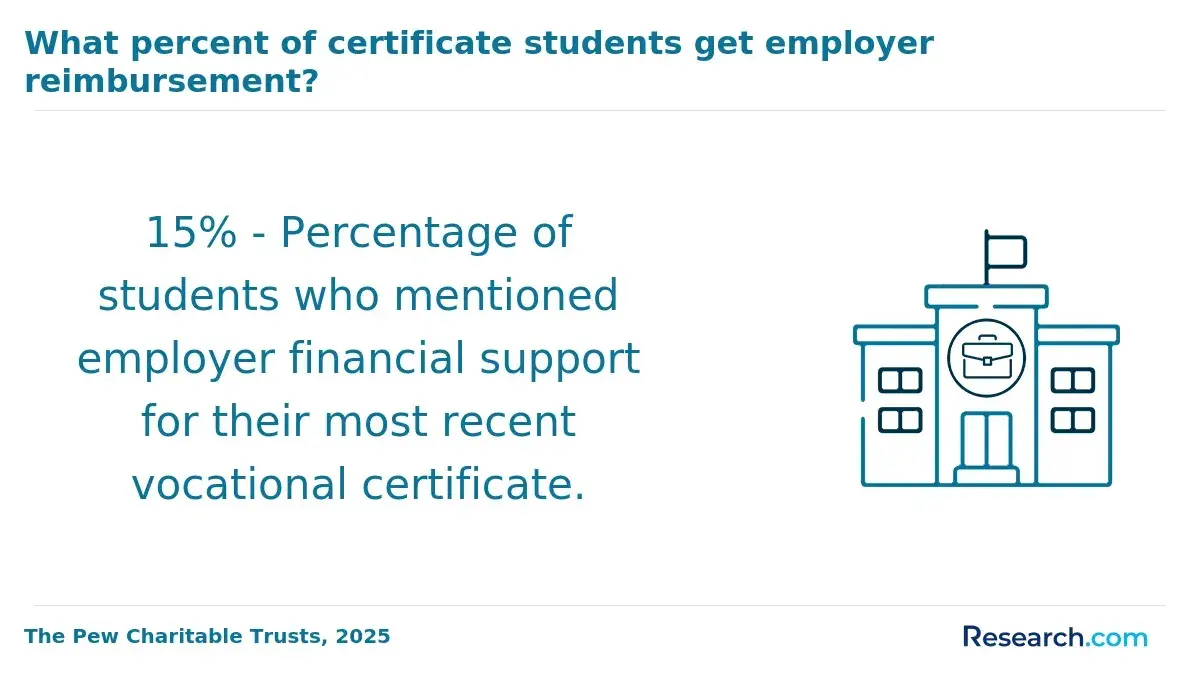
Cost is one of the biggest differences between a PhD and a professional doctorate in Ministry Leadership. PhD programs may offer assistantships, fellowships, or tuition remission, especially in research universities or well-funded seminaries. Professional doctorates are more often tuition-driven because they are designed for employed professionals who continue working while enrolled.
Federal borrowing limits matter when comparing affordability. Graduate and professional students may borrow up to $20,500 per academic year through Direct Unsubsidized Loans before considering Grad PLUS Loans, institutional aid, employer support, or denominational scholarships.
Common cost categories include the following:
- Tuition charged per credit, term, or program
- Required fees, technology fees, library fees, graduation fees, and continuation fees during dissertation or capstone work
- Residency travel, lodging, meals, and time away from ministry responsibilities
- Books, software, research tools, transcription, survey platforms, or project evaluation costs
- Opportunity cost if the program reduces paid work, consulting, preaching, or leadership responsibilities
The table below compares typical funding patterns. It can help you look beyond advertised tuition and estimate the total financial commitment.
| Financial factor | PhD pathway | Professional doctorate pathway |
| Tuition support | More likely to include assistantships, fellowships, tuition remission, or stipends in competitive programs | More likely to rely on student payment, employer support, denominational aid, scholarships, or loans |
| Work expectations | Funded students may teach, grade, assist faculty, or support research | Students usually continue in ministry or professional roles while studying |
| Hidden costs | Lost full-time earnings if residential study limits employment | Travel for intensives, project costs, and tuition over multiple part-time years |
| Best financial fit | Students pursuing academia who can secure strong funding and tolerate a longer timeline | Working leaders whose employer, church, denomination, or nonprofit will help fund practical development |
Do not compare programs only by sticker price. A partially funded PhD that requires leaving a full-time ministry role may cost more in lost income than a part-time professional doctorate, while an unfunded professional doctorate can become expensive if the final project phase extends for several additional terms.
What Careers Can You Pursue With a PhD vs Professional Doctorate in Ministry Leadership?
Both doctorates can support meaningful ministry leadership careers, but they point toward different types of influence. A PhD often supports academic, research, writing, and institutional roles. A professional doctorate often supports senior leadership, pastoral innovation, consulting, chaplaincy leadership, and organizational transformation.
The table below connects common career paths to the doctorate that most directly supports them. It does not mean employers require that exact degree in every case.
| Career path | Typical responsibilities | Better-aligned doctorate |
| Seminary or university faculty member | Teach, publish, supervise students, conduct research, serve on academic committees | PhD |
| Senior pastor or executive pastor | Lead staff, preaching, vision, pastoral systems, discipleship strategy, and organizational change | Professional doctorate |
| Denominational leader | Oversee regional ministries, credentialing, clergy development, conflict resolution, and strategic initiatives | Either, depending on research or practice focus |
| Chaplaincy director | Lead spiritual care teams, supervise chaplains, manage ethics and institutional partnerships | Professional doctorate, sometimes paired with clinical credentials |
| Nonprofit or faith-based executive | Manage programs, fundraising, partnerships, staff development, and community impact | Professional doctorate or PhD with leadership research focus |
| Researcher, author, or theological scholar | Produce scholarly books, articles, curriculum, or research on ministry, theology, or leadership | PhD |
Some ministry leaders also build adjacent careers in organizational development, coaching, conflict mediation, education, or counseling-informed pastoral care. If you are exploring counseling-related ministry roles, it is important to understand different types of counseling degrees because pastoral care, spiritual direction, and licensed mental health counseling are not interchangeable career paths.
The most marketable graduates usually combine doctoral-level learning with practical evidence of leadership. That evidence may include published research, successful organizational change, board-level experience, fundraising outcomes, curriculum development, supervised pastoral programs, or measurable community impact.
Which Pays More: a PhD or Professional Doctorate in Ministry Leadership?
Neither doctorate automatically pays more. Salary outcomes are shaped by occupation, employer type, region, denomination, institutional budget, years of experience, and whether the role is academic, congregational, nonprofit, healthcare, or executive. The degree can improve credibility, but it does not override the economics of the job itself.
BLS May 2024 wage data provides the best broad national reference point for several ministry-adjacent occupations. The table below uses those occupational categories to show why salary comparisons should focus on career target rather than degree title alone.
| Role or occupational category | Salary context from BLS May 2024 data | Doctorate most often aligned | How to interpret the number |
| Clergy | National median annual wage is in the low $60,000s | Professional doctorate for senior practice roles; PhD for teaching or research alongside ministry | Compensation often depends on congregation size, denomination, housing allowance, region, and benefits |
| Postsecondary philosophy and religion teachers | National median annual wage is around the $80,000 range | PhD | Tenure-track jobs are competitive, and pay varies sharply by institution type and rank |
| Social and community service managers | National median annual wage is around the upper $70,000s | Professional doctorate or PhD with nonprofit leadership focus | Relevant for faith-based nonprofits, community ministries, and social-service organizations |
| Top executives | National median pay is higher than most ministry occupations, but the category is broad | Either, depending on leadership scope | Only applies when the graduate moves into executive leadership, not ordinary pastoral or academic roles |
A PhD may produce stronger salary potential if it leads to a full-time faculty appointment, research center role, academic administration, or publishing-supported career. A professional doctorate may produce stronger salary potential if it helps a leader move into a larger congregation, senior nonprofit role, chaplaincy administration, consulting practice, or denominational leadership.
The safest way to compare salary outcomes is to start with the job you want, not the degree name. Ask programs for recent graduate roles, not just testimonials, and compare those roles with national and regional salary data for the occupation.
What Is the Job Outlook for PhD and Professional Doctorate Graduates in Ministry Leadership?
The job outlook for Ministry Leadership doctorate holders is mixed because "ministry leadership" is not one single labor-market category. Demand is stronger in roles connected to education, healthcare chaplaincy, nonprofit management, community services, organizational leadership, and specialized pastoral care than in roles tied only to traditional congregational headcount.
BLS 2024-2034 projections show social and community service managers growing at 8%, which is faster than the average for all occupations. For ministry leaders, this matters because many churches, denominations, and faith-based nonprofits increasingly need leaders who can manage programs, partnerships, compliance, volunteers, data, fundraising, and community impact.
Several trends affect doctorate-level opportunities:
- Hybrid and online ministry: Churches and ministries need leaders who can integrate digital worship, online formation, donor systems, and remote pastoral care without weakening community trust.
- Institutional complexity: Larger congregations, hospitals, universities, and nonprofits often expect senior leaders to understand budgets, boards, compliance, human resources, and evaluation.
- Competition for academic jobs: PhD graduates should plan for a competitive faculty market and consider adjacent roles in administration, publishing, research, curriculum design, or nonprofit leadership.
- Credential-based advancement: Professional doctorates can strengthen credibility for senior ministry roles, but employers still look for demonstrated leadership results, not the credential alone.
- AI and communication tools: Leaders who can use AI ethically for administration, research support, communication planning, and education may be better prepared for changing ministry operations.
The strongest job outlook belongs to graduates who can translate doctoral work into visible outcomes: stronger teams, healthier organizations, publishable research, improved pastoral systems, better community partnerships, or effective teaching.
How Do Accreditation, Licensure, and Employer Recognition Differ for PhD vs Professional Doctorate in Ministry Leadership?
Accreditation is essential because it affects transferability, employer recognition, faculty hiring, federal financial aid eligibility, and institutional credibility. For ministry doctorates, look for institutional accreditation recognized by the U.S. Department of Education or the Council for Higher Education Accreditation, and, where applicable, theological accreditation such as recognition by the Association of Theological Schools.
Licensure is a separate issue. A ministry doctorate may support pastoral leadership, chaplaincy advancement, or theological education, but it usually does not qualify a graduate for state-regulated mental health counseling, marriage and family therapy, psychology, or social work licensure. If your calling includes clinical counseling, compare ministry study with the required academic and supervised clinical pathway; this is where resources on best online MFT programs may be more relevant than a DMin or PhD in Ministry Leadership.
Employer recognition also differs by setting. Universities and seminaries often prefer or require a PhD for tenure-track teaching and research roles. Churches, denominations, nonprofits, and chaplaincy employers may value a professional doctorate more when it is connected to demonstrated leadership, pastoral maturity, and applied organizational change.
Before applying, verify the following:
- The institution's accreditation status and whether the program is eligible for federal financial aid.
- Whether the doctorate is considered a research doctorate, professional doctorate, or theological practice doctorate by the school and likely employers.
- Whether the degree meets the expectations of your denomination, ordaining body, chaplaincy board, or desired employer.
- Whether the program makes clear that it does or does not lead to counseling, therapy, education, or administrative licensure.
- Whether graduates have obtained roles similar to the roles you want.
Is a PhD or Professional Doctorate in Ministry Leadership Worth It for Your Career Goals?
A PhD or professional doctorate in Ministry Leadership can be worth it when the degree directly supports your career goal, funding plan, and preferred type of work. It is a weak investment when chosen mainly for prestige, title, or the assumption that any doctorate will produce higher pay.
Use this decision framework to choose the better path:
- Choose a PhD if your primary goal is scholarship, research, teaching in higher education, academic writing, or contributing new knowledge to ministry leadership, theology, or practical theology.
- Choose a professional doctorate if your primary goal is to lead better in a real ministry setting, improve an organization, strengthen pastoral practice, or move into senior applied leadership.
- Compare funding before comparing prestige; a well-funded PhD may be financially safer than an unfunded professional doctorate, but a part-time professional doctorate may preserve income better than residential study.
- Ask each program for completion rates, average time-to-degree, dissertation or capstone expectations, graduate roles, and examples of recent final projects.
- Match the final project to your temperament; do not choose a PhD if you dislike long-form independent research, and do not choose a professional doctorate if you want a traditional scholarly dissertation above all else.
Common mistakes can be expensive. The most frequent error is assuming the PhD is always superior because it is more research-intensive. Another is choosing a professional doctorate because it seems more convenient without checking whether the capstone, residency schedule, and ministry-site requirements fit your actual life. A third is overlooking counseling licensure.
The best choice is the doctorate that helps you do the work you actually want to do. If you want to teach, publish, and research, favor the PhD. If you want to lead change in a congregation, denomination, nonprofit, chaplaincy department, or ministry network, favor the professional doctorate. If you are unsure, speak with graduates from both pathways and compare their current jobs with the job you hope to hold five to ten years from now.
Other Things You Should Know About Ministry Leadership
In many academic and professional settings, graduates of accredited professional doctorates may use the title "Dr." However, expectations vary by church, denomination, employer, and culture, so use the title transparently and avoid implying that the degree is a medical or clinical credential.
No. A DMin is usually a professional doctorate focused on advanced ministry practice, while a PhD is a research doctorate focused on original scholarship. Both are doctoral degrees, but they are designed for different outcomes.
Yes, many professional doctorates and some PhD programs offer online or hybrid formats. Check residency requirements, dissertation or capstone supervision, accreditation, and whether the format supports your learning style and ministry schedule.
Usually not as an entry-level requirement. Many pastors begin with an MDiv, MA in Ministry, or denominational training. A doctorate makes more sense after you have experience and a clear reason for advanced research, teaching, senior leadership, or specialized ministry development.
References
- Doctor of Christian Leadership FAQs - Shepherds Theological Seminary - Development https://shepherds.edu/doctor-of-christian-leadership-faqs/
- DMin vs Thd: Comparing Theological Doctorates for Your Career Path - United Theological Seminary https://united.edu/dmin-vs-thd/
- What Can You Do With a Doctor of Ministry Degree? | Houston Christian University https://hc.edu/articles/what-can-you-do-with-a-doctor-of-ministry-degree/
- Association for Theological Education in Southeast Asia https://atesea.net/doctor-of-ministry/
- All Doctor of Ministry (DMin) Programs - TheologyDegree.org https://www.theologydegree.org/programs/doctor-of-ministry/
- Understanding the Doctor of Ministry Degree https://www.mbts.edu/article/understanding-dmin/
- Your Guide to D Min Programs for Ministry Leaders https://www.thebibleseminary.edu/post/d-min-programs
- Professional Doctorate vs PhD: What's the Difference? - UniDAIM https://unidaim-edu.us/professional-doctorate-vs-phd/
- 2024: The Professional Doctorate: A Call to Rigor https://journal.dmineducation.org/2024-the-professional-doctorate-a-call-to-rigor/
- PhD vs. Professional Doctorate: Is there a difference? https://www.applykite.com/blog/phd-guide-phd-vs-postdoc


