
2027 PhD vs Professional Doctorate in Business Leadership: Key Differences, Careers, and Salary Outcomes

Co-Founder and Chief Data Scientist
Choosing between a PhD and a professional doctorate in business leadership is really a choice between becoming a researcher and becoming a senior applied problem-solver. The stakes are high: the U. S. Bureau of Labor Statistics reported a May 2024 median annual wage of $83,980 for postsecondary teachers, while many executive and consulting roles vary widely by industry and experience.
This guide is for working professionals, aspiring faculty, consultants, and executives who want to compare focus, cost, time, career fit, and salary potential before committing to a doctorate.
Key Things You Should Know
- A PhD in business leadership is usually best for research, theory-building, and tenure-track academic goals, while a professional doctorate such as a DBA, DSL, or EdD in organizational leadership is designed for applying research to real organizational problems.
- Time and funding often differ: the NSF Survey of Earned Doctorates reported a 5.7-year median time from doctoral program entry to research doctorate completion in 2023, while many professional doctorates are structured for working adults and may be completed part time.
- Salary outcomes depend more on occupation than degree label; BLS May 2024 data shows management analysts had a $101,190 median wage, while postsecondary teachers had an $83,980 median wage, so career setting matters more than assuming one doctorate always pays more.
What Is the Difference Between a PhD and a Professional Doctorate in Business Leadership?
The main difference is purpose. A PhD in business leadership is a research doctorate focused on creating new knowledge about leadership, organizations, strategy, decision-making, ethics, or management. A professional doctorate in business leadership is a practice-oriented doctorate focused on using existing research to solve complex problems in organizations.
Professional doctorates may appear under several names, including Doctor of Business Administration, Doctor of Strategic Leadership, Doctor of Organizational Leadership, or EdD programs with a leadership concentration. The title matters less than the program's design: dissertation versus applied project, research depth, faculty expertise, accreditation, and the career outcomes it supports.
The table below summarizes the practical differences that usually matter most when deciding which route fits your career plans:
| Comparison area | PhD in Business Leadership | Professional doctorate in Business Leadership |
| Primary goal | Generate original scholarly research | Apply research to leadership and organizational problems |
| Best fit | Aspiring professors, academic researchers, policy researchers, research consultants | Executives, senior managers, consultants, nonprofit leaders, change-management professionals |
| Research orientation | Theory development, advanced methodology, publishable scholarship | Applied inquiry, evidence-based decision-making, organizational intervention |
| Typical final requirement | Dissertation based on original research | Applied dissertation, doctoral project, capstone, or practice-based dissertation |
| Work compatibility | Often full time, especially in funded programs | Often part-time, hybrid, online, or executive-format |
| Common career outcome | Faculty, research, academic administration, research-intensive consulting | Executive leadership, consulting, organizational development, applied teaching, senior administration |
A useful shortcut is this: choose a PhD if your long-term goal is to ask new research questions for the field; choose a professional doctorate if your goal is to use research to improve leadership practice in a specific organization, industry, or community.
How Do PhD and Professional Doctorate Curricula, Research, and Capstone Requirements Differ in Business Leadership?
Both degree types can include advanced leadership theory, organizational behavior, strategy, ethics, analytics, and research methods. The difference is how deeply the program trains you to conduct original research versus how directly it connects research to leadership practice.
In a PhD, coursework usually builds toward a dissertation that contributes new knowledge to the discipline. In a professional doctorate, coursework usually builds toward a problem of practice, such as improving succession planning, managing organizational change, strengthening culture, or evaluating leadership development outcomes.
The curriculum differences below can help you evaluate whether a program is built for scholarship, practice, or a blend of both:
| Program component | PhD emphasis | Professional doctorate emphasis |
| Research methods | Advanced quantitative, qualitative, mixed-methods, theory testing, and scholarly design | Applied research, program evaluation, case-based inquiry, action research, and decision-focused analysis |
| Leadership coursework | Leadership theory, organizational theory, institutional theory, scholarly literature analysis | Strategic leadership, change leadership, executive decision-making, organizational performance |
| Residency or seminars | Research seminars, teaching preparation, academic conferences | Executive residencies, cohort workshops, applied consulting labs |
| Final project | Traditional dissertation intended to advance scholarship | Applied dissertation, capstone, or doctoral project addressing a real organizational issue |
| Assessment style | Comprehensive exams, research proposals, defense, scholarly publication expectations | Applied deliverables, leadership portfolio, organizational analysis, project defense |
If you are comparing dissertation and capstone models, look closely at the evidence requirements. A strong professional doctorate should still require rigorous research design, credible data collection, ethical review when human participants are involved, and a defensible analysis. It should not be only a long consulting report.
Before enrolling, ask programs to show recent dissertation or capstone titles. This is one of the fastest ways to see whether the curriculum aligns with academic research, executive practice, or a middle ground.
What Are the Admissions Requirements for a PhD vs Professional Doctorate in Business Leadership?
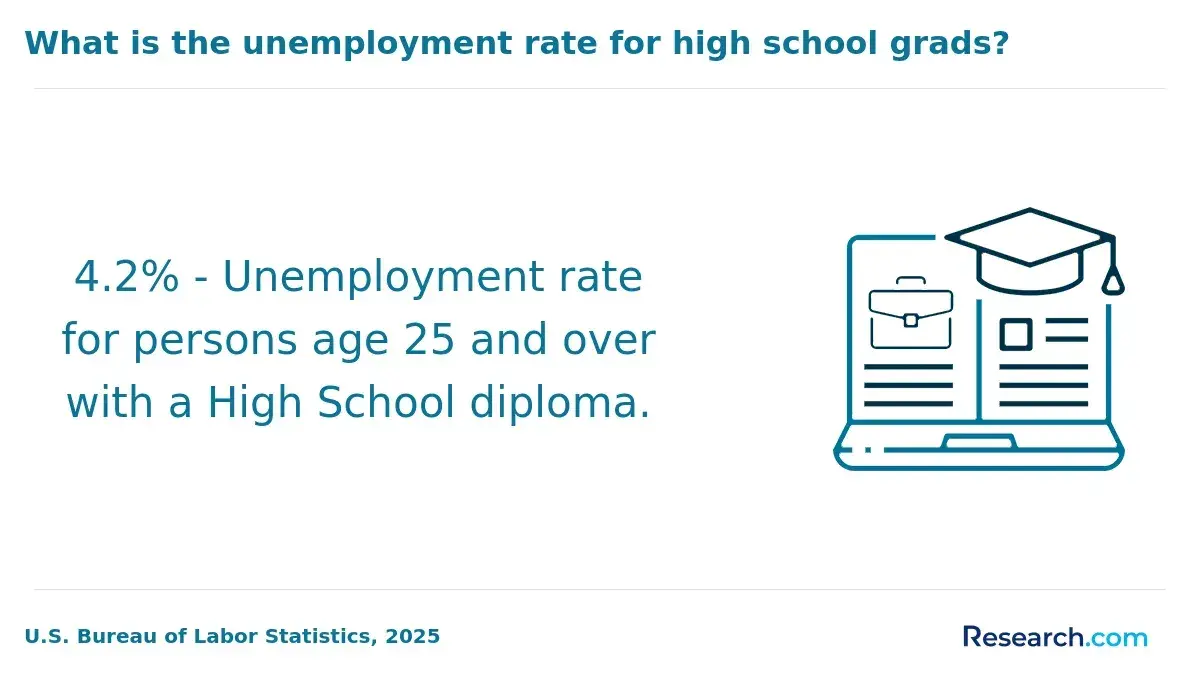
Admissions requirements vary by university, but PhD programs usually place more weight on research potential, academic writing, faculty fit, and readiness for doctoral-level methods. Professional doctorate programs often place more weight on leadership experience, professional achievements, and the applicant's ability to connect doctoral work to a real-world problem.
Applicants who are still building business foundations may first need a relevant bachelor's or master's background. For earlier-stage students, an online business administration degree can provide core preparation in management, finance, accounting, operations, and strategy before graduate study.
The comparison below outlines common admissions expectations, but always confirm school-specific requirements because doctoral admissions can be highly individualized.
| Admissions factor | PhD in Business Leadership | Professional doctorate in Business Leadership |
| Prior degree | Usually a master's degree; some programs admit from a bachelor's with additional coursework | Usually a master's degree; some executive programs prefer an MBA or leadership-related graduate degree |
| Work experience | Helpful but not always required | Often important; many programs expect substantial professional or managerial experience |
| Research statement | Very important; should match faculty expertise and scholarly gaps | Important when framed as a problem of practice or applied leadership challenge |
| Test scores | GRE or GMAT may be required, optional, or waived depending on the school | Often optional or waived, especially for experienced professionals |
| Writing sample | Often used to assess scholarly readiness | Often used to assess professional analysis and applied writing ability |
| Interview | May focus on research fit and academic goals | May focus on leadership experience, career goals, and project feasibility |
Strong applicants do more than meet minimum GPA or degree requirements. They show that they understand the doctoral workload and can explain why a specific program's faculty, format, and research model fit their goals.
Common application mistakes include choosing a program only because the title sounds prestigious, submitting a vague research interest, ignoring faculty alignment, or treating a professional doctorate as easier than a PhD. A better approach is to match your application materials to the program's actual purpose.
How Long Does a PhD vs Professional Doctorate in Business Leadership Take, and Can You Work While Studying?
Time-to-degree depends on enrollment status, dissertation progress, course sequencing, transfer credits, and whether the program is cohort-based. PhD programs are often longer because they require deeper methodological training and a dissertation designed to contribute to the scholarly literature.
The NSF Survey of Earned Doctorates, published in 2024, reported a 5.7-year median time from doctoral program entry to completion for research doctorates in 2023. That figure is useful for understanding research doctorate timelines, but it does not directly measure professional doctorates, which are often structured differently and may enroll working adults.
Some students shorten their overall path by completing earlier business credentials efficiently before doctoral study. For example, an accelerated business degree online may help undergraduate students move faster toward graduate prerequisites, though doctoral programs still require substantial independent research or applied project work.
The table below gives a practical timeline comparison rather than a promise, since doctoral completion depends heavily on dissertation or capstone progress:
| Timeline factor | PhD in Business Leadership | Professional doctorate in Business Leadership |
| Common pace | Full time in many research-intensive programs | Part-time, online, hybrid, weekend, or executive format is common |
| Typical sequence | Coursework, exams, proposal, dissertation research, defense | Coursework, applied research design, capstone or dissertation-in-practice, defense or presentation |
| Working while enrolled | Possible in some programs, but funded PhD students may have teaching or research assistant duties | Often expected; programs may be designed around full-time employment |
| Main delay risk | Dissertation scope, data access, methodology challenges, faculty fit | Capstone scope, workplace data access, job changes, balancing executive responsibilities |
If you plan to work full time, ask how often courses meet, whether residencies are required, how dissertation advising works, and how quickly students move from coursework to proposal approval. Flexibility matters, but too little structure can also slow completion.
How Much Does a PhD vs Professional Doctorate in Business Leadership Cost, and Which Offers Better Funding?
Cost is one of the biggest differences between the two paths. Many traditional PhD programs at research universities offer competitive funding packages, especially when students teach, assist with faculty research, or enroll full time. Professional doctorates are more often self-funded through tuition payments, employer tuition benefits, private scholarships, federal loans, or payment plans.
For graduate borrowers, the federal Direct Unsubsidized Loan annual limit is $20,500 for eligible graduate and professional students. That limit matters because doctoral tuition, fees, residencies, books, travel, and lost work time can exceed what one loan type covers, pushing some students toward Grad PLUS loans or employer support.
Students comparing doctoral affordability should look beyond tuition per credit. If you are still exploring lower-cost business pathways before doctoral study, comparing an online business degree can help you understand how program format, transfer credit, and institutional pricing affect total education cost.
Use the following cost factors to compare programs realistically before you apply:
- Tuition structure: Check whether the school charges per credit, per term, dissertation-continuation fees, residency fees, or separate doctoral project fees.
- Funding model: Ask whether PhD funding includes tuition remission, stipends, health insurance, teaching assistantships, or research assistantships, and whether professional doctorate students qualify for comparable aid.
- Employer support: Professional doctorate students should ask whether tuition reimbursement requires staying with the employer for a set period after graduation.
- Opportunity cost: A full-time PhD may reduce earnings during study, while a part-time professional doctorate may preserve income but extend the workload over more years.
- Completion risk: A low tuition rate is less valuable if advising is weak, dissertation support is limited, or students pay continuation fees for multiple extra terms.
In general, a funded PhD can be financially attractive for students pursuing academia or research careers, but it may require full-time enrollment and a narrower research focus. A professional doctorate may cost more out of pocket, but it can make sense if it supports advancement while you continue earning income.
What Careers Can You Pursue With a PhD vs Professional Doctorate in Business Leadership?
Both doctorates can support advanced roles, but they tend to point toward different career markets. A PhD is usually the stronger fit for research universities, scholarly publishing, and tenure-track faculty roles. A professional doctorate is often better aligned with executive leadership, consulting, organizational development, corporate learning, and applied teaching.
The degree alone rarely determines the job. Employers also consider industry experience, publications, leadership record, consulting portfolio, teaching experience, technical skills, and the credibility of the institution.
The table below connects each doctorate to common career paths and the type of work each role usually involves:
| Career path | Better-aligned doctorate | Typical responsibilities |
| Tenure-track business professor | PhD | Conduct research, publish scholarship, teach, advise students, serve on committees |
| Postsecondary instructor or practitioner faculty | Either, depending on the institution | Teach leadership, management, strategy, or organizational behavior courses |
| Executive leader | Professional doctorate | Set strategy, lead transformation, manage senior teams, use evidence for organizational decisions |
| Management consultant | Either | Diagnose organizational problems, advise leaders, design change strategies, evaluate outcomes |
| Organizational development leader | Professional doctorate | Improve culture, leadership systems, talent development, team effectiveness, change readiness |
| Research director or policy analyst | PhD | Design studies, analyze evidence, publish reports, guide evidence-based decisions |
| Corporate learning or leadership development executive | Professional doctorate | Build leadership programs, measure training impact, align learning with business goals |
If your target is academia, review job postings before applying. Research universities often prefer or require a PhD in a closely related field, while teaching-focused colleges, online universities, and professional programs may consider candidates with a DBA or other professional doctorate plus strong experience.
If your target is industry, the doctorate should strengthen your credibility, decision-making, and specialization. It should not replace the need for measurable leadership accomplishments.
Which Pays More: a PhD or Professional Doctorate in Business Leadership?
Neither degree automatically pays more. Salary outcomes depend on occupation, industry, employer size, geography, prior experience, and whether the graduate moves into academia, consulting, executive leadership, or specialized organizational roles.
BLS May 2024 wage data is useful because it shows how different the relevant career markets can be. Management analysts had a median annual wage of $101,190, while postsecondary teachers had a median annual wage of $83,980. This does not mean consulting is always better than academia; it means you should compare the specific roles you want, not just the doctorate name.
The table below shows how salary context differs by career direction. These are occupation-level labor market figures, not doctoral graduate salary guarantees.
| Career setting | Doctorate often associated with the path | Salary interpretation |
| Research university faculty | PhD | Compensation may include salary, research support, tenure potential, and academic prestige, but the academic job market is competitive. |
| Teaching-focused higher education | Either | Pay varies by institution type, course load, rank, discipline, and whether the role is full-time or adjunct. |
| Management consulting | Either | Earnings can be strong when doctoral expertise is paired with client development, analytics, industry experience, and measurable results. |
| Corporate executive leadership | Professional doctorate | Compensation depends heavily on organization size, sector, performance incentives, and leadership scope. |
| Organizational development or HR leadership | Professional doctorate | Doctoral training may support advancement, but experience managing people, change, and business outcomes remains critical. |
A PhD may produce higher long-term value for someone who becomes a tenured professor at a strong institution or builds a research consulting career. A professional doctorate may produce higher value for someone who uses the credential to move into senior leadership, consulting, or organizational transformation roles while continuing to work.
The safest way to evaluate salary potential is to start with your target occupation, then ask whether the doctorate is required, preferred, or simply a differentiator. If most target jobs value executive experience more than doctoral research, a professional doctorate may offer better practical alignment. If most target jobs require peer-reviewed research and a scholarly agenda, a PhD is usually the better signal.
What Is the Job Outlook for PhD and Professional Doctorate Graduates in Business Leadership?
The job outlook depends on whether graduates pursue academic, consulting, managerial, or organizational development careers. Business leadership is not a single occupation, so the strongest analysis comes from matching the doctorate to the labor market you plan to enter.
BLS employment projections for 2024 to 2034 show management analyst employment growing 9%, faster than the average for all occupations. That matters for both PhD and professional doctorate graduates because organizations continue to need help improving efficiency, managing change, and using evidence to make decisions.
Several current trends affect the value of doctoral-level business leadership training:
- AI and analytics are changing leadership work: Leaders increasingly need to interpret data, manage automation-related change, and make ethical decisions about technology adoption.
- Employers value applied evidence: Professional doctorate graduates can stand out when they demonstrate that their capstone or dissertation improved a real process, culture, or performance measure.
- Academic roles remain competitive: A PhD can be essential for research faculty positions, but applicants often need publications, teaching experience, conference activity, and strong methodological skills.
- Online and hybrid programs have expanded access: More working professionals can pursue doctoral study, but program quality, advising, accreditation, and outcomes vary widely.
- Leadership credibility is becoming more portfolio-based: Employers may look for a mix of doctoral expertise, executive accomplishments, data fluency, communication skills, and change-management results.
The best outlook usually belongs to candidates who combine doctoral training with a clear specialty. Examples include AI leadership, healthcare administration, higher education leadership, organizational change, workforce development, strategy execution, or evidence-based consulting.
How Do Accreditation, Licensure, and Employer Recognition Differ for PhD vs Professional Doctorate in Business Leadership?
Accreditation is critical for both degree types. At minimum, choose an institution accredited by a recognized institutional accreditor. For business-focused doctorates, programmatic accreditation from organizations such as AACSB, ACBSP, or IACBE may also matter, especially for teaching, academic hiring, or employer tuition reimbursement.
Licensure is usually not required for business leadership roles, but exceptions can occur when a doctorate is paired with regulated fields such as education administration, healthcare administration, counseling-adjacent leadership, or public-sector roles. Requirements vary by state, employer, and profession, so verify rules before enrolling if your target job is regulated.
The table below shows what to check before trusting any doctoral program's claims.
| Quality factor | Why it matters | What to verify |
| Institutional accreditation | Supports degree legitimacy, financial aid eligibility, credit recognition, and employer acceptance | Confirm the accreditor is recognized by the U.S. Department of Education or CHEA |
| Business program accreditation | May influence academic hiring, employer perception, and quality assurance | Check whether the specific business school or program is accredited, not just the university |
| Faculty qualifications | Doctoral advising quality depends heavily on faculty research and practice expertise | Review faculty publications, consulting background, doctoral supervision experience, and methodological strengths |
| Dissertation or capstone support | Poor advising can delay graduation and increase cost | Ask about committee formation, proposal timelines, data approval, and completion rates |
| Employer recognition | Some employers distinguish between PhD, DBA, EdD, DSL, and other doctorates | Review target job postings and ask HR or hiring managers how each credential is viewed |
Red flags include unclear accreditation language, promises of unusually fast completion, limited faculty information, no transparent dissertation process, pressure-heavy admissions calls, or vague career outcome claims. A credible doctoral program should be able to explain who the degree is for and who it is not for.
Is a PhD or Professional Doctorate in Business Leadership Worth It for Your Career Goals?
A doctorate in business leadership is worth it when it directly supports a specific goal that requires or strongly rewards doctoral-level expertise. It is less likely to be worth it if the goal is vague, the program is poorly aligned, or the expected salary increase is based on assumptions rather than evidence.
If your interests lean toward applied leadership, organizational change, or executive practice, you may also want to compare a doctorate in organizational leadership online with business-focused DBA or strategic leadership options. Many programs overlap, but their faculty, capstone models, and employer signals can differ.
Use the decision guide below to match the doctorate to your goals:
- Choose a PhD if you want to publish original research, compete for tenure-track roles, teach at research-oriented institutions, or build a career around theory and methodology.
- Choose a professional doctorate if you want to solve organizational problems, strengthen executive credibility, lead transformation, consult, or apply research directly to practice.
- Be cautious about a PhD if you cannot commit to intensive research training, are not interested in academic literature, or need a flexible program designed around full-time work.
- Be cautious about a professional doctorate if your target jobs specifically require a PhD, your program lacks rigorous research requirements, or the cost depends heavily on loans without a clear career plan.
- Compare ROI by role, not degree title: Estimate total cost, likely time to completion, income during study, target salaries, employer support, and whether the credential is required for advancement.
Before applying, take these practical steps:
- Write down your target role, not just your target degree, and collect at least several job postings to see which doctorate employers prefer.
- Ask each program for dissertation or capstone examples, completion support, faculty fit, and recent graduate outcomes.
- Calculate total cost using tuition, fees, residencies, books, travel, continuation terms, and possible lost income.
- Speak with current students or alumni about advising quality, workload, and whether the program helped them reach their intended career outcome.
- Choose the program whose structure matches your life, but prioritize rigor, accreditation, and career alignment over convenience alone.
The bottom line: a PhD is usually the better investment for research and academic careers, while a professional doctorate is often the better fit for experienced professionals who want to apply evidence to leadership practice. The best choice is the one that connects clearly to the work you want to do after graduation.
Other Things You Should Know About Business Leadership
Yes, in some settings. Teaching-focused colleges, online universities, and professional programs may consider candidates with a DBA, DSL, EdD, or similar doctorate, especially when they have strong industry experience. Research universities are more likely to prefer or require a PhD for tenure-track roles.
No. A DBA is usually a professional doctorate focused on applied business problems, while a PhD is usually a research doctorate focused on producing original scholarship. Both are doctoral degrees, but they serve different career goals.
Many employers respect professional doctorates when they come from accredited institutions and align with the role. Recognition is strongest when the graduate can connect the degree to leadership results, strategic decision-making, consulting expertise, or organizational improvement.
An online doctorate can be a good option if it is accredited, rigorous, well-supported, and designed for your career goals. Check residency requirements, advising access, dissertation or capstone expectations, faculty qualifications, and whether the format fits your work schedule.
References
- Doctor of Business Administration vs PhD: The Best Path for Experienced Professionals https://www.edumindslearning.com/blog/dba-vs-phd-best-path-for-professionals
- DBA vs PhD in Business: Which Doctoral Degree Is Right for You? https://regenteuropeanuniversity.com/article/dba-vs-phd-in-business-which-doctoral-degree-is-right-for-you
- Doctorate of Business Administration Salary: An Overview https://lsmt.org.uk/blog/doctorate-of-business-administration-salary-an-overview
- PhD program and DBA program | Understanding the Difference https://edglobalacademy.com/is-a-phd-program-the-same-as-a-dba-program/
- DBA vs PhD in Business: Which Doctorate Is Better for Working Professionals? - Acacia https://acacia.edu/blog/dba-vs-phd-in-business-which-doctorate-is-better-for-working-professionals/
- Difference between DBA and PhD in Business Administration | BSBI https://www.berlinsbi.com/blog/what-is-the-difference-between-dba-and-phd-in-business-administration
- What Are the Career Options With a PhD in Business? https://www.ucumberlands.edu/blog/what-jobs-can-you-get-with-a-phd-in-business


